
The Quiet Return of Semi-Tubular Rivets in Modern Manufacturing
You know, it's funny - walk through any manufacturing plant these days, and you'll spot something you might not expect. Those semi-tubular rivets that everyone thought would be replaced by now? They're back, and in a big way. I was just talking with Sarah, a production manager at an auto parts supplier, who put it perfectly: "We tried all the new fancy fasteners, but we keep coming back to these. They're like that reliable old tool you never want to replace."
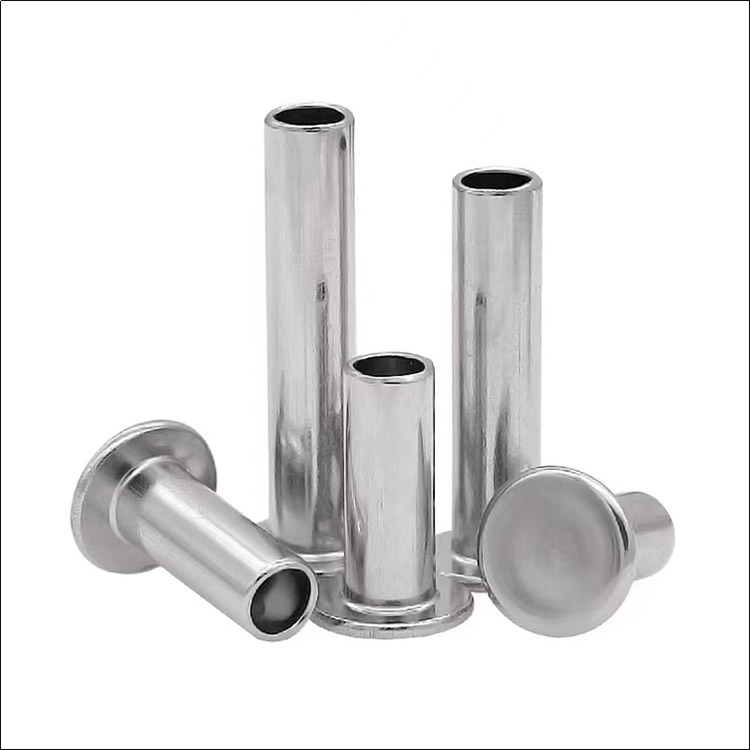
What's really interesting is hearing why people are returning to them. Over in the electronics section at Johnson Manufacturing, I watched as workers assembled control panels. "See how clean that looks?" one operator showed me. "No cracked components, no stress marks. Just a perfect join every time." He's been working the line for fifteen years and says he's never found anything that works quite as well for delicate materials.
The trend isn't just in electronics either. I visited a furniture plant last week where they're using these rivets for everything from office chairs to cabinet frames. Their lead engineer, Mark, explained it like this: "We're not just using the same old rivets - we're pairing them with new automated setters that make the process faster than ever. Our output's up nearly 20% since we made the switch back."
There's something satisfying about watching a well-set rivet do its job. That solid "click" from the tool, the way the material flattens just right - it's one of those small pleasures that manufacturing folks appreciate. As Sarah told me while we walked the floor, "In this business, you learn to appreciate things that just work. No drama, no surprises. These rivets have earned their place on our line."
"We're seeing about 30% more orders for semi tubular rivets compared to last year," says Michael Tan, a production manager with over 20 years of experience in the automotive sector. "Many of our clients in appliance manufacturing and automotive supply chains are switching back from plastic fasteners and screws. The main reasons are reliability and ease of installation - these rivets just perform better for certain applications."
The trend appears strongest in electronics assembly and furniture manufacturing, where the combination of vibration resistance and clean installation is crucial. In electronics, semi hollow rivets provide secure fastening without risking damage to circuit boards or delicate components. Furniture makers appreciate how they create strong joints while maintaining a clean, finished appearance.
While new fastening methods continue to emerge, this proven solution maintains its relevance where it matters most - on the production floor. As one factory supervisor put it, "Sometimes the older solutions are still the best solutions. We've tried various alternatives, but keep coming back to semi-tubular rivets for their consistent performance and reliability."
The current manufacturing landscape suggests this isn't just a temporary trend, but rather a lasting preference for proven, dependable fastening technology.
Send Inquiry



X
We use cookies to offer you a better browsing experience, analyze site traffic and personalize content. By using this site, you agree to our use of cookies.
Privacy Policy