
Industry News
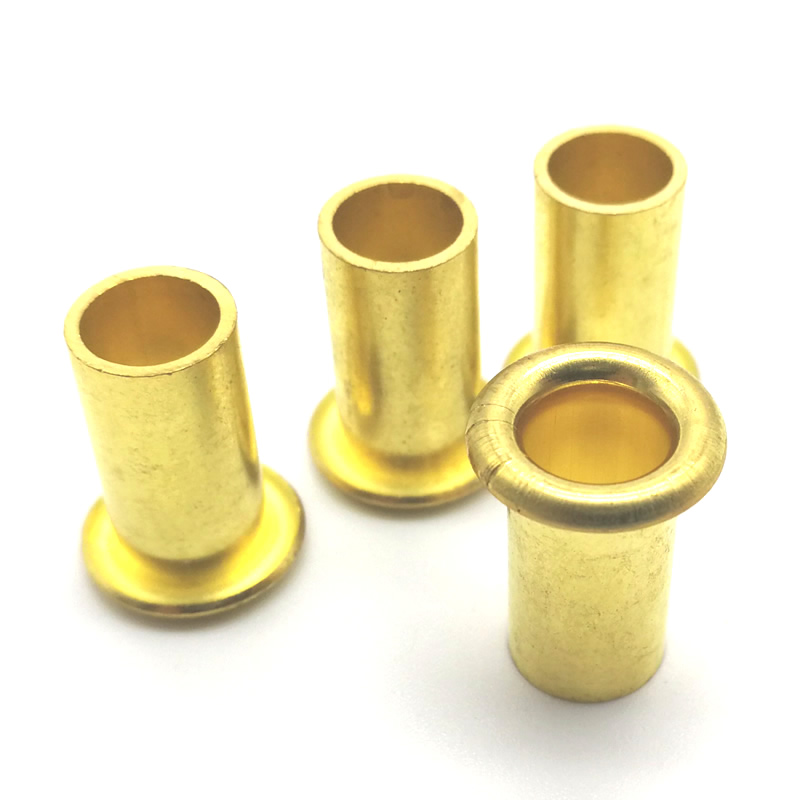
Why Are Brass Tubular Rivets the Preferred Choice for Electrical, Decorative, and High-Volume Assemblies?
Brass tubular rivets combine three properties that few fasteners can match: 28% IACS electrical conductivity, a natural gold finish that resists tarnishing, and setting force low enough for thin or soft materials. At Nuote Metals, we manufacture these rivets from C2680 yellow brass in semi-tubular a......
View Details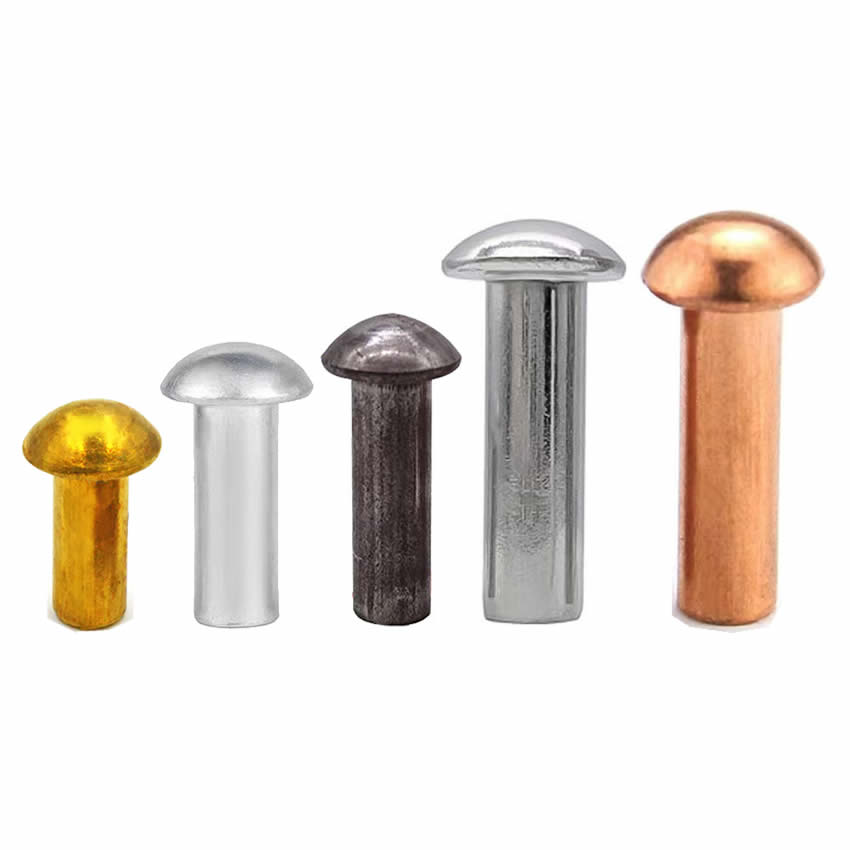
Why Are Solid Rivets Still the Only Choice for Critical Structural Joints?
Solid rivets remain the gold standard for permanent, high-strength joints in aerospace, heavy machinery, and infrastructure. At Nuote Metals, we manufacture solid rivets in aluminum, steel, stainless steel, copper, and brass, with shear strengths reaching 310 MPa for aerospace-grade alloys. Unlike s......
View Details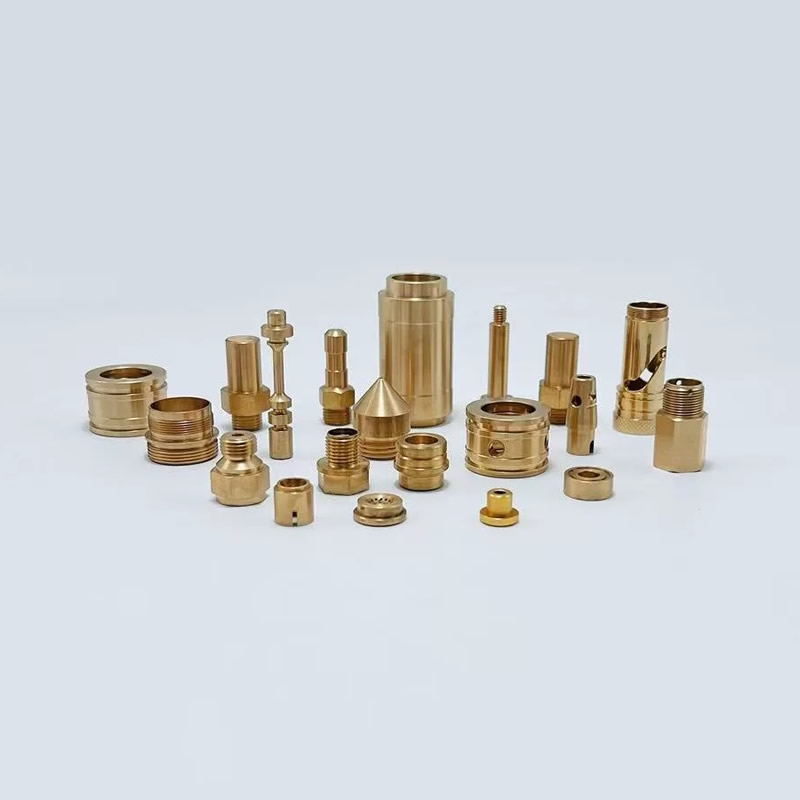
Why Are Brass Turning Parts the Backbone of Precision Manufacturing Across Automotive, Electronics, and Medical Industries?
Brass turning parts hold a critical position in precision manufacturing, driven by brass's exceptional machinability, corrosion resistance, and electrical conductivity. At Nuote Metals, we produce millions of brass turned components annually—from C36000 free-cutting brass for high-speed machining to......
View Details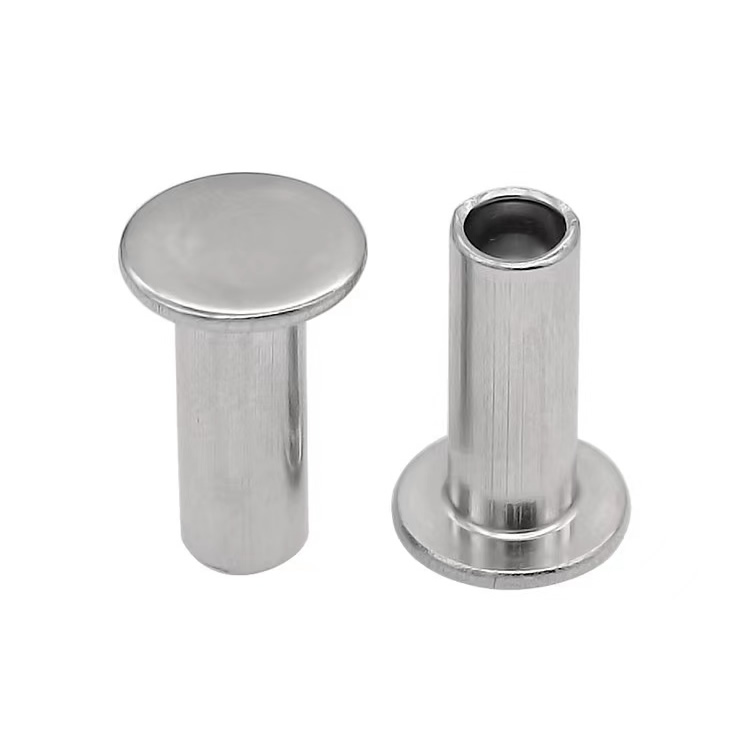
Why Are Aluminum Half Hollow Rivets Becoming a Smart Choice for Lightweight Industrial Assembly
Aluminum half hollow rivets combine low weight, reduced installation force, corrosion resistance, and reliable permanent fastening. This guide explains their structure, alloy options, advantages, head styles, finishes, applications, manufacturing process, and quality considerations to help engineers......
View Details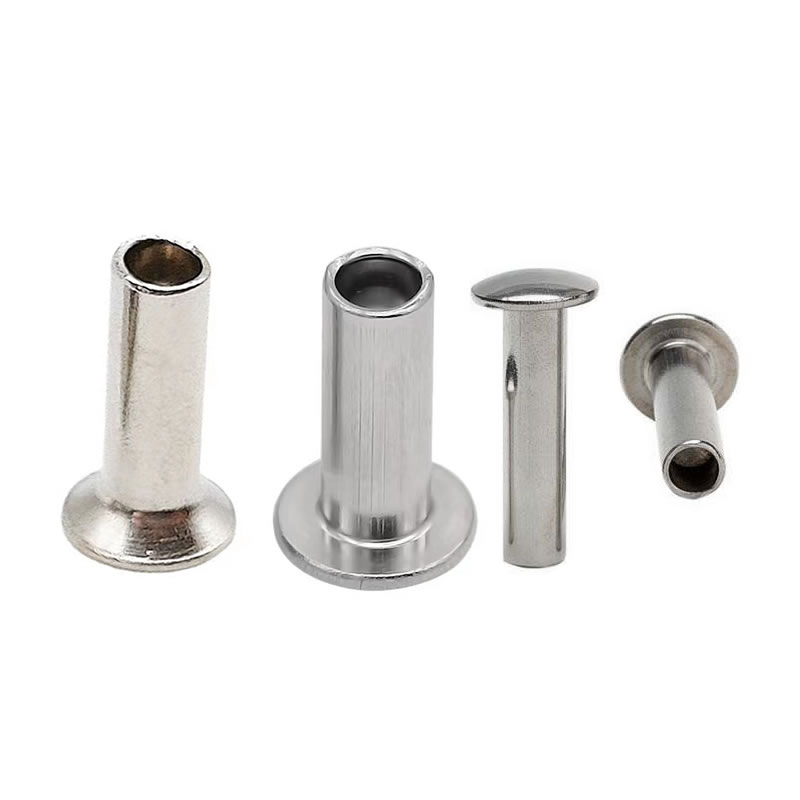
Why Are Stainless Steel Rivets Replacing Plated Steel and Brass Across Marine, Automotive, and Food Industries?
Stainless steel rivets hold approximately 40–45% of the blind rivet market, driven by demand from automotive, marine, and food processing industries. At Nuote Metals, we manufacture stainless steel rivets in solid, semi‑tubular, and full tubular designs, using 304 and 316 grades. Unlike plated carbo......
View Details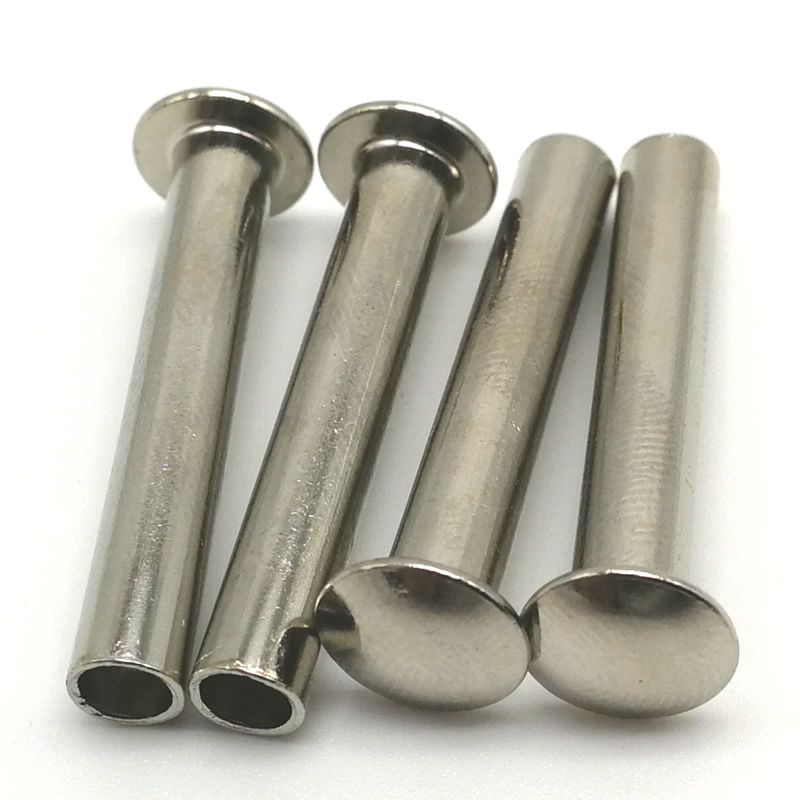
Are Steel Half Tubular Rivets Better Than Stainless Rivets?
In actual industrial mass production, fastener matching should focus on scenario adaptation rather than blind pursuit of high-spec materials. As 2026 hardware manufacturing moves toward refined cost control and automated high-speed production, traditional stainless steel rivets can no longer meet th......
View Details


X
We use cookies to offer you a better browsing experience, analyze site traffic and personalize content. By using this site, you agree to our use of cookies.
Privacy Policy