
Eyelets
Nuote Metals a reputable manufacturer in China, is willing to offer you Eyelets. We promise to provide you with the best after-sale support and prompt delivery.
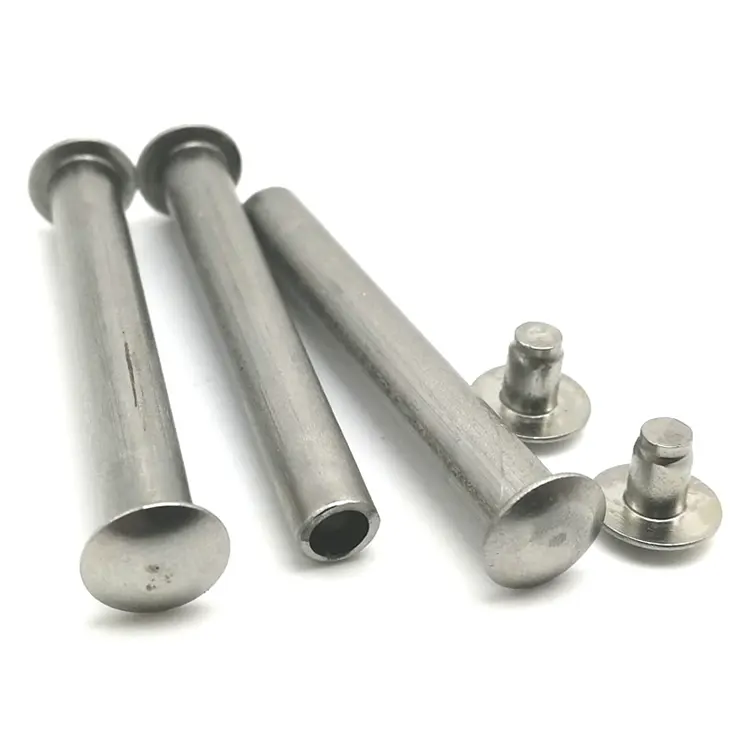
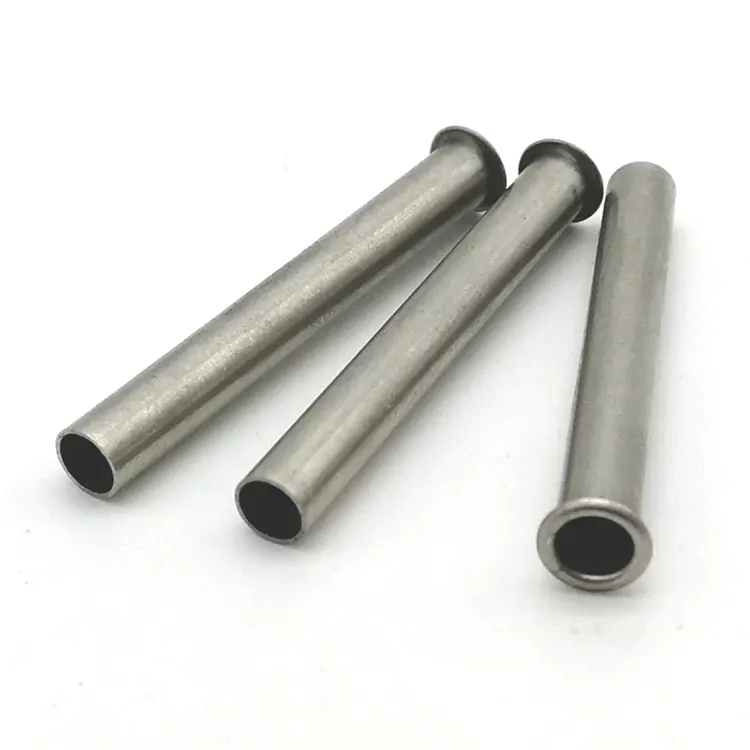
Eyelets are characterized by quick installation, stable performance, and high reliability. Compared to other fasteners, eyelets are significantly cheaper per unit and have a wide range of applications. They are similar with tubular rivets, but made from different technics and machines.Eyelets are made from deep drawn technics, and tubular rivets are made from tube.
What is an eyelet?
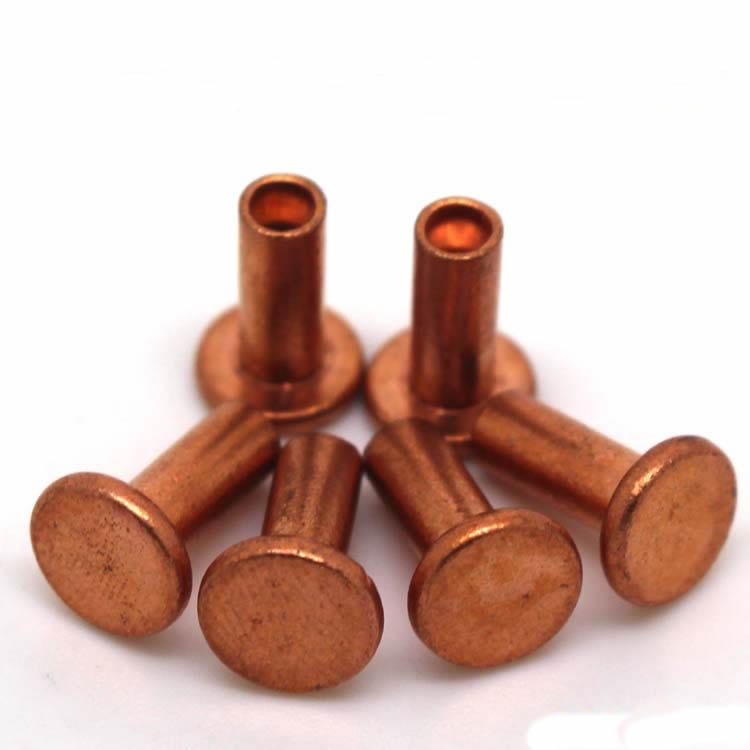
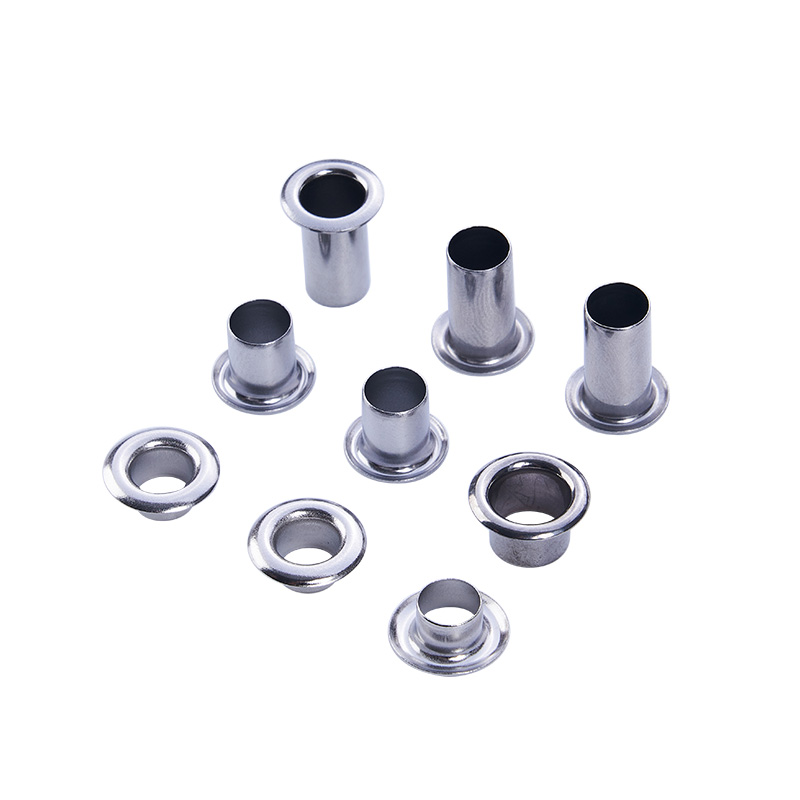
An eyelet primarily consists of a cap and a shank. The cap is typically round or oval, offering a large surface area for easy hammering during installation. The shank is of moderate length and diameter, ensuring the rivet securely connects two or more components. The primary function of this type of eyelet is to connect and secure components, ensuring a secure connection without damaging the material.
What types of eyelets are there?
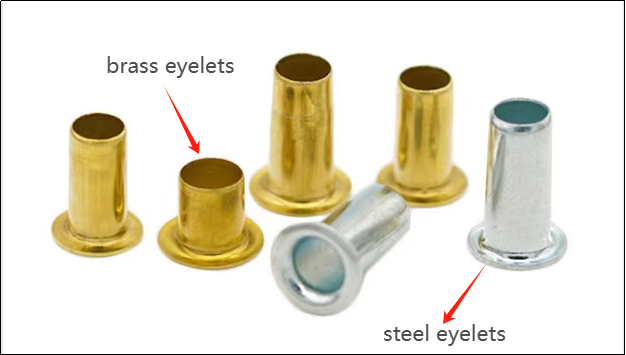
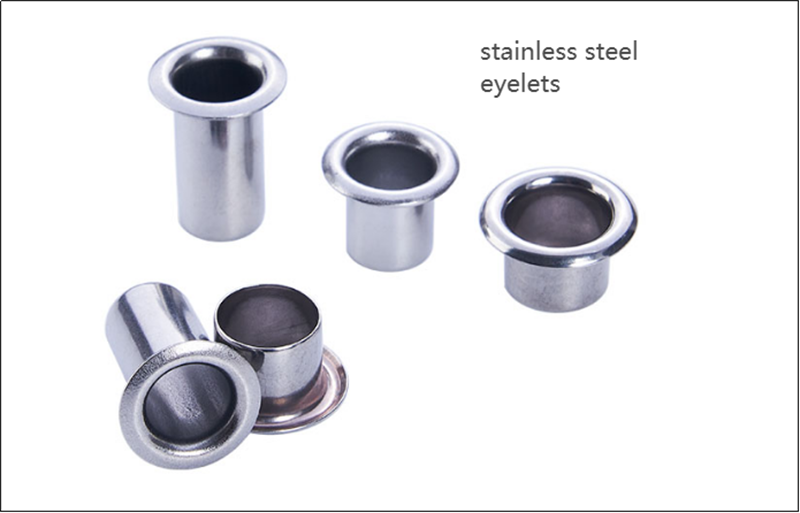
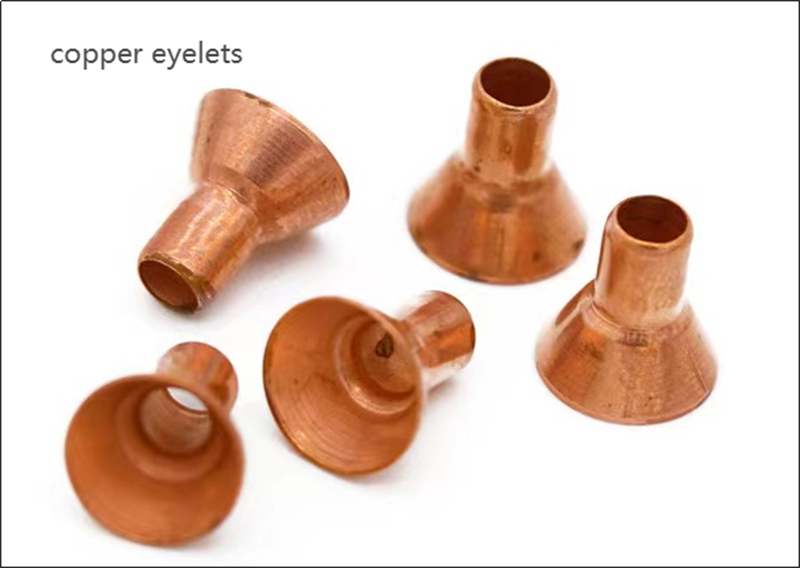
Based on the material used, they can be categorized as brass eyelets, steel eyelets, stainless steel eyelets, aluminum eyelets, and copper eyelets. Different eyelets have different characteristics depending on their material properties.
Brass eyelets: They offer excellent electrical conductivity and corrosion resistance, making them widely used in various electrical connections and fastening applications.
Steel eyelets: steel offers high strength and hardness, and are relatively inexpensive. However, steel has poor corrosion resistance and is prone to rusting, especially in humid environments. Therefore, the application range of iron eyelet rivets is relatively limited.
Stainless steel eyelets: Characterized by their strong corrosion resistance, they are often used for fastening food-grade products. However, due to the material's relatively high hardness, production is challenging, resulting in a relatively high unit price.
Aluminum eyelets: Used for fastening shoelace holes, belt holes, and windbreaker drawstrings, they allow for quick donning and doffing, while enhancing aesthetics.
Copper eyelets: Due to their excellent electrical conductivity, they are often used for connecting and securing electronic products.
What surface treatments are available for eyelets?
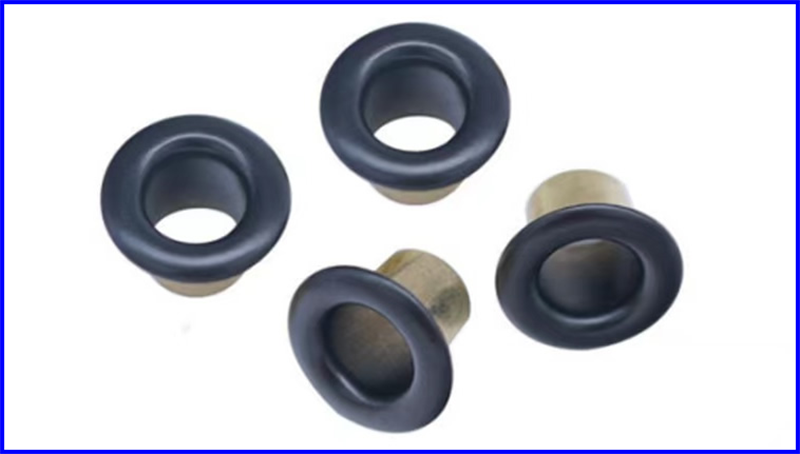
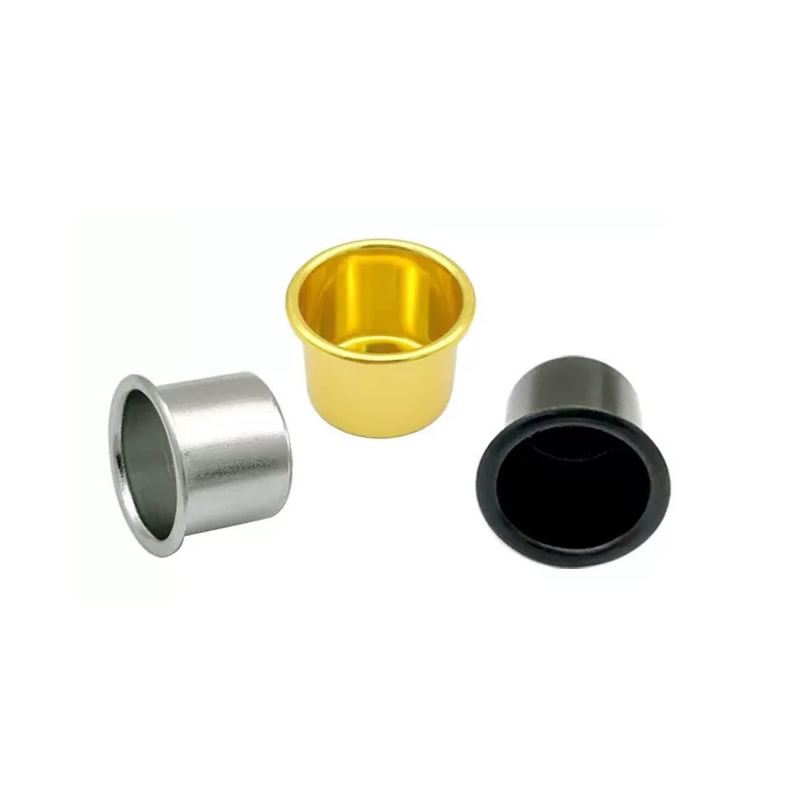
Eyelets are hot-dip galvanized and polished to create a protective layer on the surface that provides antistatic, corrosion-resistant, and anti-allergenic properties. Copper eyelets come in a variety of colors, including white nickel, polished tin, imitation gold, antique bronze, matte nickel, bronze, zinc, and silver.
Some customers also prefer to have the eyelet head powder coating to match their color with the overall design and prevent oxidation.
Products
- View as
Bag Eyelets
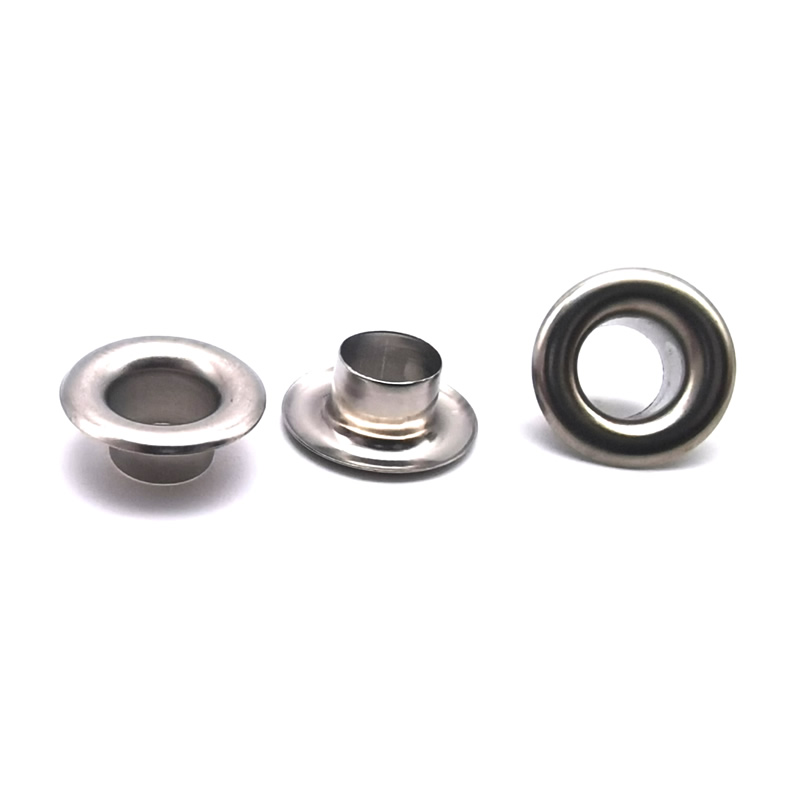
Designing a handbag often calls for multiple eyelet sizes. Nuote Metals, a China factory, supplies Custom Bag Eyelets from 2mm to 10mm, in brass, steel, stainless steel, or aluminum, with nickel, zinc, or antique plating. Rolled rims protect fabric edges, and flush setting ensures a refined finish. Mix and match for strap holes, ventilation, or decorative accents. Trust our factory for consistent quality and tailored solutions.
View DetailsSend Inquiry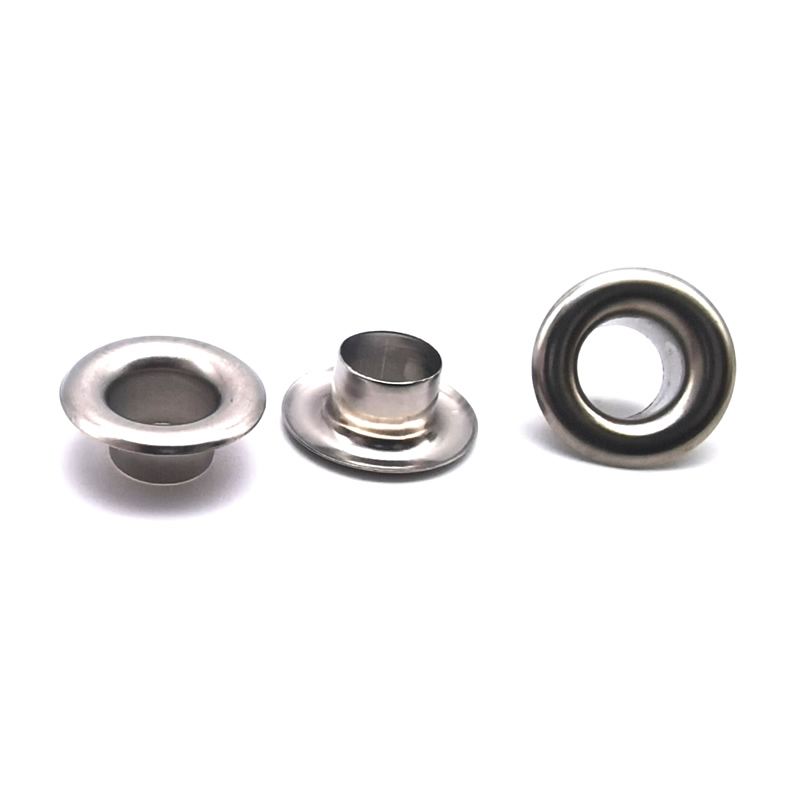
5mm Brass Eyelets
Bigger holes for bigger cords. Our China factory, Nuote Metals, produces Custom 5mm brass eyelets. Perfect for heavy work boots, thick canvas tarps, and marine covers. The wider inner diameter easily accepts 6mm rope or leather lacing, while brass construction resists rust and crushing. Rolled edges protect fabric from tearing under load. Stop forcing thick cords through tiny eyelets. Choose our 5mm size for smoother lacing and longer life. Trust us for factory-direct Custom eyelets.
View DetailsSend Inquiry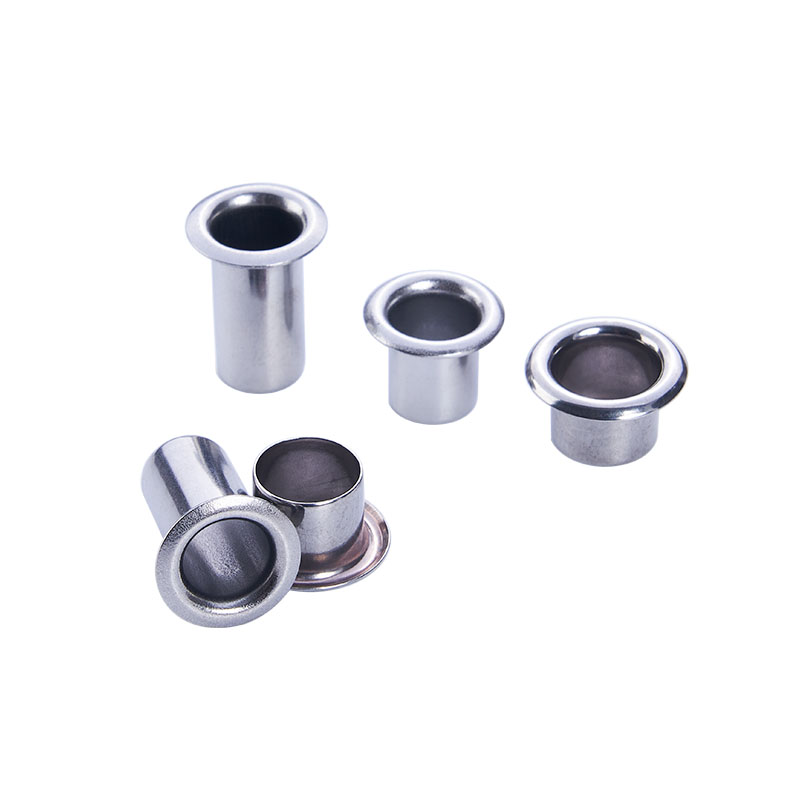
Stainless Steel Eyelets For Canvas
Outdoor and marine environments demand corrosion-proof reinforcement. Our China factory, Nuote Metals, produces Custom stainless steel eyelets for canvas. Grade 304 or 316 steel withstands salt spray, UV, and moisture without rust staining. The rolled rim protects fabric edges from fraying under tension. Perfect for boat covers, truck tarps, and awnings. Solve fastener failure in harsh conditions. Trust us for stainless eyelets that outlast ordinary brass or zinc.
View DetailsSend Inquiry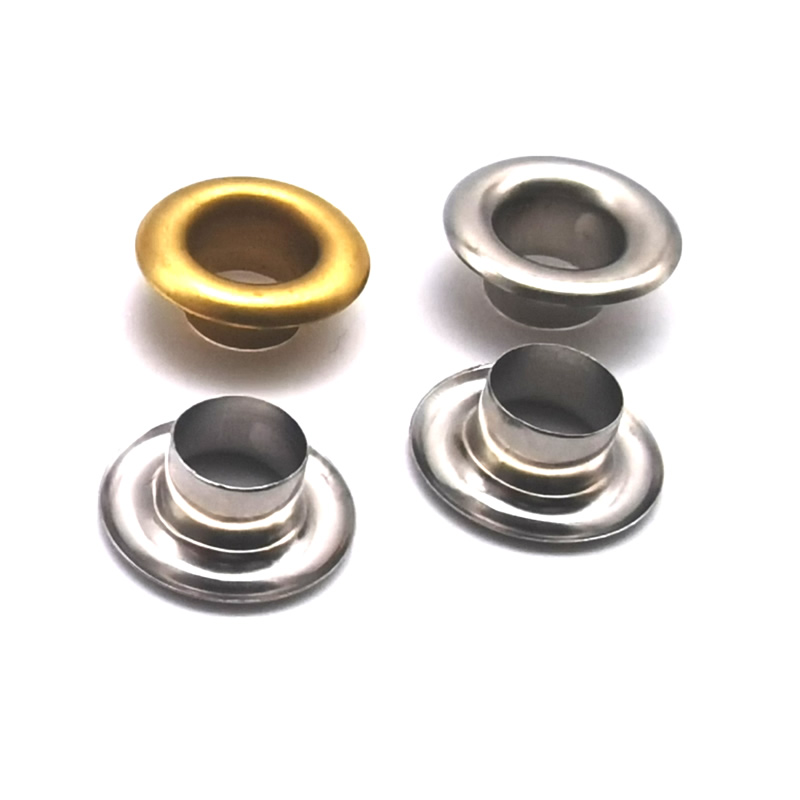
Brass Eyelets For Canvas
For heavy-duty canvas applications, Nuote Metals from China supplies Custom brass eyelets for canvas built to last. Unlike standard eyelets, our brass construction resists rust and handles high-stress pull without deforming. Perfect for tarpaulins, boat covers, tents, and outdoor banners. The rolled edge protects canvas fibers from fraying while the wider flange distributes load evenly. Solve premature tear-out and corrosion issues with our factory-direct brass eyelets. Trust us for rugged reinforcement that stands up to weather and wear.
View DetailsSend Inquiry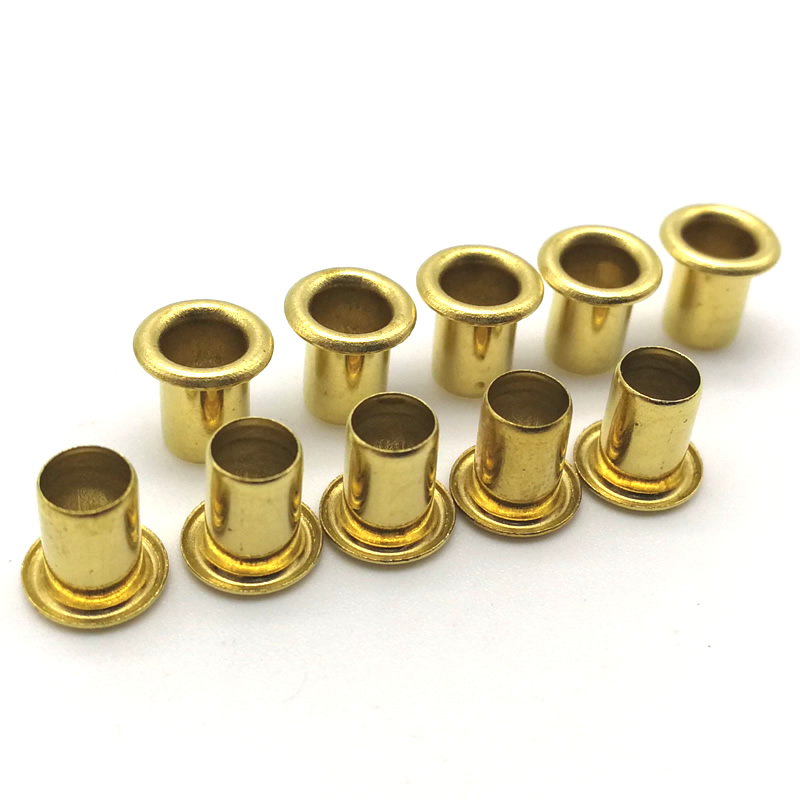
4mm Brass Eyelets
Nuote Metals from China offers Custom 4mm brass eyelets for heavier cords, laces, and rope. Perfect for hoodies, work boots, canvas tarps, and outdoor gear. The larger inner diameter allows thick laces to pass smoothly while the rolled rim protects fabric from tearing. Rustproof and smooth-edged, these eyelets install easily and stay secure. Upgrade your projects with reliable reinforcement. Trust us for factory-direct quality and fast shipping.
View DetailsSend Inquiry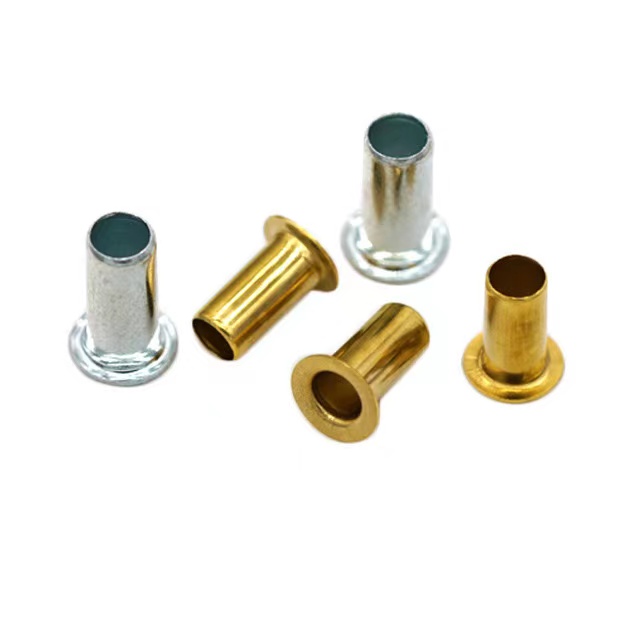
Punched Eyelet
Need a reliable punched eyelet? From our China factory, Nuote Metals produces Custom punched eyelets for tarpaulins, banners, and outdoor gear. The punched design ensures clean holes without fabric distortion, available in brass, iron, stainless steel, or aluminum. Perfect for DIYers and manufacturers seeking quick reinforcement. Solve edge tearing with eyelets that install in seconds. Trust us for consistent sizing and fast delivery.
View DetailsSend InquiryWhat are the main applications for eyelets?
Eyelet rivets are widely used in the construction, automotive, marine, aviation, and electronics industries.
In the construction industry, eyelet rivets are used to connect various metal components, such as steel beams and columns.
In the automotive, marine, and aviation industries, eyelet rivets are used to connect various materials, such as aluminum alloys and titanium alloys.
In the electronics industry, eyelet rivets are used to connect various metal and non-metallic materials, such as metal plates and plastic sheets.
What tools are used to rivet eyelets?
Eyelet rivets can be riveted using either manual or electric riveting pliers. Manual riveting pliers are a common tool and are generally suitable for riveting small eyelets. Electric riveting pliers are suitable for riveting large eyelets and large quantities.
What preparations are required before riveting?
Preparation before riveting includes cleaning the surface of the material being riveted and selecting the appropriate rivet hole diameter. Cleaning the surface of the material being riveted removes surface dirt and grease, ensuring a secure joint. Selecting the appropriate rivet hole diameter can prevent cracking or loosening during riveting.
What precautions should be taken when riveting?
1. The installation position of the eyelet rivet must coincide with the centerline of the rivet hole.
2. The eyelets shank should be perpendicular to the surface of the material being riveted during riveting.
3. The eyelet head must remain horizontally stable.
4. The depth of the eyelet hole should be equal to the sum of the rivet shank length and the length of the eyelet pressure riveting portion.
5. The riveting force should be appropriate, neither too high nor too low, depending on the thickness and properties of the material.
6. After riveting, the eyelets quality should be inspected for signs of broken eyelets or foreign matter.
Conclusion
Eyelet rivets are a versatile rivet fastener that can be widely used to connect various metal sheets and dissimilar materials. Thorough preparation is required before riveting, including selecting the appropriate rivet hole diameter and cleaning the surface of the material being riveted. During riveting, factors such as the riveting force and hole depth should be carefully considered to ensure a high-quality connection.



X
We use cookies to offer you a better browsing experience, analyze site traffic and personalize content. By using this site, you agree to our use of cookies.
Privacy Policy