
Products
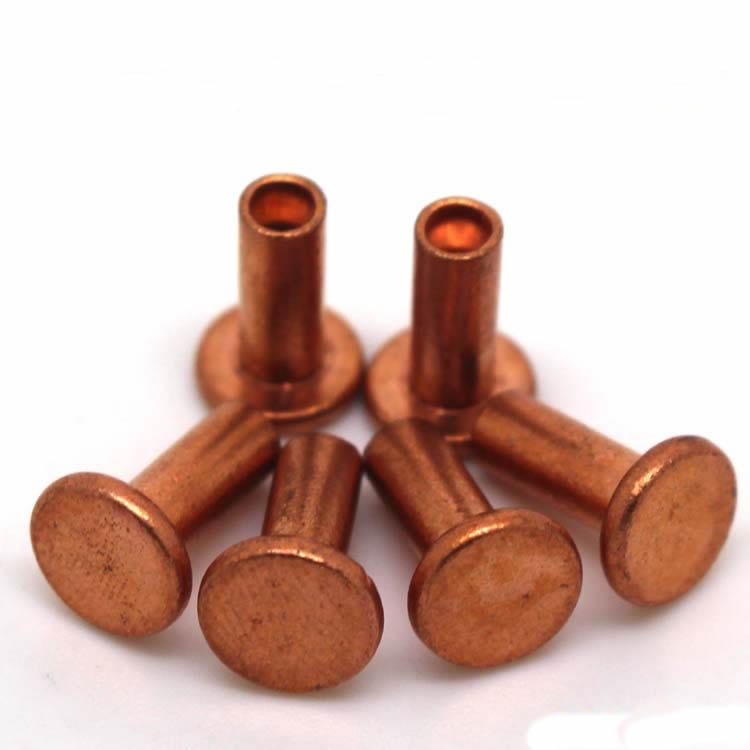
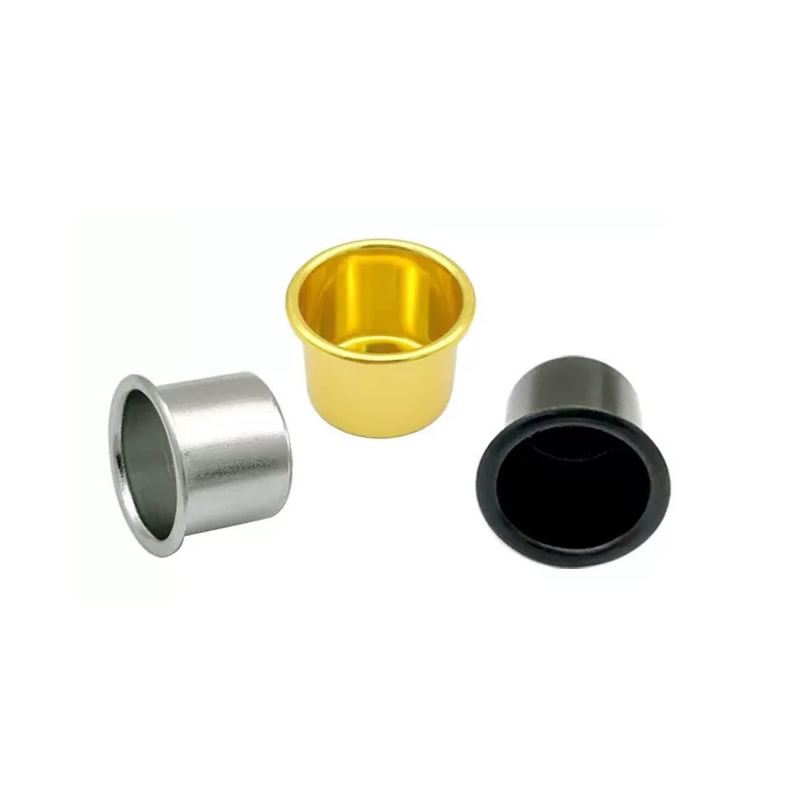
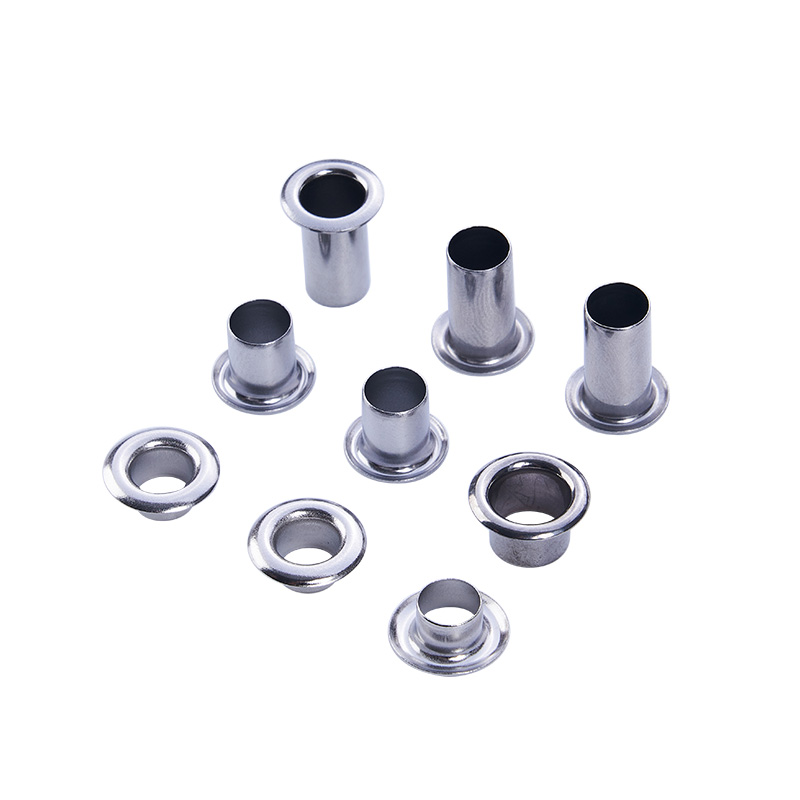
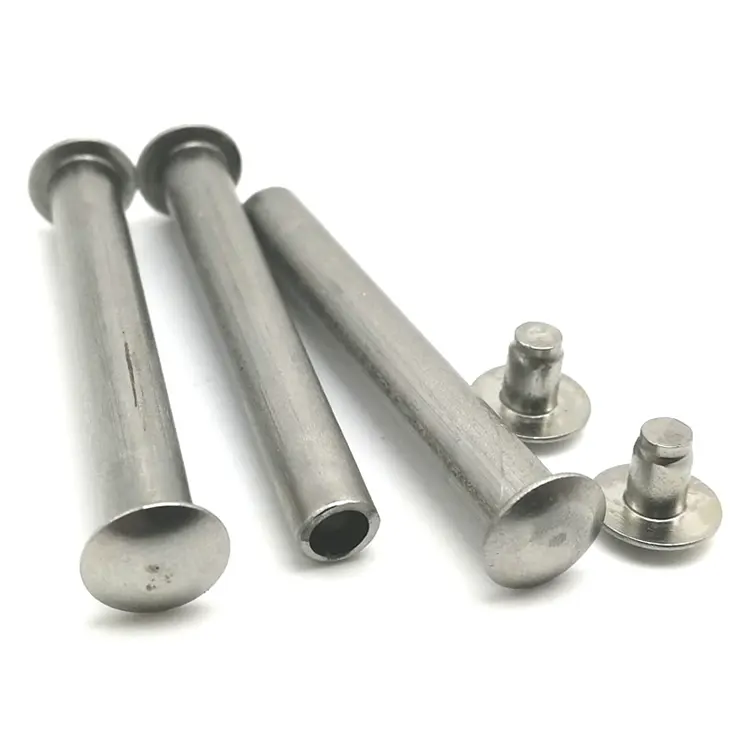
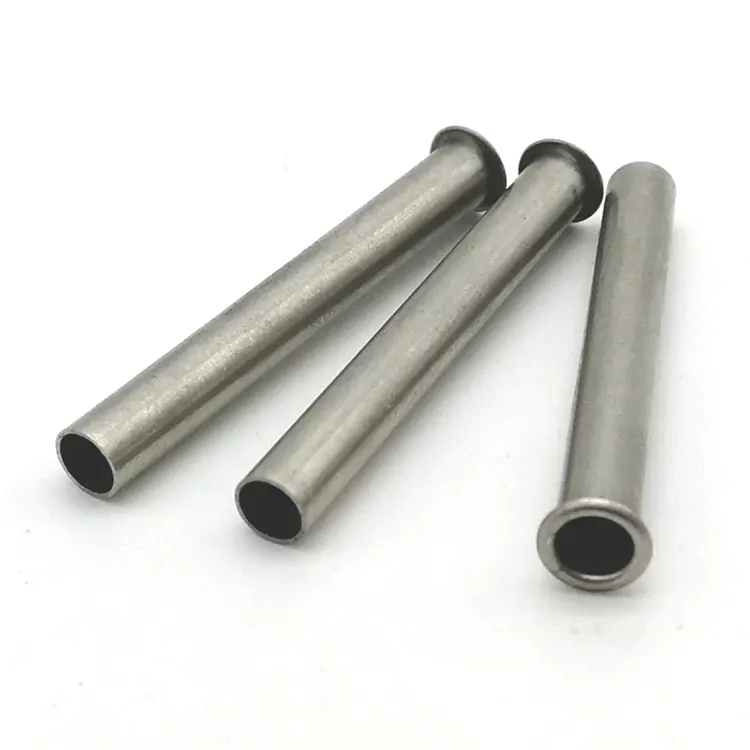
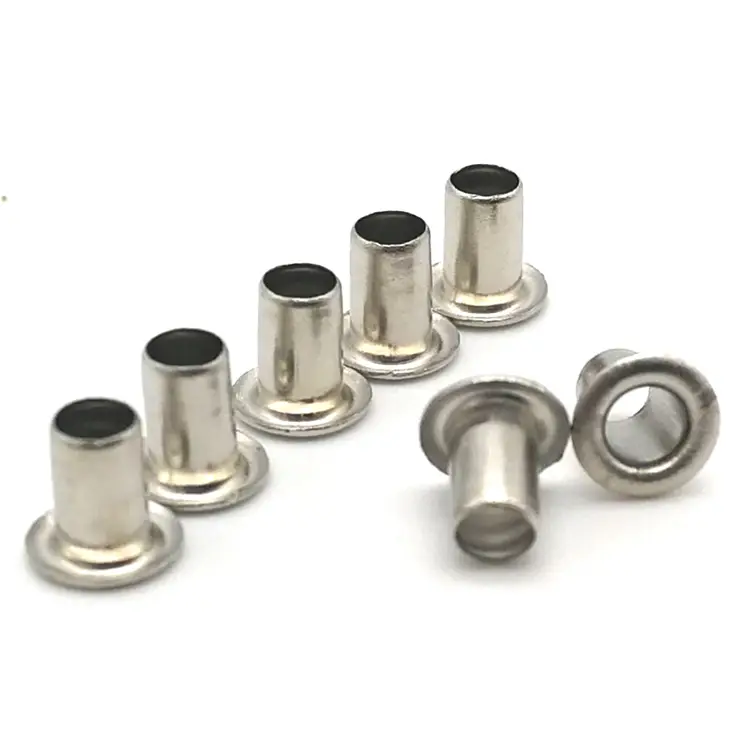
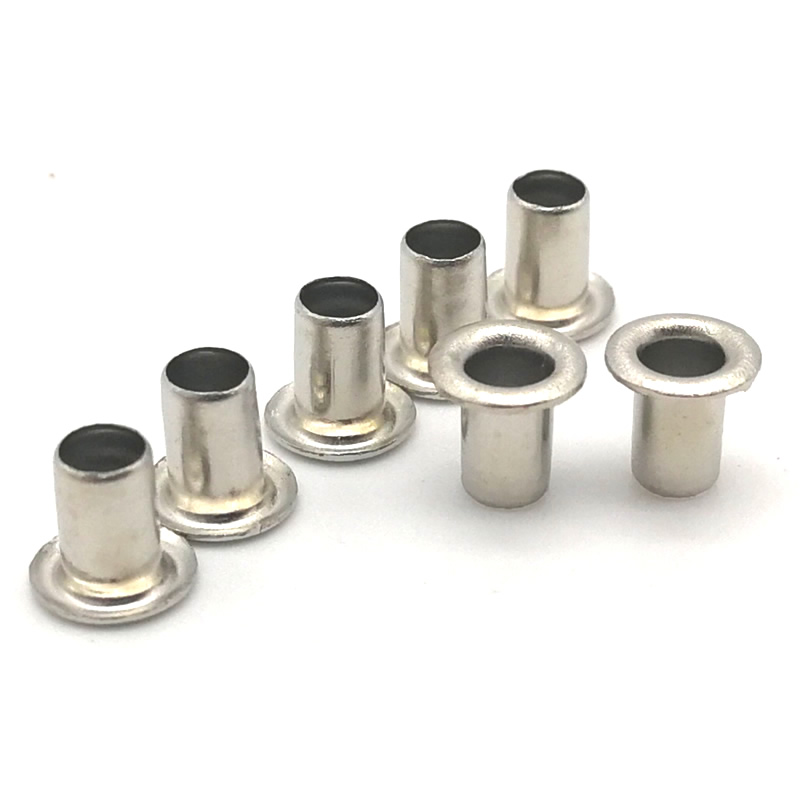
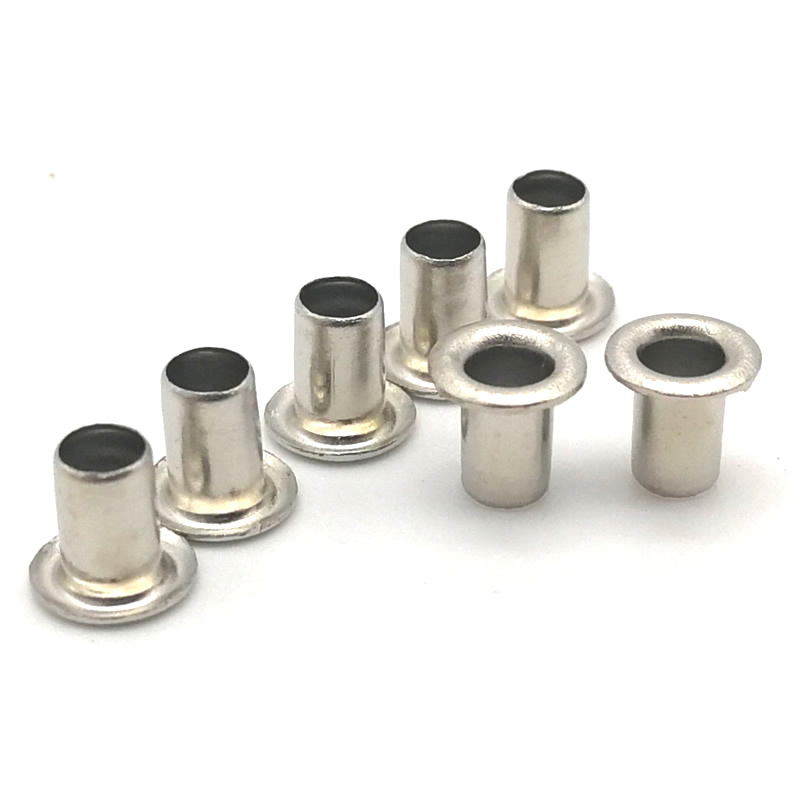
Steel Eyelets
Steel Eyelets from Nuote Metals (Dongguan, China) are engineered for demanding applications where strength, durability, and cost control take priority over aesthetics. Made from low-carbon steel (SPCC/Q195), our deep-drawn steel eyelets provide superior resistance to deformation under heavy load and are backed by zinc, nickel, tin, or black oxide plating for corrosion resistance. Custom shank diameters and total lengths are available for industrial footwear, heavy-duty tarpaulins, automotive upholstery, and conveyor belts. We offer 20–50 free samples for testing, ISO 9001:2015 certification, and full dimensional inspection reports with every order. Choose steel for heavy loads; choose us for reliability.
Send Inquiry
Product Description
A hole in heavy fabric, leather, or industrial material is only as strong as its reinforcement. Without protection, edges fray, stretch, and eventually tear under load. Steel eyelets solve this permanently—by clamping the material, protecting the cut edge, and distributing stress across a wide flange. Made from low-carbon steel with protective plating, these components offer exceptional strength, durability, and cost-effectiveness for demanding applications.
Nuote Metals manufactures eyelets using progressive deep drawing from steel sheet—not from seamed tube stock. This process yields a seamless, burr‑free barrel with consistent wall thickness. With over ten years of production experience and a full ISO 9001:2015 quality system, our eyelets are trusted by manufacturers in footwear, automotive, industrial textiles, and heavy-duty outdoor gear.
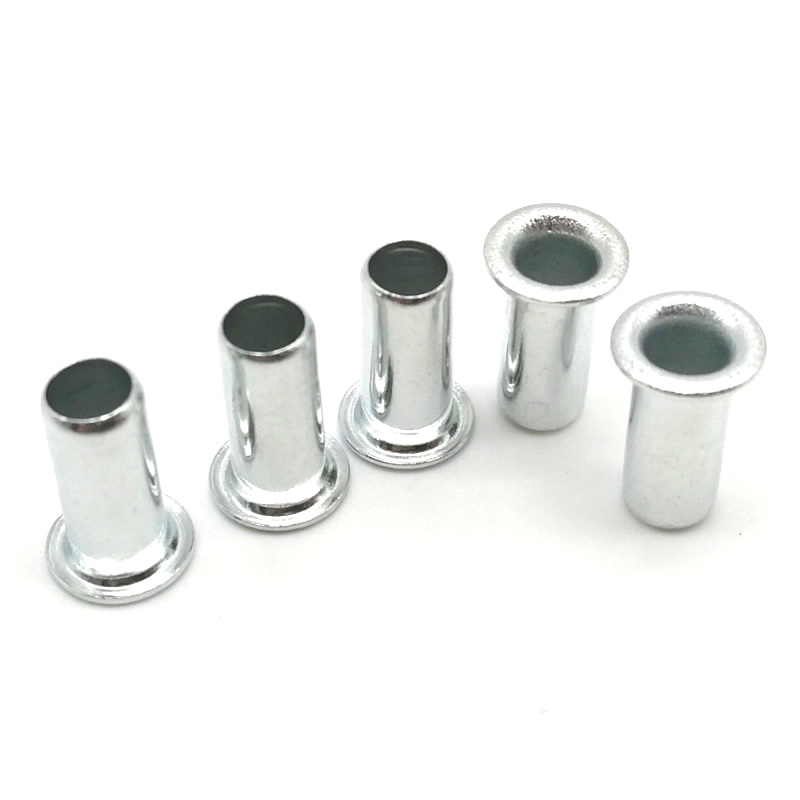
What Are Steel Eyelets?
They are small metal rings used to reinforce holes in leather, canvas, heavy fabrics, and industrial materials. A steel eyelet consists of a flange (the flat, visible rim that sits against the surface) and a barrel (the hollow tube that passes through the hole). When set with appropriate tools, the barrel rolls outward, clamping the material securely between the flange and the expanded tail.
They serve several essential functions:
- Reinforcement – Prevents tearing, fraying, and stretching around holes under heavy load
- Strain distribution – Evenly spreads tension around holes, preventing material deformation
- Securing – Provides attachment points for ropes, straps, laces, and tie-downs
- Ventilation – Creates breathable areas in footwear and industrial textiles
- Cost-effective fastening – Offers high strength at a lower cost compared to brass
Steel eyelets are typically made from low-carbon steel. This material choice defines them: steel is significantly stronger and harder than brass, making eyelets more resistant to deformation under heavy load or impact. Mild steel eyelets are magnetic, which can be a useful property for certain applications.
Steel Eyelets vs. Brass Eyelets – Which One Do You Need?
Understanding the difference between steel and brass eyelets helps you choose the right product for your application.
| Feature | Steel Eyelets | Brass Eyelets |
|---|---|---|
| Strength | Very high. Better for high-stress, heavy-duty applications. | Moderate. Sufficient for most apparel and light craft. |
| Malleability | Harder, less malleable. Requires a sturdier tool or machine to set properly. | Softer, easier to set with hand tools. |
| Corrosion Resistance | Depends on coating. Zinc-plated offers good protection; uncoated will rust. Stainless is excellent. | Inherently excellent due to the brass alloy. |
| Cost | Generally less expensive than brass, especially in bulk. | Typically more expensive due to copper content. |
| Primary Use | Industrial, heavy-duty, and functional applications where strength and cost are priorities. | Decorative, marine, and general-purpose applications where corrosion resistance and appearance are priorities. |
| Appearance | Industrial look (silver, black, etc.). Plating can wear over time. | Warm, classic, "vintage" brass look. Tarnishes but doesn't rust. |
Choose steel eyelets when your primary needs are:
- Maximum strength for a heavy-load application
- Lower cost for a large project
- A specific industrial aesthetic (like a black or zinc finish)
Choose brass eyelets when your priorities are:
- Superior corrosion resistance for outdoor or marine use
- A softer metal for easier hand-setting
- A specific warm, decorative finish
Bottom Line: Steel is the workhorse for strength and industry; brass is the classic choice for corrosion resistance and craft.
Technical Specifications – Material and Finishes
Material Properties
| Property | Low-Carbon Steel (SPCC/Q195) |
|---|---|
| Material | Low-carbon steel (SPCC, Q195) |
| Tensile strength | 400 – 500 MPa |
| Hardness | HRB 70–85 |
| Key advantage | High strength, excellent wear resistance, cost-effective |
| Magnetic | Yes |
| Best for | Heavy-duty applications, industrial textiles, footwear, automotive, budget-conscious manufacturing |
Custom Manufacturing – Tailored to Your Specifications
Steel eyelets are typically made to order rather than stocked as standard sizes. We manufacture each batch according to customer specifications. Please provide your required dimensions and finish, and we will produce exactly what you need.
- Shank diameter – Custom from 1.0mm upward
- Cap diameter – Matched to your requirements
- Total length – Based on your material thickness
- Finish – Zinc-plated, nickel-plated, tin-plated, black oxide, or painted
Custom sizes and finishes available upon request. No tooling charge for most custom orders.
Surface Finishes
Steel eyelets are almost always plated or coated to prevent rust and for appearance.
| Finish | Appearance | Corrosion Resistance | Best For |
|---|---|---|---|
| Zinc-plated (galvanized) | Silver, slight blue tint | Good (48–72 hrs salt spray) | General industrial, cost-effective rust protection |
| Nickel-plated | Hard, shiny silver | Good (96 hrs salt spray) | Decorative, wear-resistant applications |
| Tin-plated | Duller silver | Moderate | Soldering applications, food contact |
| Black oxide | Matte black finish | Low (requires oil) | Industrial aesthetic, anti-glare, automotive upholstery |
| Painted / colourful | Various colours | Varies | Branded products, custom colour matching |
Important: Unplated mild steel will rust quickly. For outdoor or moisture-exposed applications, we strongly recommend zinc-plated or nickel-plated eyelets.
Watch How We Make Eyelets
Our progressive deep‑drawing presses transform steel sheet into finished eyelets in a single continuous sequence—blanking, three-stage drawing, piercing, flanging, and separating. The video shows the entire process from coil feeding to finished parts, with real-time quality monitoring at every stage.
One Real Customer Example – 800,000 Pieces to a Footwear Manufacturer
This is one of many applications for eyelets. We include it to show real production use, not to suggest limitation.
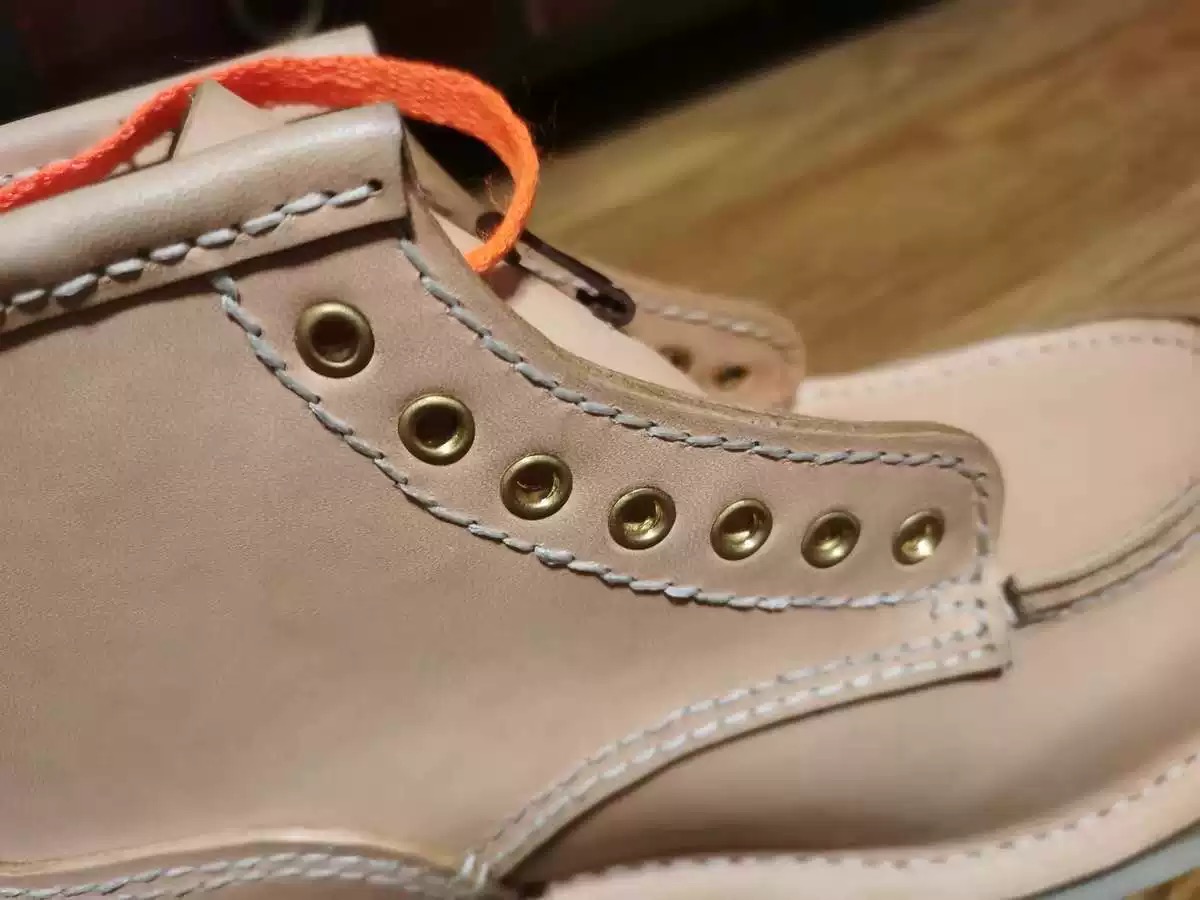
A manufacturer of heavy‑duty work boots in the United States needed corrosion‑resistant eyelets for a new line of safety footwear. The eyelets had to withstand daily exposure to moisture, mud, and abrasion, while maintaining a clean, professional appearance. The customer previously used brass eyelets but found them too expensive for the volume required.
Nuote Metals supplied zinc‑plated steel eyelets – 3.5mm shank diameter, 5.5mm cap diameter, 6.0mm total length – totalling 800,000 pieces. The zinc plating provided 72 hours of salt spray resistance, protecting the eyelets from sweat and moisture. The steel construction delivered the strength needed for heavy‑duty lacing. Each batch was accompanied by a mill test certificate (MTC) traceable to the raw material coil.
The customer reduced material costs by approximately 35% compared to brass, while maintaining performance. They have since placed two additional orders totalling over 2 million pieces.
Our In-House Inspection Equipment
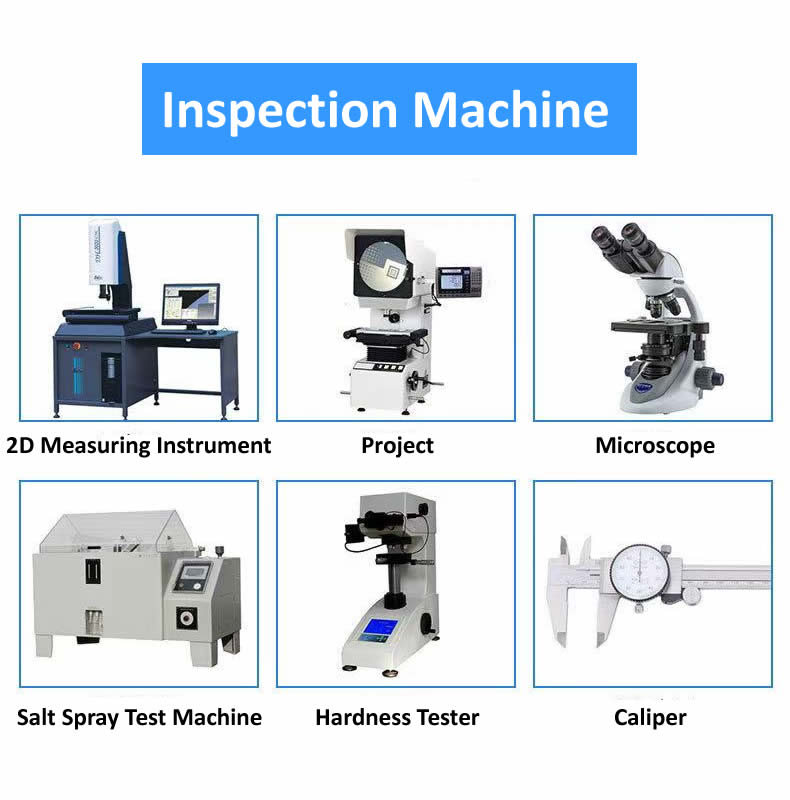
We maintain a full range of calibrated inspection equipment to verify every batch of eyelets:
- Digital calipers – For quick dimensional checks during production
- Micrometers – For precision measurement of shank diameter and wall thickness
- 2.5D image measuring system -- For full contour measurement and concentricity verification
- Profile projector (optical comparator) – For cavity depth, cap diameter, and edge radius inspection
- Laser micrometer – For high-speed, non-contact diameter measurement
- Rockwell hardness tester – For verifying raw material hardness
- Salt spray test chamber – For corrosion resistance testing of plated eyelets (ASTM B117)
- Spectrometer – For material composition verification of incoming coils
All equipment is calibrated annually by accredited third‑party labs. Inspection records are retained for five years.
How We Ensure Quality – What We Check and Why
We do not inspect eyelets just to tick a box. Every check is designed to prevent a specific failure that could affect your production line or end product.
| What we check | Why it matters | What happens if we miss it |
|---|---|---|
| Shank diameter | Must match your hole size for proper fit | Eyelet won't insert, or wobbles loose |
| Cap diameter | Determines pull‑through resistance | Eyelet pulls through material under load |
| Total length | Must be correct for your material stack | Clinch is too weak or barrel crumples |
| Plating thickness | Determines corrosion resistance | Eyelet rusts prematurely |
| Clinch formation | Verifies the eyelet rolls correctly | Eyelet fails in the field |
| Burr-free edge | Prevents damage to material | Abrades fabric or cuts fingers |
Every batch of eyelets is tested on your actual material before shipment. We do not guess—we verify.
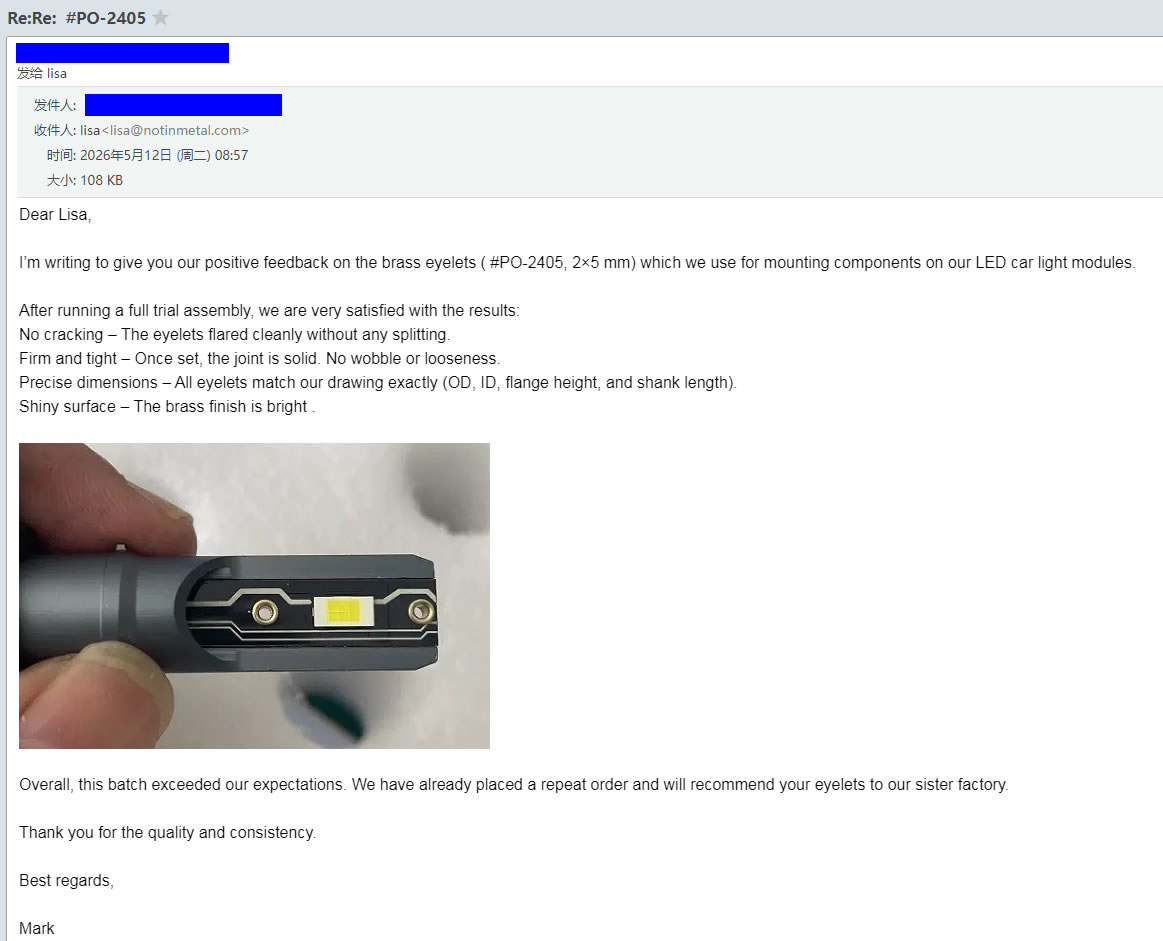
What Our Customers Say – Real Feedback
Where Steel Eyelets Are Used
They are used across a wide range of heavy‑duty industries and applications:
- Work & Safety Gear – Heavy-duty boots, fire hose couplings, tool belts, military footwear, safety shoes
- Heavy-Duty Tarps & Truck Covers – Where high tension and weathering are factors
- Industrial Fabrics – Conveyor belts, filtration bags, safety fencing
- Signage & Vinyl Banners – Especially large-format banners outdoors under tension
- Automotive & Marine Upholstery – Where extra strength is needed, often with a black oxide finish
- Budget-Conscious Manufacturing – Used in many consumer goods (like shoes or bags) where the cost of brass is prohibitive
- Outdoor Gear – Tents, camping equipment, tarpaulins
- Industrial Equipment – Protective covers, machine guards, filtration systems
Your Order – What's Inside the Box
- Eyelets in sealed poly bags – Labeled with part number, batch number, and quantity
- Mill test certificate (MTC) – Traceable to raw material coil
- Dimensional inspection report – 10 eyelets measured from the batch
- Plating certificate – Thickness and salt spray results (if applicable)
- Certificate of Conformance – Signed by QA manager, batch‑traceable
Nuote Metals is ISO 9001:2015 certified. RoHS and REACH declarations are provided on request.
How We Work – Practical Information
- Samples – 20–50 free pieces for custom sizes (customer pays shipping)
- Trial order – 10,000 pieces recommended for first‑time validation
- MOQ – 2,000 pieces (standard finishes), 5,000 pieces (custom finishes)
- Lead time (stock) – 5–7 business days
- Lead time (custom) – 10–12 business days
- Tooling charges – None for most custom orders
Three Questions We Answer Often
Q1: Will steel eyelets rust? How do I prevent that?
A: Uncoated mild steel will rust quickly when exposed to moisture. That is why we offer multiple protective platings. Zinc-plated eyelets provide good rust resistance (48–72 hours salt spray) and are the most cost-effective option for general industrial use. Nickel-plated eyelets offer a harder, shinier finish with better wear resistance. For outdoor or marine applications, we recommend switching to stainless steel eyelets, which offer excellent corrosion resistance without the need for plating. For the work boot customer above, zinc plating provided sufficient protection for daily moisture exposure.
Q2: What is the difference between steel eyelets and stainless steel eyelets?
A: Steel eyelets are made from low‑carbon steel and require plating to prevent rust. They are strong, hard, and cost‑effective, but the plating can wear over time. Stainless steel eyelets are made from stainless steel (304 or 316) and offer excellent corrosion resistance without plating. Stainless steel is harder and stronger than carbon steel – much more resistant to deformation under heavy loads. However, stainless steel eyelets are more expensive and require more careful installation with proper tooling. Choose steel for cost‑sensitive industrial applications; choose stainless for marine, medical, or outdoor applications where corrosion resistance is critical.
Q3: How do I select the correct total length for a steel eyelet?
A: Select a total length approximately 1.0–1.5mm longer than your total material stack thickness. For example, if you are reinforcing material that is 0.25mm thick, choose a total length in the range we recommend for your shank diameter. This extra length provides enough material for the barrel to roll outward and form a secure clinch without bottoming out. If the total length is too short, the clinch will be weak. Too long, and the barrel may crumple. Send us your material thickness, and we will recommend the exact length.
Ready to Order Eyelets?
We understand that every project has different requirements. Whether you need a custom shank diameter, a specific plating, or a particular total length, we are here to help.
Get started in three steps:
- Send us your specs – Shank diameter, total length (or material thickness), finish, and quantity
- We respond within 24 hours – With tooling cost (if any), piece price, and lead time
- We ship samples – 20–50 free pieces for you to test on your actual material
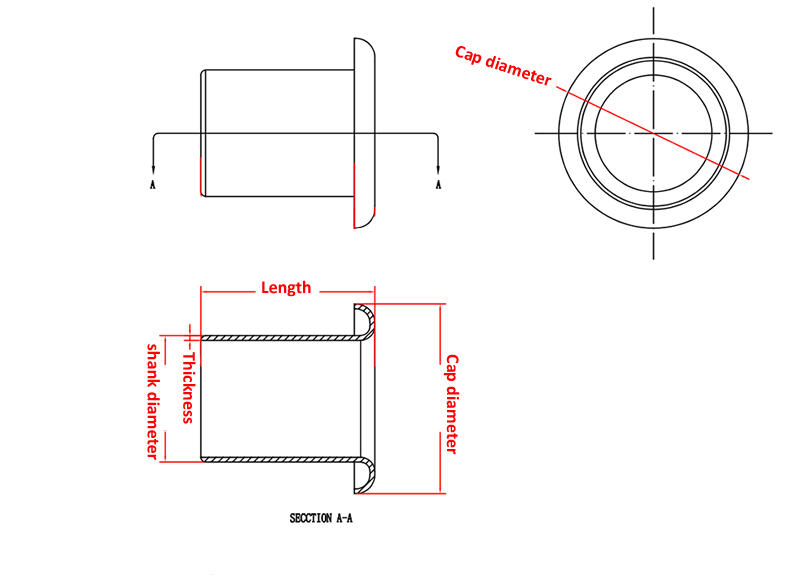
You can attach a drawing, a photo of your current eyelet, or a sample part. We will quote accurately based on your actual requirements.
Send your inquiry to Nuote Metals today. No pressure, no obligation – just a clear, competitive quotation.
Hot Tags: Steel Eyelets,Steel Eyelets Factory,Steel Eyelets Manufacturer
Related Categories
Send Inquiry
Please feel free to fill your inquiry in the form below. We will reply you in 24 hours.
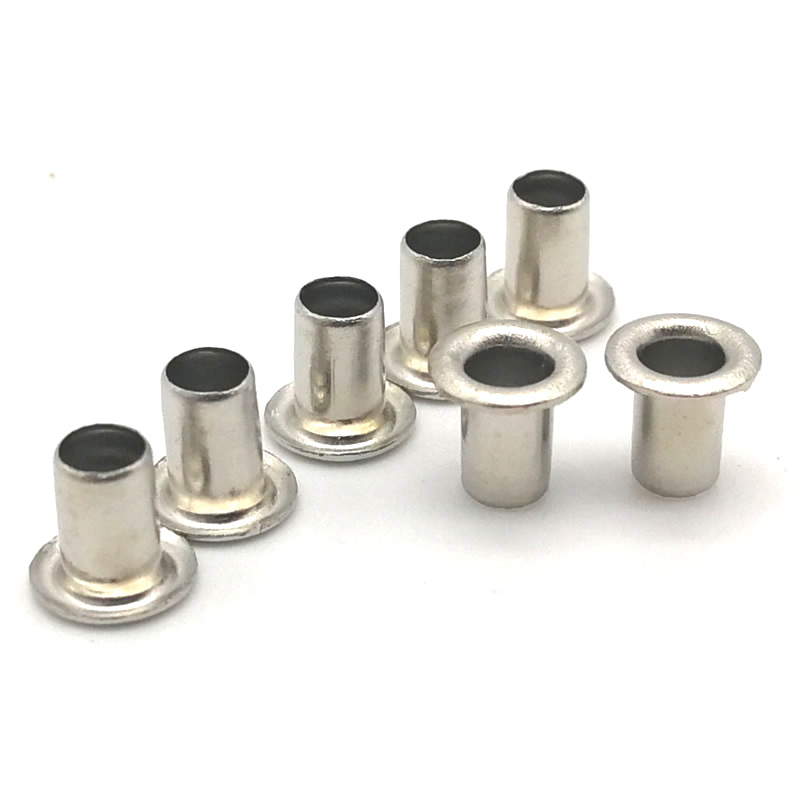
Related Products



X
We use cookies to offer you a better browsing experience, analyze site traffic and personalize content. By using this site, you agree to our use of cookies.
Privacy Policy