
Products
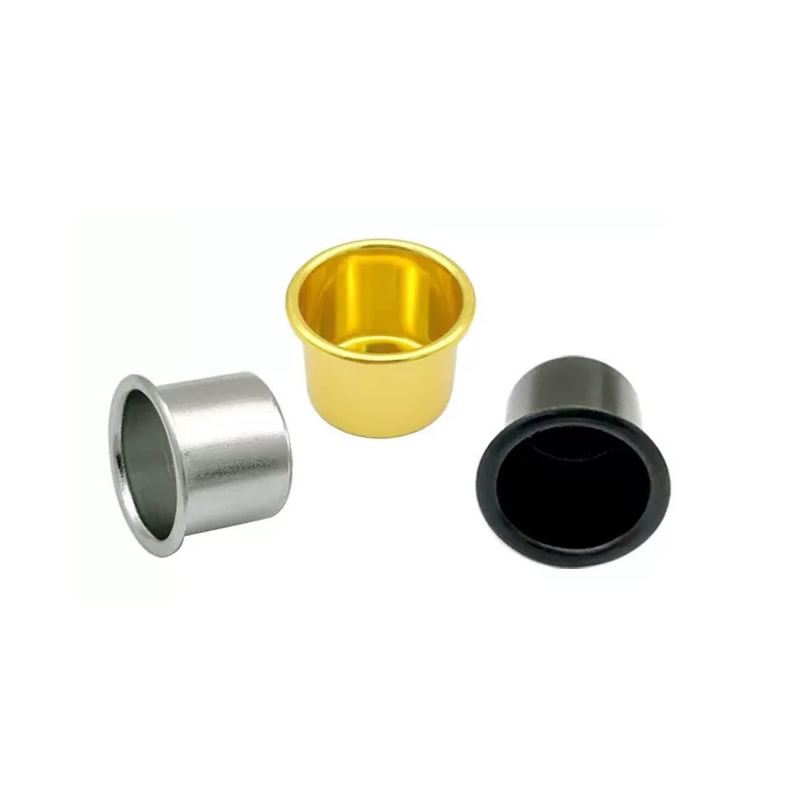
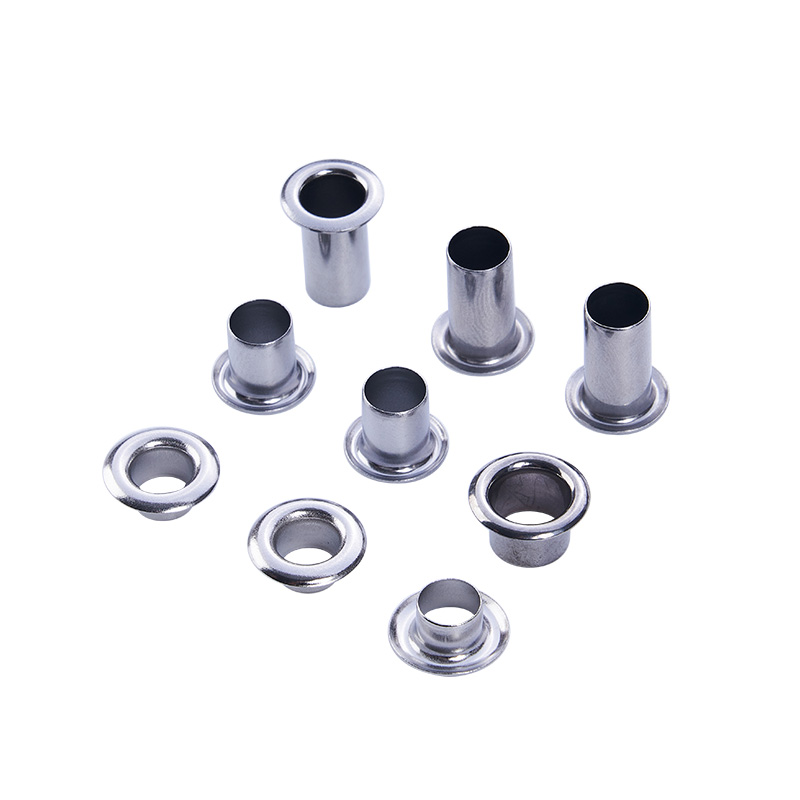
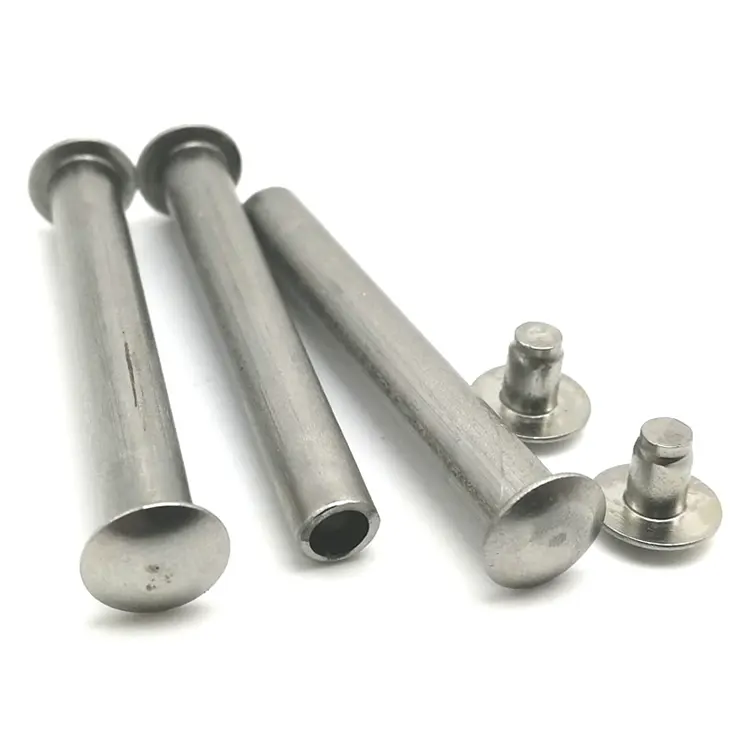
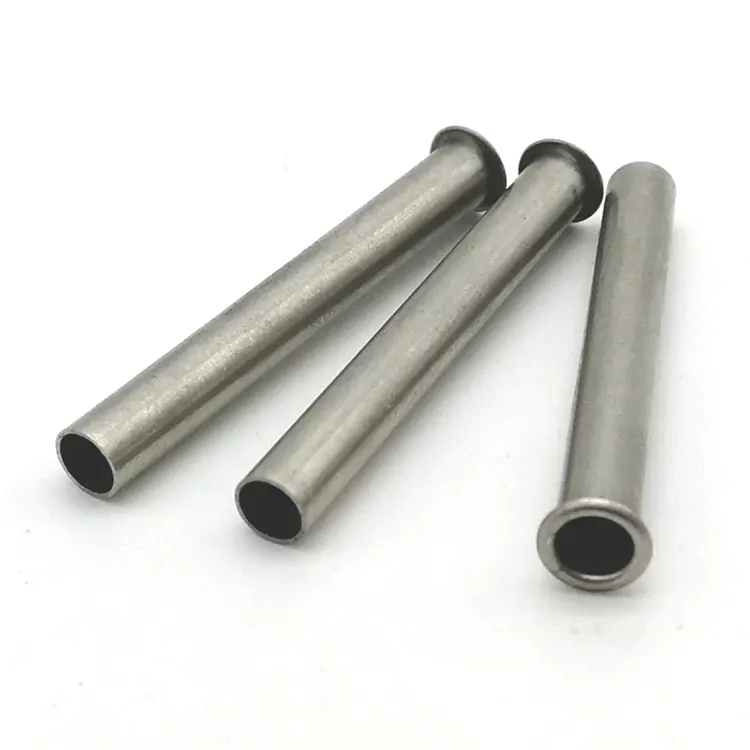
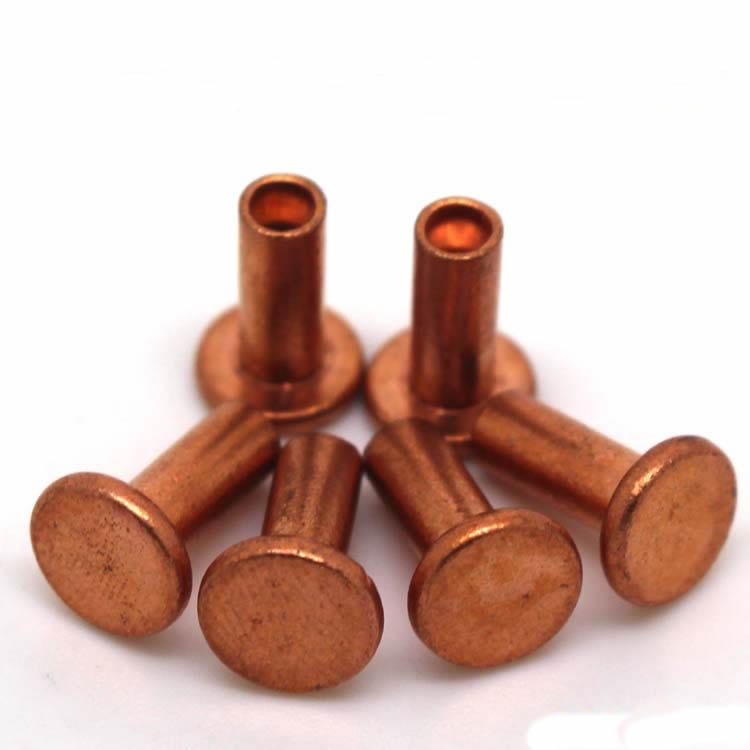
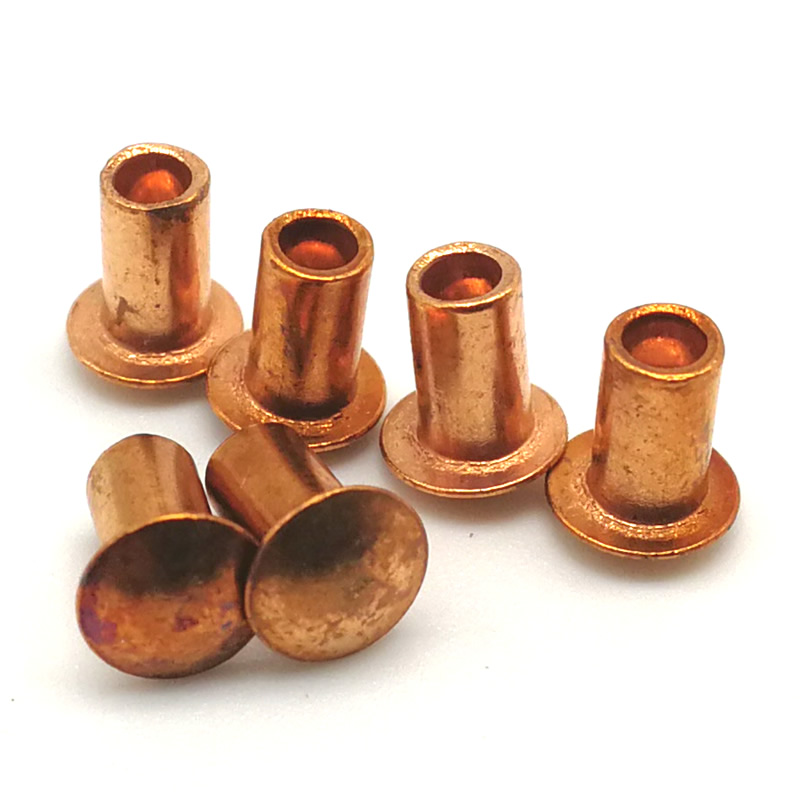
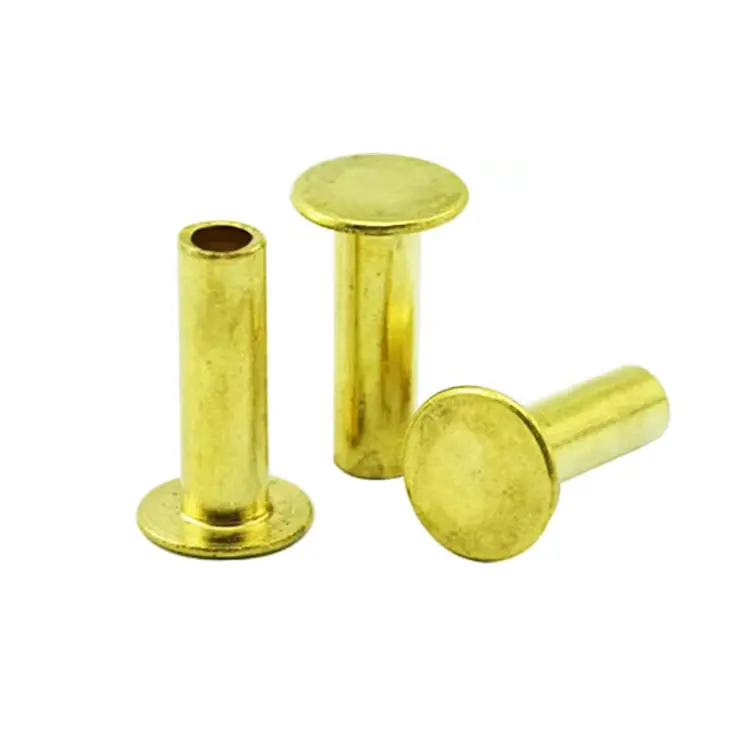
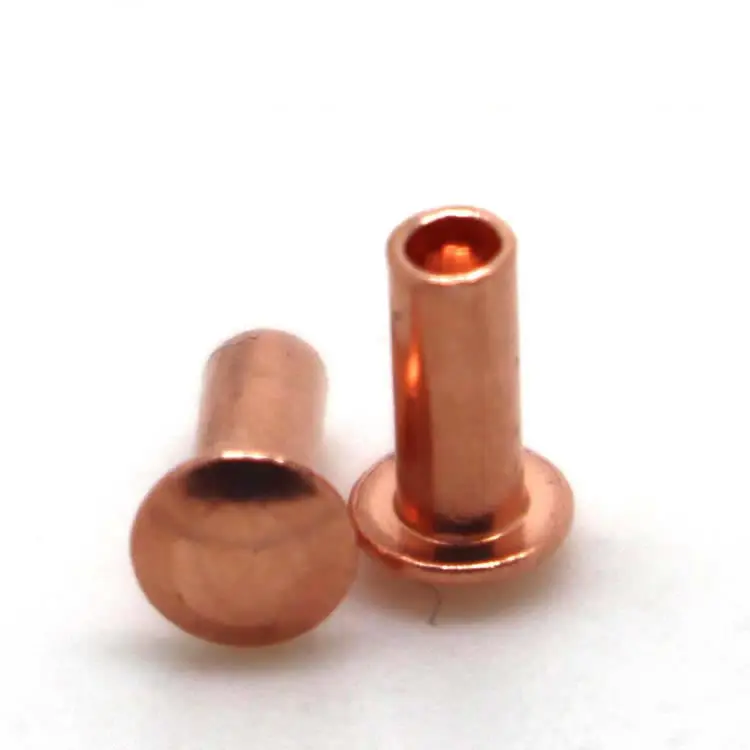
Copper Semi Hollow Rivets
Copper semi hollow rivets are a key fastener, widely used in the power, automotive, and construction industries due to their unique structural design, material properties, excellent conductivity, and toughness. They are a preferred fastener component. We welcome friends from all over the world to visit Nuote Metals. Every rivet we produce and export is guaranteed to withstand customer inspection.
Send Inquiry
Product Description
Copper semi hollow rivets do things that steel, aluminum, and brass cannot.
They carry current – 100% IACS, not 28% like brass. They transfer heat – 401 W/m·K, not 140 like aluminum. They kill bacteria naturally – not a coating, not a treatment.
Most rivets hold things together. Copper semi hollow rivets do that – and then do three more jobs. If your application needs any one of these capabilities, copper is worth considering. If it needs all three, copper is the only answer.
Different types of Rivets we make
1. Solid Rivets
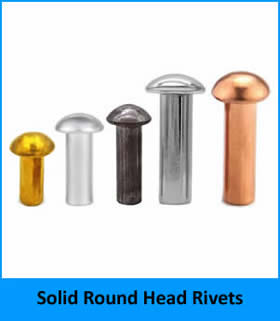
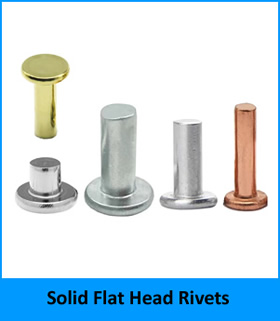
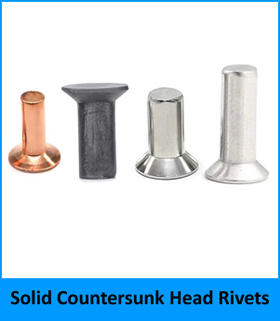
Click  to know more about our Solid Rivets.
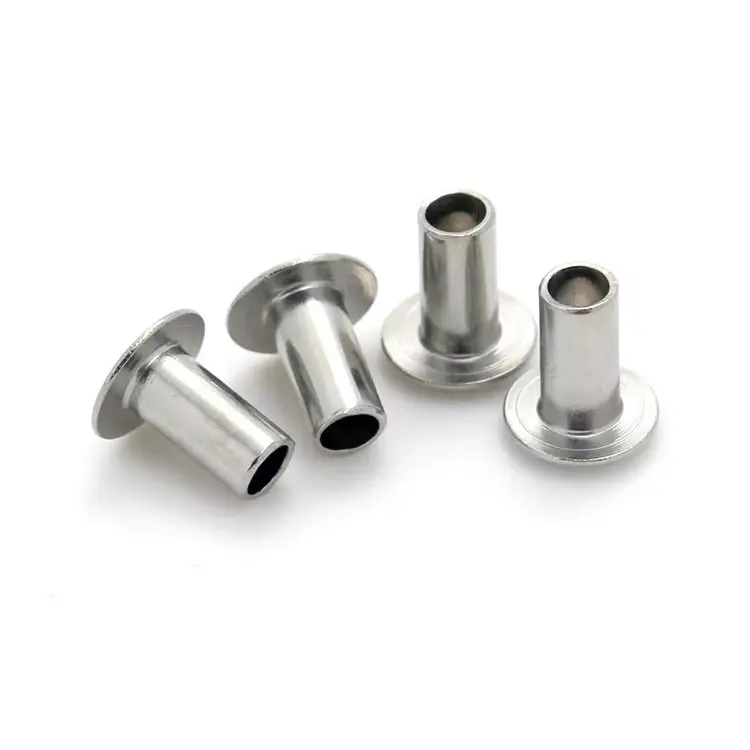
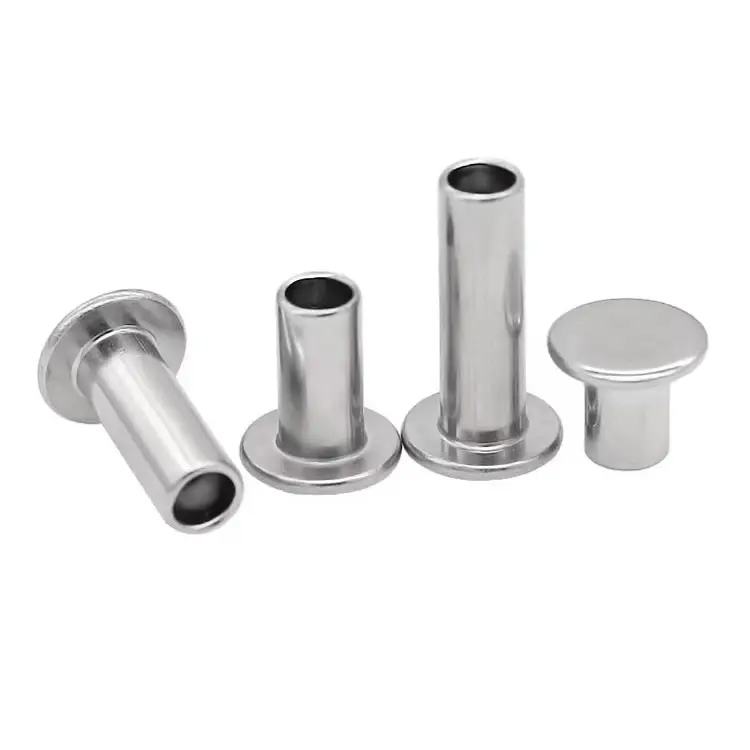
2. Semi-Tubular Rivets
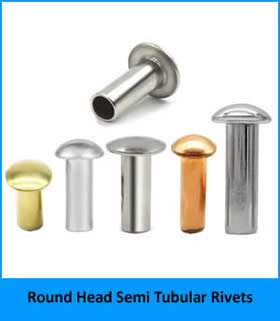
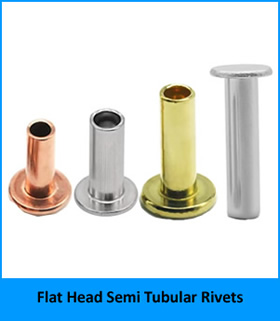
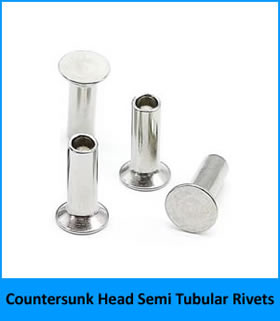
Click  to know more about our semi-tubular Rivets.
3. Full Tubular Rivets
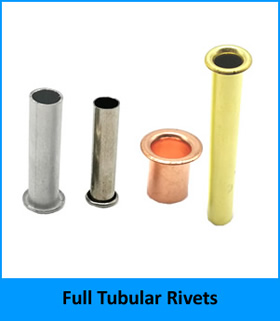
Click  to know more about our Full Tubular Rivets.
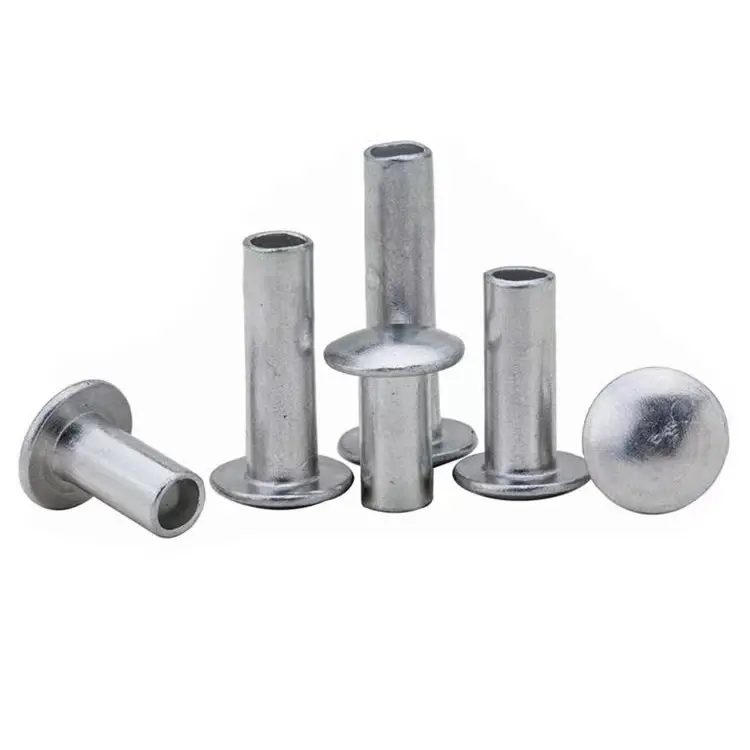
4. Special Rivets
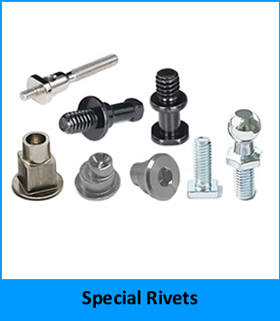
Click  to know more about our Specal Rivets.
Copper vs. Other Materials – The Numbers That Matter
| Feature | Copper Semi Hollow Rivet | Brass Semi Hollow Rivet | Aluminum Semi Hollow Rivet | Steel Semi Hollow Rivet |
|---|---|---|---|---|
| Electrical conductivity | 100% IACS | ~28% | ~61% | ~10% |
| Thermal conductivity | 401 W/m·K | ~120 | ~140 | ~50 |
| Antimicrobial | Yes | Limited | No | No |
| Corrosion resistance | Excellent (patina) | Good | Good | Depends on finish |
| Weight (5mm) | ~1.9g | ~1.9g | ~0.6g | ~1.8g |
| Cost | Higher | Medium | Medium | Lowest |
| Setting force reduction | 70% | 70% | 70% | 70% |
| Best for | Electrical, thermal, hygiene‑critical | Decorative, general purpose | Lightweight, non‑magnetic | Industrial, high‑volume |
Where They Make the Difference
| Application | Why Copper |
|---|---|
| Power electronics | 401 W/m·K pulls heat away from IGBTs, MOSFETs, and power modules. |
| Grounding connections | 100% IACS means lower resistance, less heating, safer equipment. |
| Food processing equipment | Antimicrobial surface kills bacteria – no plating to wear off. |
| Marine electrical systems | Conductivity + corrosion resistance in one fastener. |
| LED lighting | Thermal management extends LED lifespan. |
| HVAC systems | Heat transfer + corrosion resistance in humid environments. |
| Antimicrobial touch surfaces | Copper surfaces reduce bacterial transmission. |
| RFI/EMI shielding | High conductivity provides effective electromagnetic interference shielding. |
One Real Application – High‑Power LED Driver Board
A manufacturer of high‑power LED drivers was losing units to heat failure. The driver board generated significant heat – the steel screws attaching it to the heat sink could not move heat fast enough. The customer needed a fastener that would transfer heat away from the board and set without damaging the ceramic substrate.
We supplied C11000 copper semi hollow rivets – 3.0mm shank, 5.5mm round head, 5.0mm barrel length, plain finish. Thermal conductivity: 401 W/m·K – heat dissipated efficiently. Setting force: 1.0 ton instead of 3.5 – no cracked substrates. The customer tested 500 units. After 5,000 thermal cycles, zero failures. They now order 150,000 pieces annually.
What Can Go Wrong – And How We Prevent It
| What Can Go Wrong | Why | How We Prevent |
|---|---|---|
| Cracking during setting | Cavity too deep | We hold 45–55% depth. |
| Loss of conductivity | Copper purity compromised | Spectrometer‑verified ≥99.9% Cu. |
| Work hardening cracks | Heading speed too fast | Controlled speeds for copper. |
| Surface tarnishing | Natural oxidation | Plain is acceptable; lacquered if bright finish needed. |
Inside Our Production – 45 Machines, 10+ Years Experience
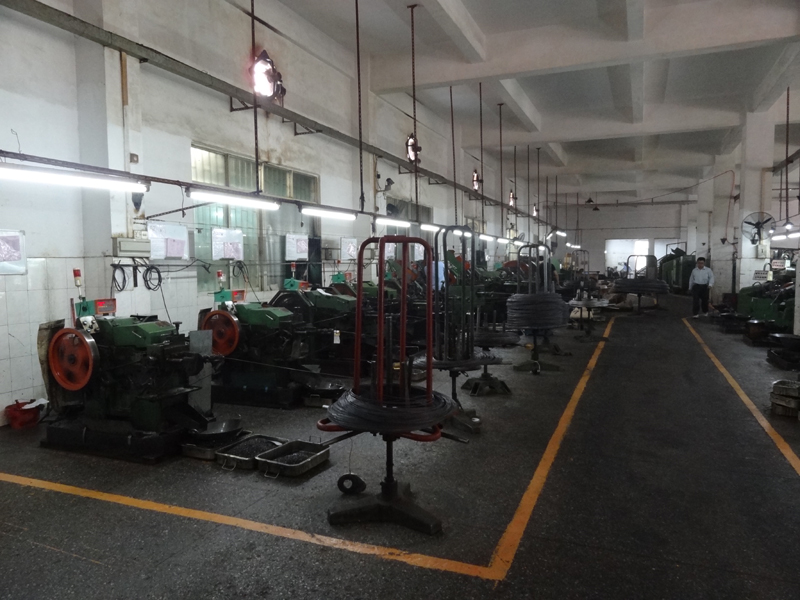
We manufacture copper semi hollow rivets on 45 cold‑heading machines in our Dongguan facility. Capable of producing rivets from 0.8mm to 10mm in diameter.
What we check: Spectrometer‑verified copper content (≥99.9% Cu). Cavity depth, head geometry, shank diameter, hardness – every batch.
Production speed: Up to 300 pieces per minute on standard diameters (copper requires slightly slower speeds than steel).
What Our Customers Say – Real Feedback
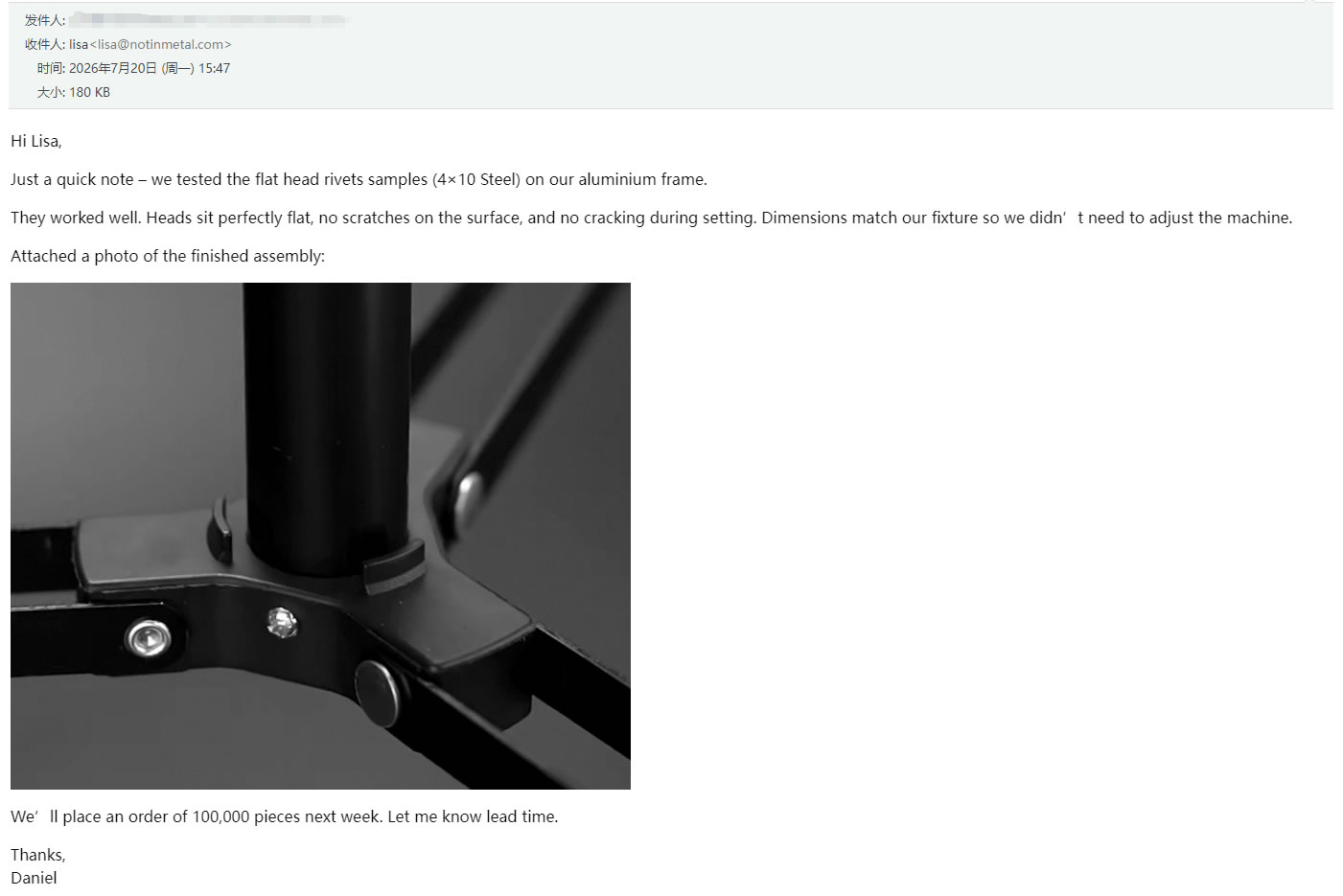
We let our customers speak for us. The images above show real feedback from manufacturers who have used our copper semi hollow rivets – from LED lighting manufacturers to power supply builders to marine electrical equipment suppliers.
They come back to us for the same reasons:
Thermal performance that protects components – 401 W/m·K moves heat effectively.
Permanent conductivity – 100% IACS, no degradation over time.
Low‑force setting – Protects sensitive components during assembly.
Two Questions We Answer Often
Q: "How do I choose the right size and length for a copper semi hollow rivet – and what happens if I get it wrong?"
A: This is the most common question we get from engineers and production managers. Here is how it works.
Shank diameter – Match it to your hole size. The shank should be 0.05–0.10mm smaller than the hole for a smooth fit. If the shank is too large, it will not insert. Too small, and the rivet will wobble or tilt during setting.
Barrel length – This is where most mistakes happen. For copper semi hollow rivets, the formula is different from steel because copper is softer and rolls more easily. Use: Rivet Length = Material Stack Thickness + (0.6 to 0.8) × Rivet Diameter. For example, if you are joining two 2mm sheets (total 4mm) with a 4mm shank, you need 4mm + (0.6 × 4mm) = 6.4mm total length.
What happens if you get it wrong? Too short – the clinch is weak and the joint fails. Too long – the barrel crumples during setting instead of rolling cleanly. If you are unsure, send us your material stack thickness and shank diameter – we will calculate the exact length for you.
Q: "Can I use copper semi hollow rivets outdoors? Will they turn green and stain my product?"
A: Yes, you can use them outdoors – and yes, they will eventually turn green. But that green is not corrosion – it is a protective patina that forms naturally on copper when exposed to air and moisture.
What the patina means: The green layer (called verdigris) actually protects the underlying copper from further corrosion. It is cosmetic, not structural. Copper does not rust like steel – the patina is the metal protecting itself. For marine applications, copper is actually preferred over brass for its corrosion resistance and malleability, which ensures a watertight seal.
If you do not want the green patina: Specify lacquered copper semi hollow rivets – the clear coating seals the surface and prevents tarnishing for 2–3 years. For the LED driver case above, the customer chose plain finish because the patina was acceptable in the indoor enclosure.
Hot Tags: Copper Semi Hollow Rivets,Copper Rivets Factory,China Semi Hollow Rivets
Related Categories
Send Inquiry
Please feel free to fill your inquiry in the form below. We will reply you in 24 hours.



X
We use cookies to offer you a better browsing experience, analyze site traffic and personalize content. By using this site, you agree to our use of cookies.
Privacy Policy