Products
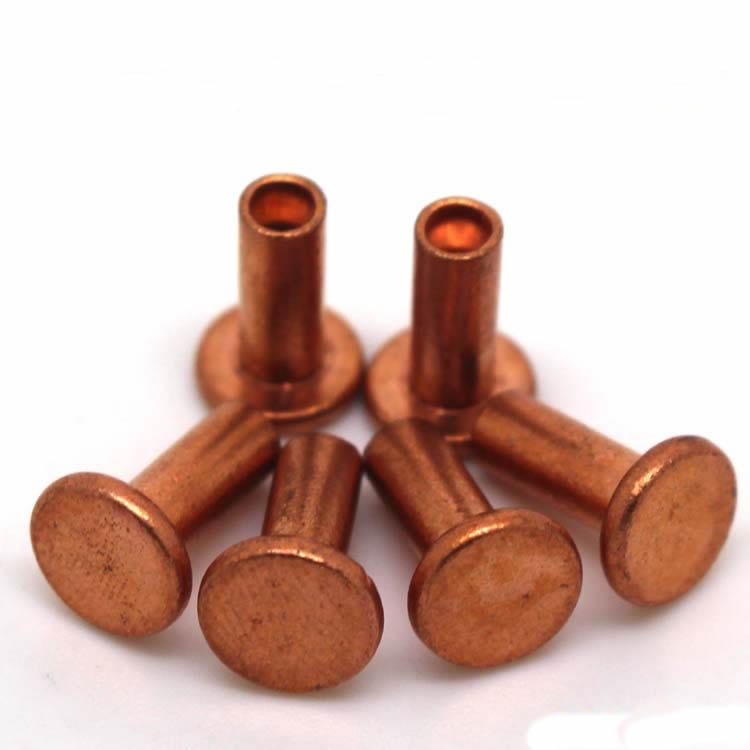
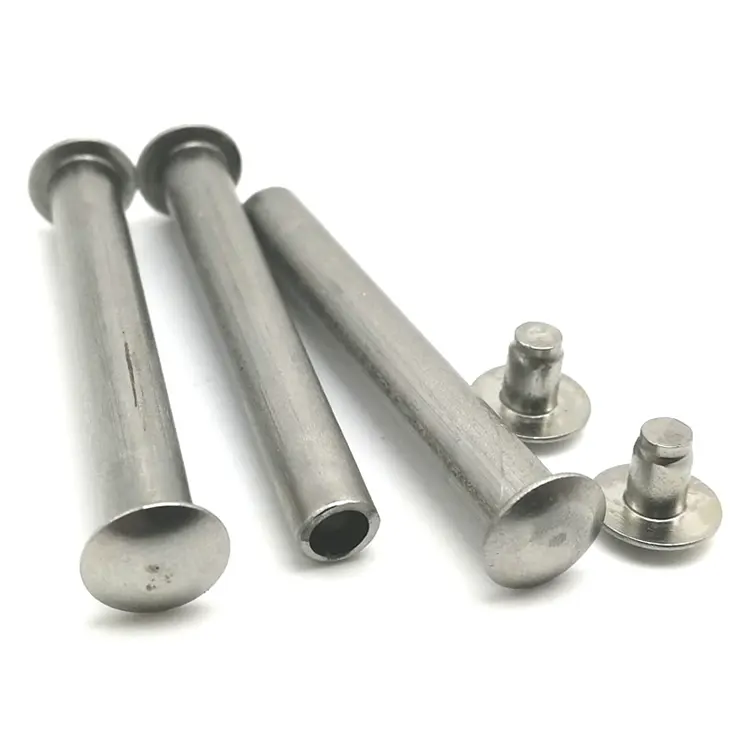
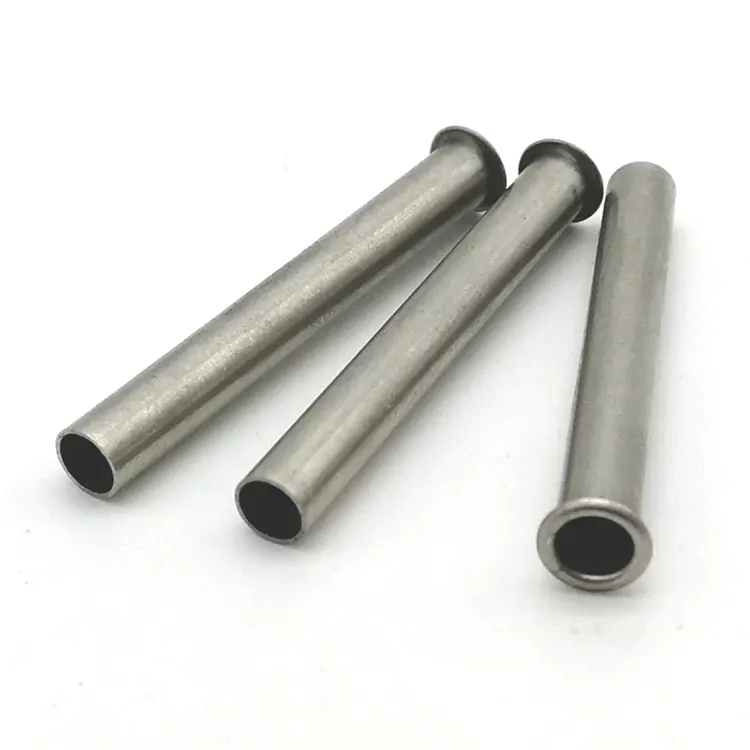
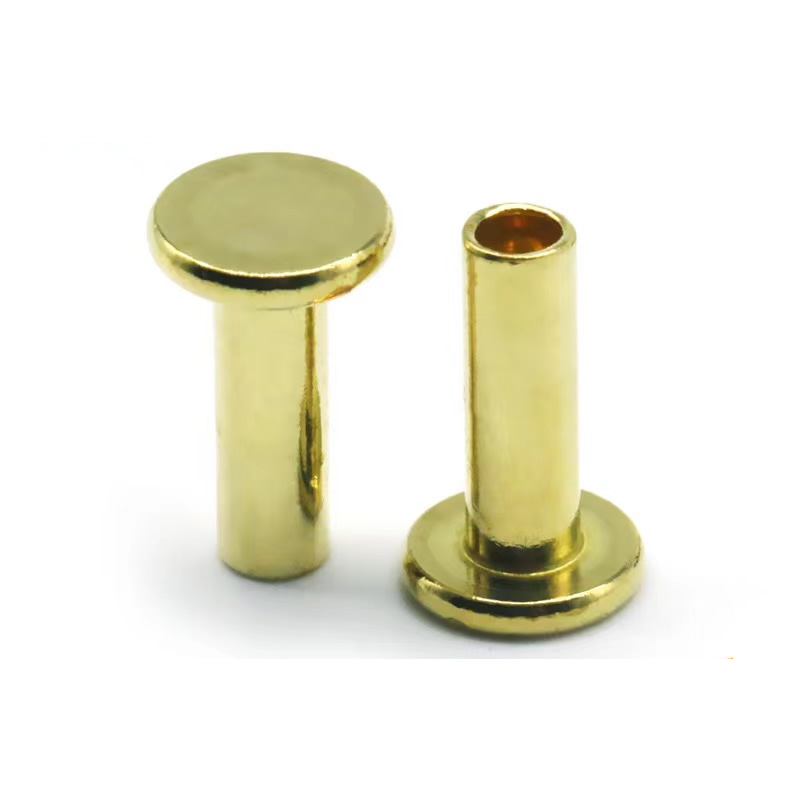
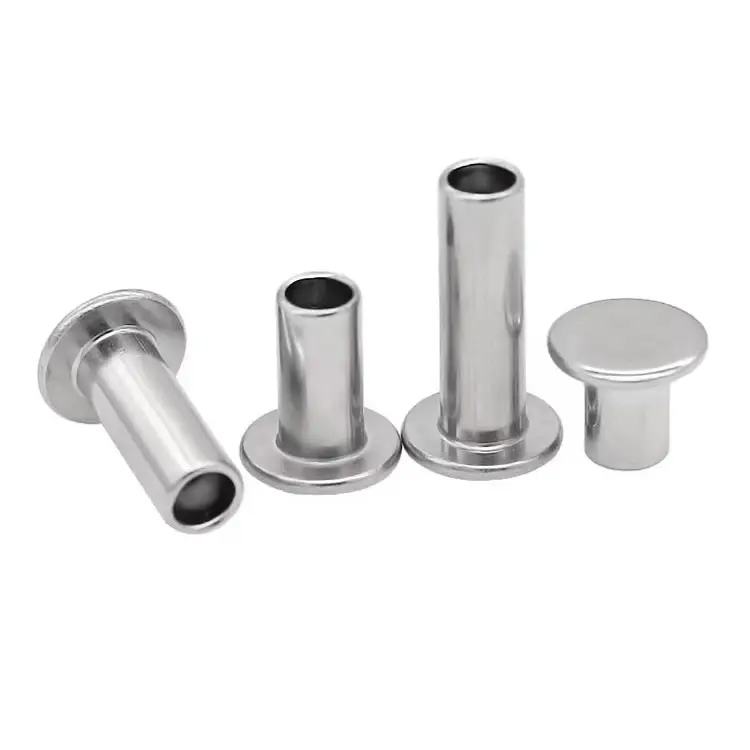
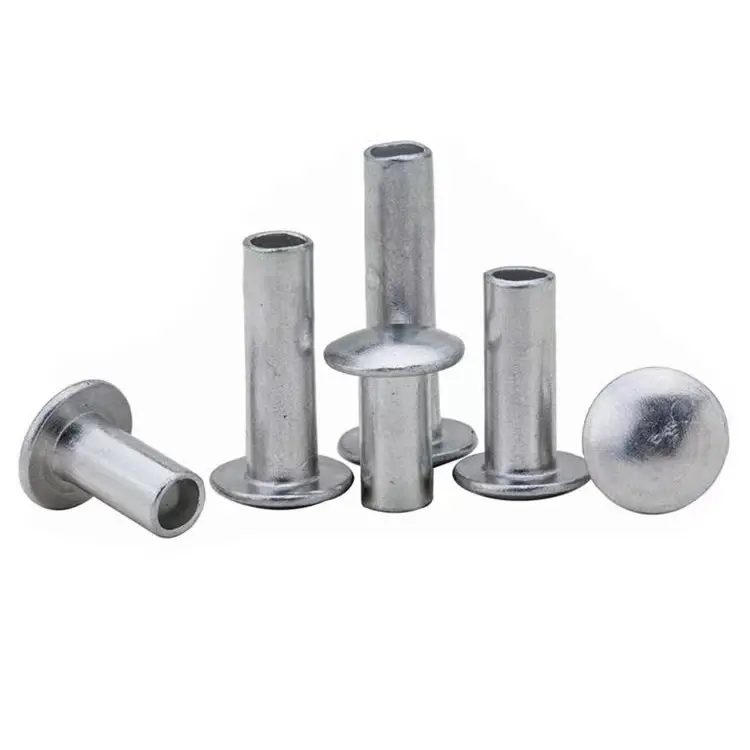
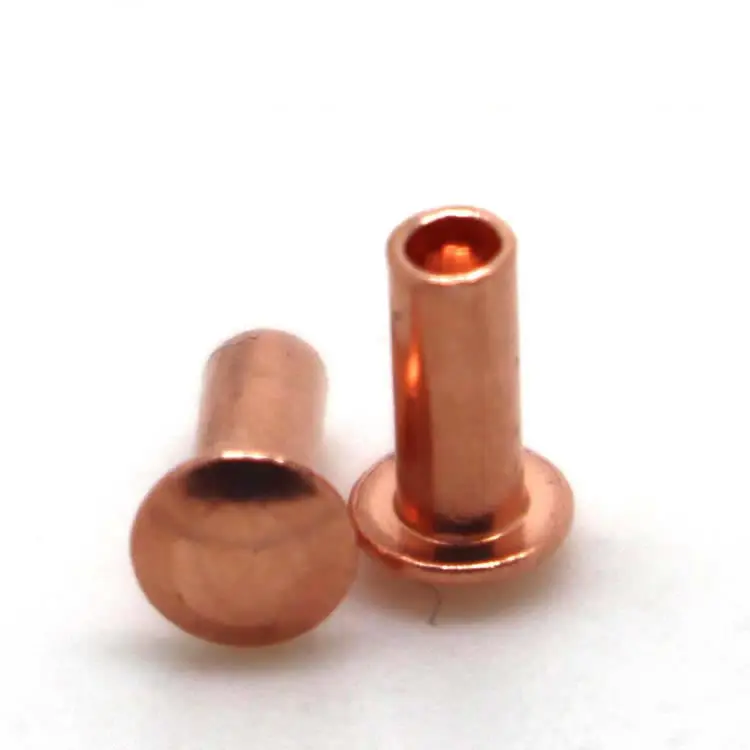
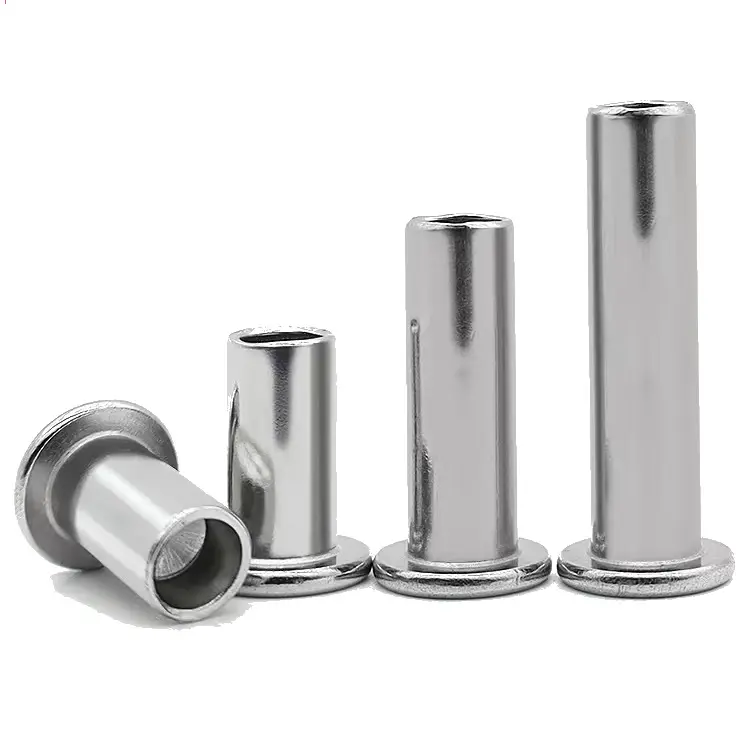
Brass Semi Hollow Rivets
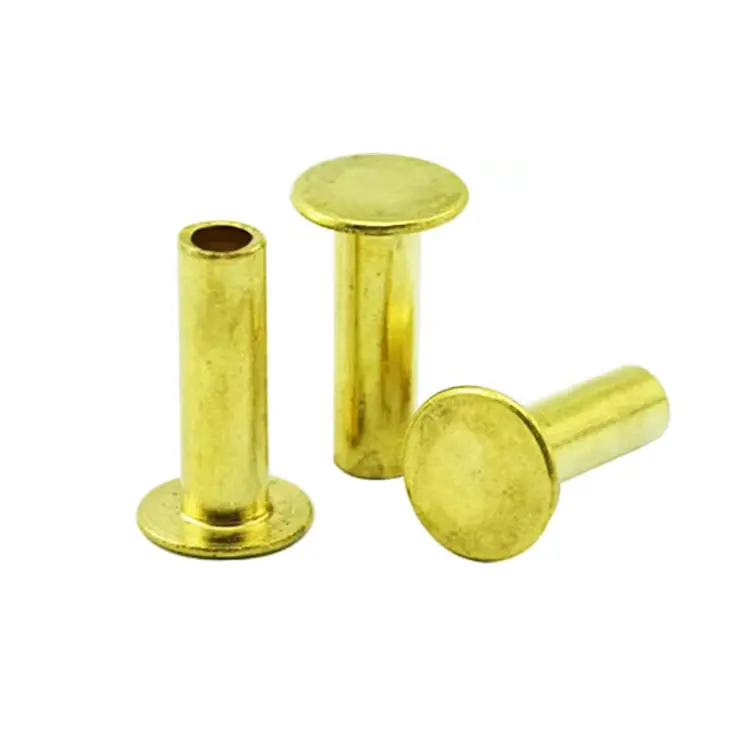
At Nuote Metals, we focus on making brass semi hollow rivets. Our rivets mainly use H65 brass—a copper-zinc blend that offers great electrical and thermal conductivity, along with solid corrosion resistance. This material is both hard enough and flexible enough to work well with cold heading and riveting processes. Plus, brass has that natural golden color, so if you're using these for decorative purposes, you often won't need any extra plating.
Send Inquiry
Product Description
Brass semi hollow rivets are not solid rivets with a hole drilled in them. They are a different design, made for a different purpose. The shallow cavity at the tail means less material to deform during installation. Less deformation means less force. Less force means faster cycles, lighter presses, and less stress on the materials you are joining.
The design works – if the cavity is right.
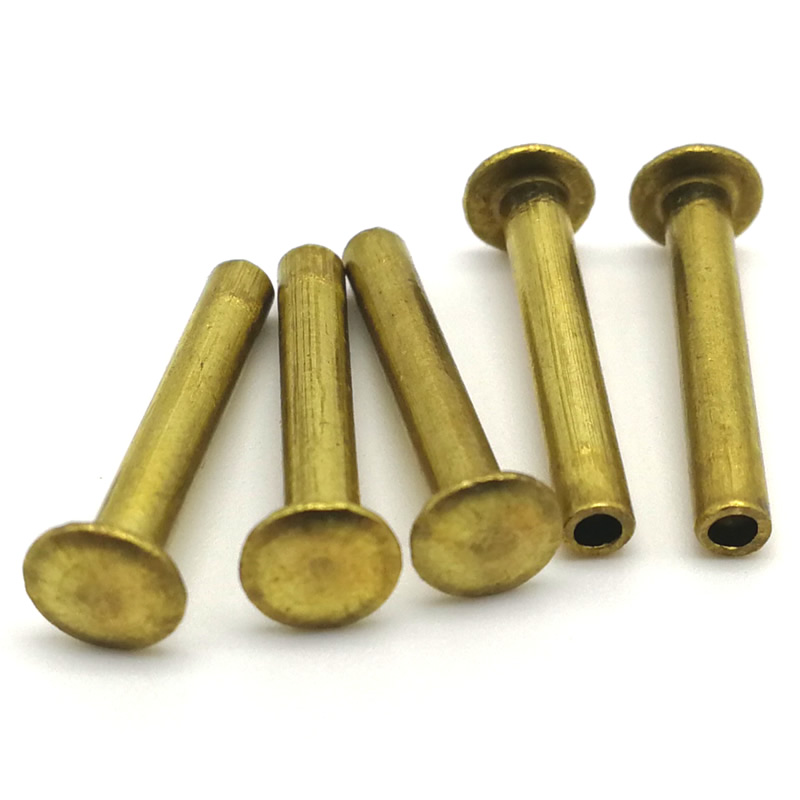
What You Get with a Brass Semi Hollow Rivet
| Benefit | What It Means for You |
|---|---|
| 70% less setting force | A 5mm solid rivet needs ~3.5 tons. Same diameter semi hollow needs ~1.0 ton. |
| 80–90% of solid rivet strength | You lose very little holding power. |
| Faster cycles | Press cycles in 1.2 seconds instead of 3. |
| Less risk of material damage | Lower force on plastics, thin sheet, and fragile assemblies. |
| Less brass per rivet | Lower material cost on high volumes. |
What Can Go Wrong – And How We Prevent It
| What Can Go Wrong | Why It Happens | How We Prevent It |
|---|---|---|
| Rivet cracks during setting | Cavity is too deep (wall too thin) | We hold cavity depth to 45–55% of barrel length. |
| Setting force is still high | Cavity is too shallow | Same 45–55% cavity depth rule applies. |
| Cavity forms unevenly | Brass hardness is off | Every coil is hardness-tested. HRB 60–75 or rejected. |
| Clinch is weak or asymmetrical | Cavity depth varies across batch | We check depth on first article and during production. |
The difference between a good semi hollow rivet and a bad one is not visible to the naked eye. You find out when you set it. We check before we ship it.
One Real Application – Commercial Bakery Tray Handle
A commercial bakery equipment manufacturer needed to attach wire handles to heavy-gauge steel trays. The previous solid brass rivets worked, but they slowed production – 3.5 tons of setting force per rivet. A competitor‘s semi hollow rivet cracked during setting because the cavity was too deep.
We supplied C2680 brass semi hollow rivets – 4.0mm shank, 7.0mm round head, 6.0mm barrel length, natural lacquered finish. Cavity depth was set at 2.8mm (47% of barrel length). Setting force dropped to 1.0 ton. No cracks. Assembly speed increased by 40%. The customer has ordered 200,000 pieces annually since.
What You Can Specify
Material: C2680 brass
Shank diameter: 0.8–8.0mm
Head styles: Round, flat, oval, countersunk, truss, mushroom
Finishes: Natural lacquered, nickel-plated, antique
Length: Custom to your material stack thickness
Barrel length rule: Stack thickness + 1.5–2.0mm
What We Check – And Why
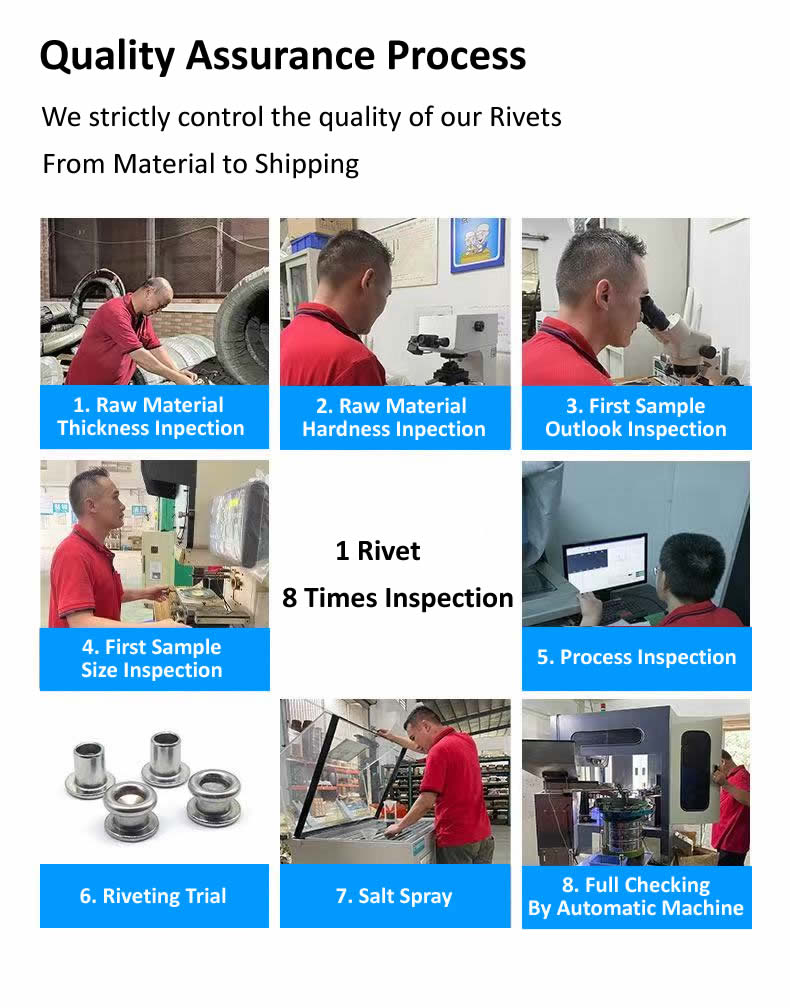
| Check | Why It Matters |
|---|---|
| Cavity depth (45–55% of barrel) | Too deep → cracks. Too shallow → lost force reduction. |
| Wire hardness (HRB 60–75) | Controls how the cavity forms and sets. |
| Plating thickness (if plated) | Corrosion protection without excess cost. |
| Setting test on your material | Verifies performance in your actual application. |
Our Certifications – Proof of Quality
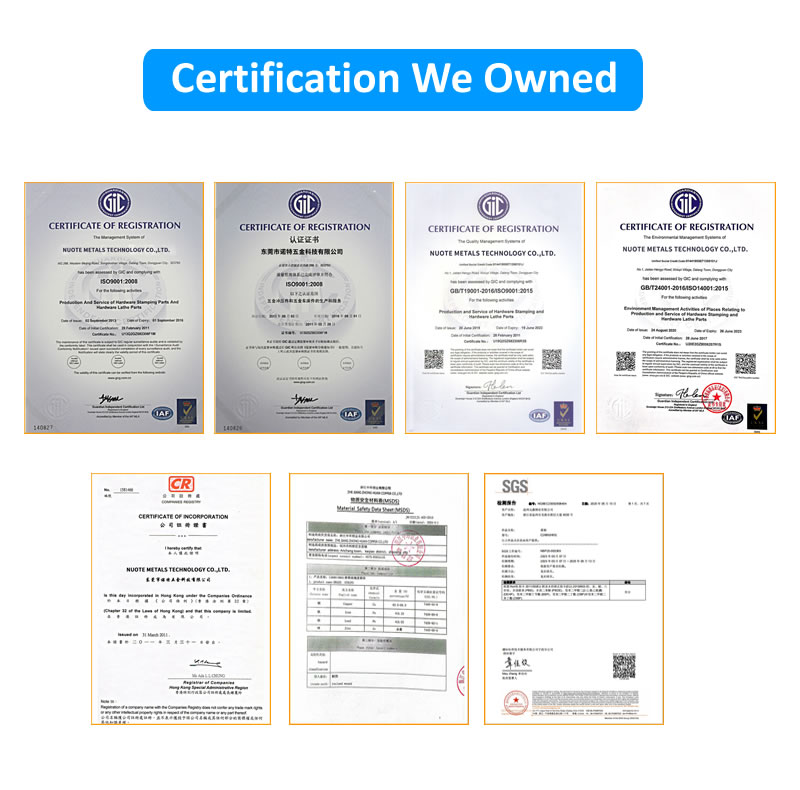
- RoHS compliance – Verified by SGS testing
- REACH compliance – Current SVHC declaration
- Material certificates – Traceable to original coil
Two Questions We Answer Often
Q: "Can I get samples before ordering production quantities?"
A: Yes. Standard specifications: free samples, you pay shipping. Custom sizes: contact our sales team for sample cost and lead time.
Q: "Why brass over steel or aluminum for semi hollow rivets?"
A: Brass semi hollow rivets gives you three things steel and aluminum do not: corrosion resistance without plating, a warm gold appearance that ages well, and good conductivity for electrical applications. Steel is stronger and cheaper but rusts. Aluminum is lighter but weaker. Brass is the middle ground – not the strongest, not the cheapest, but often the most suitable for visible, functional, and decorative applications.
Hot Tags: Brass Semi Hollow Rivets,China Brass Rivets,Brass Rivets Manufacturer
Related Categories
Send Inquiry
Please feel free to fill your inquiry in the form below. We will reply you in 24 hours.



X
We use cookies to offer you a better browsing experience, analyze site traffic and personalize content. By using this site, you agree to our use of cookies.
Privacy Policy