
Products
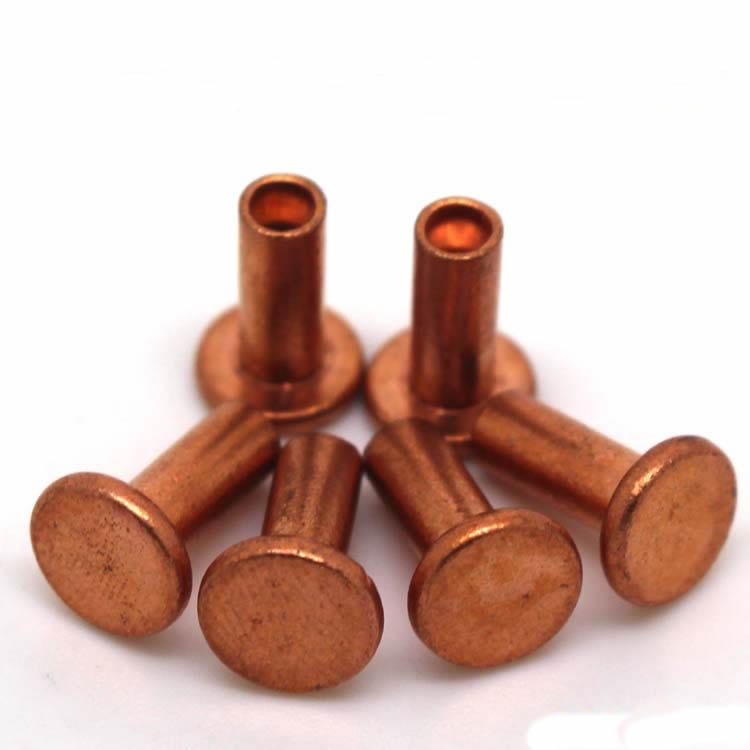
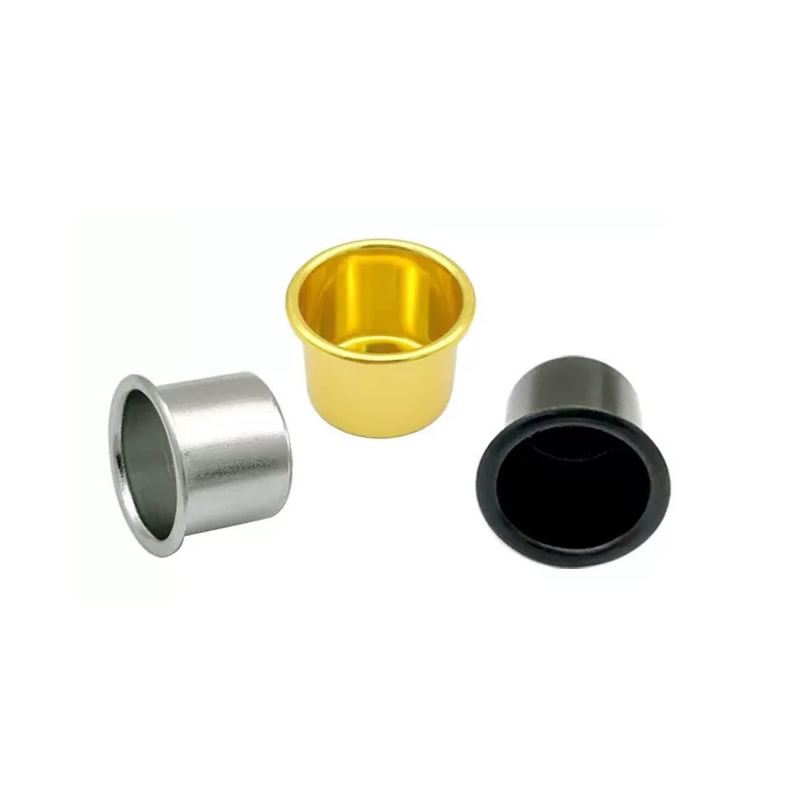
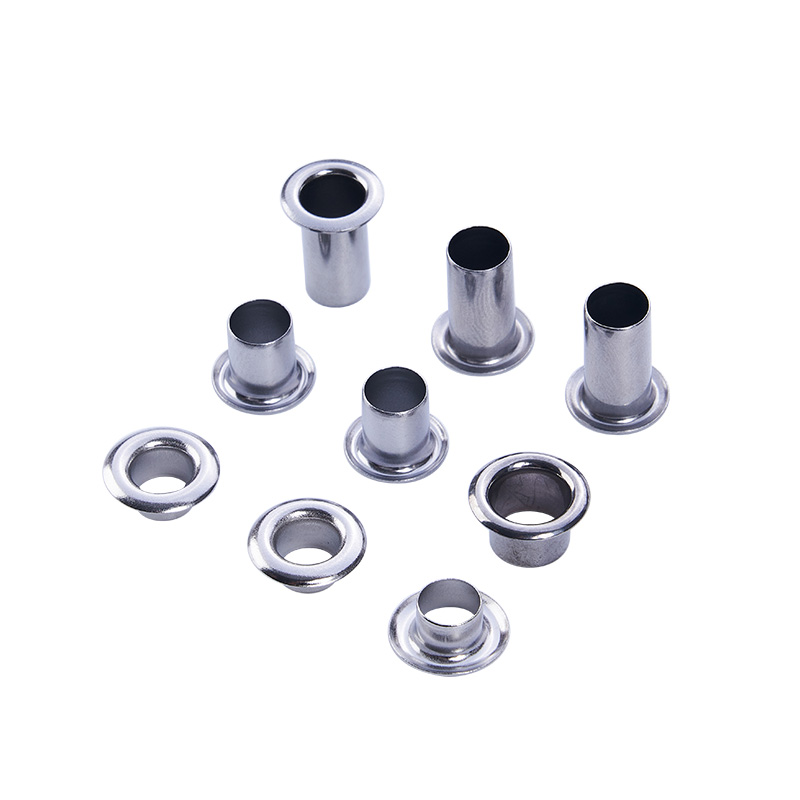
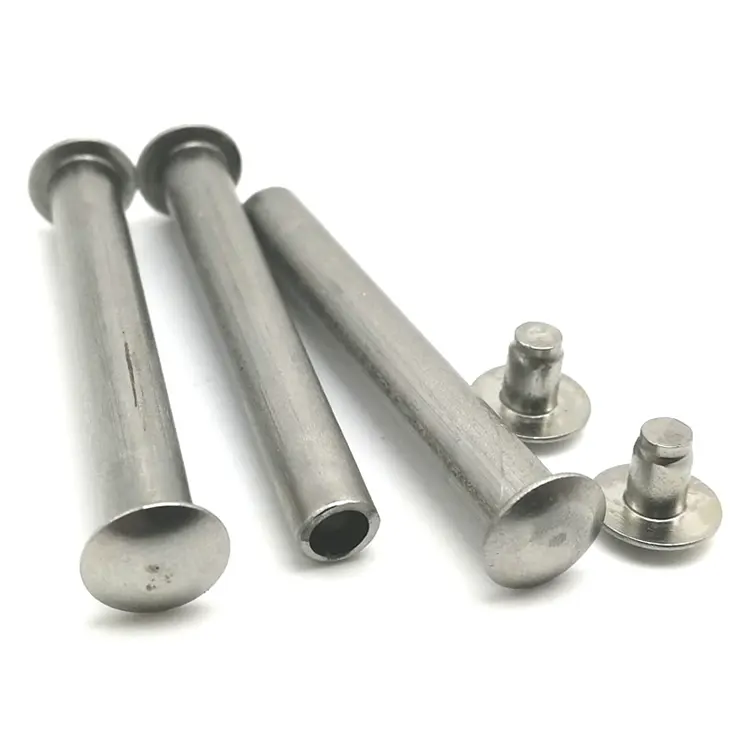
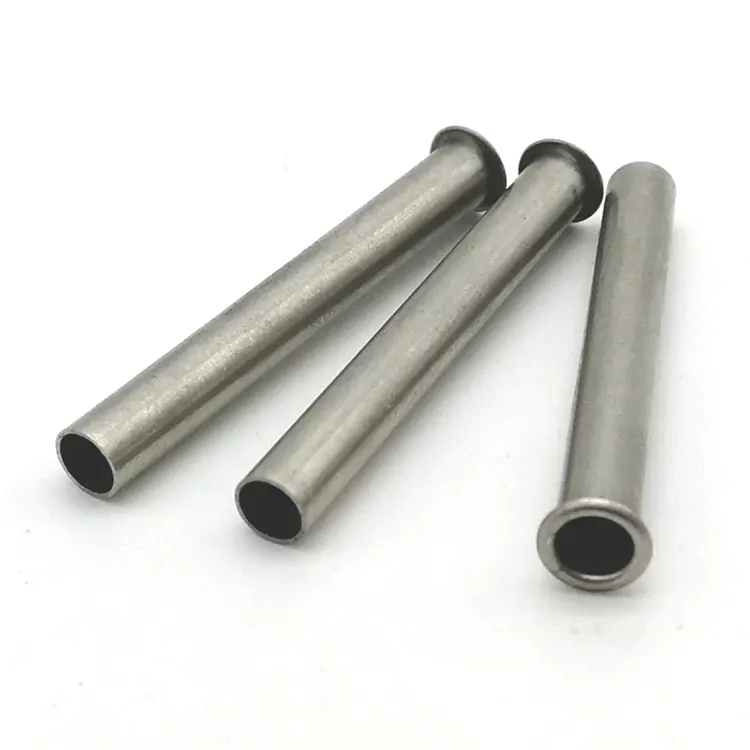
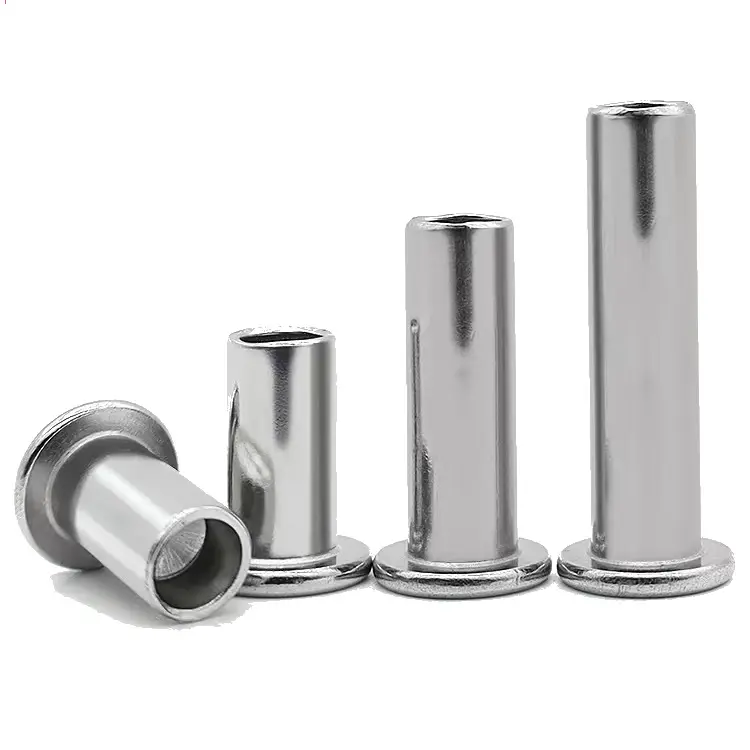
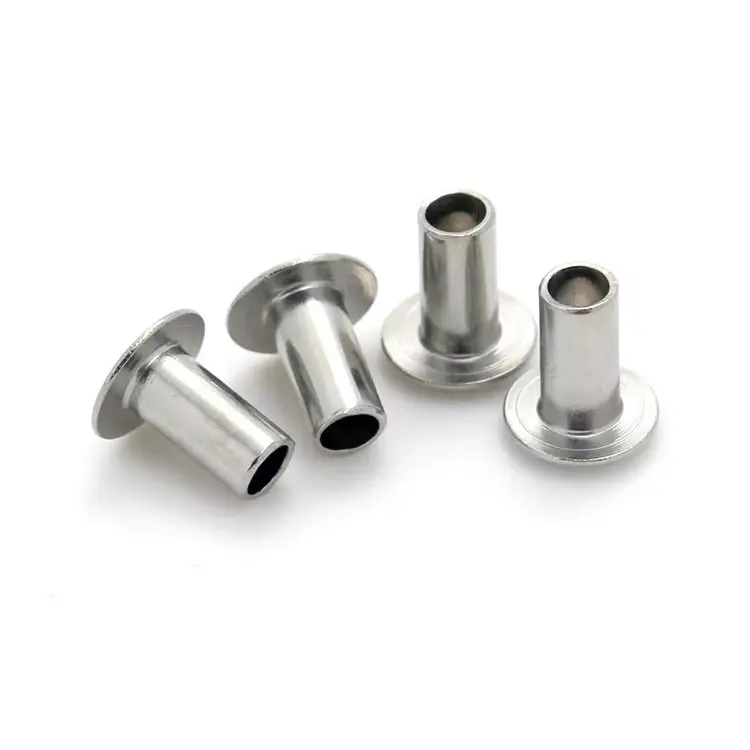
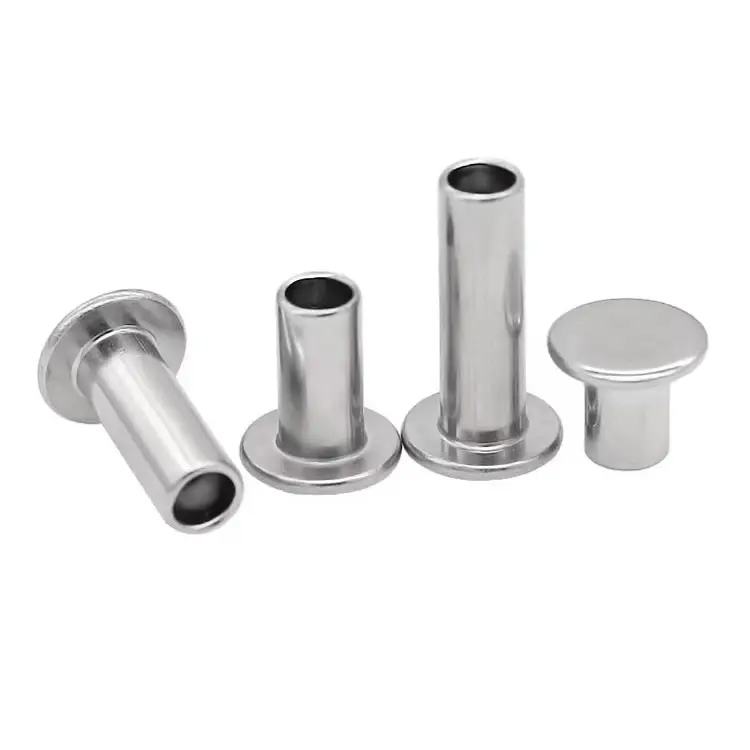
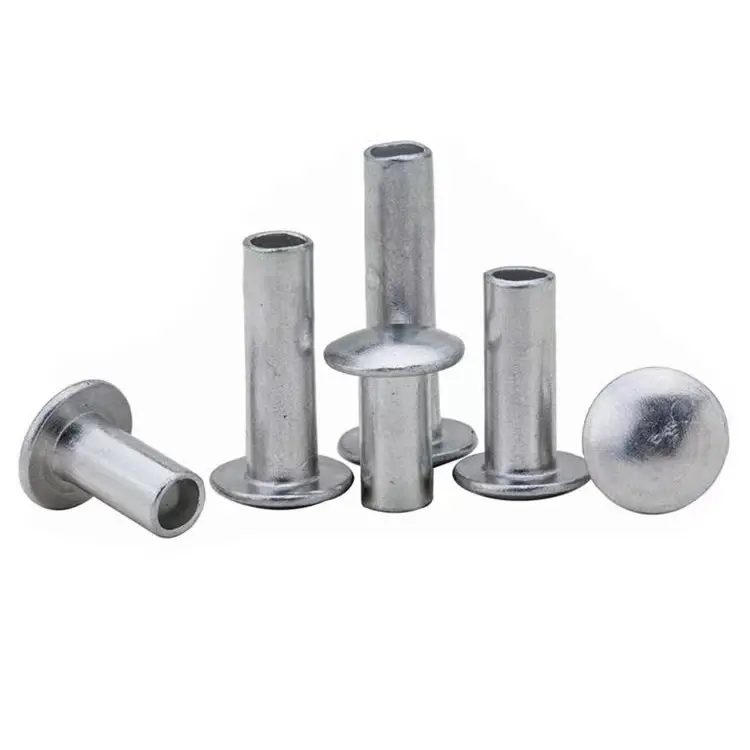
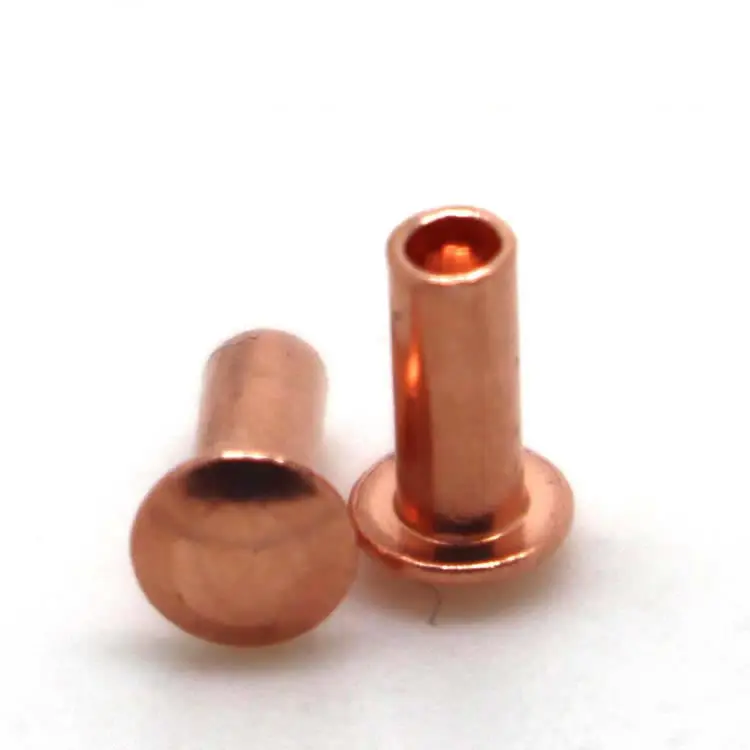
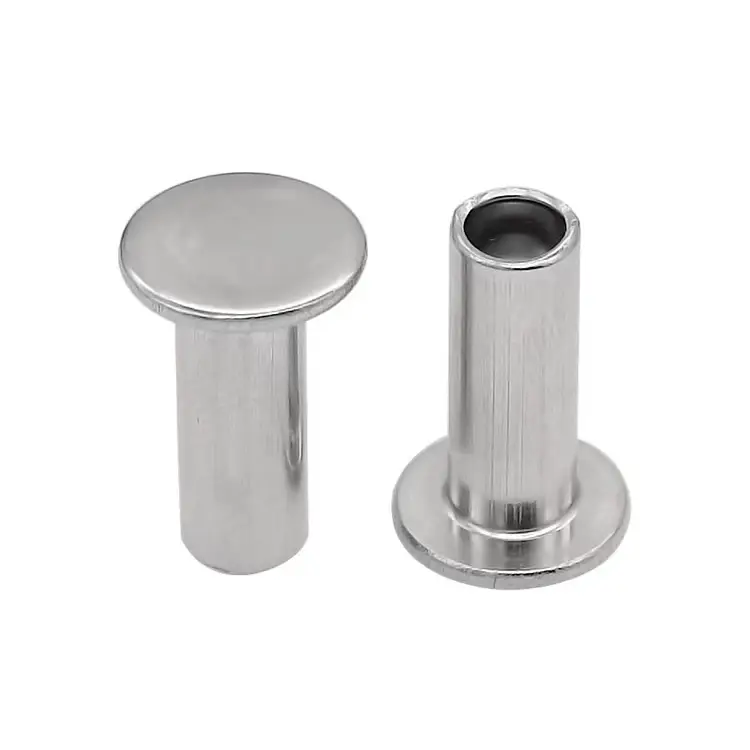
SUS304 Semi Tubular Rivets
Nuote Metals is a China-based manufacturer of SUS304 semi tubular rivets – permanent corrosion resistance, 70% lower setting force, and 80–90% of solid rivet strength. Available in 1.5–8.0mm shank diameters, six head styles, passivated as standard. ISO 9001 certified. Free samples available. Contact us today.
Send Inquiry
Product Description
Carbon steel rivets need plating to prevent rust. Plating wears off. SUS304 stainless steel rivet does not need plating – the chromium oxide layer is self-healing. Combine that with the semi‑tubular design – 70% lower setting force, 80–90% of solid strength – and you get a fastener that works in wet environments without slowing down your production line.
One Material, One Design – Two Problems Solved
| Problem | Carbon Steel Semi Tubular Rivets | SUS304 Semi Tubular Rivets |
|---|---|---|
| Rust | Zinc plating (wears off) | No plating needed – material itself is rust-proof |
| Slow assembly | Solid rivet (4 tons force) | Semi‑tubular (1.2 tons force) |
| Field failures | Plating fails, rust appears | 200–500 hours salt spray, permanent protection |
Choose SUS304 semi tubular when: Your assembly is exposed to moisture, rain, or humidity. You need stainless performance but cannot justify solid rivet production costs.
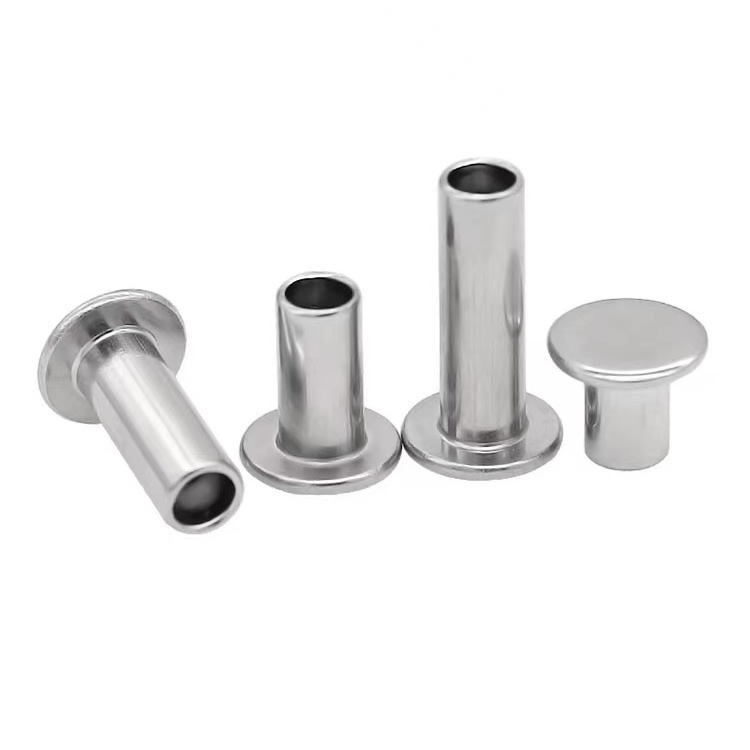
Head Style Options – Which One Fits Your Assembly
| Head Style | Best For | Visual Profile |
|---|---|---|
| Round | General purpose, visible joints | Tall, classic dome |
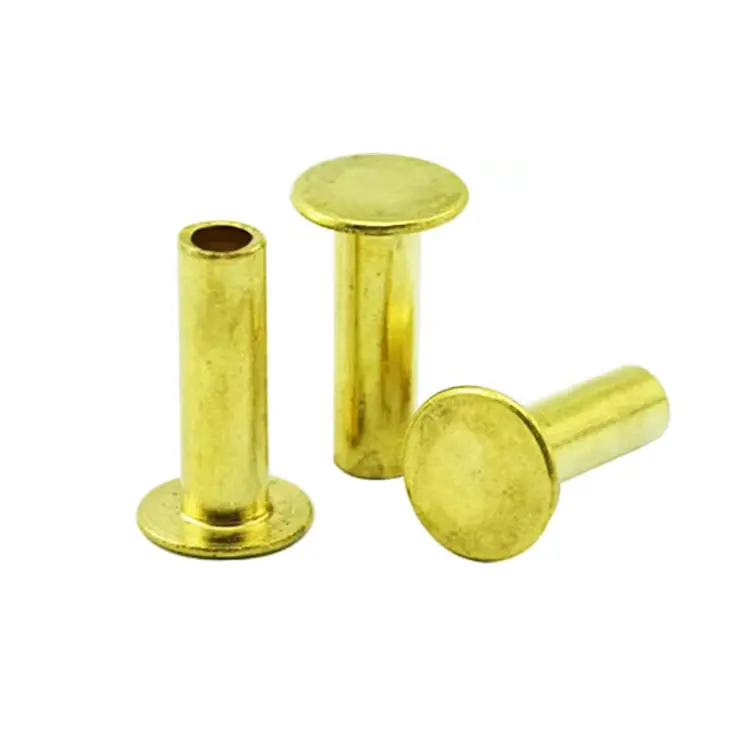
| Flat | Clearance‑limited, sliding surfaces | Low, sits near flush |
| Oval | Decorative, smooth appearance | Slightly raised, rounded |
| Countersunk | Flush surfaces, zero protrusion | Tapered, sits flush |
| Truss | Soft materials, oversized holes | Extra‑wide, low dome |
| Mushroom | Plastics, composites, low marking | Wide, smooth, radiused edge |
One Real Application – Bathroom Towel Rack Assembly
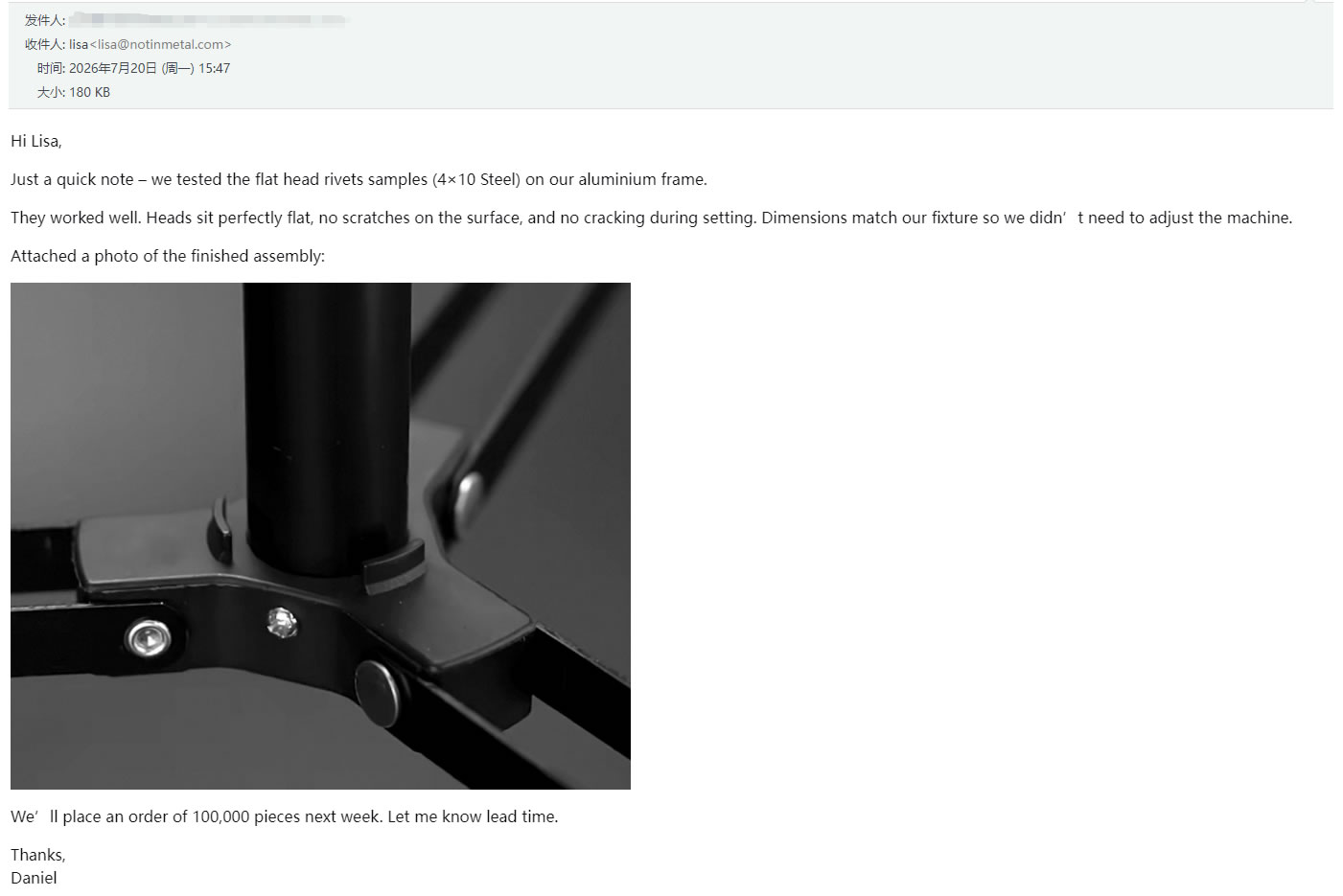
A bathroom hardware manufacturer was using zinc‑plated carbon steel semi‑tubular rivets for towel rack assemblies. After six months in humid bathroom environments, the plating wore off and the rivets rusted. Customers complained. The manufacturer switched to brass – no rust, but the brass tarnished and did not match the brushed stainless finish of the racks.
We supplied SUS304 semi tubular rivets – 4.0mm shank, 7.0mm round head, 10.0mm barrel length, passivated finish. The SUS304 material provided 200–500 hours of salt spray resistance – enough for bathroom humidity. The passivated surface matched the brushed stainless hardware. The semi‑tubular design set with 1.0 ton of force – no change needed to their existing press setup. After one year of production, zero rust complaints.
How to Specify – What We Need From You
Shank diameter – 1.5mm to 8.0mm
Barrel length – we calculate from your material stack thickness
Head style – round, flat, oval, countersunk, truss, or mushroom
Finish – passivated as standard (included at no extra charge)
Length rule for semi tubular rivets: Barrel length = material stack thickness + 1.5–2.0mm.
Sample lead time: 7–12 days standard; custom tooling: 15–20 days.
Passivation – Why It Matters for SUS304
SUS304 stainless steel does not rust – but during manufacturing, microscopic particles of free iron can transfer from tooling onto the surface. These particles can rust, creating red stains on your product – even though the rivet itself is stainless.
Passivation removes these free iron particles and restores the true corrosion‑resistant surface. Without it, your "stainless" rivets may still show rust stains.
We include passivation as standard on every batch of SUS304 semi tubular rivets at no extra charge.
Our Production Process – From Raw Material to Finished Rivet
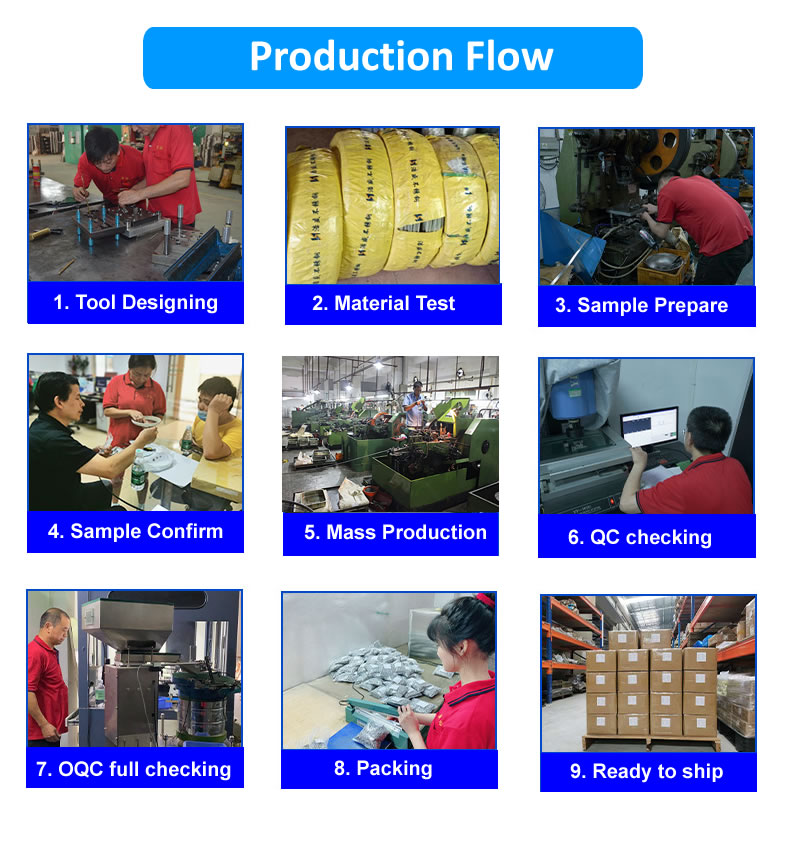
1. Raw Material Procurement – Certified SUS304 wire from approved mills. Each coil comes with a mill test certificate and heat number.
2. Incoming Material Inspection – Diameter, hardness (HRB 80–95), and material composition (spectrometer) verified. Coils outside specification are rejected.
3. Tooling Preparation – Carbide heading dies inspected and set up for the semi‑tubular cavity.
4. First Article Inspection – 10 rivets measured on optical comparator. Head diameter, barrel length, cavity depth verified.
5. Mass Production – In‑process checks: 5 rivets every 500 pieces. Any drift stops the press.
6. In‑Process Inspection – Every 2,000 pieces, set 3 rivets into sample material. Clinch inspected for symmetry and tightness.
7. Final Outgoing Inspection – 100% optical sorting. AQL sample manually verified. Dimensional report, material certificate, passivation certificate, and Certificate of Conformance issued.
Available Finishes – Matching Your Environment
| Finish | Appearance | Corrosion Protection | Best For |
|---|---|---|---|
| Passivated (standard) | Natural silver | 200–500 hrs salt spray | All applications – included at no charge |
| Bead blasted | Matte silver | 200–500 hrs salt spray | Anti‑glare, industrial |
Where SUS304 Semi Tubular Rivets Are Used
Bathroom hardware – Towel racks, shower enclosures, mirror frames
Outdoor furniture – Chairs, tables, umbrellas, plant stands
Marine accessories – Boat covers, dock hardware, marine canvas
Food equipment – Commercial kitchen hardware, food prep tables
Medical equipment – Hospital beds, medical carts, instrument assemblies
Architectural hardware – Handrails, door hardware, exterior fixtures
What Our Customers Say – Real Feedback
Three Questions We Answer Often
Q: "Why do my stainless steel semi tubular rivets sometimes show rust stains even though they are stainless?"
A: This is a common question – and it usually comes down to two things:
Cause 1: Free iron contamination. During manufacturing (stamping, heading, forming), microscopic particles of free iron can transfer from tooling onto the surface of the rivet. These particles are not stainless – they rust. The rivet itself does not rust, but the iron particles on its surface do, creating red stains that look like the rivet is rusting. The solution is passivation – a chemical treatment that removes these free iron particles and restores the true corrosion‑resistant chromium oxide layer. We include passivation as standard on every batch of SUS304 semi tubular rivets at no extra charge.
Cause 2: Galling or transfer from tooling during setting. If your setting tools (press dies) are not properly hardened or polished, they can transfer iron particles onto the rivet head during installation. These particles can rust and stain your assembly. Solution: Check your setting tools – they should be hardened steel with a smooth finish. If you notice rust stains appearing after setting, the issue is likely your tooling, not the rivet.
Bottom line: If your stainless steel rivets show rust stains, it is almost always free iron from manufacturing or setting – not the rivet itself. Passivation solves it at our end; polished setting tools prevent it at yours.
Q: "Do SUS304 semi tubular rivets need to be plated to prevent rust?"
A: No – SUS304 stainless steel is corrosion‑resistant by nature and does not require plating. The chromium content forms a passive oxide layer that self‑heals if scratched. We recommend passivation (included as standard) to remove any free iron from the surface and ensure maximum corrosion resistance.
Q: "My SUS304 semi tubular rivets are cracking during setting – what is causing this?"
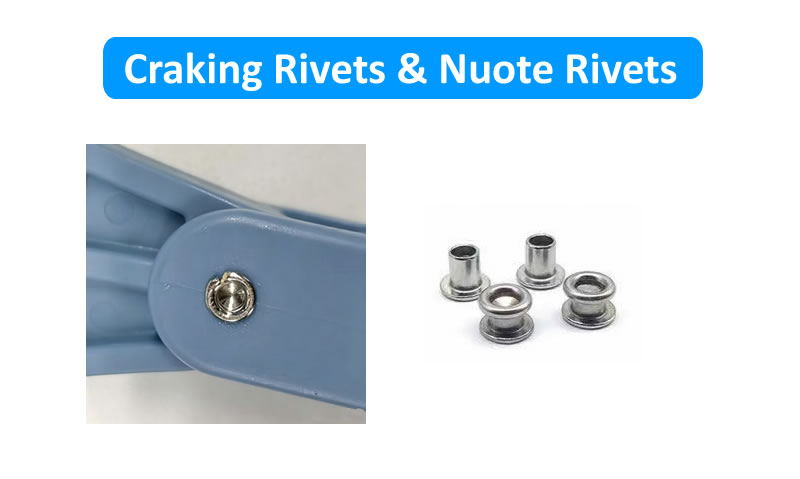
A: Stainless steel work‑hardens faster than carbon steel and is more prone to cracking if conditions are not correct. Here are the likely causes and solutions:
Cause 1: Setting force is too high. Semi‑tubular rivets only need 25–30% of the force required for solid rivets. Stainless work‑hardens under pressure – excessive force causes cracking before the wall can roll. Solution: Reduce setting force by 30–40% and test again.
Cause 2: Barrel length is too short. If the barrel does not extend 1.5–2.0mm beyond your material thickness, the hollow section bottoms out and cracks. Solution: Measure your total stack thickness – we will adjust the barrel length on your next order.
Cause 3: Work‑hardening from previous forming. SUS304 work‑hardens rapidly. If your press speed is too high or the die is worn, the metal hardens before it can roll. Solution: We use polished carbide dies and controlled heading speeds specifically for stainless steel.
Cause 4: Hole size is too tight. If the hole is undersized, the barrel is compressed excessively. Solution: Increase hole size to shank diameter + 0.15–0.20mm.
If none of these solve the problem, send us a sample of your cracked rivets and your material stack. We will analyze the failure and recommend a specific fix – at no charge.
Hot Tags: SUS304 Semi Tubular Rivets,SUS304 Semi Tubular Rivets Manufacturer,SUS304 Rivets
Product Tag
Related Categories
Send Inquiry
Please feel free to fill your inquiry in the form below. We will reply you in 24 hours.



X
We use cookies to offer you a better browsing experience, analyze site traffic and personalize content. By using this site, you agree to our use of cookies.
Privacy Policy