
Products
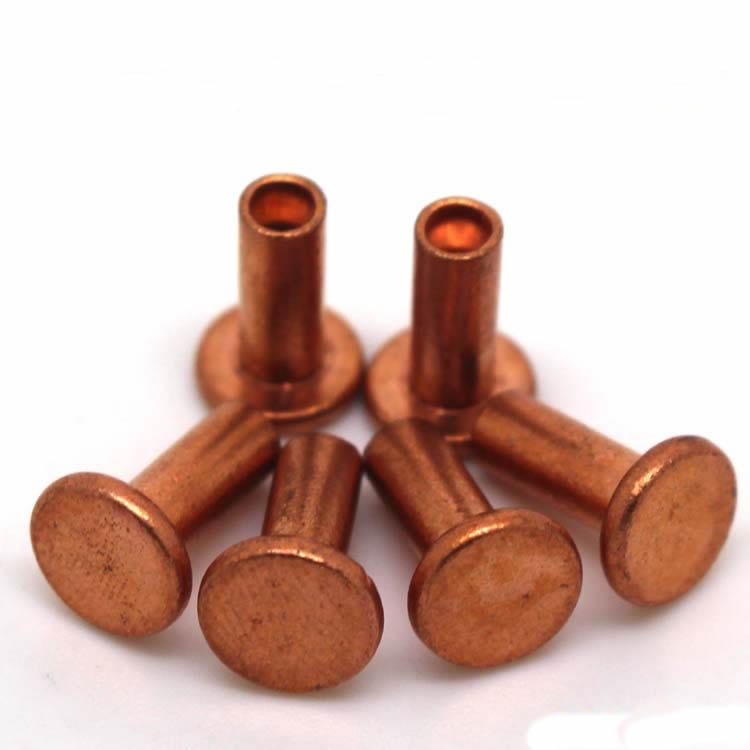
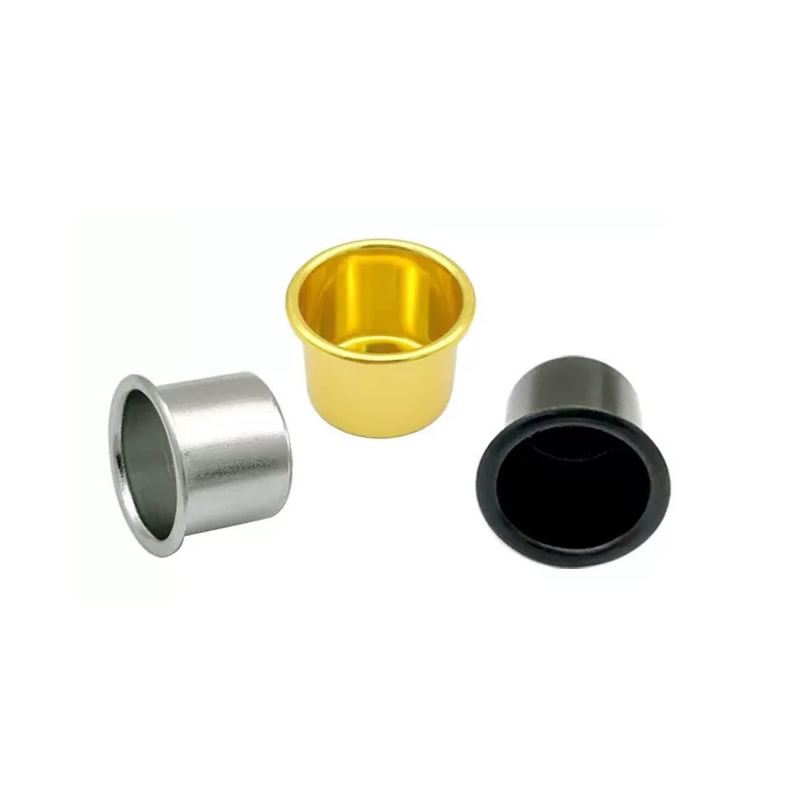
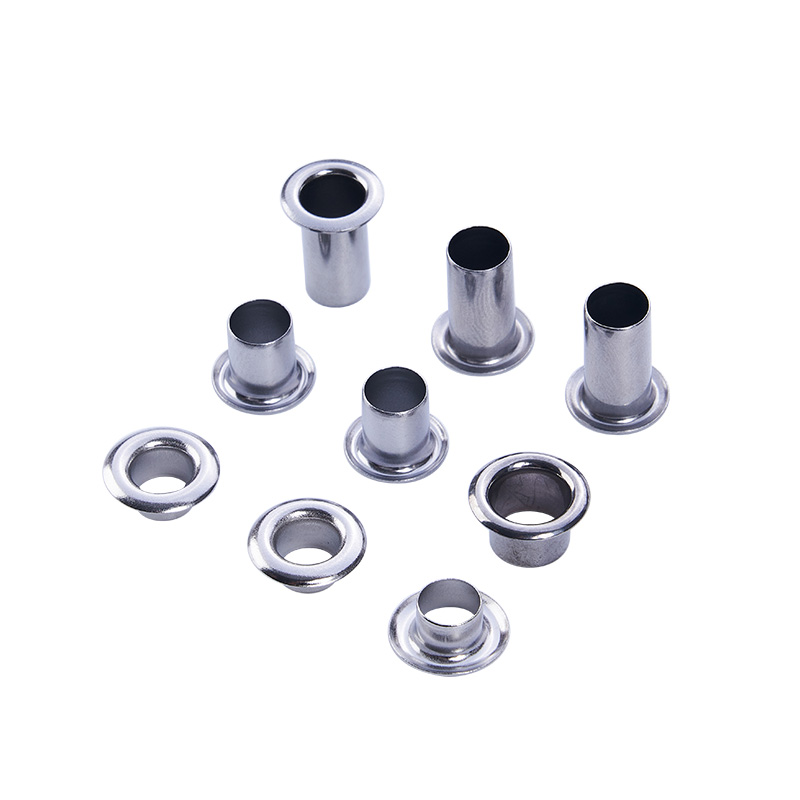
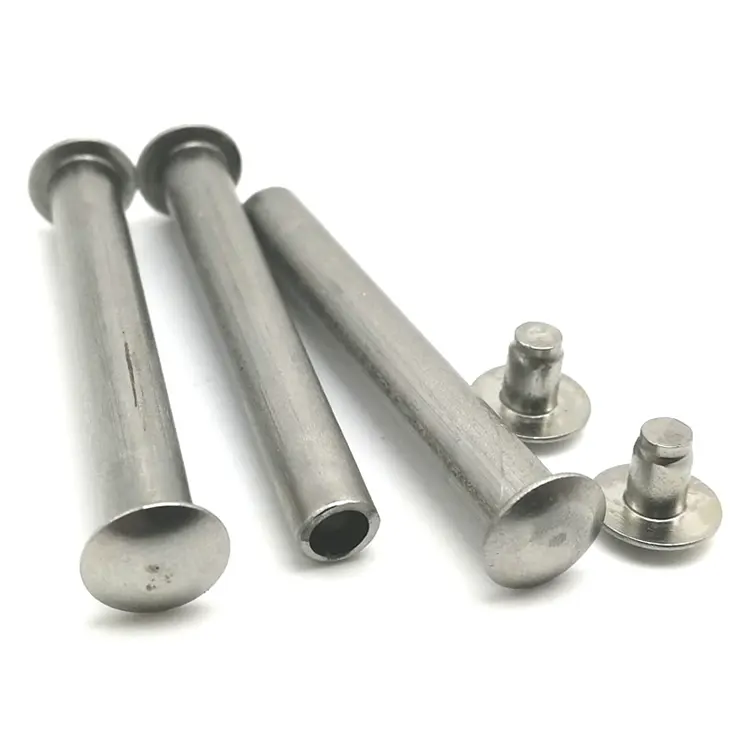
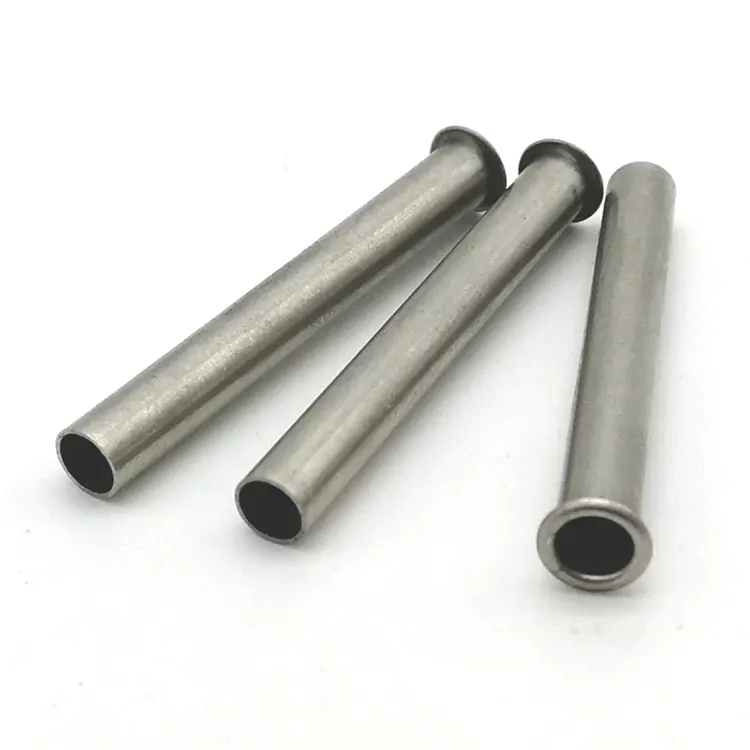
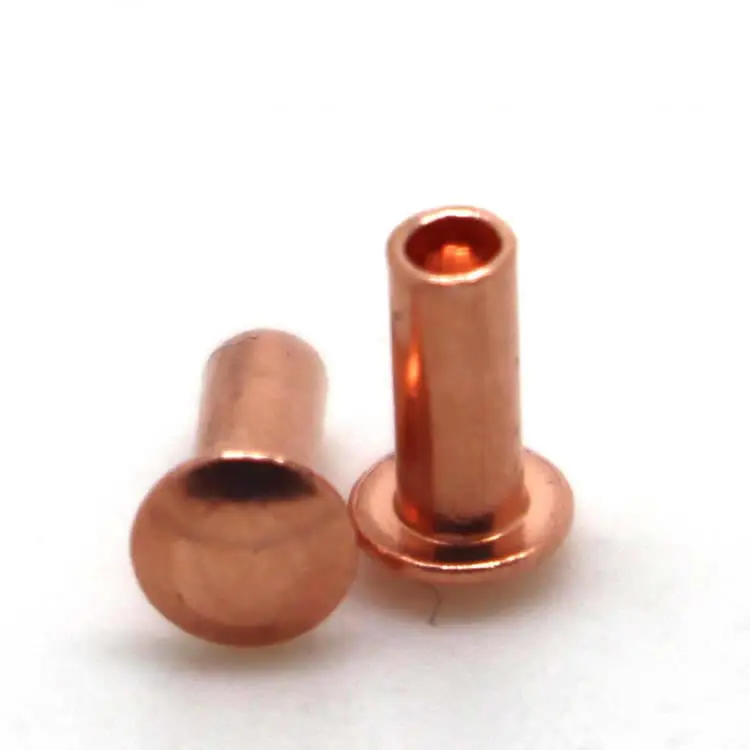
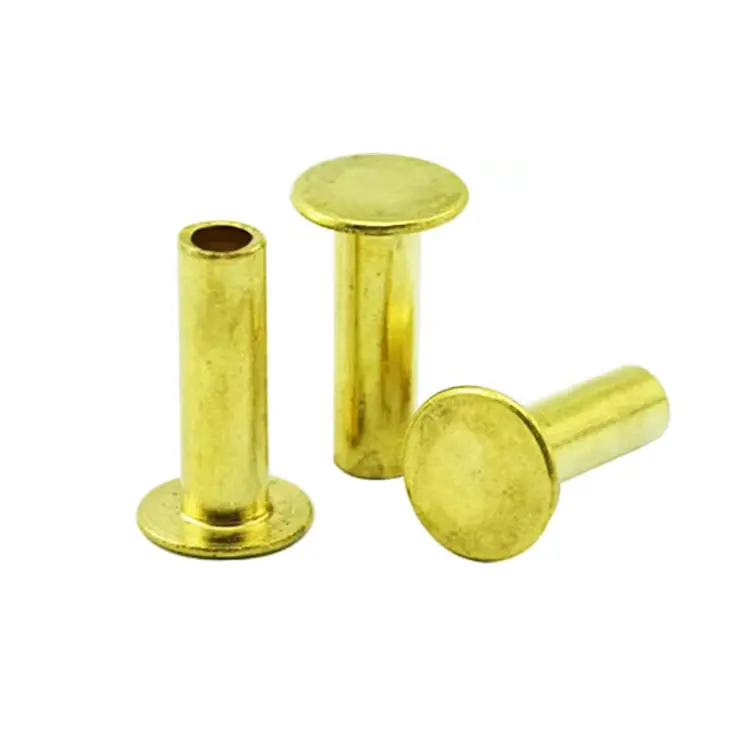
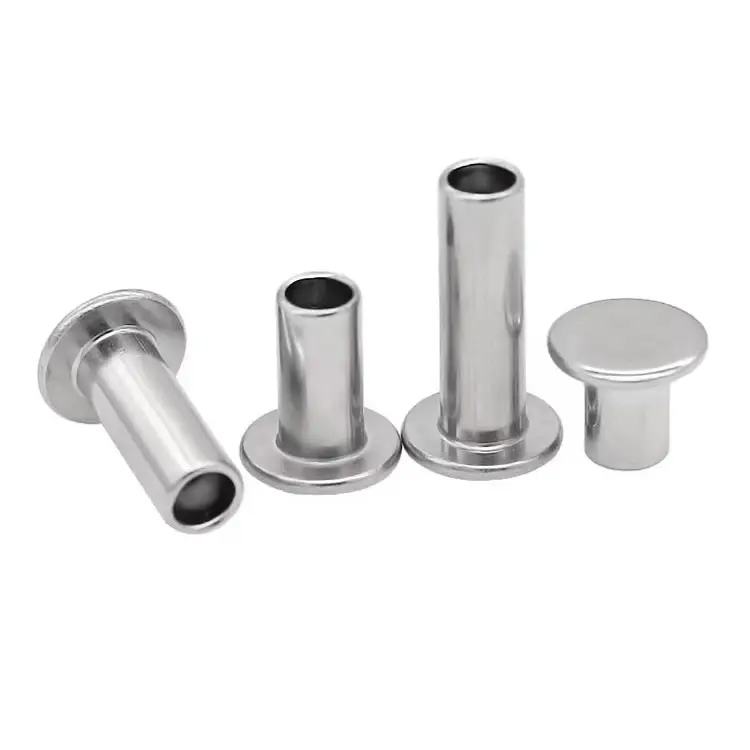
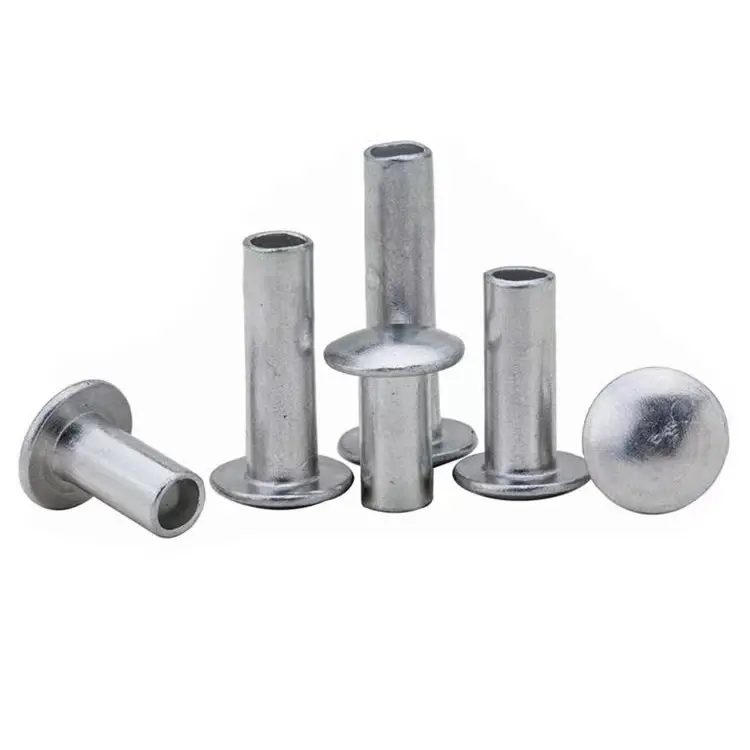
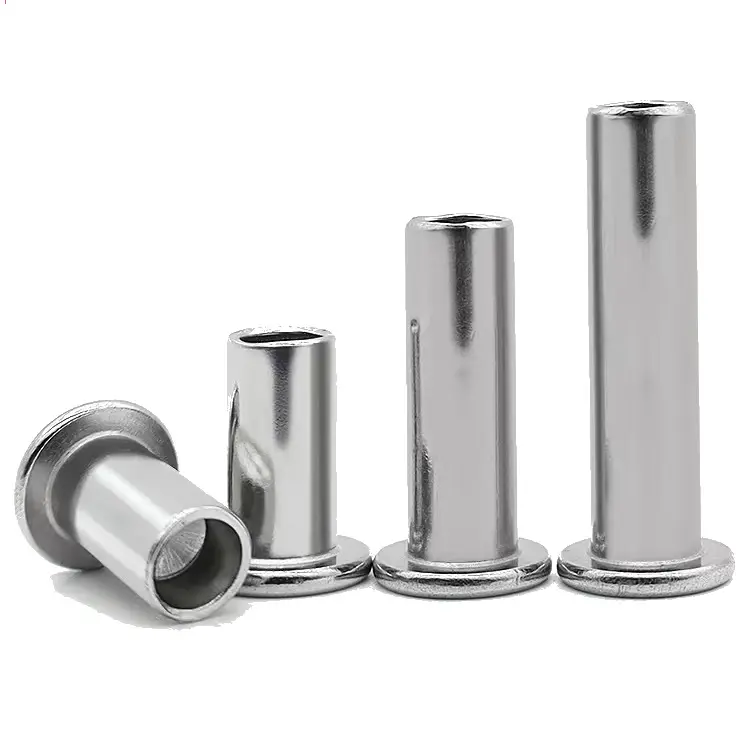
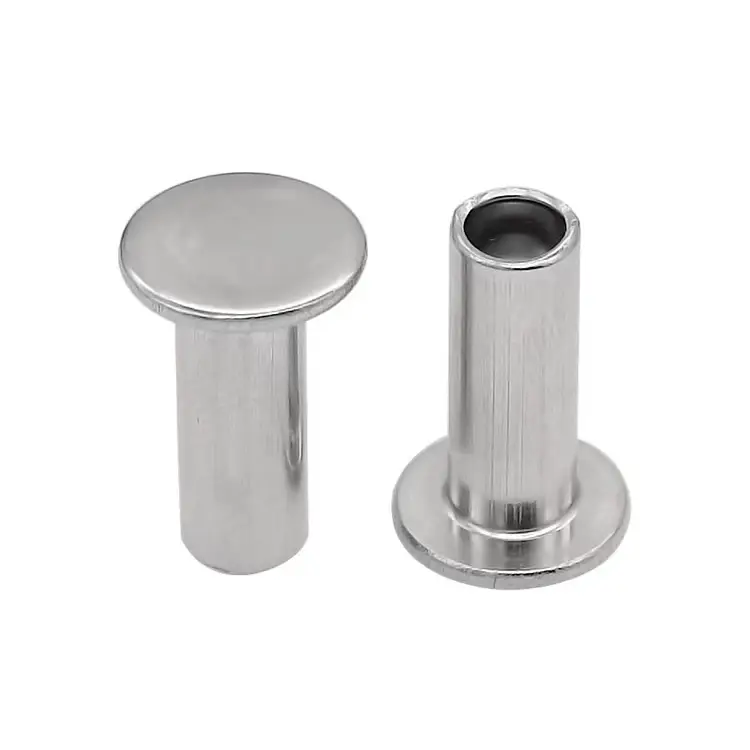
Copper Semi Tubular Rivets
Copper semi tubular rivets from Nuote Metals – the only rivet that combines 100% IACS electrical conductivity with 70% lower setting force. Made from C11000 pure copper, available in 1.5–8.0mm shank diameters, six head styles. ISO 9001 certified. Free samples available. Contact us today.
Send Inquiry
Product Description
Most rivets are chosen for strength. Copper rivets are chosen for what they do – carry current, move heat, resist bacteria, and survive outdoors without rusting. The semi‑tubular design adds another advantage: 70% lower setting force than solid rivets, making them ideal for high‑volume production where conductivity is required but installation speed cannot be sacrificed.
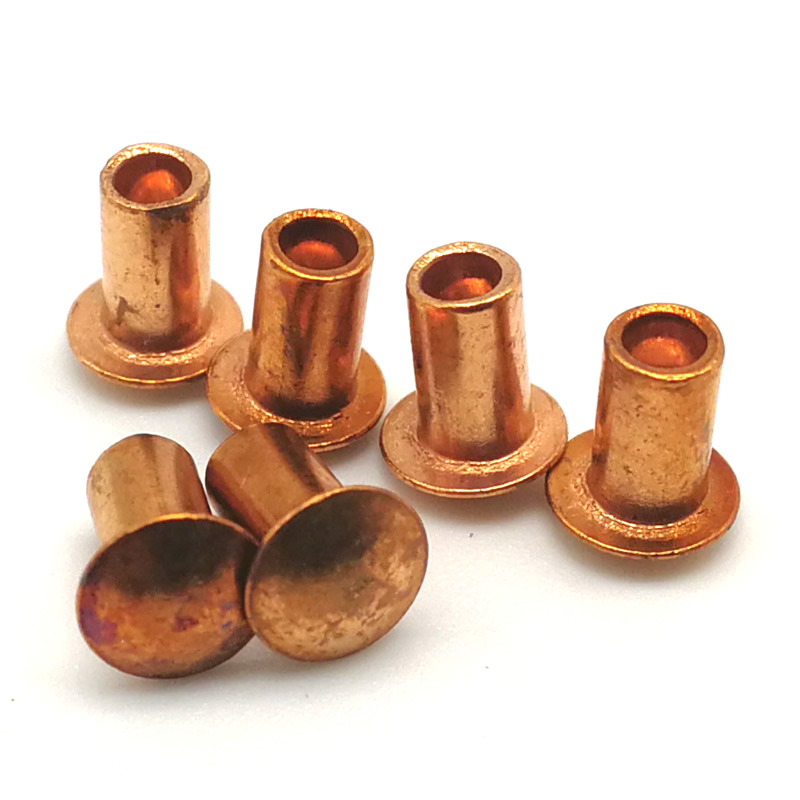
Three Numbers That Define Copper Semi Tubular Rivets
100% IACS conductivity – Copper carries current better than any other common fastener metal. Brass offers ~28%, aluminum ~61%, steel <10%.
70% less setting force – The semi‑hollow cavity reduces installation force from 4 tons to 1.2 tons (for a 5mm rivet). Faster cycles, lighter presses, less material stress.
401 W/m·K thermal conductivity – Copper moves heat away from joints, making it ideal for heat sinks, electronics, and equipment that runs hot.
When to Choose Copper Semi Tubular Rivets
| Application | Why Copper Semi Tubular |
|---|---|
| Grounding connections | 100% IACS conductivity, permanent joint |
| Busbar assemblies | High current capacity, low resistance |
| Heat sinks | 401 W/m·K thermal conductivity |
| Marine equipment | Natural corrosion resistance, no rust |
| Food equipment | Antimicrobial – kills 99.9% of bacteria |
| Leather goods | Decorative, non‑magnetic, tarnishes gracefully |
One Real Application – Solar Inverter Grounding Assembly
A solar equipment manufacturer needed a reliable, conductive fastener for grounding connections inside their inverters. The previous solid copper rivets provided excellent conductivity but slowed down the assembly line – high setting force required careful press setup. The customer wanted the same conductivity with faster installation.
We supplied C11000 copper semi tubular rivets – 4.0mm shank, 7.0mm round head, 10.0mm barrel length, plain finish. The semi‑tubular design reduced setting force from 3.5 tons to 1.0 ton – 71% less. Conductivity remained at 100% IACS. The customer tested 1,000 rivets. After 5,000 thermal cycles, zero resistance increase. They now order 150,000 pieces annually.
Head Style Options – Which One Fits Your Assembly
| Head Style | Best For | Visual Profile |
|---|---|---|
| Round | General purpose, visible joints | Tall, classic dome |
| Flat | Clearance‑limited, sliding surfaces | Low, sits near flush |
| Oval | Decorative, smooth appearance | Slightly raised, rounded |
| Countersunk | Flush surfaces, zero protrusion | Tapered, sits flush |
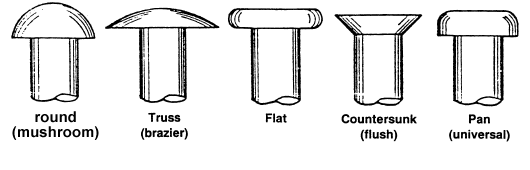
| Truss | Soft materials, oversized holes | Extra‑wide, low dome |
| Mushroom | Leather, fabric, skin‑contact | Wide, smooth, radiused edge |
How to Specify – What We Need From You
What you provide:
Shank diameter – 1.5mm to 8.0mm
Barrel length – we calculate from your material stack thickness
Head style – round, flat, oval, countersunk, truss, or mushroom
Finish – plain, tumbled (bright), antiqued, or lacquered
Length rule for semi tubular rivets: Barrel length = material stack thickness + 1.5–2.0mm.
Sample lead time: 5–10 days standard; custom tooling: 15–20 days.
Our Production Process – From Raw Material to Finished Rivet
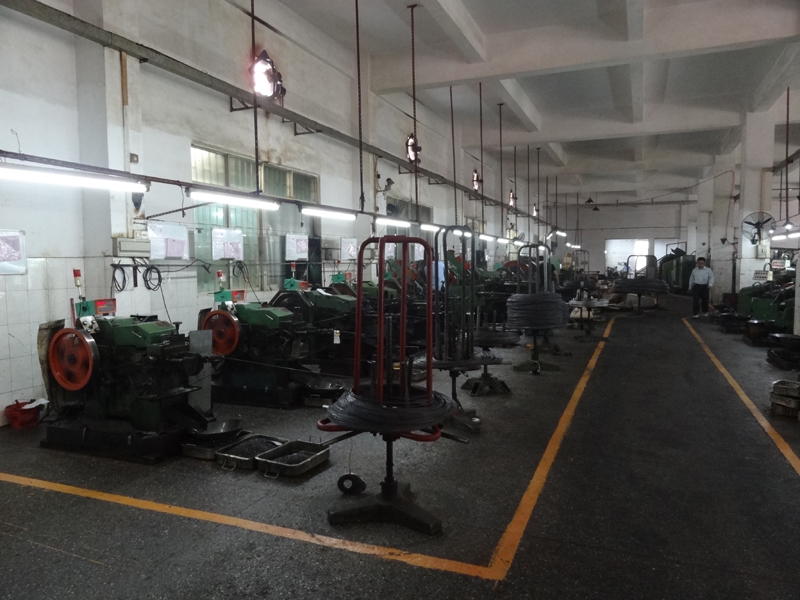
1. Raw Material Procurement – Certified copper wire (C11000) from approved mills. Each coil comes with a mill test certificate.
2. Incoming Material Inspection – Diameter, hardness, and copper content (≥99.9%) verified. Coils outside specification are rejected.
3. Tooling Preparation – Carbide heading dies inspected and set up for the semi‑tubular cavity.
4. First Article Inspection – 10 rivets measured on optical comparator. Head diameter, barrel length, cavity depth verified.
5. Mass Production – In‑process checks: 5 rivets every 500 pieces. Any drift stops the press.
6. In‑Process Inspection – Every 2,000 pieces, set 3 rivets into sample material. Clinch inspected for symmetry and tightness.
7. Final Outgoing Inspection – 100% optical sorting. AQL sample manually verified. Dimensional report, material certificate, and Certificate of Conformance issued.
Quick Reference – Dimensions & Tolerances
| Shank Diameter | Recommended Hole Size | Recommended Barrel Length (for 4mm stack) |
|---|---|---|
| 3.0mm | 3.15 – 3.20mm | 5.5 – 6.0mm |
| 4.0mm | 4.15 – 4.20mm | 5.5 – 6.0mm |
| 5.0mm | 5.15 – 5.20mm | 6.5 – 7.0mm |
| 6.0mm | 6.15 – 6.20mm | 7.5 – 8.0mm |
| 8.0mm | 8.20 – 8.25mm | 10.0 – 10.5mm |
| Check | Tolerance |
|---|---|
| Shank diameter | ±0.05mm |
| Head diameter | ±0.15mm |
| Barrel length | ±0.15mm |
| Cavity depth | 45–55% of barrel length |
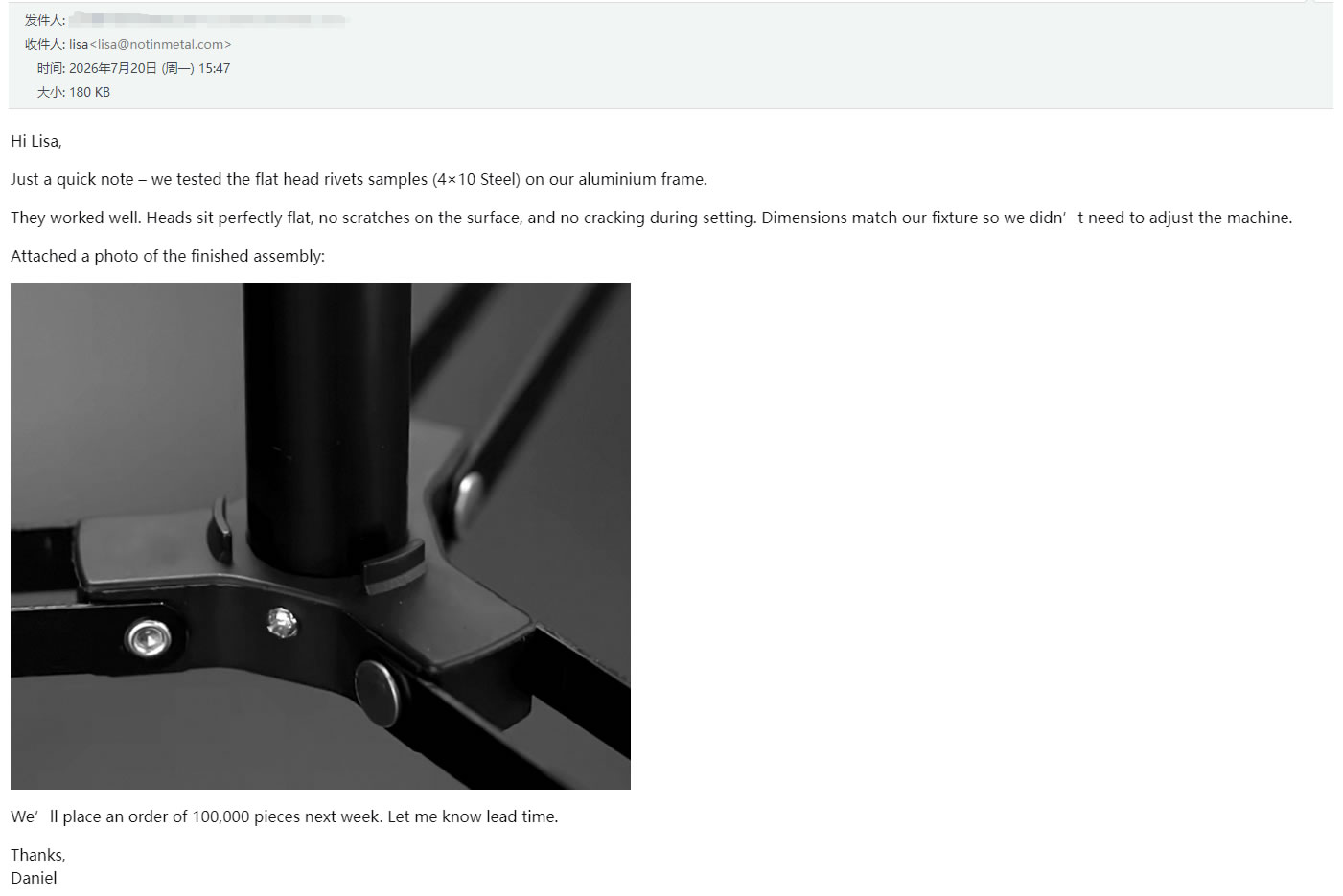
What Our Customers Say – Real Feedback
Three Questions We Answer Often
Q: "What is the difference between copper and brass semi tubular rivets for electrical applications?"
A: Copper offers 100% IACS conductivity; brass offers ~28%. If your rivet must carry current, copper is the right choice. Brass is harder and offers better wear resistance for mechanical applications – but for electrical, thermal, or antimicrobial requirements, copper wins every time. The semi‑tubular design is available in both materials, but copper is specified when conductivity is critical.
Q: "Why choose semi‑tubular copper over solid copper for electrical connections?"
A: The semi‑tubular design reduces setting force by 70% while maintaining the same 100% IACS conductivity. For high‑volume production – like the solar inverter case above – this means faster assembly, lighter presses, and lower tooling wear. Solid copper rivets are still the right choice for structural applications where maximum shear strength is required. For most electrical connections, semi‑tubular provides more than enough strength with better production efficiency.
Q: "My copper semi tubular rivets are cracking during installation – what is causing this and how can I fix it?"
A: Cracking during setting is one of the most common issues we hear about with copper semi tubular rivets. Copper is soft and ductile, but it can still crack if conditions are not right. Here are the most likely causes and solutions:
Cause 1: Barrel length is too short for your material stack. If the barrel length does not extend 1.5–2.0mm beyond your material thickness, the hollow section bottoms out before the clinch forms – the wall has nowhere to go and cracks. Solution: Measure your total stack thickness and add 1.5–2.0mm. We can adjust the barrel length on your next order.
Cause 2: Setting force is too high. Copper is soft – it does not need the same pressure as steel. Semi‑tubular rivets only need 25–30% of the force required for solid rivets. If your press is set too high, the hollow wall will crack rather than roll smoothly. Solution: Reduce setting force by 30% and test again.
Cause 3: Hole size is too tight. If the hole is undersized, the barrel is compressed excessively during insertion, weakening the wall before setting even begins. Solution: Increase hole size to shank diameter + 0.15–0.20mm.
Cause 4: Cavity depth is too deep. If the cavity exceeds 55% of the barrel length, the remaining wall is too thin to support the rolling action. Solution: We can adjust cavity depth to 45–50% of barrel length on your next order.
If you are experiencing cracking and none of these solutions solve the problem, send us a sample of your cracked rivets and your material stack. We will analyze the failure and recommend a specific fix – at no charge.
Hot Tags: Copper Semi Tubular Rivets,Semi Tubular Rivets Made in China,China Copper Semi Tubular Rivets
Related Categories
Send Inquiry
Please feel free to fill your inquiry in the form below. We will reply you in 24 hours.



X
We use cookies to offer you a better browsing experience, analyze site traffic and personalize content. By using this site, you agree to our use of cookies.
Privacy Policy