
Products
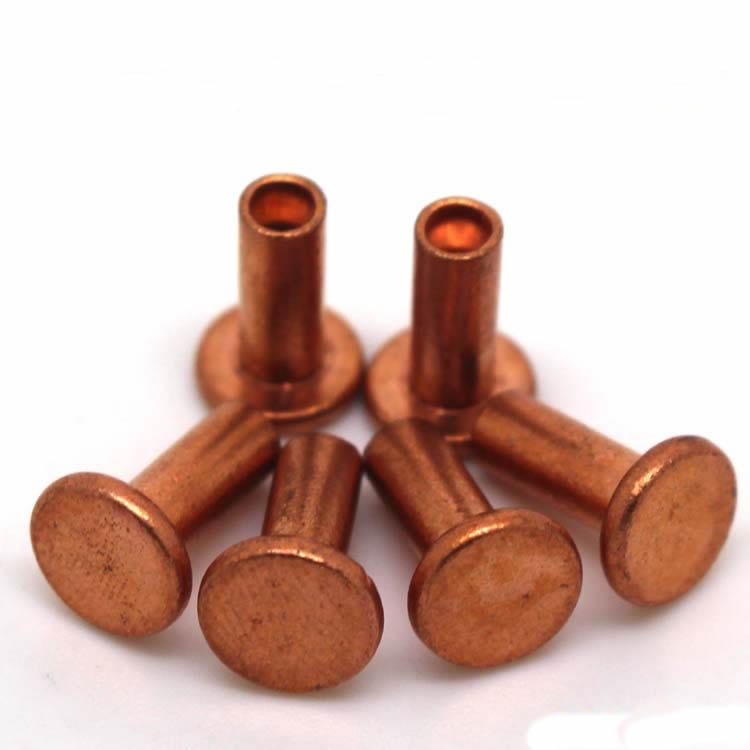
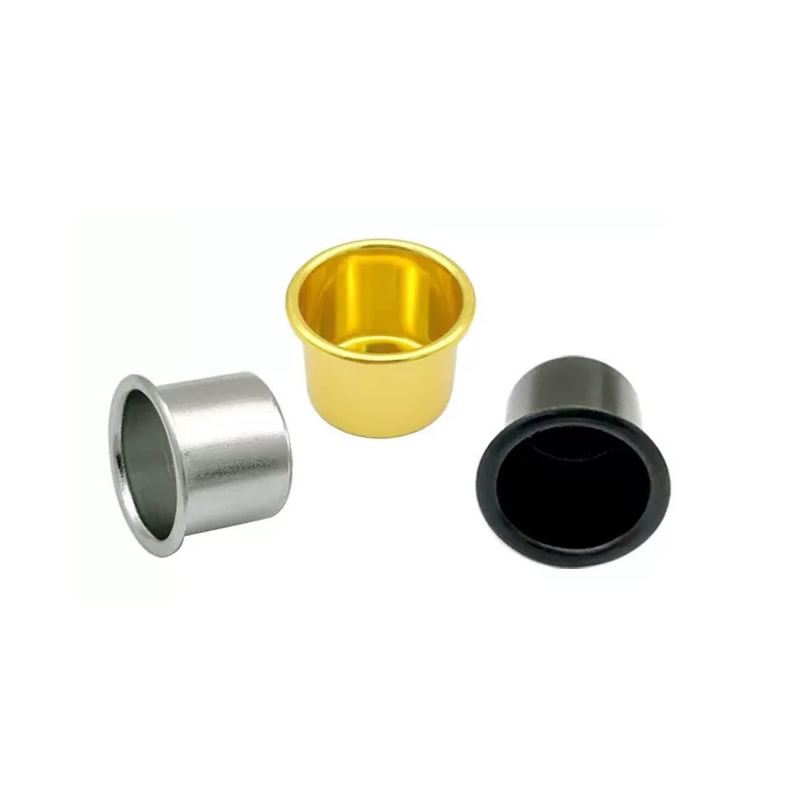
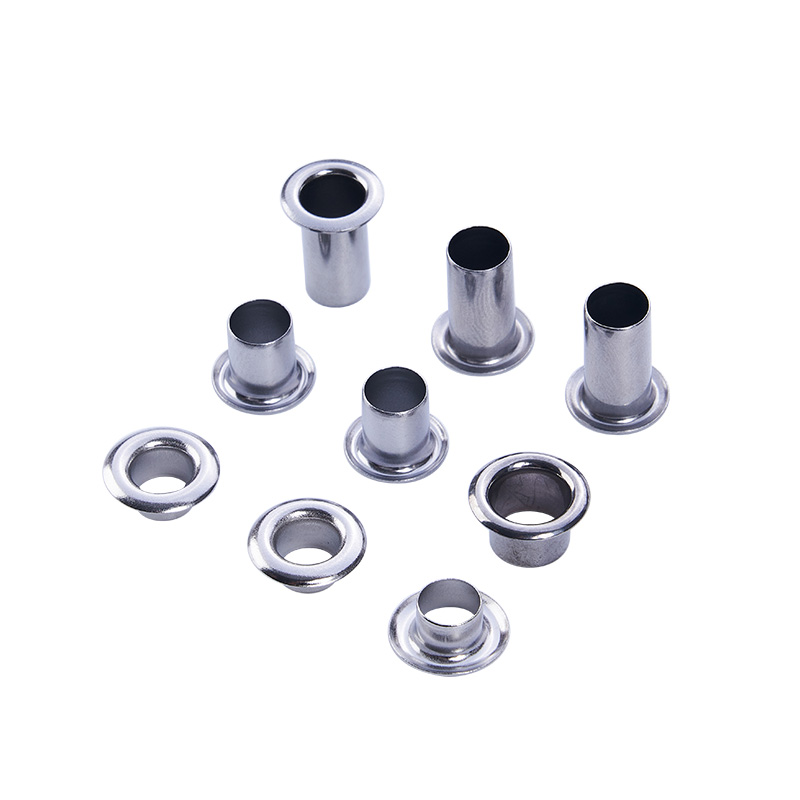
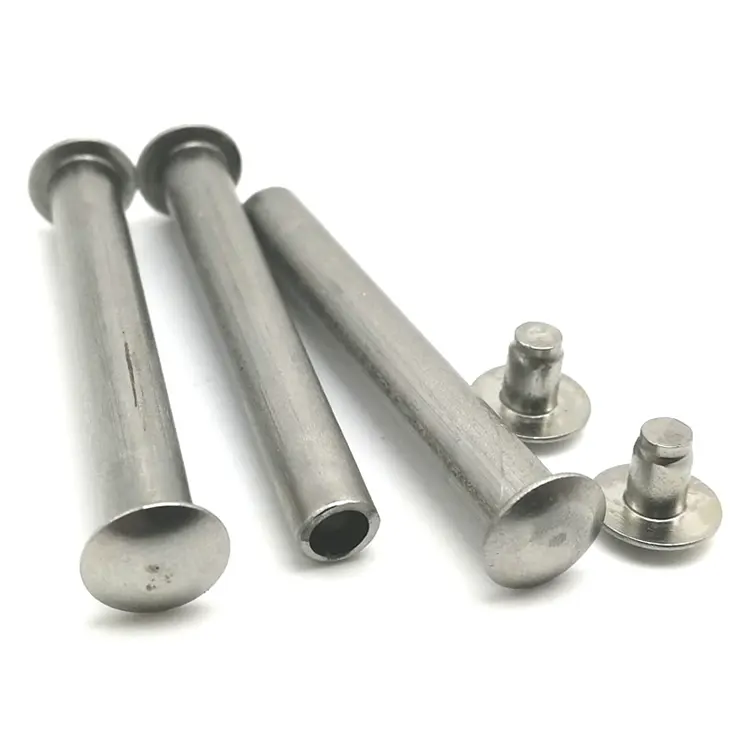
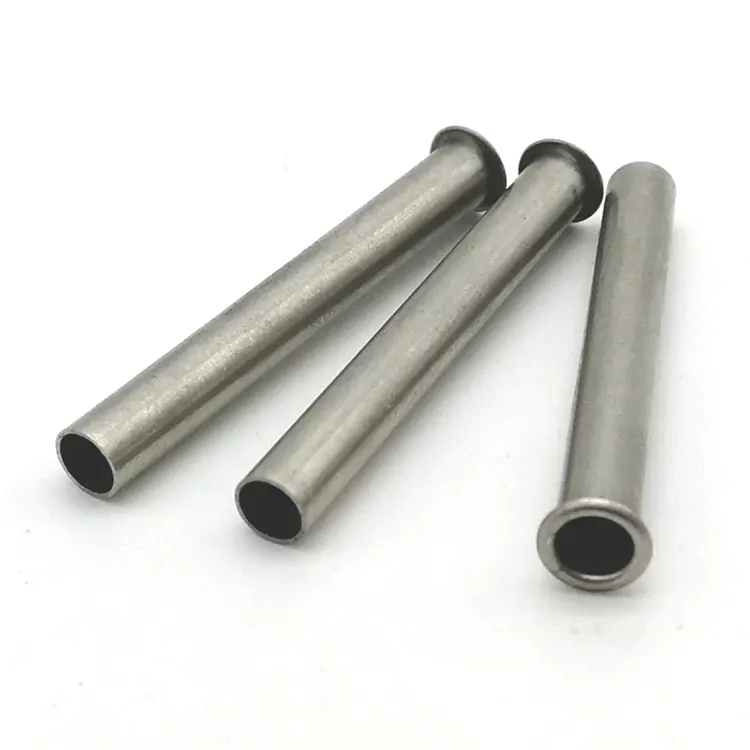
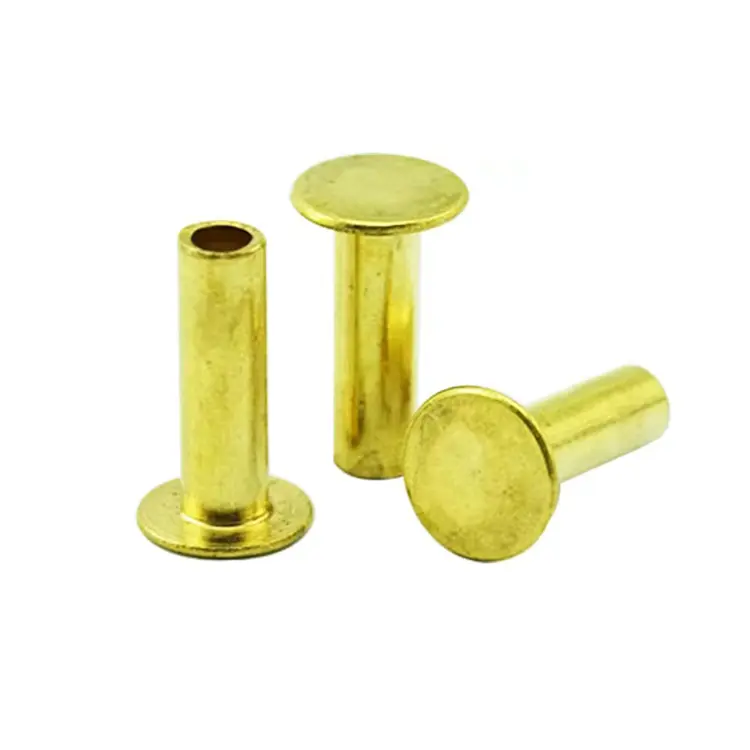
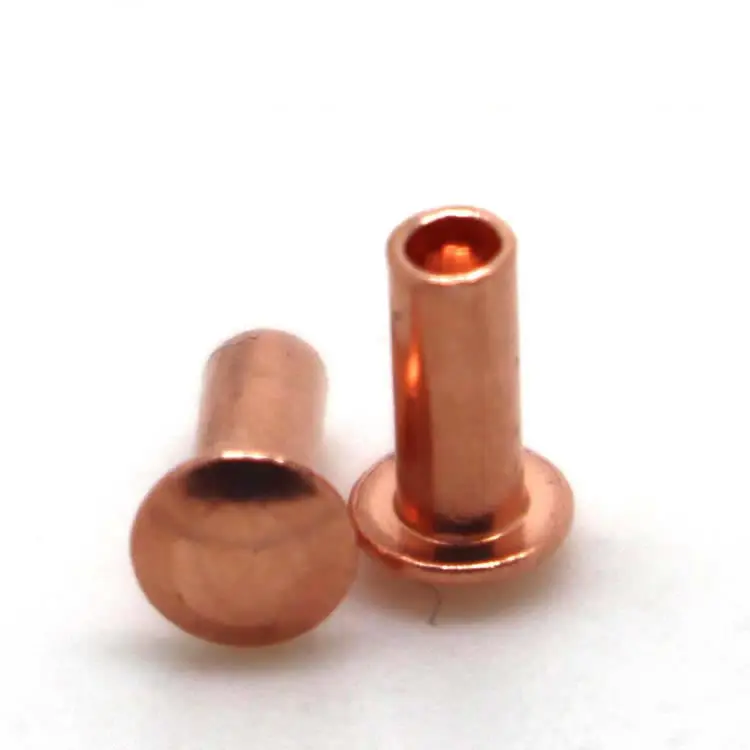
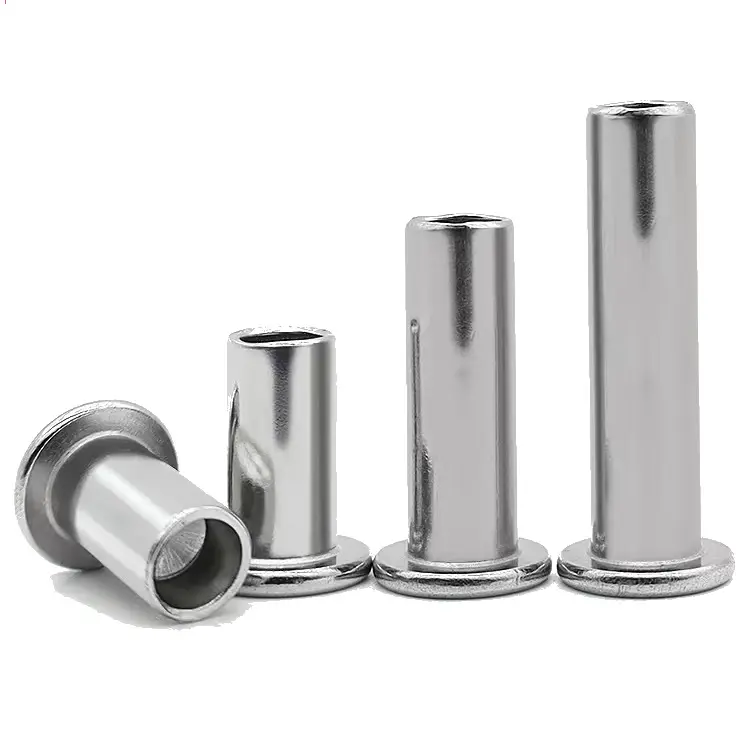
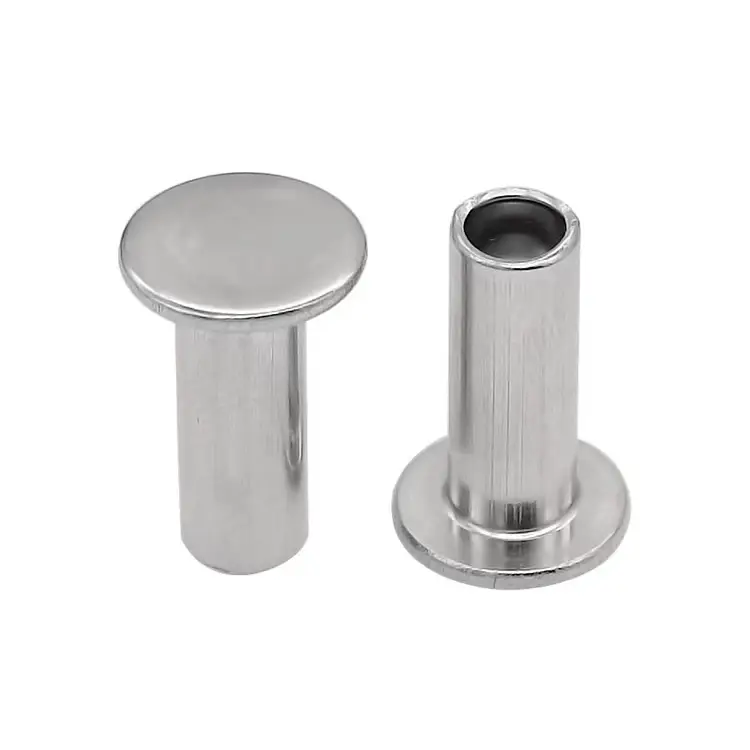
Brass Semi Tubular Rivets
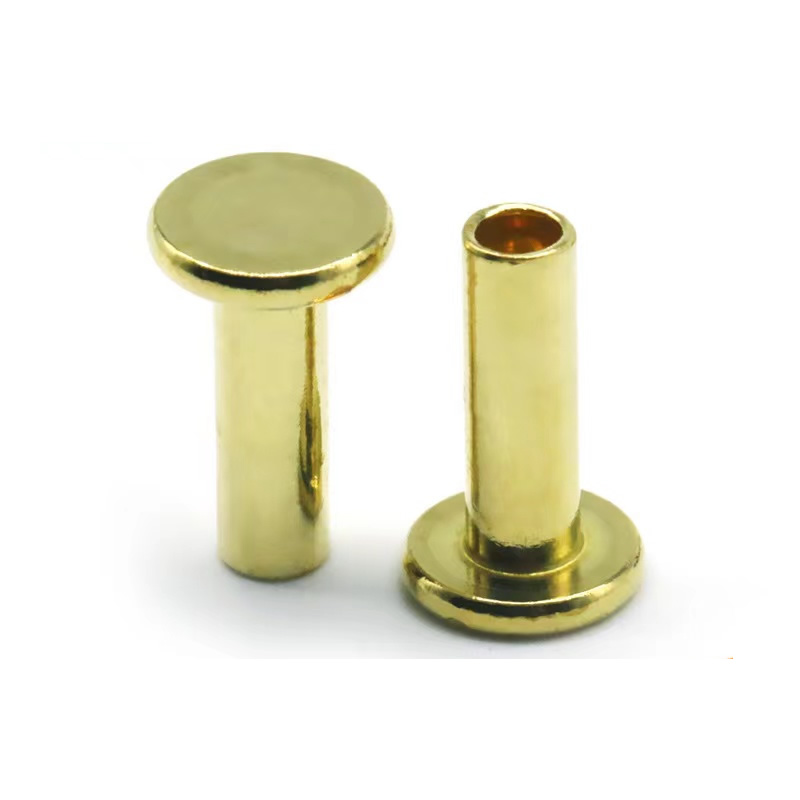
When your assembly requires electrical conductivity, natural corrosion resistance, and a warm gold appearance—all with production-friendly installation—Nuote Metals delivers brass semi tubular rivets engineered to meet these demands. Made from C2680 high-hardness yellow brass, our rivets combine the classic aesthetic of brass with the low-force setting of semi‑tubular design. Available in 1.5–8.0mm shank diameters with round, flat, oval, truss, and countersunk heads. ISO 9001:2015 certified. Free samples available. Contact us for a quote.
Send Inquiry
Product Description
Three Common Questions + One Hidden Problem
Most buyers searching for brass semi tubular rivets are not looking for a generic fastener. They have a specific application—and they are asking a specific question. We hear these four every week.
Question 1: Do I need conductivity?
If your assembly carries current—grounding terminals, busbar connections, switchgear—you need brass. Stainless steel is an insulator. Carbon steel conducts poorly and rusts. Brass delivers 26–28% IACS conductivity with permanent corrosion resistance.
Question 2: Do I need corrosion resistance?
If your assembly is exposed to moisture but not continuous saltwater, brass is the answer. It does not rust—it tarnishes. The copper content forms a protective patina. Carbon steel requires plating that eventually wears off. Brass does not.
Question 3: Do I need it to look good?
If the rivet is visible—leather goods, furniture, decorative hardware—brass is the classic choice. Gold tones, vintage patina, and a warm appearance that steel cannot replicate.
The hidden problem: Do I need to install it fast?
Solid brass rivets require high setting force—4–6 tons for a 5mm shank. That is slow. That damages materials. That limits your production line. Brass semi tubular rivets reduce setting force by 70%. Same conductivity. Same corrosion resistance. Same appearance. Half the force.
Two Applications Where Brass Semi Tubular Rivets Are Already Solving Problems
Application 1: Electrical Switchgear (Germany)
A German switchgear manufacturer needed a conductive fastener for grounding terminals. Solid brass rivets provided conductivity—but the 4‑ton setting force cracked their busbar insulation. They switched to brass semi tubular rivets (4.0mm shank, 7.0mm round head, 10.0mm barrel length, natural lacquered). Setting force dropped to 1.2 tons. No more cracking. Conductivity unchanged.
The result: 500,000 rivets shipped to date, zero conductivity failures, zero cracks.
Application 2: Italian Leather Goods Brand
A high‑end leather goods brand wanted visible rivets on their bags and belts—but the solid brass rivets were cracking the leather during setting. They switched to brass semi tubular rivets (3.5mm shank, 6.0mm oval head, 6.0mm barrel length, antique finish). The semi‑hollow cavity rolled gently, preserving the leather. The antique finish matched their hardware.
The result: 200,000 rivets in the first year, zero complaints.
How to Choose the Right Brass Semi Tubular Rivet – Three Parameters
You do not need to guess. Three decisions will get you to the right specification.
Decision 1: Shank Diameter – Match the Material Thickness
| Material Thickness | Recommended Shank Diameter | Why |
|---|---|---|
| 0.5 – 1.5mm | 1.5 – 2.5mm | Smaller diameter for thinner materials |
| 1.5 – 3.0mm | 2.5 – 4.0mm | Balanced strength and material compatibility |
| 3.0 – 5.0mm | 4.0 – 6.0mm | Larger shank for thicker assemblies |
| 5.0 – 8.0mm | 6.0 – 8.0mm | Maximum strength for heavy stacks |
Decision 2: Head Style – Match the Appearance and Clearance
| Head Style | When to Choose | Visual Effect |
|---|---|---|
| Round | Visible joints, maximum head strength | Classic dome, stands proud |
| Oval | Decorative finishes, general purpose | Smooth, slightly raised |
| Flat | Clearance‑limited, sliding surfaces | Low profile, nearly flush |
| Truss | Soft materials, oversized holes | Extra‑wide, low dome |
| Countersunk | Flush surface requirements | Tapered, sits flush |
Decision 3: Surface Finish – Match the Environment
| Finish | Appearance | Best For |
|---|---|---|
| Natural lacquered | Bright gold, shiny | Indoor, visible, general purpose |
| Nickel‑plated | Bright silver, modern | Matching silver hardware, outdoor exposure |
| Antique brass | Dark, aged bronze | Vintage‑style, decorative |
How We Make Brass Semi Tubular Rivets – From Wire to Finished Part
We cold‑head brass semi tubular rivets from C2680 brass wire in a multi‑station process.
What we control:
- Wire quality – Every coil is spectrometer‑tested for copper and zinc content before it touches our headers.
- Heading – Three progressive blows form the head, extrude the shank, and create the semi‑hollow cavity.
- Trimming – Any flash around the head edge is removed.
- Tumbling – Micro‑burrs are removed.
- Plating or lacquering – Applied as specified.
What we verify:
- Shank diameter – ±0.05mm. If it is out, the rivet will not fit your hole.
- Cavity depth – 45–55% of barrel length. If it is off, the clinch will not form correctly.
- Head geometry – Diameter, height, and concentricity. A lopsided head is a rejected head.
- Hardness – HRB 53–91. Too soft, it deforms. Too hard, it cracks.
- Plating thickness – XRF‑verified on every batch.
We do not batch‑test randomly. Every production lot is sampled at multiple stages. Final inspection is 100% optical sorting. A brass semi tubular rivet that passes all checks is ready to leave.
Trusted by Manufacturers Worldwide – Proof of Quality
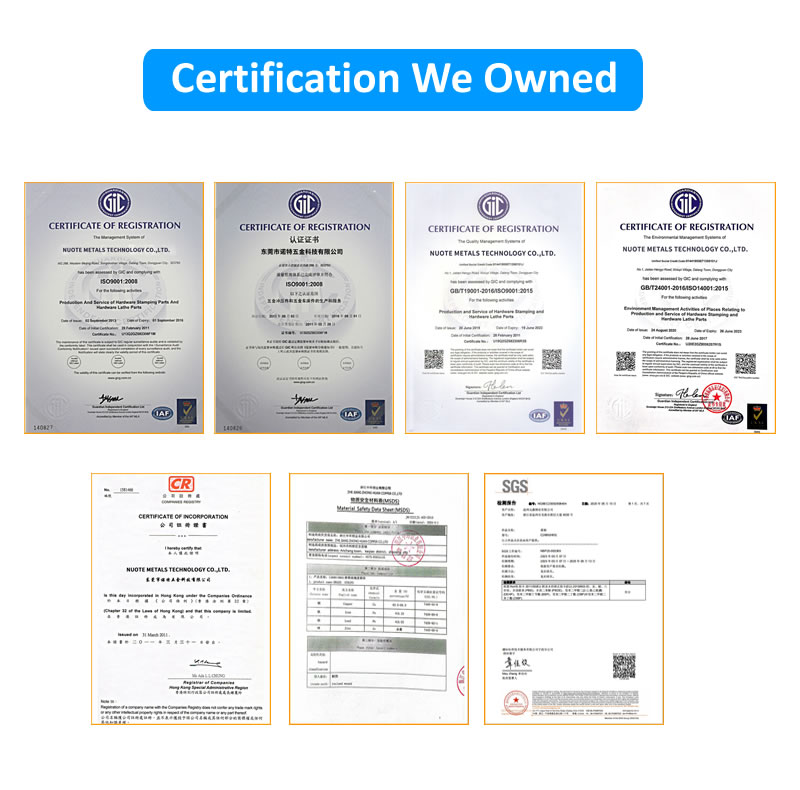
Certifications – ISO 9001:2015 quality management, RoHS compliance, REACH declaration, and SGS test reports available upon request.
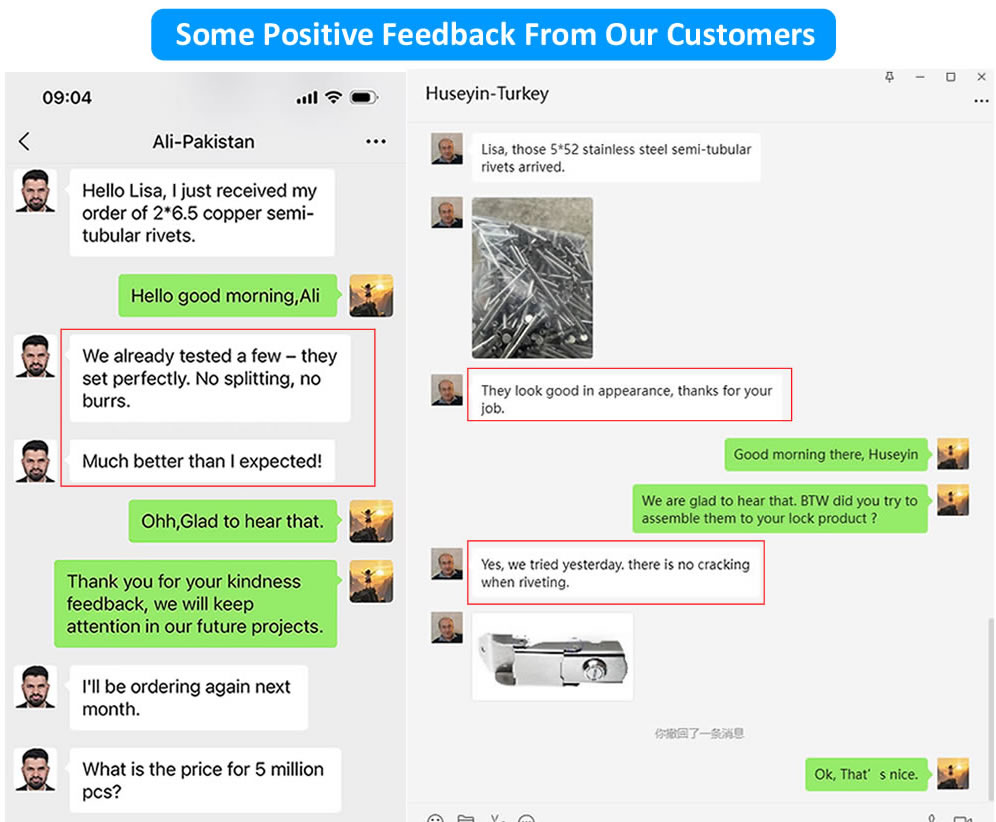
Customer feedback – Manufacturers in Germany, Italy, the United States, and Japan have used our brass semi tubular rivets in electrical, leather, furniture, and automotive applications.
Three Questions We Answer Often
Q1: Why choose brass semi tubular rivets over stainless steel or carbon steel?
A: Each material serves different applications. Choose brass semi tubular rivets when you need electrical conductivity (26–28% IACS), natural corrosion resistance, non‑magnetic properties, and a warm gold aesthetic. Stainless steel offers superior corrosion resistance but is non‑conductive and more expensive. Carbon steel is stronger but requires plating to prevent rust and is magnetic. For the switchgear case above, brass was the right choice because the customer needed conductivity—something neither stainless nor carbon steel could provide.
Q2: Do brass semi tubular rivets tarnish? How can I prevent it?
A: Brass naturally develops a patina over time when exposed to air and moisture—this is cosmetic and does not affect mechanical strength or conductivity. For applications where appearance must be maintained, we offer lacquered finish (seals the brass, prevents tarnishing for 2–3 years) or nickel‑plated finish (silver appearance, 96 hours salt spray resistance). For the switchgear case, the customer chose natural lacquered because the rivets were visible and needed to stay bright.
Q3: Can brass semi tubular rivets be used for electrical grounding applications?
A: Yes. C2680 brass offers 26–28% IACS conductivity, making it suitable for grounding terminals, busbar connections, and switchgear assemblies. For the switchgear case above, the customer‘s rivets passed 5,000 thermal cycles and vibration testing with no resistance increase. For higher conductivity requirements, we recommend pure copper rivets. For most industrial electrical applications, brass semi tubular rivets provide the ideal balance of conductivity, strength, and cost.
Get Your Brass Semi Tubular Rivets Quote Today
Need a conductive, corrosion‑resistant fastener with a classic look? We manufacture brass semi tubular rivets to your exact specifications.
Send us your specs – Shank diameter, barrel length, head style, finish, and quantity.
We respond within 24 hours – with tooling cost (if any), piece price, and lead time.
We ship samples – 20–50 free pieces for you to test on your actual material.
Contact Nuote Metals today.
Hot Tags: Brass Semi Tubular Rivets,China Brass Semi Tubular Rivets,Semi Tubular Rivets Factory
Product Tag
Related Categories
Send Inquiry
Please feel free to fill your inquiry in the form below. We will reply you in 24 hours.



X
We use cookies to offer you a better browsing experience, analyze site traffic and personalize content. By using this site, you agree to our use of cookies.
Privacy Policy