
Products
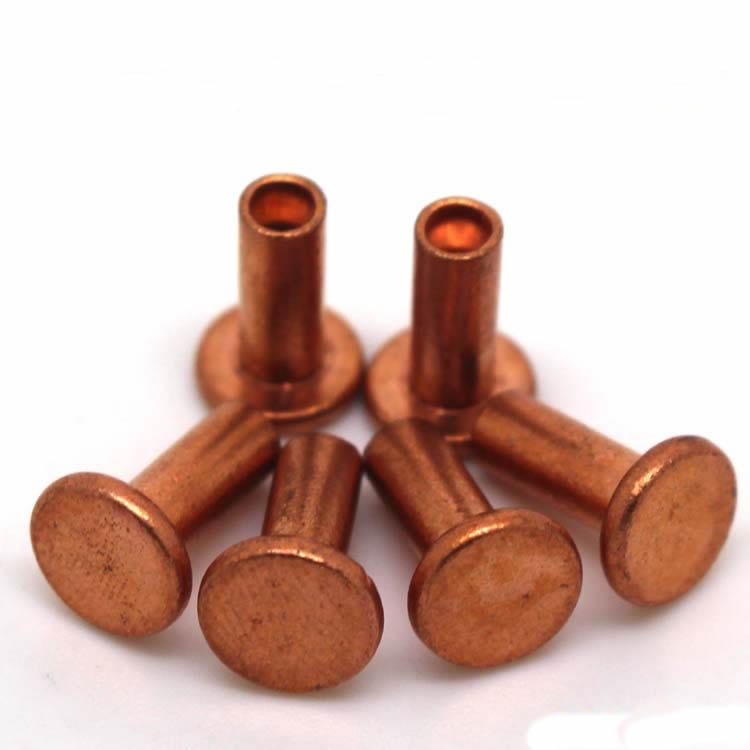
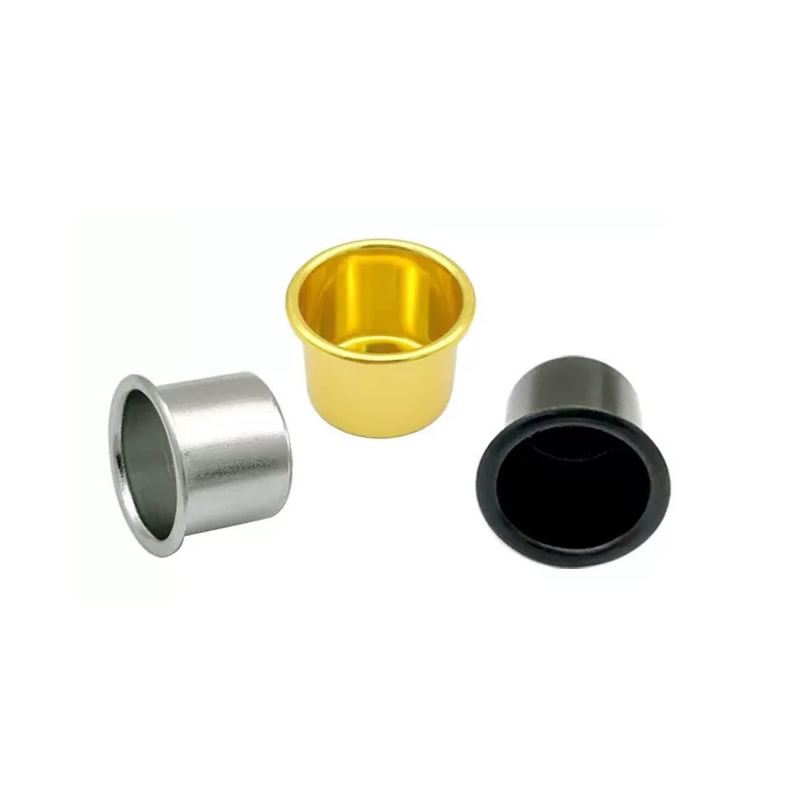
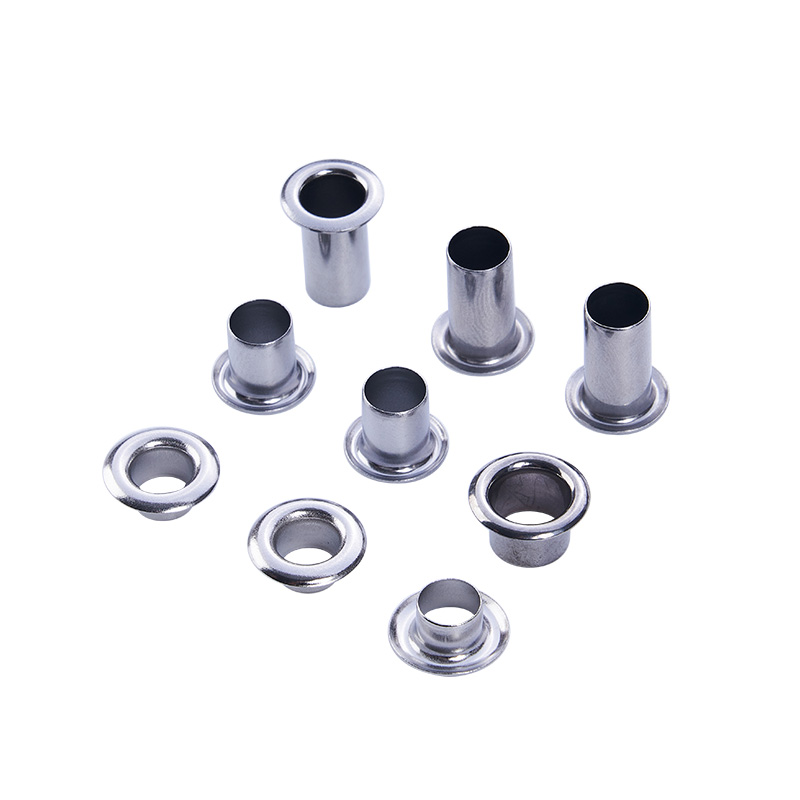
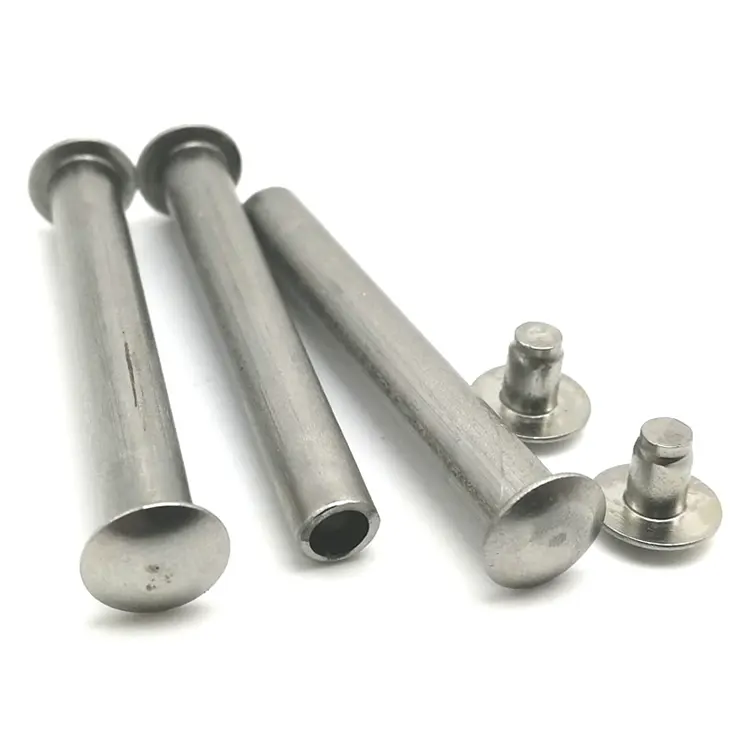
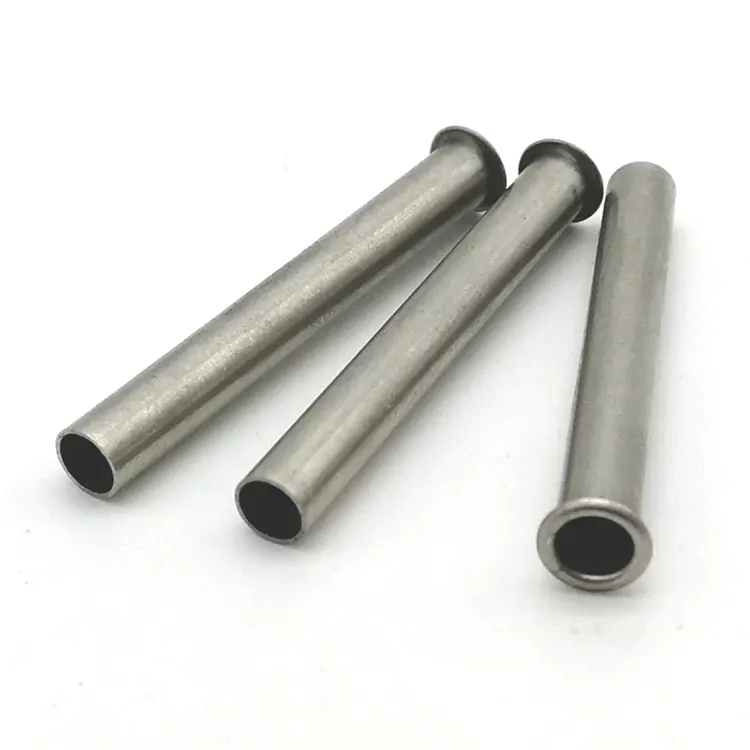
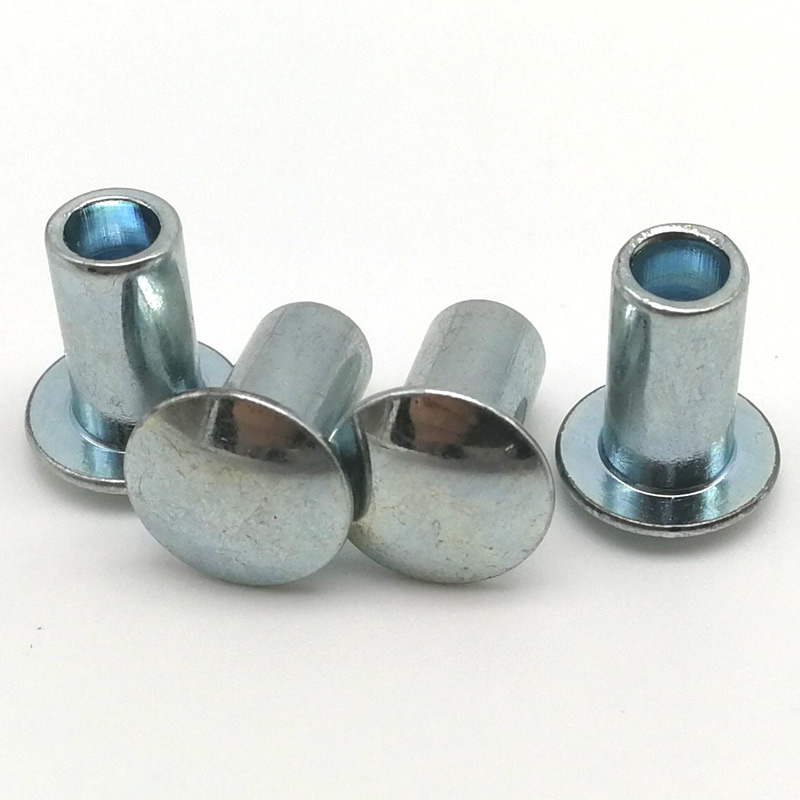
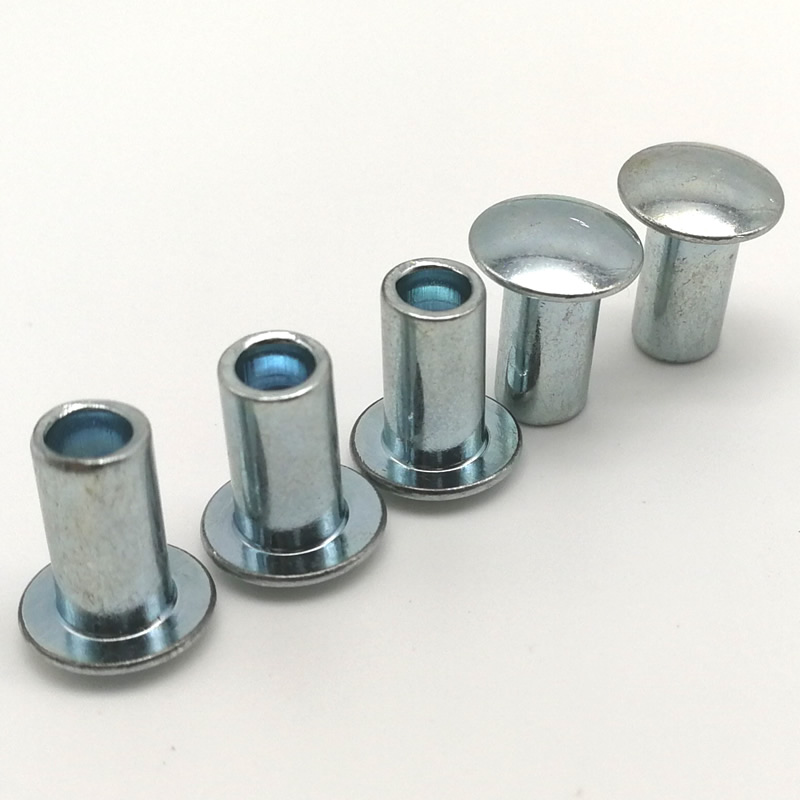
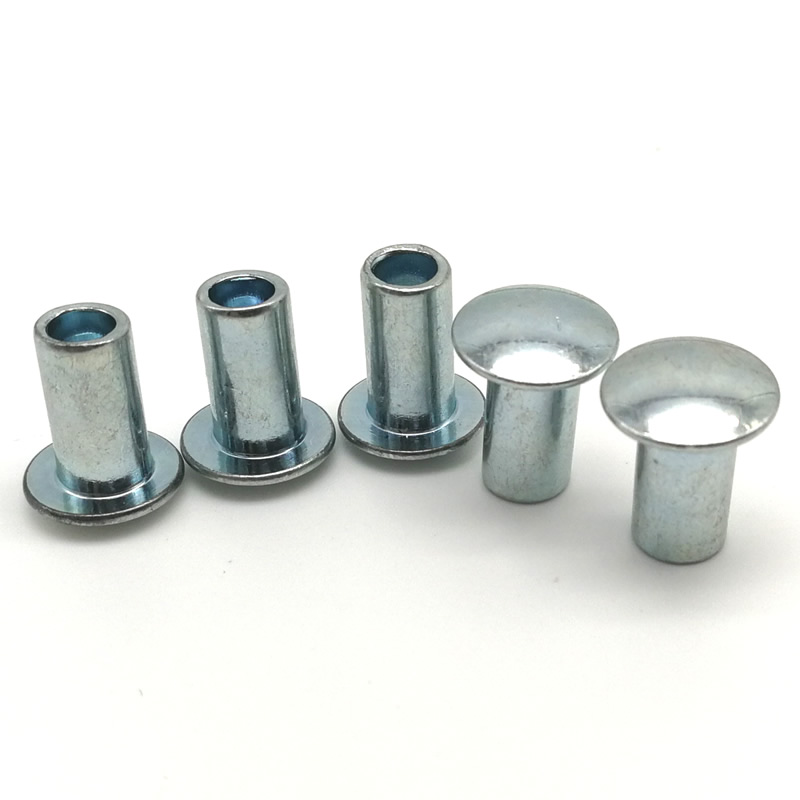
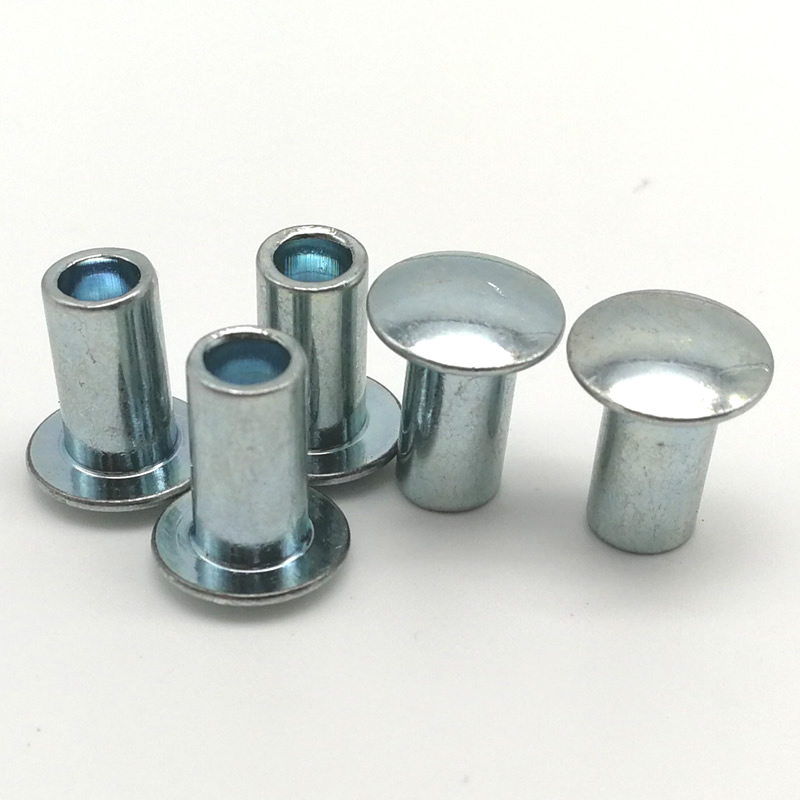
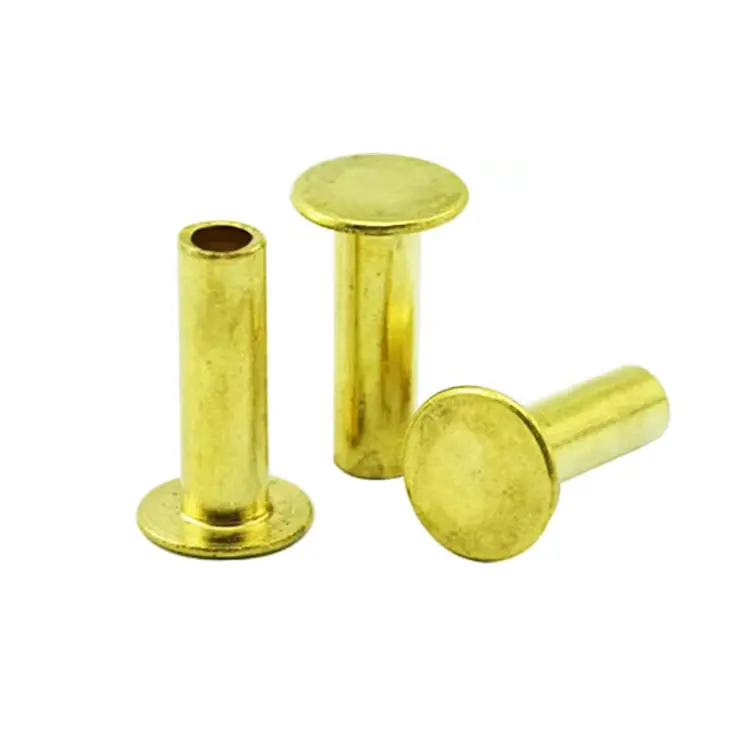
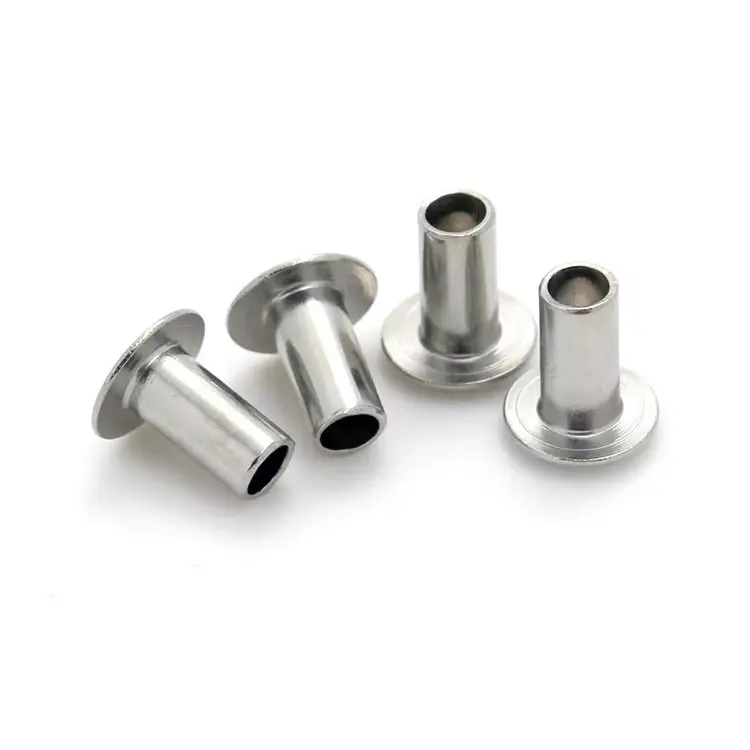
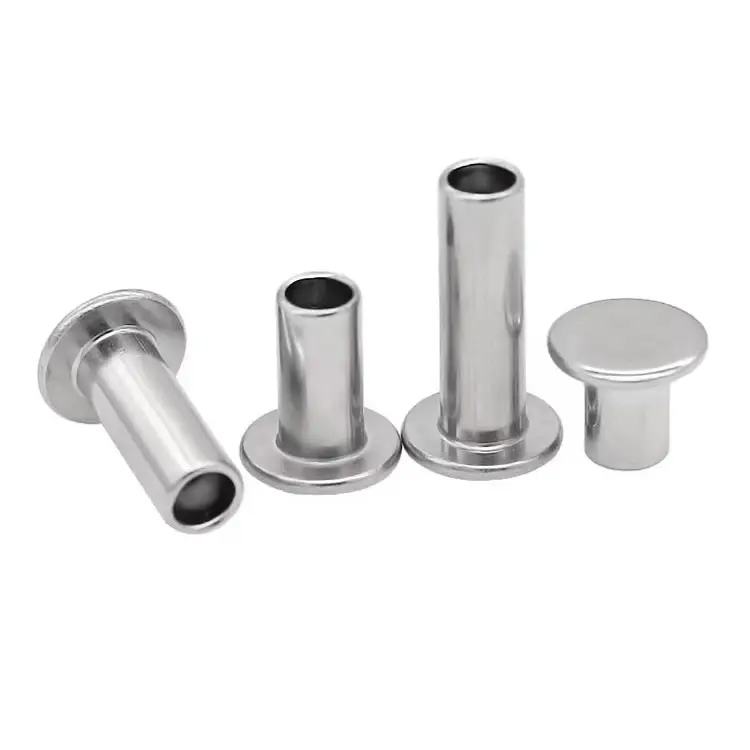
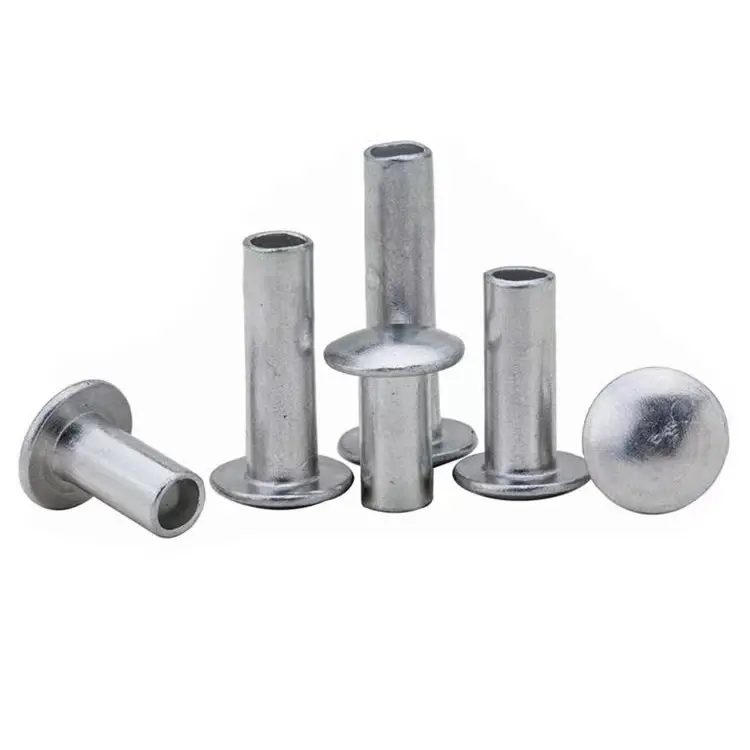
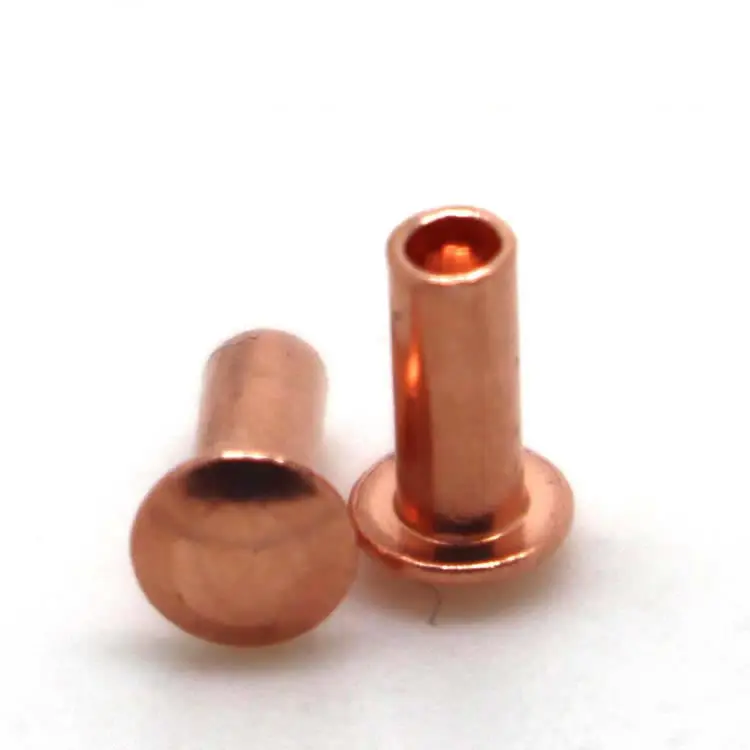
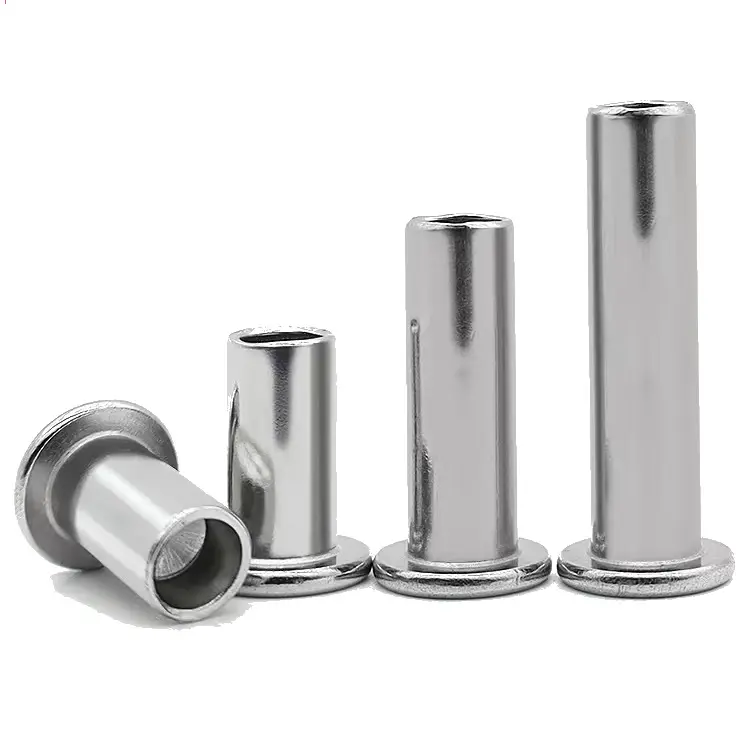
Steel Semi Hollow Rivets
Nuote Metals supplies steel semi hollow rivets – fasteners with a shallow cavity at the tail that reduces setting force by up to 70% compared to solid rivets, while retaining 80–90% of solid rivet strength. Also called half tubular or half hollow rivets. Made from low‑carbon steel, available in 0.8–8.0mm shank diameters, six head styles, and multiple finishes. The most cost‑effective option in the semi hollow rivet family.
Send Inquiry
Product Description
Steel semi hollow rivets are the no‑nonsense option. They are not decorative. They are not lightweight. They are not corrosion‑resistant without plating. They are strong and affordable – and for thousands of industrial applications, that is exactly what is needed.
If you need conductivity, choose brass. If you need lightweight, choose aluminum. If you need permanent rust protection, choose stainless. But if you need strength and low cost at high volume, steel semi hollow rivets are the answer.
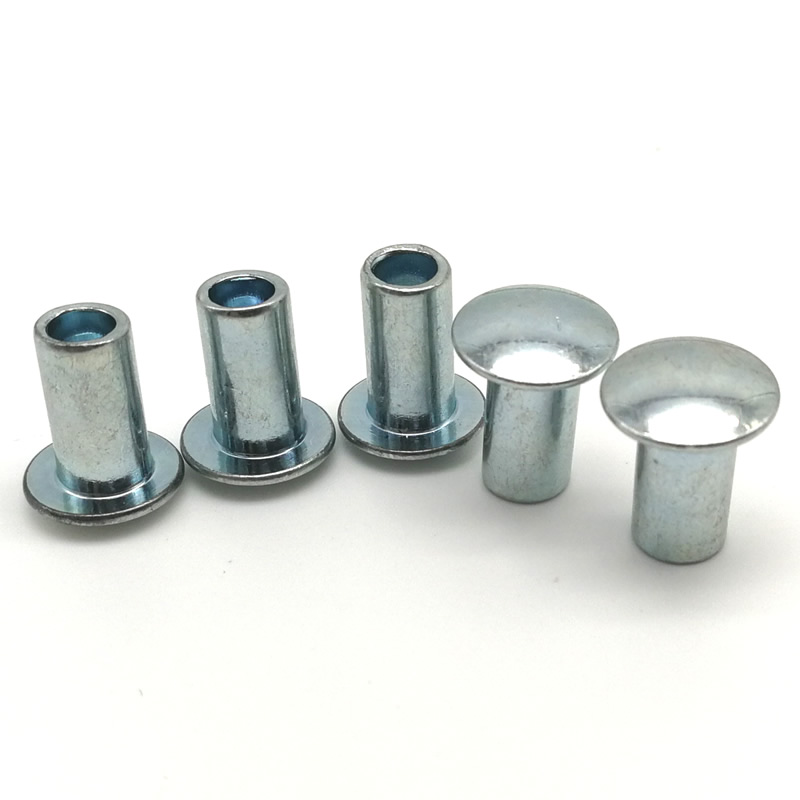
Steel vs. Brass vs. Aluminum – Where Steel Wins
| Feature | Steel Semi Hollow Rivet | Brass Semi Hollow Rivet | Aluminum Semi Hollow Rivet |
|---|---|---|---|
| Tensile strength | 400–500 MPa | 315–390 MPa | 90–350 MPa |
| Cost per piece | Lowest | Higher | Medium |
| Setting force reduction | 70% | 70% | 70% |
| Corrosion resistance | Depends on finish | Good (natural) | Good (natural oxide) |
| Magnetic | Yes | No | No |
| Best for | Industrial, high‑volume, cost‑sensitive | Decorative, visible, electrical | Lightweight, non‑magnetic |
What You Get with a Steel Semi Hollow Rivet
| Benefit | What It Means for You |
|---|---|
| 70% less setting force | A 5mm solid steel rivet needs ~3.5 tons. Same diameter semi hollow needs ~1.0 ton. |
| 80–90% of solid rivet strength | You keep almost all the holding power. |
| Lowest material cost | Less steel per rivet and lower raw material cost than brass or aluminum. |
| Faster cycles | Lighter press = faster production. |
One Real Application – Folding Camping Bed Hinge
A manufacturer of folding camping beds was using solid steel rivets for the scissor‑hinge joints. The rivets worked, but the assembly line was slow – each rivet needed 3.5 tons of setting force. The customer tried a cheaper semi hollow rivet from another supplier. It cracked during setting because the cavity was too deep.
We supplied zinc‑plated steel semi hollow rivets – 5.0mm shank, 8.5mm round head, 10.0mm barrel length. Cavity depth was set at 47% of barrel length. Setting force dropped to 1.0 ton. No cracks. Assembly speed increased by 40%. The zinc plating provided corrosion protection for occasional outdoor use. The customer tested 1,000 rivets across 500 beds. After 5,000 folding cycles, no loosening. They now order 300,000 pieces annually.
What Can Go Wrong – And How We Prevent It
| What Can Go Wrong | Why It Happens | How We Prevent It |
|---|---|---|
| Rivet cracks during setting | Cavity is too deep (wall too thin) | We hold cavity depth to 45–55% of barrel length. |
| Setting force is still high | Cavity is too shallow | Same 45–55% cavity depth rule applies. |
| Rivet rusts after installation | Finish is wrong for the environment | We offer zinc plating, nickel plating, or black oxide. We recommend based on your environment. |
| Clinch is weak or asymmetrical | Cavity depth varies across batch | We check depth on first article and during production. |
Inside Our Production – How Steel Semi Hollow Rivets Are Made
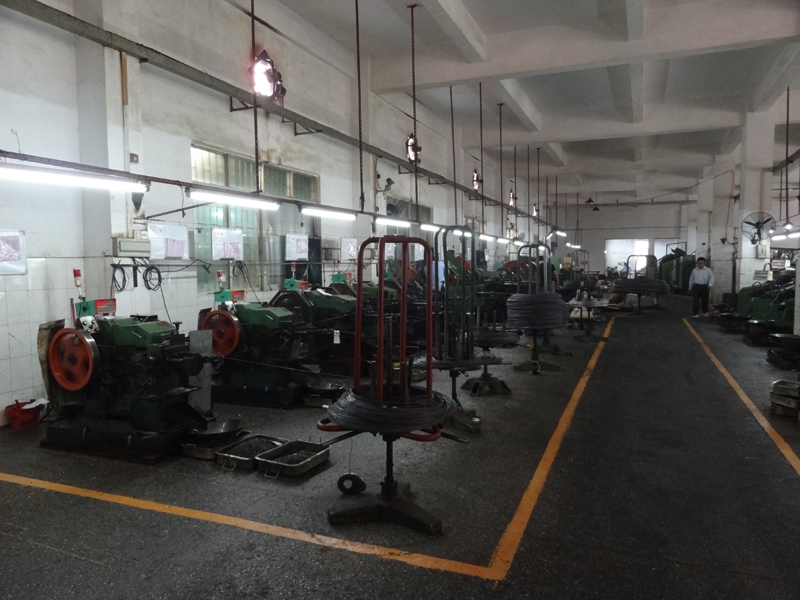
Our steel semi hollow rivets are manufactured in our Dongguan facility on 45 cold‑heading machines. We can produce rivets from 0.8mm to 10mm in diameter – from tiny electronic components to larger industrial fasteners.
What we produce: Standard rivets for high‑volume orders, and custom rivets with non‑standard head shapes, unusual lengths, or special finishes. If you have a drawing, we can make it.
Who makes them: Our senior technicians have an average of 10+ years of cold‑heading experience. They know how wire behaves, how dies wear, and how to adjust a machine to hold tolerances that newer operators cannot.
What we check: Every production line is supported by our in‑house inspection lab. We verify cavity depth, head geometry, shank diameter, and hardness on every batch.
Production speed: Up to 400 pieces per minute on standard diameters – fast enough to handle high‑volume orders, flexible enough to run smaller batches without excessive setup cost.
We stock wire for the most common diameters so we can respond quickly to sample requests and short‑lead‑time orders.
Our Certifications – Proof of Quality
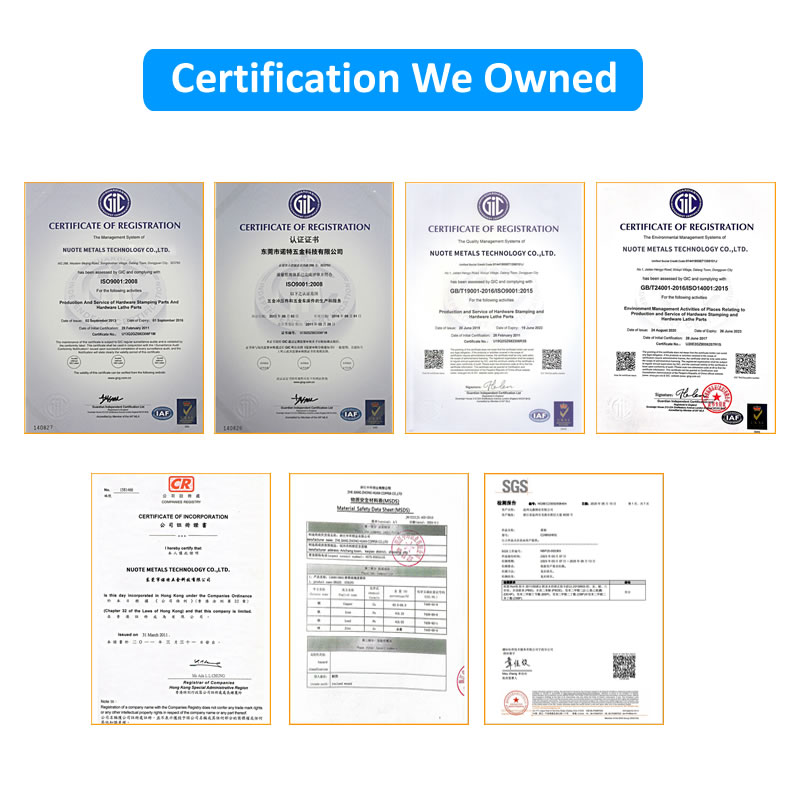
- ISO 9001:2015 – Certified quality management system
- RoHS compliance – Verified by SGS testing
- REACH compliance – Current SVHC declaration
- Material certificates – Traceable to original coil
Two Questions We Answer Often
Q: "What is the difference between steel semi hollow rivets and standard blind rivets (pop rivets) – and which one should I choose?"
A: This is a common question. A steel semi hollow rivet requires access to both sides of the assembly – you insert it from one side and set it from the other. A blind rivet (pop rivet) can be installed from one side only. The trade‑off: semi hollow rivets offer higher shear strength (80–90% of a solid rivet), a cleaner clinch, and lower cost per piece. Blind rivets are more expensive and have a break‑stem that remains in the assembly. If you have access to both sides and need strength + cost‑effectiveness, choose semi hollow. If you only have one‑side access, choose blind rivets. For the camping bed case above, semi hollow was the right choice because both sides of the hinge were accessible.
Q: "What is the maximum hardness of steel you can use for semi hollow rivets – and what happens if the wire is too hard?"
A: For cold‑heading steel semi hollow rivets, we specify wire hardness between HRB 60 and 80. If the wire is too hard (above HRB 80), the cavity cracks during heading – the metal work‑hardens before it can form properly. If the wire is too soft (below HRB 60), the cavity deforms unevenly during setting – the clinch is weak and inconsistent. We test every coil before production and reject anything outside the range. If you have a specific application that requires harder material, we can discuss alternative alloys or heat treatment options.
Hot Tags: Steel Semi Hollow Rivets,China Steel Semi Hollow Rivets,Low Carbon Steel Rivets
Related Categories
Send Inquiry
Please feel free to fill your inquiry in the form below. We will reply you in 24 hours.



X
We use cookies to offer you a better browsing experience, analyze site traffic and personalize content. By using this site, you agree to our use of cookies.
Privacy Policy