
Eyelets
Products
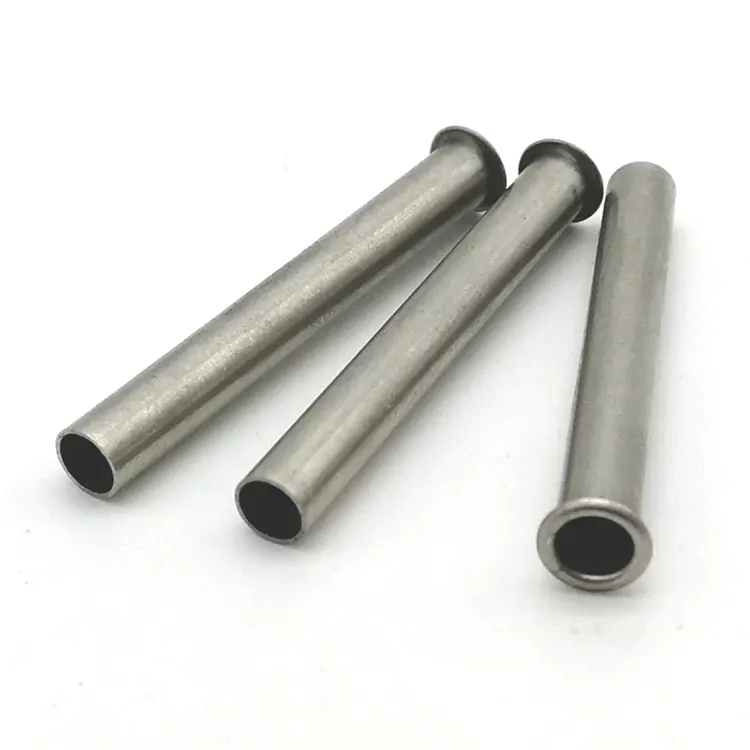
- View as
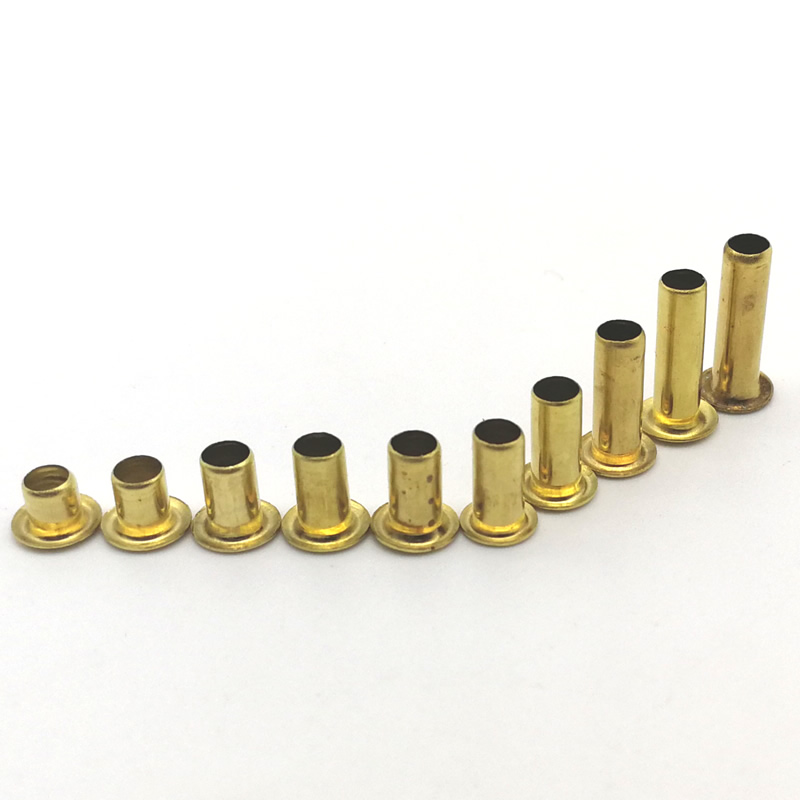
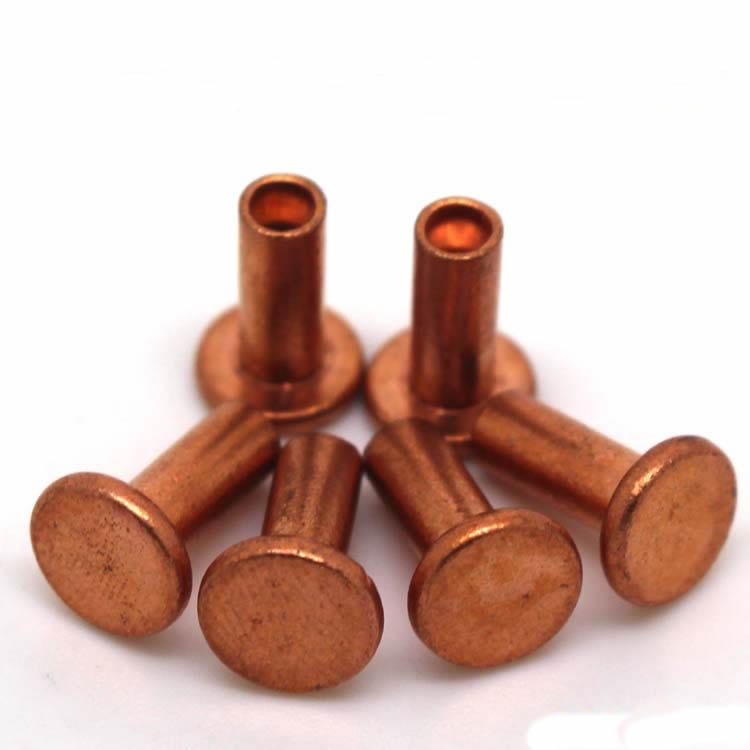
3mm Brass Eyelets
As a China manufacturer, Nuote Metals offers Custom 3mm brass eyelets for medium-weight fabrics, canvas, and leather crafts. Slightly larger than 2mm, these eyelets provide stronger reinforcement without being bulky. Rustproof and smooth-edged, they protect materials while adding a touch of elegance. Perfect for bags, belts, and outdoor gear. Solve fraying and tearing issues with precision-made eyelets that set easily. Trust our factory for reliable quality that makes every project look professional.
View DetailsSend Inquiry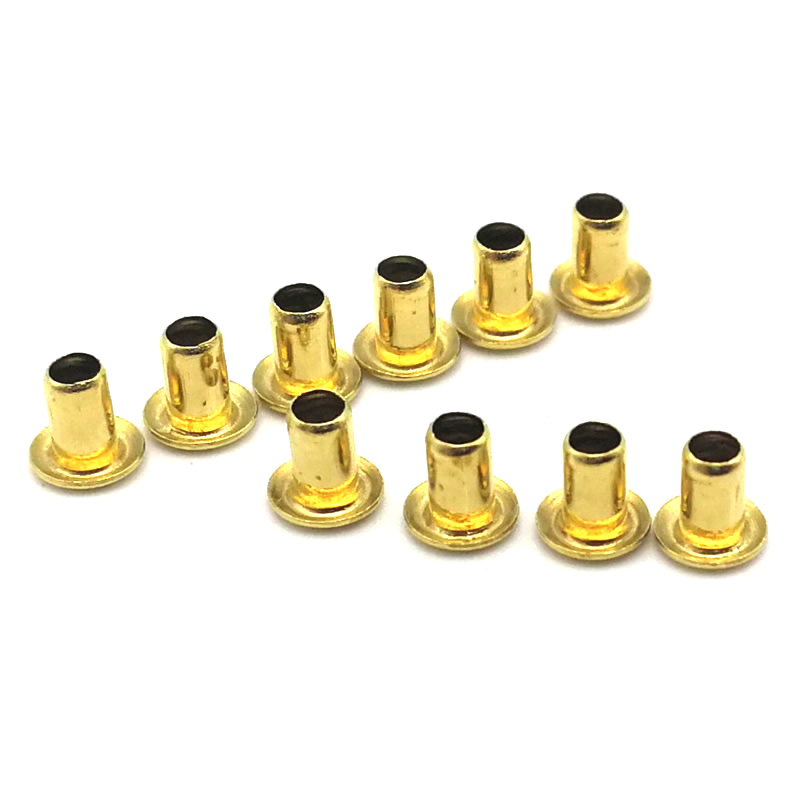
2mm Brass Eyelets
We are Nuote Metals, a China factory specializing in 2mm brass eyelets for delicate fabrics and mini crafts. These tiny eyelets offer rustproof precision without tearing materials, solving your micro-reinforcement needs. Trust our factory for quality that makes every small project feel perfectly finished.
View DetailsSend Inquiry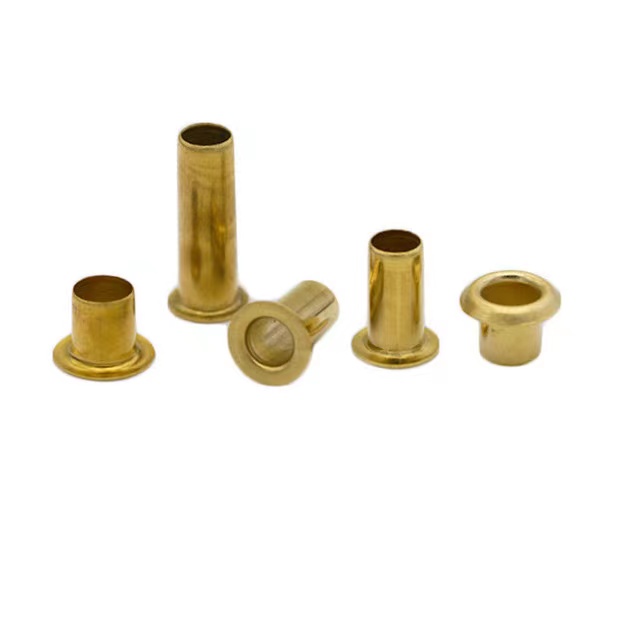
Brass Eyelets For Fabric
Nuote Metals, a China-based manufacturer, presents brass eyelets for fabric. Rustproof and smooth-edged, they protect delicate materials while adding elegant strength. Ideal for designers and crafters, these eyelets deliver lasting quality. Trust the manufacturer for premium results.
View DetailsSend Inquiry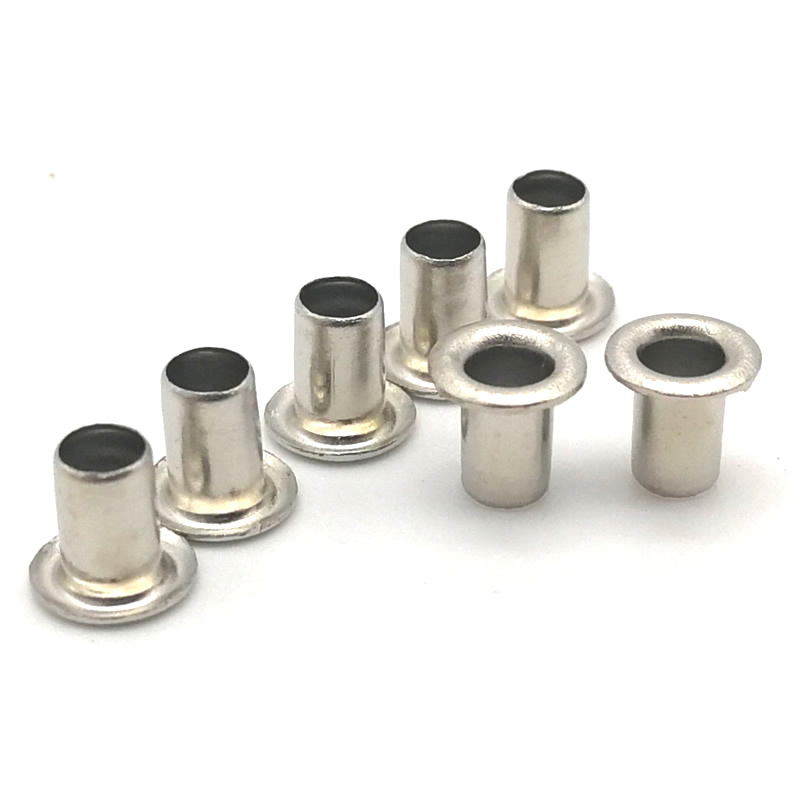
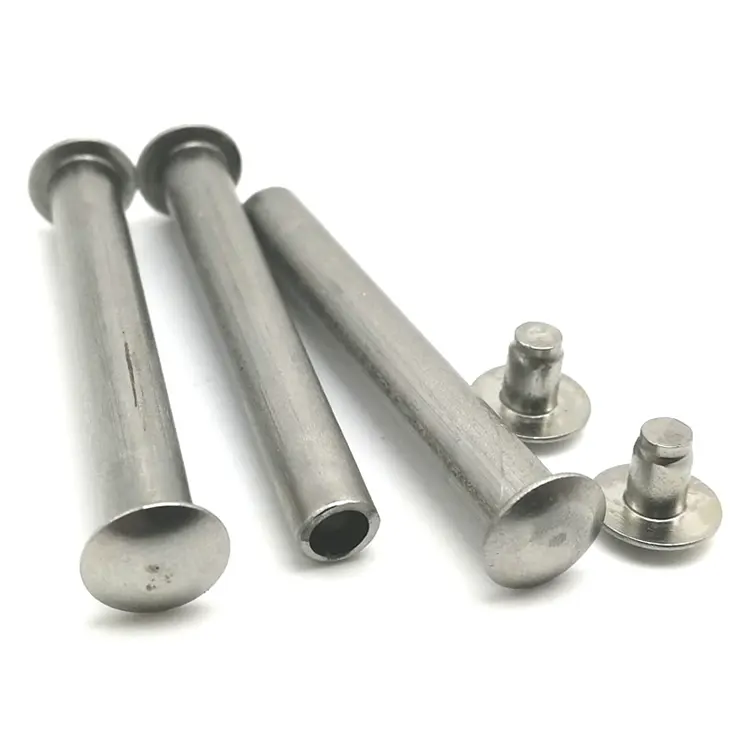
Galvanised Eyelets
Nuote Metals presents galvanised eyelets, crafted for lasting reinforcement in tarpaulins, signage, and DIY projects. Their superior corrosion resistance ensures a secure, professional finish you can trust. Designed for quick installation, they save time while delivering dependable strength. Ideal for creators and builders seeking quality, these eyelets provide enduring peace of mind with every use.
View DetailsSend Inquiry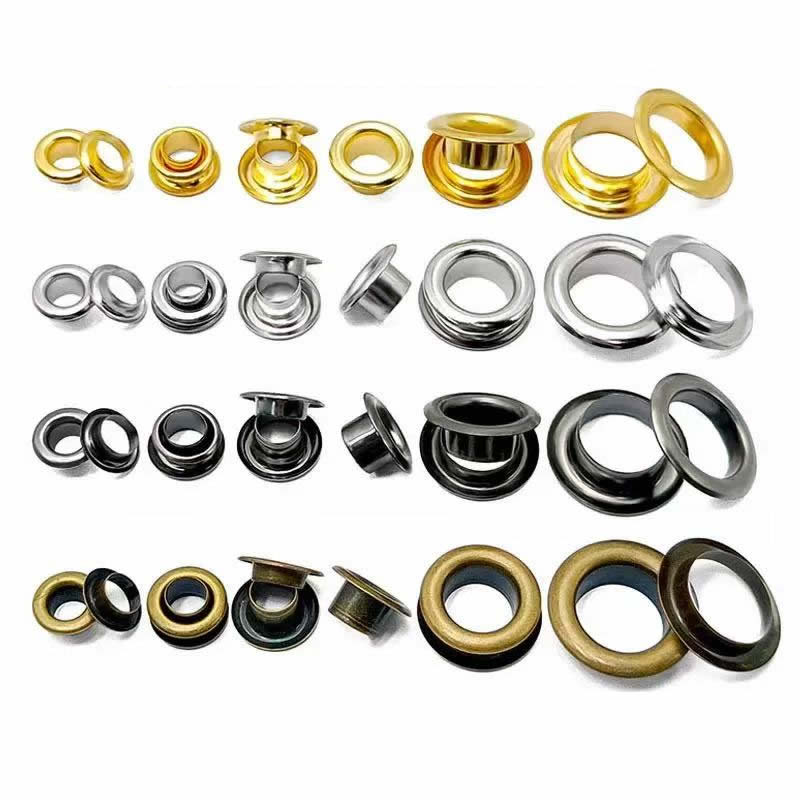
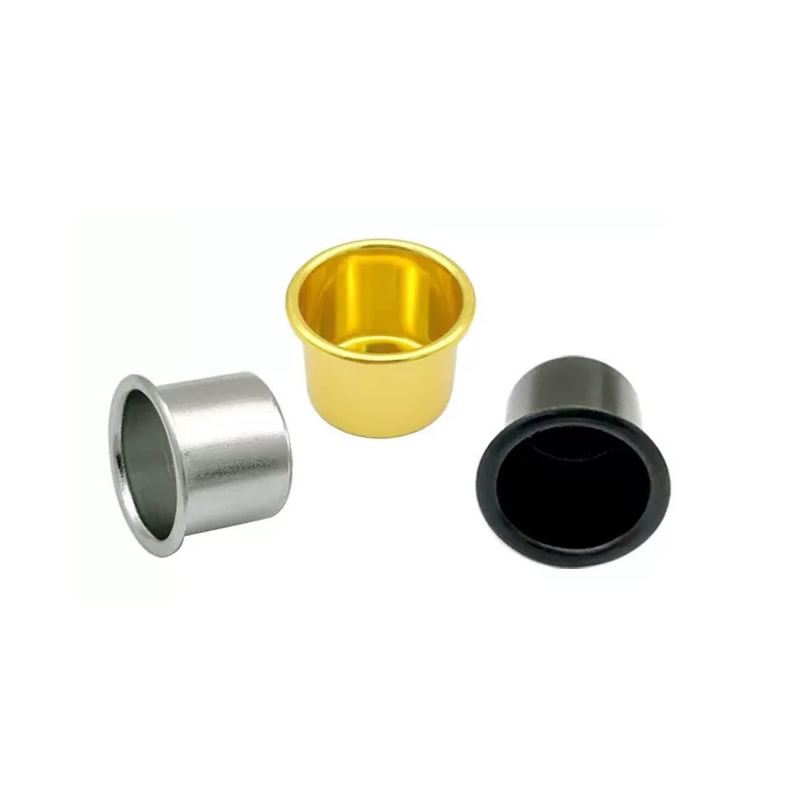
Metal Eyelets For Paper
Our workshop is located in Dongguan, we produce neat metal eyelets for paper. These small metal rings are designed for paper materials. We make metal eyelets for paper in bright finishes, such as silver, gold, and black. They are thin and lightweight so that they don't damage the paper. We produce many sizes of metal eyelets for paper, from very tiny to about one centimeter wide. Each metal eyelet for paper is checked to ensure smooth edges. Many stationery companies use our metal eyelets for paper because they look clean and work well. We can ship samples quickly for testing.
View DetailsSend Inquiry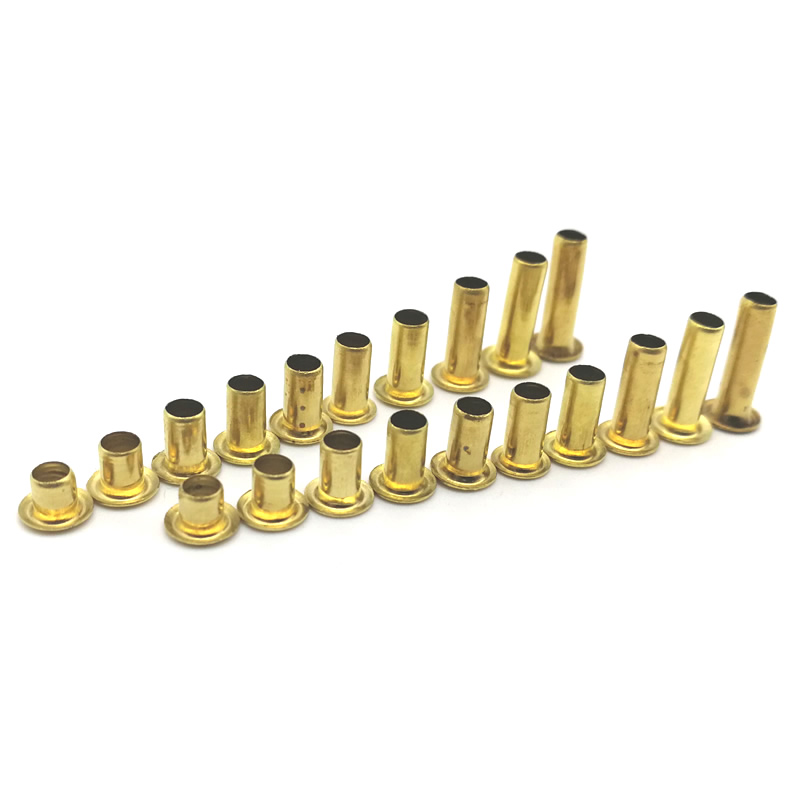
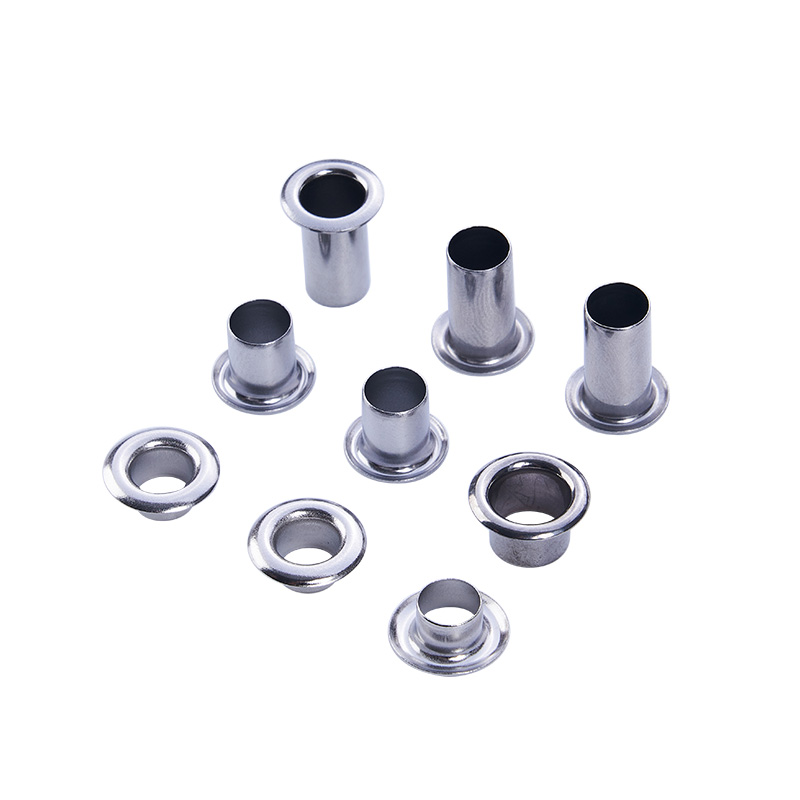
Small Brass Eyelets
Nuote Metals in Dongguan makes small brass eyelets for customers who need them. These are tiny metal rings made from brass. Brass is a good material — it looks nice, doesn't rust, and holds up well. We make small brass eyelets in different sizes, some as small as a few millimeters across. Each batch of small brass eyelets gets checked for smooth edges and even shape. People come to us when they need small brass eyelets for their products. We can make samples first so you can see how they look and fit.
View DetailsSend InquiryWhat are the main applications for eyelets?
Eyelet rivets are widely used in the construction, automotive, marine, aviation, and electronics industries.
In the construction industry, eyelet rivets are used to connect various metal components, such as steel beams and columns.
In the automotive, marine, and aviation industries, eyelet rivets are used to connect various materials, such as aluminum alloys and titanium alloys.
In the electronics industry, eyelet rivets are used to connect various metal and non-metallic materials, such as metal plates and plastic sheets.
What tools are used to rivet eyelets?
Eyelet rivets can be riveted using either manual or electric riveting pliers. Manual riveting pliers are a common tool and are generally suitable for riveting small eyelets. Electric riveting pliers are suitable for riveting large eyelets and large quantities.
What preparations are required before riveting?
Preparation before riveting includes cleaning the surface of the material being riveted and selecting the appropriate rivet hole diameter. Cleaning the surface of the material being riveted removes surface dirt and grease, ensuring a secure joint. Selecting the appropriate rivet hole diameter can prevent cracking or loosening during riveting.
What precautions should be taken when riveting?
1. The installation position of the eyelet rivet must coincide with the centerline of the rivet hole.
2. The eyelets shank should be perpendicular to the surface of the material being riveted during riveting.
3. The eyelet head must remain horizontally stable.
4. The depth of the eyelet hole should be equal to the sum of the rivet shank length and the length of the eyelet pressure riveting portion.
5. The riveting force should be appropriate, neither too high nor too low, depending on the thickness and properties of the material.
6. After riveting, the eyelets quality should be inspected for signs of broken eyelets or foreign matter.
Conclusion
Eyelet rivets are a versatile rivet fastener that can be widely used to connect various metal sheets and dissimilar materials. Thorough preparation is required before riveting, including selecting the appropriate rivet hole diameter and cleaning the surface of the material being riveted. During riveting, factors such as the riveting force and hole depth should be carefully considered to ensure a high-quality connection.



X
We use cookies to offer you a better browsing experience, analyze site traffic and personalize content. By using this site, you agree to our use of cookies.
Privacy Policy