
How Is the Middle East Conflict Affecting the Metal Components Business?
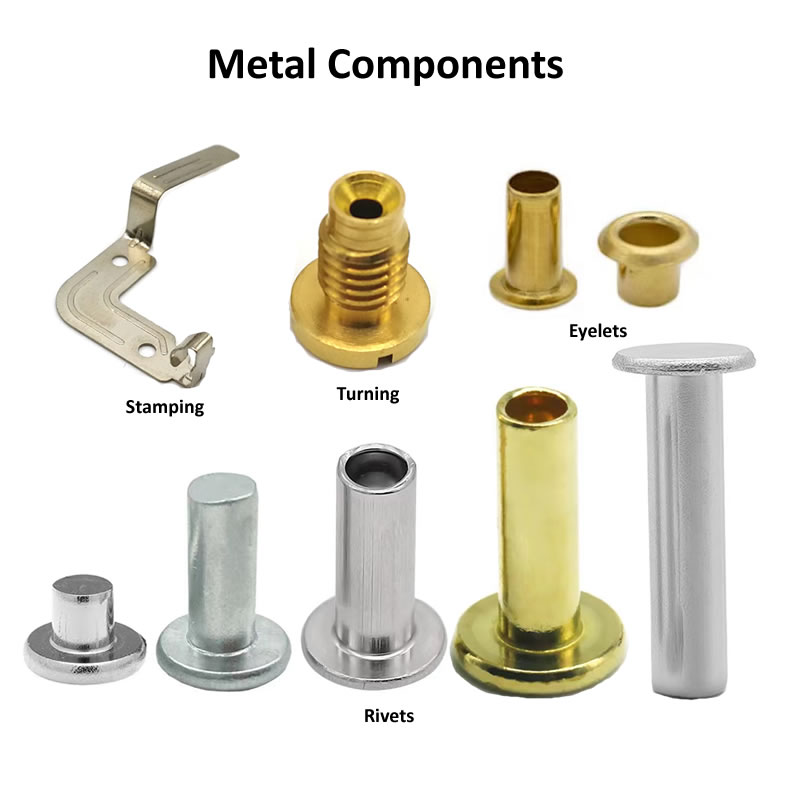
The situation in the Middle East has been heating up, and for anyone in the hardware industry, it's starting to hit close to home. From the shop floors in Yiwu to the ports in Shenzhen, the ripple effects are real. If you want to purchase rivets, turning parts, or other metal components, here's what's happening.
Orders Are on Hold, and Inventory Is Piling Up
For many exporters, the first sign of trouble was the silence from customers. In Yiwu's international trade city, hardware suppliers have seen it firsthand. One seller, Zhang Cuiyan from Guanjian Hardware, told reporters that several long-time clients have asked to pause shipments. She's currently sitting on millions of yuan worth of raw materials that were meant to turn into finished rivets and stamped components for the Middle East. "Our inventory is building up, and it's starting to mess with our production schedule," she said.
Another Yiwu hardware trader, Wang Yuxiao, noticed that while orders aren't cancelled, the communication has changed. Iranian clients are checking in constantly, nervously confirming if their CNC turning parts are ready and begging to ship them out as fast as possible before things get worse.
The Shipping Nightmare: Blocked Routes and Sky-High Costs
The biggest bottleneck is the Strait of Hormuz. With the conflict escalating, this critical passage for goods heading to the Gulf has become a no-go zone. Maersk and other major shipping lines have suspended bookings to the Middle East. For hardware already on the water, the situation is dire. One logistics company in Yiwu reported having over 200 containers stuck off the coast near the Strait for more than a week. Inside those containers? Boxes of tubular rivets, eyelet steel, and precision components waiting for assembly lines in Dubai and Dammam.
Ships that can move are being forced to take the long way around Africa via the Cape of Good Hope. This adds weeks to the journey and, of course, huge costs. Shipping rates on Middle East routes have jumped over 82% in just a short time. For metal stamping parts and turning components, which can be heavy and not always high-margin, this kind of freight hike eats up all the profit.
Raw Materials Are Getting Squeezed
The conflict isn't just blocking roads; it's also blocking raw materials. The region is a big player in aluminum. Qatar's Qatalum aluminum plant, which makes over 600,000 tons a year, was forced to shut down completely because of a gas cutoff. Bahrain's Alba, one of the world's biggest smelters, declared force majeure and stopped shipping.
For anyone looking to purchase rivets or turning parts made from aluminum, this means the cost of raw material is likely to climb. Steel and brass aren't immune either, as energy costs spike and shipping delays affect all metal imports. Analysts are already predicting that if the Strait stays closed, aluminum prices could soar, which will eventually hit the cost of everything from hollow rivets to precision shafts.
How Hardware Companies Are Adapting
Faced with this chaos, businesses are getting creative. Tao Juying, who runs a bathroom hardware company in Yiwu, decided she couldn't put all her eggs in one basket. She's shifting about 30% of her business target away from the Middle East and focusing on new markets like Latin America and Africa for her line of stamped components and brass fittings.
On the shipping side, some buyers are changing their routes. One Turkmenistan buyer, purchasing through Yiwu, switched his delivery from sea to rail, going through Kazakhstan and Uzbekistan to avoid the risky waters entirely. It's more expensive, but it's safer for his shipment of specialty tubular rivets.
For those with goods stranded, the focus is on patience. "We tell our customers, as long as you're safe, we can figure out the business later," Zhang Cuiyan said, echoing a sentiment shared by many in the industry. A manufacturer of CNC turning parts in Guangdong added, "Our clients in Israel and Iran are still checking in. They're not canceling, just waiting. We're holding their tooling and keeping their production slots open."
The Bottom Line
The Middle East conflict has thrown a wrench into the hardware supply chain. Between shipping delays, canceled orders, and rising material costs, it's a tough time for anyone wanting to purchase rivets, turning parts, or stamping parts. But the industry is also showing its resilience, finding new routes, new markets, and new ways to keep the metal moving. For now, everyone is watching the news and hoping for a resolution before the backlog becomes permanent.
Previous:Why Would You Use Copper Rivets?
Send Inquiry



X
We use cookies to offer you a better browsing experience, analyze site traffic and personalize content. By using this site, you agree to our use of cookies.
Privacy Policy