
Precision Stamping Parts: Key Considerations and Benefits for Your Manufacturing Needs
Article Summary: This blog post dives into the significance of precision stamping parts, discussing their applications, benefits, and how they contribute to various industries. We also explore how precision stamping services offered by companies like Nuote can help optimize production processes while maintaining high standards of quality and efficiency.
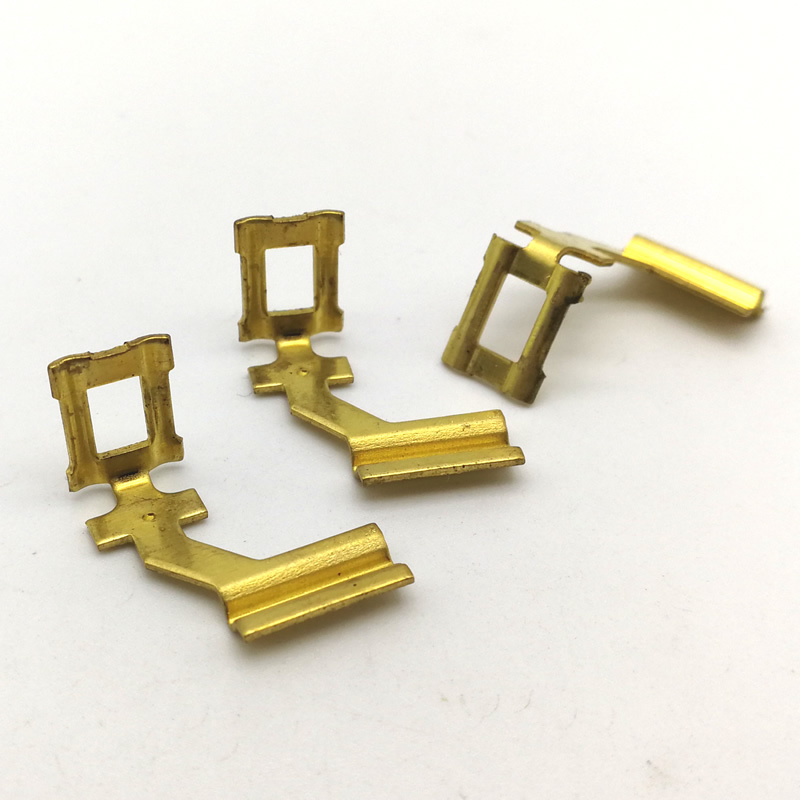
Table of Contents:
- Introduction
- What Are Precision Stamping Parts?
- Key Benefits of Precision Stamping
- Applications of Precision Stamping Parts
- Choosing the Right Supplier for Precision Stamping
- FAQ
- Contact Us
Introduction
Precision stamping parts play a crucial role in modern manufacturing processes. These parts are essential in creating high-precision components with consistent quality. Whether you are working in electronics, automotive, or aerospace, precision stamping ensures accuracy and durability in the components you use. In this blog, we will explore what precision stamping is, its benefits, its wide range of applications, and how to choose the right supplier for your needs.
What Are Precision Stamping Parts?
Precision stamping is a manufacturing process that involves converting flat sheets of metal into specific shapes using high-pressure stamping machines. These parts are often made from metals such as steel, aluminum, and copper, and are designed to meet strict tolerances in terms of size, shape, and weight. Precision stamping parts are essential in industries that require high-volume production of small, complex components.
Here are some key characteristics of precision stamping parts:
- High Precision: These parts are manufactured to meet tight tolerances, ensuring that each part fits precisely into the larger assembly.
- Durability: Precision stamping parts are known for their strength and ability to withstand wear and tear.
- Cost-Effective: Once the stamping dies are created, high-volume production can be done at a low cost per unit.
- Flexibility: Precision stamping can be used to create a variety of parts, ranging from simple to complex designs.
Key Benefits of Precision Stamping
Precision stamping offers several advantages that make it an attractive option for manufacturers. Some of the key benefits include:
| Benefit | Description |
|---|---|
| Consistency | Precision stamping ensures uniformity in all produced parts, reducing variability in the final product. |
| High Efficiency | Once the tooling is set up, high volumes of parts can be produced quickly and accurately. |
| Reduced Waste | The process maximizes the use of raw materials, reducing scrap and minimizing waste in production. |
| Complex Shapes | Precision stamping allows for the production of complex geometries that may be difficult or costly to achieve with other methods. |
Applications of Precision Stamping Parts
Precision stamping parts are used in a wide variety of industries, each requiring high-performance, reliable components. Here are some of the most common applications:
- Electronics: Precision stamping parts are widely used in the electronics industry for connectors, terminals, and housings.
- Automotive: The automotive industry relies on precision stamping for components like brake parts, fuel system components, and electrical connections.
- Aerospace: Aerospace manufacturers use precision stamping parts for components that require high strength-to-weight ratios, such as brackets and fasteners.
- Medical Devices: In the medical field, precision stamping is used to create components for devices like syringes, surgical instruments, and diagnostic equipment.
Choosing the Right Supplier for Precision Stamping
When selecting a supplier for precision stamping parts, it is important to consider the following factors:
- Quality Control: Ensure that the supplier has stringent quality control processes in place to guarantee that all parts meet your specifications.
- Experience and Expertise: Choose a supplier with extensive experience in the specific type of stamping you require.
- Tooling Capabilities: The supplier should have advanced tooling and stamping machinery to accommodate the complexity of your designs.
- Customer Support: Look for a supplier that provides excellent customer service, from initial consultation to post-production support.
Nuote is a reliable supplier offering high-quality precision stamping parts with cutting-edge technology and industry expertise. Our dedicated team works closely with clients to deliver solutions that meet their unique needs.
FAQ
1. What materials are used in precision stamping?
Common materials include stainless steel, aluminum, copper, and brass. These metals are chosen for their durability, conductivity, and ability to be easily stamped into intricate shapes.
2. What are the typical lead times for precision stamping parts?
Lead times can vary depending on the complexity of the part and the quantity required. However, most suppliers offer quick turnaround times, especially for high-volume orders.
3. How can I ensure my precision stamping parts meet quality standards?
To ensure quality, choose a supplier with strong quality control processes, such as in-process inspections and final part testing. Certification to industry standards like ISO 9001 is also a good indicator of reliability.
4. Can precision stamping be used for both high and low volume production?
Yes, precision stamping is suitable for both high and low volume production. While initial tooling costs can be higher for low-volume runs, the cost per unit typically decreases significantly for larger production volumes.
Contact Us
If you're looking for high-quality precision stamping parts, Nuote is here to help. We specialize in providing efficient, reliable, and cost-effective solutions tailored to your manufacturing needs. Contact us today to discuss your project and get a free quote.
Send Inquiry



X
We use cookies to offer you a better browsing experience, analyze site traffic and personalize content. By using this site, you agree to our use of cookies.
Privacy Policy