
What Makes a Good Metal Turned Part?
Walk into any machine shop and you'll hear it,the high whine of a lathe cutting metal. That's the sound of making metal turned parts. Shafts, spacers, bushings, fittings. If it's round and needs to be precise, it was probably turned. The process is old, but with CNC machines, it's incredibly accurate. A good turned part isn't just the right shape; it's exactly the same shape, every single time. That repeatability is what lets engineers design things they know will work.
These parts are the hidden connectors. You find them in your car's engine, inside medical pumps, and in the motors of power tools. They might not be flashy, but if they're off by even a little, nothing fits or works right. That's why turning is a fundamental skill.
My Seat at the Lathe
I'm Vijay, and I've been running CNC lathes for about eighteen years. My day starts not with the machine, but with a print. I look at the drawing for the metal turned parts we need to make. What material? Steel, aluminum, brass? What's the finish? Any special threads? The answers change how I set up.
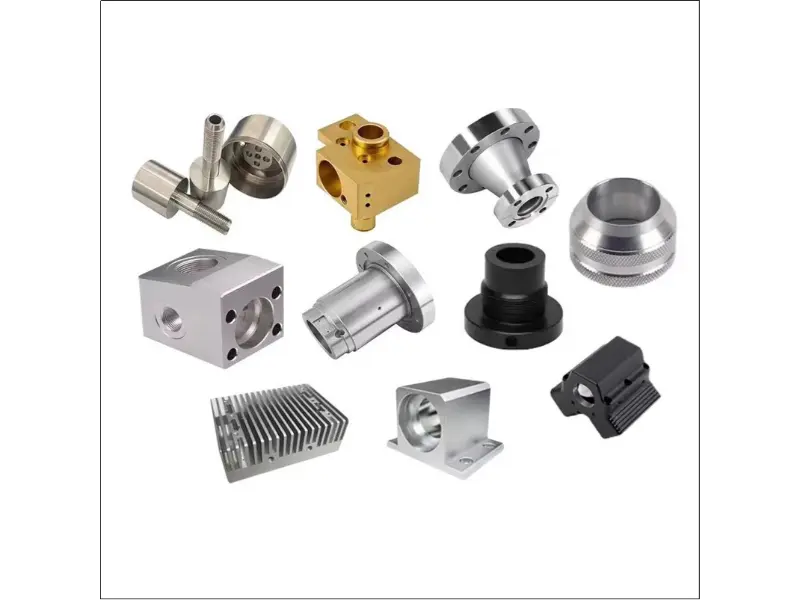
Setup is 90% of the job. I mount the raw material—a round bar—in the chuck. I load the tools into the turret: roughing tools, finishing tools, thread cutters, grooving tools. Then I tell the machine where everything is. This is where you can't rush. A tool that's off by a thousandth of an inch will make a bad part. I run the first part slowly, watching each cut. I stop and measure. Diameters, lengths, thread pitch. Everything gets checked with micrometers and gauges. That first turned part is my proof. If it's perfect, the next hundred will be too.
Then I hit cycle start, and the machine takes over. But I don't leave. I listen. Cutting steel has a steady, sharp ring. Aluminum has a higher-pitched whine. If the sound changes—gets rougher or chattery—it means a tool is getting dull, and I need to change it before it ruins the finish. I check parts every twenty or thirty pieces, just to make sure nothing has drifted.
We make all kinds of turned parts. Sometimes it's a simple spacer, just a piece of aluminum tube cut to length. Other times it's a complex hydraulic fitting with multiple diameters and O-ring grooves. The process is the same, but the attention to detail is what makes the difference. A good finish isn't just for looks; it means the tool was sharp, the speeds were right, and the part was made with care.
The best feeling is when you get an order for more of the same parts you ran months ago. You pull up the old program, set it up the same way, and the first part comes out perfect. It means you built a process that lasts. These metal turned parts might be small, but they hold the bigger world together. Making them well is a quiet kind of pride.
Previous:A Shipment to Bangladesh
Send Inquiry



X
We use cookies to offer you a better browsing experience, analyze site traffic and personalize content. By using this site, you agree to our use of cookies.
Privacy Policy