
What Makes Special Rivets the Smartest Fix for Tough Fastening Jobs?
Abstract: When a standard rivet fails—because of vibration, corrosion, thin sheet metal, limited backside access, cosmetic requirements, or sealing needs—Special Rivets are often the difference between “good enough” and “built to last.” This guide breaks down the most common pain points buyers face, how to choose the right special rivet type and material, and the installation details that prevent callbacks. You’ll also get quick selection checklists, comparison tables, and practical FAQs to help you specify rivets with confidence.
Table of Contents
- Outline
- Why Do Special Rivets Exist?
- Common Customer Pain Points and What Solves Them
- How to Choose Special Rivets Without Guesswork
- Types of Special Rivets and Best Use Cases
- Materials and Finishes That Prevent Corrosion and Failure
- Installation and Quality Checks That Keep Joints Reliable
- Sourcing and Customization Tips for Consistent Production
- FAQ
- Final Takeaways
Outline
- Define what “special” means in Special Rivets
- Map typical failures (loose joints, leaks, corrosion, cracking) to the right rivet features
- Use a selection checklist: load, grip range, materials, environment, access, appearance
- Compare popular special rivet types in a decision table
- Cover material pairing and finishes to reduce galvanic corrosion
- Share installation best practices and simple quality checks
- Explain what to tell suppliers for repeatable manufacturing results
Why Do Special Rivets Exist?
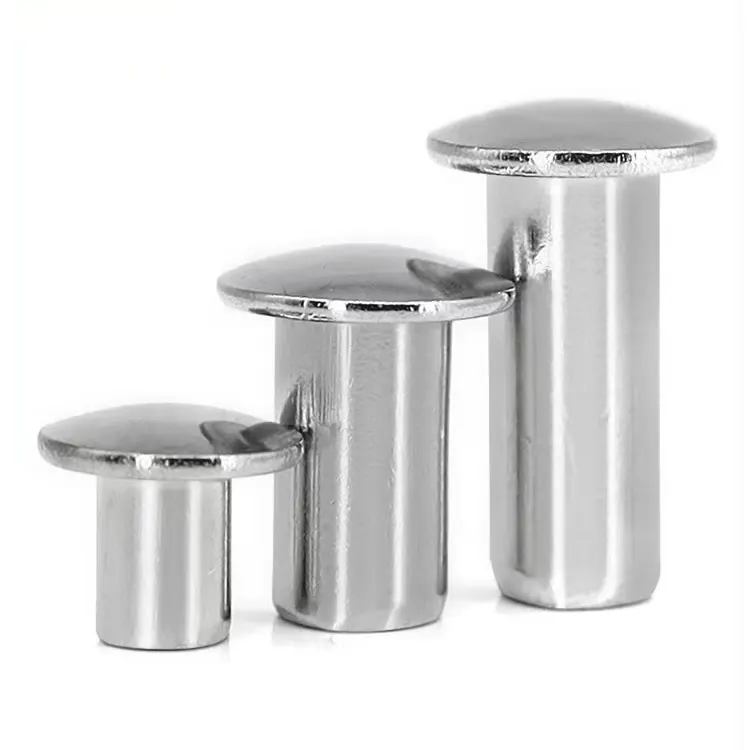
Rivets look simple—insert, set, and you’re done. But in real production, “simple” can turn into expensive problems: panels rattle loose after shipping, joints crack under vibration, water sneaks into enclosures, coatings blister from corrosion, or assembly becomes slow because workers can’t access the backside.
Special Rivets are engineered to handle these real-world constraints. “Special” can refer to one or more of the following:
- Performance: higher shear/tensile strength, better vibration resistance, controlled clamp force
- Access solutions: blind setting when you can’t reach the backside
- Sealing: designs that reduce leakage through the rivet body
- Material compatibility: options that reduce corrosion risks in mixed-metal assemblies
- Thin/soft materials: bodies that expand differently to prevent pull-through or cracking
- Appearance: head styles and finishes that look clean on visible surfaces
If your product has warranty risk, safety implications, outdoor exposure, frequent vibration, or strict cosmetic standards, special rivets aren’t a luxury—they’re a practical control point.
Common Customer Pain Points and What Solves Them
Here are the issues buyers most often complain about, plus the design features that typically solve them.
| Customer Pain Point | What’s Usually Causing It | What to Look for in Special Rivets |
|---|---|---|
| Rivets loosening or rattling after shipping | Vibration + insufficient clamp load + wrong grip range | Structural blind rivets, multi-grip designs, proper grip selection, consistent setting tools |
| Water/dust ingress in housings | Leak paths through the mandrel area or poor hole quality | Sealed rivets, controlled hole tolerances, sealing-friendly head styles, better surface prep |
| Cracking in thin sheet metal | Over-clamping, sharp hole edges, wrong head/flange size | Large flange heads, peel/tri-fold types for soft/thin materials, deburred holes |
| Corrosion around rivet heads | Galvanic mismatch, coastal/chemical exposure, weak coating | Stainless/Monel options, compatible pairings, protective finishes, material matching strategy |
| Cosmetic defects on visible panels | Head mismatch, inconsistent setting, scratches | Countersunk or low-profile heads, consistent tool calibration, protective washers/fixtures |
| Slow assembly or high rework rates | Wrong tooling, hard-to-set rivets, inconsistent holes | Application-matched rivet type, stable grip range, repeatable hole specs, operator-friendly tooling |
Notice a theme? Many “rivet failures” are actually system failures: rivet type + material + hole quality + tool setup + operator process. The good news is you can control all of those with a clear specification.
How to Choose Special Rivets Without Guesswork
Before you compare catalogs, define your constraints. A good selection method reduces trial-and-error and prevents costly line changes later.
Step 1: Clarify the job requirements
- Joint loads: Is this mainly shear, tensile, or peel?
- Vibration level: Light consumer use or heavy mechanical vibration?
- Environment: Indoor, outdoor, salt spray, chemicals, heat cycles?
- Access: Can you reach both sides, or only one?
- Material stack: What are you fastening (aluminum, stainless, plastics, composites)?
- Appearance: Is the head visible and customer-facing?
Step 2: Lock in grip range and hole discipline
The grip range is the total thickness your rivet must clamp. Too short and you get poor clamp; too long and you risk weak expansion, deformation, or cosmetic damage. Measure the real stack-up (including coatings, washers, adhesives) and pick a rivet with comfortable tolerance.
Step 3: Choose a head style that matches function
- Large flange: spreads load, helps thin materials, reduces pull-through
- Countersunk: flush surface for aesthetics or clearance requirements
- Standard dome: general-purpose, often strongest for its size
Quick Selection Checklist (copy/paste friendly)
- Define: load type (shear/tensile/peel) + safety level
- Confirm: one-side or two-side access
- Measure: minimum/maximum stack thickness (grip range)
- Specify: base materials and surface treatments
- Decide: head style and appearance requirements
- Set: hole size tolerance + deburr/chamfer requirement
- Choose: installation tool type (manual/pneumatic/battery) and QC method
Types of Special Rivets and Best Use Cases
Different Special Rivets solve different headaches. Here’s a practical comparison you can use during sourcing and design reviews.
| Type | Best For | Key Benefit | Typical Watch-Out |
|---|---|---|---|
| Structural blind rivets | High strength joints with one-side access | Stronger clamp and better vibration resistance than standard blind rivets | Needs correct tool and consistent holes for repeatable results |
| Sealed rivets | Enclosures, outdoor products, leak-sensitive assemblies | Reduces leak paths through the rivet body/mandrel area | Sealing improves with good hole prep and controlled surface condition |
| Multi-grip rivets | Variable stack thickness or mixed production | One rivet can cover a wider thickness range, reducing inventory | Still must match your “real” max thickness—don’t over-stretch the range |
| Peel / tri-fold rivets | Soft materials, thin sheets, plastics, composites | Expanded legs distribute load and reduce cracking or pull-through | Not always ideal for high structural strength—validate load needs |
| Large flange (oversized head) rivets | Thin sheet metal and cosmetic panels | More bearing area, better surface finish tolerance | Requires sufficient edge distance to prevent tearing |
| Countersunk rivets | Flush surfaces, tight clearances, visible panels | Clean appearance and clearance-friendly surface | Requires accurate countersink and careful setting to avoid distortion |
Rule of thumb: If you’re fighting vibration and strength, start with structural blind rivets. If you’re fighting leaks, prioritize sealed designs. If you’re fighting thin materials and cracking, peel/tri-fold or large flange options often help.
Materials and Finishes That Prevent Corrosion and Failure
Material choice is where “cheap today” becomes “expensive tomorrow.” The wrong pairing can create galvanic corrosion, especially outdoors or in humid environments.
Common rivet materials
- Aluminum: lightweight, easy to set, common in general sheet metal work
- Steel: strong, cost-effective, often plated for protection
- Stainless steel: excellent corrosion resistance; good for outdoor and washdown environments
- Monel (nickel-copper alloy): strong corrosion resistance, often used in marine-like conditions
Simple material pairing guide
| Base Material | Often Compatible Rivet Choice | Why It Helps |
|---|---|---|
| Aluminum sheet | Aluminum or coated options | Reduces galvanic mismatch and keeps weight low |
| Stainless sheet | Stainless rivets | Similar corrosion behavior; cleaner long-term appearance |
| Coated steel | Plated steel rivets (matched coating strategy) | Balances strength and surface protection |
| Plastics/composites | Peel/tri-fold or large flange styles | Better load distribution, less cracking and pull-through |
Finishes and coatings matter—but they’re not magic. Even the best coating can fail if the hole edge is raw, the assembly traps moisture, or dissimilar metals are constantly wet. If your product lives outdoors, define corrosion performance early and test realistically.
Installation and Quality Checks That Keep Joints Reliable
You can buy perfect rivets and still get poor results if installation isn’t controlled. The following practices reduce rework and stabilize quality.
Hole preparation essentials
- Use the correct drill size and keep it consistent across shifts
- Deburr both sides to prevent cracking and improve seating
- Keep the hole round—worn bits create oversized, out-of-round holes
- Remove chips and oils so the head seats cleanly
Tooling tips that prevent hidden failures
- Match tool pulling force to the rivet type (structural rivets often need stronger tools)
- Calibrate tools on a schedule, not “when it feels off”
- Train operators on correct nosepiece selection and perpendicular setting
Quick QC checks (fast and practical)
| Check | What You’re Verifying | How Often |
|---|---|---|
| Visual head seating | Head flushness, no gaps, no panel distortion | Start-up + hourly spot checks |
| Mandrel break consistency | Proper setting and repeatable clamp formation | Start-up + after tool change |
| Pull-out / push-out sampling | Basic joint robustness for your stack materials | Per batch or per shift |
| Leak check (if applicable) | Sealing performance under realistic conditions | Per design change + routine audits |
Quality is easiest when your rivet choice, hole spec, and tooling are treated as one “fastening system,” not three separate decisions.
Sourcing and Customization Tips for Consistent Production
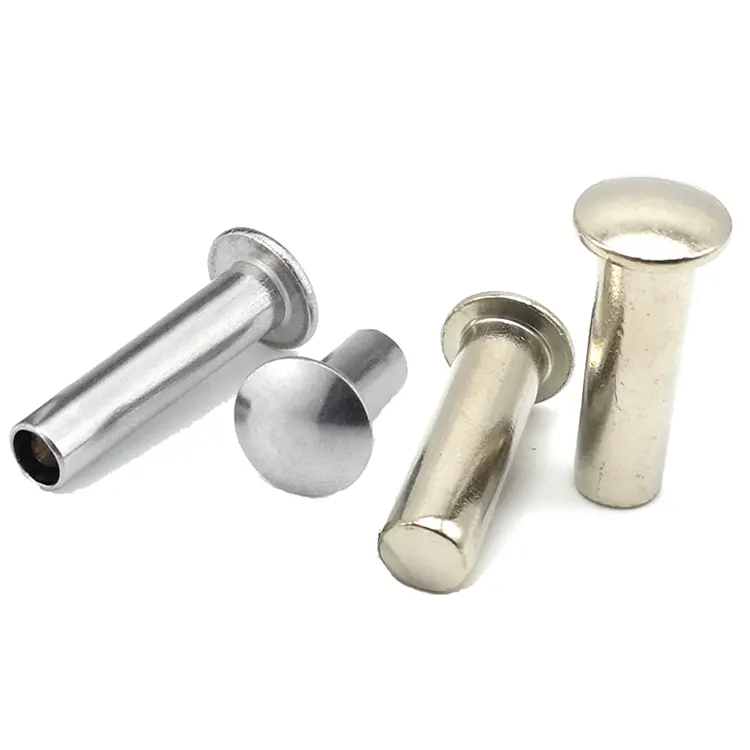
Special rivets become truly valuable when they’re consistent from batch to batch. If you’ve ever suffered from “same part number, different behavior,” you already know why sourcing details matter.
What to provide when requesting a quote
- Application description (product, environment, load concerns)
- Stack thickness range (minimum and maximum)
- Base materials (including coatings or anodizing)
- Preferred rivet type and head style (or describe the problem you’re solving)
- Hole size tolerance and edge distance constraints
- Target quantity and packaging requirements (bulk, trays, small boxes)
- Any appearance requirements (finish, color, head marks)
If you need tighter control—like a specific grip behavior, a head style that matches your industrial design, or stable performance across variable stack thickness—custom options may be the cleanest path. Manufacturers such as Nuote Metals Technology Co.,Ltd. typically support application-driven selection and customization so your fastener choice aligns with your assembly reality instead of forcing your production line to “work around” the rivet.
FAQ
-
Do Special Rivets cost more than standard rivets?
Often, yes per piece—but they can reduce total cost by cutting rework, warranty risk, and assembly time. The right rivet is usually cheaper than one field failure. -
How many times should I repeat testing before locking a rivet into production?
At minimum, validate with your real materials, real thickness stack-up, and real tools. Include vibration or environmental exposure if your product faces those conditions. -
What’s the biggest mistake buyers make when selecting Special Rivets?
Ignoring grip range and hole quality. Even a premium rivet struggles when the stack thickness is wrong or the hole is oversized and rough. -
Are sealed rivets enough to stop leaks completely?
They reduce leak paths, but sealing performance also depends on hole prep, surface condition, and product design. If sealing is critical, include a leak test in your QC plan. -
How do I choose between large flange and countersunk heads?
Large flange helps thin or soft materials by spreading load; countersunk helps when you need a flush surface. If both matter, you may need design adjustments or a different rivet type. -
Can Special Rivets work with plastics or composites?
Yes—styles that expand to distribute load (like peel/tri-fold) are often used to reduce cracking and pull-through in softer materials.
Final Takeaways
Special Rivets solve the problems standard rivets can’t: high vibration, one-side access, sealing demands, thin materials, corrosion exposure, and cosmetic requirements. If you define your real constraints (loads, stack thickness, environment, access, appearance) and control hole quality and tooling, rivets become a reliable, repeatable fastening method—not a recurring headache.
If you’re specifying special rivets for a new product—or troubleshooting joint failures in production—work with a supplier that can translate your application details into the right rivet system. Nuote Metals Technology Co.,Ltd. can help match rivet type, material, and finishing options to your assembly needs—contact us to discuss your application and get a fast, production-ready recommendation.
Send Inquiry



X
We use cookies to offer you a better browsing experience, analyze site traffic and personalize content. By using this site, you agree to our use of cookies.
Privacy Policy