
The Little Giant: Semi Tubular Rivets
Nuote Metals factory has many choices like screws, welds, and adhesives, In the world of putting things together. But there's a quiet, reliable option that often goes unnoticed, that is the semi tubular rivet. It's a simple little thing, really. Imagine a regular solid rivet, but with a secret – a hole drilled partway up its shaft, creating a hollow end.
This small hole makes a huge difference. When we set this rivet, a machine presses on the solid head while a die shapes the hollow end. The hollow metal flares out, almost like petals on a flower, gripping the materials from the inside. This creates a strong, permanent joint that won't shake loose from vibration, which is why you'll find these rivets everywhere – in your car's brakes, the conveyor belt at the supermarket, the jeans you're wearing, and even in aircraft interiors.
They are faster to install than solid rivets because they require less force to set. This speed and reliability make them a favorite in factories that need to assemble things quickly and well.
A Look Inside Nuote Metals: Where We Make Them
Hi there. My name is Zhang Wei, and I've been a team leader at Nuote Metals for ten years now. On most days, you'll find me on the factory floor, the sound of our machines a familiar hum. It's a place I'm proud to work in.
People often ask what makes our rivets good. It's not magic; it's about not cutting corners. It starts with the wire. We source good quality steel, brass, or aluminum wire rods. The first step is cold heading. It's like using a powerful press to squash the end of the wire into the rivet's head shape – whether it's a round, flat, or countersunk head. It's all done in one or two quick strokes. Precision is key here.
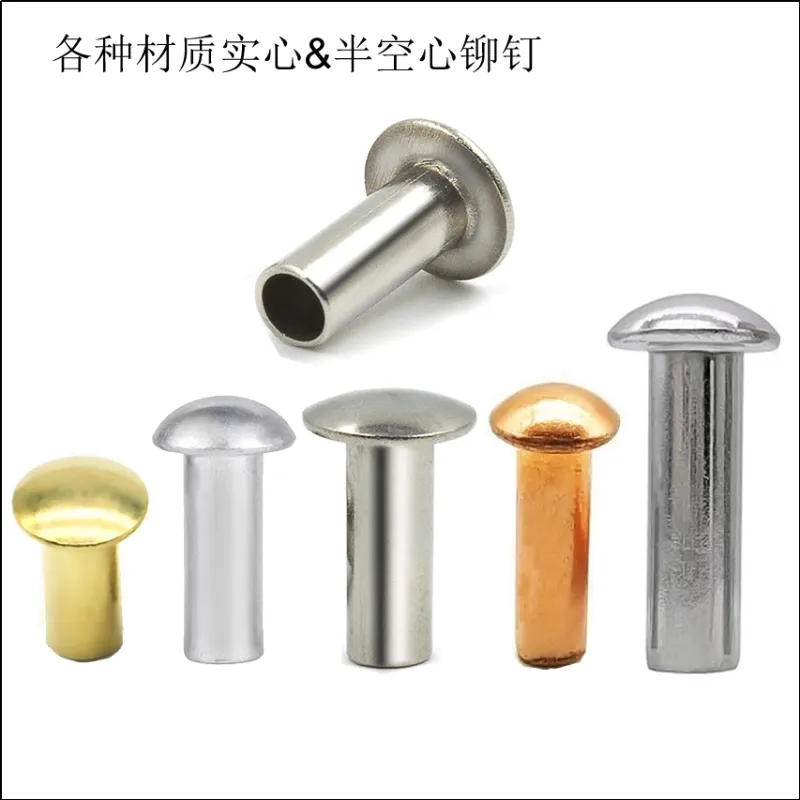
Next, the drilling. This is where the "semi-tubular" part comes to life. A tiny, high-speed drill bit carefully bores out the hole in the shaft. Getting the depth just right is crucial. Too shallow, and it won't flare properly; too deep, and the rivet becomes weak. Our machinists check these measurements constantly.
Then comes the finishing. We tumble the rivets to smooth out any sharp edges. After that, many of them go for plating—zinc for corrosion resistance, or other coatings based on what the customer needs.
The truth is, anyone can make rivets. But at Nuote Metals, we believe in making a good one. It means our Quality Control team doesn't just do a final check. They are involved at every stage, from the raw material to the packed box. We have a simple saying here: "A weak joint can fail a big machine." We don't want our rivet to be that weak point.
So, when I see a box of our rivets ready to be shipped, I don't just see metal parts. I see a bit of our team's care and diligence in each one, ready to hold something important together in the world. It’s a good feeling. Welcome to contact us and get to know more about our quality rivets!
Send Inquiry



X
We use cookies to offer you a better browsing experience, analyze site traffic and personalize content. By using this site, you agree to our use of cookies.
Privacy Policy