
The Precision of CNC Turning: More Than Just Parts
Precision is everything in the world of making things. Imagine you need a small metal pin, a bushing, or a special screw that has to fit into another part perfectly. Not almost perfectly, but exactly. This is where CNC turning comes in.
CNC turning is a way of shaping metal or plastic, using a computer-controlled machine. Think of a piece of rod spinning very fast. A cutting tool, guided by a computer program, then carefully moves in and shaves away the metal to create the desired shape. Because it's computer-controlled, it can repeat the same exact movement thousands of times without getting tired or making a mistake.
The "CNC" part stands for Computer Numerical Control. In simple terms, it means we write instructions for the machine in a program. This program tells the machine exactly how to move, how deep to cut, and how fast to spin. This is what makes it so accurate. It can create complex shapes, grooves, and threads with a level of detail that is almost impossible to do by hand.
So, where do you find these components? Almost everywhere, even if you don't see them. They are inside your car's engine, in medical devices, in the plumbing of your home, and in countless electronic gadgets. Anywhere a reliable, custom-shaped metal part is needed, CNC turning is often the answer. It's the behind-the-scenes magic that makes so many modern machines work smoothly.
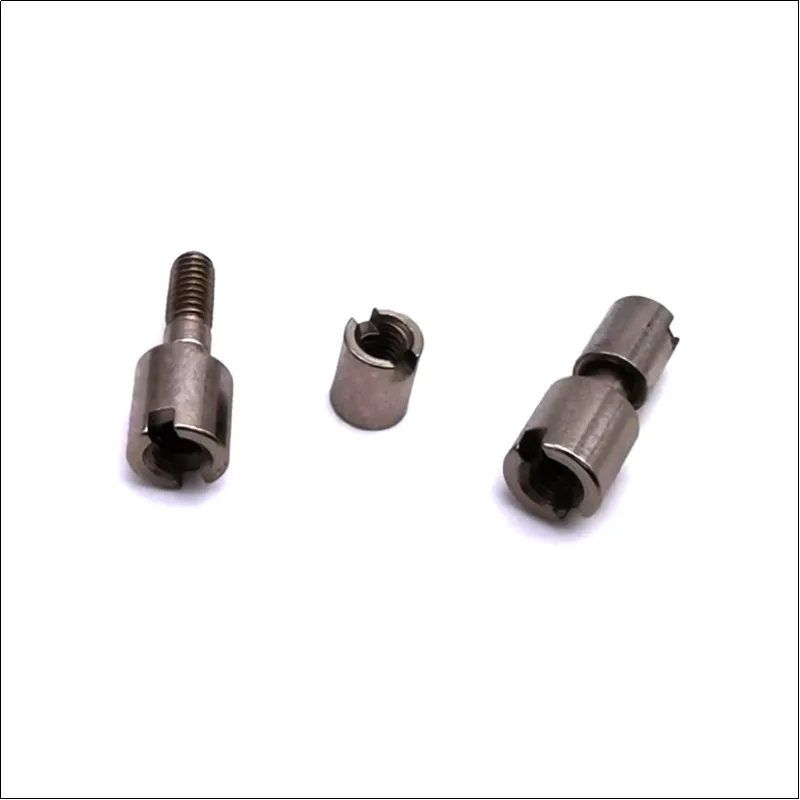
A Look Inside Our Workshop at Nuote Metals
My name is Liu, and I'm a production manager here at Nuote Metals. I've been with the company for twelve years, and I still get a sense of satisfaction from seeing a batch of perfect parts come off our turning machines.
A lot of people might picture a dirty, noisy factory. Our workshop is different. It's clean, well-organized, and filled with the steady, humming sound of our CNC lathes at work. For us, the job doesn't start with the machine; it starts with the customer's drawing. Our engineers sit down and study it, figuring out the best way to turn that design into a real, physical part. This planning stage is crucial.
Then, we select the right material. We work with brass, stainless steel, aluminum, and more. Each has its own personality—some are harder to cut, others are softer. Our programmers then write the code that will guide the machine. This is where experience really counts. You need to set the right speeds and feeds to get a clean cut and a smooth finish.
Once the machine starts, it's a fascinating dance. The bar stock spins, and the tool moves in, precisely shaving off tiny curls of metal. We don't just set it and walk away, though. Our operators constantly check the first-off parts with calipers and micrometers. We measure every critical dimension to ensure it matches the drawing perfectly. This hands-on attention is what separates a good part from a great one.
Our customers trust us to make components that are essential to their products. When they order from us, they aren't just buying a batch of turned pins or connectors. They are buying reliability. They need to know that every single piece in the box will fit and function exactly as expected.
So, the next time you use something that works smoothly without a hitch, there's a good chance a precision turned component like the ones we make is inside, quietly doing its job. It’s a small piece, made with a lot of care, holding bigger things together.
Send Inquiry



X
We use cookies to offer you a better browsing experience, analyze site traffic and personalize content. By using this site, you agree to our use of cookies.
Privacy Policy