
Why Choose Aluminum Tubular Rivet for the Job?
Tubular rivet is a classic fastener in assembly and manufacturing. But the material it's made from can completely change its purpose. While steel and brass rivets are common, aluminum tubular rivets offer a unique set of advantages that make them the perfect choice for many modern applications.
What makes aluminum stand out?
The biggest advantage is its weight, or rather, its lack of it. Aluminum is incredibly light. If you held a steel rivet and an aluminum rivet of the same size in your hand, the difference is obvious. This makes aluminum the go-to choice for industries where every gram counts, like in aircraft interiors, lightweight electronics, or high-performance bicycles.
But don't let its lightness fool you. Aluminum is plenty strong for most jobs and has another great property, it naturally resists corrosion. Unlike regular steel, it forms a protective oxide layer that prevents rust, making it ideal for products that might face moisture or harsh weather. Compared to brass, which is also corrosion-resistant, aluminum is significantly lighter and often less expensive.
The trade-off is strength. A steel rivet will be stronger and harder than an aluminum one. So, for heavy-duty machinery or structures under immense stress, steel is still the king. But for countless applications where a combination of light weight, good strength, and corrosion resistance is needed, aluminum is the unsung hero.
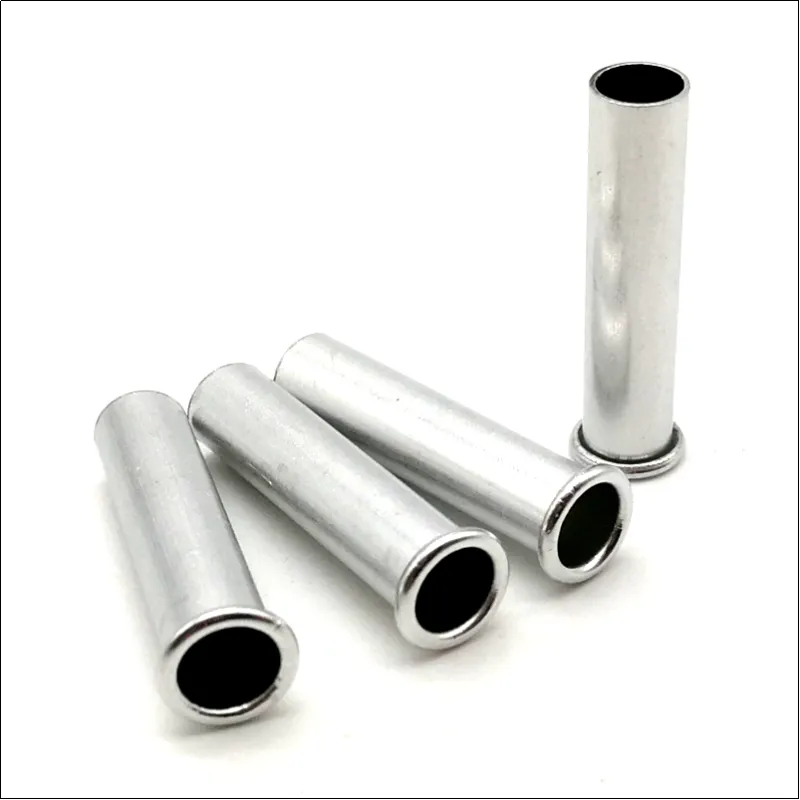
Working with Lightness at Nuote Metals
My name is Li Qiang, and I've been setting up machines at Nuote Metals for over a decade. My main job these days is on the line dedicated to our aluminum rivets. There's a different feel to working with aluminum compared to the other metals we use.
It starts with the tube. The aluminum tube is so much lighter and easier to handle than the steel ones. When the cold heading machine forms the rivet heads, the sound is a sharper, cleaner click compared to the heavier thud of steel. It's a satisfying sound. Because aluminum is a softer metal, it's easier on our tools, but it also means we have to be extra careful. It marks up more easily, so we keep everything clean and well-adjusted to avoid any scratches or dings on the finished rivets.
The most interesting part for me is seeing the wide range of finishes. Since aluminum takes to color so well, we do a lot of anodizing. This process not only adds vibrant, durable colors—like the deep blacks and reds you see on high-end outdoor equipment—but it also makes the surface even more resistant to corrosion. I've run orders for electric scooters where the rivet color had to match the company's brand color exactly. It’s not just fastening; it's part of the design.
We also produce a lot of plain, bright aluminum tubular rivets for the food and packaging industry. Because aluminum doesn't rust and doesn't create harmful contaminants, it's safe for these sensitive environments. It’s a point of pride for us.
Sometimes, a customer will call and ask, "Should I use steel or aluminum?" And our sales team, who we talk with every day, knows the answer isn't always simple. It comes down to what the product needs to do. My job is to make sure that when they choose our aluminum tubular rivets, they are getting a part that is perfectly formed, flawlessly finished, and ready to provide strong, lightweight, and long-lasting performance. Holding a handful of these shiny, lightweight rivets before they're shipped out, you get a real sense of how something so small and light can hold so much together.
Send Inquiry



X
We use cookies to offer you a better browsing experience, analyze site traffic and personalize content. By using this site, you agree to our use of cookies.
Privacy Policy