
Products
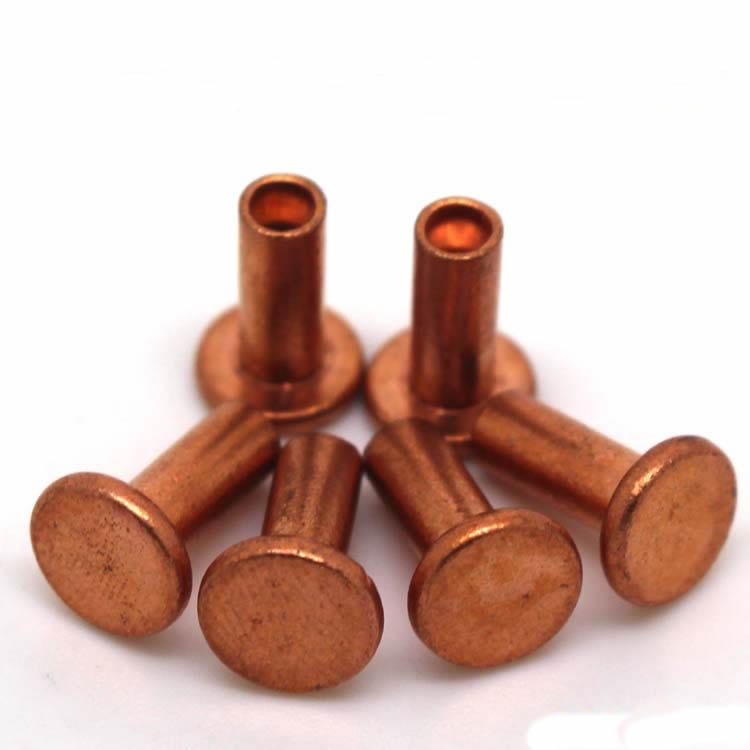
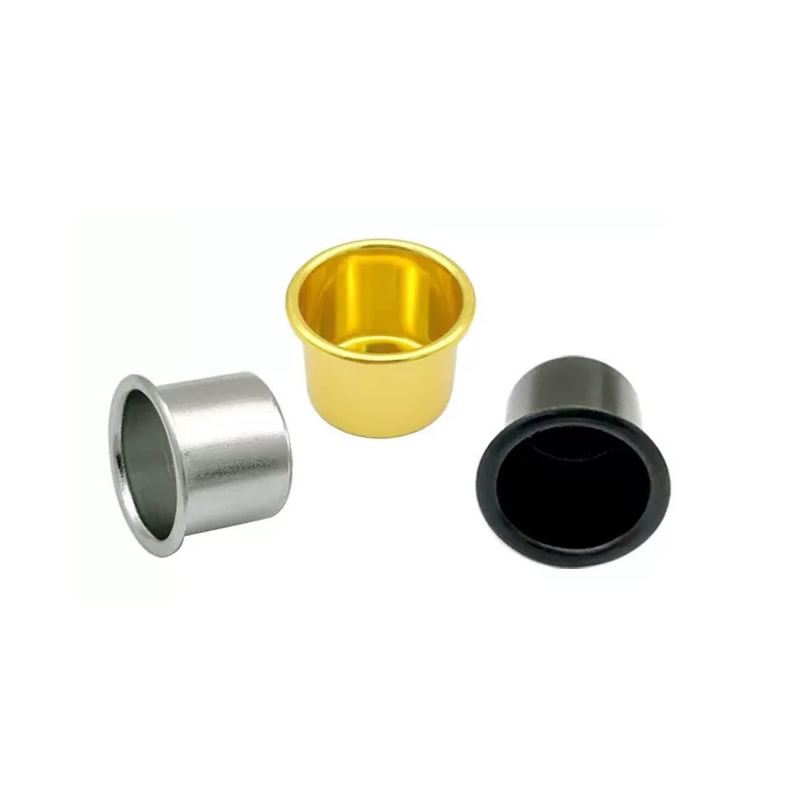
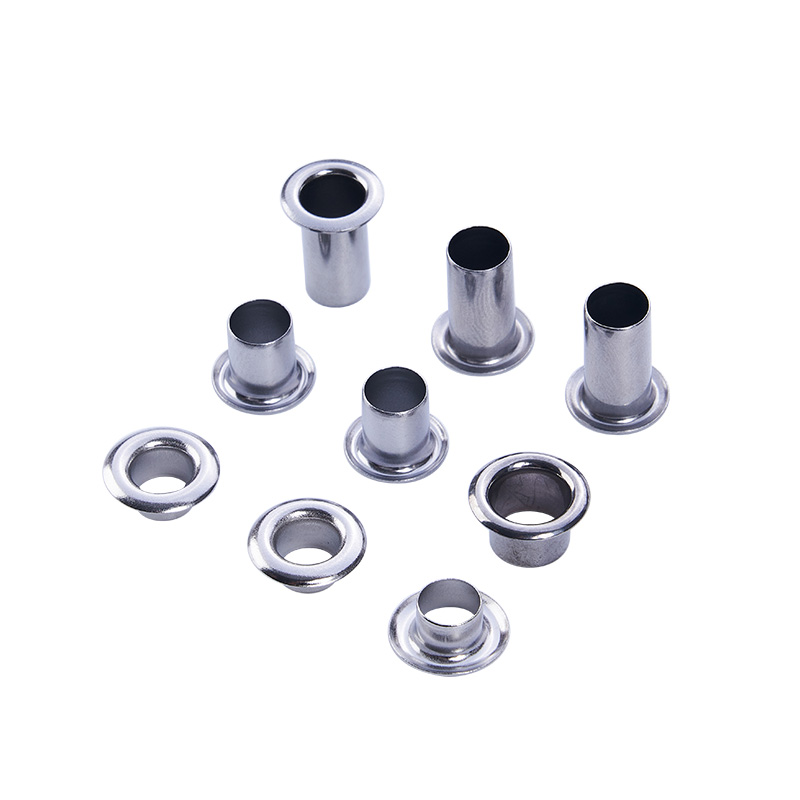
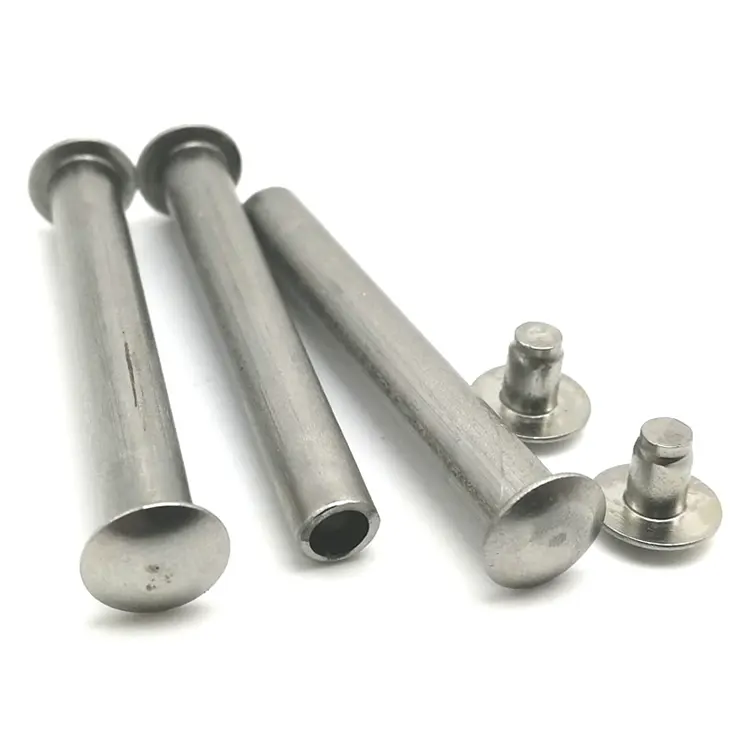
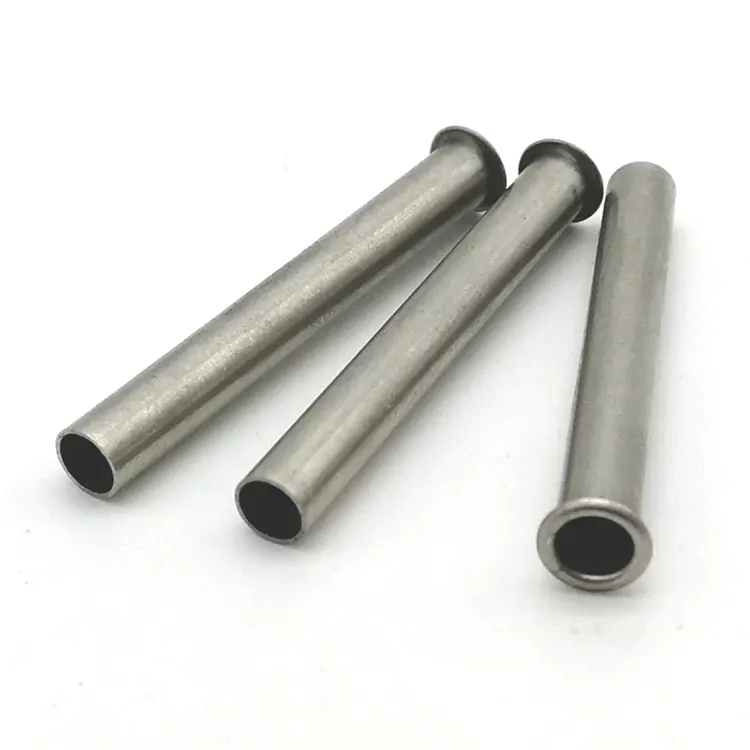
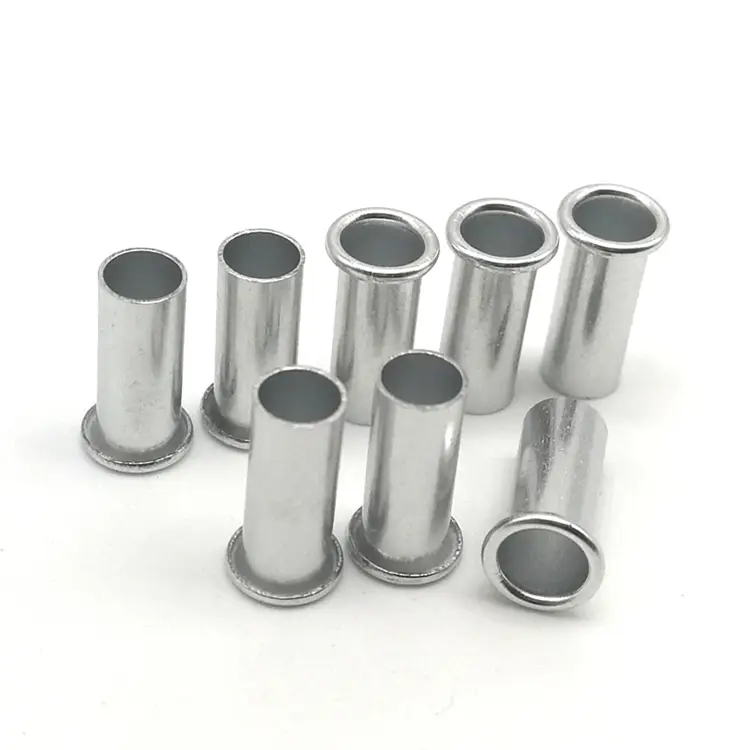
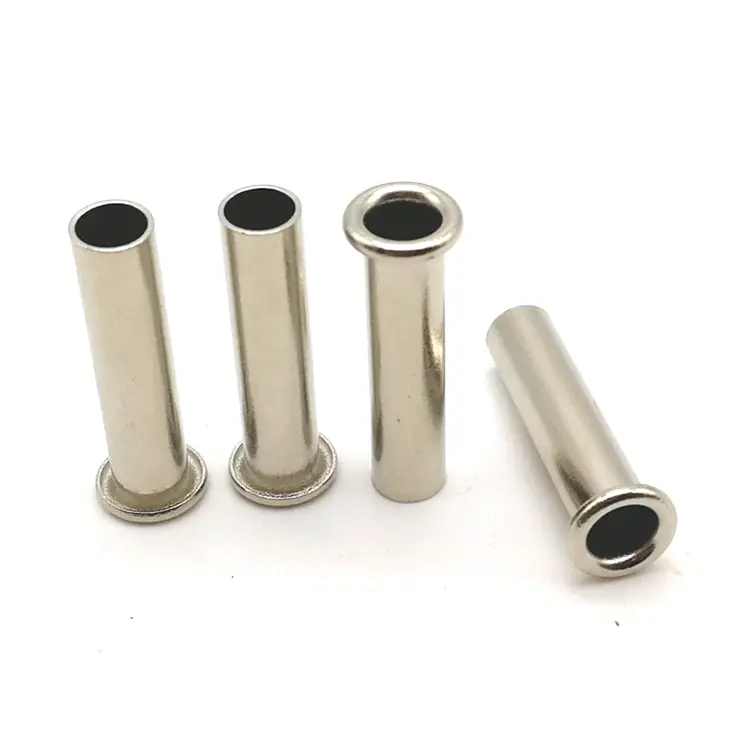
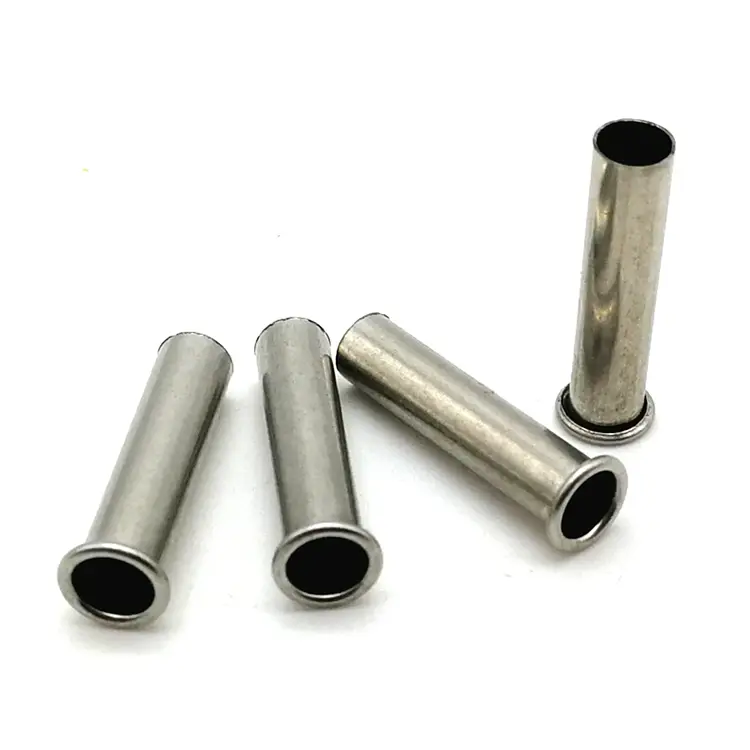
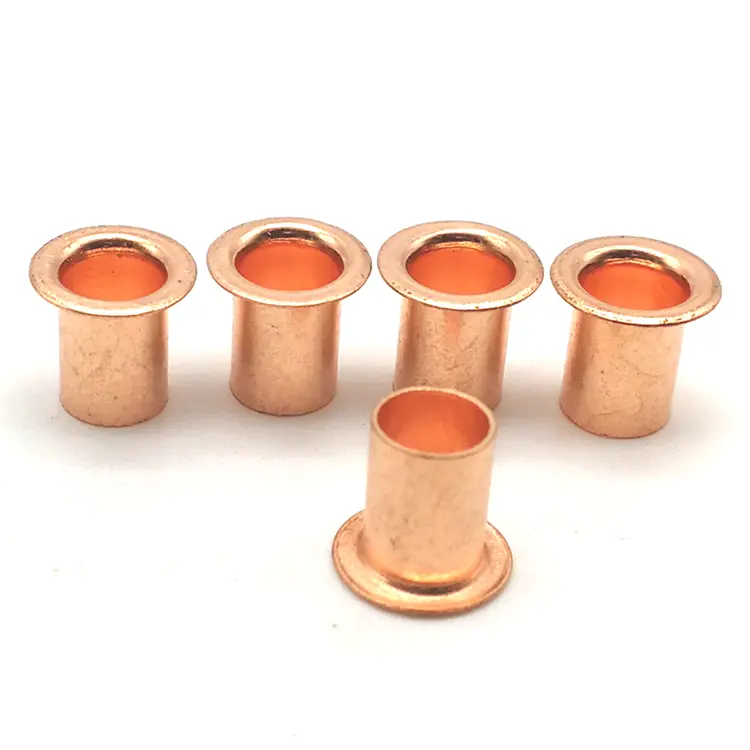
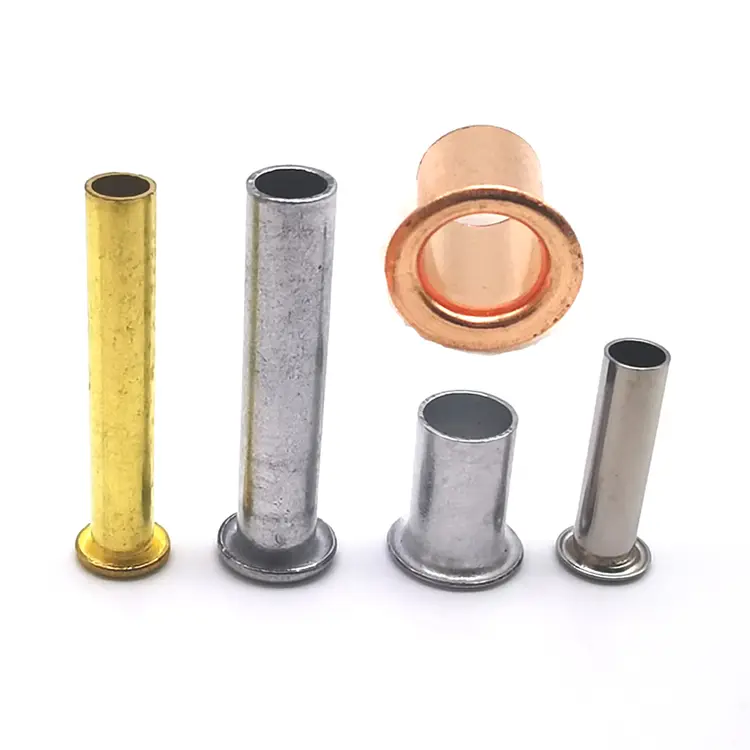
Aluminum Tubular Rivets
Aluminum tubular rivets are an reliable component in various manufacturing and assembly processes, offering an efficient and effective solution for creating durable joints. Nuote Metals is a professional manufacturer of tube rivets in China, are you looking for tubular rivets? Pls feel free to contact us for a RFQ.
Send Inquiry
Product Description
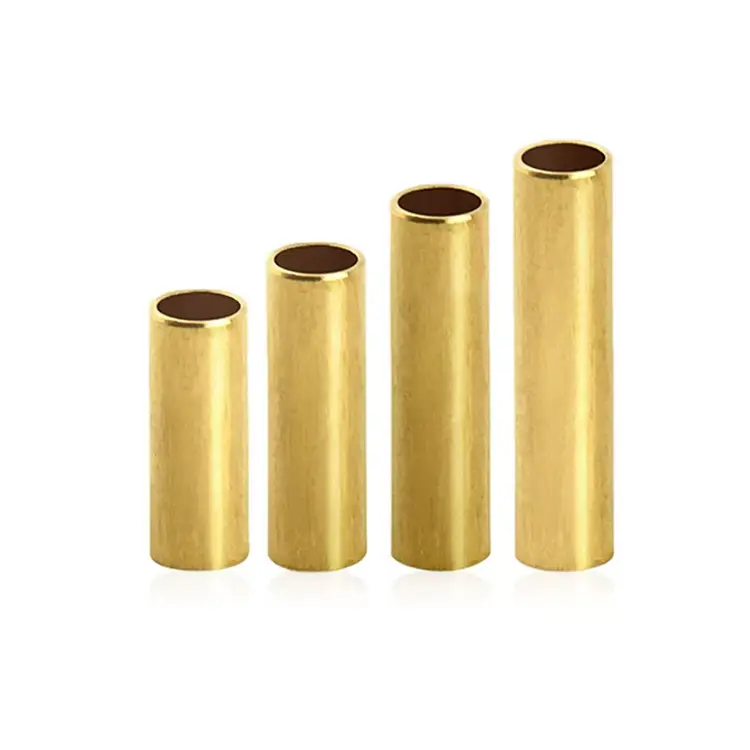
Aluminum tubular rivets are fully hollow fasteners made from aluminum tube stock – pure aluminum or aluminum alloy. At roughly one‑third the weight of steel, they are the lightest option in the tubular rivet family. Combine that with the low‑force installation of a hollow shaft, and you get a fastener that reduces weight without sacrificing the clean, permanent joint your assembly needs.

When your product must be light – drones, aerospace, portable equipment, sporting goods – they are the engineered answer.
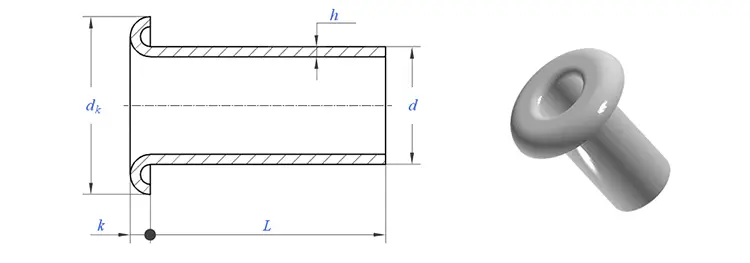
Aluminum Tubular vs. Steel Tubular – The Weight Difference
| Feature | Aluminum Tubular Rivet | Steel Tubular Rivet |
|---|---|---|
| Weight (5mm shank) | ~0.6g | ~1.8g |
| Weight vs. steel | ~33% | 100% |
| Corrosion resistance | Excellent (natural oxide) | Depends on plating |
| Magnetic | Non‑magnetic | Magnetic |
| Strength | Moderate | High |
| Best for | Lightweight, non‑magnetic, corrosion‑resistant | Heavy‑duty, cost‑sensitive |
Choose aluminum tubular rivets when: Weight reduction is critical. The assembly must be non‑magnetic. Corrosion resistance is needed without plating. The application is drones, aerospace, portable equipment, sporting goods, or electronics.
Pure Aluminum vs. Aluminum Alloy – Which Grade Do You Need?
We manufacture them in pure aluminum and aluminum alloys:
| Grade | Type | Tensile Strength | Best For |
|---|---|---|---|
| 1100 | Pure aluminum | 90 – 130 MPa | Non‑structural, decorative, trim, lightweight enclosures |
| 5052 | Alloy | 220 – 280 MPa | General purpose, moderate loads, corrosion resistance |
| 5056 | Alloy | 280 – 350 MPa | High‑strength, marine, outdoor, structural assemblies |
Choose 1100 for non‑structural applications where weight is critical and strength requirements are low – trim, enclosures, decorative assemblies.
Choose 5052 for general‑purpose lightweight assemblies where moderate strength and corrosion resistance are needed.
Choose 5056 for higher‑strength requirements, marine environments, and applications where maximum strength in a lightweight fastener is required.
Head Styles – What We Offer
Aluminum tubular rivets are available in three head styles:
| Head Style | Best For | Visual Profile |
|---|---|---|
| Round | Visible joints, general purpose | Classic dome |
| Flat | Clearance‑limited, low profile | Sits near flush |
| Countersunk | Flush surfaces, zero protrusion | Tapered, sits flush |
One Real Application – Putty Knife Handle Attachment
A manufacturer of professional putty knives and scrapers was using steel rivets to attach the blade tang to the wooden or plastic handle. The steel rivets added unnecessary weight to the tool – the handle felt heavy and unbalanced during extended use. The customer also wanted to reduce the risk of rust, as the tools were frequently washed and exposed to moisture. They needed a lighter fastener that would hold permanently without adding bulk.
We supplied 5052 aluminum tubular rivets – 4.0mm shank, 7.5mm round head, 8.0mm barrel length, clear anodized finish. The aluminum rivets reduced handle weight by 35% – making the tool feel lighter and more balanced in the hand. The fully hollow shaft flared outward with minimal force – no cracking of the handle material. The anodized finish provided corrosion protection against moisture and frequent washing. The customer tested 500 rivets across 500 putty knives. After 12 months of field use and repeated washing, zero rust, zero loosening, zero failures. They now order our tubular rivets in batches of 150,000 pieces annually.

How We Manufacture them – Tube Cutting + Heading
Aluminum tubular rivets start as aluminum tube stock – pure aluminum or alloy. Aluminum is the most forgiving material for tube‑based manufacturing.
1. Tube Stock Procurement – Certified aluminum tube (1100, 5052, or 5056) from approved mills. Each batch comes with a mill test certificate and heat number.
2. Incoming Material Inspection – Tube stock checked for outside diameter (±0.02mm), wall thickness, and material composition (spectrometer). Tubes outside specification are rejected.
3. Tube Cutting – The tube is cut to precise blank length. Each blank becomes one rivet.
4. Heading – The cut tube blank is placed into a heading press. A carbide die forms the head (round, flat, or countersunk) on one end.
5. Trimming – Flash around the head edge is removed.
6. Tumbling – Micro‑burrs are eliminated.
7. Anodizing (if specified) – Clear or color anodizing applied to enhance corrosion protection.
8. Final Inspection – 100% optical sorting. AQL sample manually verified. Dimensional report, material certificate, and Certificate of Conformance issued.
Sample lead time: 5–7 days standard; custom tooling: 15–20 days.
Our In‑House Inspection Equipment

We maintain a full set of calibrated inspection equipment to verify every batch of tubular rivets:
- Laser micrometer – High‑speed, non‑contact shank diameter measurement to ±0.02mm
- Optical comparator – Head diameter, head height, and profile inspection
- 2.5D image measuring system – Wall thickness measurement and concentricity verification
- Rockwell hardness tester – Raw material hardness verification
- Spectrometer – Material composition verification for 1100, 5052, and 5056 grades
- Salt spray test chamber – Corrosion resistance testing (ASTM B117) when required
All equipment is calibrated annually by accredited third‑party labs. Inspection records are retained for five years and included with every shipment.
What Our Customers Say – Real Feedback

We let our customers speak for us. The images above show real feedback from manufacturers who have used our aluminum tubular rivets in their production lines – from putty knife makers to drone manufacturers to sporting goods brands.
We maintain full traceability and quality documentation for every batch:
- Material certificates – Mill test certificates traceable to original coil
- Dimensional inspection reports – Actual measurements from every batch
- Anodizing verification – Thickness and quality documented
- Certificate of Conformance – Signed, batch‑traceable
Three Questions We Answer Often
Q: "What is the difference between pure aluminum and aluminum alloy tubular rivets – which one should I choose?"
A: Pure aluminum (1100) is the softest and most ductile – it is ideal for non‑structural applications like trim, enclosures, and decorative assemblies where strength requirements are low. Aluminum alloys (5052/5056) offer significantly higher strength – 5052 for general purpose, 5056 for marine and high‑stress applications. For the putty knife case above, the customer chose 5052 because it provided the right balance of strength, corrosion resistance, and light weight for a hand tool that sees frequent washing.
Q: "Do aluminum tubular rivets corrode? How do I prevent it?"
A: Aluminum forms a natural oxide layer that protects against corrosion. For most indoor and outdoor applications, this natural protection is sufficient. For enhanced protection, we recommend anodized finish (clear or color) – it thickens the oxide layer and provides additional corrosion resistance. For marine or continuous saltwater exposure, choose 5056 alloy with anodized finish for maximum protection. If you are joining aluminum to dissimilar metals (e.g., steel), we recommend isolating washers or coatings to prevent galvanic corrosion.
Q: "Where are they commonly used?"
A: Aluminum tubular rivets are used across a wide range of weight‑sensitive industries:
| Application | Recommended Grade | Why |
|---|---|---|
| Putty knives and hand tools | 5052 | Lightweight, corrosion resistance, balanced feel |
| Drones and UAVs | 5056 | Lightweight, non‑magnetic, minimal added mass |
| Sporting goods and bicycles | 5052 | Lightweight, durable, corrosion resistant |
| Portable equipment | 1100/5052 | Weight reduction without sacrificing performance |
| Electronics enclosures | 1100 | Non‑magnetic, lightweight, decorative |
| Outdoor furniture and fixtures | 5052 | Lightweight, weather resistance, corrosion protection |
| Marine accessories | 5056 | Saltwater resistance, lightweight, permanent corrosion protection |
For the putty knife case above, 5052 aluminum tubular rivets were the right choice – they reduced handle weight by 35% while providing the corrosion resistance needed for a tool that is regularly washed and exposed to moisture.
Hot Tags: Aluminum Tubular Rivets,Full Hollow Rivets,China Aluminum Tubular Rivets
Product Tag
Related Categories
Send Inquiry
Please feel free to fill your inquiry in the form below. We will reply you in 24 hours.



X
We use cookies to offer you a better browsing experience, analyze site traffic and personalize content. By using this site, you agree to our use of cookies.
Privacy Policy