
Products
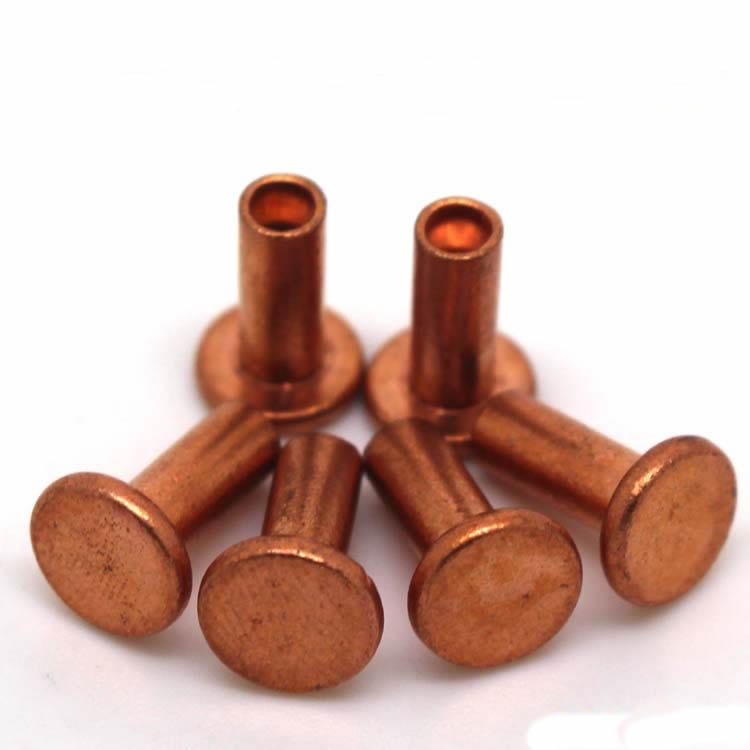
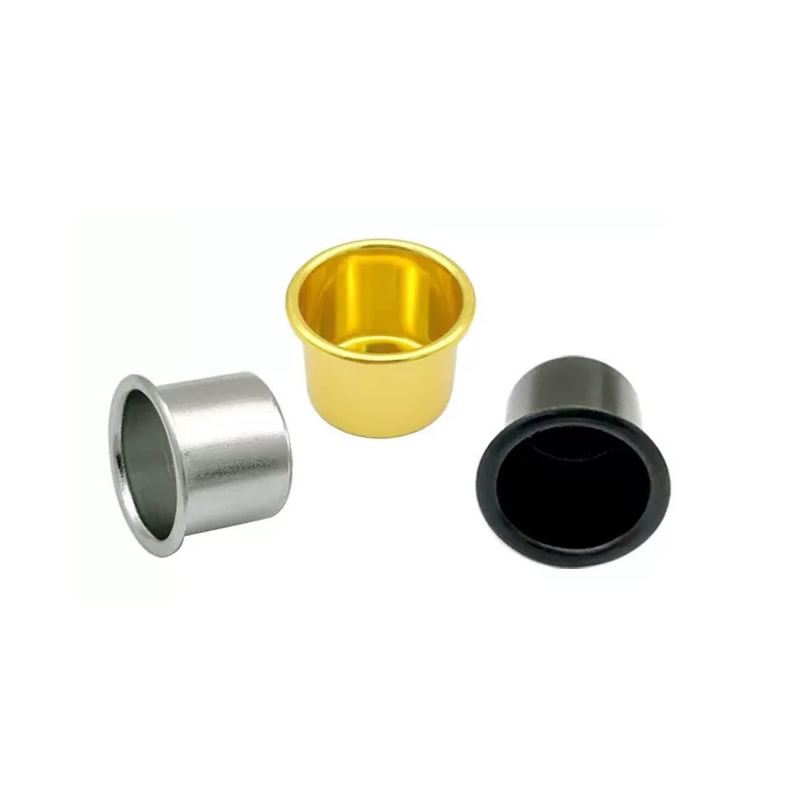
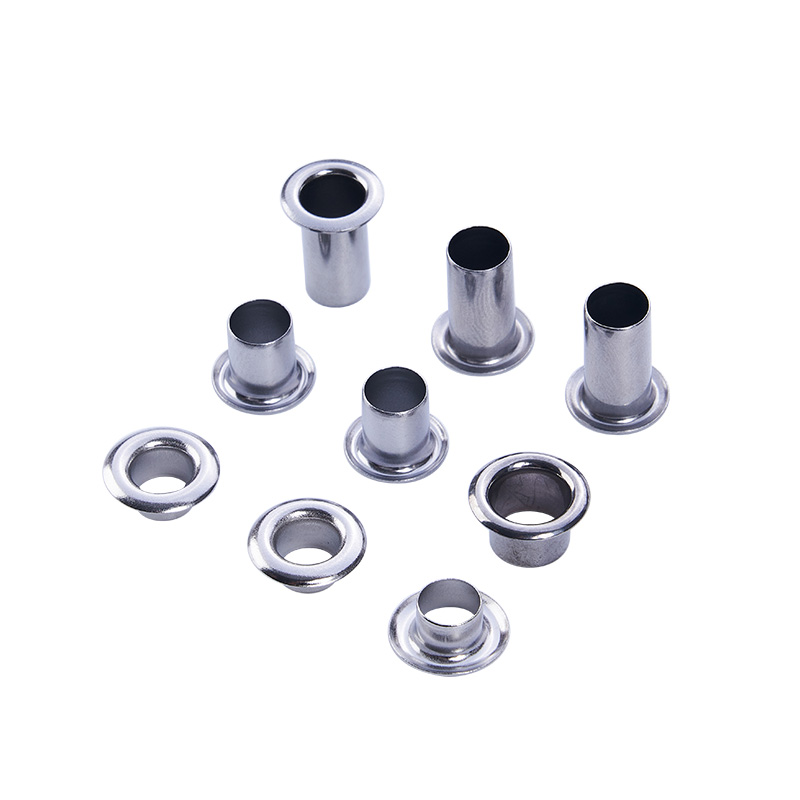
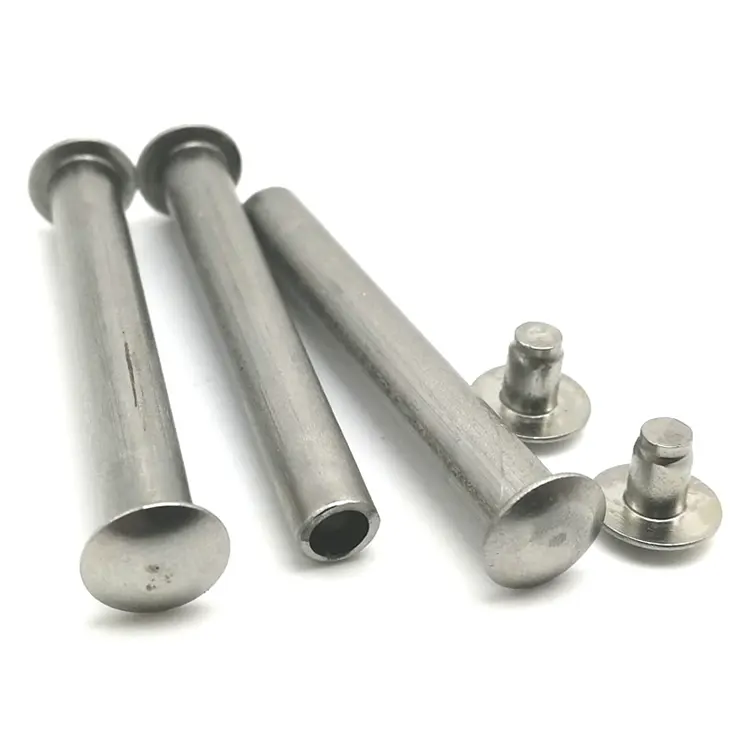
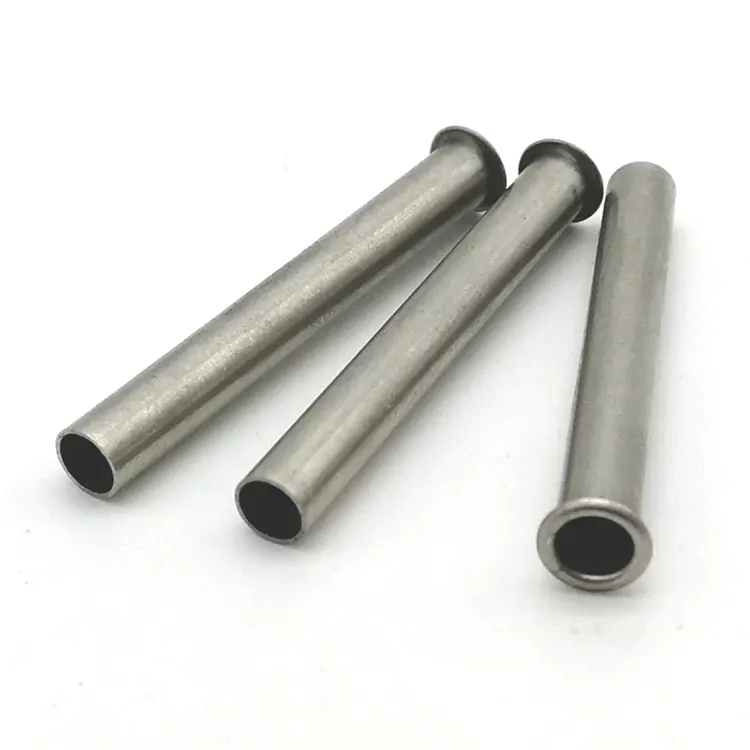
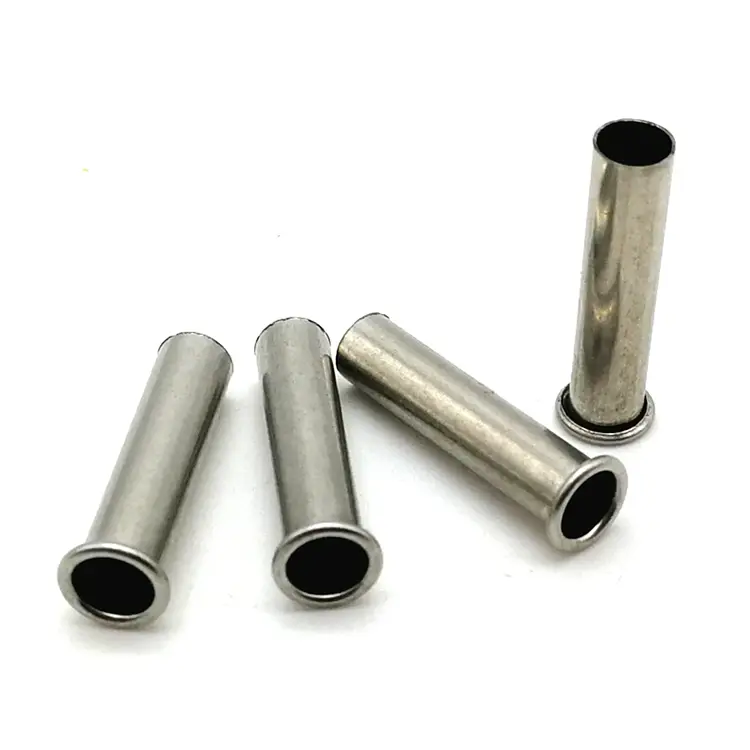
Stainless Steel Tubular Rivets
Stainless steel tubular rivets made by Nuote Metals, are designed to ensure a durable connecting in metal, plastic, and composite assemblies. Nuote Metals offers stainless steel hollow rivets from shank diameter 2.0mm to 10mm, they could be different thickness and length depending on your application.
Send Inquiry
Product Description
Stainless steel tubular rivets are fully hollow fasteners made from stainless steel tube stock. Unlike carbon steel tubular rivets that require plating to prevent rust, they are corrosion‑resistant by nature – the chromium oxide layer is self‑healing. Combine that with the low‑force installation of a hollow shaft, and you get a fastener that works in wet, outdoor, and corrosive environments without plating that can wear off.
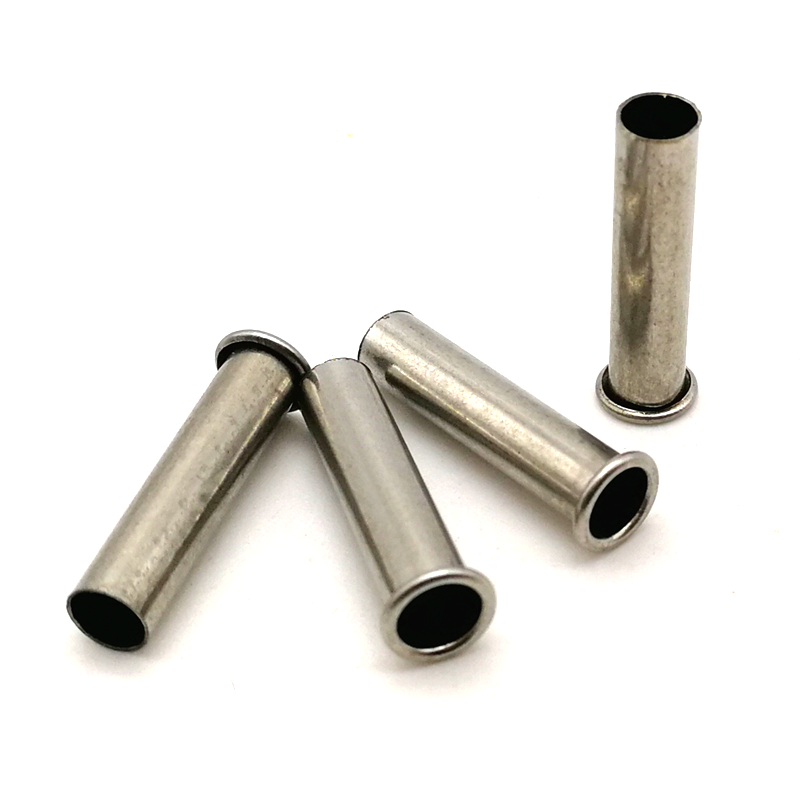
When your assembly is exposed to moisture, chemicals, or salt spray – and you need the low‑force installation of a hollow rivet – they are the answer.
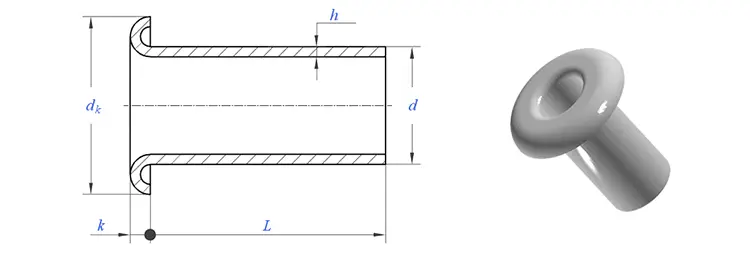
Stainless Steel Tubular vs. Drawn Eyelets – The Difference That Matters
| Feature | Stainless Steel Tubular Rivet | Stainless Steel Eyelet (Drawn) |
|---|---|---|
| Starting material | Stainless steel tube stock | Stainless steel sheet metal strip |
| Manufacturing process | Tube cutting + heading | Progressive deep drawing |
| Wall thickness | Uniform, consistent | Varies (thinner at barrel tip) |
| Inside diameter | Consistent, smooth | May vary |
| Corrosion resistance | Excellent – material itself | Excellent – material itself |
| Best for | Marine, outdoor, food, medical, chemical | Fabric, light‑duty, paper |
Choose stainless steel tubular rivets when: You need a hollow rivet that will not rust in wet or corrosive environments. Marine, outdoor, food equipment, medical, and chemical applications where corrosion resistance is non‑negotiable.
304 vs. 316 Stainless Steel – Which Grade Do You Need?
We manufacture them in two grades:
| Grade | Key Alloy | Salt Spray Resistance | Best For |
|---|---|---|---|
| 304 | 18% Cr, 8% Ni | 200 – 500 hours | General outdoor, rain, humidity, food contact |
| 316 | 16% Cr, 10% Ni, 2% Mo | 1,000+ hours | Marine, coastal, saltwater, chemical, acidic environments |
Choose 304 for general outdoor applications, food processing equipment, and industrial assemblies where salt exposure is limited.
Choose 316 for marine environments, coastal installations, chemical plants, and any application where chlorides or acids are present.
Head Styles – What We Offer
Stainless steel tubular rivets are available in three head styles:
| Head Style | Best For | Visual Profile |
|---|---|---|
| Round | Visible joints, general purpose | Classic dome |
| Flat | Clearance‑limited, low profile | Sits near flush |
| Countersunk | Flush surfaces, zero protrusion | Tapered, sits flush |
One Real Application – Outdoor BBQ Grill Assembly
A manufacturer of premium outdoor BBQ grills was using zinc‑plated carbon steel tubular rivets for hinge and panel assemblies. After one season of outdoor exposure, the plating wore off and the rivets rusted – customers complained, and warranty claims increased. The customer tried brass – no rust, but the brass tarnished and did not match the stainless steel finish of the grills. They needed a fastener that would not rust, would match the grill's stainless appearance, and would set with low force to avoid damaging the thin panels.
We supplied 304 stainless steel tubular rivets – 4.0mm shank, 7.5mm round head, 8.0mm barrel length, passivated finish. The 304 stainless provided 200–500 hours of salt spray resistance – more than enough for outdoor grills. The passivated surface matched the brushed stainless finish. The fully hollow shaft flared outward with minimal force – no panel distortion. The customer tested 500 rivets across 100 grills. After 18 months of outdoor exposure, zero rust, zero failures. They now order our tubular rivets in batches of 150,000 pieces annually.
How We Manufacture them – Tube Cutting + Heading
Stainless steel tubular rivets start as stainless steel tube stock. Stainless steel is harder to form than carbon steel and requires precise tooling.
1. Tube Stock Procurement – Certified 304 or 316 stainless steel tube from approved mills. Each batch comes with a mill test certificate and heat number.
2. Incoming Material Inspection – Tube stock checked for outside diameter (±0.02mm), wall thickness, and material composition (spectrometer). Tubes outside specification are rejected.
3. Tube Cutting – The tube is cut to precise blank length. Each blank becomes one rivet.
4. Heading – The cut tube blank is placed into a heading press. A carbide die forms the head (round, flat, or countersunk) on one end.
5. Trimming – Flash around the head edge is removed.
6. Tumbling – Micro‑burrs are eliminated.
7. Passivation – Removes free iron particles and restores the chromium oxide layer. Included at no extra charge.
8. Final Inspection – 100% optical sorting. AQL sample manually verified. Dimensional report, material certificate, passivation certificate, and Certificate of Conformance issued.
Sample lead time: 5–7 days standard; custom tooling: 15–20 days.
Passivation – Why It Matters for Stainless Steel Rivets
Stainless steel does not rust – but during manufacturing, microscopic particles of free iron can transfer from tooling onto the surface. These particles can rust, creating red stains on your product – even though the rivet itself is stainless.
Passivation removes these free iron particles and restores the true corrosion‑resistant surface. Without it, your “stainless” rivets may still show rust stains.
We include passivation as standard on every batch of our tubular rivets at no extra charge.
Our In‑House Inspection Equipment

We maintain a full set of calibrated inspection equipment to verify every batch of stainless steel tubular rivets:
| Equipment | Purpose |
|---|---|
| Laser micrometer | Shank diameter measurement (±0.02mm) |
| Optical comparator | Head diameter, height, and profile inspection |
| 2.5D image measuring system | Wall thickness and concentricity verification |
| Rockwell hardness tester | Raw material hardness verification |
| Spectrometer | Material composition verification (304/316 grade) |
| Salt spray test chamber | Corrosion resistance testing (ASTM B117) when required |
| XRF thickness gauge | Passivation verification |
All equipment is calibrated annually by accredited third‑party labs. Inspection records are retained for five years.
Our Certifications – Proof of Quality
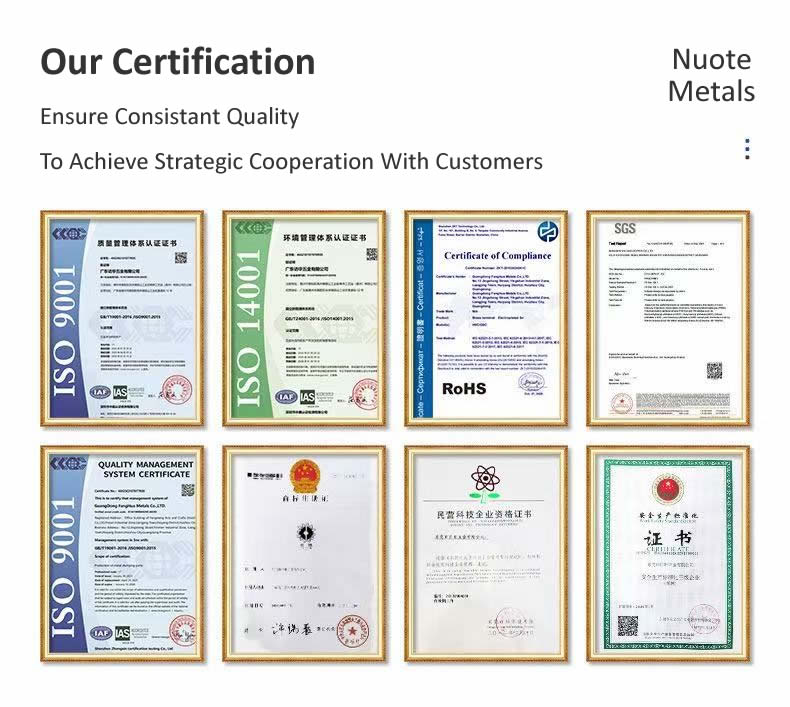
We maintain full traceability and quality documentation for every batch of tubular rivets:
- ISO 9001:2015 – Certified quality management system
- RoHS compliance – Verified by SGS third‑party testing
- REACH compliance – Current SVHC declaration
- SGS test reports – Available upon request for specific batches
- Material certificates – Mill test certificates traceable to original coil
All certifications and test reports are available for download or upon request. We believe in full transparency – what we claim, we can prove.
Three Questions We Answer Often
Q: “What is the difference between 304 and 316 stainless steel tubular rivets – which one should I choose?”
A: The difference is molybdenum content. 316 contains 2–3% molybdenum, which provides superior resistance to chlorides (saltwater, de‑icing salts, bleach). 304 offers excellent general corrosion resistance but can pit in prolonged saltwater exposure. Choose 304 for general outdoor use – rain, sun, humidity, food contact. Choose 316 for marine environments, coastal installations, chemical plants, and any application where salt spray is present. For the BBQ grill case above, 304 was sufficient because the grills were used outdoors but not in continuous saltwater exposure.
Q: “Do they need to be plated to prevent rust?”
A: No – stainless steel is corrosion‑resistant by nature and does not require plating. The chromium content forms a passive oxide layer that self‑heals if scratched. We recommend passivation (included as standard) to remove any free iron from the surface and ensure maximum corrosion resistance. No zinc, nickel, or other plating is needed.
Q: “Where are they commonly used?”
A: Stainless steel tubular rivets are used across a wide range of industries where corrosion resistance is critical:
| Application | Recommended Grade | Why |
|---|---|---|
| Outdoor BBQ grills and smokers | 304 | Moisture, heat, food contact, no rust |
| Marine canvas and boat covers | 316 | Saltwater exposure, permanent corrosion protection |
| Food processing equipment | 304 | Washdown environments, hygiene, corrosion resistance |
| Medical devices and equipment | 304/316 | Sterilization, corrosion resistance, hygiene |
| Chemical plant assemblies | 316 | Chemical exposure, acid resistance |
| Outdoor furniture and fixtures | 304 | Rain, humidity, UV exposure |
| Architectural hardware | 304/316 | Exterior exposure, long‑term durability |
For the BBQ grill case above, 304 stainless steel tubular rivets were the right choice – they provided the corrosion resistance needed for outdoor use at a cost‑effective price point, with passivation ensuring maximum protection.
Hot Tags: Stainless Steel Tubular Rivets,Stainless Steel Tubular Rivets Manufacturer,China Stainless Steel Tubular Rivets Manufacturer
Related Categories
Send Inquiry
Please feel free to fill your inquiry in the form below. We will reply you in 24 hours.



X
We use cookies to offer you a better browsing experience, analyze site traffic and personalize content. By using this site, you agree to our use of cookies.
Privacy Policy