Products
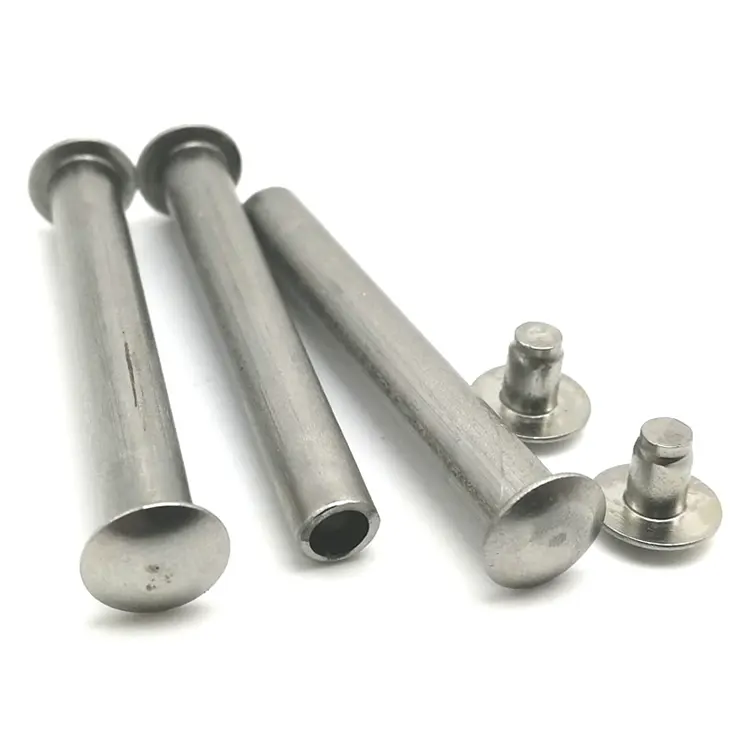
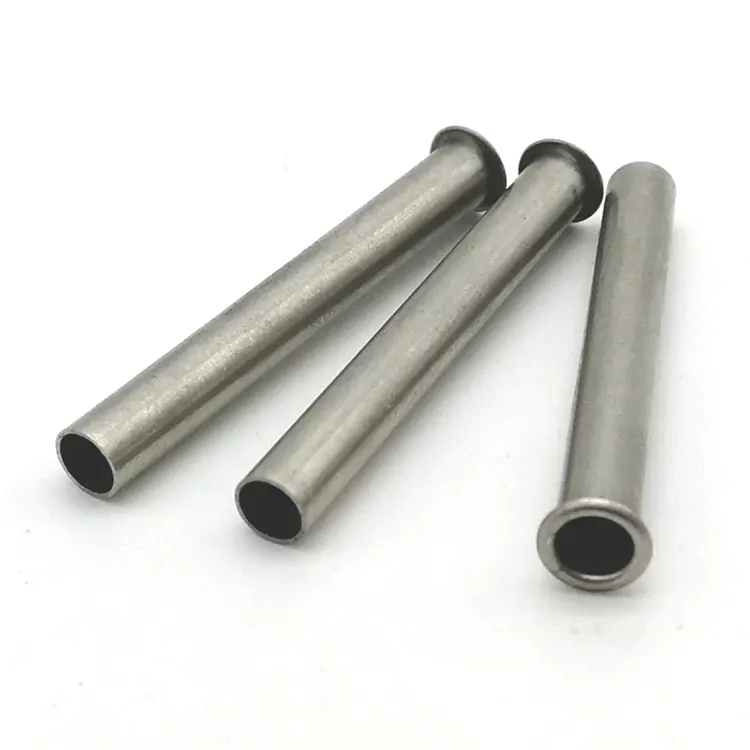
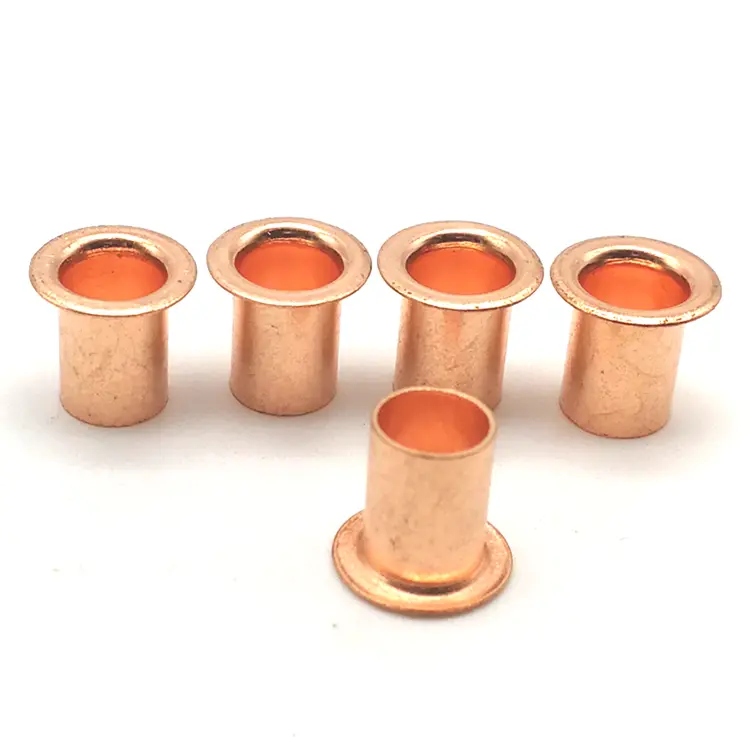
Copper Tubular Rivets
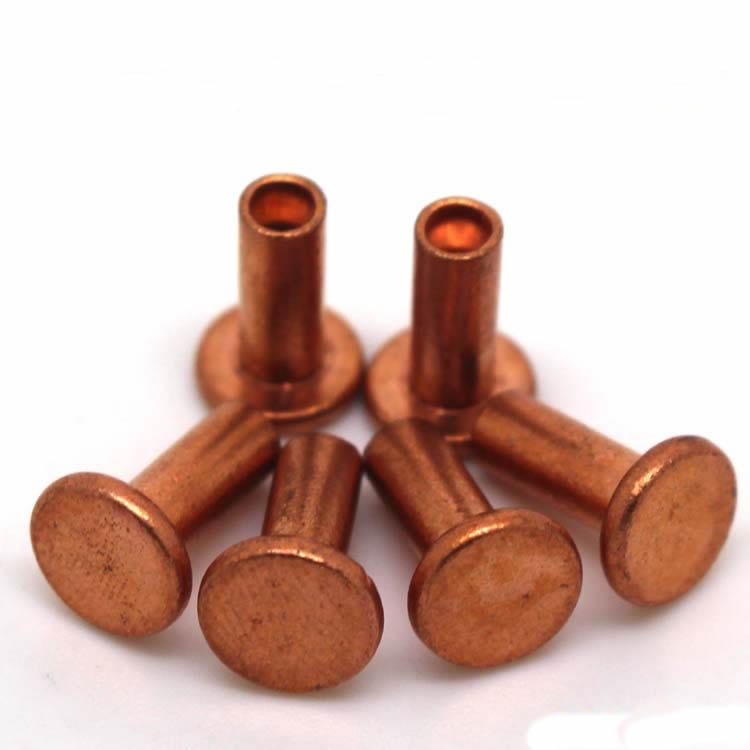
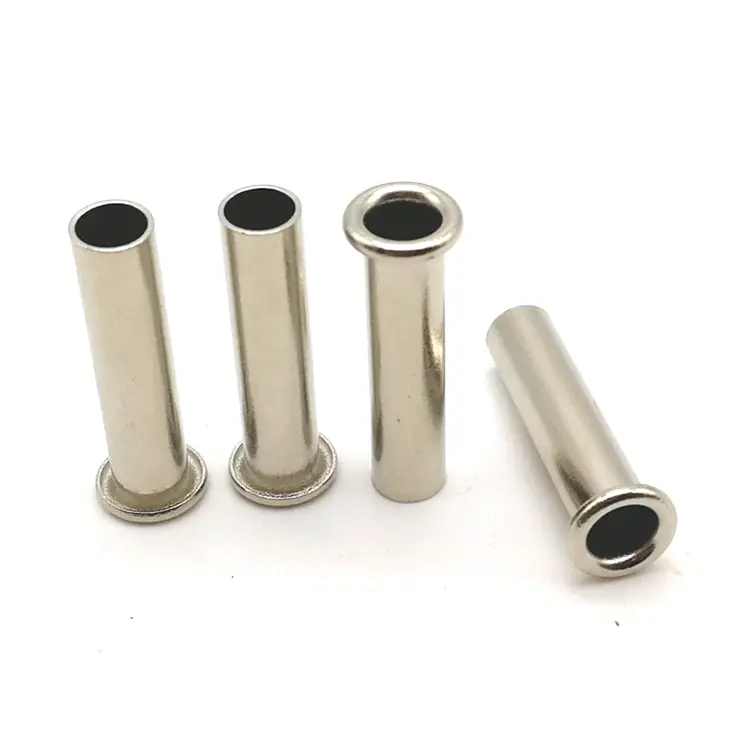
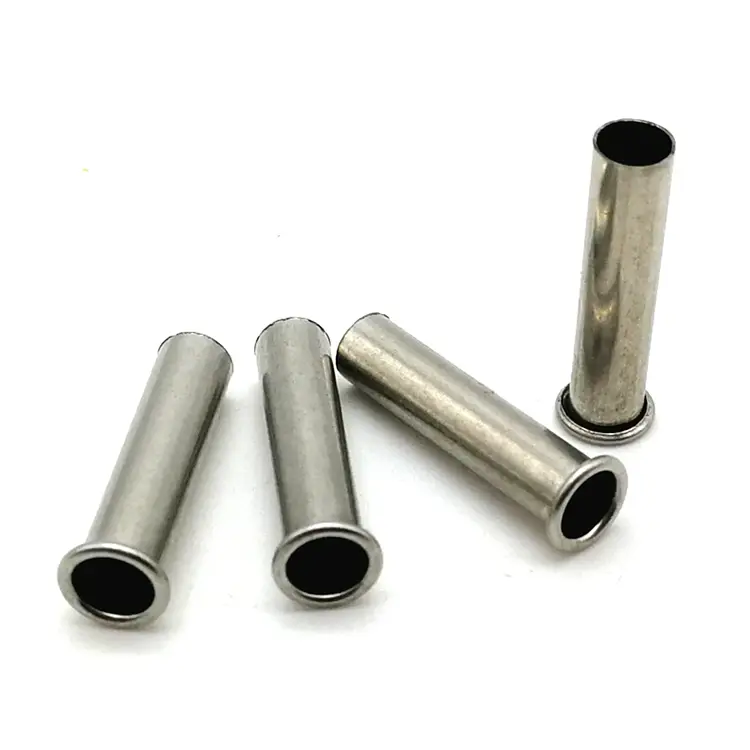
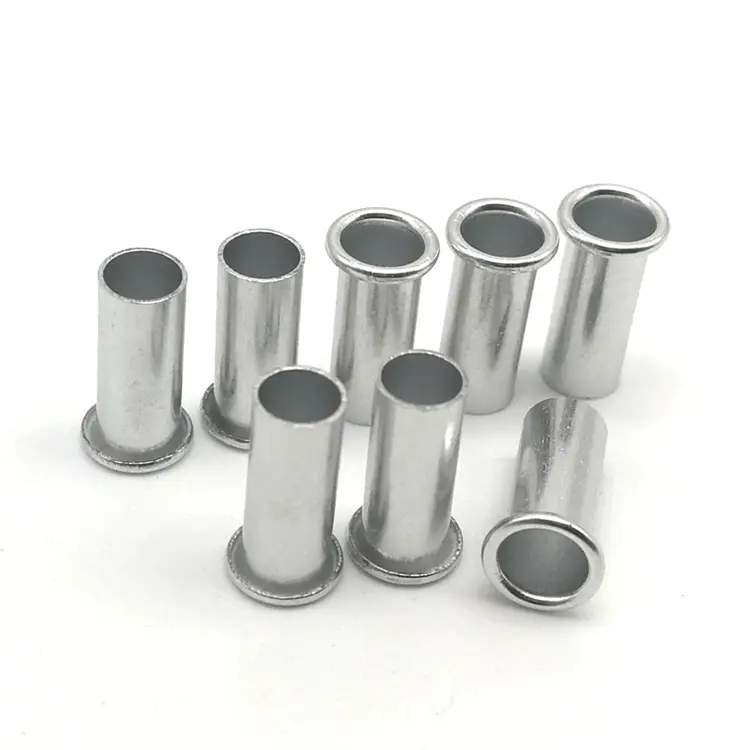
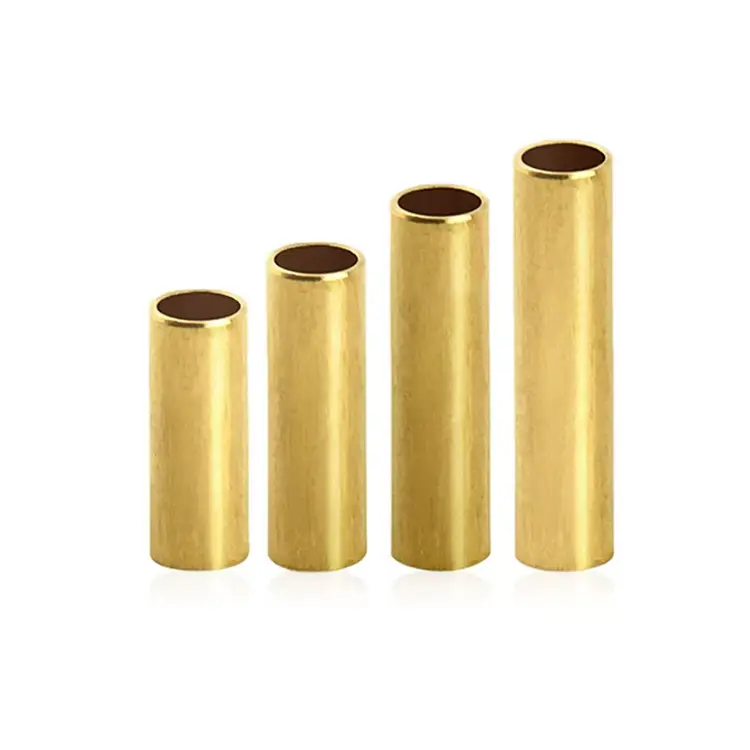
Nuote Metals supplies copper tubular rivets – fully hollow fasteners made from C11000 pure copper tube stock, combining 100% IACS electrical conductivity with the low‑force installation of a hollow shaft. Available in 2.0–15.0mm shank diameters, round, flat, and countersunk heads.
Send Inquiry
Product Description
Copper tubular rivets are fully hollow fasteners made from C11000 pure copper tube stock. Copper offers the highest electrical and thermal conductivity of any common rivet material – 100% IACS – and is naturally antimicrobial. Combine these properties with the low‑force installation of a hollow shaft, and you get a fastener that can carry current, transfer heat, and resist bacteria – all while setting with minimal force.
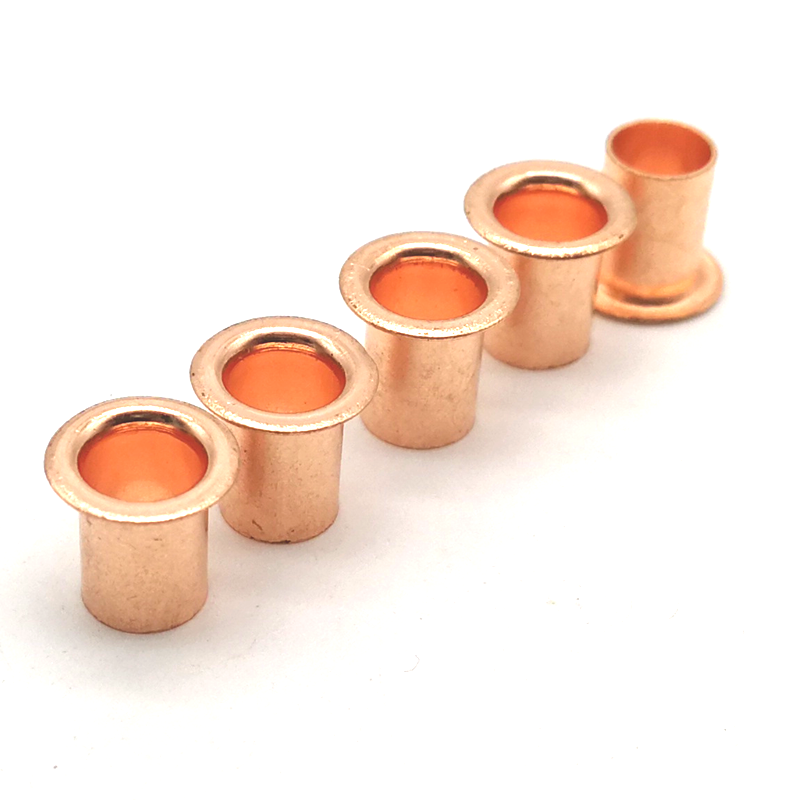
When your assembly needs to conduct electricity, move heat, or maintain a hygienic surface – They are the engineered answer.
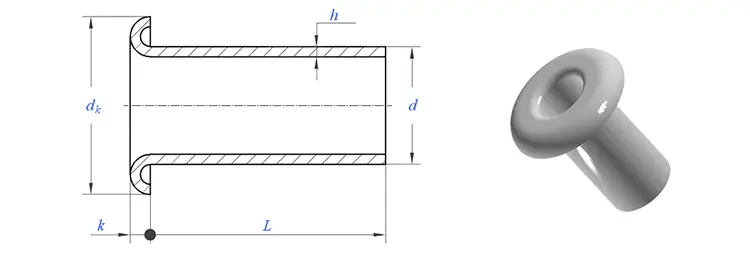
Copper vs. Brass – The Conductivity Comparison
| Feature | Copper Tubular Rivet | Brass Tubular Rivet |
|---|---|---|
| Electrical conductivity | 100% IACS | ~28% IACS |
| Thermal conductivity | 401 W/m·K | ~120 W/m·K |
| Antimicrobial | Yes | Yes (limited) |
| Corrosion resistance | Excellent (patina) | Good |
| Magnetic | Non‑magnetic | Non‑magnetic |
| Appearance | Reddish‑orange, warm | Gold, classic |
| Best for | Electrical, thermal, antimicrobial applications | Decorative, general purpos |
Choose copper when: The rivet must carry electrical current. The assembly needs to transfer heat. Antimicrobial properties are required. You need the highest conductivity available in a hollow fastener.
C11000 Copper – Material Properties
We manufacture them from C11000 pure copper:
| Property | C11000 Copper |
|---|---|
| Copper content | ≥99.9% |
| Electrical conductivity | 100% IACS |
| Thermal conductivity | 401 W/m·K |
| Antimicrobial | Naturally kills 99.9% of bacteria within hours |
| Corrosion resistance | Excellent – forms protective patina |
| Key advantage | Highest conductivity of any common fastener material |
Head Styles – What We Offer
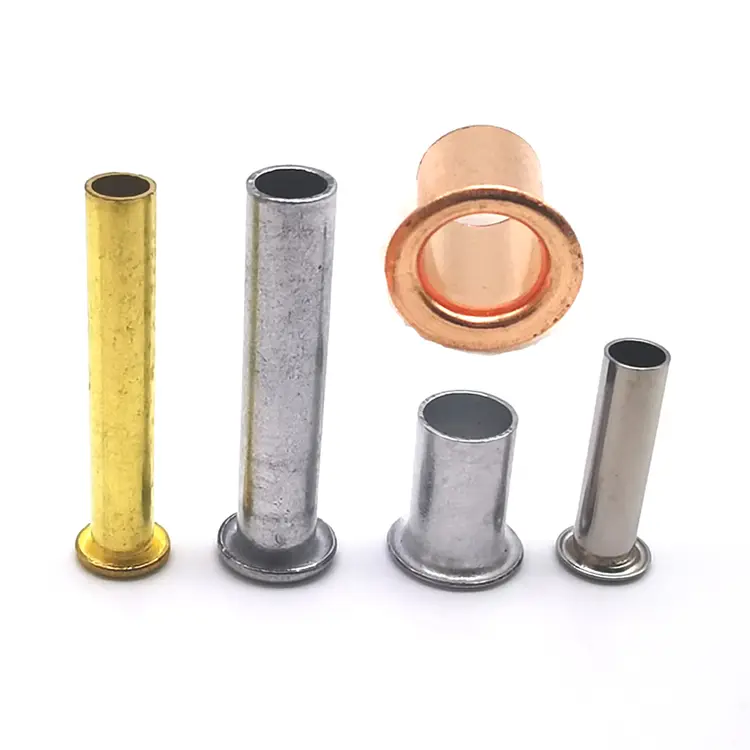
Copper tubular rivets are available in three head styles:
| Head Style | Best For | Visual Profile |
|---|---|---|
| Round | Visible joints, general purpose | Classic dome |
| Flat | Clearance‑limited, low profile | Sits near flush |
| Countersunk | Flush surfaces, zero protrusion | Tapered, sits flush |
One Real Application – Electrical Grounding Busbar Connection
A manufacturer of electrical distribution equipment needed a conductive, permanent fastener for grounding busbar connections. The previous brass rivets provided ~28% IACS conductivity – not enough for the high‑current application. Solid copper rivets provided 100% IACS but required high setting force that occasionally damaged the busbar insulation. The customer needed the conductivity of copper with the low‑force installation of a hollow rivet.
We supplied C11000 copper tubular rivets – 6.0mm shank, 11.0mm round head, 12.0mm barrel length, plain finish. The 100% IACS copper delivered the electrical performance required. The fully hollow shaft flared outward with minimal force – no damage to the busbar insulation. The natural copper surface formed a protective patina over time. The customer tested 500 rivets across 100 busbar assemblies. After 5,000 thermal cycles and vibration testing, zero conductivity loss, zero failures. They now order our rivets in batches of 100,000 pieces annually.
How We Manufacture Them – Tube Cutting + Heading
Copper tubular rivets start as copper tube stock. Copper is soft and ductile, making it ideal for tube‑based manufacturing.
1. Tube Stock Procurement – Certified C11000 copper tube from approved mills. Each batch comes with a mill test certificate and heat number.
2. Incoming Material Inspection – Tube stock checked for outside diameter (±0.02mm), wall thickness, and material composition (spectrometer). Tubes outside specification are rejected.
3. Tube Cutting – The tube is cut to precise blank length. Each blank becomes one rivet.
4. Heading – The cut tube blank is placed into a heading press. A carbide die forms the head (round, flat, or countersunk) on one end.
5. Trimming – Flash around the head edge is removed.
6. Tumbling – Micro‑burrs are eliminated.
7. Final Inspection – 100% optical sorting. AQL sample manually verified. Dimensional report, material certificate, and Certificate of Conformance issued.
Sample lead time: 5–7 days standard; custom tooling: 15–20 days.
Our Quality Control Process
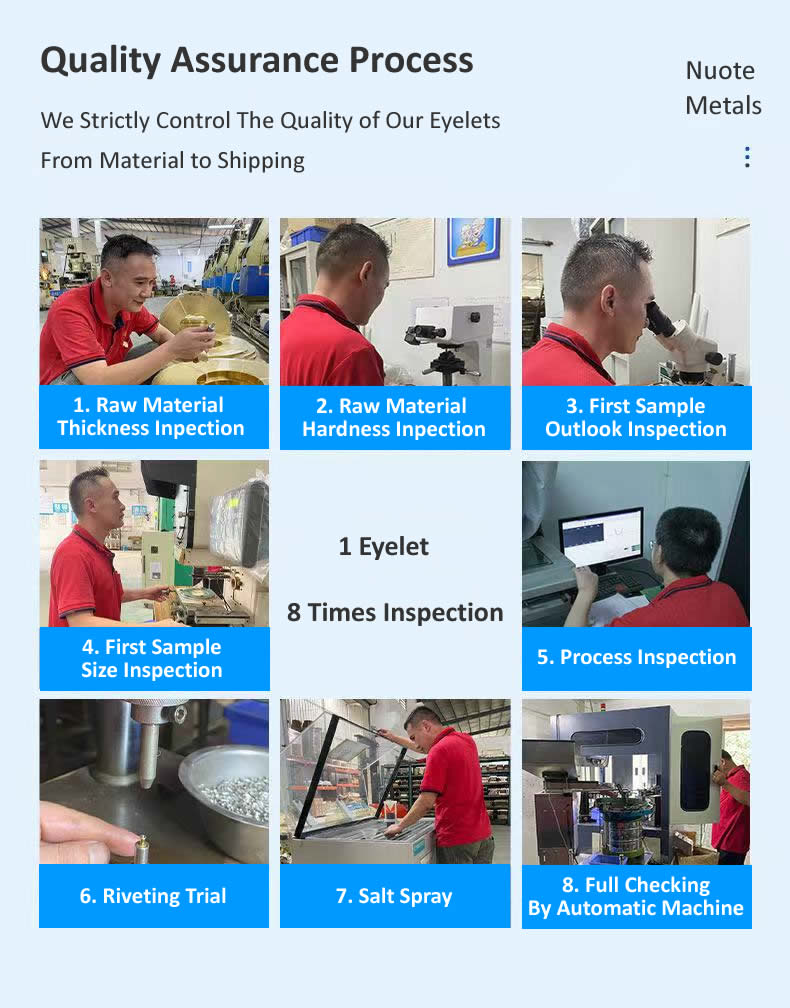
We follow a layered inspection system for every batch of copper tubular rivets – from incoming material to finished product.
Incoming material inspection – Tube stock is checked for outside diameter, wall thickness, and material composition. Spectrometer verifies C11000 copper grade (≥99.9%). Any material outside specification is rejected before it reaches the production floor.
Setup and first-off inspection – When tooling is installed, the first 10 rivets are examined under magnification for surface defects. Every dimension – head diameter, head height, shank diameter, barrel length, and wall thickness – is measured on an optical comparator. The batch cannot proceed unless all dimensions match the drawing.
In-process monitoring – During mass production, operators pull 5 rivets every 500 pieces. Critical dimensions are checked with digital calipers. Any drift beyond tolerance triggers an immediate press stop and tooling adjustment.
Clinch verification – Every 2,000 pieces, we set 3 rivets into a sample of your actual material. The rolled clinch is inspected for symmetry, tightness, and crack‑free formation. This confirms the rivet performs correctly in your assembly.
Corrosion testing (if required) – For outdoor or marine applications, samples are placed in our salt spray chamber per ASTM B117. A certificate is issued with the batch.
Final outgoing inspection – Every rivet passes through an optical sorting machine with high‑speed cameras. Rejects are automatically ejected. After sorting, a random AQL sample (Level II, 1.0) is manually verified.
All inspection records are retained for five years and included with every shipment. If a field issue ever occurs, we can trace the batch and pull the full file.
What Our Customers Say – Real Feedback
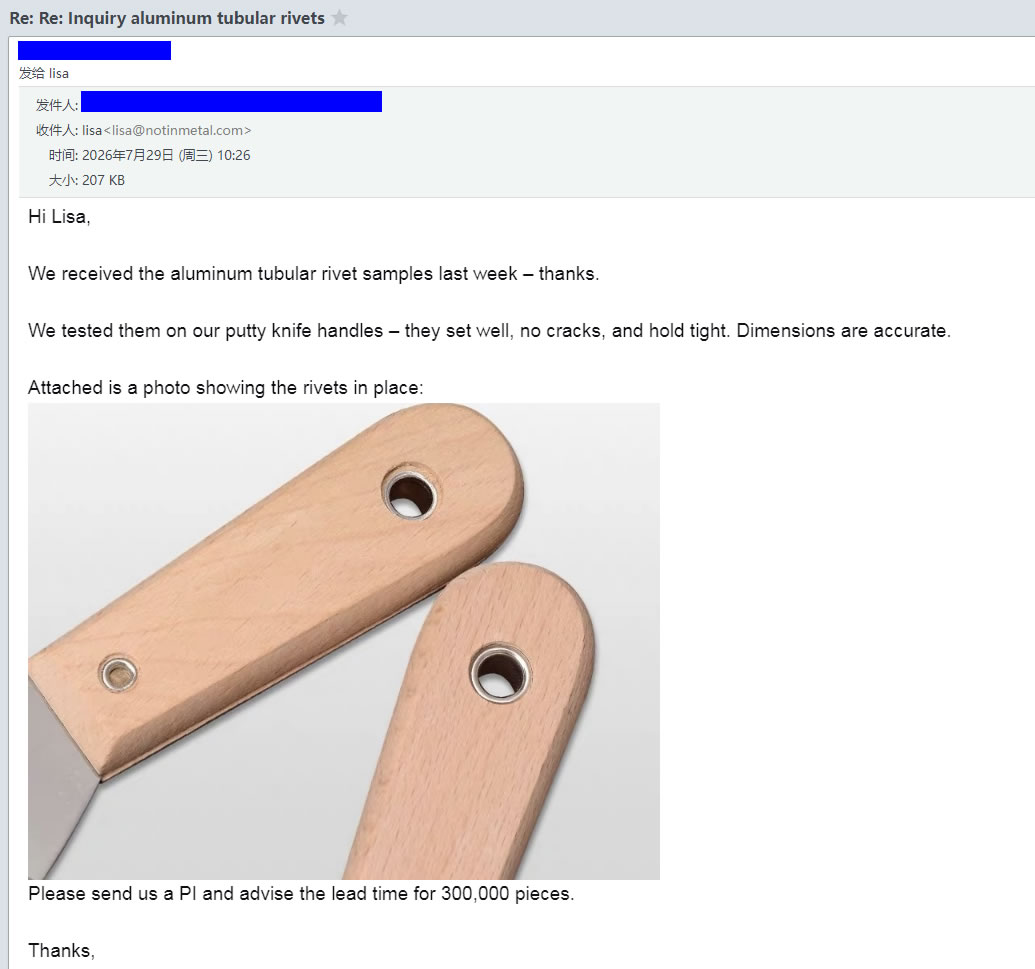
We let our customers speak for us. The images above show real feedback from manufacturers who have used our tubular rivets in their production lines – from electrical equipment builders to marine hardware suppliers to food equipment manufacturers.
We maintain full traceability and quality documentation for every batch:
- Material certificates – Mill test certificates traceable to original coil
- Dimensional inspection reports – Actual measurements from every batch
- Conductivity test reports – IACS verification (if requested)
- Certificate of Conformance – Signed, batch‑traceable
Three Questions We Answer Often
Q: "Why choose copper tubular rivets over brass tubular rivets for electrical applications?"
A: Copper offers 100% IACS conductivity; brass offers ~28%. If your rivet must carry current, copper is the right choice. Brass is harder and offers better wear resistance for mechanical applications – but for electrical conductivity, thermal conductivity, or antimicrobial requirements, copper wins every time. For the busbar case above, the customer needed 100% IACS conductivity, so copper was the only choice.
Q: "Do they corrode? Why do they change colour?"
A: Copper does not rust – it forms a protective patina over time. This patina actually protects the underlying metal, extending its life in outdoor environments. The colour change from bright red to dark brown or green is cosmetic and does not affect mechanical or electrical performance. If you need to maintain a bright finish, specify tumbled (bright) or lacquered copper tubular rivets. For the busbar case above, the customer chose a plain finish because the patina was acceptable in the indoor electrical enclosure.
Q: "Where are they commonly used?"
A: They are used across a wide range of industries where conductivity or antimicrobial properties are critical:
| Application | Why Copper |
|---|---|
| Electrical grounding busbars | 100% IACS conductivity, permanent connection |
| Circuit board connections | High conductivity, low resistance, hollow design |
| Heat sink assemblies | 401 W/m·K thermal conductivity |
| Marine electrical systems | Corrosion resistance, conductivity, no rust |
| Food equipment | Antimicrobial, hygienic, corrosion resistance |
| Antimicrobial surfaces | Kills 99.9% of bacteria within hours |
| Decorative and architectural | Warm appearance, develops attractive patina |
For the busbar case above, copper tubular rivets were the right choice – they delivered 100% IACS conductivity with low‑force installation, eliminating the damage caused by solid copper rivets.
Hot Tags: Copper Tubular Rivets,Copper Tubular Rivets Manufacturer,China Copper Tubular Rivets Manufacturer
Product Tag
Related Categories
Send Inquiry
Please feel free to fill your inquiry in the form below. We will reply you in 24 hours.



X
We use cookies to offer you a better browsing experience, analyze site traffic and personalize content. By using this site, you agree to our use of cookies.
Privacy Policy