
What Makes a Good Turning Component?
Walk into any machine shop, and the sound you’ll hear first is usually the high whine of a lathe. That’s the sound of making Turning Components. Shafts, spacers, bushings, threaded rods—if it’s round and it needs to be precise, it was probably turned. The “turning” part means the material spins, and a stationary cutting tool shaves away what isn't needed. Good Turning Components aren’t just the right shape; they’re perfectly consistent. The thousandth part needs to be identical to the first.
From Bar to Part: My View from the Lathe
I’m Mark, and I’ve been running CNC lathes for about sixteen years. My day starts with a blueprint or a CAD file. A customer needs a batch of Turning Components , maybe for a hydraulic pump or an electric motor. My job is to turn that drawing into a box of finished parts.
The first step is always setup. I choose the right material, steel, aluminum, brass, and load a round bar into the lathe’s chuck. Then I set up the tools. I load roughing tools, finishing tools, threading tools, and grooving tools into the turret. Each one has a specific job. This setup is everything. If a tool is off by even a tiny bit, the whole batch will be wrong. I take my time.
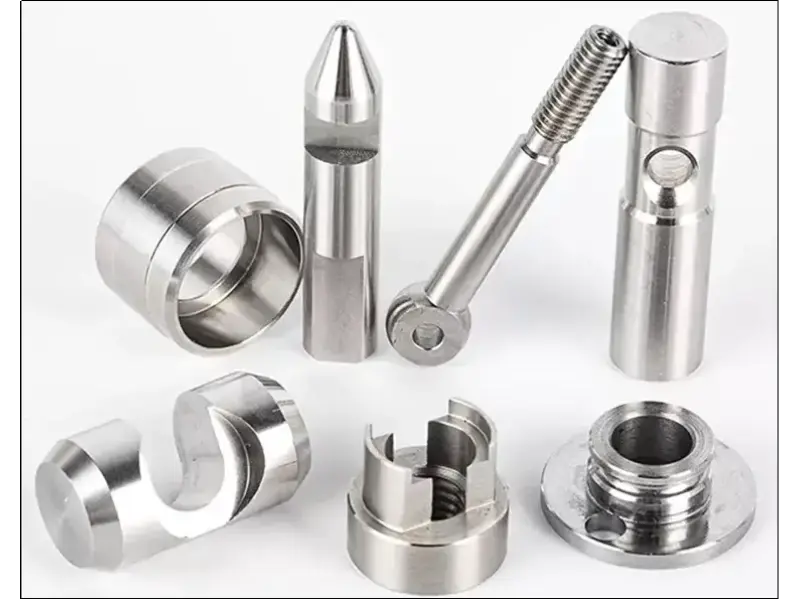
Then I run the first part. I do it slowly, one step at a time, watching each cut. When it’s done, I take it off the machine. This first part is my proof. I measure every dimension: diameters with micrometers, lengths with calipers, threads with thread gauges. If this first Turning Component isn’t perfect, I adjust the offsets in the machine’s control. Only when it’s spot-on do I let the machine run the full program automatically.
Once it’s running, the lathe does the work, but I don’t walk away. I listen. Cutting steel has a steady, sharp sound. Aluminum is a higher-pitched whine. If the sound changes—gets rougher or starts chattering, it usually means a tool is getting dull and needs to be changed before it ruins the surface finish. I also check parts regularly. I might pull one out every thirty pieces to measure a critical diameter or check a thread.
The finish on a part tells you a lot. A smooth, shiny surface means the speeds, feeds, and tool were all right. A rough or streaky finish means something was off. Sometimes, getting that perfect finish is the hardest part of making a good Turning Component .
We make all kinds. Sometimes it’s a simple spacer, just a piece of aluminum tube cut to length. Other times, it’s a complex shaft with multiple diameters, grooves for seals, and fine threads. The process is the same, but the attention to detail is what makes the difference.
At the end of a run, there’s a box full of identical Turning Components . That’s the goal. When they leave my bench, I know they’ll fit and work exactly as designed. There’s a quiet satisfaction in that. You start with a plain bar of metal and end with a part that has a purpose. That’s what turning is all about.
Previous:Why Do We Use Eyelet Steel?
Send Inquiry



X
We use cookies to offer you a better browsing experience, analyze site traffic and personalize content. By using this site, you agree to our use of cookies.
Privacy Policy