
Saudi Client Visits Nuote Metals – Strengthening Partnership on Aluminum Semi‑Tubular Rivets and Brass Eyelets
A Long‑Standing Partner, A Personal Visit
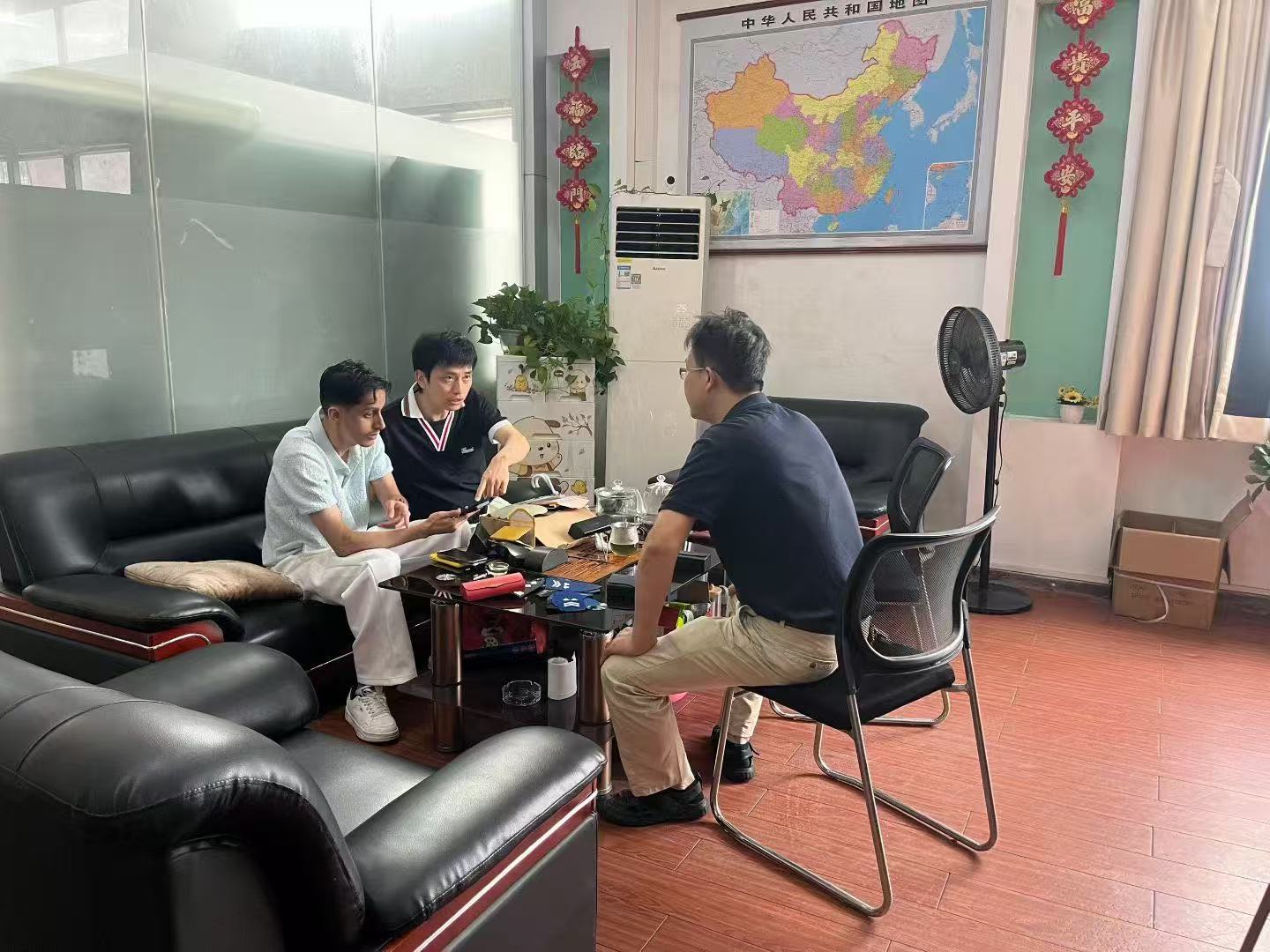
On July 13, 2026, Nuote Metals received a valued client from Saudi Arabia at our Dongguan factory. This was not a first‑time meeting—the client has been a regular buyer of our aluminum semi‑tubular rivets and brass eyelets for over two years. This time, while on a business trip to China, they made a special stop to visit our facility in person.
The client told our team: “We have been ordering from you for years. Now we want to see the people and the machines behind the products.”
Products That Built the Partnership
The client’s core purchases from Nuote Metals fall into two categories:
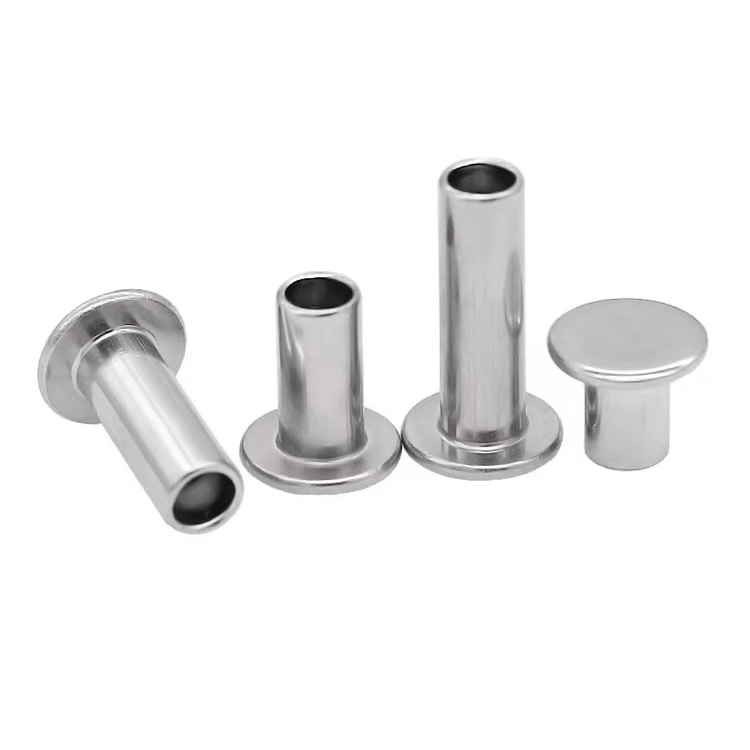
1. Aluminum Semi‑Tubular Rivets
Material: 5052 aluminum alloy – lightweight and corrosion‑resistant
Applications: Electronic appliance housings, automotive interior trim, and light structural assemblies
Key advantage: Semi‑hollow shank design reduces setting force while maintaining strong fastening
2. Brass Eyelets
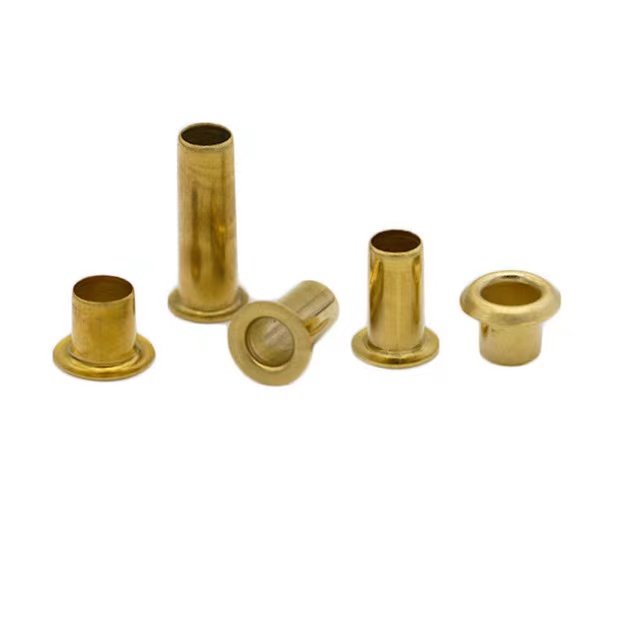
Material: C26800 yellow brass (CuZn36) – excellent formability and corrosion resistance
Applications: PCB mounting holes, cable harness strain relief, fabric reinforcement, and decorative hardware
Key advantage: Good electrical conductivity, ductility for flaring without cracking, and attractive golden finish
The client currently orders approximately 300,000–500,000 pieces per year across both product lines, with mixed sizes and custom lengths.
Factory Tour – From Raw Material to Finished Parts
The client spent a full day touring our production floor. The visit covered:
Raw material receiving and verification
We showed the client our incoming material inspection process – mill test certificates are checked against chemical composition and mechanical properties for every coil of aluminum and brass.
Cold heading and deep drawing lines
Aluminum semi‑tubular rivets are produced on high‑speed cold‑heading machines, with automatic feeding and trimming to ensure burr‑free shank ends.
Brass eyelets are manufactured through deep drawing, a multi‑stage process that gradually forms the hollow barrel from flat brass strip. The client observed the tooling setup and die maintenance procedures.
100% optical sorting
Every part passes through an optical inspection system that checks outer diameter, length, head height, and surface defects. Reject rate for this client’s previous orders averaged 0.12% – well below our 0.3% internal target.
Packaging and labeling
Each batch is sealed in moisture‑proof bags, packed into five‑layer cartons, and labeled with lot numbers for full traceability.
The client commented: “Your online product data matched exactly what we saw on the floor. That consistency is rare.”
Quality Systems – What the Client Reviewed
During the visit, the client requested to see our documentation and test records for their own previous orders. We provided:
- ISO 9001:2015 certificate (TÜV SÜD) – active through 2027
- Batch‑specific mill test certificates for aluminum rod and brass strip
- Dimensional inspection reports from their last three shipments (all within ±0.05mm tolerance)
- Salt spray test records (48 hours, ASTM B117) for brass eyelets
- Pull‑out force test data for aluminum semi‑tubular rivets (≥800 N for 6mm shank)
The client spent over an hour in our QC lab, watching our technicians perform live measurements on samples pulled from current production. They confirmed that our inspection methods align with their own internal supplier audit checklist.
Beyond the Tour – Discussing Future Cooperation
The visit was not just about looking back—it was about looking forward. During the meeting, the client shared their upcoming project pipeline:
Increased demand for aluminum semi‑tubular rivets in 6×25mm and 6×42mm sizes for a new electronics enclosure line
A new requirement for brass eyelets with tin plating for improved solderability on PCBs
Potential consolidation of multiple supplier orders into larger, single‑source shipments to reduce logistics costs
We provided updated quotations on the spot, with fixed pricing for 90 days and transparent lead times (15–20 days for standard sizes, 25–30 days for custom plating).
The client confirmed: “We plan to double our order volume with Nuote Metals in the coming year. This visit has given us full confidence.”
FAQ – Saudi Client Visit & Our Products
Q1: Why did a long‑term client choose to visit your factory in person?
A1: The client has been purchasing aluminum semi‑tubular rivets and brass eyelets from Nuote Metals for over two years, entirely through remote communication. When they planned a business trip to China, they decided to visit our Dongguan factory to see our production capabilities, quality control systems, and team firsthand. Factory visits are common for serious buyers—they verify that the supplier’s actual operations match their online and documentary claims. We welcome similar visits from any client, whether new or existing, from any region.
Q2: What makes your aluminum semi‑tubular rivets different from full tubular or solid rivets?
A2: Semi‑tubular rivets have a partial hole at the shank end, which reduces the force required for setting compared to solid rivets. This makes them ideal for automated assembly lines and softer materials like aluminum or plastic. Our aluminum semi‑tubular rivets are made from 5052 alloy, offering good corrosion resistance and light weight. They are commonly used in electronics, automotive interiors, and light structural applications. Full tubular rivets have a through‑hole and are used where a hollow passage is needed. Solid rivets require more setting force and are typically used in heavy‑duty structural joints. We produce all three types—clients choose based on their assembly method and strength requirements.
Q3: Can I request a factory visit like this Saudi client did?
A3: Absolutely. We welcome visits from any serious buyer, regardless of country or order size. Our standard factory tour covers production lines, QC labs, raw material storage, and packaging areas. We also provide live testing of samples upon request. We have hosted clients from the US, Brazil, Germany, Turkey, Japan, and now Saudi Arabia in the past year. If you are planning a trip to China, simply contact us at least one week in advance to schedule. We provide local transportation and a dedicated meeting space. No purchase commitment is required—we believe transparency builds trust.
Q4: Do you offer samples for aluminum semi‑tubular rivets and brass eyelets before ordering?
A4: Yes. Free samples from stock are available for both aluminum semi‑tubular rivets and brass eyelets—you pay only express shipping (typically US$40–US$70 worldwide). Each sample pack includes 50–100 pieces, a material certificate, a dimensional inspection sheet, and relevant test data (pull‑out force for rivets, salt spray for eyelets). For custom sizes or plating not in stock, we charge a one‑time tooling fee (US$200–US$450), which is fully refundable against a production order of 50,000 pieces or more. The Saudi client originally started with samples two years ago—that first order grew into the long‑term partnership we have today.
Send Inquiry



X
We use cookies to offer you a better browsing experience, analyze site traffic and personalize content. By using this site, you agree to our use of cookies.
Privacy Policy