
Why Is Stamping Small Parts Crucial for Modern Manufacturing
Stamping small parts has become a cornerstone in modern manufacturing, offering precision, efficiency, and cost-effectiveness. This article explores the processes, materials, benefits, and applications of stamping small parts, highlighting how Nuote is shaping the industry. Readers will gain insights into advanced techniques, quality considerations, and practical tips for integrating stamping solutions into their production lines.
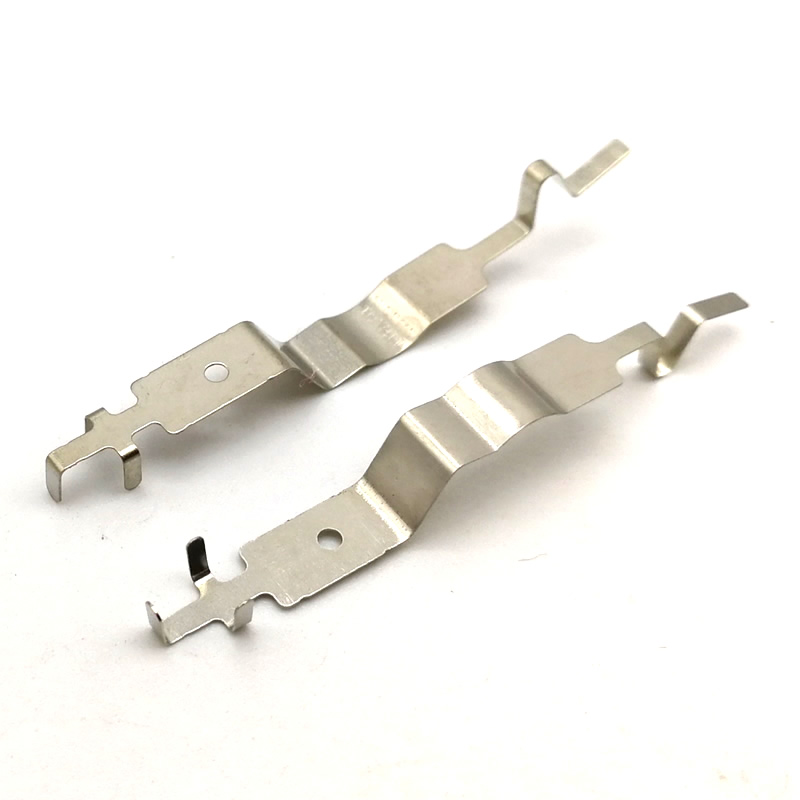
Table of Contents
Introduction to Stamping Small Parts
In the fast-paced world of manufacturing, stamping small parts plays a pivotal role in producing high-precision components with remarkable consistency. Nuote has been at the forefront of providing innovative stamping solutions, ensuring that industries ranging from automotive to electronics receive reliable parts that meet strict standards.
Materials Used in Stamping Small Parts
Choosing the right material is essential for efficient stamping. Commonly used materials include:
- Stainless Steel: Offers high corrosion resistance and durability.
- Aluminum: Lightweight and easy to form.
- Brass: Excellent for conductive parts.
- Copper: Ideal for electrical components.
The following table summarizes material characteristics:
| Material | Strength | Flexibility | Common Applications |
|---|---|---|---|
| Stainless Steel | High | Moderate | Medical instruments, automotive parts |
| Aluminum | Medium | High | Electronics, lightweight frames |
| Brass | Medium | Moderate | Electrical connectors, decorative items |
| Copper | Medium | High | Electrical components, heat exchangers |
Stamping Processes and Techniques
The stamping process involves converting raw metal sheets into finished parts using dies and presses. Key techniques include:
- Blanking: Cutting flat pieces from sheet metal.
- Forming: Shaping parts into the desired geometry.
- Embossing: Adding raised designs or features.
- Coining: High-precision forming for intricate details.
- Progressive Die Stamping: Sequentially forming and cutting parts with high efficiency.
Key Benefits of Stamping Small Parts
Stamping small parts offers numerous advantages for manufacturers:
- High Precision: Achieves tight tolerances and consistent quality.
- Cost Efficiency: Reduces labor and material waste.
- High Production Speed: Suitable for mass production.
- Versatility: Can produce a wide range of shapes and sizes.
- Durability: Produces strong, long-lasting components.
Applications Across Industries
Nuote's stamping small parts solutions serve multiple industries, including:
- Automotive: Clips, brackets, connectors, and engine components.
- Electronics: Switches, contacts, and micro-components.
- Medical Devices: Surgical instruments and implantable parts.
- Consumer Goods: Decorative and functional small metal parts.
- Industrial Machinery: Precision parts for equipment and tooling.
Quality Control and Standards
Maintaining high quality is essential in stamping. Nuote implements:
- ISO 9001 certified quality management system.
- Advanced inspection tools, including CMM (Coordinate Measuring Machines).
- Regular die maintenance to prevent defects.
- Material traceability for compliance with industry standards.
- Continuous improvement programs to enhance accuracy and efficiency.
FAQ About Stamping Small Parts
1. What is the difference between stamping and CNC machining?
Stamping is typically faster and more cost-effective for high-volume production, while CNC machining is more suitable for low-volume or highly complex parts.
2. Which materials are best for stamping small parts?
Common materials include stainless steel, aluminum, brass, and copper, depending on strength, flexibility, and application.
3. Can stamping achieve high precision?
Yes, modern stamping presses and dies can achieve tolerances as tight as ±0.01 mm for small parts.
4. What industries use stamped small parts?
Automotive, electronics, medical, consumer goods, and industrial machinery are major industries relying on stamped components.
5. How does Nuote ensure quality in stamped parts?
Nuote implements strict ISO standards, advanced inspection tools, die maintenance, and continuous improvement programs.
Conclusion and Contact
In summary, stamping small parts is a critical technology for modern manufacturing, providing high precision, efficiency, and versatility. Nuote continues to deliver top-quality solutions across various industries, ensuring that manufacturers achieve consistent results and cost savings. For inquiries, custom solutions, or to learn more about how Nuote can enhance your production line, contact us today and elevate your manufacturing capabilities.
Send Inquiry



X
We use cookies to offer you a better browsing experience, analyze site traffic and personalize content. By using this site, you agree to our use of cookies.
Privacy Policy