
A Simple Guide Of Hollow Rivets
Look around, and you'll find rivets holding things together in our everyday products and factory equipment. These days, hollow rivets are stealing the spotlight for a lot of applications, thanks to their clever design and practicality. And now, with everyone wanting to go greener, there's a growing buzz around eco-friendly versions of these handy fasteners. Let's break down what these eco-friendly hollow rivets are all about in simple terms.
1. What are Hollow Rivets?
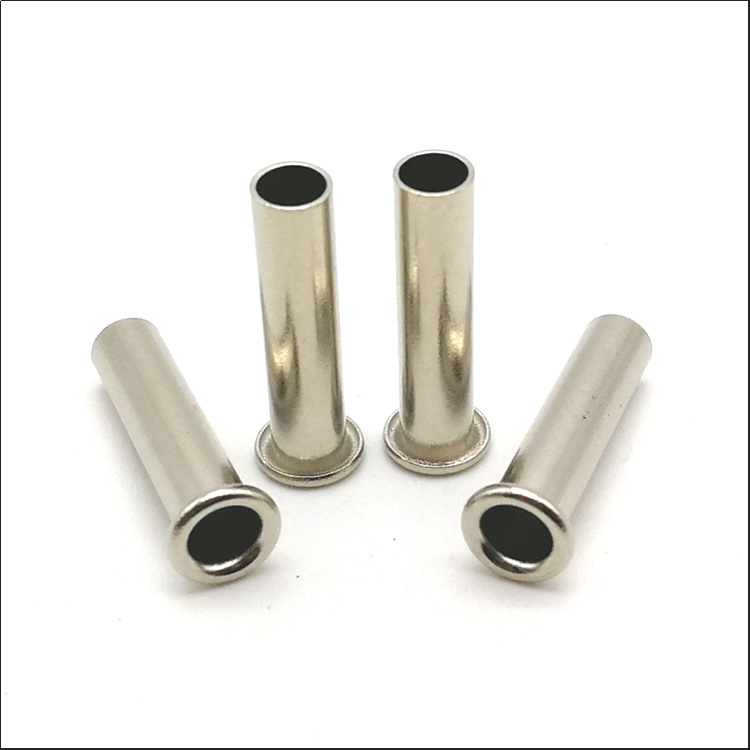
Just like the name says, hollow rivets have a hollow core and are put in place with a special tool. Compared to solid rivets, they're lighter, a breeze to install, and super versatile. You'll often find them holding together thin metal sheets or plastic parts in things like your electronics, furniture, or even packaging.
2. What's the big deal with eco-friendly rivets?
Think of them as the greener choice from start to finish. They're usually made from metals you can just melt down and reuse—like aluminum, copper, or stainless steel—and they steer clear of the nasty stuff like lead or cadmium. The whole idea is to be smarter about how we make things. That means using a design that needs less material to begin with, and finishing them with processes that keep toxic chemicals out of the picture. In manufacturing hubs like Dongguan, switching to these rivets helps lower the industrial carbon footprint.
3. What They're Made Of and How They're Made
The material is a big part of what makes these rivets green. Common choices are:
Aluminum: It's light, doesn't rust easily, and can be recycled completely.
Stainless Steel: It's tough and long-lasting, perfect for rough conditions.
Brass: It's great for conducting electricity, so it's a natural for electronics.
How are they made? Well, often they're formed by stretching or cutting and shaping brass tubes—methods that keep waste to a minimum. And instead of the old chemical-heavy plating, they get a final coat with eco-friendly finishes. It’s a much cleaner approach.
4. Where You'll Find Them
These green rivets are used in all sorts of fields around Dongguan and beyond:
Electronics: They keep circuit boards and device casings securely fastened while keeping things light.
Cars: They're used inside the cabin and in lighter parts, often taking the place of welding or bolts.
Furniture & Building: They offer a strong, clean look for assembly while reducing material waste.
Packaging: They make putting together cardboard or plastic boxes faster and greener.
5. The Green Upside and What's Next
The benefits of these rivets don't stop at being recyclable. Installing them doesn't need heat or much power, which means lower carbon emissions. And at the end of their life, they can be melted down and reused. Down the road, we can expect them to get even lighter and stronger, and we might even see smart features that make them easier to track and recycle.
The bottom line? Eco-friendly tubular rivets are proof that smart manufacturing and environmental responsibility can work together perfectly. Thanks to improved materials and cleaner processes, they deliver top performance with a fraction of the impact. In a world that's finally taking sustainability seriously, their future is assured.
Send Inquiry



X
We use cookies to offer you a better browsing experience, analyze site traffic and personalize content. By using this site, you agree to our use of cookies.
Privacy Policy