
The Humble Stainless Steel Solid Rivet: A Small Part with a Big Job
You probably don't think much about rivets, but they're everywhere—holding together everything from the car you drive to the chair you're sitting on. Among these, the stainless steel solid rivet is a real workhorse, especially those made right here in Shanghai. Let's break down what makes this little fastener so reliable and where you'll find it doing its job.
1. What Makes It Tough?
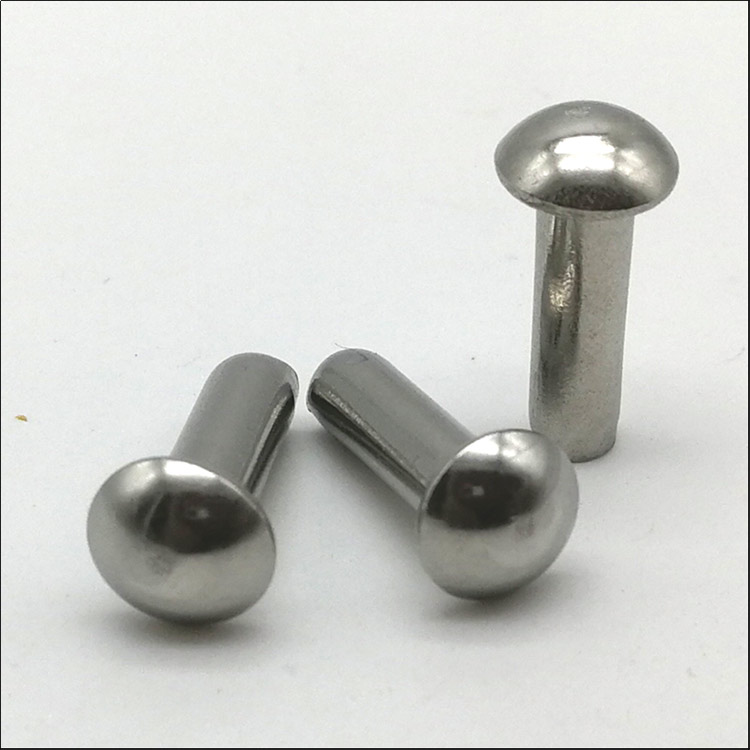
These rivets are made from stainless steel, a special mix of metals that includes chromium and nickel. This recipe gives them a superhero-like resistance to rust and corrosion. Think about a damp warehouse or a salty sea breeze—these rivets can handle it without breaking a sweat. Because they're solid all the way through, they're incredibly strong, perfect for connections that need to bear a lot of weight or stress. Plus, they often get a polished or coated finish, which not only makes them look neat but also helps them last even longer.
2. How Are They Made?
Making these rivets is a precise process. It starts with high-quality stainless steel wire or rods. Using machines, this material is cut and shaped—often through a method called cold forging—into the familiar rivet shape. This happens at room temperature and is great for keeping the metal's strength intact. For some bigger or more complex shapes, heat might be used. After shaping, they often go through a heat treatment to fine-tune their hardness and durability. Finally, they get a smooth finish, sometimes through polishing or a protective coating, to make sure they look good and perform well for years.
3. Where Do We Use Them?
Pretty much anywhere you need a strong, dependable hold. In factories, they're used to assemble heavy machinery and vehicle parts. In construction, they hold steel beams, bridges, and building facades together, standing up to all kinds of weather. At home, you might find them in sturdy furniture or kitchen fixtures, where strength and a clean look matter. They're even crucial in tougher spots like ships, trains, and planes, where their ability to resist corrosion and extreme temperatures makes them a safe choice.
4. Picking the Right One
So, how do you choose? First, know your environment. For everyday jobs, a standard Type 304 stainless steel rivet is fine. But if it's going near the ocean or in a chemical plant, spring for Type 316—it's got extra corrosion resistance. Size is key, too; make sure the diameter and length fit your materials. Check the head style—do you need a rounded dome head or a flat, countersunk one? Always look for a smooth finish and buy from a trusted supplier to avoid duds. If you're unsure, test a few samples first.
What's Next for These Rivets?
The future looks bright for these little guys—and pretty smart too. We're already seeing more manufacturers use recycled stainless steel to make them, which is a win for the environment. As industries like electric vehicles and solar power grow, the demand is shifting toward rivets that are both lighter and tougher.
Heck, some companies are even experimenting with "smart" rivets that have built-in sensors. Imagine a tiny warning system that tells you if a connection is starting to fail. Here in Shanghai, where a lot of this innovation happens, the focus is firmly on making these essential parts smarter, greener, and more efficient.
Wrapping Up
When you stop and think about it, the stainless steel solid rivet is one of those quiet heroes. It's not flashy, it doesn't seek attention, but it holds our world together—literally. From the cars we drive to the buildings we work in, this small but mighty piece of engineering is doing its job, day in and day out, keeping things safely connected.
Previous:A Simple Guide Of Hollow Rivets
Send Inquiry



X
We use cookies to offer you a better browsing experience, analyze site traffic and personalize content. By using this site, you agree to our use of cookies.
Privacy Policy