Products
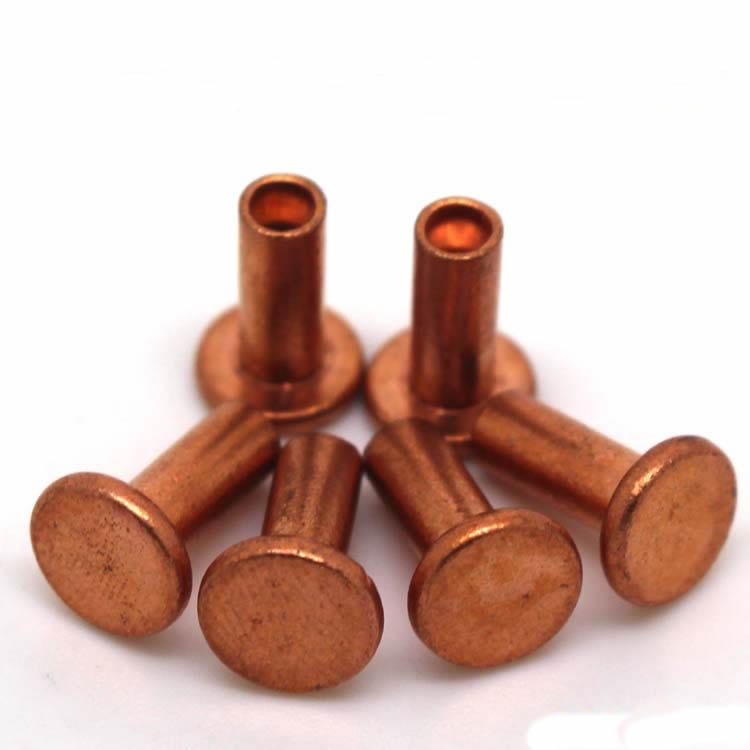
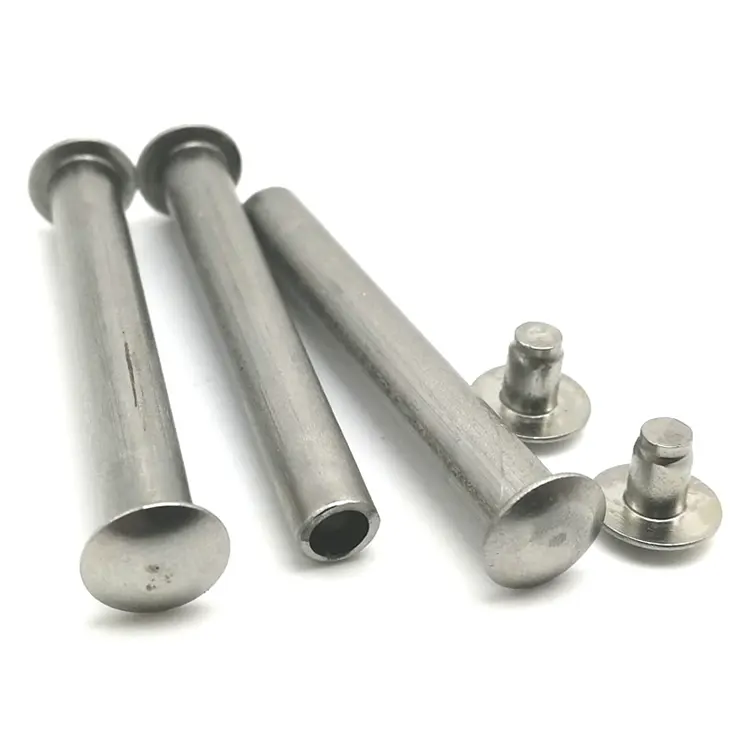
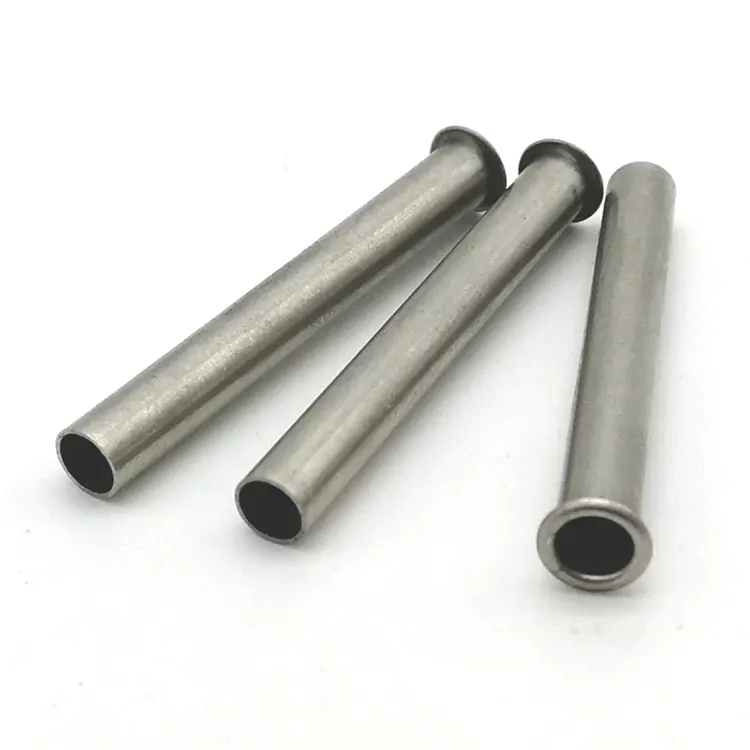
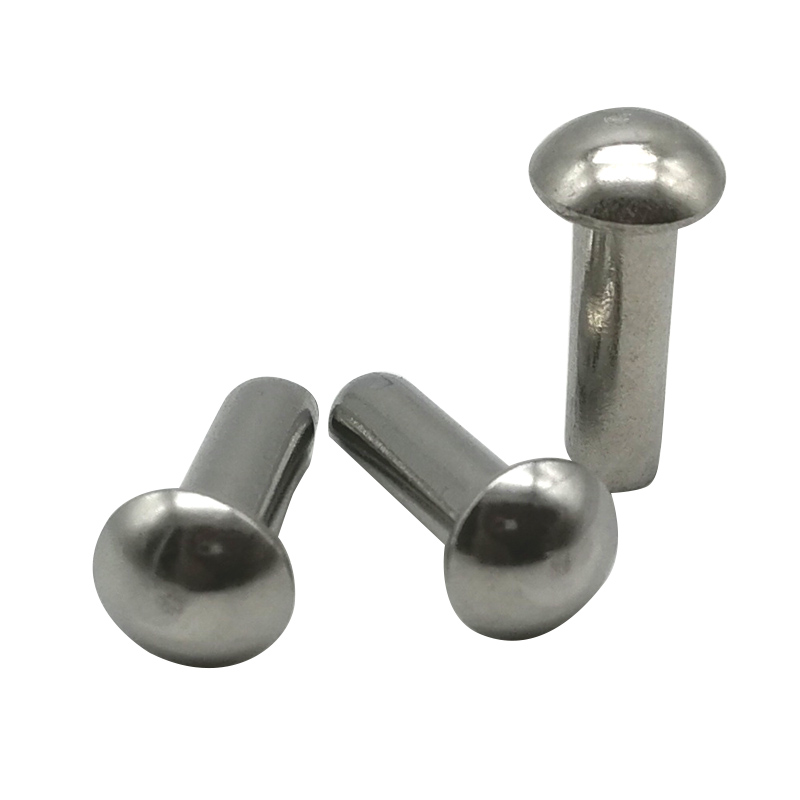
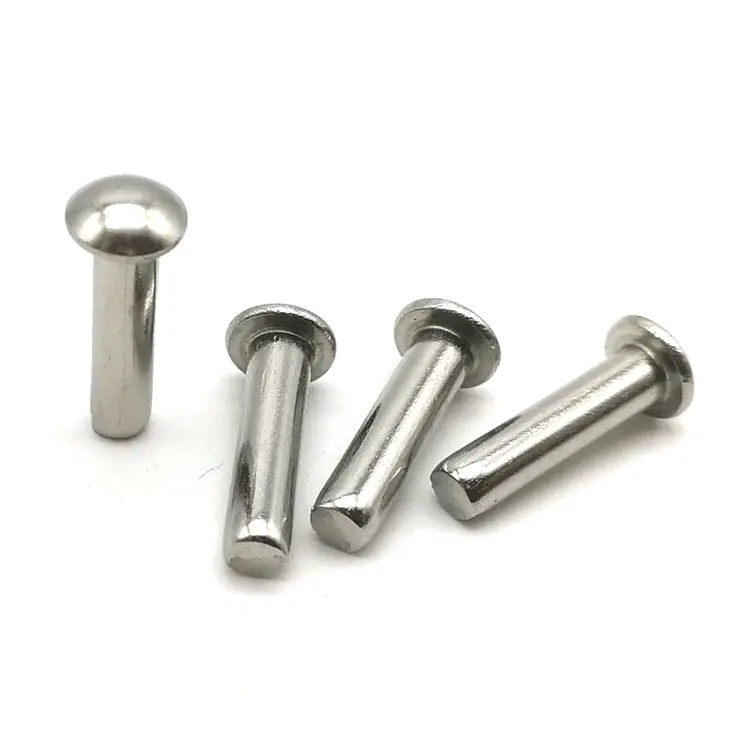
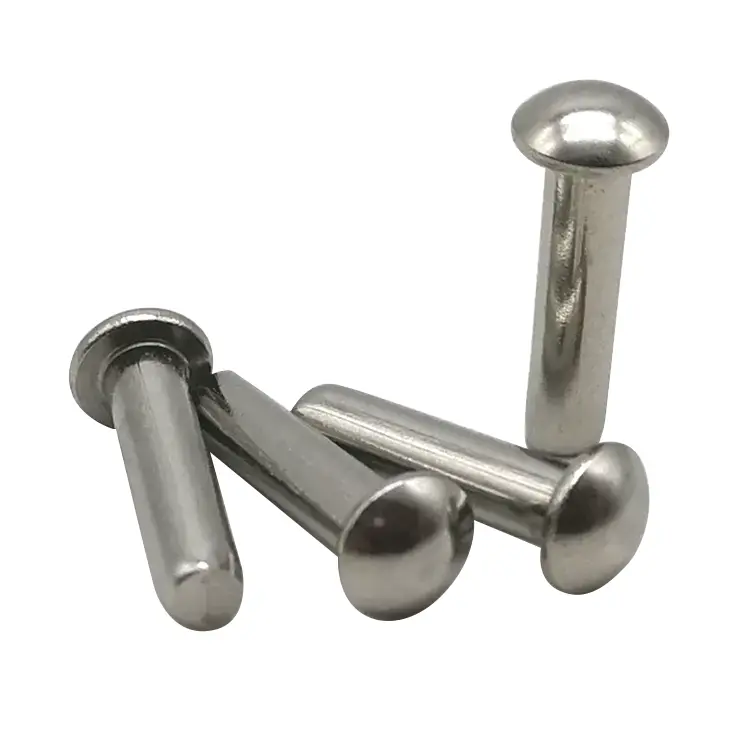
Stainless Steel Solid Rivets
For assemblies that demand permanent corrosion resistance and maximum holding power, Nuote Metals delivers stainless steel solid rivets – the strongest permanent fastening solution available for marine, chemical, and outdoor environments. Made from 304 and 316 stainless steel, these rivets deliver maximum shear and tensile strength without the risk of rust or plating failure. Available in 0.8–8.0mm shank diameters with round, flat, oval, and countersunk heads. ISO 9001:2015 certified. Free samples available. Contact us for a quote.
Send Inquiry
Product Description
Stainless steel solid rivets are the answer when your assembly needs two things: permanent corrosion resistance and maximum holding strength. Unlike plated carbon steel that rusts when the coating wears off, or semi‑tubular rivets that trade strength for faster installation, they deliver both – the material itself is rust‑proof, and the solid construction delivers full shear and tensile strength.
This is why they are specified for food processing equipment, marine hardware, chemical plants, and outdoor infrastructure – applications where failure is not an option and corrosion is a constant threat.
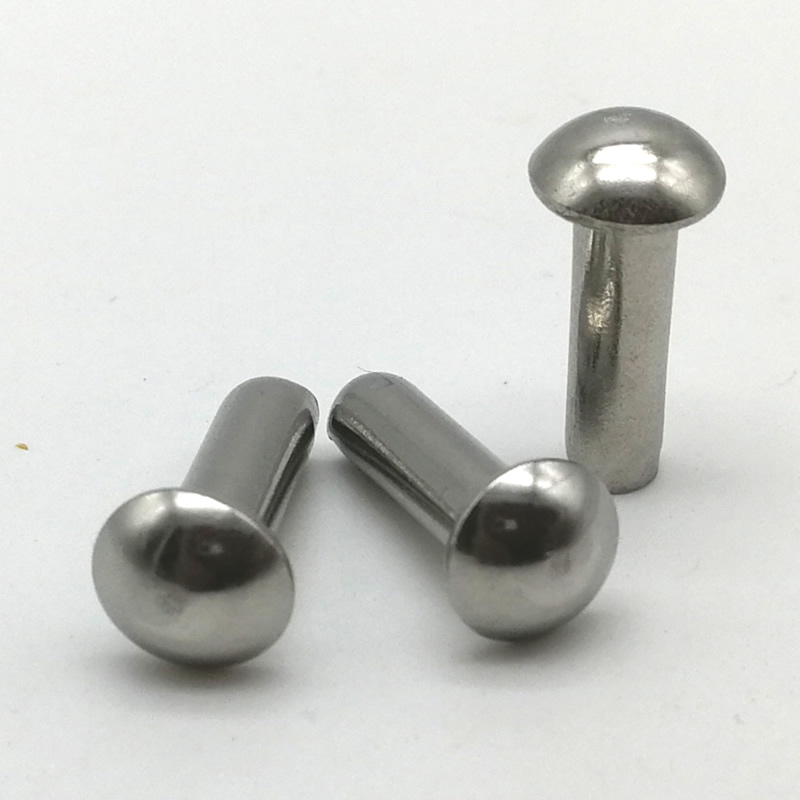
The Stainless Difference – Strength That Never Rusts
You have two options for maximum-strength permanent fastening in corrosive environments.
Option 1: Carbon steel with plating. It works—until the plating wears off. Then the steel rusts. The joint weakens. The assembly fails.
Option 2: Stainless steel without plating. It works from day one. It works in year ten. It works after twenty years of rain, salt, chemicals, and humidity.
There is no third option.
Stainless steel solid rivets combine:
- Maximum strength – Solid construction delivers full shear and tensile strength
- Permanent corrosion resistance – The chromium oxide layer is self-healing; scratches do not cause rust
- No plating to wear off – The material itself is corrosion-proof; no coating to fail
- High-temperature resistance – Retains strength in extreme heat and cold
- Food-grade safety – 304 and 316 grades are FDA-compliant
The Decision – Which Grade of Stainless Steel?
We manufacture stainless steel solid rivets in two grades.
| Grade | Key Alloy | Corrosion Resistance | Best For |
|---|---|---|---|
| 304 | 18% Cr, 8% Ni | 200–500 hours salt spray (ASTM B117) | General outdoor, humidity, rain, moderate chemical exposure |
| 316 | 16% Cr, 10% Ni, 2% Mo | 1,000+ hours salt spray (ASTM B117) | Marine, coastal, saltwater, chemical plants, acidic environments |
Choose 304 for general outdoor applications, food processing equipment, and industrial assemblies where salt exposure is limited.
Choose 316 for marine environments, coastal installations, chemical plants, and any application where chlorides or acids are present.
Solid vs. Semi‑Tubular – A Strength Decision
| Feature | Stainless Steel Solid Rivet | Stainless Steel Semi‑Tubular Rivet |
|---|---|---|
| Strength | 100% (maximum) | 80–90% of solid |
| Setting force | 4–6 tons (for 5mm) | 25–30% of solid |
| Clinch type | Full shank deformation | Hollow wall rolling |
| Corrosion resistance | Excellent (material itself) | Excellent (material itself) |
| Best for | Structural, heavy‑load, permanent assemblies | High‑volume, material‑sensitive assemblies |
One Application – Industrial Food Processing Equipment
A manufacturer of commercial food processing equipment was using plated carbon steel rivets for machine guards and frame assemblies. After six months of daily washdowns, the plating wore off—the rivets rusted and contaminated the production environment. They needed a fastener that would not rust, could withstand high‑pressure washdowns, and maintain structural integrity.
Nuote Metals supplied 304 stainless steel stainless steel solid rivets – 5.0mm shank, 9.0mm round head, 16.0mm overall length, passivated finish. The solid construction delivered maximum holding strength for the frame assemblies. The 304 stainless provided permanent corrosion resistance against washdown chemicals and moisture. The passivated surface ensured no free iron remained to cause rust staining on the equipment.
The customer tested the rivets across 100 machines. After 5,000 washdown cycles and one year of production use, zero rust and zero loosening. The customer has since used over 600,000 stainless steel solid rivets across their entire equipment line.
Head Style Reference – Visual Guide
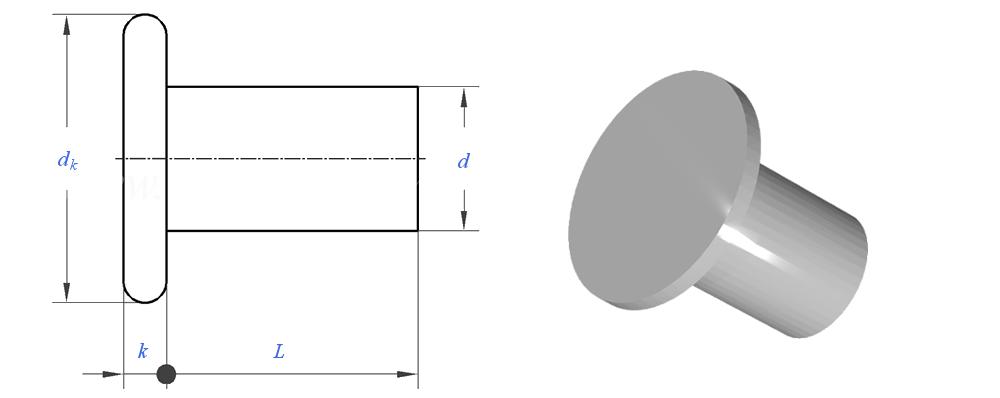
Flat Head – Sits nearly flush with the material surface. Ideal for clearance‑limited assemblies and washdown applications where bacteria trapping is a concern.
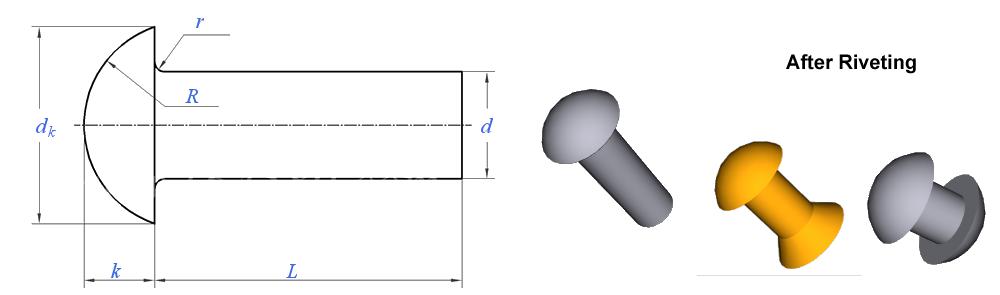
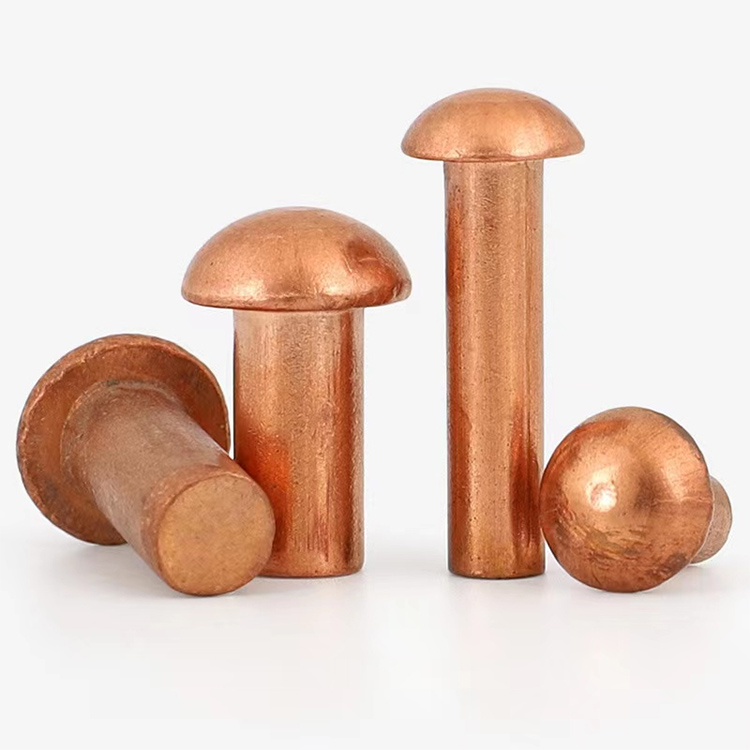
Round Head – The classic dome design. Maximum head strength, visible, traditional appearance.
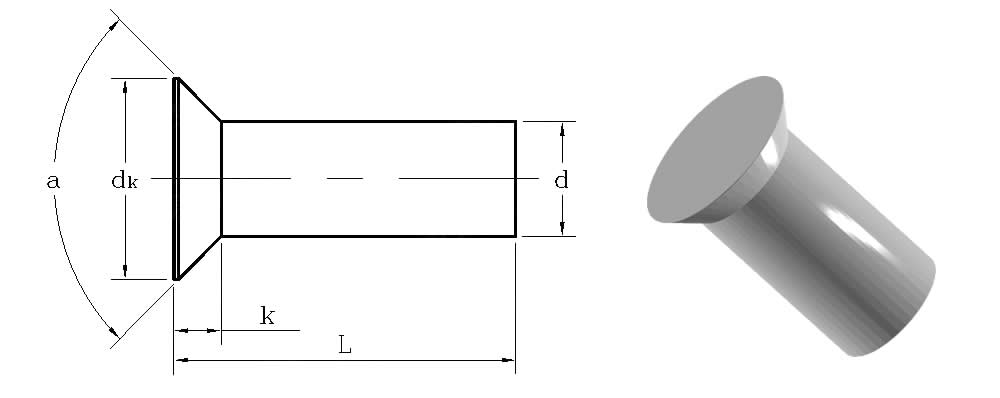
Countersunk Head – Sits completely flush with or below the material surface. Requires a pre‑drilled tapered hole. Zero protrusion.
Other head available upon request.
From Wire to Finished Rivet – Engineering Consistency
Stainless steel is harder to form than carbon steel. It work‑hardens rapidly and requires precise tooling to avoid cracking. Our cold‑heading process is designed specifically for stainless.
Our cold‑heading sequence:
- Wire drawing – Raw stainless wire drawn to exact shank diameter (±0.02mm)
- Cut‑off – Sheared to blank length
- First blow (squaring) – Blank is squared and centred
- Second blow (heading) – Carbide die forms the head with controlled radius to prevent cracking
- Trimming – Flash around the head edge removed
- Tumbling – Micro‑burrs eliminated
- Passivation – Removes free iron particles, restores chromium oxide layer
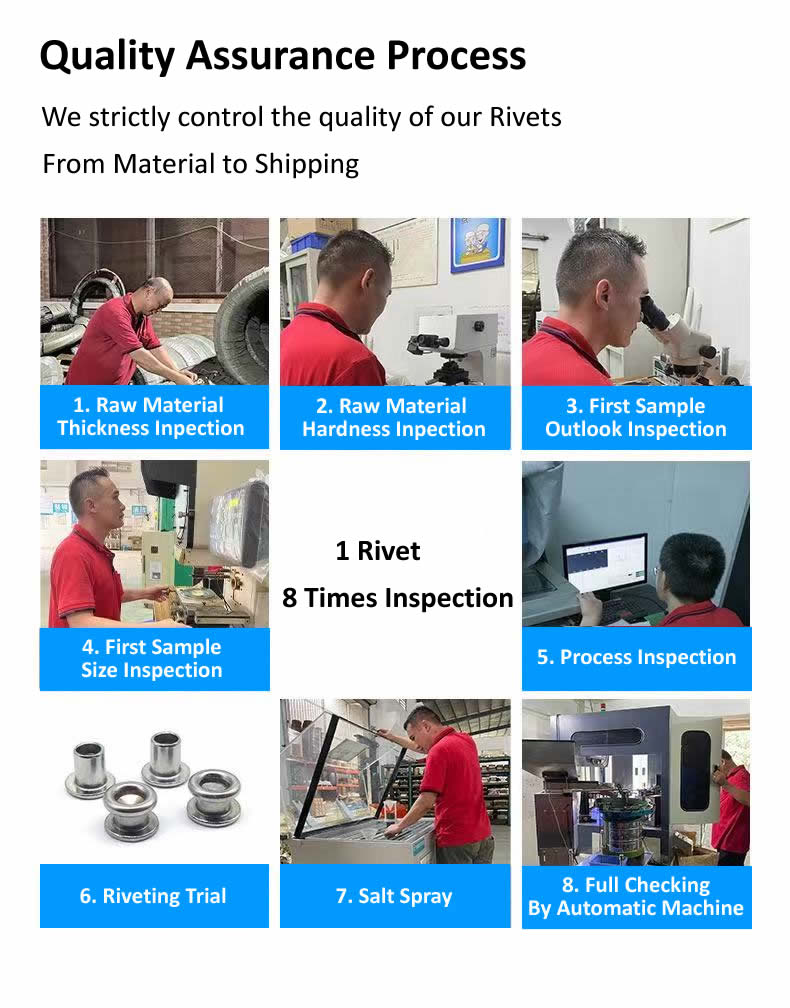
What we check at every stage:
- Incoming wire – Spectrometer verifies 304 or 316 composition; laser micrometer checks diameter (±0.02mm)
- First article – 10 rivets measured on optical comparator; every dimension verified
- In‑process – 5 rivets every 500 pieces; any drift beyond ±0.05mm stops the press
- Setting test – Every 2,000 pieces, set into your material; clinch inspected for symmetry and cracks
- Passivation – Verified per ASTM A967 on every batch
- Salt spray – 200–500 hours for 304; 1,000+ hours for 316; certificate with every batch
- Final sorting – 100% optical inspection; AQL sample manually verified
Passivation is included at no extra charge. Without it, free iron from tooling can rust on the surface—even on stainless steel. We do not treat passivation as an optional extra.
Where They Are Used
Stainless steel solid rivets are the preferred choice for permanent assemblies in corrosive environments:
- Food processing equipment – Machine guards, frame assemblies, washdown‑exposed components
- Marine and offshore – Structural assemblies, deck hardware, underwater components
- Chemical plants – Structural connections, equipment assemblies, corrosive environments
- Pharmaceutical equipment – Hygiene‑critical assemblies, washdown environments
- Medical devices – Implantable device housings, surgical instrument assemblies
- Outdoor infrastructure – Bridge components, handrails, architectural hardware
- Automotive – High‑temperature sensors, exhaust components
- Aerospace – Interior trim, panel assemblies, corrosion‑sensitive applications
What Our Customers Receive – Documentation You Can Trust
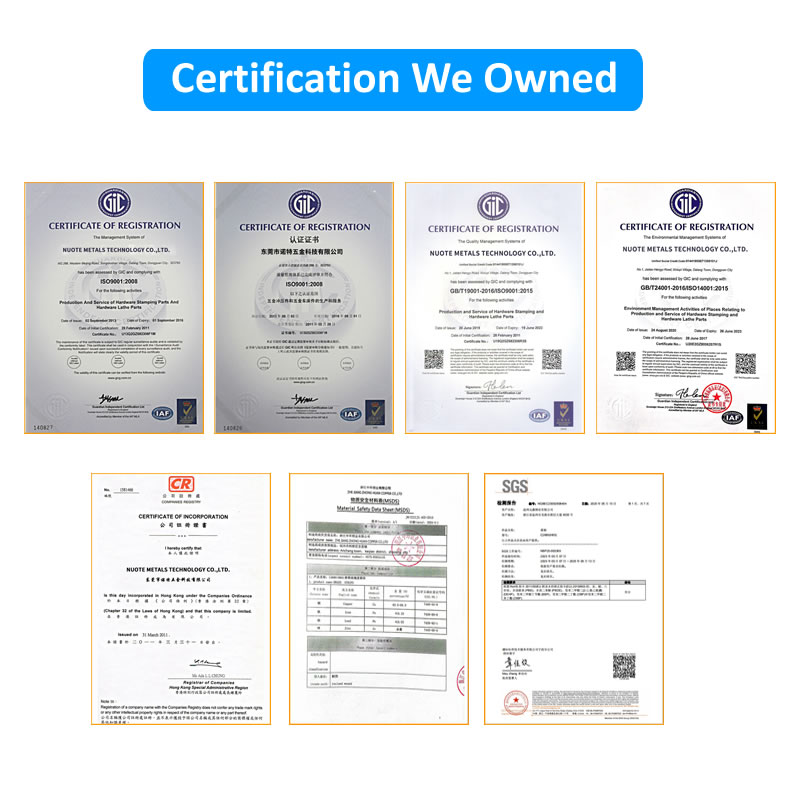
We do not rely on claims. Every shipment of stainless steel solid rivets includes a complete documentation package:
- Material test report – Chemical composition and tensile properties verified by spectrometer
- Dimensional inspection report – Actual measured values from the batch
- Passivation certificate – ASTM A967 compliance verification
- Salt spray test certificate – ASTM B117 results for the batch
- Certificate of Conformance – Signed by QA manager, batch‑traceable
We also maintain:
- ISO 9001:2015 – Certified quality management system
- RoHS compliance – Verified by SGS testing
- REACH compliance – Current SVHC declaration
- If you require additional testing—metallurgical analysis, tensile testing, or custom certification—we can provide it.
Three Questions We Answer Often
Q1: What is the difference between a stainless steel solid rivet and a stainless steel semi‑tubular rivet?
A: The fundamental difference is the tail design. A stainless steel solid rivet is fully solid—the entire shank deforms during installation, providing maximum shear and tensile strength. A stainless steel semi‑tubular rivet has a hollow cavity at the tail, reducing setting force by 70% but offering slightly lower strength (80–90% of solid). Choose solid for structural, load‑bearing, and permanent assemblies where maximum strength is required. Choose semi‑tubular for high‑volume production where installation speed is critical and loads are moderate. For the food processing case above, solid was the right choice because the customer needed maximum holding power for equipment frames.
Q2: Do stainless steel solid rivets ever rust? Why do they sometimes show rust stains?
A: Stainless steel does not rust—the material itself is corrosion‑resistant. However, during manufacturing (stamping, forming), microscopic particles of free iron can transfer from tooling onto the surface. These iron particles can rust, creating red stains—even though the rivet itself is stainless. That is why we include passivation at no extra charge. Passivation removes these free iron particles and restores the true corrosion‑resistant surface. Many suppliers treat passivation as an optional extra. We do not.
Q3: How do I select the correct overall length for a stainless steel solid rivet?
A: Select a length that will leave 1.2–1.5 times the shank diameter protruding past your material stack after insertion. For example, if you are joining two 2mm sheets (total 4mm) with a 5mm shank, you need 1.2 × 5mm = 6mm of shank protruding. Total length = 4mm (stack) + 6mm (protrusion) = 10mm. This protruding material forms the second head during setting. If the protrusion is too short, the clinch will be weak. Too long, and the rivet will buckle. Send us your material stack thickness, and we will recommend the exact length.
What We Guarantee About Every Stainless Steel Solid Rivet
We do not just sell rivets. We guarantee:
- Strength – shear strength meets or exceeds your specification
- Fit – shank diameter within ±0.05mm of your specification
- Material – 304 or 316 composition verified by spectrometer on every coil
- Passivation – free iron removal verified per ASTM A967
- Corrosion resistance – 200–500 hours salt spray (304) or 1,000+ hours (316)
- Clinch – tested on your material before shipment
- Delivery – 5–7 days for standard sizes, 10–12 days for custom
We stand behind every single rivet we ship.
Hot Tags: Stainless Steel Solid Rivets,China Stainless Steel Rivets,Stainless Steel Solid Rivets Factory
Related Categories
Send Inquiry
Please feel free to fill your inquiry in the form below. We will reply you in 24 hours.



X
We use cookies to offer you a better browsing experience, analyze site traffic and personalize content. By using this site, you agree to our use of cookies.
Privacy Policy