Products
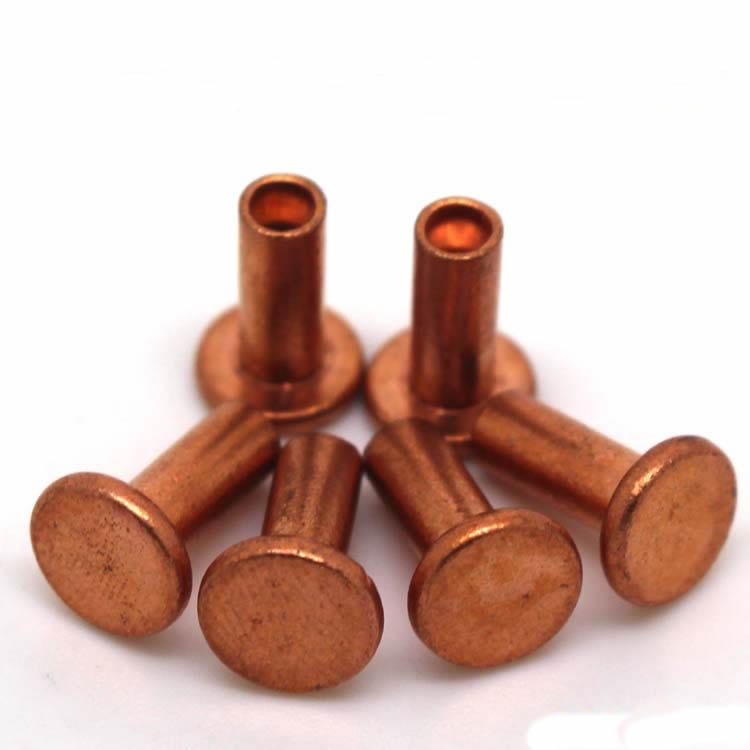
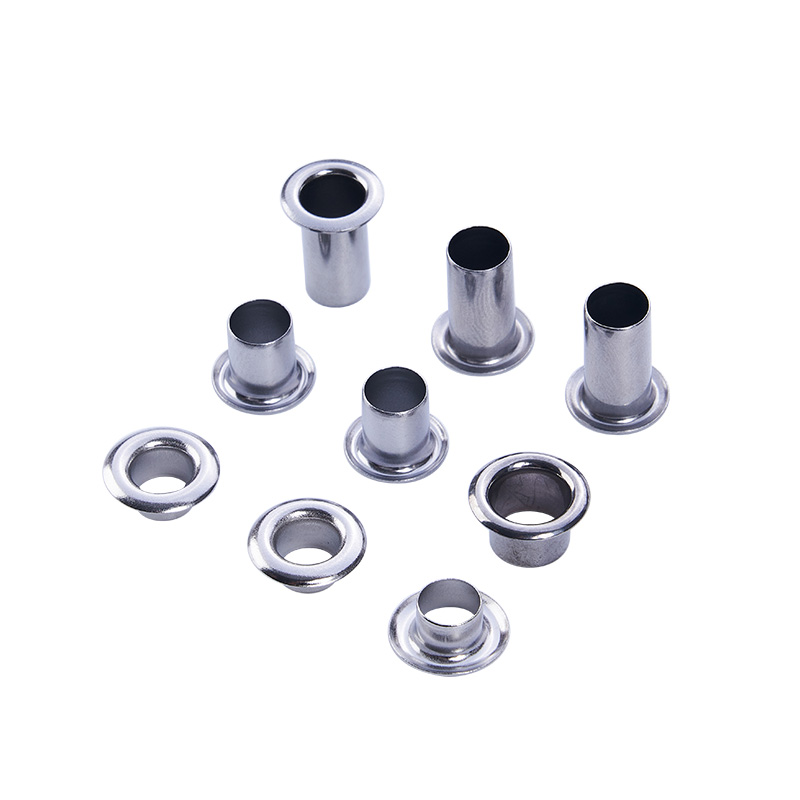
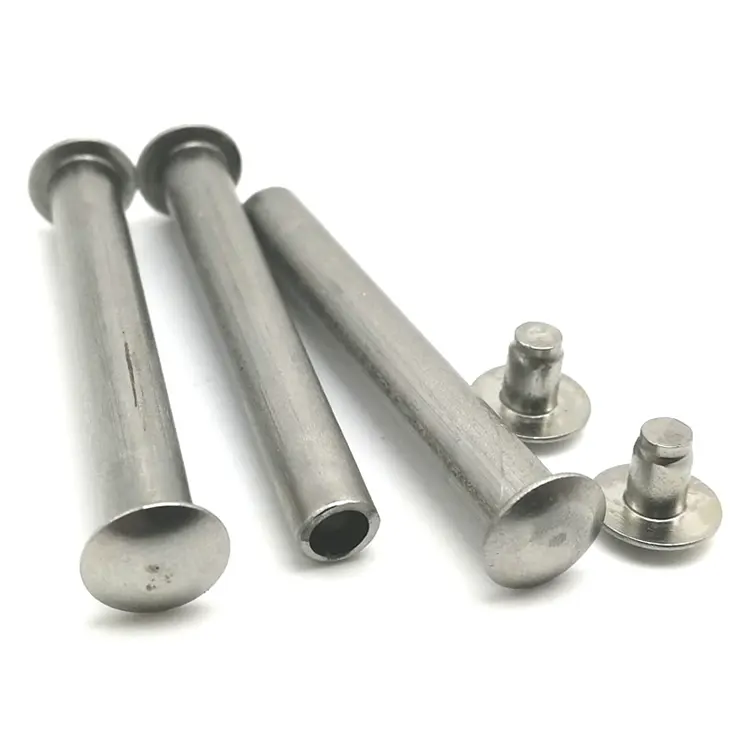
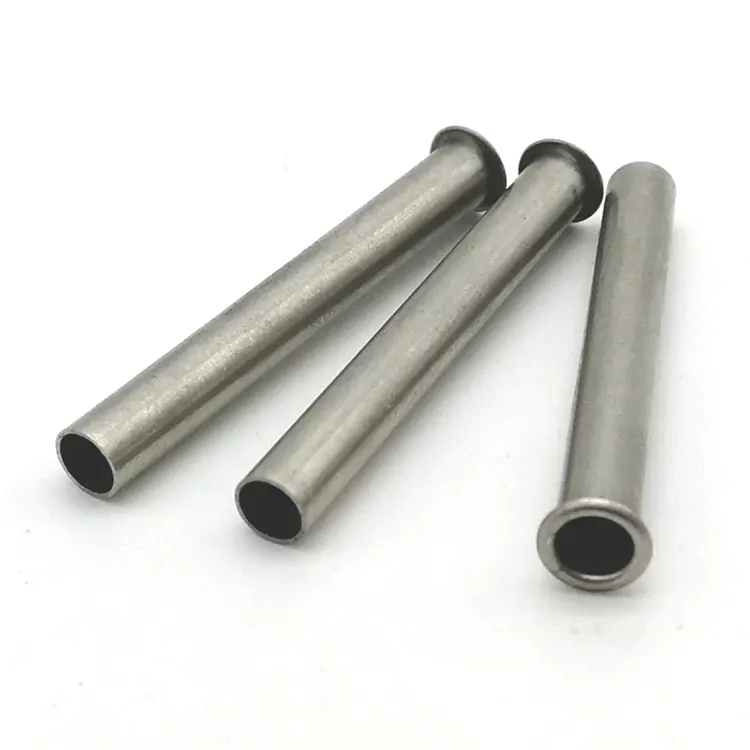
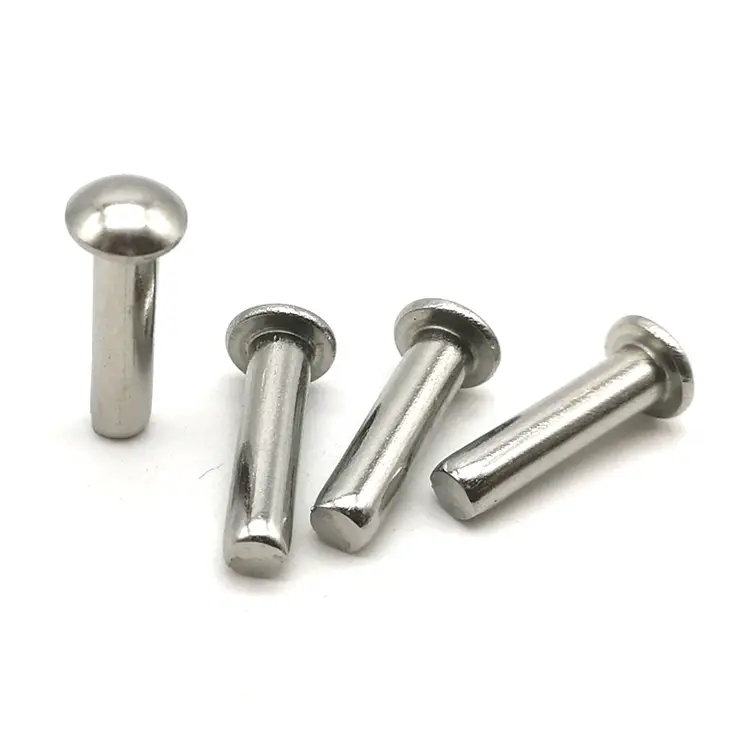
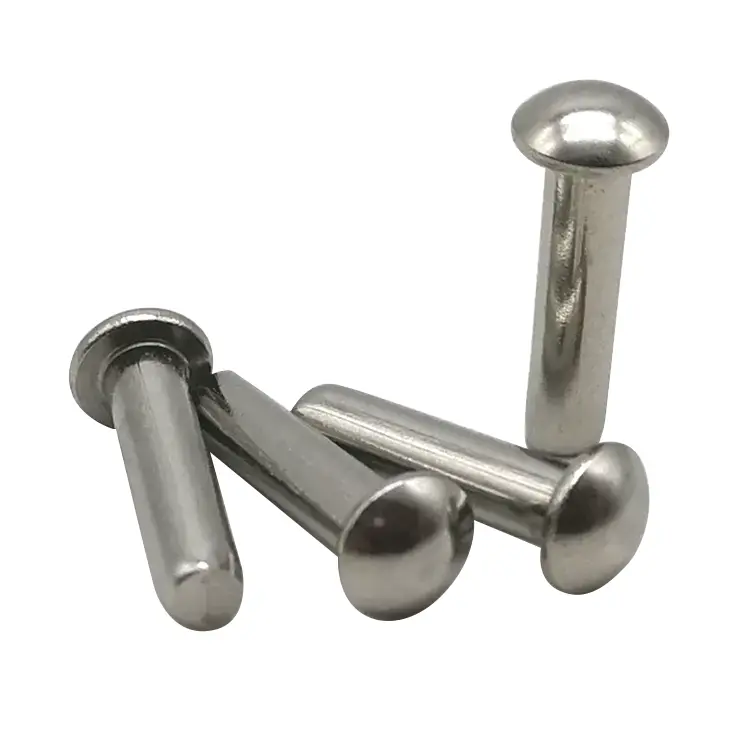
SUS304 Solid Rivets
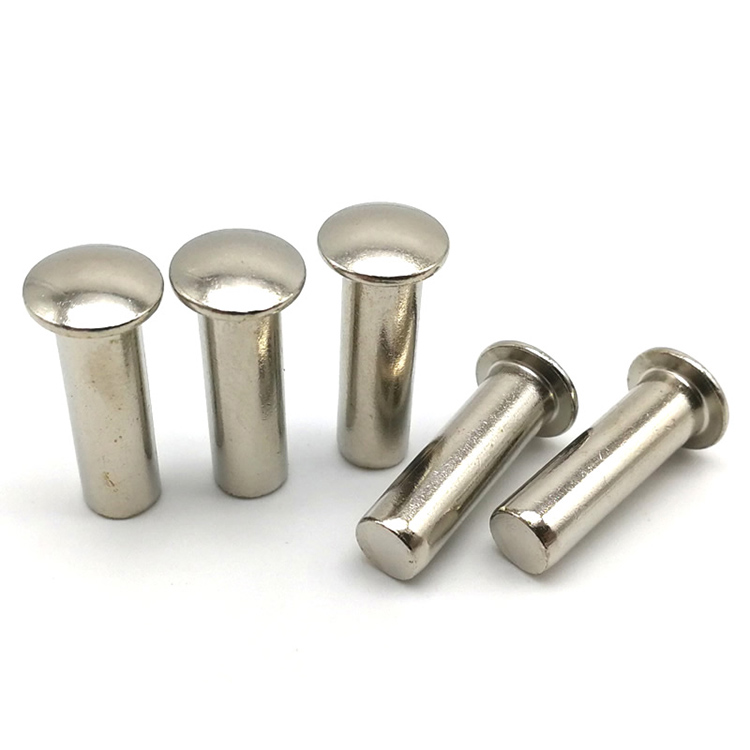
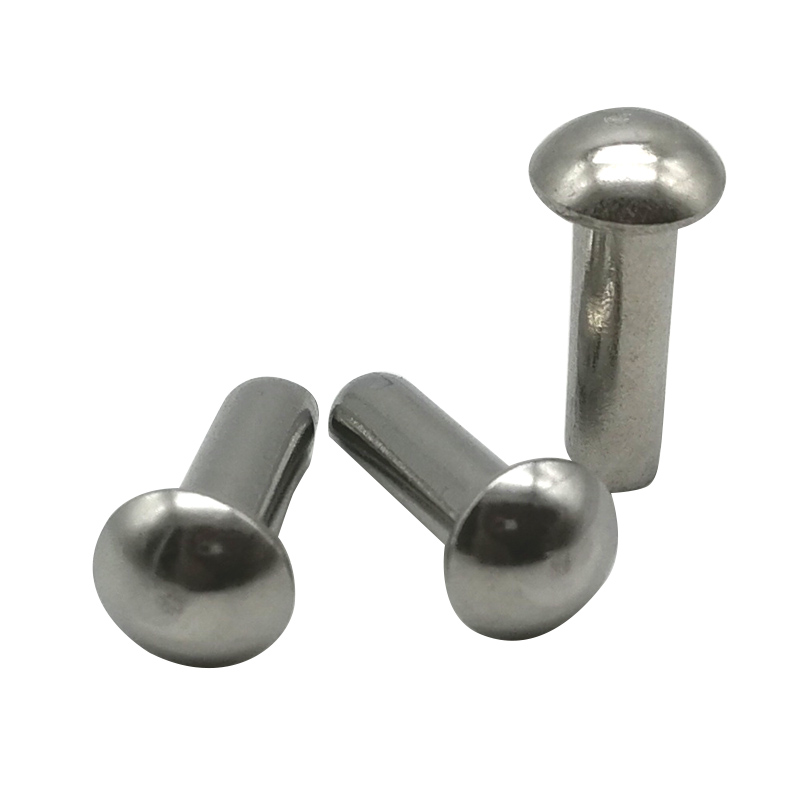
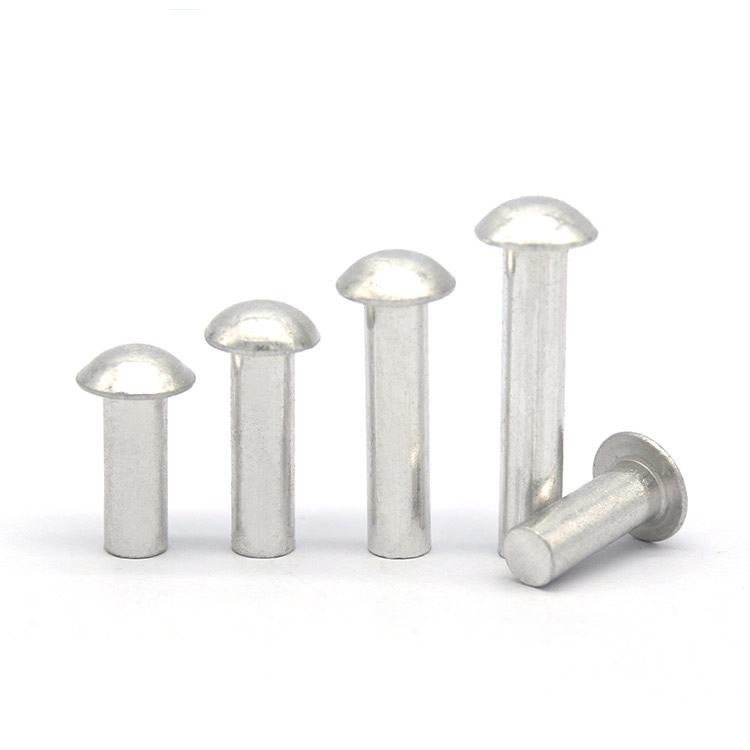
SUS304 solid rivets from Nuote Metals – the Japanese‑grade stainless steel fastener that delivers permanent rust protection and maximum shear strength. Available in AISI 304 (SUS304) stainless steel, 1.5–8.0mm shank diameters, six head styles, passivated finish. ISO 9001 certified. Free samples available. Contact us today.
Send Inquiry
Product Description
When the application demands both strength and permanent corrosion resistance – and the budget does not stretch to 316 marine grade – SUS304 solid rivets are the answer. They do not rust. They do not require plating. They deliver maximum holding strength with the reliability that stainless steel is known for, at a price that fits most industrial budgets.
This is the fastener that bridges the gap between carbon steel and premium marine grade. No coating to wear off. No hidden corrosion. Just permanent holding power that lasts the life of the assembly.

SUS304 vs. SUS316 vs. Carbon Steel – Where 304 Fits
| Property | SUS304 Solid Rivets | SUS316 Solid Rivets | Carbon Steel Solid Rivets(Plated) |
|---|---|---|---|
| Corrosion resistance | Excellent | Superior (marine‑grade) | Depends on plating |
| Salt spray resistance | 200 – 500 hours | 1,000+ hours | 48 – 96 hours |
| Tensile strength | 620 – 750 MPa | 620 – 750 MPa | 400 – 500 MPa |
| Cost | Medium | High | Lowest |
| Best for | General outdoor, food, medical, industrial | Marine, coastal, chemical | Indoor, cost‑sensitive |
Choose SUS304 when:
- Your assembly is exposed to moisture, rain, or humidity
- Carbon steel plating could wear off over time
- You need food‑grade or medical‑grade safety
- You want a clean, bright finish without plating
- The budget does not require marine‑grade 316
Head Style Options – Which One Fits Your Assembly
| Head Style | Best For | Visual Profile |
|---|---|---|
| Round | General purpose, visible joints | Tall, classic dome |
| Flat | Clearance‑limited, sliding surfaces | Low, sits near flush |
| Oval | Decorative, smooth appearance | Slightly raised, rounded |
| Countersunk | Flush surfaces, zero protrusion | Tapered, sits flush |
| Truss | Soft materials, oversized holes | Extra‑wide, low dome |
| Mushroom | Leather, fabric, skin‑contact | Wide, smooth, radiused edge |

One Real Application – Outdoor Furniture Frame Assembly
A manufacturer of premium outdoor furniture was using zinc‑plated carbon steel rivets to assemble chair and table frames. After two seasons of outdoor exposure – rain, humidity, and temperature changes – the plating wore off and the rivets rusted. Customers complained about rust stains on patio surfaces. The brand reputation was suffering.
The customer tried stainless steel, but a competitor’s rivets had sharp edges that cut through the powder‑coated frame during setting. They needed stainless rivets that would set cleanly, hold permanently, and never rust.
We supplied SUS304 solid rivets – 5.0mm shank, 9.0mm round head, 16.0mm overall length, passivated finish. The SUS304 material provided 200–500 hours of salt spray resistance – more than enough for rain and humidity. The solid construction delivered permanent clamping force that would not loosen over time. The passivated surface ensured no free iron remained to cause rust staining.
The customer tested 500 rivets across 250 chairs. After two years of outdoor exposure and continuous use, zero rust, zero loosening. They now order SUS304 solid rivets in batches of 300,000 pieces annually.
SUS304 vs. SUS316 – When to Choose 304 Over 316
| Consideration | SUS304 | SUS316 |
|---|---|---|
| Salt spray resistance | 200 – 500 hours | 1,000+ hours |
| Best for | General outdoor, food, medical | Marine, coastal, chemical |
| Cost per rivet | ~30–40% less than 316 | Higher |
| Availability | Always in stock | Longer lead times |
Most applications do not need 316. SUS304 provides more than enough corrosion resistance for general outdoor use – rain, humidity, occasional moisture. Unless your assembly will be continuously submerged in saltwater or exposed to chlorides and chemicals, SUS304 is the right choice. It delivers the same strength as 316 at a significantly lower cost, with better availability and faster lead times.
How We Produce Solid Rivets – From Coil to Finished Product

SUS304 stainless steel is harder to form than carbon steel – it work‑hardens rapidly and requires precise tooling to avoid cracking. Our cold‑heading process is designed specifically for stainless.
Material procurement – Certified SUS304 (AISI 304) wire from approved mills. Each coil comes with a mill test certificate and heat number for full traceability.
Wire drawing – Drawn to exact shank diameter, tolerance ±0.02mm.
Cold heading – Multi‑station cold header performs cut‑off, squaring, and head forming (round, flat, oval, countersunk, truss, or mushroom) in a single continuous sequence. Controlled heading speed prevents work‑hardening cracks.
Trimming – Flash around the head edge is removed for a clean finish.
Tumbling – Micro‑burrs removed and surface prepared for passivation.
Passivation – Removes free iron particles from the surface and restores the chromium oxide layer. This is what makes stainless steel truly stainless – without it, free iron from tooling can rust on the surface.
Final inspection – 100% optical sorting for critical dimensions. AQL sample manually verified.
Lead time: 7–12 days for standard specifications; custom tooling: 15–20 days.
Passivation – Why It Matters for SUS304
SUS304 stainless steel does not rust – but during manufacturing (stamping, forming, heading), microscopic particles of free iron can transfer from tooling onto the surface. These particles can rust, creating red stains – even though the rivet itself is stainless.
Passivation removes these free iron particles and restores the true corrosion‑resistant surface. Without it, your “stainless” rivets may still show rust stains on your product.
We include passivation as standard on every batch of SUS304 solid rivets at no extra charge. Many suppliers treat passivation as an optional extra. We do not.
Our Inspection Equipment – How We Verify Quality
(Image placeholder – quality control flow chart or inspection equipment photo)
| Equipment | Purpose |
|---|---|
| Laser micrometer | Shank diameter measurement (±0.02mm) |
| Optical comparator | Head diameter, height, overall length |
| 2.5D image measuring system | Contour and concentricity verification |
| Rockwell hardness tester | Raw material hardness (HRB 80–95) |
| Spectrometer | Material composition (SUS304 verification) |
| Salt spray test chamber | Corrosion resistance testing (ASTM B117) |
| XRF thickness gauge | Passivation verification |
All equipment is calibrated annually by accredited third‑party labs. Inspection records retained for five years.
Trusted by Customers Across Industries

We supply SUS304 solid rivets to manufacturers worldwide – from outdoor furniture brands to food equipment builders to medical device manufacturers. The images above show some of our valued partners visiting our facility and collaborating on custom rivet projects.
Three Questions We Answer Often
Q: "What is the difference between SUS304 and AISI 304 – are they the same?"
A: Yes – SUS304 is the Japanese Industrial Standard (JIS) designation for the same material as AISI 304 in the American system. Both refer to stainless steel with 18% chromium and 8% nickel. The material is identical; only the naming standard differs. SUS304 is the most widely used stainless steel grade in Asia, while AISI 304 is the equivalent designation in North America.
Q: "Do SUS304 solid rivets need plating?"
A: No – SUS304 stainless steel is corrosion‑resistant by nature and does not require plating. The chromium content forms a passive oxide layer that self‑heals if scratched. We recommend passivation (included as standard) to remove any free iron from the surface and ensure maximum corrosion resistance. No zinc, nickel, or other plating is needed or recommended.
Q: "Can SUS304 solid rivets be used in food equipment?"
A: Yes – SUS304 is FDA‑compliant for food contact. It does not leach harmful substances and is easy to clean. It is widely used in food processing equipment, commercial kitchens, and beverage manufacturing. For more acidic foods or continuous salt exposure, we recommend SUS316.
Hot Tags: SUS304 Solid Rivets,Stainless Solid Rivets,China SUS304 Solid Rivets
Product Tag
Related Categories
Send Inquiry
Please feel free to fill your inquiry in the form below. We will reply you in 24 hours.



X
We use cookies to offer you a better browsing experience, analyze site traffic and personalize content. By using this site, you agree to our use of cookies.
Privacy Policy