
Products
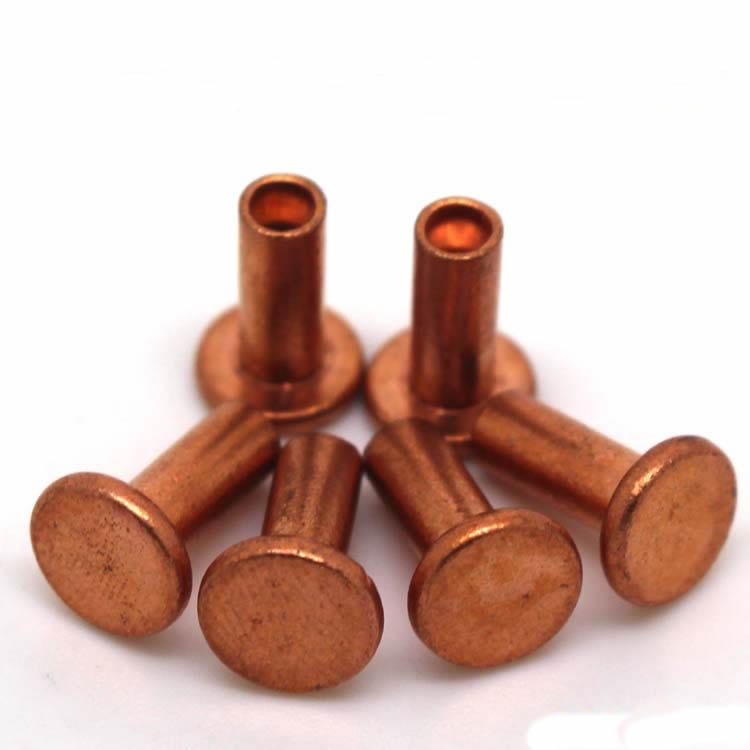
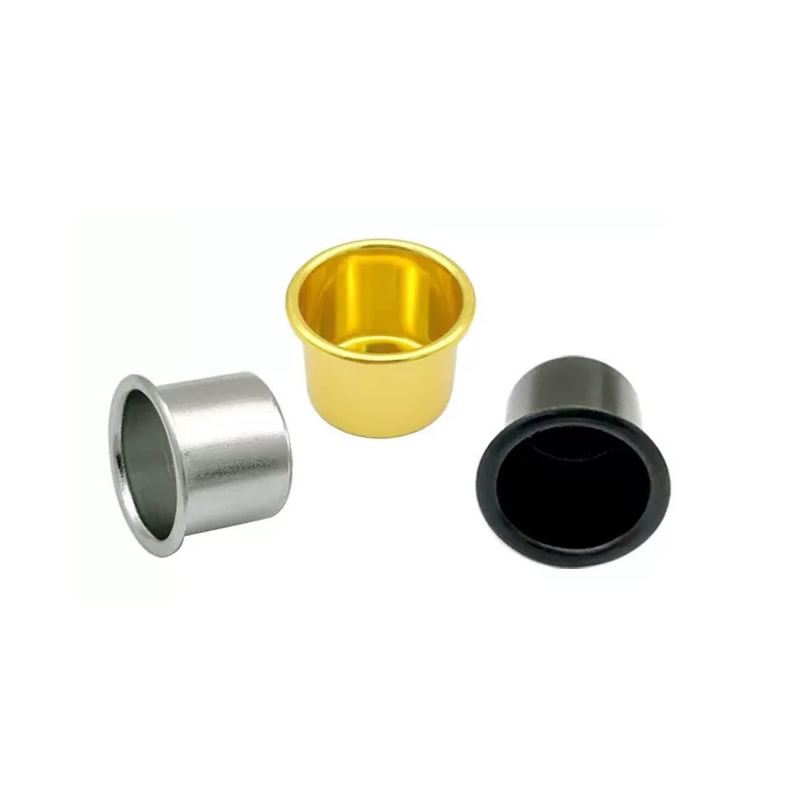
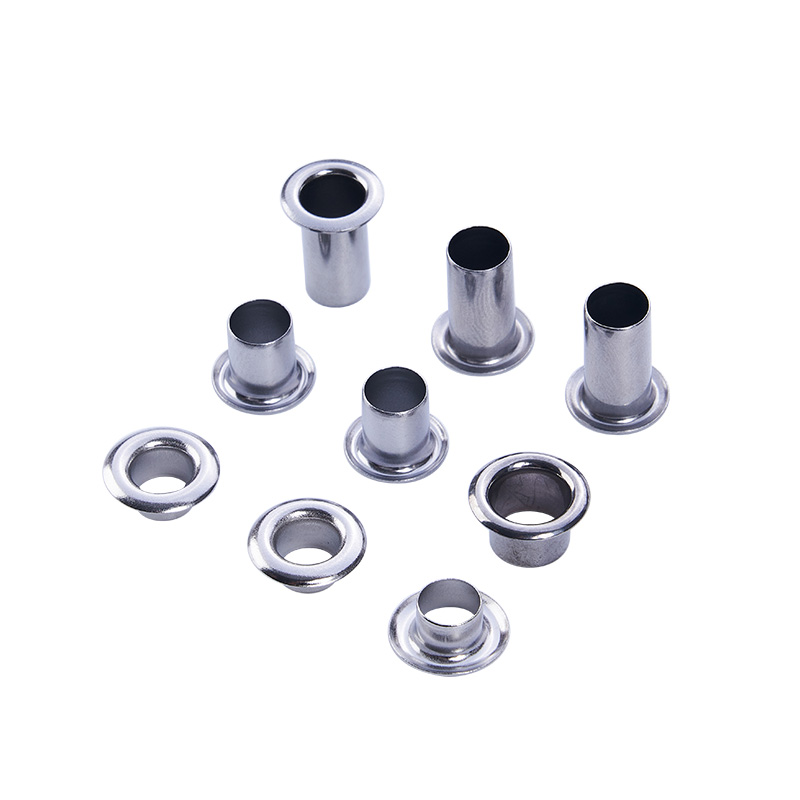
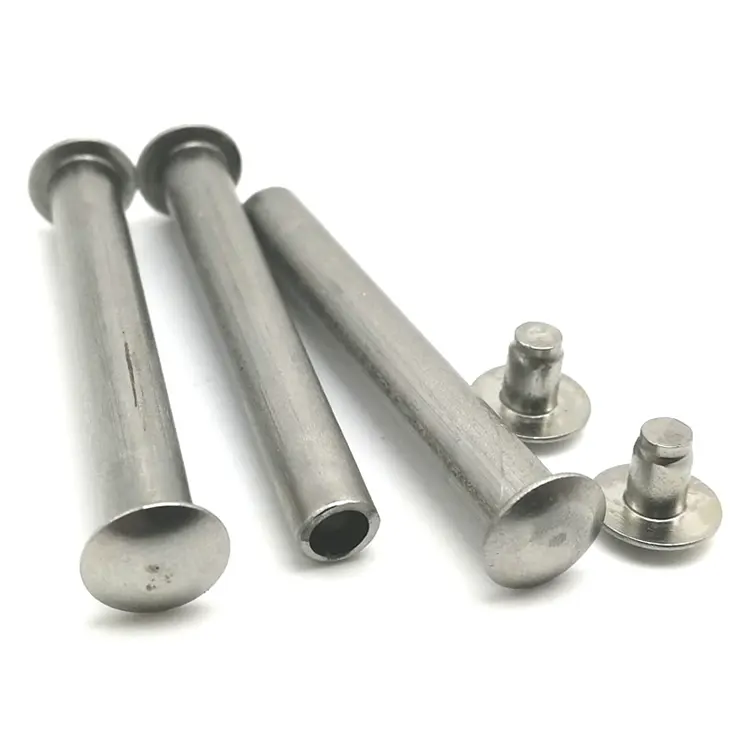
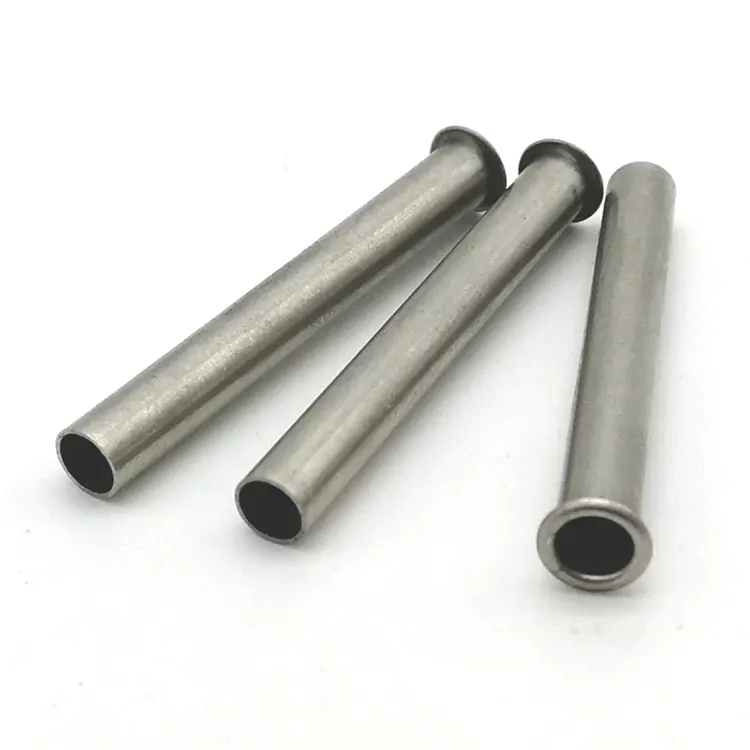
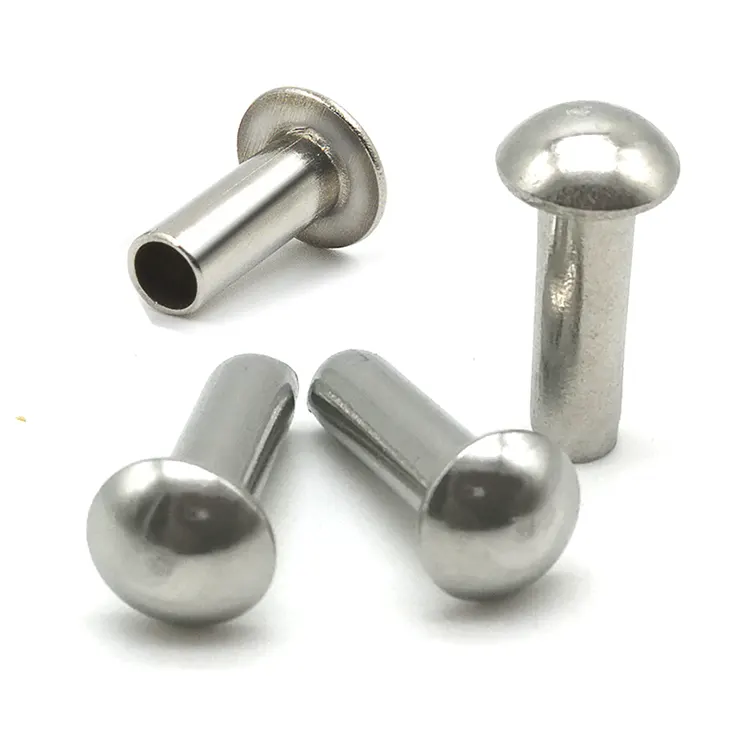
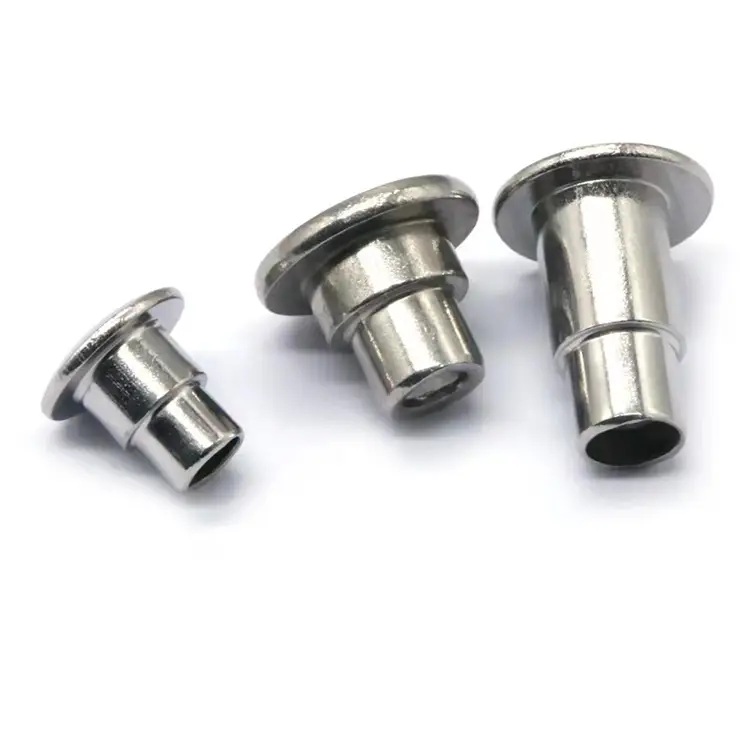
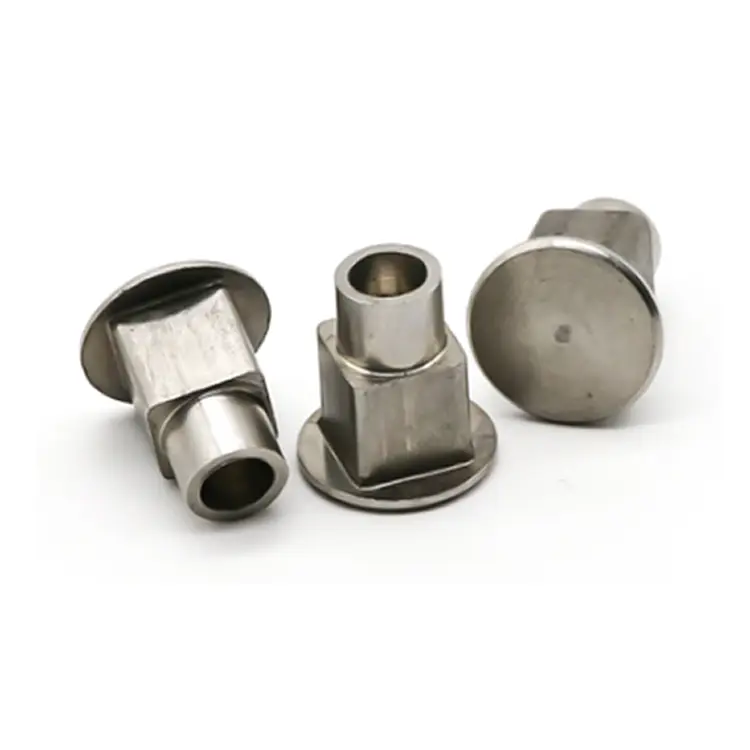
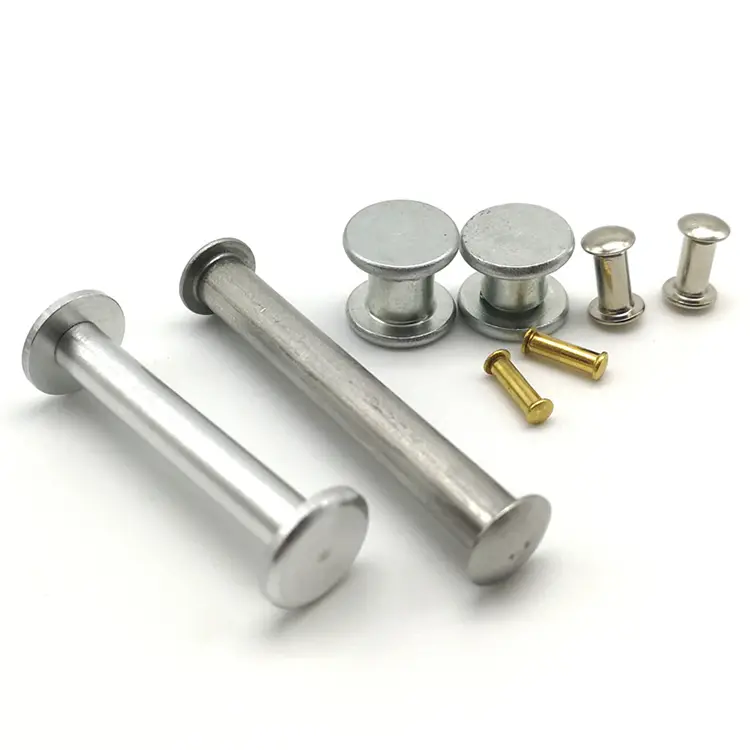
Stainless Steel Rivets
Nuote Metals manufactures stainless steel rivets in solid, semi‑tubular, and full tubular designs – delivering permanent corrosion resistance without plating. Available in 304 and 316 grades, 1.5–8.0mm shank diameters, with passivation available upon request. ISO 9001:2015 certified.
Send Inquiry
Product Description
Stainless steel rivets solve a problem that brass and carbon steel cannot. Brass tarnishes and stains. Carbon steel relies on plating that eventually wears off. Only stainless steel offers permanent corrosion resistance that is part of the material itself – not a coating that can fail. When your assembly must survive moisture, chemicals, or salt exposure, stainless steel is not a luxury. It is a requirement.
The Stainless Difference – No Plating, No Rust, No Compromise
Carbon steel rivets with zinc plating work – until the plating wears off. Brass rivets work – until they tarnish and stain your product. Stainless steel works from day one. It works in year ten. It works after twenty years of rain, salt, chemicals, and humidity.
The secret is chromium. Stainless steel contains at least 10.5% chromium, which forms a passive oxide layer on the surface. This layer is self‑healing – if scratched, the chromium reacts with oxygen to reform the protective barrier. There is no coating to wear off because the protection is built into the metal itself.
| Feature | Stainless Steel | Carbon Steel (Plated) | Brass |
|---|---|---|---|
| Corrosion resistance | Excellent (material itself) | Depends on plating | Good (natural) |
| Plating failure risk | None – no plating | High – plating wears off | None – no plating |
| Strength | Very high (620–750 MPa) | Highest (400–500 MPa) | Moderate (315–390 MPa) |
| Cost | Higher | Lowest | Medium |
| Best for | Marine, outdoor, food, medical, chemical | Budget‑conscious indoor industrial | Decorative, electrical |
What We Make – Three Designs, Two Grades
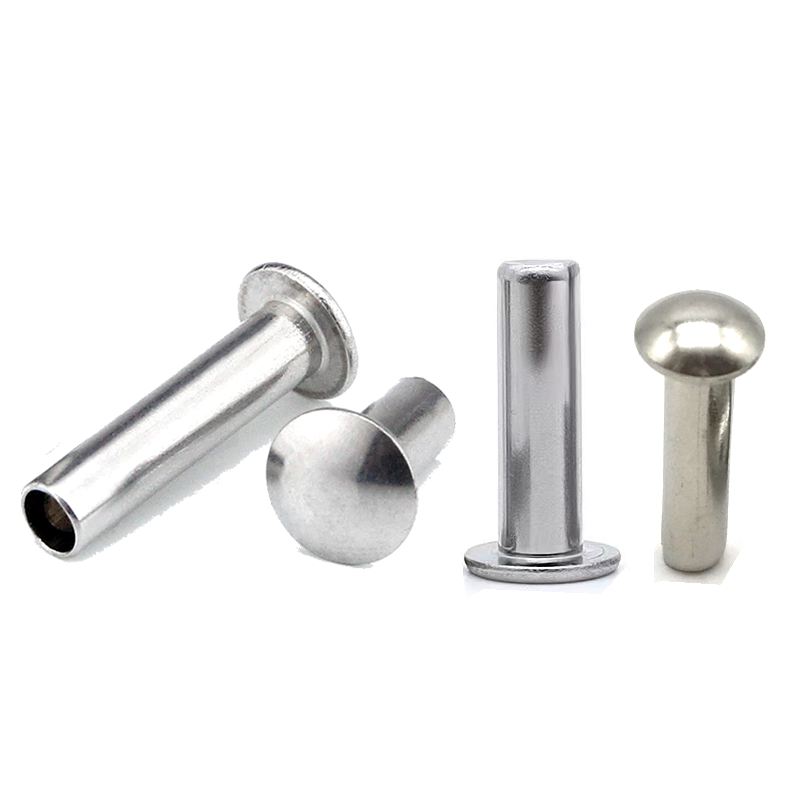
| Feature | Stainless Steel Solid Rivet | Stainless Steel Semi‑Tubular Rivet | Stainless Steel Full Tubular Rivet |
|---|---|---|---|
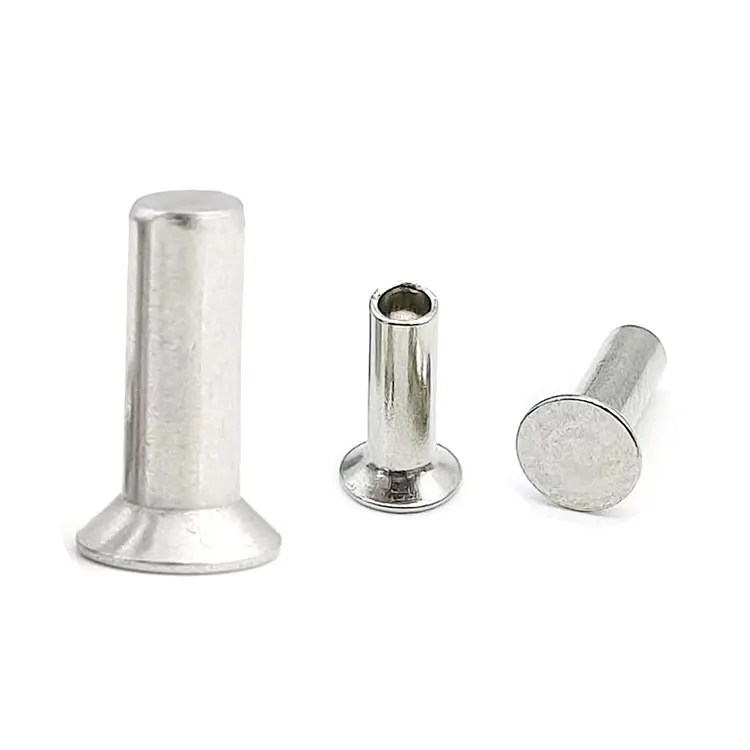
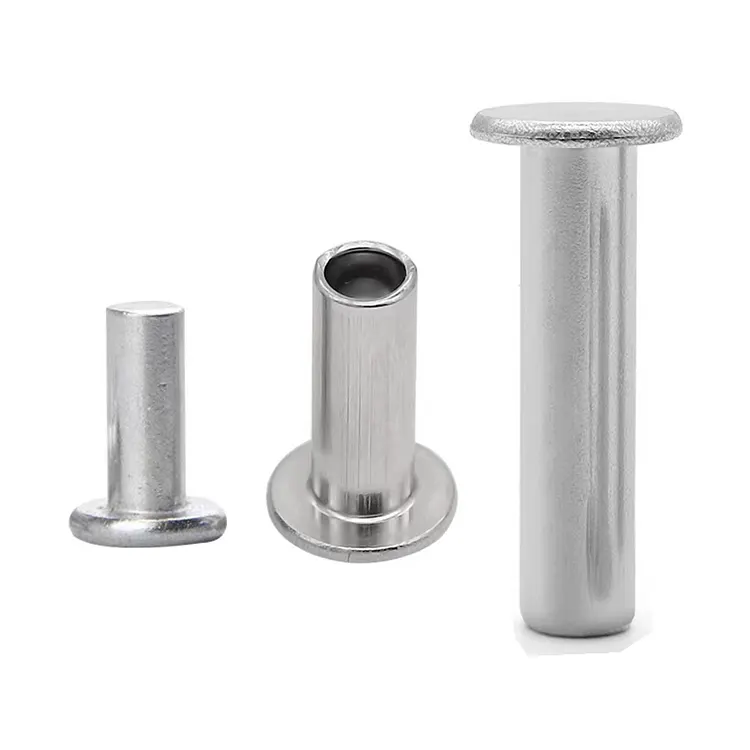
| Tail design | Fully solid | Partially hollow (45–55% of length) | Fully hollow (tube‑style) |
| Setting force | 100% | 25–30% of solid | 15–20% of solid |
| Shear strength | Maximum (100%) | 80–90% of solid | 60–70% of solid |
| Installation speed | Slower, requires heavy equipment | Fast, suitable for automated assembly | Fastest, lowest force required |
| Best for | Structural, high‑load, permanent assemblies | High‑volume production, thin materials, pivot joints | Lightweight assemblies, soft materials |
We offer two grades:
- 304 stainless – Excellent general corrosion resistance. 200–500 hours salt spray. Ideal for general outdoor, food processing, and industrial applications.
- 316 stainless – Superior chloride resistance with molybdenum addition. 1,000+ hours salt spray. Essential for marine, coastal, and chemical environments.
Real Application – Marine Equipment Manufacturer
A manufacturer of boat lifting equipment was using zinc‑plated steel rivets for structural assemblies. After one season in saltwater environments, the plating wore off and the rivets rusted – compromising structural integrity. The customer needed a fastener that would survive continuous salt exposure without corrosion.
Nuote Metals supplied 316 stainless steel solid rivets – 6.0mm shank, 10.0mm round head, 20.0mm overall length, passivated finish. The 316 grade delivered 1,000+ hours of salt spray resistance, ensuring permanent corrosion protection. The solid construction provided maximum holding strength for structural assemblies. The passivated surface eliminated free iron that could cause staining.
The customer tested the rivets across 50 lifting units. After 2,000 hours of salt spray testing and six months of field use, zero rust, zero loosening. They now order stainless steel rivets in batches of 100,000 pieces.
Standard Options – Sizes, Grades, Head Styles
Shank diameters: 1.5 – 8.0mm
Grades: 304 stainless (general outdoor), 316 stainless (marine/coastal)
Design: Solid, semi‑tubular, or full tubular
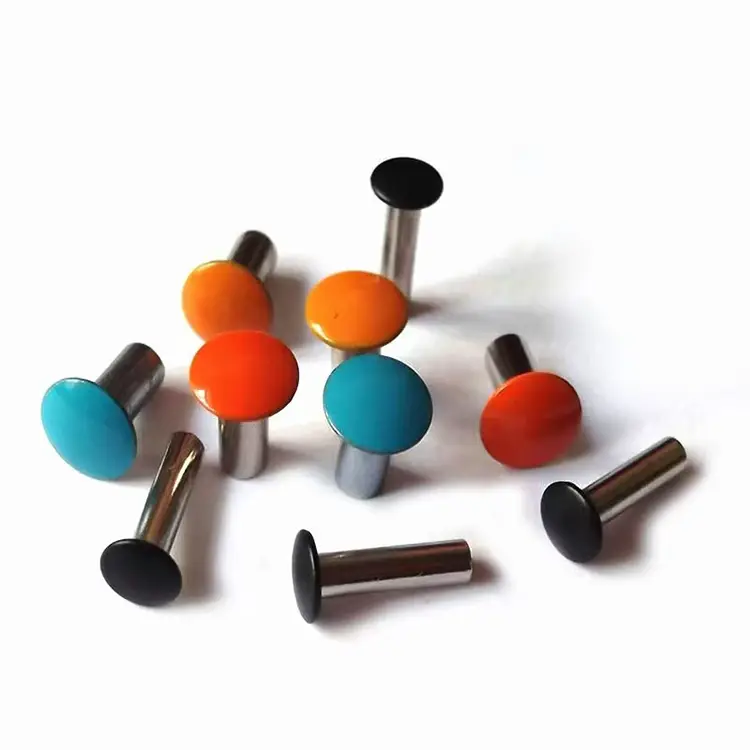
Head styles: Round, flat, oval, truss, countersunk
Passivation: Available upon request (removes free iron, restores oxide layer)
Lengths: Custom to your material stack thickness
| Shank (mm) | Head Styles | Typical Head Dia (mm) | Grip Range (mm) |
|---|---|---|---|
| 1.5 – 2.0 | Round / Flat / Oval | 2.8 – 4.2 | 1.0 – 3.0 |
| 2.5 – 3.0 | Round / Flat / Oval / Truss | 4.5 – 5.5 | 1.8 – 4.0 |
| 3.5 – 4.0 | Round / Flat / Oval / Truss | 5.5 – 7.2 | 2.5 – 5.0 |
| 4.5 – 5.0 | Round / Flat / Oval / Truss / Countersunk | 7.0 – 9.0 | 3.0 – 6.5 |
| 5.5 – 6.0 | Round / Flat / Oval / Truss / Countersunk | 9.0 – 10.8 | 3.5 – 8.0 |
| 6.5 – 8.0 | Round / Flat / Oval / Truss / Countersunk | 10.5 – 14.5 | 4.5 – 12.0 |
Tolerances: Shank ±0.05mm, head ±0.15mm, length ±0.15mm. Custom dimensions available.
Passivation – When and Why to Specify It
Stainless steel does not rust. But during manufacturing (stamping, forming, heading), microscopic particles of free iron can transfer from tooling onto the surface. These iron particles can rust, creating red stains – even though the rivet itself is stainless.
Passivation removes these free iron particles and restores the true chromium oxide layer. It is a chemical treatment (typically citric acid) that dissolves surface iron without attacking the base metal.
When do you need it?
- Recommended for visible applications where red stains would be unacceptable (marine canvas, food equipment, architectural hardware)
- Not required for hidden assemblies where staining is not a concern
- Essential for medical, pharmaceutical, and food-contact applications where surface cleanliness is critical
We offer passivation as an additional service – it is not automatically applied unless requested. Passivation certification (ASTM A967 compliance) is provided with every passivated batch.
The Challenges of Cold‑Heading Stainless – And How We Handle Them
Stainless steel is not as forgiving as carbon steel. It work‑hardens quickly, resists deformation, and puts more stress on tooling. This is why some manufacturers avoid stainless rivets or charge premium prices.
We have invested in the tooling and process controls needed to produce stainless rivets consistently.
Here is how we do it:
- Tooling that lasts – We use carbide heading dies that withstand the abrasiveness of stainless steel. Carbide holds its edge longer than tool steel, so your rivets stay within tolerance over long production runs.
- Controlled forming – Stainless work‑hardens with every impact. Our multi‑blow heading process spreads the deformation across three hits, preventing cracks and ensuring consistent cavity formation.
- Lubrication designed for stainless – Standard lubricants fail under the heat and pressure of stainless heading. We use specialised chlorine‑free compounds that reduce friction and extend tool life.
- Real‑time monitoring – In‑die sensors detect when forming forces deviate from the established baseline. This alerts our operators to tooling wear before it affects your rivets.
The result: stainless steel rivets that look right, fit right, and set right – batch after batch.
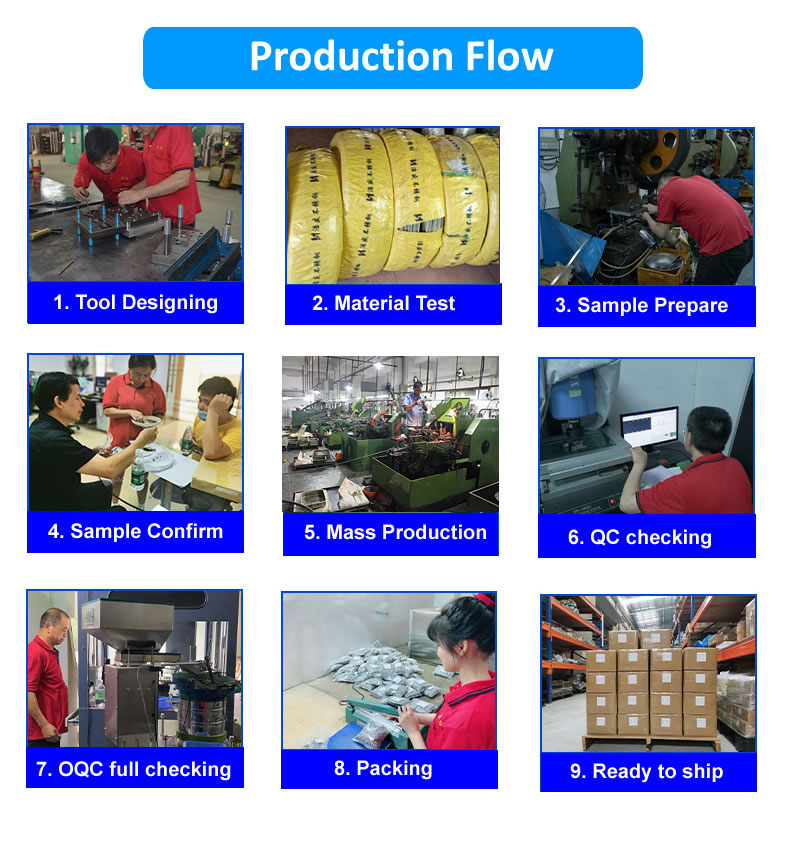
What we check at every stage:
| Check | Tolerance | Why It Matters |
|---|---|---|
| Shank diameter | ±0.05mm | Must fit your hole – too loose wobbles, too tight jams |
| Head diameter | ±0.15mm | Determines bearing surface and pull‑through resistance |
| Overall length | ±0.15mm | Must match your material stack for proper clinch |
| Cavity depth | 45–55% (semi) / 75–90% (full) | Too shallow, setting force high; too deep, clinch weak |
| Surface condition | Pass/fail | No cracks, no marks, no tooling transfer |
Built for the Toughest Environments
Stainless steel rivets are specified where other materials cannot survive:
- Marine and offshore – Boat lifts, deck hardware, structural assemblies, saltwater exposure
- Food processing – Equipment frames, washdown‑exposed components, hygiene‑critical surfaces
- Chemical plants – Structural connections, corrosive environments, acid exposure
- Medical and pharmaceutical – Surgical instruments, sterile assemblies, cleanroom applications
- Outdoor infrastructure – Bridges, handrails, architectural hardware, coastal installations
- Automotive – Exhaust components, high‑temperature sensors, under‑hood assemblies
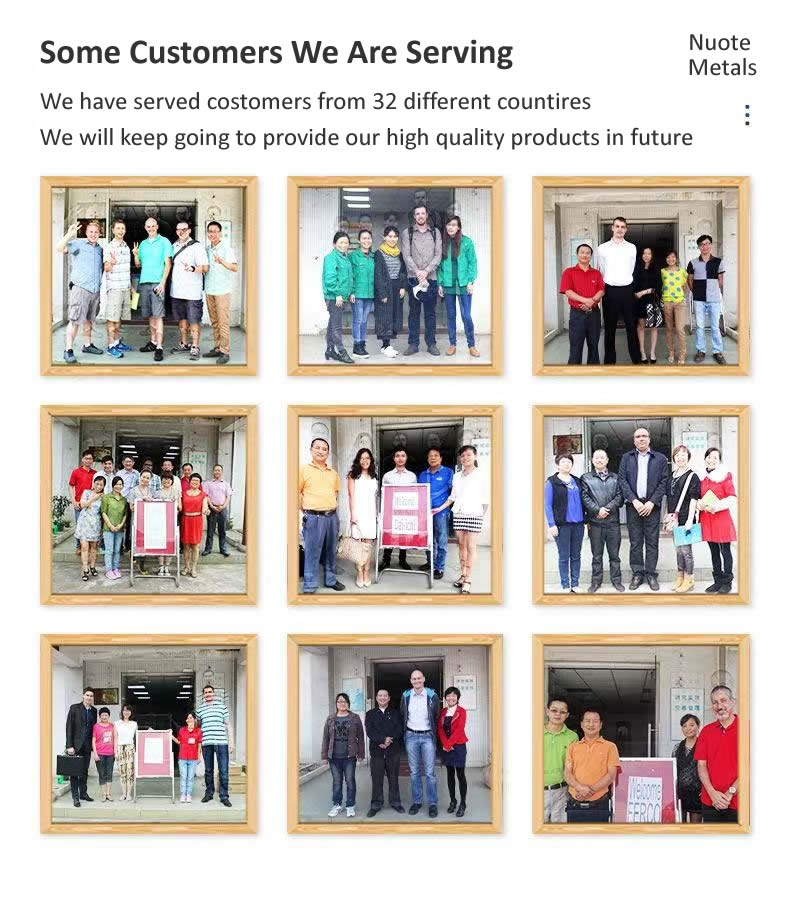
Every shipment includes:
- Mill test certificate – Chemical composition and tensile properties
- Dimensional inspection report – Actual measured values from the batch
- Passivation certificate – ASTM A967 compliance (if passivation was requested)
- Salt spray test certificate – ASTM B117 results (if tested)
- Certificate of Conformance – Signed, batch‑traceable
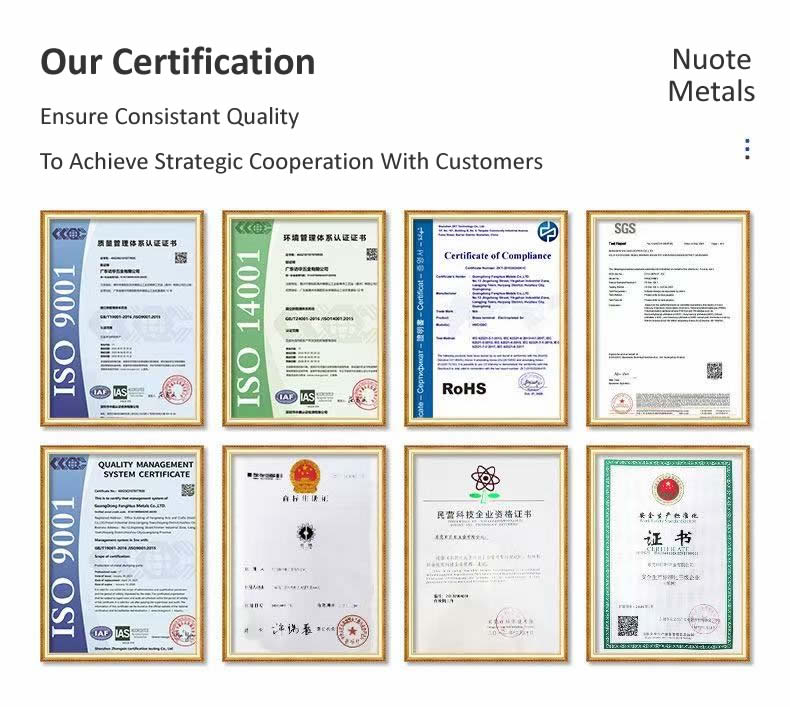
- Certified to: ISO 9001:2015, RoHS, REACH
Three Questions We Answer Often
Q1: What is the difference between 304 and 316 stainless steel rivets?
A: 316 contains 2–3% molybdenum, which provides superior resistance to chlorides (saltwater, de‑icing salts, bleach). 304 offers excellent general corrosion resistance but can pit in prolonged saltwater exposure. Choose 304 for general outdoor and food processing. Choose 316 for marine, coastal, and chemical environments. For the boat lift case above, 316 was essential because the equipment operates in continuous saltwater contact.
Q2: Do stainless steel rivets rust? Why do they sometimes show rust stains?
A: Stainless steel does not rust – the material itself is corrosion‑resistant. However, during manufacturing, free iron particles from tooling can transfer onto the surface and rust. This is why we offer passivation – it removes these particles and restores the true corrosion‑resistant surface. Passivation is not automatic; it is applied on request. For hidden assemblies where staining is not visible, passivation is often unnecessary.
Q3: Which design should I choose – solid, semi‑tubular, or full tubular?
A: Semi‑tubular is the default choice for most applications – 80–90% of solid strength at 25–30% of the setting force. Choose solid when you need maximum strength. Choose full tubular when you are working with soft materials or need minimal setting force.
We Keep Stainless Rivets Simple – Here Is How to Order
We do not need a sales call. We do not need a meeting. We need three things from you:
Shank diameter – 1.5mm to 8.0mm
Length – barrel length or overall length, or your total material stack thickness
Quantity – annual or per‑order volume
Plus four choices:
Grade – 304 or 316 stainless steel
Design – solid, semi‑tubular, or full tubular
Head style – round, flat, oval, truss, or countersunk
Passivation – yes or no (required for visible applications, optional for hidden assemblies)
Send us your specs. We respond within 24 hours with:
Tooling cost (if any)
Piece price based on your quantity
Lead time
Sample availability
Hot Tags: Stainless Steel Rivets Supplier,China Stainless Steel Rivets,SUS304 Rivets Manufacturer
Related Categories
Send Inquiry
Please feel free to fill your inquiry in the form below. We will reply you in 24 hours.



X
We use cookies to offer you a better browsing experience, analyze site traffic and personalize content. By using this site, you agree to our use of cookies.
Privacy Policy