
Products
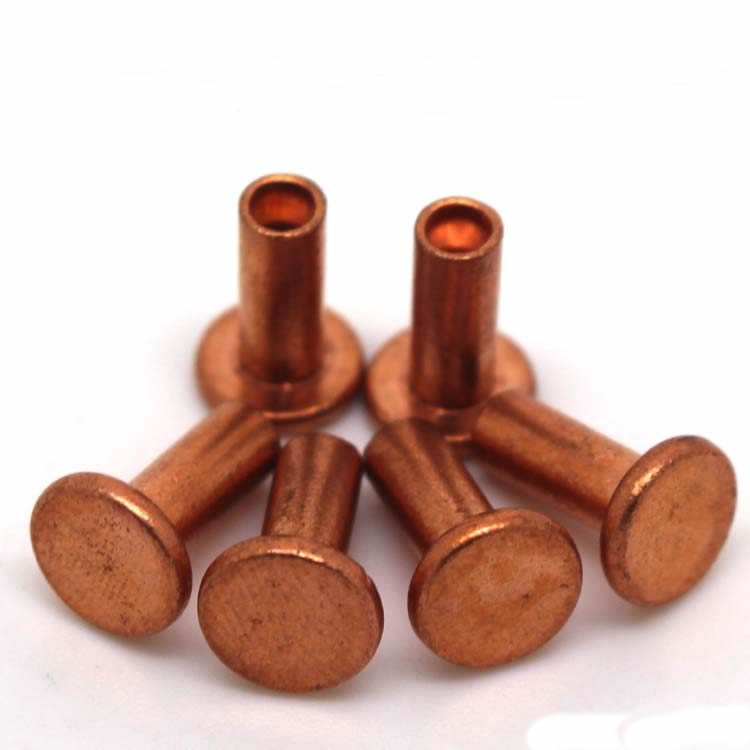
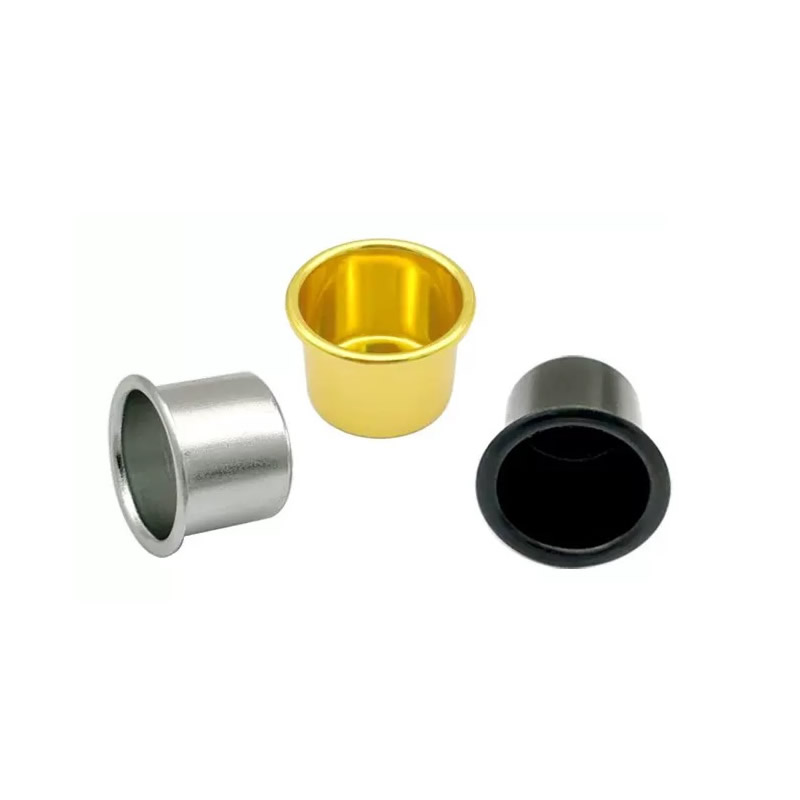
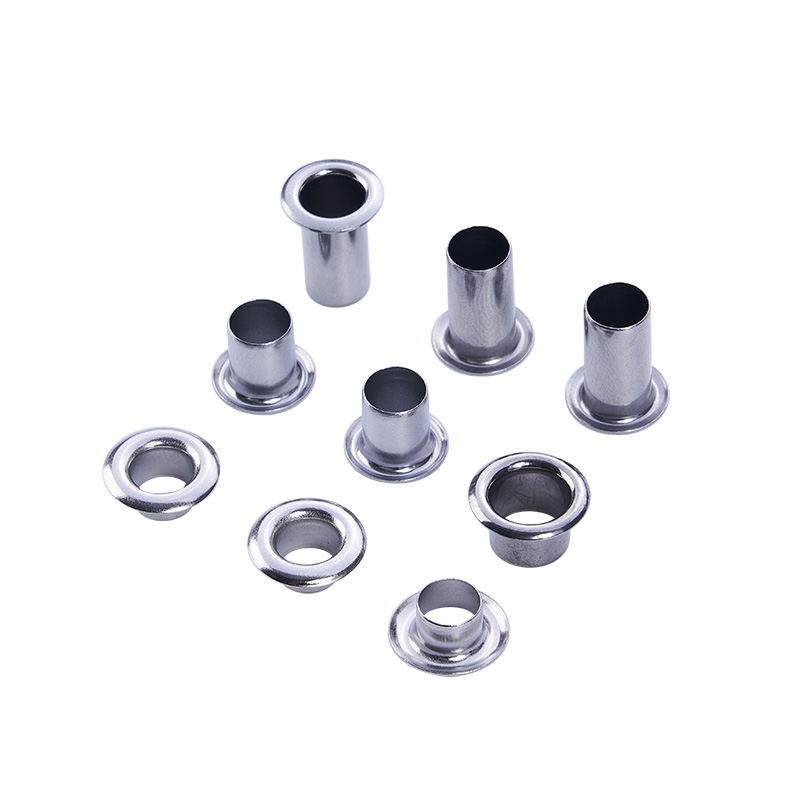
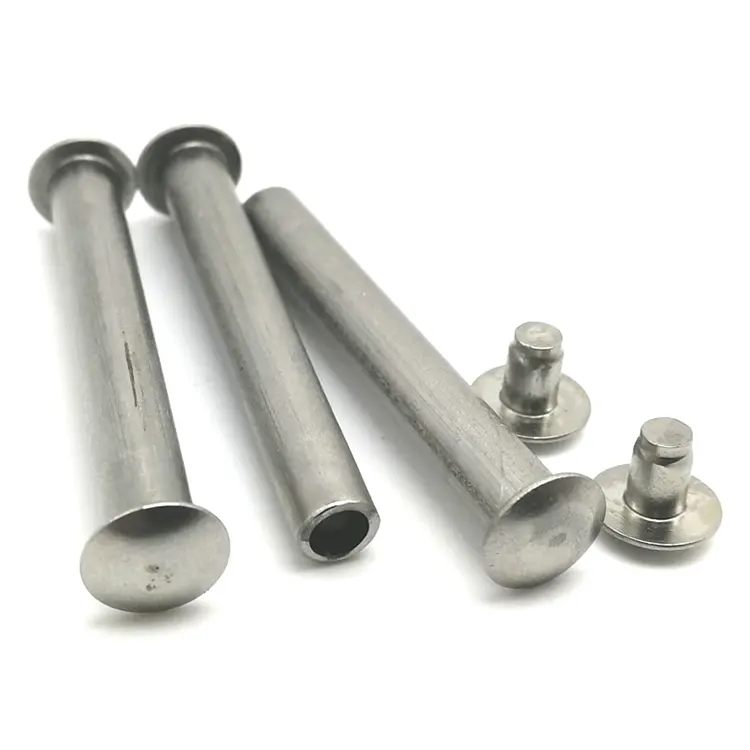
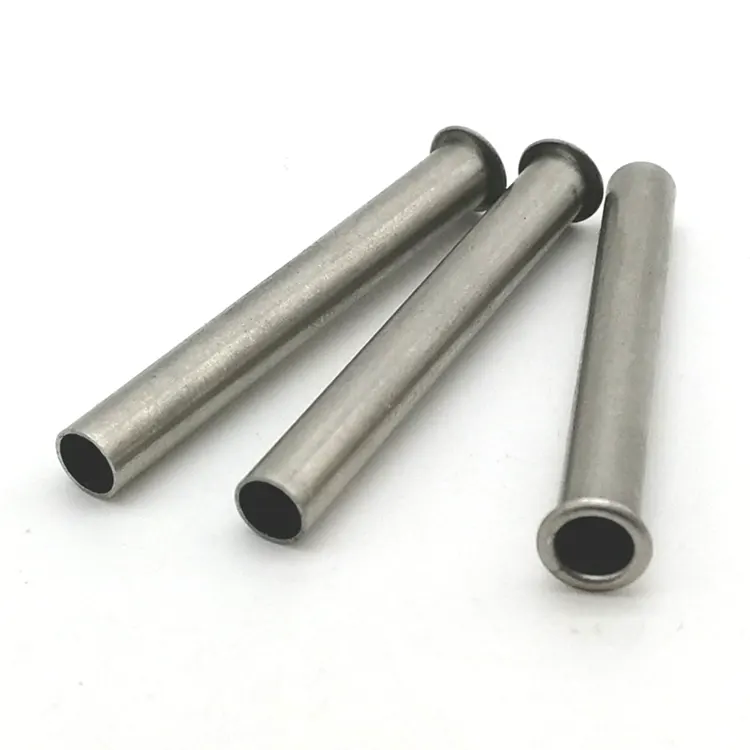

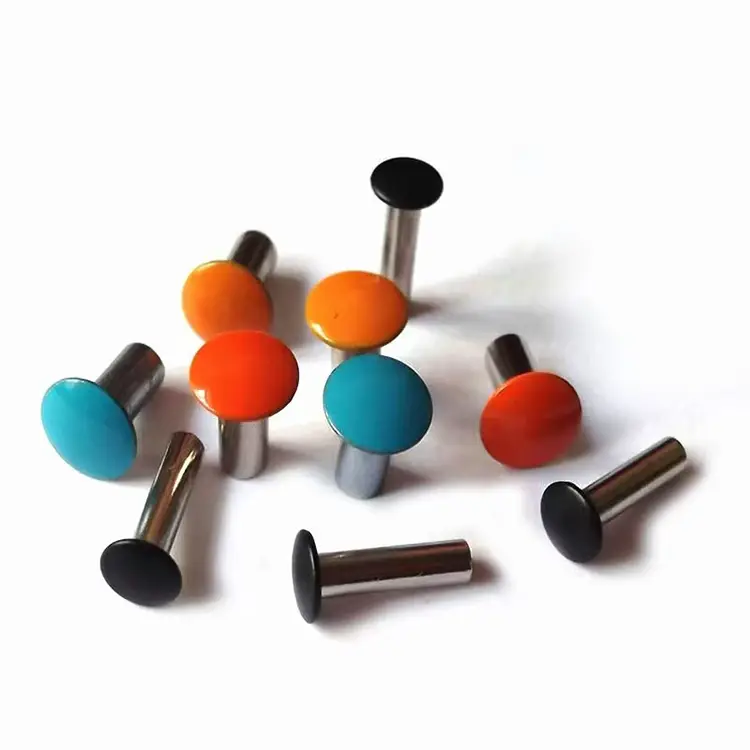
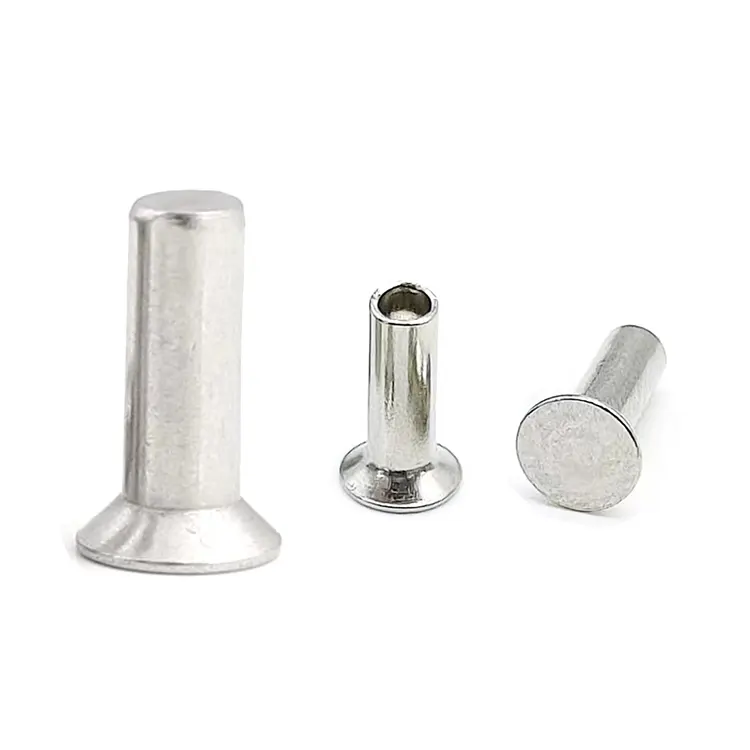
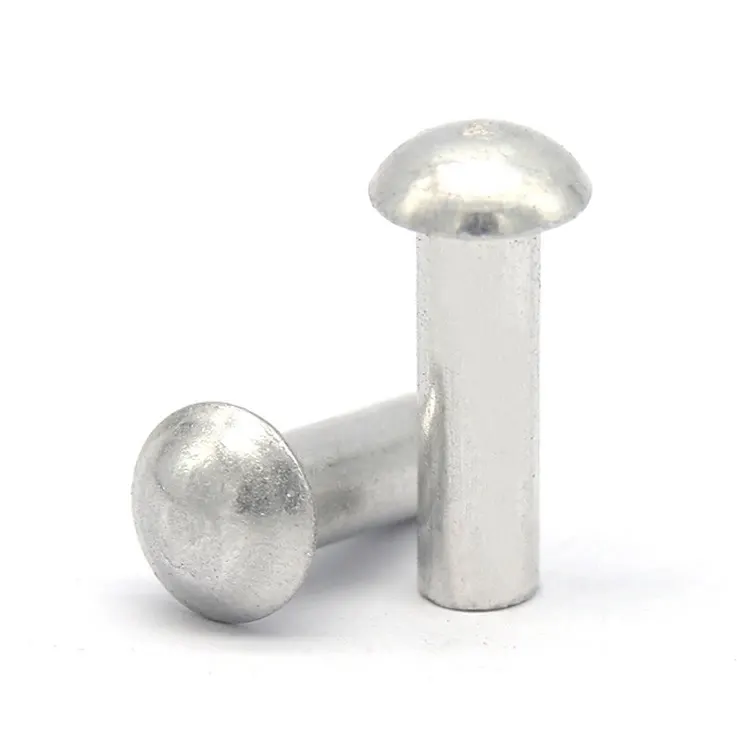
Aluminum Flat Head Rivets
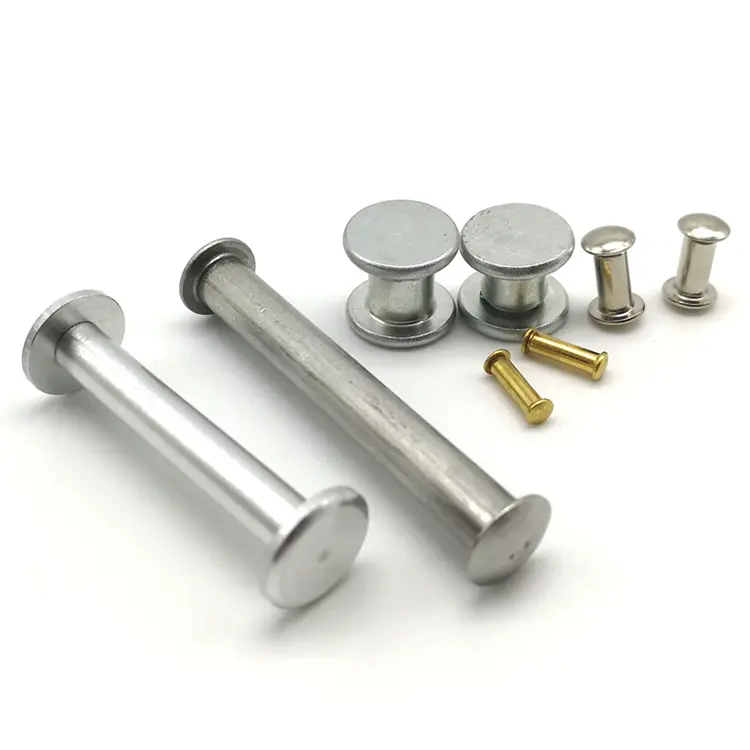
Pure aluminum flat head rivets are made of pure aluminum and feature lightweight, corrosion resistance, and excellent electrical conductivity. They are suitable for general, low-demand applications such as furniture, electrical appliances, and vehicle and shipbuilding. However, pure aluminum's low strength makes it unsuitable for high-load applications. Nuote Metals is a leading manufacturer of aluminum flat head rivets in China, exporting our rivets worldwide. We welcome your visit and inquiries.
Send Inquiry
Product Description
Low-Profile Fastening for Weight-Sensitive Assemblies
When you need a fastener that disappears into the surface and adds almost no weight, Aluminum Flat Head Rivets are the answer. At Nuote Metals, we manufacture these rivets from high-quality aluminum alloys, offering a unique combination of low profile, light weight, and natural corrosion resistance.
Unlike steel rivets that add significant mass, aluminum flat head rivets weigh roughly one-third of their steel counterparts. This makes them ideal for electronics, automotive interiors, HVAC components, and any assembly where every gram counts. The flat head sits nearly flush with the surface—no snag points, no protruding dome—while the aluminum body provides good conductivity and is naturally non-magnetic.
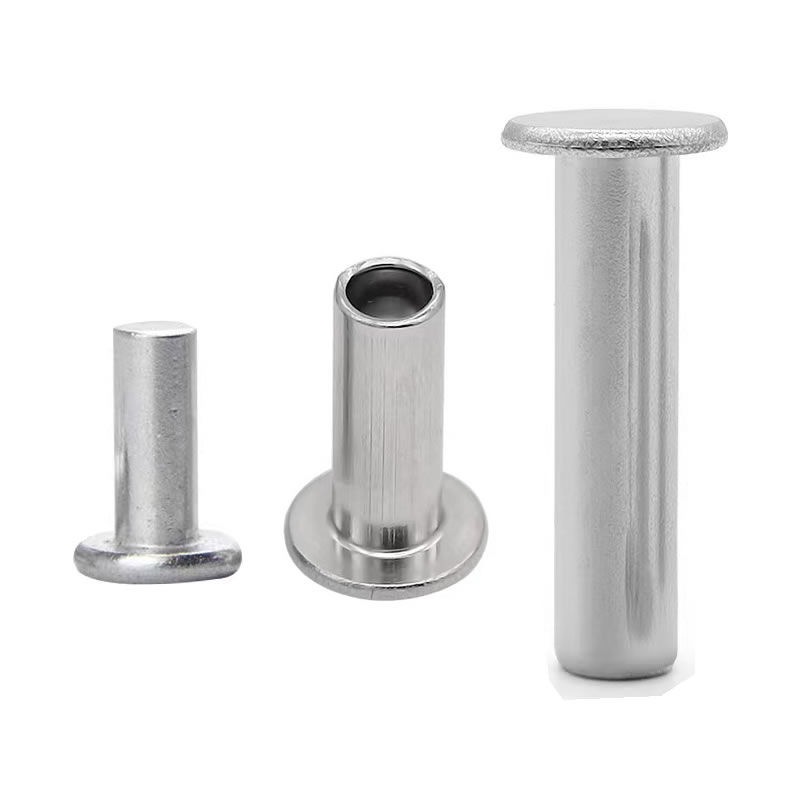
Why Choose Aluminum Flat Head Rivets?
The combination of aluminum material and flat head geometry solves specific problems:
Aluminum advantages:
- Lightweight: Density of 2.7 g/cm³ vs. steel at 7.85 g/cm³ – a 65% weight reduction.
- Corrosion resistant: Forms a natural oxide layer that protects against rust. No plating required for indoor use.
- Thermally conductive: 237 W/m·K for 6061 – useful for heat sinks and electronics cooling.
- Non-magnetic: Ideal for sensitive electronic equipment and medical devices.
- Recyclable: High scrap value and environmentally friendly.
Flat head advantages:
- Lowest profile: Head height only 0.2×–0.3× the shank diameter.
- No countersink required: Sits directly on the surface – simple hole preparation.
- Snag-free: Smooth top and straight sides don't catch wires or clothing.
- Easy to conceal: Can be painted, anodized, or left natural.
When to choose flat head over countersunk: If you don't want to machine tapered holes. Flat head gives you a flush-like appearance without the cost and material removal—especially important in thin aluminum sheets where countersinking would weaken the joint.
Technical Specifications
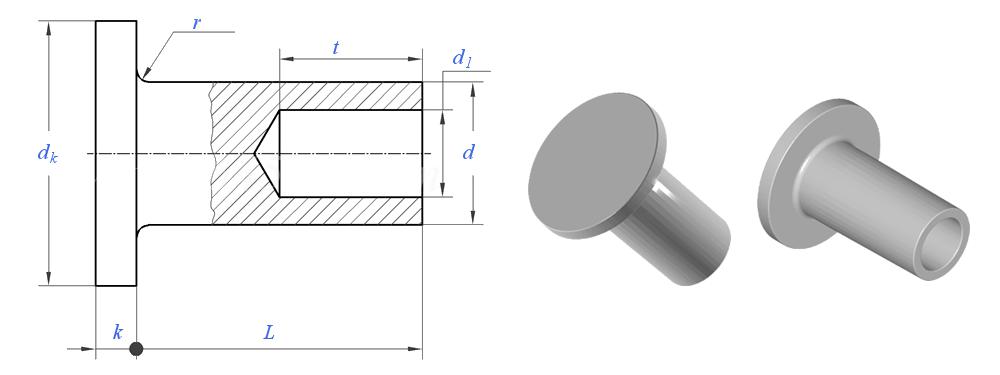
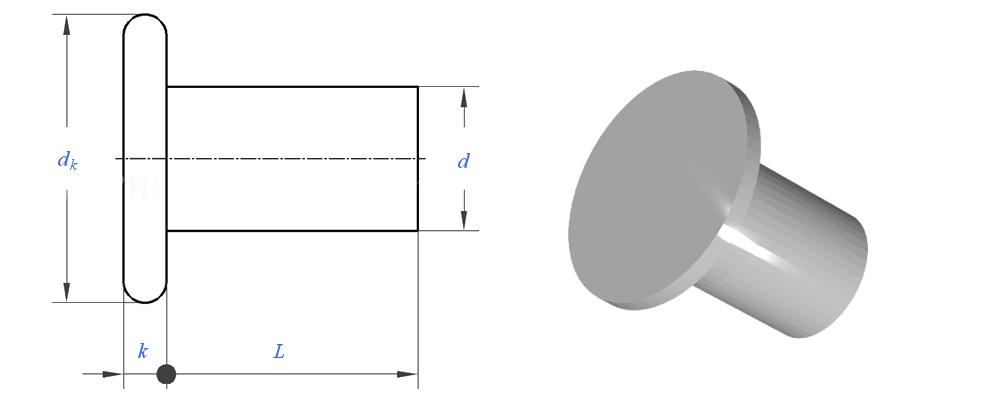
Manufactured to DIN 661 and ISO 1051 dimensions. Custom sizes available.
| Parameter | Value / Range | Test Standard / Tolerance |
|---|---|---|
| Shank Diameter (d) | 1.5 – 10 mm | ±0.05mm (≤6mm) |
| Head Diameter (dk) | 1.5×d to 1.8×d | ±0.15mm |
| Head Height (k) | 0.2×d to 0.3×d | ±0.1mm |
| Length (L) | 3 – 40 mm | ±0.3mm |
| Tensile Strength | 110 – 310 MPa (depends on alloy) | ASTM B316 |
| Shear Strength | 70 – 190 MPa | ASTM F606 |
| Thermal Conductivity | 237 W/m·K (6061-T6) | ASTM E1461 |
| Density | 2.7 g/cm³ | – |
| Standards | DIN 661, ISO 1051 | Custom per drawing |
Common alloys:
5052: Excellent corrosion resistance, good formability. Best for marine and outdoor.
6061: Higher strength, good machinability. Best for structural and automotive.
1100: Pure aluminum, highest conductivity and ductility. Best for electronics and heat sinks.
Aluminum vs. Steel vs. Copper Flat Head Rivets
Choosing the right material depends on your priorities:
Aluminum Flat Head: Best for weight-sensitive applications, indoor use, electronics, and HVAC. Lightest option, naturally corrosion-resistant, good conductivity.
Steel Flat Head: Best for high strength and structural joints. Heavier, requires plating for corrosion resistance.
Copper Flat Head: Best for maximum conductivity and marine environments. Heavier than aluminum, naturally patinas, excellent for electrical grounding.
Rule of thumb: If weight matters and the joint is not highly stressed, choose aluminum. If you need strength, choose steel. If you need conductivity and corrosion resistance, choose copper.
Solid vs. Semi-Tubular – For Aluminum's Softness
| Feature | Solid Aluminum Flat Head | Semi-Tubular Aluminum Flat Head |
|---|---|---|
| Setting force | 100% (baseline) | 50–60% |
| Shear strength | 100% | 80–85% |
| Risk of sheet deformation | Higher – requires controlled force | Lower – gentle clinching |
| Best application | Thicker aluminum, moderate loads | Thin sheets, electronics, high-volume |
| Production speed | Slower | 40–50% faster |
Key insight for aluminum: Aluminum is soft. Semi-tubular flat head rivets reduce setting force by nearly half, making them the safer choice for thin aluminum sheets under 2mm. For thicker plates or where maximum shear strength is needed, choose solid and use a calibrated press.
Surface Finishes and Corrosion Protection
Aluminum naturally resists corrosion, but finishes can enhance appearance and durability.
Available finishes:
- Mill finish – natural aluminum, suitable for indoor use.
- Anodized – electrochemical oxide layer. Available in clear, black, or custom colors. Excellent for outdoor and decorative.
- Chromate conversion coating (Alodine) – conductive, corrosion-resistant. Ideal for electrical grounding.
- Painted – for color matching in architectural or automotive applications.
Important – galvanic corrosion: When aluminum contacts stainless steel, copper, or brass in a wet environment, galvanic corrosion can occur. To prevent it:
- Use a nylon washer or isolation tape between dissimilar metals.
- Choose anodized or chromate finishes to reduce galvanic potential.
- Avoid direct aluminum-to-copper connections outdoors.
Nuote Metals can advise on the best finish and isolation method for your specific material combination.
Nuote Metals – Your Aluminum Rivet Manufacturer in China
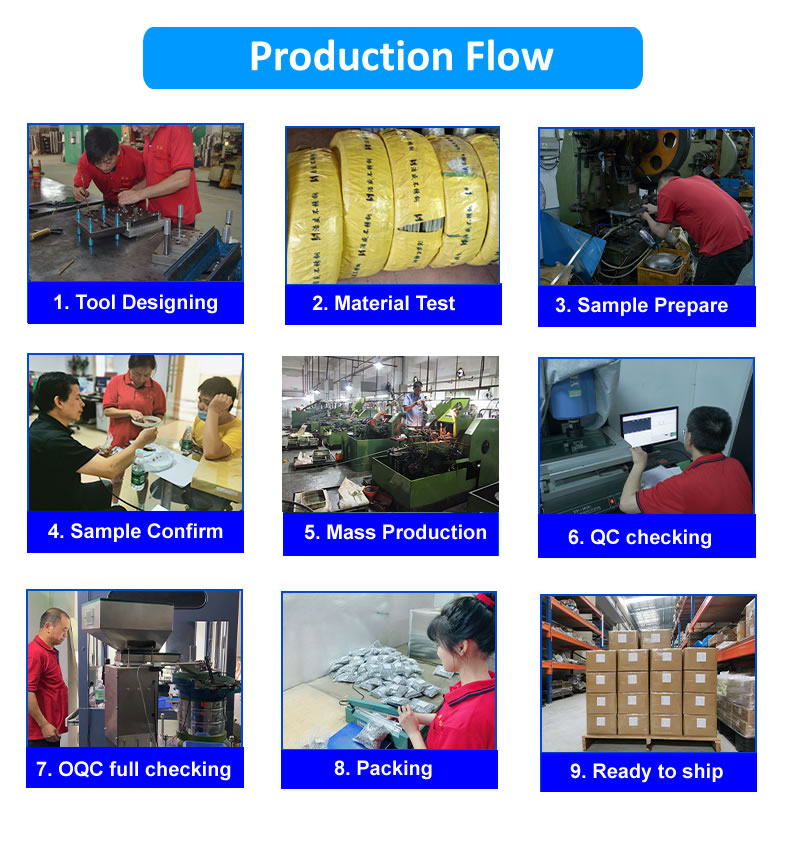
Nuote Metals has been manufacturing aluminum fasteners for over 20 years from our ISO 9001:2015 certified factory in China. We export to more than 50 countries across North America, Europe, and Southeast Asia.
What we offer:
- In-house wire drawing – we control aluminum alloy purity and temper.
- Dedicated cold-heading lines for aluminum – tooling designed for aluminum's softness and flow characteristics.
- Alloy certification – mill test reports for 5052, 6061, and 1100.
- In-house finishing: anodizing, chromate conversion, painting.
- Full traceability – material certificates with every shipment.
- Free samples for qualification – shipping costs apply.
- Fast lead times – standard sizes ship in 7–10 days.
Why customers choose Nuote Metals: Consistent head geometry, clean finishes, and transparent communication. We share inspection reports and alloy data with every order. This is the Nuote Metals difference.
Installation Tips for Aluminum Flat Head Rivets
Hole size: d + 0.05mm to d + 0.1mm. Tighter than steel—aluminum flows to fill the hole.
Setting force: 40–60% of steel rivet force. Excessive force will flatten the head and distort thin sheets.
Anvil selection: Use a flat anvil with a diameter equal to or larger than the head.
Grip range: Total stack should be L – 1.0×d to L – 0.6×d (solid) or L – 1.2×d to L – 0.8×d (semi-tubular).
Galvanic isolation: When joining aluminum to other metals, use a barrier layer or choose anodized rivets.
Frequently Asked Questions
Q1: Can Aluminum Flat Head Rivets be used outdoors?
A: Yes, but the alloy and finish matter. For outdoor use, we recommend 5052 aluminum with an anodized or chromate conversion finish. 5052 offers excellent corrosion resistance, and the anodized layer provides additional protection against weathering. For coastal or marine environments, avoid contact with stainless steel or copper without isolation—galvanic corrosion will attack the aluminum. If you need to join aluminum to dissimilar metals outdoors, use a nylon washer or apply a protective coating. Nuote Metals can supply anodized 5052 flat head rivets and advise on isolation methods.
Q2: Are Aluminum Flat Head Rivets strong enough for structural applications?
A: It depends on the alloy and load. 6061-T6 aluminum rivets offer tensile strength up to 310 MPa—comparable to low-carbon steel. However, aluminum is softer than steel and has lower shear strength. For light structural joints, electronics chassis, automotive interior panels, and HVAC ducting, aluminum flat head rivets are perfectly adequate. For heavy structural loads or high-vibration environments, we recommend steel or stainless steel rivets. Nuote Metals can help you select the right alloy and size based on your joint design and expected loads.
Q3: What is the difference between 5052, 6061, and 1100 aluminum for rivets?
A: Each alloy offers different properties:
5052: Best corrosion resistance and formability. Ideal for marine, outdoor, and general sheet metal. Moderate strength.
6061: Highest strength of the three (up to 310 MPa). Good machinability. Best for structural and automotive applications.
1100: Purest aluminum (99%+). Highest thermal and electrical conductivity. Softest and most ductile. Best for heat sinks, electronics, and decorative trim.
Choose based on your priority: corrosion resistance (5052), strength (6061), or conductivity (1100). Nuote Metals stocks all three and can advise based on your application.
Hot Tags: Aluminum Flat Head Rivets Supplier,China Flat Head Rivets,Flat Head rivets Manufacturer
Related Categories
Send Inquiry
Please feel free to fill your inquiry in the form below. We will reply you in 24 hours.



X
We use cookies to offer you a better browsing experience, analyze site traffic and personalize content. By using this site, you agree to our use of cookies.
Privacy Policy