
Products
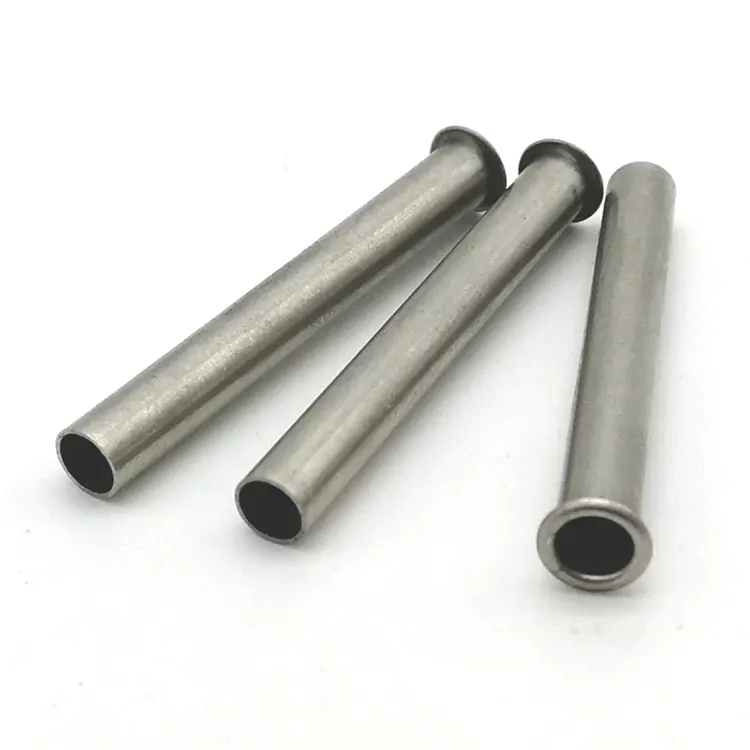
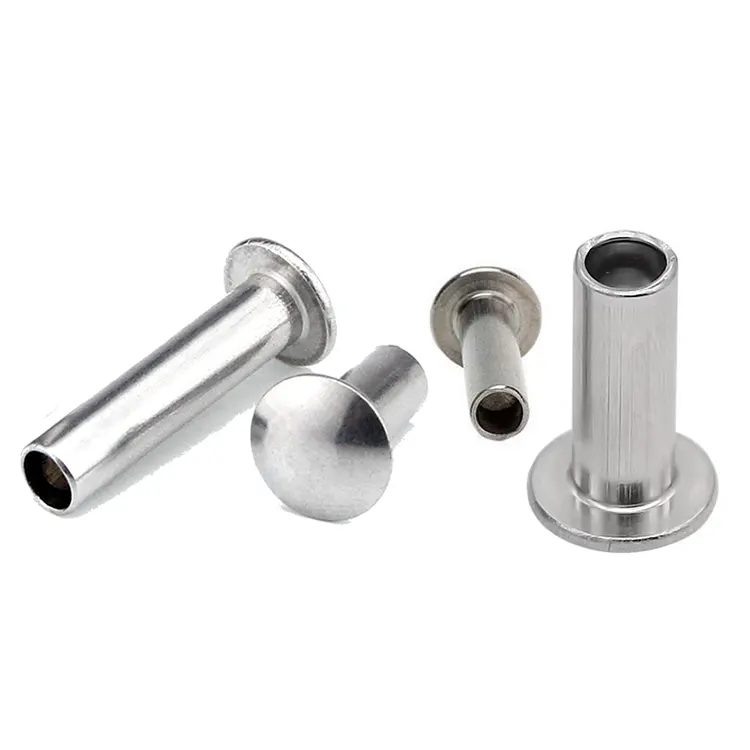
Half Hollow Rivets
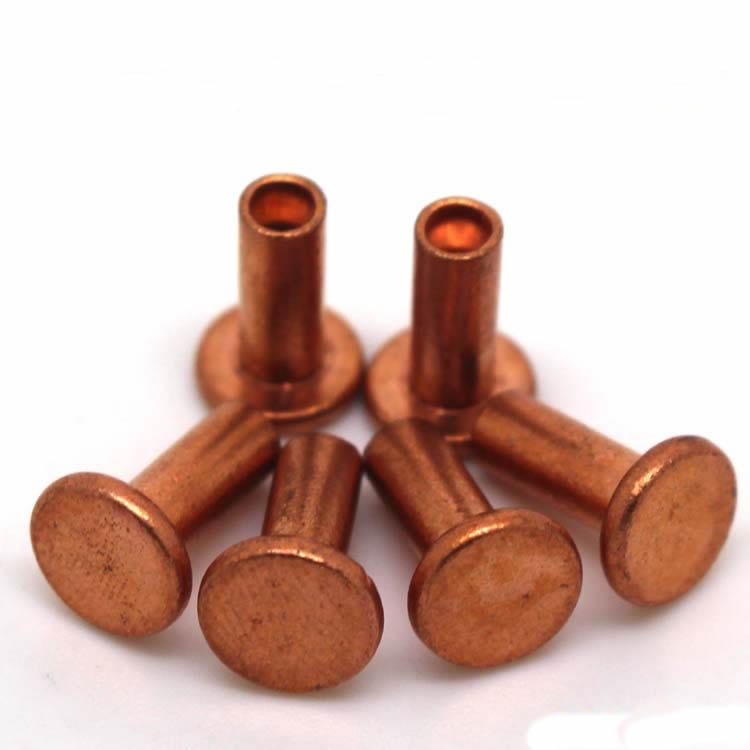
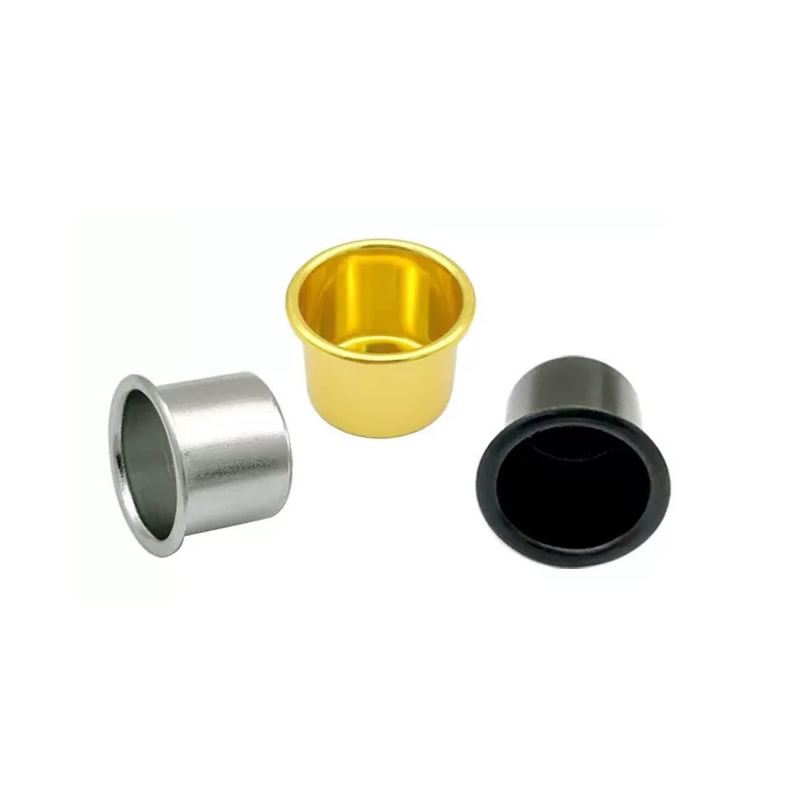
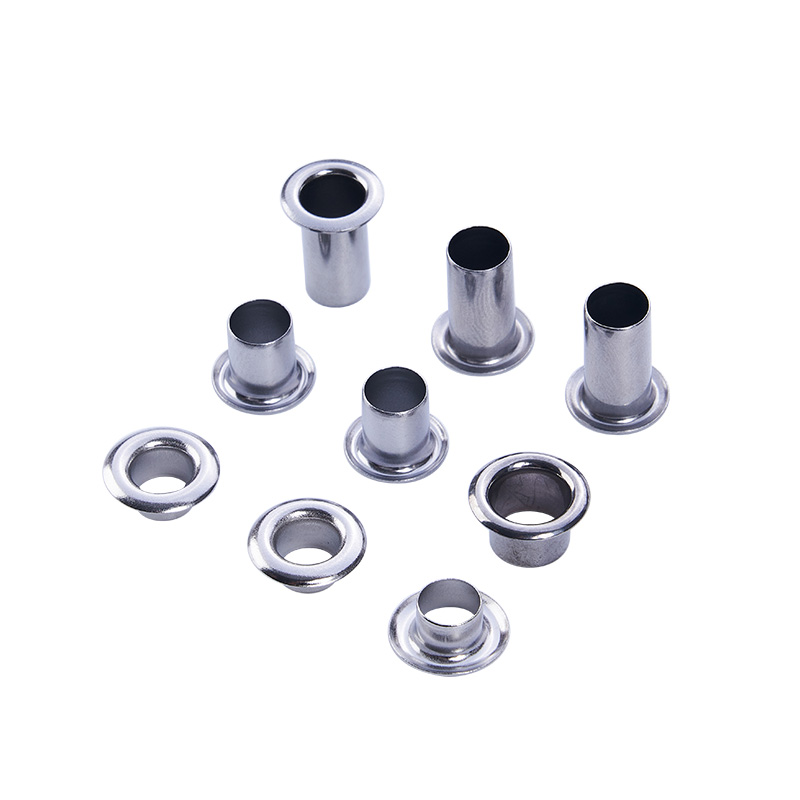
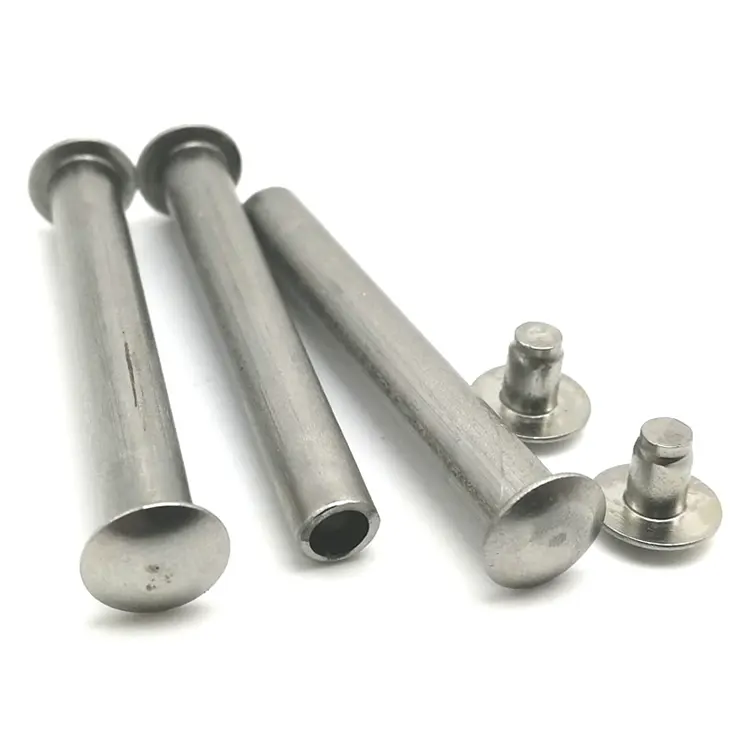
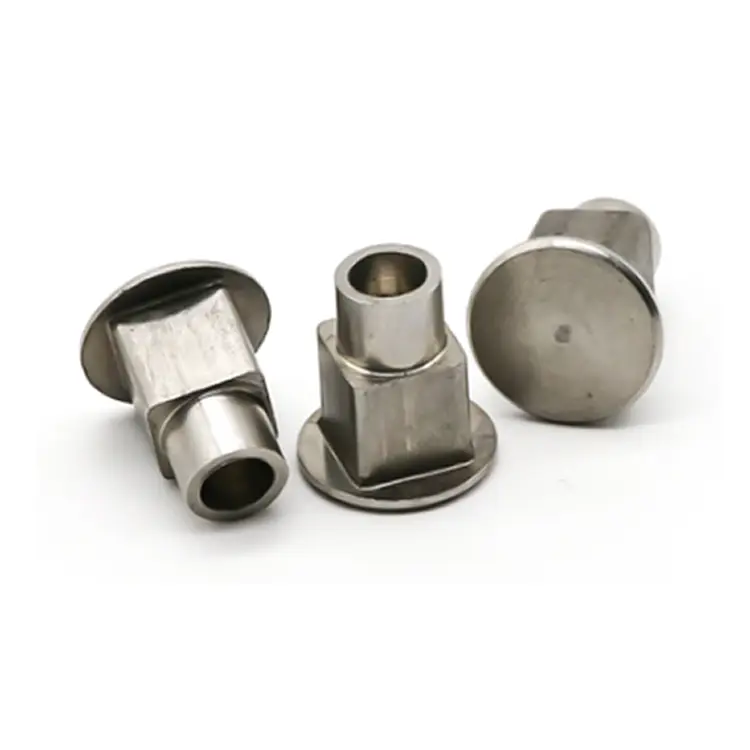
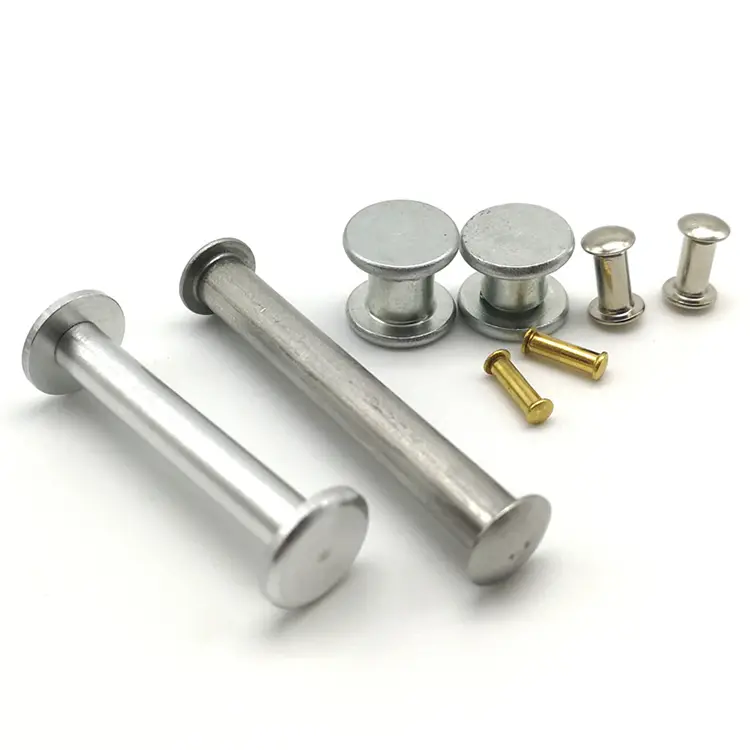
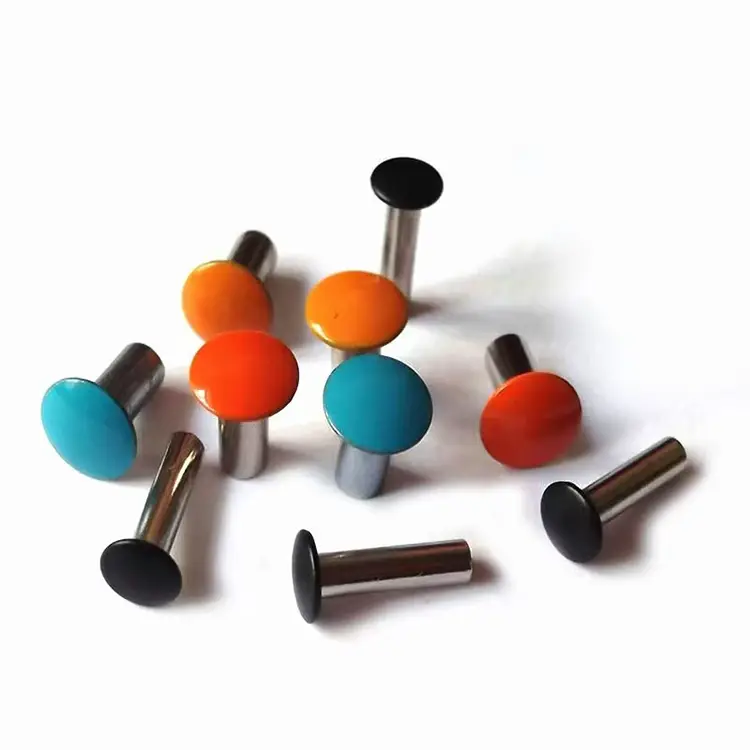
Nuote Metals is located in Dongguan, China, we are specializing in the production of a variety of rivets, including solid rivets, semi-tubular rivets, and full tubular rivets. Half hollow rivets are a common industrial fastener, featuring a hollow core structure with a semi-enclosed head and shank. This design allows them to combine lightweight and high strength, making them widely used in applications requiring efficient riveting. Compared to solid rivets, half hollow rivets reduce weight by using less material, while leveraging plastic deformation during riveting to achieve a secure connection, making them particularly suitable for weight-sensitive applications.
Send Inquiry
Product Description
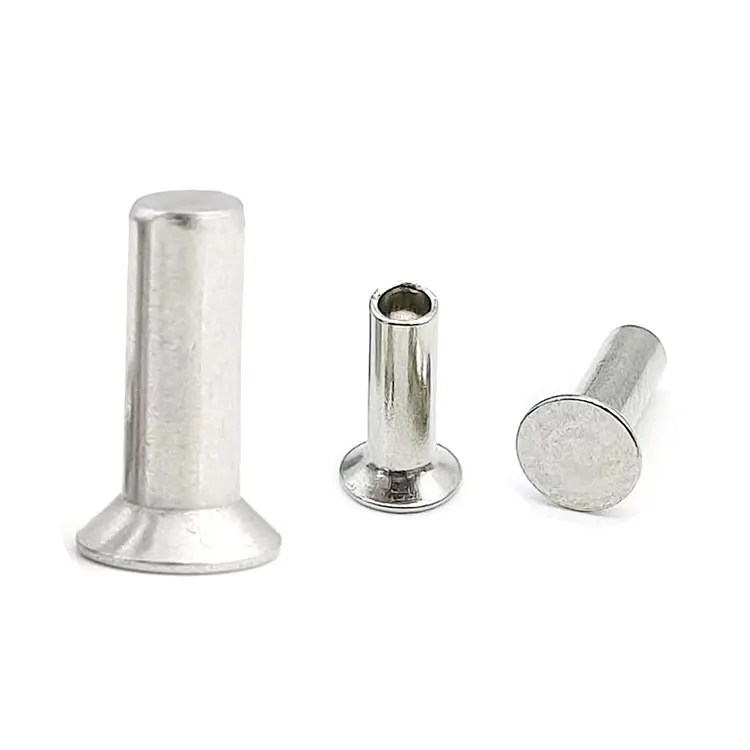
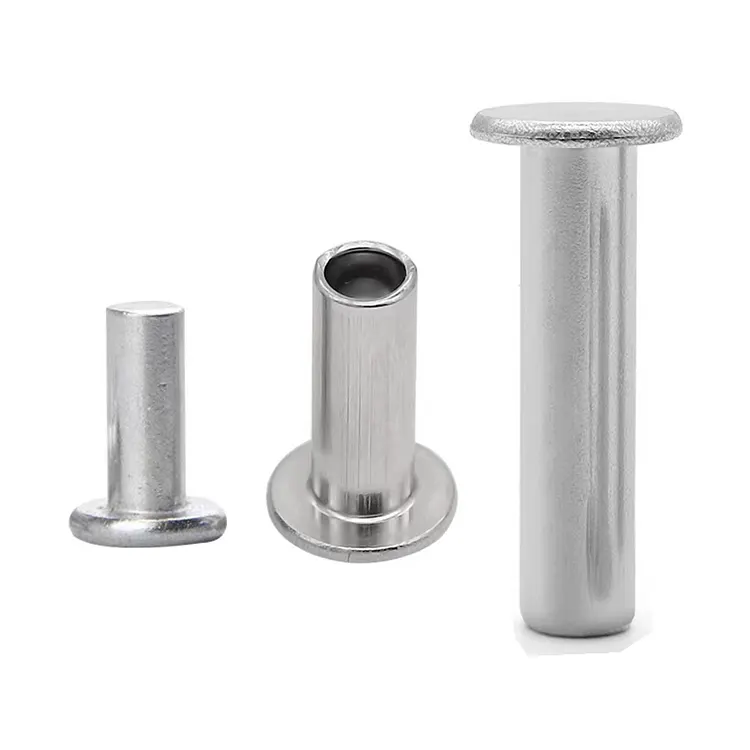
Let us clear up the naming confusion first. Half hollow rivets, half tubular rivets, and semi tubular rivets are the same product. Some industries use one term, some use another. The design is identical: a shallow cavity at the tail end – typically 45–55% of the barrel length – that reduces setting force by 70% compared to solid rivets.
If you have been searching for "half hollow" and wondering if it is different from "semi tubular" – it is not. We make the same fastener under all three names, so you can find us regardless of which term you use.
Half Hollow vs. Solid – The Difference That Matters
| Feature | Half Hollow Rivet | Solid Rivet |
|---|---|---|
| Tail design | Partially hollow (45–55% of length) | Fully solid |
| Setting force | 25–30% of solid rivet force | 100% |
| Installation speed | Fast, suitable for automated assembly | Slower, requires heavy equipment |
| Shear strength | 80–90% of solid rivet | 100% (reference) |
| Best for | High‑volume production, thin materials, pivot joints | Extreme structural loads, heavy‑duty applications |
For most industrial, furniture, automotive, and hardware applications, the half hollow rivet delivers more than enough strength while keeping production efficient.
Materials & Head Styles – What We Offer
We manufacture in five materials:
| Material | Best For |
|---|---|
| Carbon steel (zinc‑plated / black oxide / nickel‑plated) | Industrial, cost‑sensitive |
| Stainless steel (SUS304, passivated) | Outdoor, food, medical |
| Brass (C2680) | Decorative, electrical, non‑magnetic |
| Copper (C11000) | Electrical, thermal, antimicrobial |
| Aluminum (5052/5056) | Lightweight, non‑magnetic |
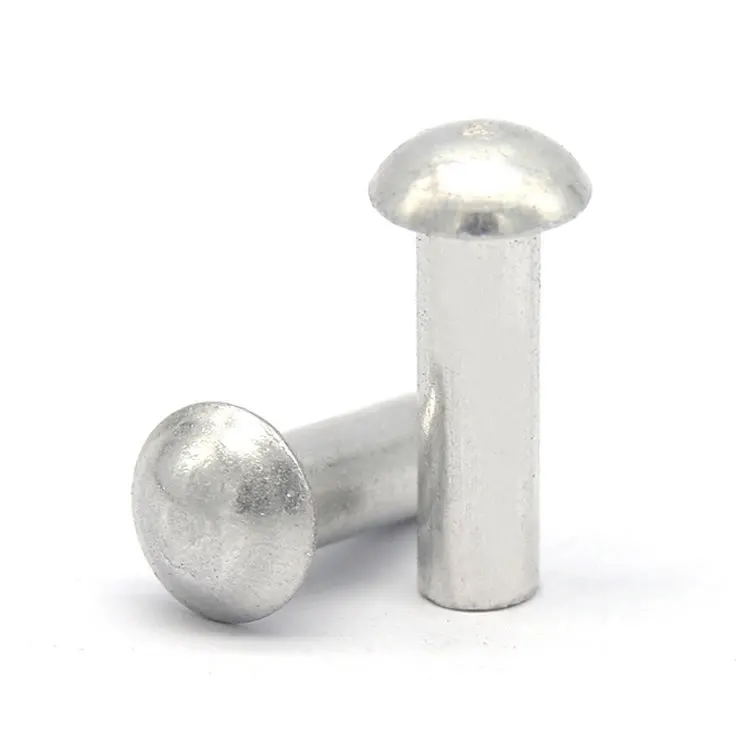
Head styles available: Round, flat, oval, countersunk, truss, mushroom.
One Real Application – Garage Door Hardware Assembly
A garage door hardware manufacturer was using solid rivets for hinge and bracket assemblies. The solid rivets required high setting force – 3.5 tons – which was causing stress fractures in the thin‑wall steel channels. Reject rates were high, and the assembly line was slower than the production target.
They switched to half hollow rivets – 4.0mm shank, 7.0mm round head, 10.0mm barrel length, zinc‑plated steel. Setting force dropped from 3.5 tons to 1.0 ton. Stress fractures disappeared. Assembly speed increased by 35%. The customer tested 1,000 rivets across 500 assemblies. After 10,000 open‑close cycles, zero failures. They now order half hollow rivets in batches of 200,000 pieces annually.
How to Specify – What We Need From You
Shank diameter – 1.5mm to 8.0mm
Barrel length – we calculate from your material stack thickness
Head style – round, flat, oval, countersunk, truss, or mushroom
Material – carbon steel, stainless steel, brass, copper, or aluminum
Finish – zinc, passivated, nickel, black oxide, lacquered, anodized, etc.
Length rule for half hollow rivets: Barrel length = material stack thickness + 1.5–2.0mm.
Sample lead time: 5–10 days standard; custom tooling: 15–20 days.
Our Production Process – From Raw Material to Finished Rivet

1. Raw Material Procurement – Certified wire from approved mills. Each coil comes with a mill test certificate and heat number.
2. Incoming Material Inspection – Diameter, hardness, and material composition verified. Coils outside specification are rejected.
3. Tooling Preparation – Carbide heading dies inspected and set up for the half hollow cavity.
4. First Article Inspection – 10 rivets measured on optical comparator. Head diameter, barrel length, cavity depth verified.
5. Mass Production – In‑process checks: 5 rivets every 500 pieces. Any drift stops the press.
6. In‑Process Inspection – Every 2,000 pieces, set 3 rivets into sample material. Clinch inspected for symmetry and tightness.
7. Final Outgoing Inspection – 100% optical sorting. AQL sample manually verified. Dimensional report, material certificate, and Certificate of Conformance issued.
How We Check Critical Dimensions – Our In‑House Lab

| What We Check | How We Check It |
|---|---|
| Shank diameter (±0.02mm) | Laser micrometer |
| Head diameter & height | Optical comparator |
| Cavity depth & concentricity | 2.5D image measuring system |
| Raw material hardness | Rockwell hardness tester |
| Material grade | Spectrometer |
| Corrosion resistance (if required) | Salt spray chamber |
All equipment is calibrated annually. Inspection records are kept for five years.
What Our Customers Say – Real Feedback

Three Questions We Answer Often
Q: "What is the difference between half hollow rivets and semi tubular rivets – are they the same thing?"
A: Yes – they are the same product. "Half hollow," "half tubular," and "semi tubular" are three different names for the same fastener design: a rivet with a shallow cavity at the tail end that reduces setting force by 70%. Some industries use one term, some use another. At Nuote Metals, we manufacture the same product under all three names so customers can find us regardless of which term they search for.
Q: "How do I select the correct barrel length for a half hollow rivet?"
A: Select a barrel length approximately 1.5–2.0mm longer than your total material stack thickness. For example, if you are joining two 2mm sheets (total 4mm), choose a barrel length of 5.5–6.0mm. This extra length provides enough material for the hollow section to roll outward and form a secure clinch without bottoming out. If the barrel is too short, the clinch will be weak. Too long, and the barrel may crumple. Send us your material stack thickness and we will recommend the exact length.
Q: "My half hollow rivets are cracking during setting – what is causing this?"
A: Cracking during setting is one of the most common issues we hear about. Here are the likely causes and solutions:
Cause 1: Barrel length is too short. If the barrel does not extend 1.5–2.0mm beyond your material thickness, the hollow section bottoms out and cracks. Solution: Measure your total stack thickness – we will adjust the barrel length on your next order.
Cause 2: Setting force is too high. Half hollow rivets only need 25–30% of the force required for solid rivets. If your press is set too high, the hollow wall cracks. Solution: Reduce setting force by 30% and test again.
Cause 3: Hole size is too tight. If the hole is undersized, the barrel is compressed excessively. Solution: Increase hole size to shank diameter + 0.15–0.20mm.
Cause 4: Cavity depth is too deep. If the cavity exceeds 55% of barrel length, the wall is too thin. Solution: We can adjust cavity depth to 45–50% on your next order.
If none of these solve the problem, send us a sample of your cracked rivets and your material stack. We will analyze the failure and recommend a specific fix – at no charge.
Hot Tags: Half Holllow Rivets,China Half Hollow Rivets,Half Hollow Rivets Manufacturer
Related Categories
Send Inquiry
Please feel free to fill your inquiry in the form below. We will reply you in 24 hours.



X
We use cookies to offer you a better browsing experience, analyze site traffic and personalize content. By using this site, you agree to our use of cookies.
Privacy Policy