
News
We are glad to share with you about the results of our work, company news, and give you timely developments and personnel appointment and removal conditions.
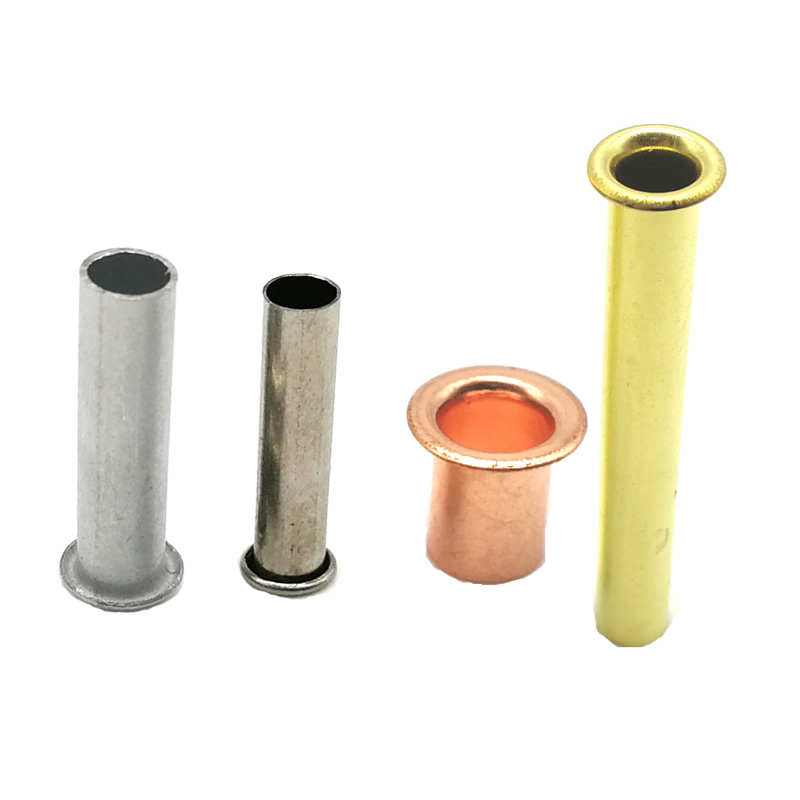
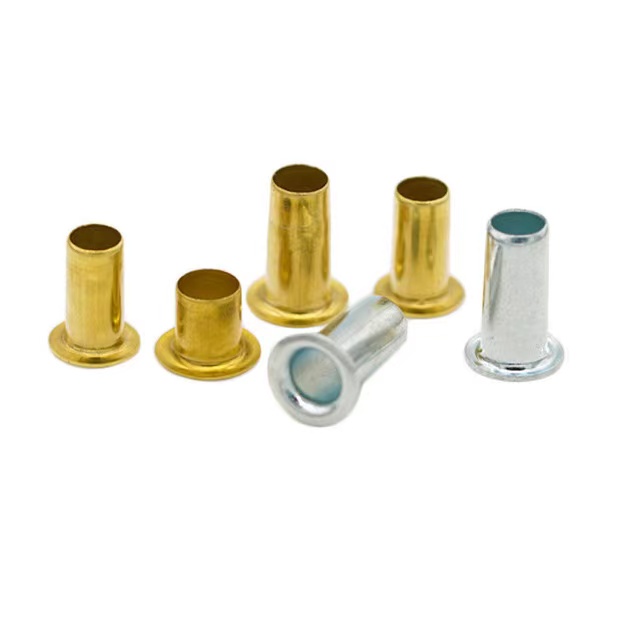
Brass vs. Stainless Steel Eyelets: Which Material Fits Your Application?
Brass and stainless steel eyelets solve different problems. Brass offers conductivity, a warm gold finish, and lower cost. Stainless steel delivers permanent corrosion resistance in salt, chemicals, and washdowns. At Nuote Metals, we manufacture both. This guide compares the two across five decision......
View Details
Why Do Semi Hollow Rivets Keep Failing in Production—and How Do You Stop It?
Semi hollow rivets, also called semi-tubular or half hollow rivets, reduce setting force by roughly 70% compared with solid rivets while retaining 80–90% of their shear strength. At Nuote Metals, we have produced millions of them, and the same failure patterns appear again and again: wrong material,......
View Details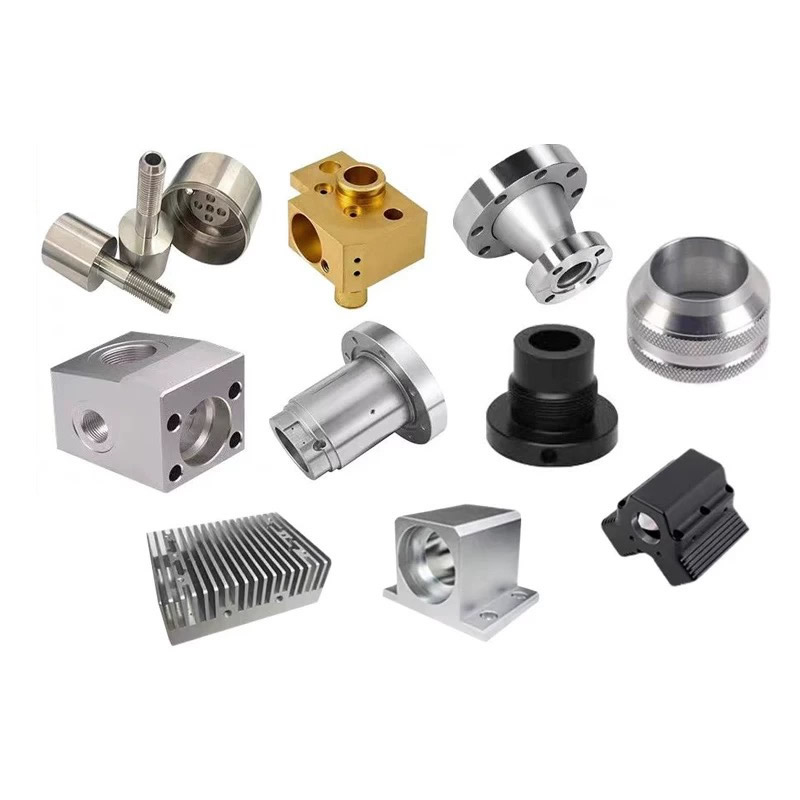
How Do You Design Metal Turned Parts That Are Cost-Effective to Manufacture?
Most of the cost of a metal turned part is locked in at the design stage—before a single chip is cut. At Nuote Metals, we review hundreds of drawings each year and consistently find the same cost-driving features: unnecessary tolerances, difficult-to-machine geometries, and material choices that fig......
View Details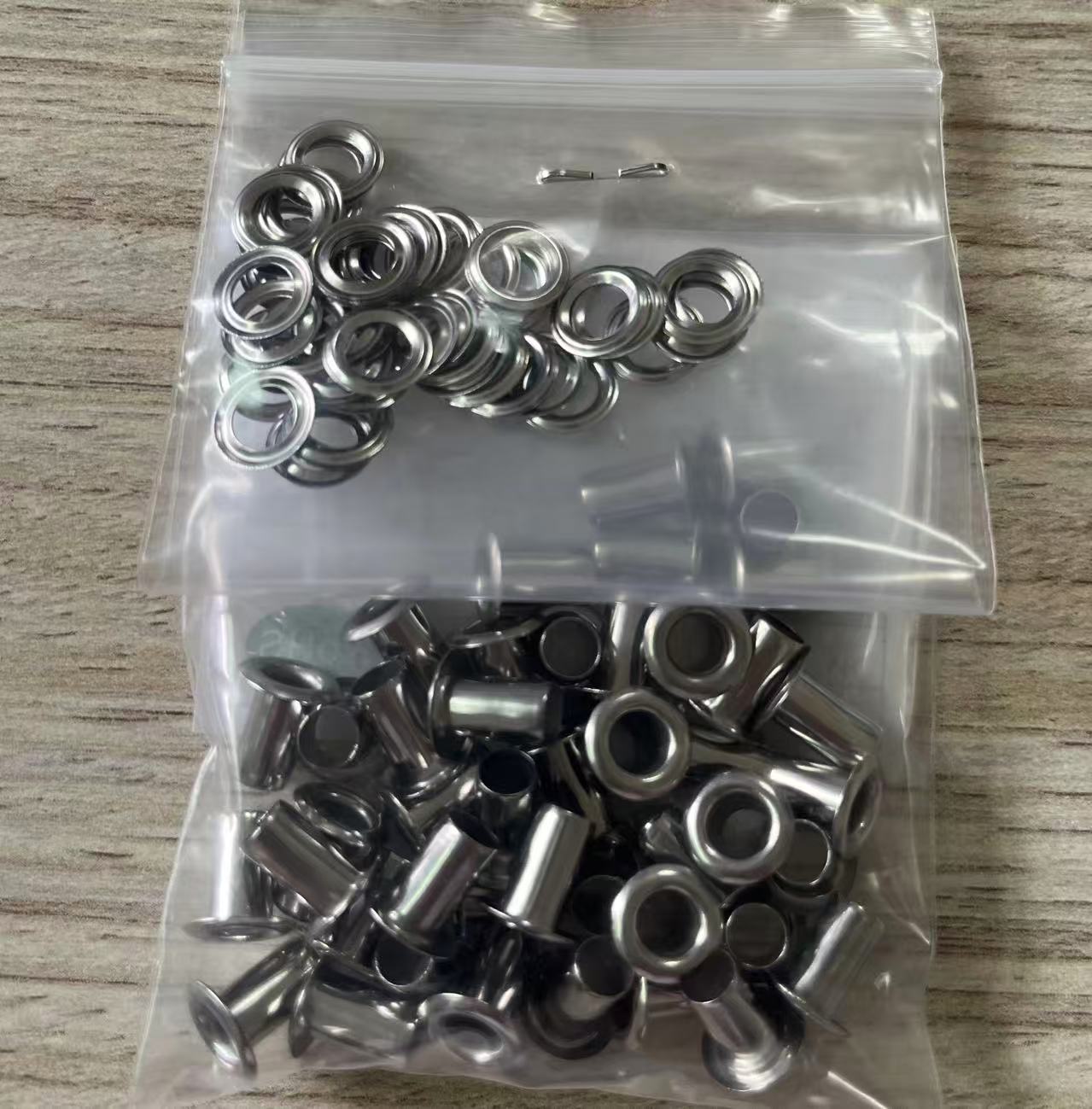
Nuote Metals Sends 200 Stainless Steel Eyelet Sample Sets to Australia
Nuote Metals sent 200 stainless steel eyelets sample sets to an Australian manufacturer evaluating a switch from nickel-plated brass. AISI 304, three sizes, with a direct brass-vs-304 comparison table, 72-hour salt spray data, and 500-cycle assembly testing.
View Details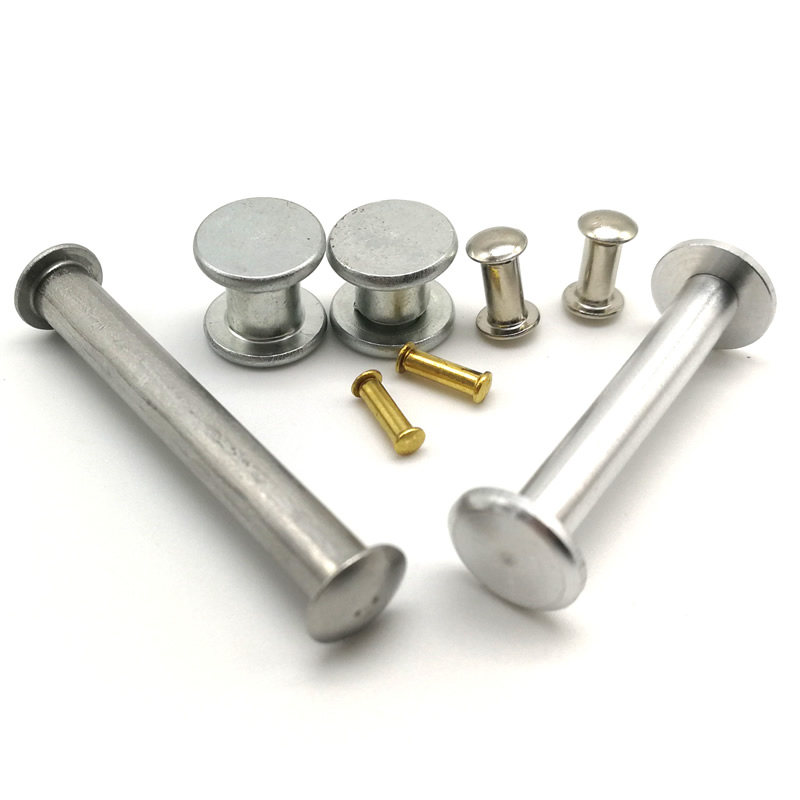
Why Are Male and Female Rivets the Preferred Fastening System for Two-Sided Finished Assemblies?
Male and female rivets—two-piece rivets—consist of a solid male stud and a semi-tubular female socket that are pressed together to form a permanent joint with finished heads on both sides. At Nuote Metals, we manufacture these two-piece systems in brass, stainless steel, copper, and aluminum. This g......
View Details


X
We use cookies to offer you a better browsing experience, analyze site traffic and personalize content. By using this site, you agree to our use of cookies.
Privacy Policy