
Products
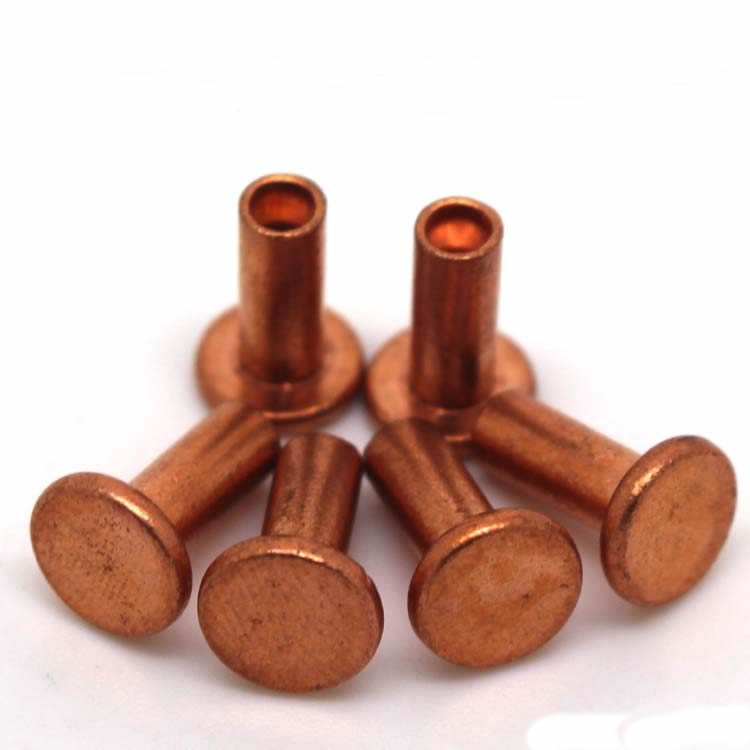
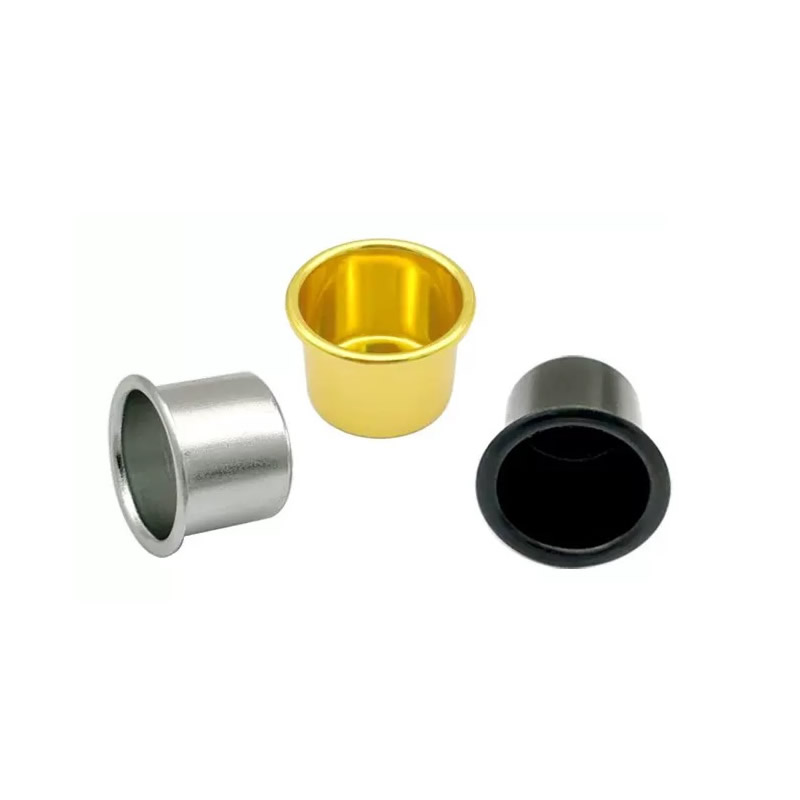
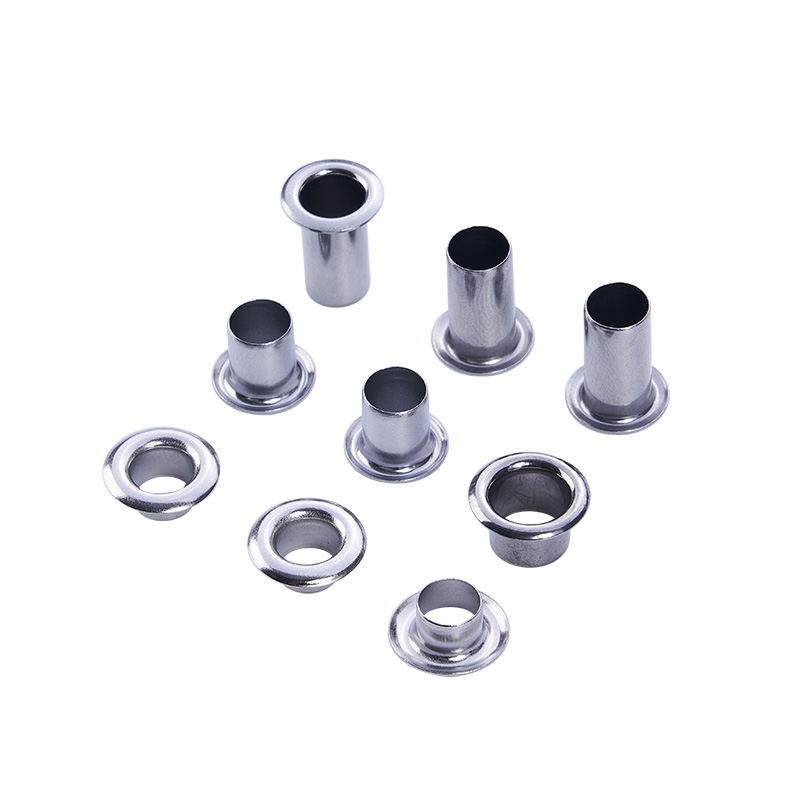
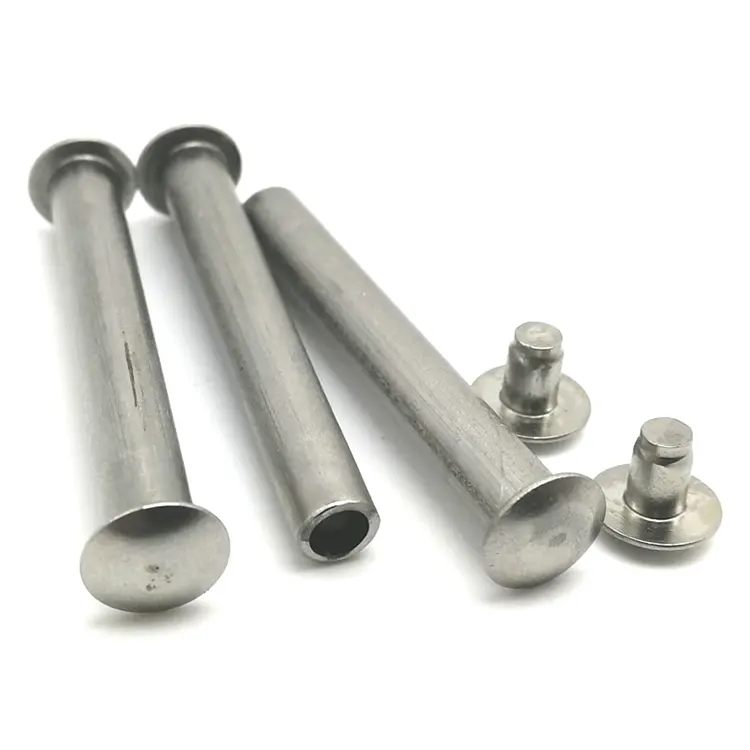
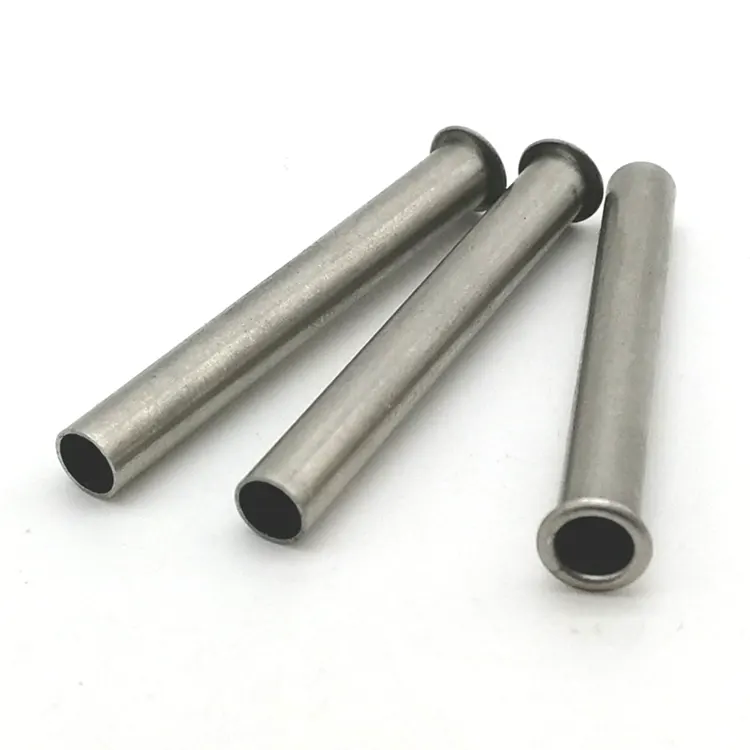

Brass Stamping Parts
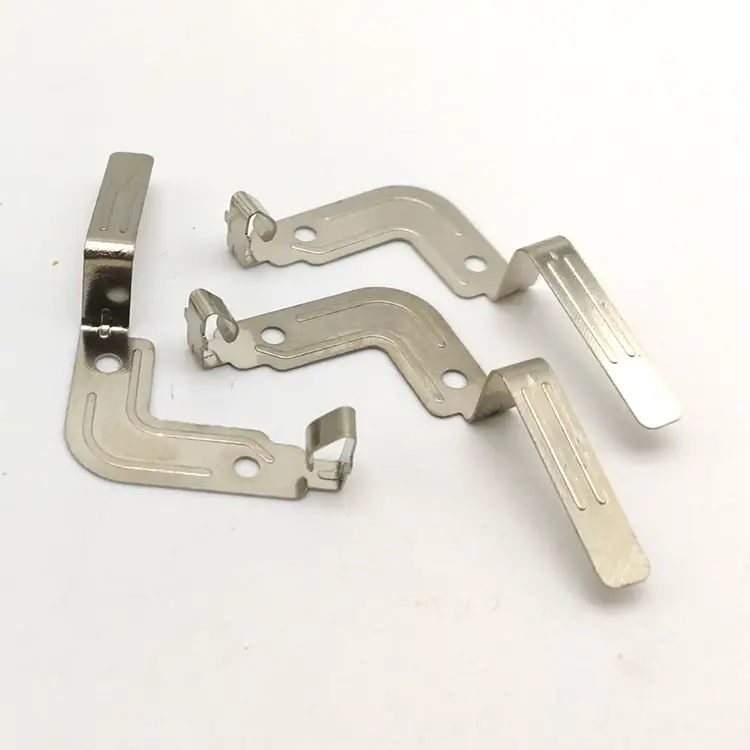
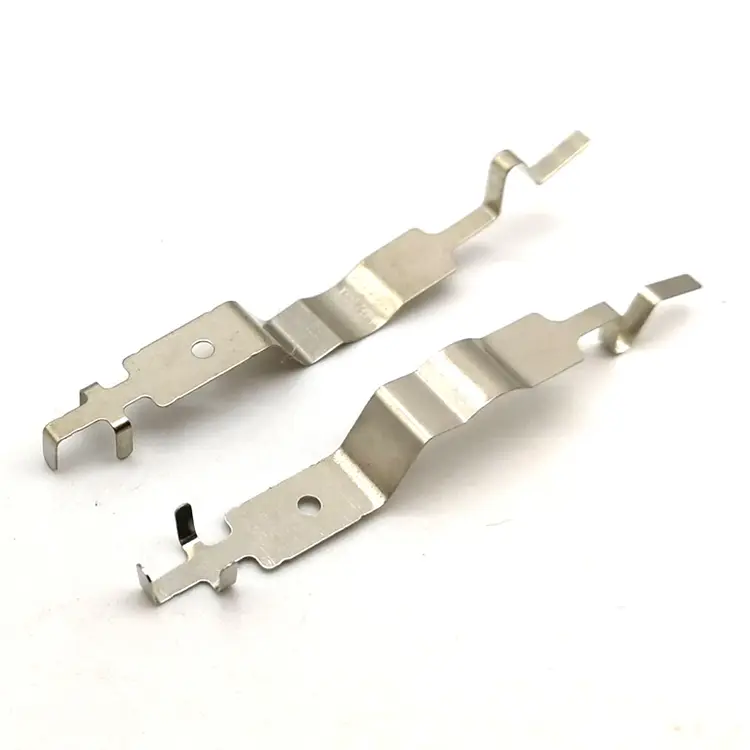
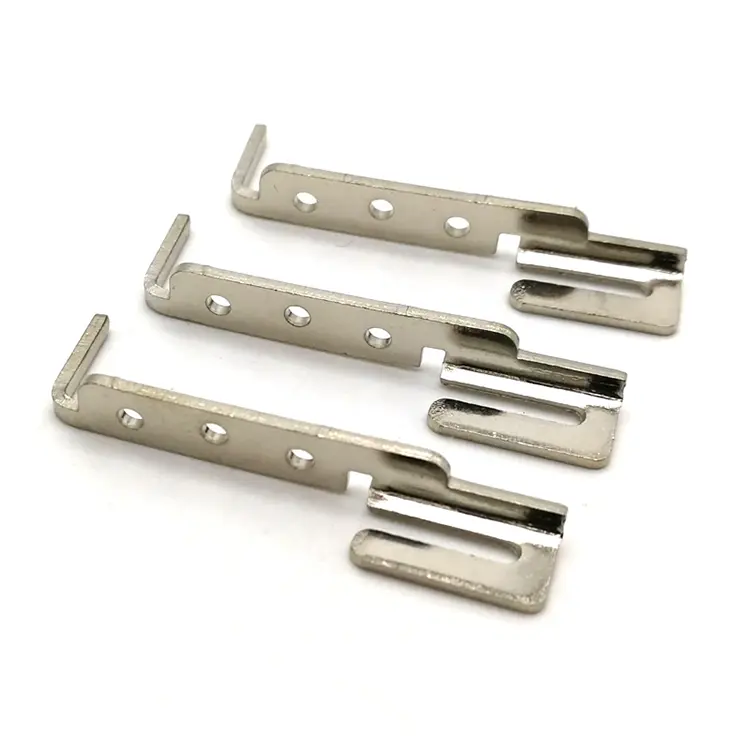
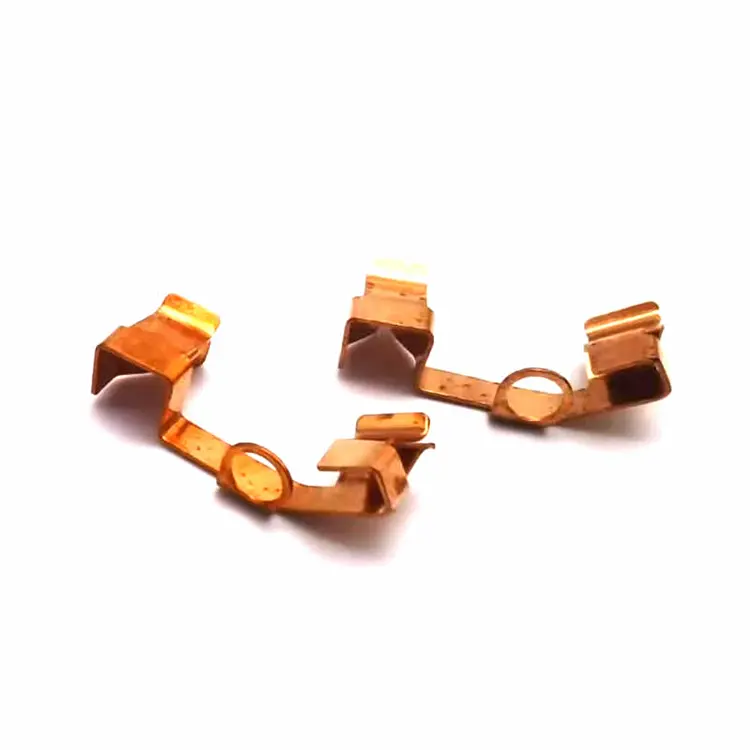
Nuote Metals from China is a qualified supplier of brass stamping parts for connector, switch, and electronics customers. We stamp terminals, contacts, and shielding springs from C26000, C26800, and C22000 brass – with stress-relief annealing to prevent relaxation and cracking. Plating: tin, nickel, silver. PPAP documentation available.
Send Inquiry
Product Description
Brass is the easiest metal to stamp. It cuts cleanly, forms predictably, and accepts plating better than steel or aluminum. That is why brass stamping parts dominate the connector and terminal market—every spring contact, every crimp terminal, every shielding finger inside an electronic enclosure is likely stamped from brass.
But brass has a hidden failure mode that does not appear on the drawing: stress relaxation. A brass terminal is stamped, bent, and formed into a spring contact. It deflects when the mating part is inserted—that is how it holds. But over time, at elevated temperature, the brass gradually loses its spring force. The contact pressure drops. The connection resistance rises. The connector fails—not because it broke, but because it relaxed.
At Nuote Metals, we stamp brass parts with stress relaxation as a controlled characteristic—not an afterthought. This article covers the brass grades, the stress-relief process, the plating options, and what to verify before accepting a shipment of brass stamping parts.
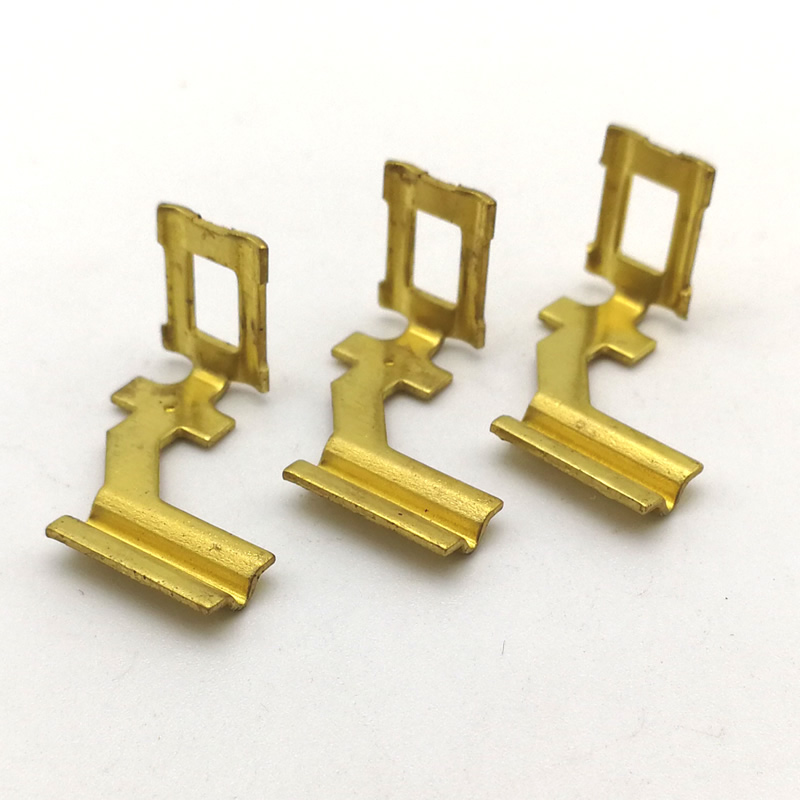
Part Types – What Brass Stamping Parts Include
| Part Type | Typical Brass Grade | Thickness Range | Key Requirement | Typical Industry |
|---|---|---|---|---|
| Crimp terminals | C26000, C26800 | 0.2–0.8 mm | Crimp barrel geometry, plating adhesion | Automotive, appliance |
| Spring contacts | C26000, C51000 (phosphor bronze) | 0.15–0.5 mm | Spring force retention, stress relaxation | Electronics, connectors |
| Shielding fingers | C26800, C22000 | 0.1–0.3 mm | Elastic deflection, fatigue life | Electronics, EMI |
| Battery contacts | C26000, C26800 | 0.2–0.6 mm | Contact resistance, plating wear | Consumer electronics |
| Switch blades | C26000, C22000 | 0.2–0.5 mm | Spring rate, arc resistance | Switches, relays |
Crimp terminals are the highest-volume brass stamping parts. The critical requirement is the crimp barrel geometry—the barrel must deform around the wire without cracking and hold the wire under vibration. Plating adhesion matters because the terminal is crimped after plating—poor adhesion leads to flaking.
Spring contacts are the most demanding. The spring force must remain within specification for the life of the connector. Stress relaxation is the primary failure mode—the contact loses force over time, and the connection resistance rises.
Shielding fingers must deflect elastically when the connector mates—and return to their original position when it unmats. Fatigue life and elastic range determine how many mating cycles the part survives.
Battery contacts must maintain low contact resistance. The plating must resist wear—the battery is inserted and removed repeatedly, and the plating wears through if it is too thin.
Switch blades combine spring properties with electrical switching. The spring rate determines the actuation force; the arc resistance determines the contact life.
Brass Grades – How Each Behaves in Stamping and Service
| Grade | Copper Content | Zinc Content | Formability | Stress Relaxation Resistance | Typical Application |
|---|---|---|---|---|---|
| C26000 (Cartridge brass) | 70% | 30% | Excellent | Moderate | Terminals, connectors |
| C26800 (Yellow brass) | 65% | 35% | Good | Moderate | Shielding, general stamping |
| C22000 (Commercial bronze) | 90% | 10% | Good | Good | Switch blades, decorative |
| C51000 (Phosphor bronze) | 95% Cu + 5% Sn | — | Fair | Excellent | Spring contacts, high-reliability |
C26000 is the standard brass for terminals and connectors. 70/30 copper-zinc offers an excellent balance of formability, strength, and conductivity. It stress-relaxes at elevated temperatures—relief annealing is required for spring contacts.
C26800 contains more zinc and less copper. It is slightly stronger and cheaper than C26000 but less formable. Used for shielding fingers and general stamping where conductivity is less critical.
C22000 is 90/10 copper-zinc—often called commercial bronze. It offers better stress relaxation resistance than C26000 and is used for switch blades and decorative parts.
C51000 (phosphor bronze) is not brass—it is a copper-tin alloy. But it is the standard for high-reliability spring contacts because its stress relaxation resistance is far better than any brass. For brass stamping parts that must hold spring force for decades, phosphor bronze may be the better choice—even though it costs more.
Stress Relaxation – Why Brass Springs Lose Force Over Time
Stress relaxation is the gradual loss of spring force under sustained deflection at temperature. A brass contact is deflected when the connector is mated—it stays deflected for the life of the connector. At room temperature, the relaxation is slow. At 60–80°C—the internal temperature of an electronic enclosure—it accelerates.
What accelerates stress relaxation in brass:
- Higher temperature – relaxation rate doubles for every 10°C rise.
- Higher initial stress – a contact deflected to 80% of its yield strength relaxes faster than one deflected to 50%.
- Grain size – coarse grains relax faster than fine grains.
- Cold work – stamped brass is work-hardened; without relief annealing, the internal stress drives relaxation.
How we control it:
- Stress-relief annealing after stamping—heats the part to 200–300°C for a defined time, relieving the internal stress without softening the material.
- Bend radius control – a generous bend radius reduces the initial stress at the bend.
- Material selection – for applications above 80°C or requiring long life, phosphor bronze instead of brass.
- Spring force verification – we measure spring force before and after annealing, and after accelerated aging, to confirm the relaxation is within specification.
For brass stamping parts that function as springs, stress-relief annealing is not optional—it is the difference between a contact that holds for 10 years and one that fails in 18 months.
Plating Options – What to Specify and Why
Brass accepts plating better than any other stamping metal. But the plating choice determines contact resistance, wear life, and solderability.
| Plating | Thickness | Contact Resistance | Wear Resistance | Solderability | Best Application |
|---|---|---|---|---|---|
| Tin | 3–10 μm | Low | Moderate | Excellent | Crimp terminals, solderable contacts |
| Nickel | 2–5 μm | Moderate | High | Poor | Wear surfaces, barrier layer |
| Silver | 2–5 μm | Very low | Moderate | Good | High-reliability contacts, RF |
| Gold | 0.5–2 μm | Lowest | High | Excellent | Critical signal contacts |
Tin is the standard plating for crimp terminals. It is solderable, inexpensive, and provides adequate contact resistance. Tin whiskers are a concern—we use bright tin with a nickel underlayer to suppress whisker growth.
Nickel is used as a barrier layer under gold or as a wear surface. It is hard and wear-resistant but has higher contact resistance than tin or silver.
Silver offers the lowest contact resistance of the common platings—used for high-reliability connectors and RF contacts. It tarnishes in sulfur environments—a nickel underlayer slows the tarnish.
Gold is used only for critical signal contacts—where contact resistance must remain stable for decades. The gold layer is thin (0.5–2μm) and requires a nickel barrier underneath to prevent copper diffusion.
A Real Example – C26000 Spring Contact for Automotive Connector
A German automotive tier-1 supplier needed a C26000 brass spring contact with a 0.3mm thickness, a spring force of 2.5N ±10%, and a 10-year service life at 85°C. Their previous supplier stamped the part without stress-relief annealing—the spring force dropped to 1.8N after 2,000 hours at 85°C, and the connector failed high-temperature aging testing.
What we did differently:
- Stamped the contact from C26000 with a generous bend radius—reduced the initial stress at the bend.
- Applied stress-relief annealing at 250°C for 2 hours after stamping—relieved the internal stress without softening the brass.
- Verified spring force before and after annealing, and after 1,000 hours at 85°C—force remained within 2.4–2.6N.
- Plated with tin over nickel—solderable and wear-resistant.
- Shipped 1.5 million pieces with zero high-temperature aging failures. The customer eliminated the 1,000-hour aging test from incoming inspection.
This is what brass stamping parts should deliver: not just a part that meets the drawing at room temperature, but a part whose spring force survives the temperature and time the application demands.
Frequently Asked Questions
Q1: Why do brass spring contacts lose force over time?
A: Stress relaxation—the gradual loss of spring force under sustained deflection at temperature. Brass is work-hardened during stamping; the internal stress drives relaxation, especially at elevated temperatures. The fix is stress-relief annealing after stamping—heating the part to 200–300°C to relieve the internal stress without softening the material. For brass stamping parts that function as springs, annealing is not optional. Without it, the contact may lose 20–30% of its spring force in the first year of service.
Q2: What is the difference between C26000 and C26800 for brass stamping parts?
A: C26000 is 70/30 brass—it offers better formability and higher conductivity. It is the standard for terminals and spring contacts. C26800 is 65/35 brass—slightly stronger and cheaper, but less formable and lower conductivity. For brass stamping parts that require bending and spring properties, C26000 is usually the better choice. C26800 is used for shielding and general stamping where conductivity is less critical.
Q3: Can you stamp brass parts with selective plating?
A: Yes—selective plating is common on brass stamping parts where only the contact area needs silver or gold. The rest of the part can remain tin-plated or unplated. Selective plating reduces cost—silver and gold are expensive—and avoids the risk of plating buildup on features that must fit. We define the plating boundaries on the drawing and verify them with XRF on the first article and sample pieces.
Hot Tags: Brass Stamping Parts,Brass Stamping Factory,China Brass Stamping Parts Manufacturer
Send Inquiry
Please feel free to fill your inquiry in the form below. We will reply you in 24 hours.



X
We use cookies to offer you a better browsing experience, analyze site traffic and personalize content. By using this site, you agree to our use of cookies.
Privacy Policy