
Products
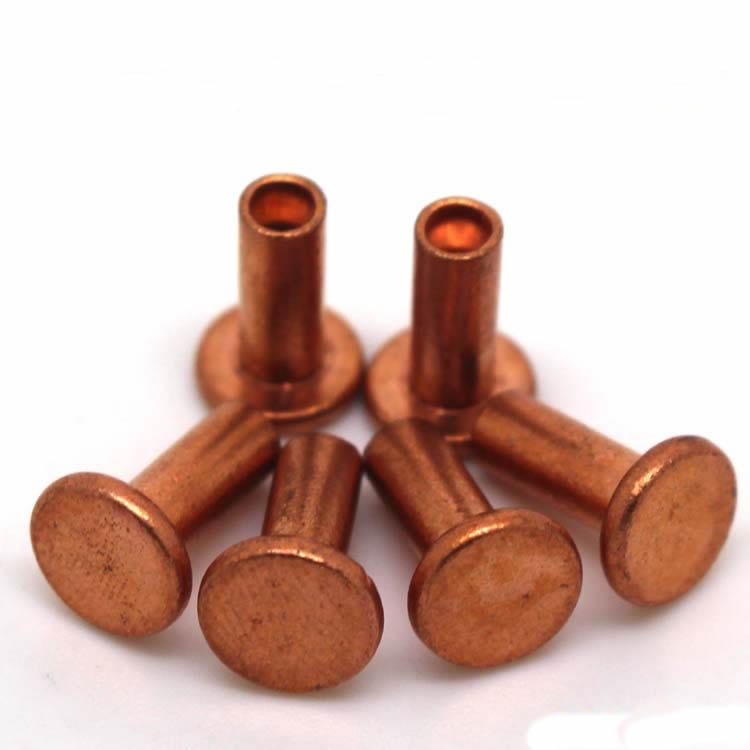
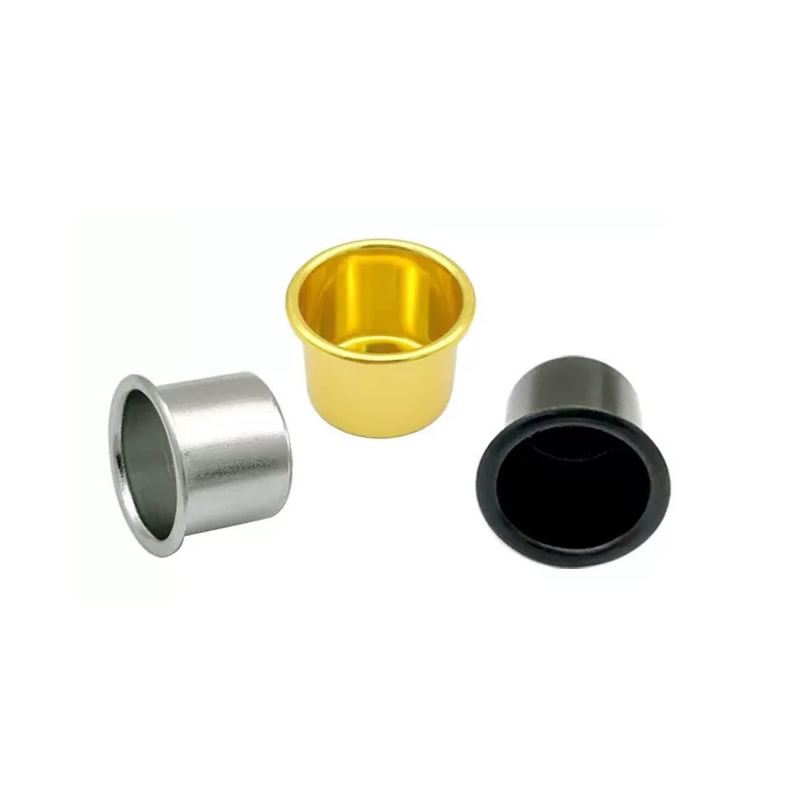
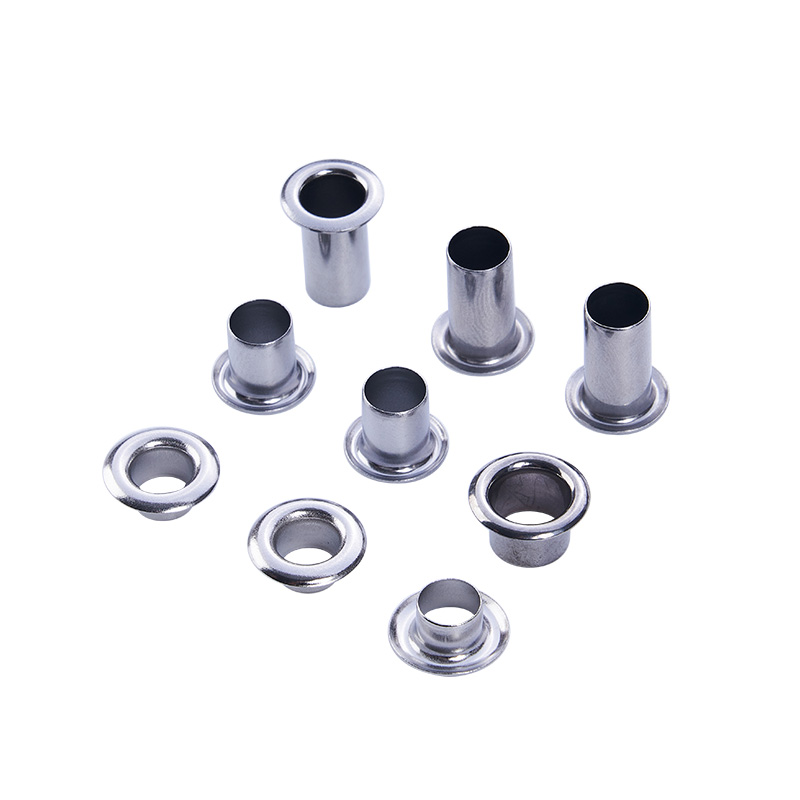
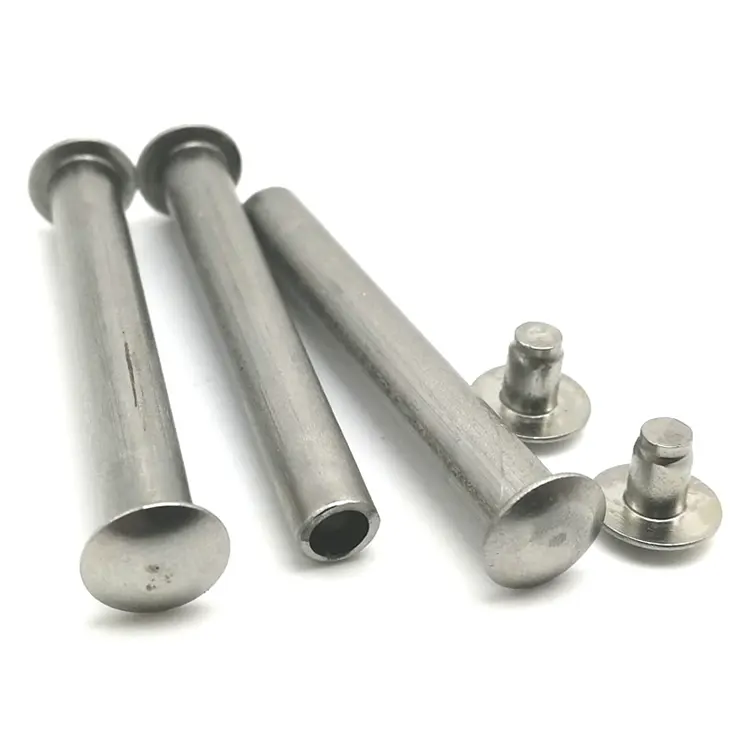
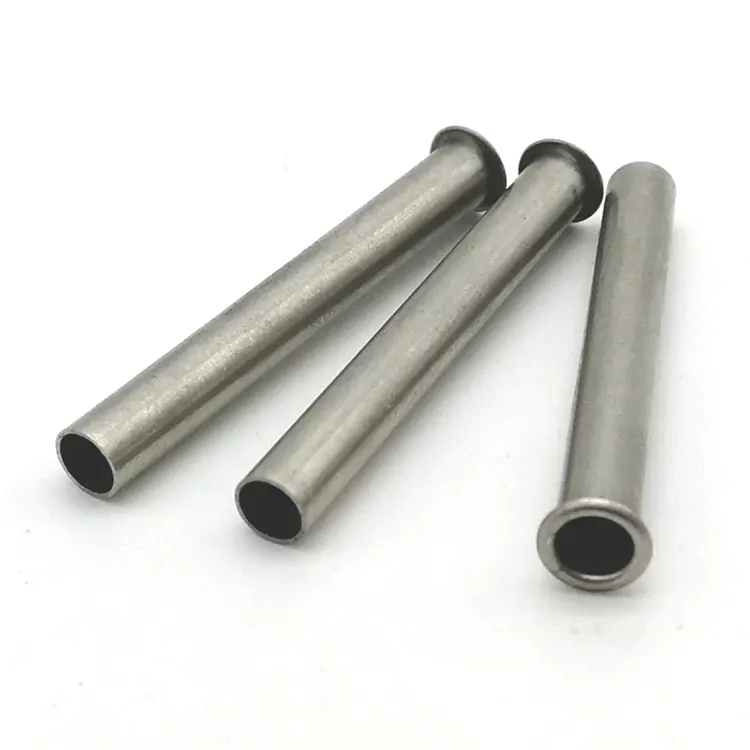
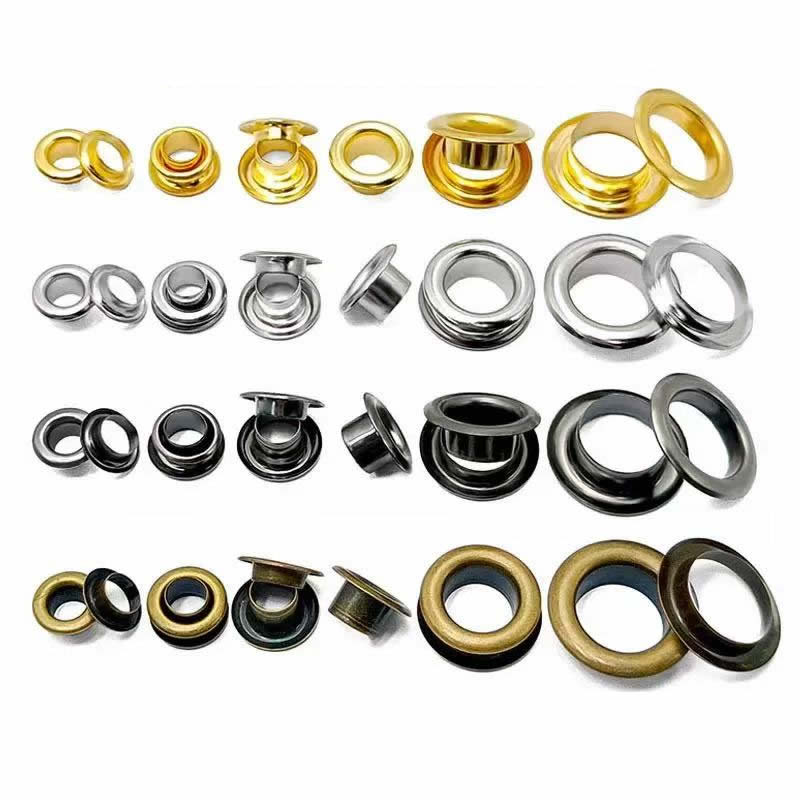
Metal Eyelets For Paper
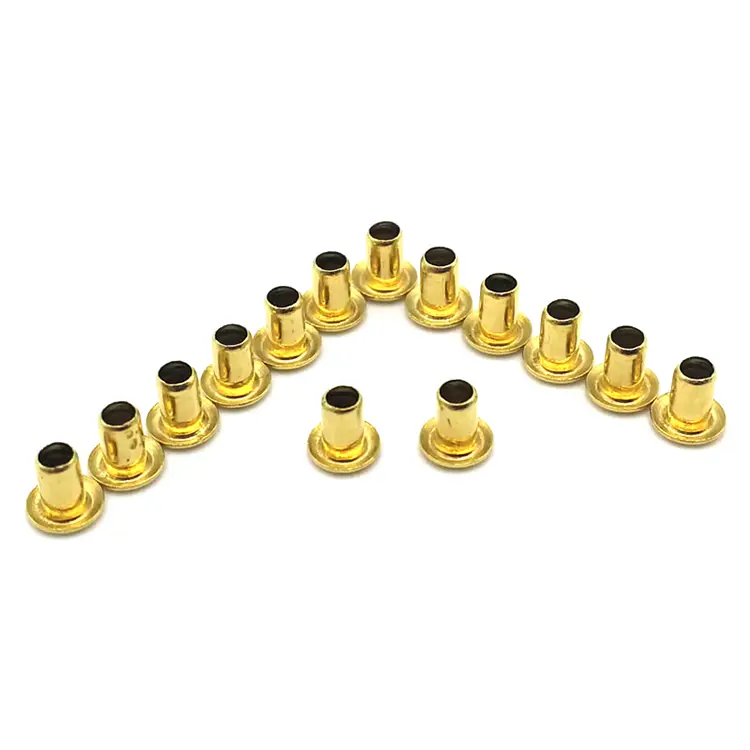
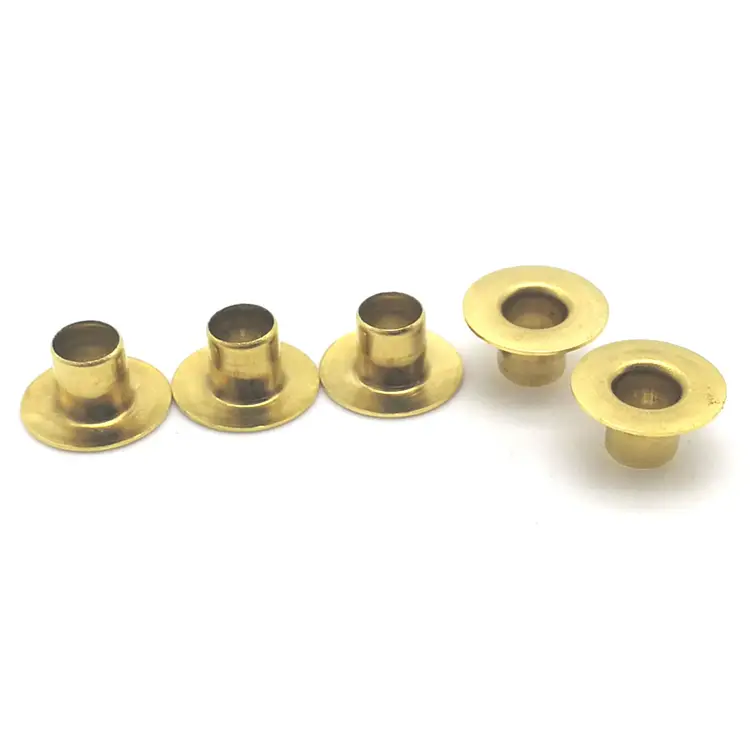
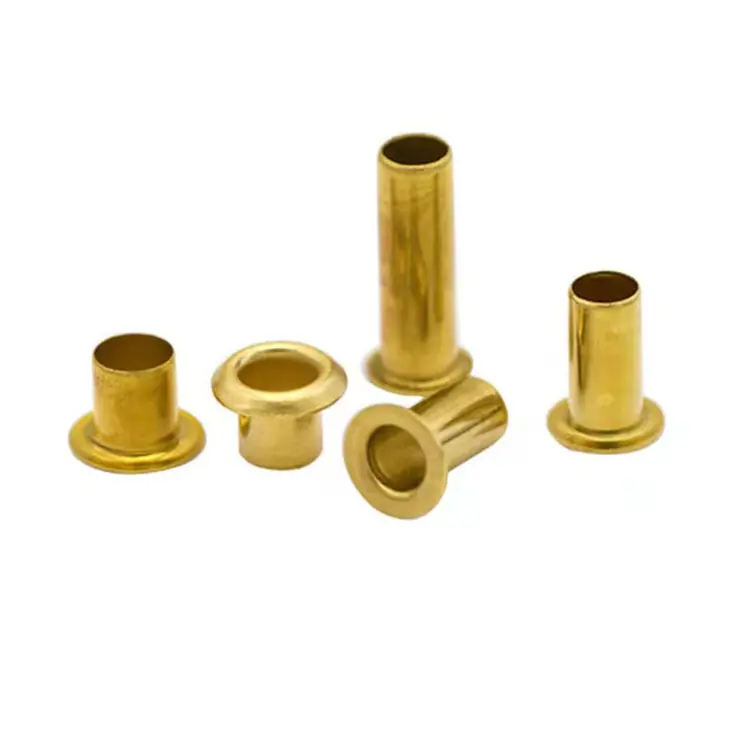
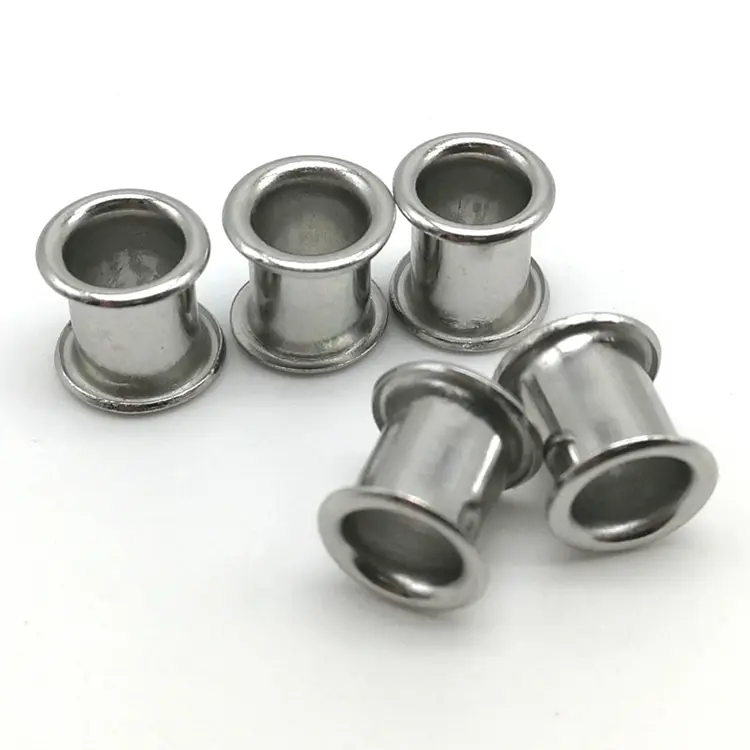
Our workshop is located in Dongguan, we produce neat metal eyelets for paper. These small metal rings are designed for paper materials. We make metal eyelets for paper in bright finishes, such as silver, gold, and black. They are thin and lightweight so that they don't damage the paper. We produce many sizes of metal eyelets for paper, from very tiny to about one centimeter wide. Each metal eyelet for paper is checked to ensure smooth edges. Many stationery companies use our metal eyelets for paper because they look clean and work well. We can ship samples quickly for testing.
Send Inquiry
Product Description
Introduction
Metal eyelets for paper are simple but useful. They are placed in punched holes in paper or cardstock. The metal eyelets for paper reinforce the hole and prevent tearing. This makes it easy to put ribbons, strings, or rings through the paper. These eyelets also give a professional look to paper projects. They are usually made from thin brass or aluminum. This keeps them light and easy to set with a simple hand press. Once a metal eyelet for paper is pressed in, it stays firmly in place. It won't fall out even with regular handling.
Eyelets in Detail
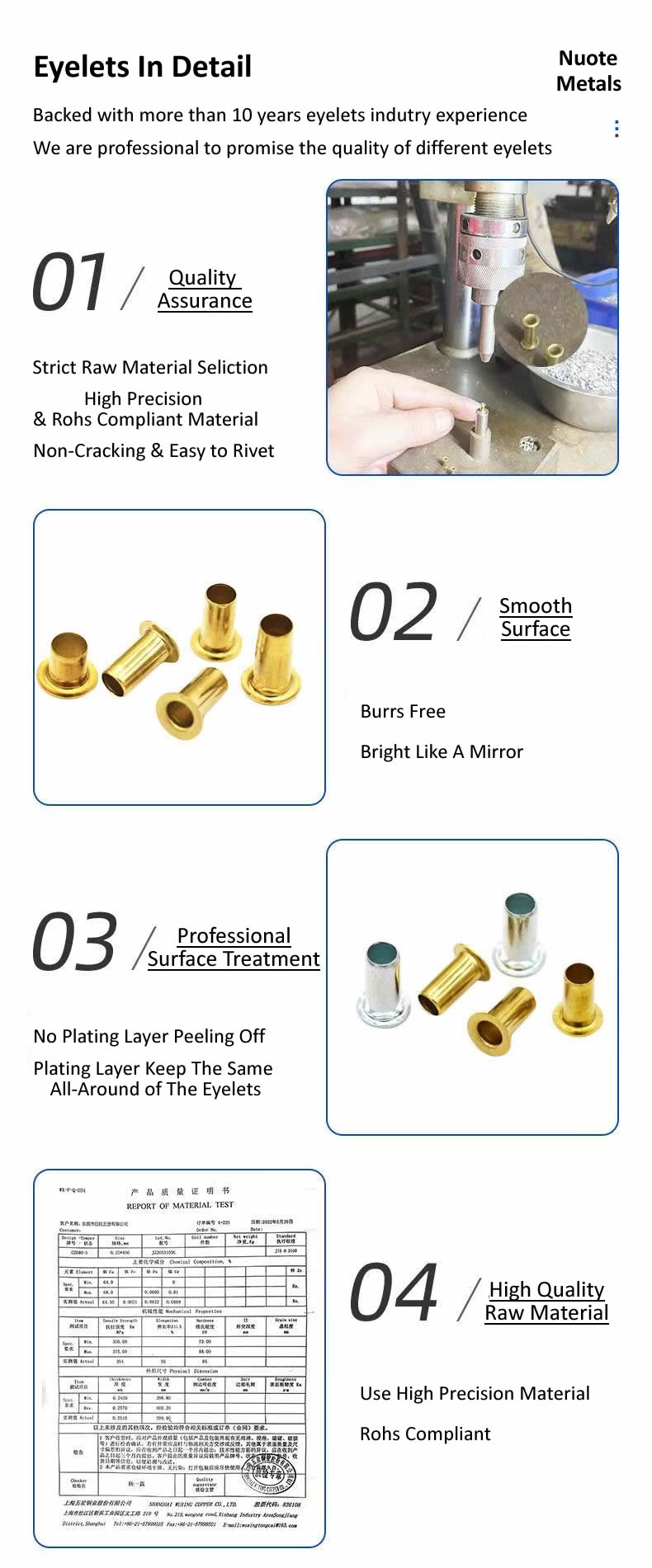
Technical Specifications – Standard Sizes for Paper Applications
Paper eyelets are typically smaller and lighter than those used for fabric or leather. The barrel length is kept short to prevent damage to thin substrates. Below are our most commonly stocked sizes for paper and cardstock applications.
| Size Reference | Inner Diameter (mm) | Outer Flange (mm) | Barrel Length (mm) | Recommended Paper Thickness | Max Sheets (80gsm) |
|---|---|---|---|---|---|
| #0 (3/16") | 3.0 | 5.0 – 5.5 | 3.0 – 3.5 | 0.5 – 1.5 mm | Up to 15 sheets- |
| #1 | 3.5 | 6.0 – 6.5 | 3.5 – 4.0 | 1.0 – 2.0 mm | Up to 20 sheets |
| #2 | 4.0 | 7.0 – 7.5 | 4.0 – 4.5 | 1.5 – 2.5 mm | Up to 25 sheets- |
| #3 | 4.8 | 8.0 – 8.5 | 4.5 – 5.0 | 2.0 – 3.0 mm | Up to 30 sheets- |
| #4 | 5.0 | 9.0 – 9.5 | 5.0 – 5.5 | 2.5 – 3.5 mm | Up to 35 sheets |
| #5 | 6.0 | 10.0 – 10.5 | 5.5 – 6.0 | 3.0 – 4.0 mm | Up to 40 sheets |
Tolerances: Inner diameter ±0.05mm, outer flange ±0.10mm, barrel length ±0.10mm.
Important: For stacks exceeding 25 sheets of 80gsm paper, we recommend pre-punching the material before setting the eyelet. The barrel length should be approximately 2mm longer than the total thickness of the paper stack to ensure a proper clinch.
Material Options for Paper Eyelets
Paper eyelets do not require the same corrosion resistance as outdoor hardware, but material choice affects appearance, weight, and setting ease.
| Material | Alloy / Grade | Advantages | Best For |
|---|---|---|---|
| Brass | C26000 (70/30) | Bright gold colour, easy to set, corrosion-resistant- | Scrapbooking, cardmaking, decorative paper crafts |
| Brass (C2680) | Higher zinc content | Slightly harder, more wear-resistant | High-volume binding, office folders |
| Aluminum | 5052, 1100 | Lightweight, soft, easy to set | Bulk paper binding, lightweight applications-1 |
| Mild Steel | SPCC, Q195 | Strong, cost-effective | Industrial packaging, heavy cardstock |
| Stainless Steel | 304 | Rust-proof, premium finish | Archival documents, outdoor paper products |
Surface Finishes for Paper Eyelets
We offer a range of finishes for paper eyelets to match different aesthetic and functional requirements.
| Finish | Appearance | Key Features | Typical Paper Applications |
|---|---|---|---|
| Brass (natural lacquered) | Bright gold, shiny | Classic look, prevents tarnishing | Scrapbooks, photo albums, gift tags |
| Brass (antique) | Dark, aged bronze | Vintage aesthetic | Rustic crafts, heritage-style stationery |
| Nickel-plated | Bright silver | Modern look, corrosion-resistant | Office documents, professional bindings |
| Zinc-plated | Silver with slight blue tint | Cost-effective, moderate corrosion resistance | Industrial packaging, bulk paper products |
| Black oxide | Matte black | Modern, anti-glare | Presentation folders, dark-coloured crafts |
| Gold-plated | Bright yellow | Premium, luxury appearance | High-end invitations, luxury packaging |
Our Inspection Machine

Applications – Where Paper Eyelets Are Used
Metal eyelets for paper are used across a wide range of creative and practical applications:
- Scrapbooks and photo albums – Attach pages, decorations, and ribbons
- Office documents and reports – Binding and hole reinforcement for filing
- Gift tags and greeting cards – Ribbon holes and decorative accents
- Presentation folders – Professional finishing for corporate materials
- Handmade journals and notebooks – Page binding and cover attachment
- Party decorations and banners – Hanging points and reinforcement
- Product packaging – Reinforcement for hang holes
- Certificates and important documents – Binding and archival reinforcement
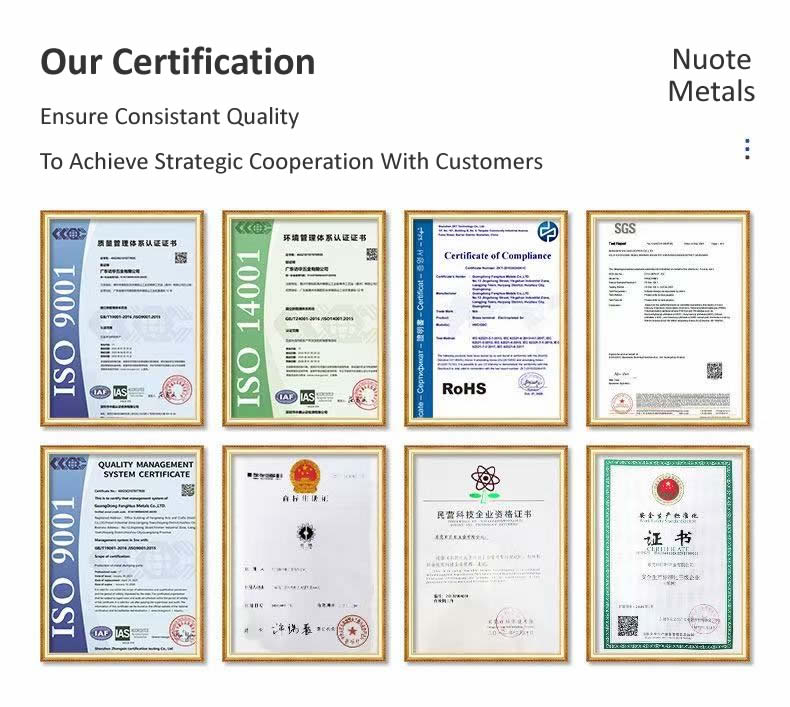
Cerfitification We Have Owned
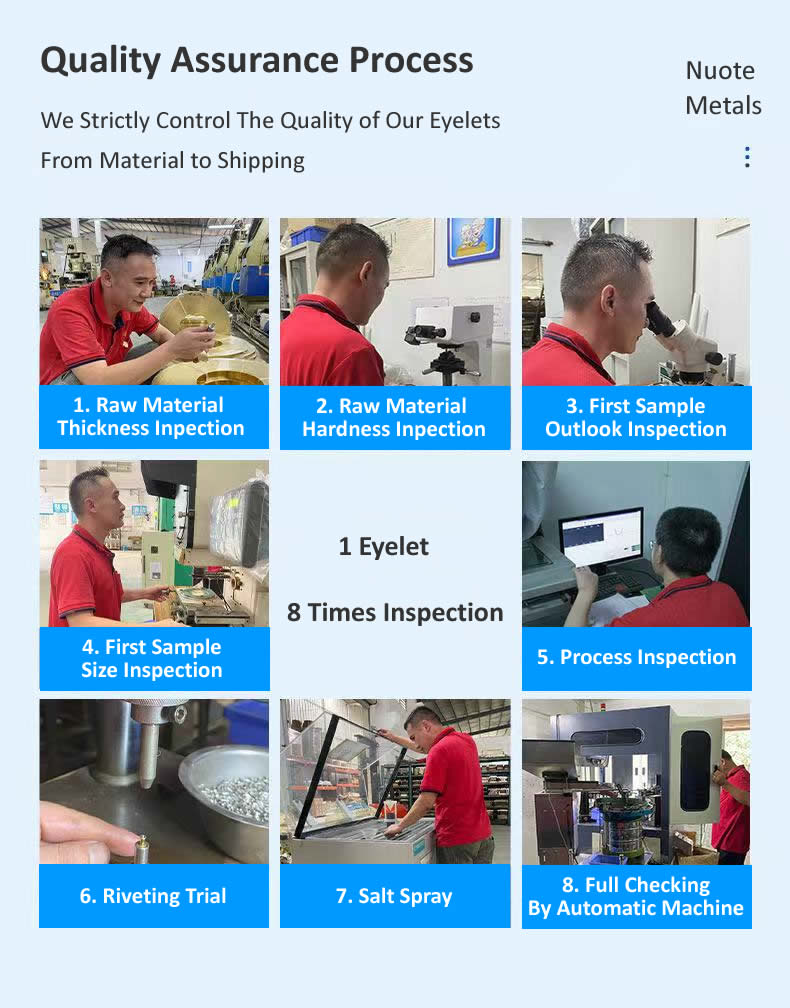
How We Ensure Quality – One Eyelet, Multiple Checks
We do not rely on visual inspection alone. Every batch of metal eyelets for paper passes through a documented quality control sequence. All eyelets are checked to ensure smooth edges – no sharp burrs that could tear paper or snag fingers.
- Raw material inspection – Incoming brass, aluminum, or steel sheet is checked for thickness and surface quality.
- First article dimensional check – Inner diameter, outer flange, and barrel length are verified against drawing specifications.
- In-process inspection – Operators check dimensions at regular intervals during production.
- Burr inspection – Every eyelet is examined for smooth edges; any eyelet with sharp burrs is rejected.
- Finish inspection – Plating or lacquer consistency is verified visually and with thickness measurement.
- Final outgoing inspection – Random samples are pulled for full dimensional verification before packaging.
All inspection records are retained and can be provided upon request.
Client Collaboration – Working with Global Partners

We have worked with stationery companies, packaging manufacturers, and craft brands across North America, Europe, and Asia. Our Dongguan factory welcomes client visits and audits.
Watch Our Paper Eyelet Production Line in Action
Our progressive stamping presses transform metal strip into finished eyelets in a single continuous sequence – blanking, drawing, piercing, and separating. The video shows the entire process from coil feeding to finished parts.
Some Questions About Eyelets
Q: What causes partial cracking of eyelets?
A: Check whether the riveting die is worn.
Q: What causes complete cracking of eyelets?
A: Check whether the eyelet length is too long, or whether the eyelet head diameter is too large.
Q: What causes poor flaring of eyelet?
A: Check whether the riveting die matches the eyelet.
Q: What causes insufficient flaring of eyelet?
A: The reserved riveting length is too short, or the die does not match.
Q: How to ensure dimensional consistency across batches about eyelets?
A: Nuote Metals provides first article inspection reports and process control records; critical dimensions should be 100% inspected using optical sorters or go/no-go gauges.
Q: Does the eyelets meet environmental requirements such as RoHS, REACH, etc.?
A: Nuote Metals can provide RoHS, REACH, and other compliance declarations, along with third-party test reports when necessary.
Q: Does the Nuote Metals provide technical support if installation issues occur?
A: Yes, we provide on-site or remote technical support to help troubleshoot die issues, equipment settings, or material defects.
Q: What is the minimum order quantity (MOQ) and lead time?
A: MOQ for eyelets is 50,000pcs, standard lead time is about 10-15 working days, please consult sales for details.
Hot Tags: Metal Eyelets For Paper,China Metal Eyelets,Metal Eyelets Manufacturer
Related Categories
Send Inquiry
Please feel free to fill your inquiry in the form below. We will reply you in 24 hours.



X
We use cookies to offer you a better browsing experience, analyze site traffic and personalize content. By using this site, you agree to our use of cookies.
Privacy Policy