
Products
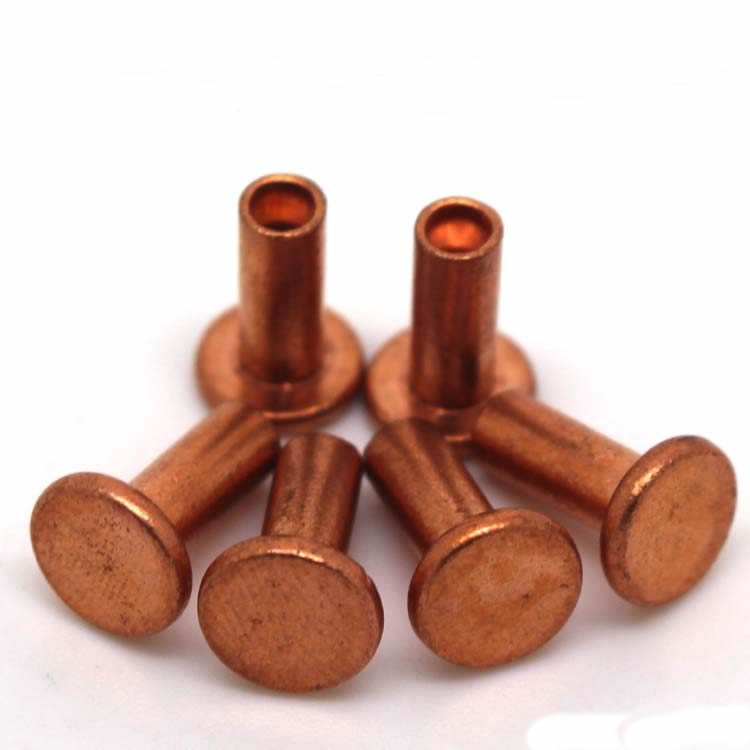
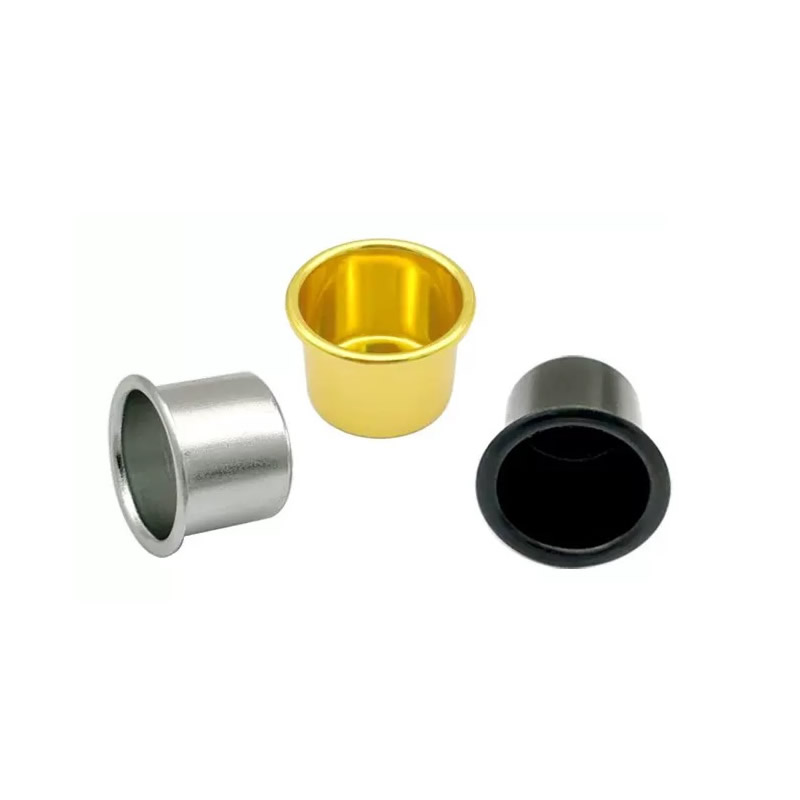
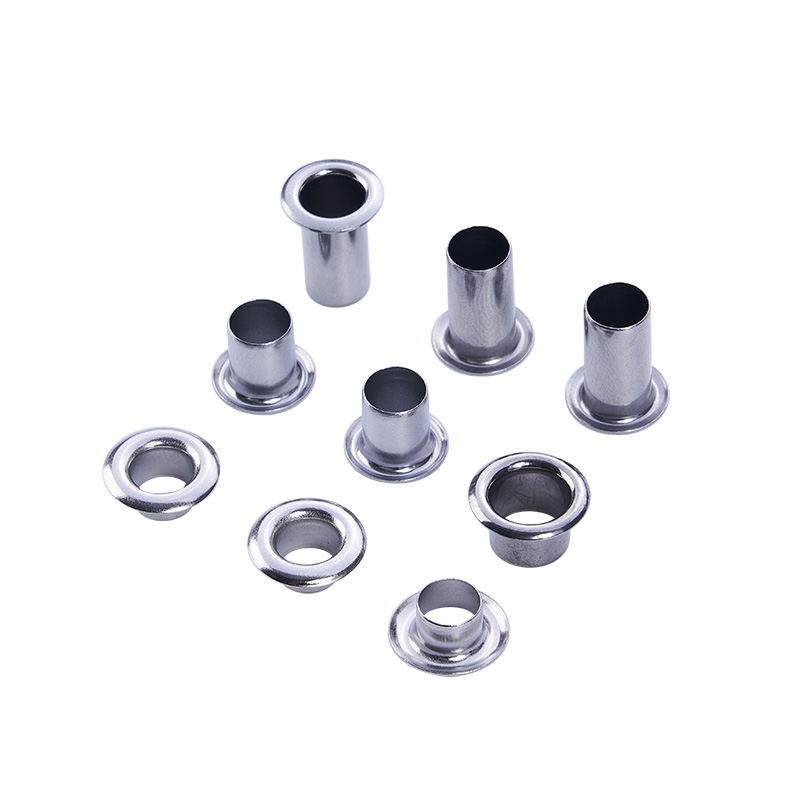
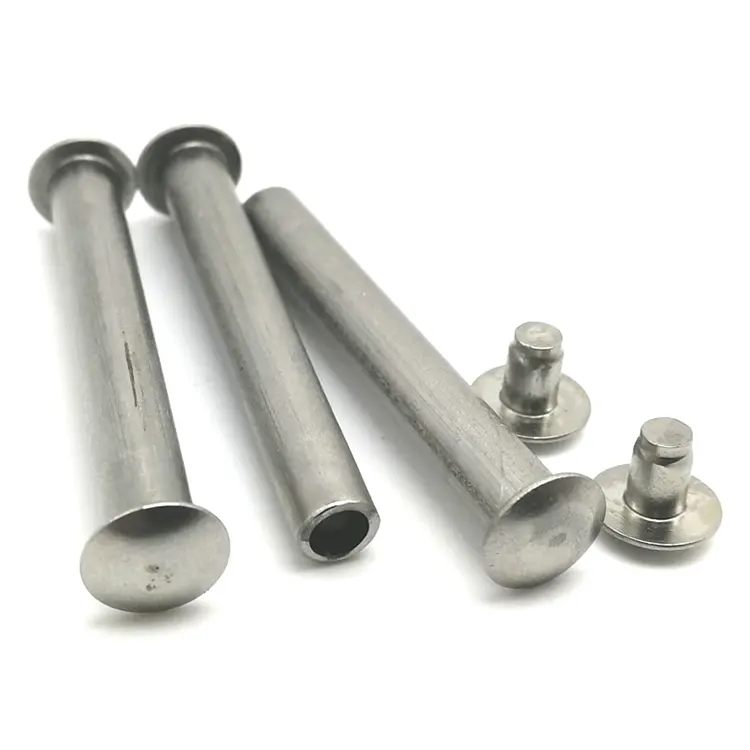
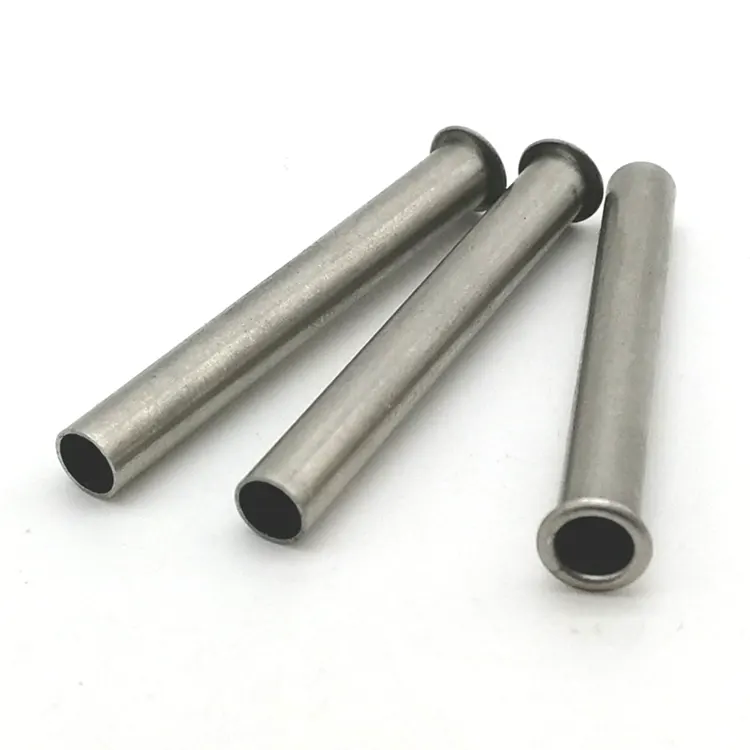
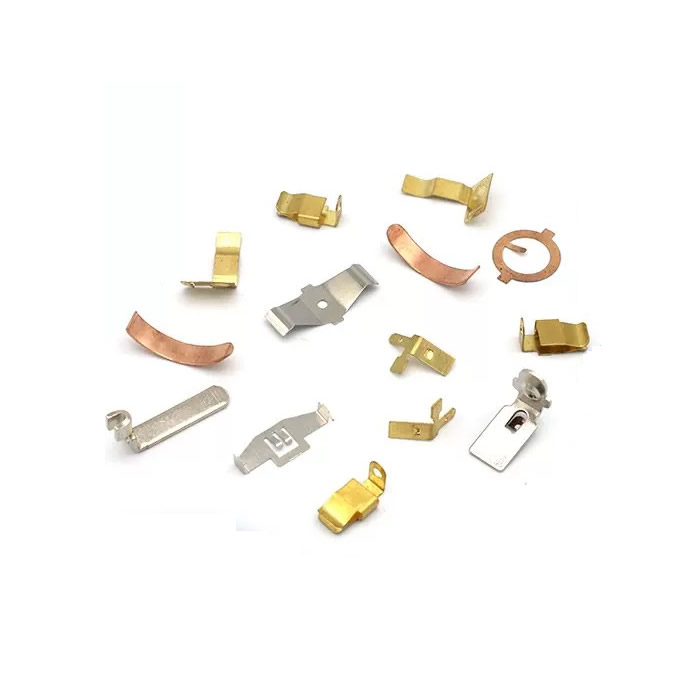
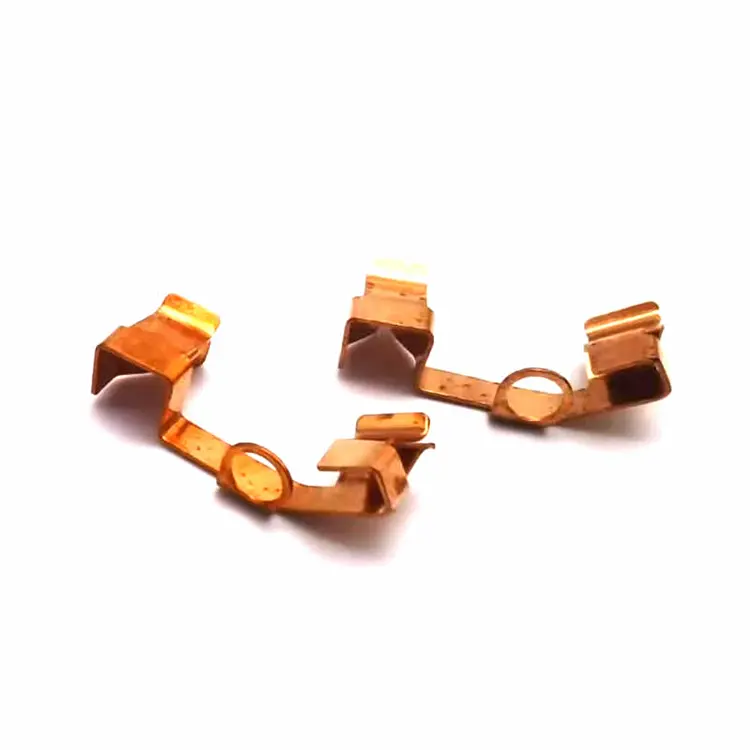
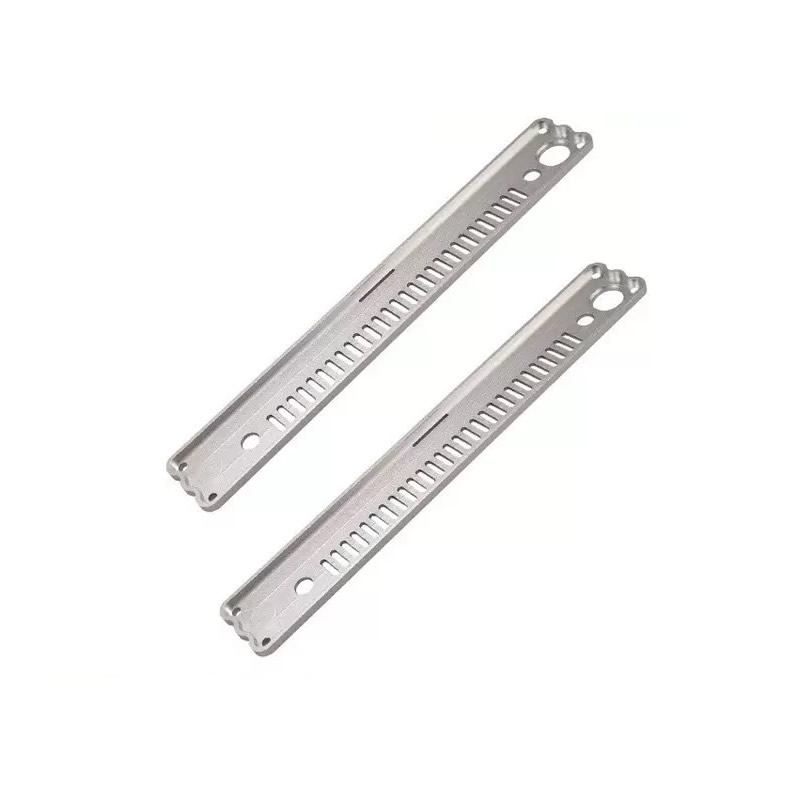
Precision Metal Pressings
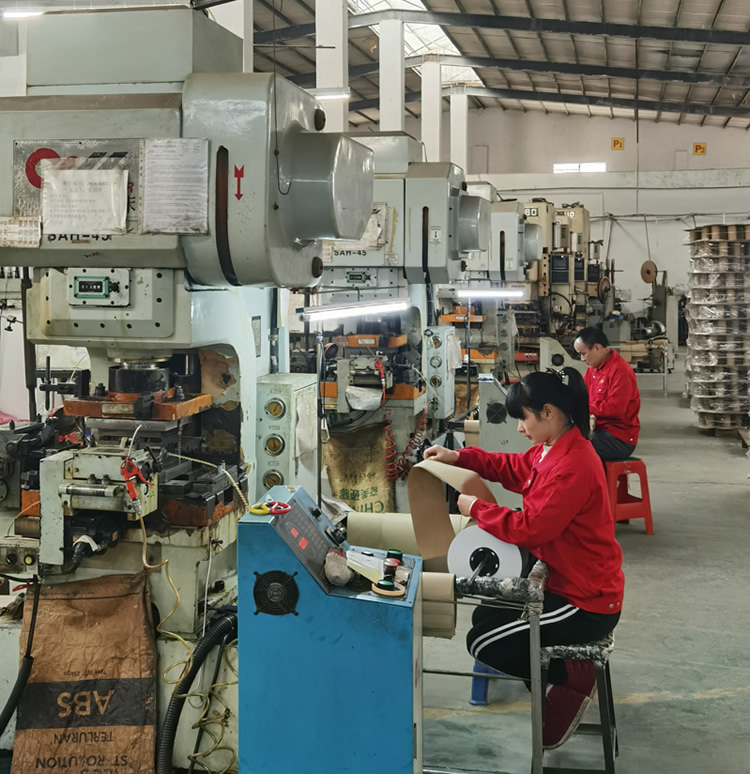
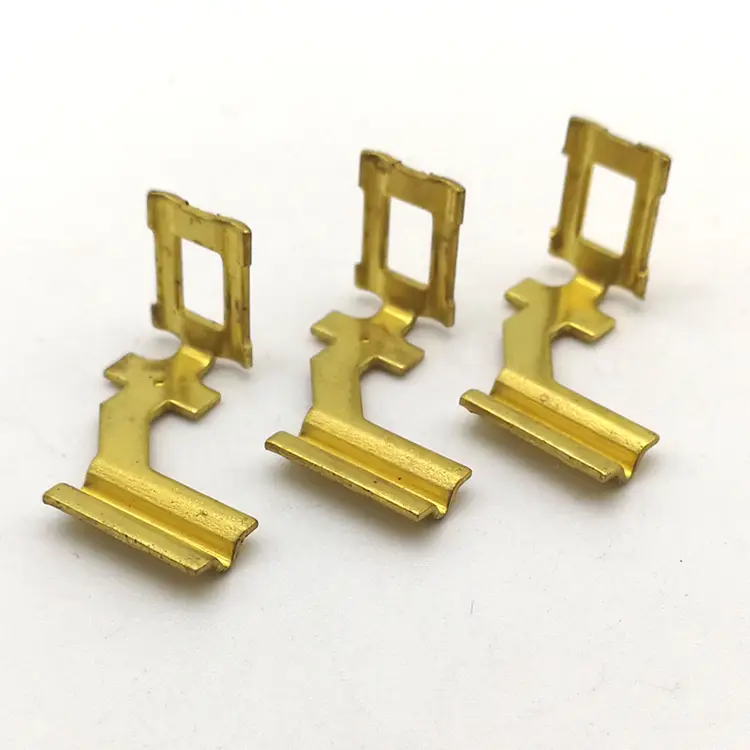
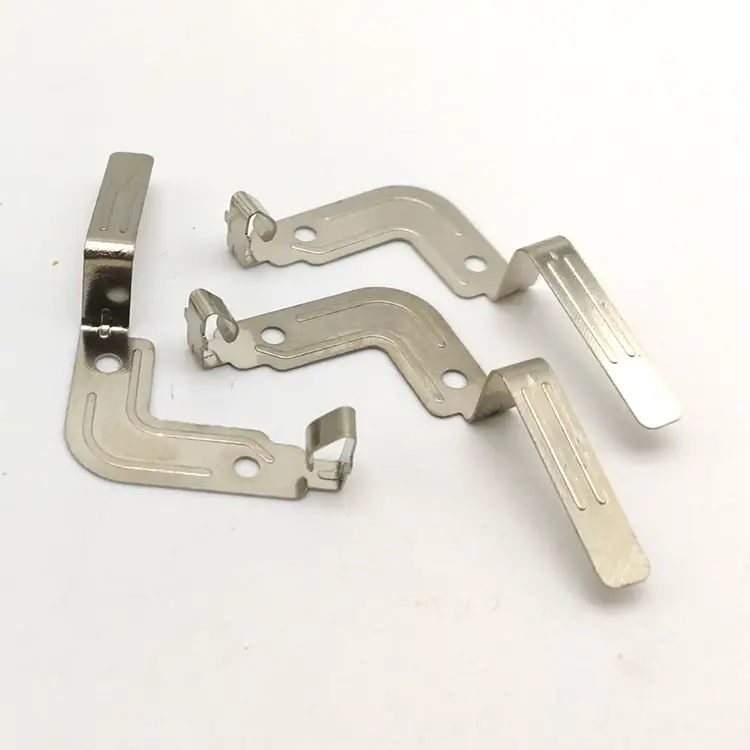
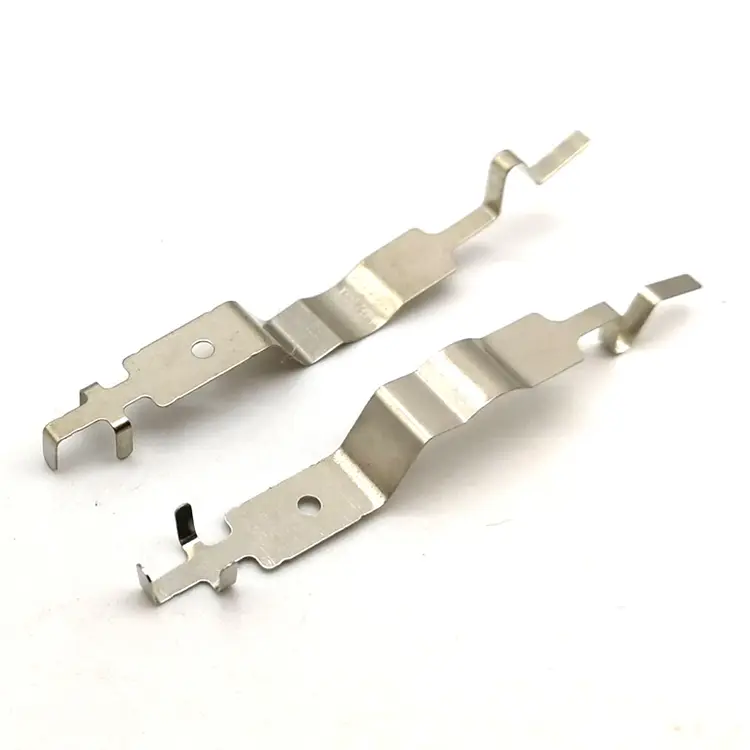
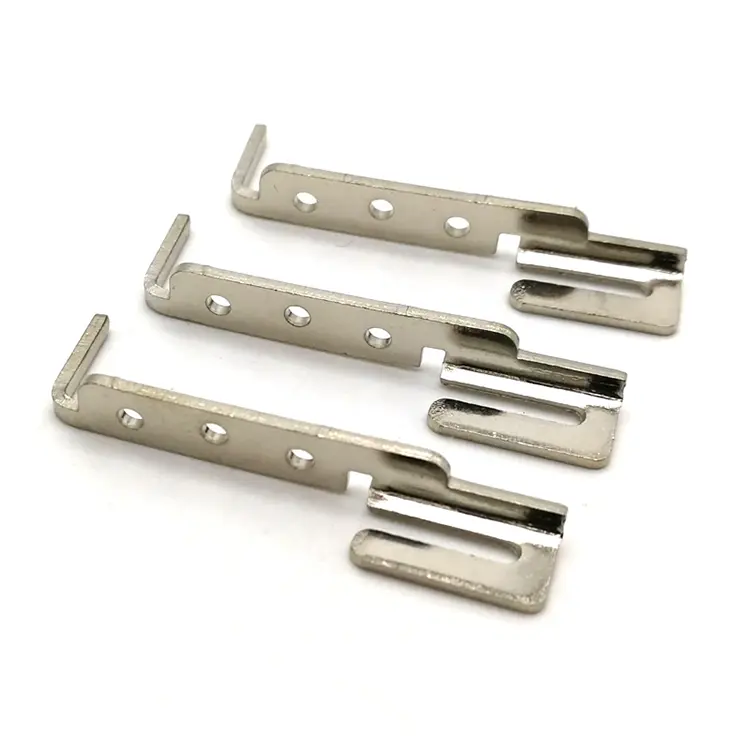
Nuote Metals is a China-based manufacturer of precision metal pressings for automotive, electronics, and industrial customers. We produce stamped brackets, contacts, terminals, shields, and structural parts from steel, stainless, aluminum, brass, and copper. Progressive and single-station dies, in-house tooling, PPAP documentation. 20+ years export experience. Free samples for qualified projects.
Send Inquiry
Product Description
Precision Metal Pressings – Where Cost Is Created Before the Press Runs
A pressing is not priced by press time. It is priced by the die and the strip layout. Two suppliers can run the same 1mm stainless bracket on the same tonnage press and quote 40% different unit prices—because one strip layout uses 62% of the coil width and the other uses 48%. The press runs at the same speed. The material bill is not the same.
Precision metal pressings are formed components cut and shaped from coil or sheet by a die. The die determines the geometry. The strip layout determines the material utilization. The press determines the cycle rate. A buyer who evaluates only the press tonnage and the unit price is missing the two variables that control cost, burr, flatness, and repeatability.
At Nuote Metals, we manufacture precision metal pressings with tooling and strip layout as the primary cost and quality decisions. This article explains how a pressing is priced, where burr and springback come from, and what to verify before approving a first article.
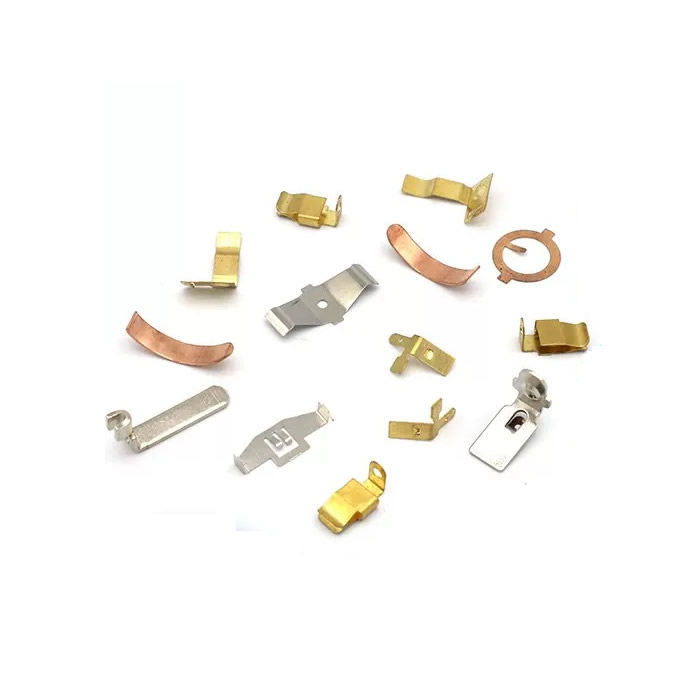
The Pressing Process – What the Die and Strip Layout Control
A pressing starts as a flat strip. The die performs one or more operations: blanking, piercing, bending, forming, drawing, or coining. In a progressive die, the strip advances one pitch per stroke—each station performs one operation until the part is complete.
The die controls:
- Geometry – hole position, bend radius, form height.
- Burr direction – the cut edge has a rollover and a burr; the die determines which side.
- Flatness – bending and forming introduce stress that distorts the part after ejection.
The strip layout controls:
- Material utilization – how much of the coil becomes part and how much becomes scrap.
- Pitch and bridge width – the distance between parts and the material left between them.
- Carrier design – how the part is supported as it moves through the die.
For precision metal pressings, the strip layout is often the largest cost lever. A layout that improves material utilization from 48% to 62% reduces material cost by 22%—without changing the press, the die material, or the cycle time.
How a Pressing Is Priced – Tooling, Material, and Volume
| Cost Element | What It Covers | How It Changes with Volume |
|---|---|---|
| Tooling | Die design, machining, tryout | Fixed – amortized across the order |
| Material | Coil cost × strip utilization | Proportional – scrap is paid for but not shipped |
| Press time | Tonnage × cycle rate | Proportional – lower with progressive dies |
| Secondary operations | Deburring, tapping, plating | Proportional – can be eliminated by in-die operations |
| Inspection | First article, in-process, final | Fixed + proportional |
Tooling is a fixed cost. For 5,000 pieces, tooling may dominate the unit price. For 500,000 pieces, it becomes negligible. The breakeven volume depends on part complexity—simple brackets may justify tooling at 10,000 pieces; complex progressive dies may require 100,000.
Material utilization is the hidden cost. A strip layout that leaves wide bridges and large carriers consumes more coil per part. The scrap is paid for at coil price and sold at scrap price—the difference is lost. For precision metal pressings in stainless or copper, material can be 50–70% of unit cost. Strip layout optimization is not optional.
Secondary operations add cost and handling. A part that requires hand deburring after pressing costs more than a part whose burr is controlled in the die. In-die tapping, in-die deburring, and in-die inspection reduce handling and improve consistency.
Burr, Flatness, and Springback – The Three Pressing Defects
Burr is the rough edge left when the die cuts through the material. It cannot be eliminated—only controlled. The burr height depends on die clearance, tool sharpness, and material thickness. For precision metal pressings, burr is specified by height and direction. A burr on a contact surface increases resistance; a burr on a sliding edge causes wear.
Flatness changes after ejection. Bending and forming introduce residual stress. The part is flat in the die and warps after release. We control flatness by stress-relief annealing, by adjusting the die, or by coining the part flat in a final station.
Springback is the elastic recovery of the material after bending. The bend angle in the die is not the bend angle in the part. For high-strength steel and stainless, springback can be 2–5°. We compensate by over-bending in the die—the die angle is sharper than the part angle, and the material springs back to the specified angle.
Progressive Die vs. Single-Station – Which Fits Your Volume
| Factor | Progressive Die | Single-Station Die |
|---|---|---|
| Volume | 50,000+ pieces | 1,000–50,000 pieces |
| Tooling cost | Higher – multiple stations | Lower – one operation |
| Cycle time | Faster – complete part per stroke | Slower – multiple passes |
| Part complexity | High – bending, piercing, tapping in one die | Low – simple blank or bend |
| Changeover | Longer – die is heavy | Shorter – lighter die |
| Best for | High-volume precision metal pressings | Prototypes, low volume, simple parts |
A progressive die is justified when the volume amortizes the tooling and the part complexity requires multiple operations. A single-station die is better for prototypes and low volume—where tooling cost dominates and the part is simple.
A Real Example – 0.8mm Stainless Contact Spring
A German electronics manufacturer needed a 0.8mm stainless contact spring with a 0.05mm burr limit, 0.1mm flatness, and a bend angle of 90° ±1°. Their previous supplier used a strip layout with 52% material utilization and hand-deburred the parts—the burr height varied from 0.03mm to 0.08mm.
What we did differently:
- Redesigned the strip layout to 68% material utilization—reduced coil consumption per part.
- Used a progressive die with in-die coining—controlled burr direction and flatness in the die, not after.
- Compensated springback by over-bending to 92°—the part sprang back to 90° ±0.5°.
- Verified burr height and flatness with an optical comparator on every 500 pieces.
- Shipped 800,000 pieces with zero burr rejections. The customer eliminated hand deburring and reduced material cost by 18%.
This is what precision metal pressings should deliver: not just a part that meets the drawing, but a part whose cost and consistency are designed into the strip layout and the die.
Frequently Asked Questions
Q1: What tolerances can you hold on precision metal pressings?
A: Typical tolerances are ±0.05mm on hole position and bend location, ±0.1mm on form height, and ±0.02mm on coining thickness. Burr height is controlled to 0.05mm or better. Flatness depends on part size and material—0.1mm is achievable for small brackets; larger parts may require stress-relief annealing. For precision metal pressings, tolerance is a function of die quality, press stability, and material consistency—not press tonnage alone.
Q2: Can you produce pressings with in-die tapping and deburring?
A: Yes. Progressive dies can include tapping stations, deburring stations, and coining stations—eliminating secondary operations and handling. In-die tapping requires a reliable strip carrier and a tapping unit synchronized with the press stroke. In-die deburring is performed by coining or shaving the cut edge. For precision metal pressings with threaded holes or strict burr limits, in-die operations improve consistency and reduce unit cost.
Q3: What documentation comes with a pressing order?
A: Every order includes a first article inspection report, material certificates, and a dimensional report with actual measured values on critical features. For automotive and regulated customers, we provide PPAP documentation—including process flow, PFMEA, control plan, and capability studies. If your precision metal pressings supplier cannot provide PPAP or a first article report, you are carrying the quality risk yourself. Nuote Metals provides full documentation under our ISO 9001:2015 system.
Hot Tags: Precision Metal Pressings,China Precision Pressing
Send Inquiry
Please feel free to fill your inquiry in the form below. We will reply you in 24 hours.



X
We use cookies to offer you a better browsing experience, analyze site traffic and personalize content. By using this site, you agree to our use of cookies.
Privacy Policy