Products
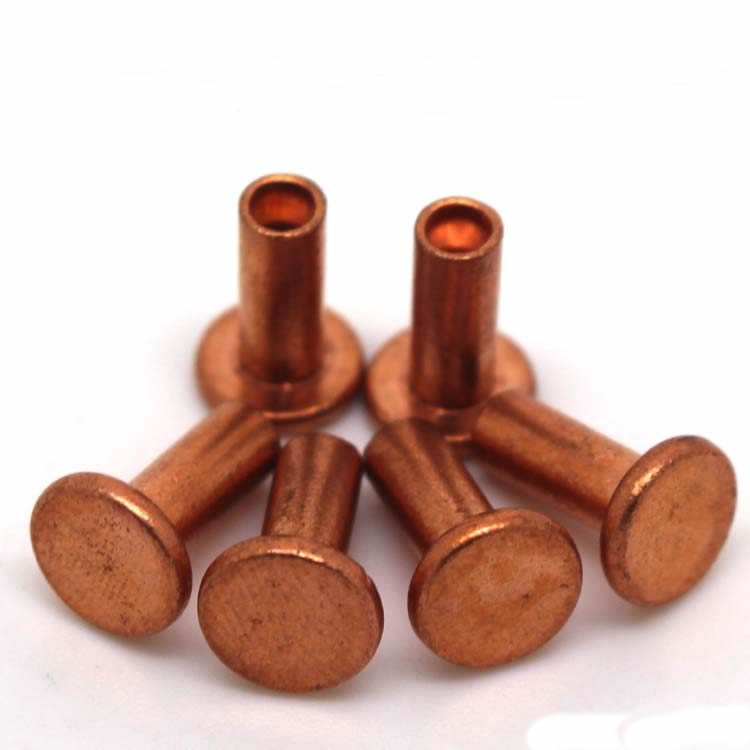
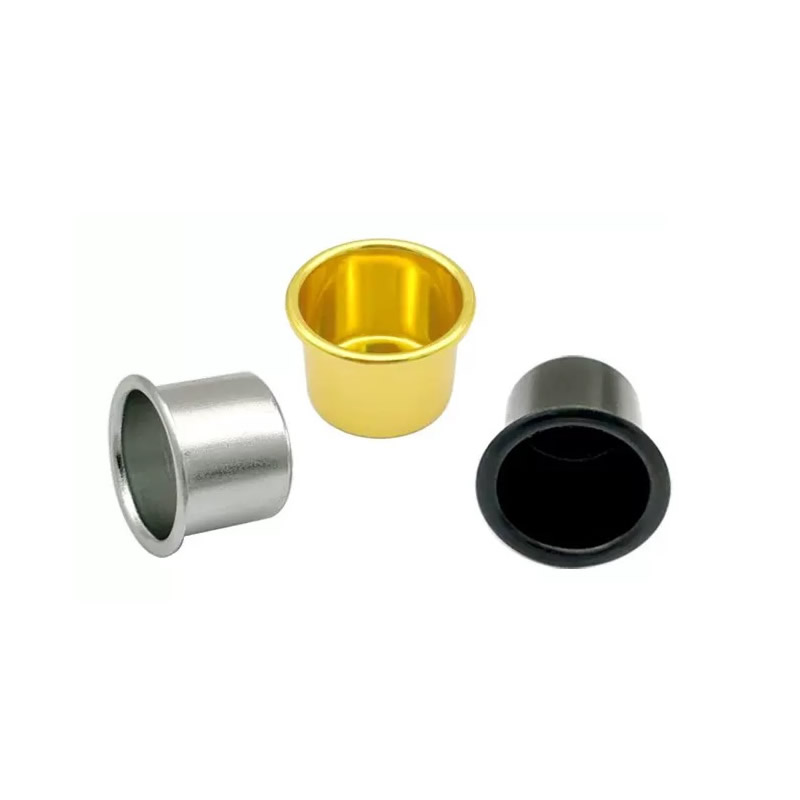
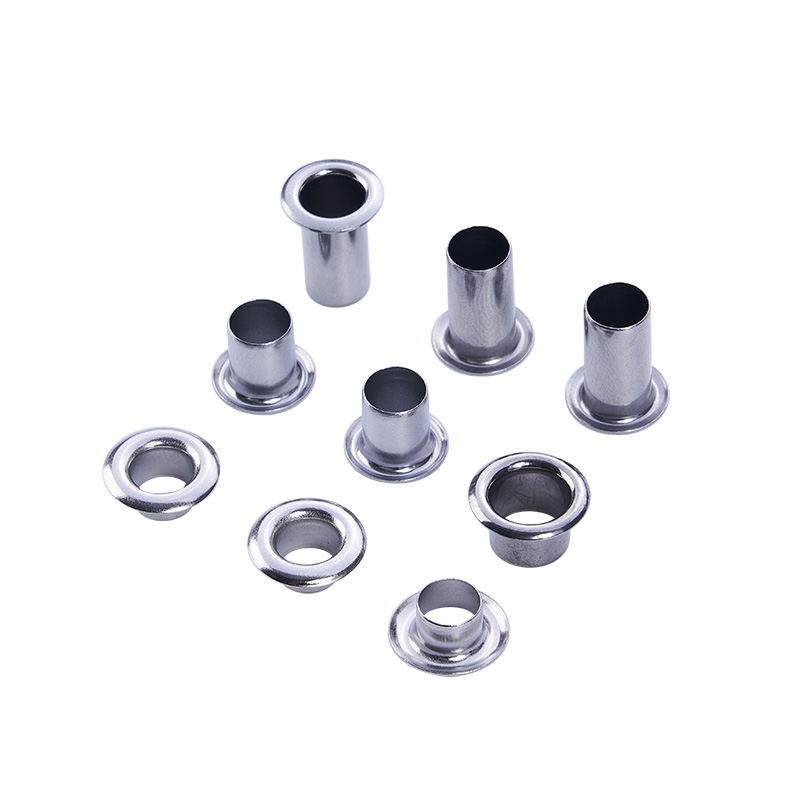

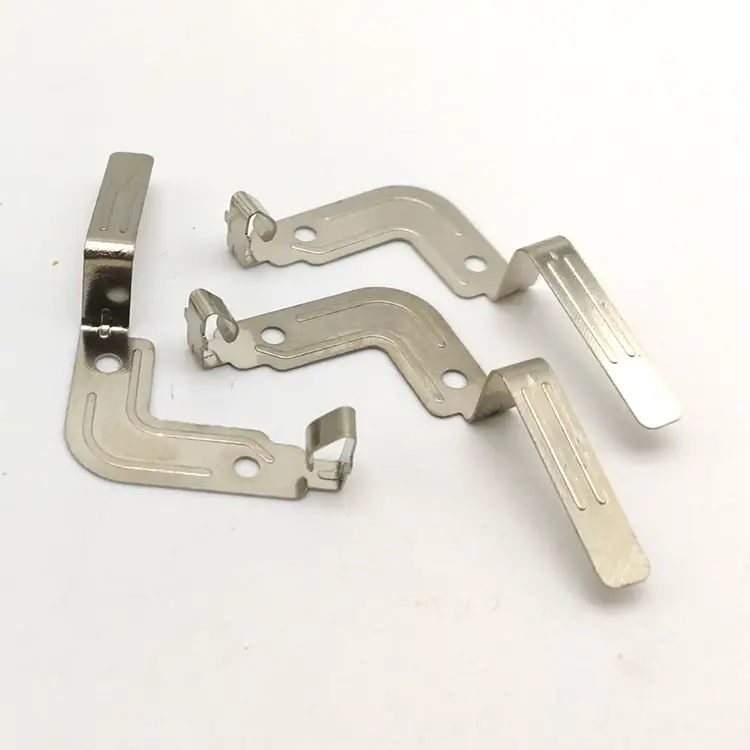
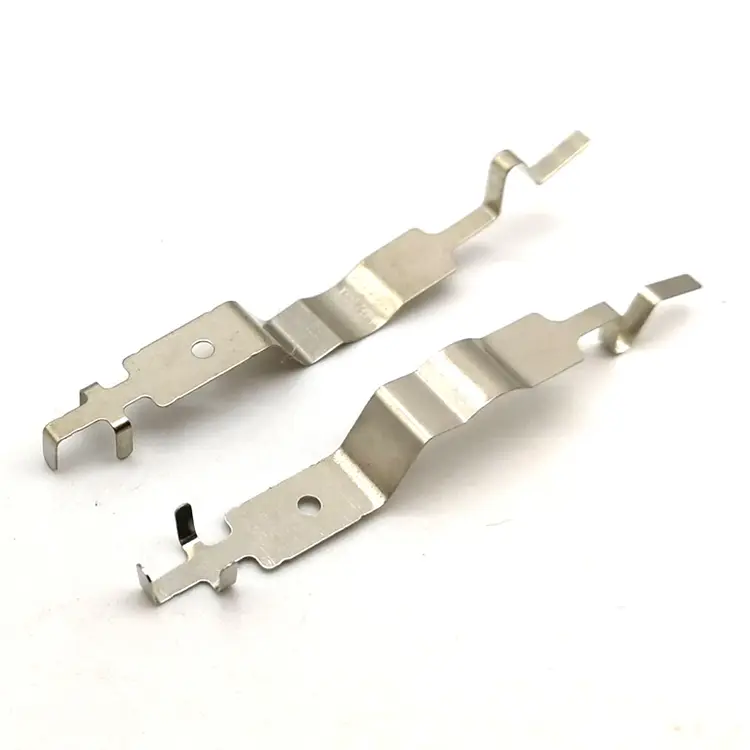
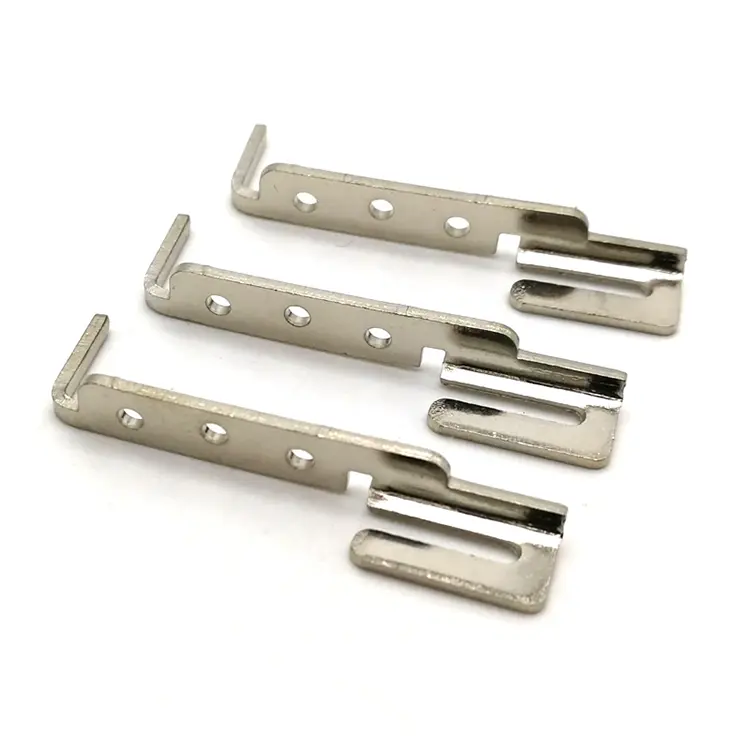
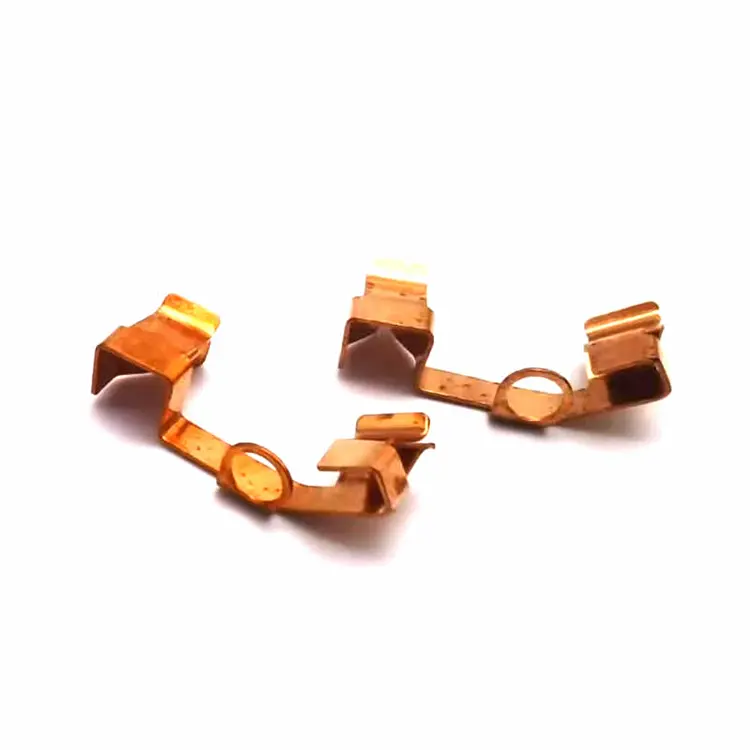
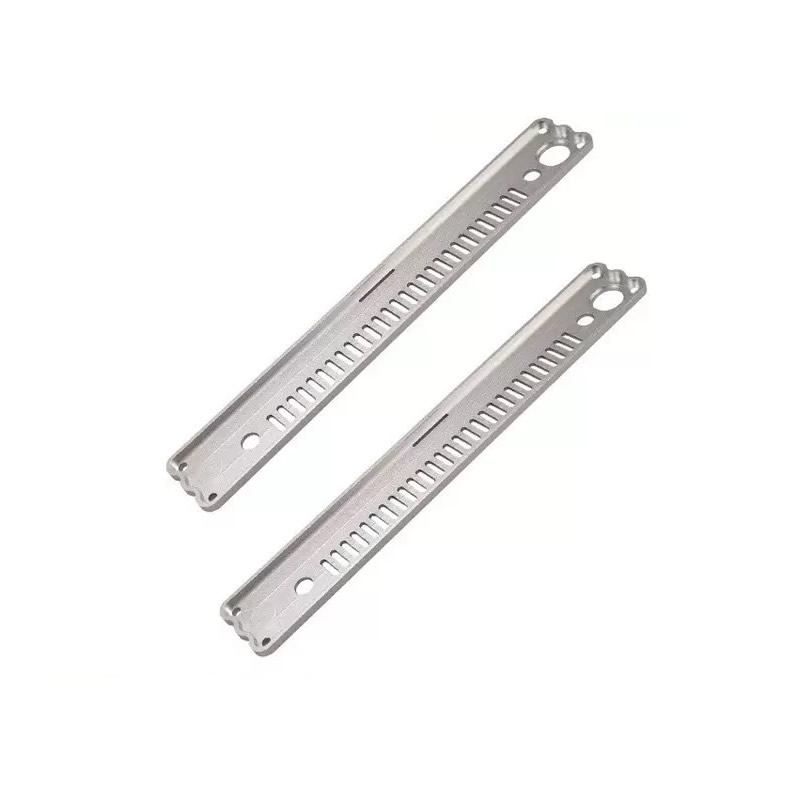
Stamped Aluminum Parts
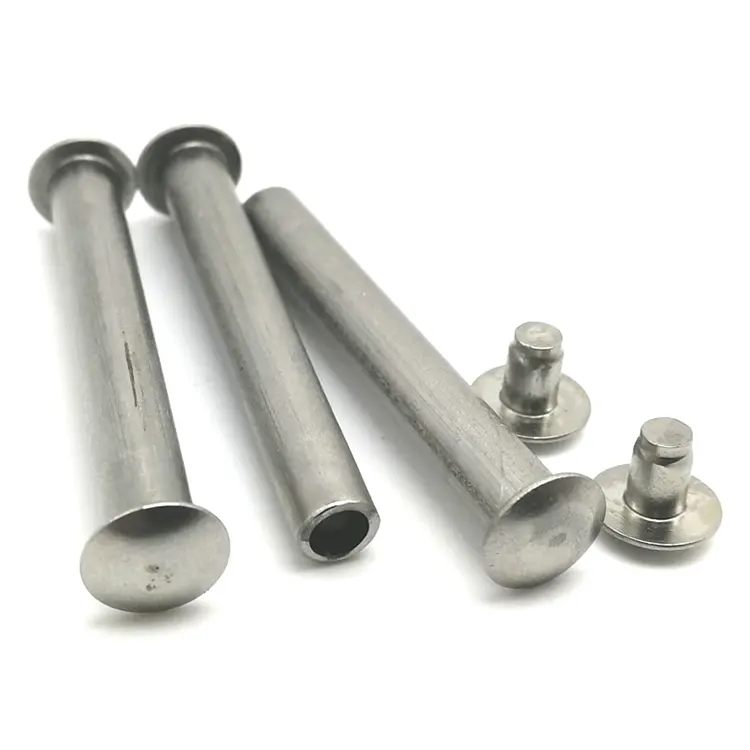
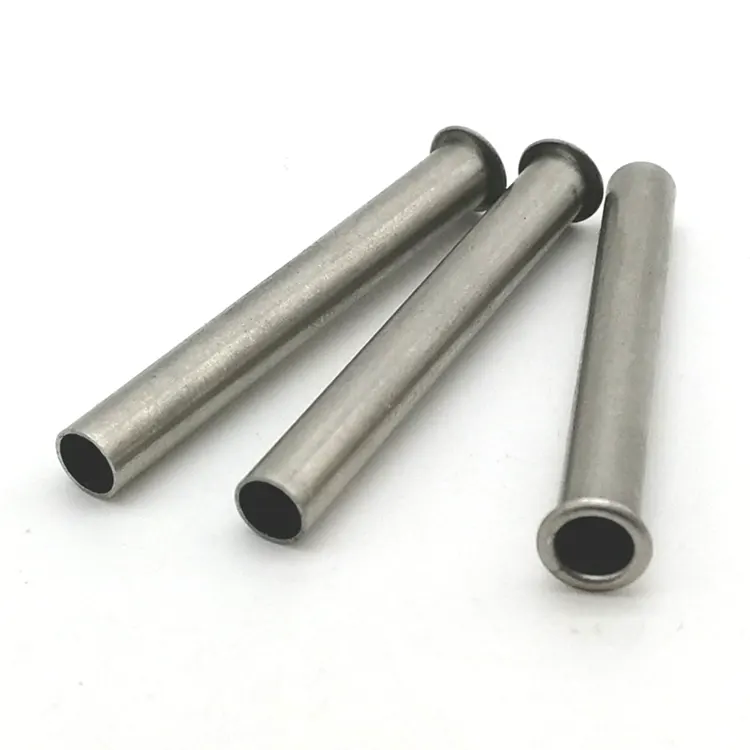
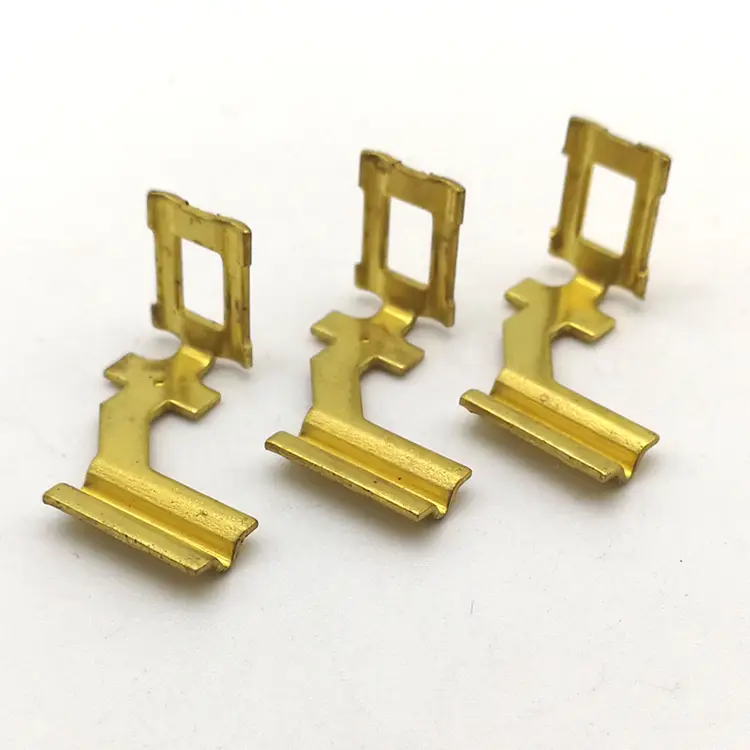
Nuote Metals is a China-based supplier of stamped aluminum parts for electronics, automotive, and appliance customers. We stamp 5052, 6061, and 3003 aluminum in thicknesses from 0.2mm to 2.0mm – with polished dies and lubrication control to prevent galling. Anodizing-ready surfaces, flatness control, and PPAP documentation available.
Send Inquiry
Product Description
Aluminum is the lightest metal in common stamping use. It conducts heat, resists corrosion, and accepts anodizing better than any other metal. That is why stamping aluminum parts appear in electronics enclosures, automotive heat shields, appliance panels, and LED housings—where weight, heat, or appearance matters.
But aluminum brings two problems that steel and brass do not. It galls—it sticks to the die and tears the surface. And it scratches—easily, deeply, and visibly after anodizing. A stamped aluminum part that measures correctly but has a galling mark or a scratch will fail cosmetic inspection—or worse, fail anodizing, because the defect becomes permanent under the oxide layer.
At Nuote Metals, we stamp aluminum with galling control and anodizing readiness as the primary quality requirements. This article covers the part types, the alloys, the surface defects that matter, and how we control them before the part reaches the anodizer.

Part Types – What Stamping Aluminum Parts Are Used For
| Part Type | Typical Alloy | Thickness Range | Key Requirement | Typical Industry |
|---|---|---|---|---|
| Heat shields | 5052, 3003 | 0.3–2.0 mm | Form stability, no galling on visible surface | Automotive, appliances |
| Enclosures and covers | 5052, 6061 | 0.5–1.5 mm | Flatness, anodizing-ready surface | Electronics, instrumentation |
| Brackets and clips | 5052, 6061 | 0.5–2.0 mm | Bend angle, hole position | Automotive, appliances |
| LED housings and reflectors | 1100, 3003 | 0.2–1.0 mm | Surface finish, reflectivity | Lighting, electronics |
| EMI shields | 5052, 3003 | 0.2–0.8 mm | Form height, conductivity | Electronics, telecom |
Heat shields must hold their form under thermal cycling. The stamping must not introduce residual stress that causes warping when the part heats up. 5052 is the standard alloy—good formability and corrosion resistance.
Enclosures and covers are visible parts. The surface must be free of galling, scratches, and die marks—because anodizing does not hide defects; it amplifies them. 5052 and 6061 are common; 6061 offers higher strength but is less formable.
Brackets and clips carry load. The bend angle and hole position must be stable after springback. Aluminum springs back more than steel—compensation in the die is critical.
LED housings and reflectors require a smooth surface for reflectivity. 1100 is the purest aluminum—best reflectivity but softest and most prone to galling. Polished dies and strict lubrication control are required.
EMI shields combine form and conductivity. The part must seat on the PCB without gaps. Flatness and form height are the critical requirements.
Aluminum Alloys – How Each Behaves in Stamping
| Alloy | Formability | Strength | Galling Risk | Anodizing Response | Best Application |
|---|---|---|---|---|---|
| 1100 | Excellent | Low | High – softest | Excellent – pure, bright finish | Reflectors, decorative |
| 3003 | Good | Low–moderate | Moderate | Good | Heat shields, covers |
| 5052 | Good | Moderate | Moderate | Good – slight color shift | General stamping, marine |
| 6061 | Fair | High | Low–moderate | Fair – visible grain after anodizing | Structural brackets |
1100 is the purest aluminum—99% minimum. It forms easily and anodizes to a bright, reflective finish. But it is soft and galls aggressively. Polished dies and frequent lubrication are mandatory.
3003 adds manganese for strength. It forms well and offers moderate corrosion resistance. A general-purpose alloy for heat shields and covers.
5052 adds magnesium for strength and corrosion resistance. It is the most common stamping alloy—good balance of formability, strength, and anodizing response.
6061 contains magnesium and silicon. It offers the highest strength of the four but is less formable and shows a visible grain after anodizing. Used for structural brackets where strength matters more than appearance.
The Two Surface Defects That Ruin Stamping Aluminum Parts
Galling. Aluminum sticks to the die. When the die surface is not polished, or the lubrication is insufficient, aluminum transfers to the die and tears the part surface. The result is a rough, smeared patch—often on the most visible surface of the part. Galling cannot be removed by deburring or polishing without changing the part dimension. It must be prevented.
Scratches. Aluminum is soft. A chip on the die, a rough conveyor, or a careless handoff can scratch the surface. A scratch that is 0.02mm deep on a steel part is cosmetic. On an anodized aluminum part, it becomes a visible dark line—and the part is scrapped.
How we control both:
Polished die surfaces – die inserts are polished to Ra 0.1μm or better on forming surfaces. Any tool mark on the die transfers to the part.
Controlled lubrication – a consistent film of lubricant prevents metal-to-metal contact. We use water-based lubricants for aluminum—oil-based lubricants can stain the surface before anodizing.
Chip management in the die – chips that remain in the die cavity scratch the part on the next stroke. We use air blast and vacuum evacuation at each station.
Handling with gloves – from the press to the packing box, parts are handled with clean gloves. Bare hands leave oils that cause uneven anodizing.
Tolerances and Quality – What We Control on Stamped Aluminum Parts
| Characteristic | Typical Tolerance | Measurement Method |
|---|---|---|
| Hole position | ±0.05 mm | Optical comparator, CMM |
| Bend location | ±0.05 mm | Optical comparator, CMM |
| Bend angle | ±0.5° | Optical comparator, angle gauge |
| Form height | ±0.1 mm | Height gauge, CMM |
| Flatness | 0.1 mm (small parts) | Surface plate, CMM |
| Surface defects | No galling, no scratches >0.02mm | Visual under 10× magnification |
Flatness is critical for enclosures and shields. Aluminum warps after ejection if the forming stress is not balanced. We control flatness by stress-relief annealing, by adjusting the die, or by coining the part flat in a final station.
Bend angle is affected by springback. Aluminum springs back 2–4° depending on alloy and temper. We compensate by over-bending in the die—verified on a test strip before the die is cut.
A Real Example – 5052 Heat Shield with Galling on Visible Surface
A German appliance manufacturer needed a 5052 aluminum heat shield with a 0.8mm thickness, two bends, and a visible surface free of galling and scratches. Their previous supplier ran the part with standard die lubrication—galling appeared on the visible surface at station 3, and 12% of parts failed cosmetic inspection.
What we did differently:
- Polished the die inserts to Ra 0.1μm on all forming surfaces—removed the tool marks that initiated galling.
- Switched to a water-based lubricant applied consistently at each stroke—no oil staining, no metal-to-metal contact.
- Added air blast at station 3 to evacuate aluminum chips before the next stroke.
- Verified surface quality under 10× magnification on every 200 pieces.
- Shipped 600,000 pieces with zero cosmetic rejections. The customer eliminated incoming visual inspection.
This is what stamping aluminum parts should deliver: not just a part that meets the drawing, but a surface that survives anodizing—because the defects that ruin aluminum parts are surface defects, not dimensional ones.
Frequently Asked Questions
Q1: Why does aluminum gall during stamping, and how do you prevent it?
A: Galling occurs when aluminum transfers to the die surface under pressure—it welds to the tool and tears the part surface. Prevention requires three things: polished die surfaces (Ra 0.1μm or better), consistent lubrication (water-based for aluminum), and chip evacuation (air blast or vacuum at each station). For stamped aluminum parts with visible surfaces, galling is a cosmetic defect that anodizing makes permanent. We control it at the die, not after the part is stamped.
Q2: Can you stamp aluminum parts that will be anodized?
A: Yes—and we prepare the surface specifically for anodizing. Anodizing does not hide scratches or galling; it amplifies them. We polish die inserts, control lubrication, evacuate chips, and handle parts with gloves to prevent contamination. For stamping aluminum parts that will be anodized, we inspect surfaces under 10× magnification before shipping—because a defect that passes visual inspection on raw aluminum becomes a visible reject after anodizing.
Q3: What is the difference between 5052 and 6061 for stamped aluminum parts?
A: 5052 offers better formability and more consistent anodizing response—it is the standard choice for heat shields, covers, and general stamping. 6061 offers higher strength but is less formable and shows a visible grain after anodizing—it is used for structural brackets where strength matters more than appearance. For stamping aluminum parts with cosmetic requirements, 5052 is usually the better choice. We review the application before recommending an alloy—not just the strength requirement.
Hot Tags: Stamped Aluminum Parts,China Stamped Parts Factory,Stamped Aluminum Parts Manufacturer
Send Inquiry
Please feel free to fill your inquiry in the form below. We will reply you in 24 hours.



X
We use cookies to offer you a better browsing experience, analyze site traffic and personalize content. By using this site, you agree to our use of cookies.
Privacy Policy