
Products
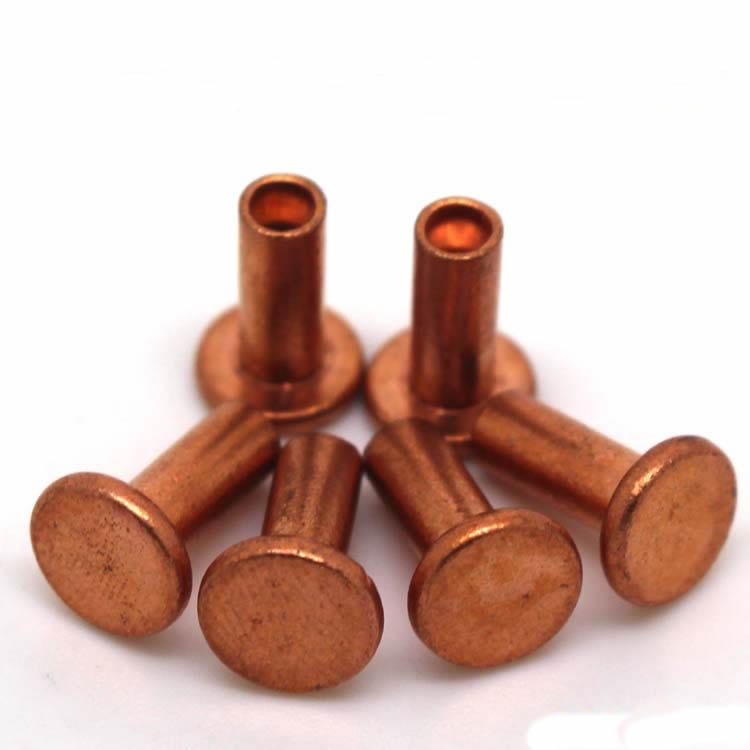
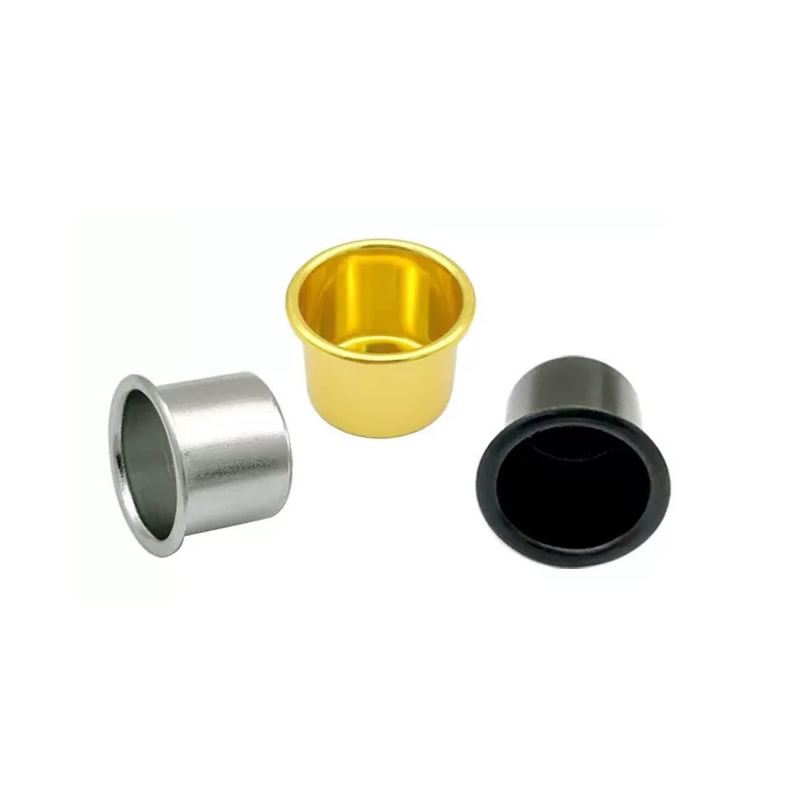
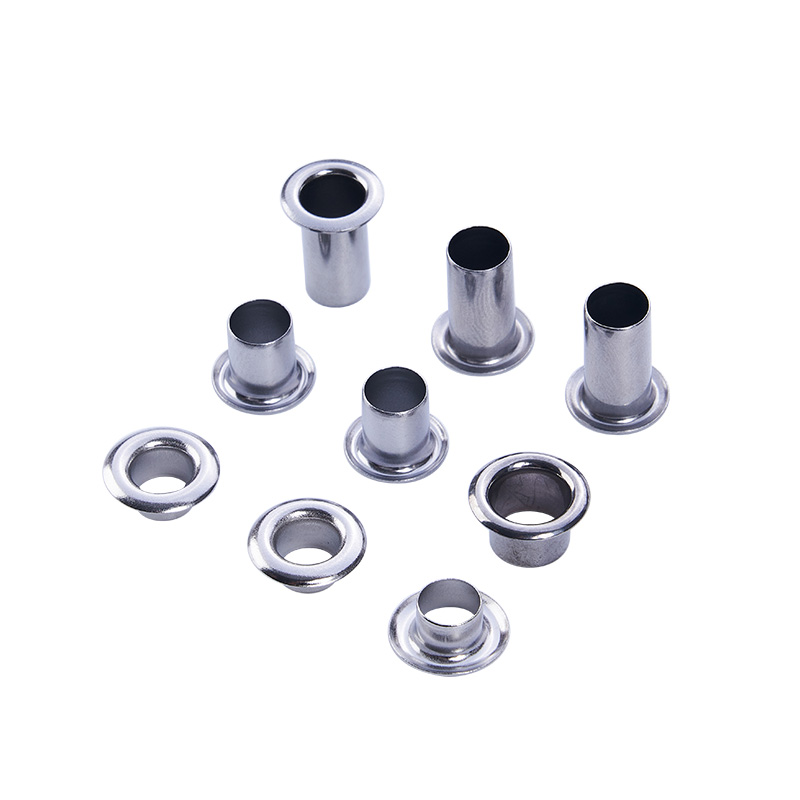
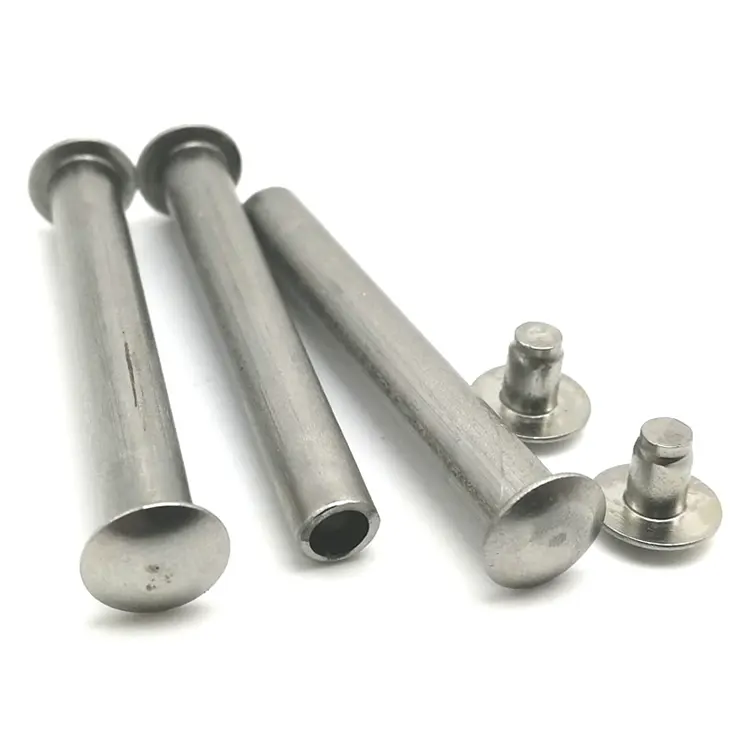
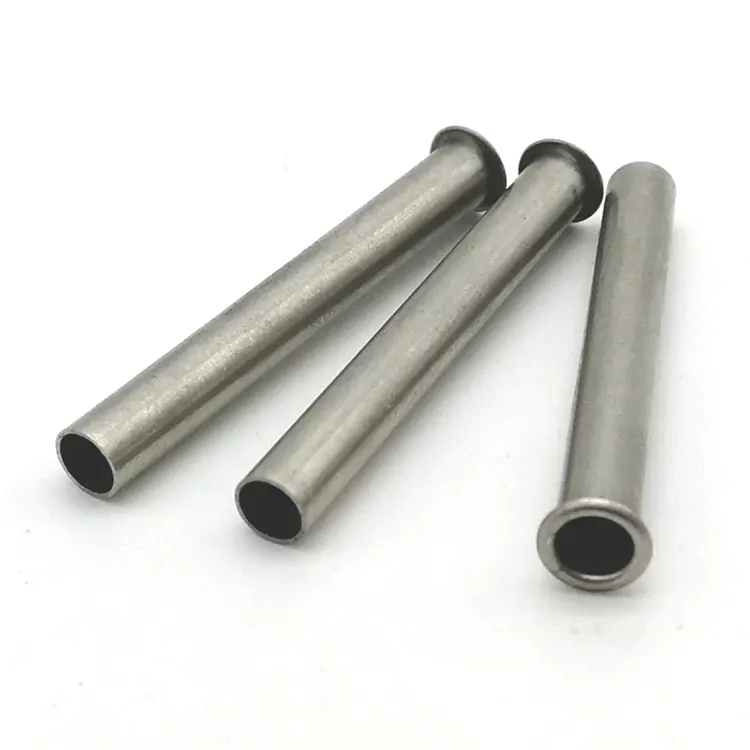
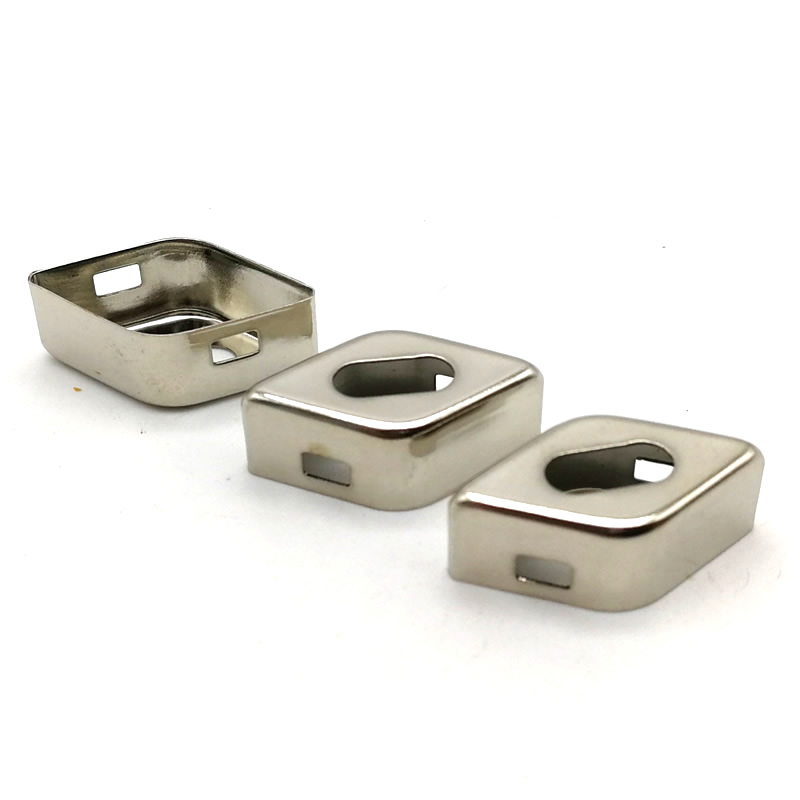
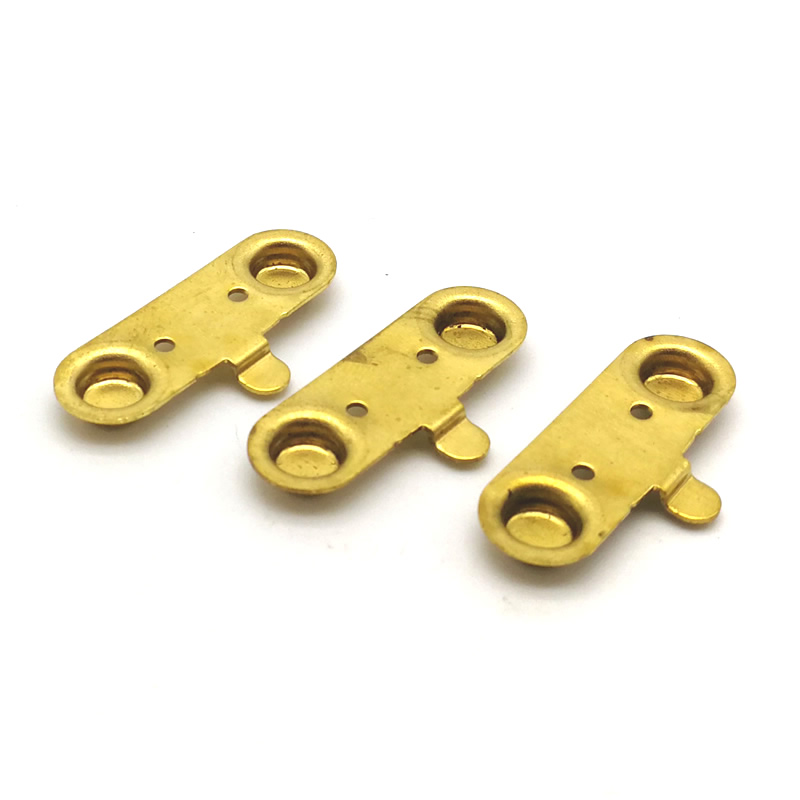
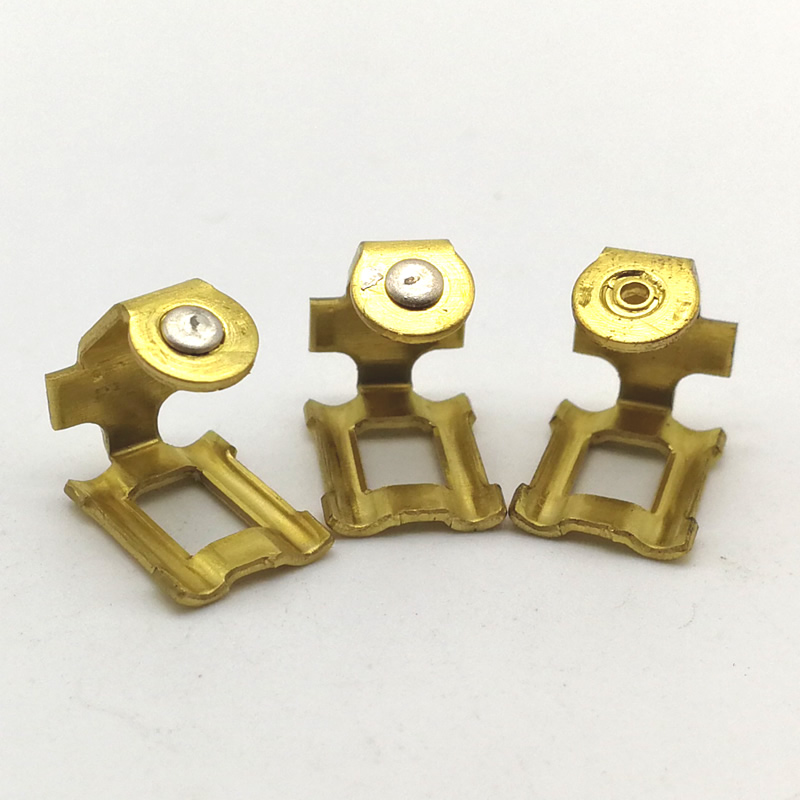
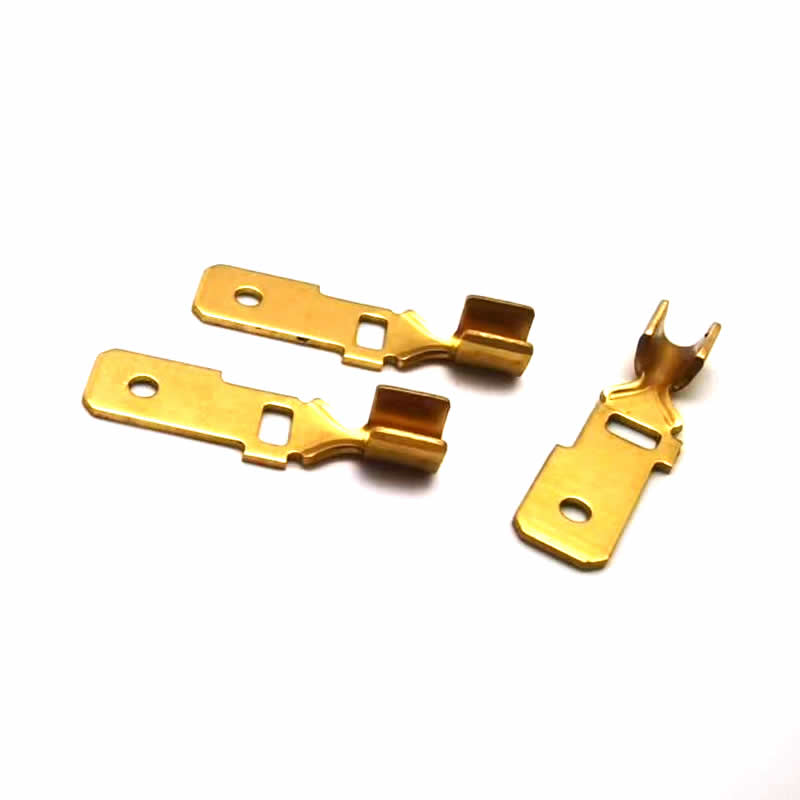
Stamped Metal Components
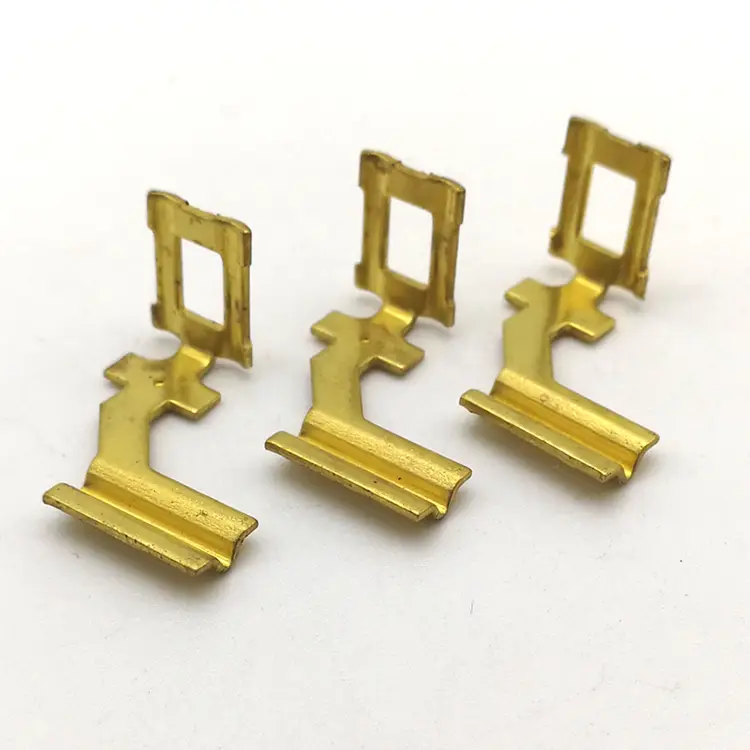
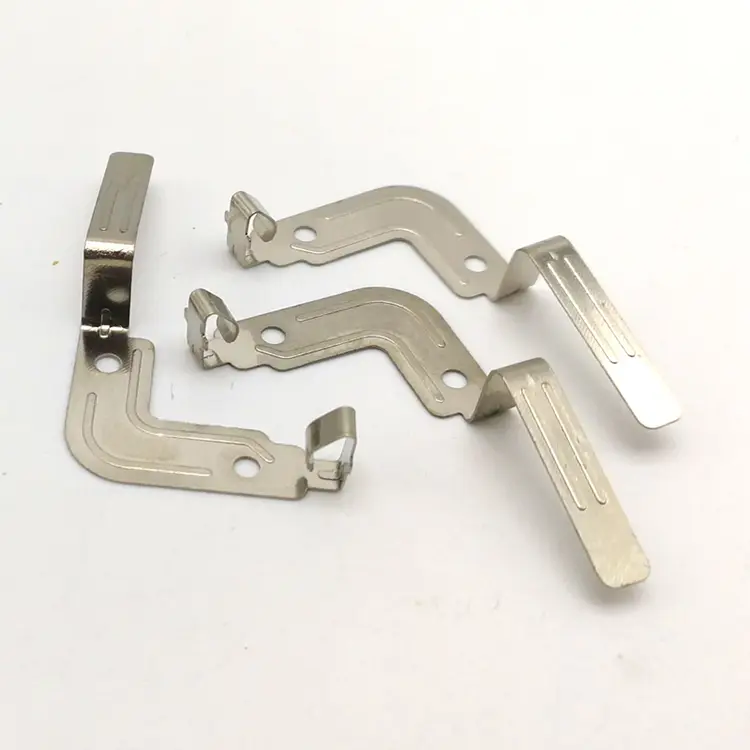
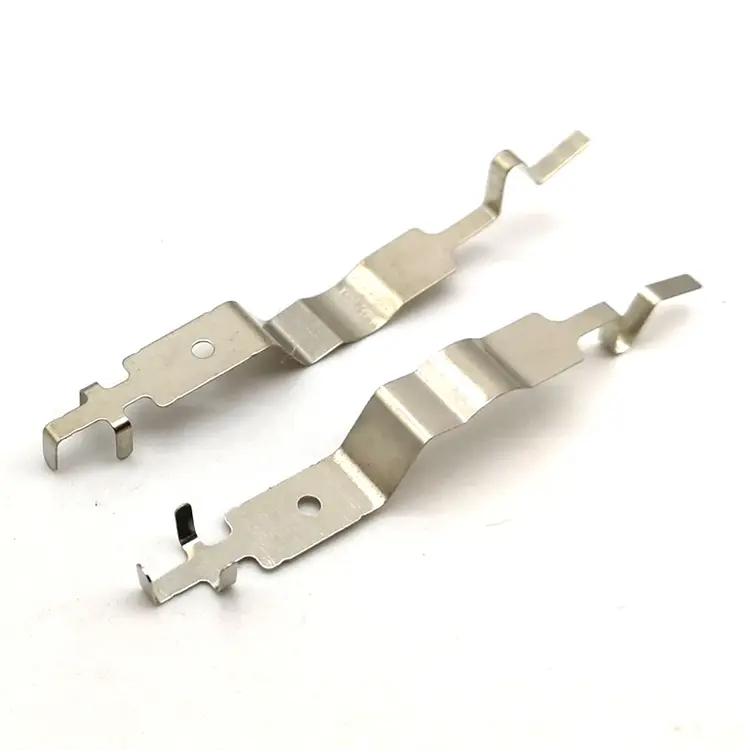
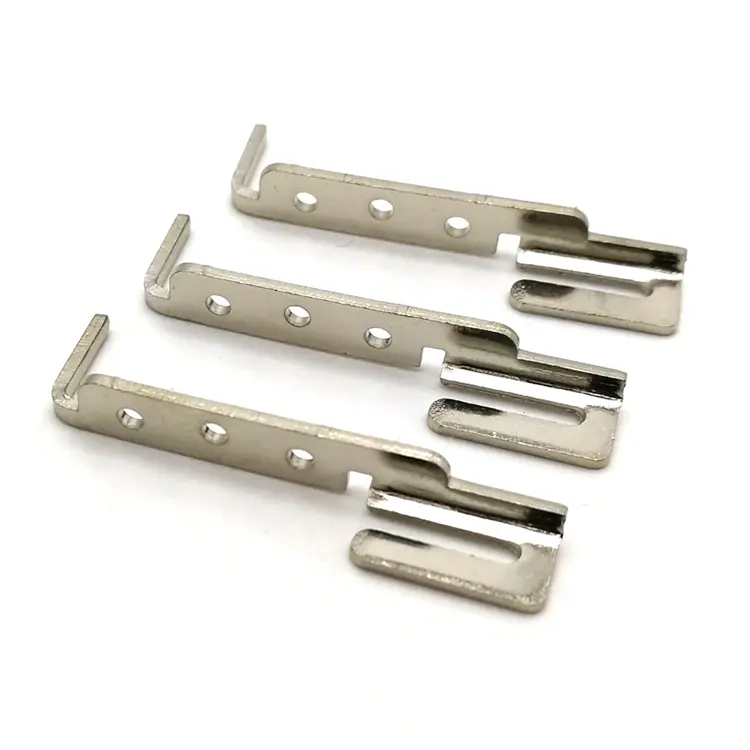
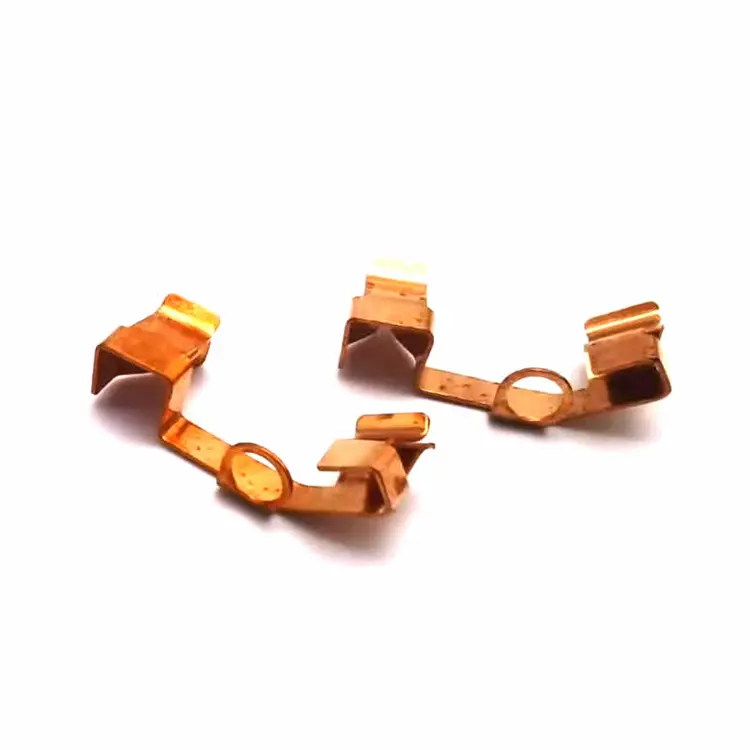
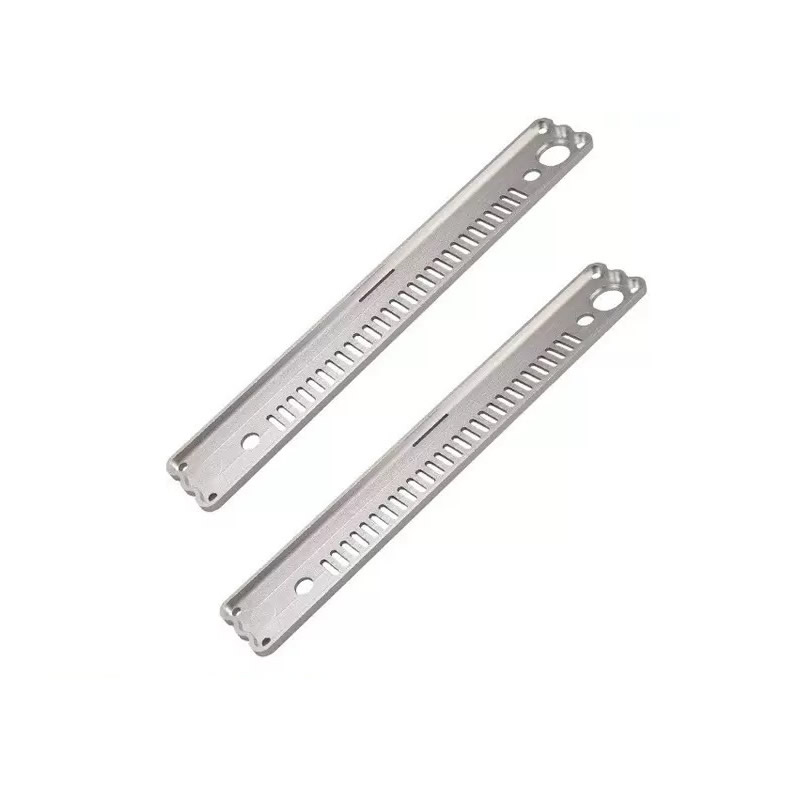
From our China factory, Nuote Metals produces Custom stamped metal components for diverse industries—automotive, appliances, electronics, and hardware. Using high-speed presses and precision dies, we transform steel, brass, aluminum, or stainless steel into complex, burr-free parts with tight tolerances. Whether you need brackets, clips, terminals, or chassis, our stamping process ensures repeatability and cost efficiency. Solve supply inconsistency and dimensional drift with reliable components delivered on time. Trust us for quality that keeps your assembly line moving smoothly.
Send Inquiry
Product Description
Most stamping shops chase high volumes of simple washers and brackets. They reject orders with tight radii, multiple bends, or quantities under 50,000 pieces. That leaves a gap for designers who need precision stamped metal components but cannot commit to million‑part runs or tolerate slow tooling lead times.
Nuote Metals fills that gap. We specialize in stamped metal components with complex geometries, medium to low volumes (5,000–200,000 pieces), and rapid prototyping. This page explains how we do it, shows two real examples, and gives you the technical details you need to evaluate us.
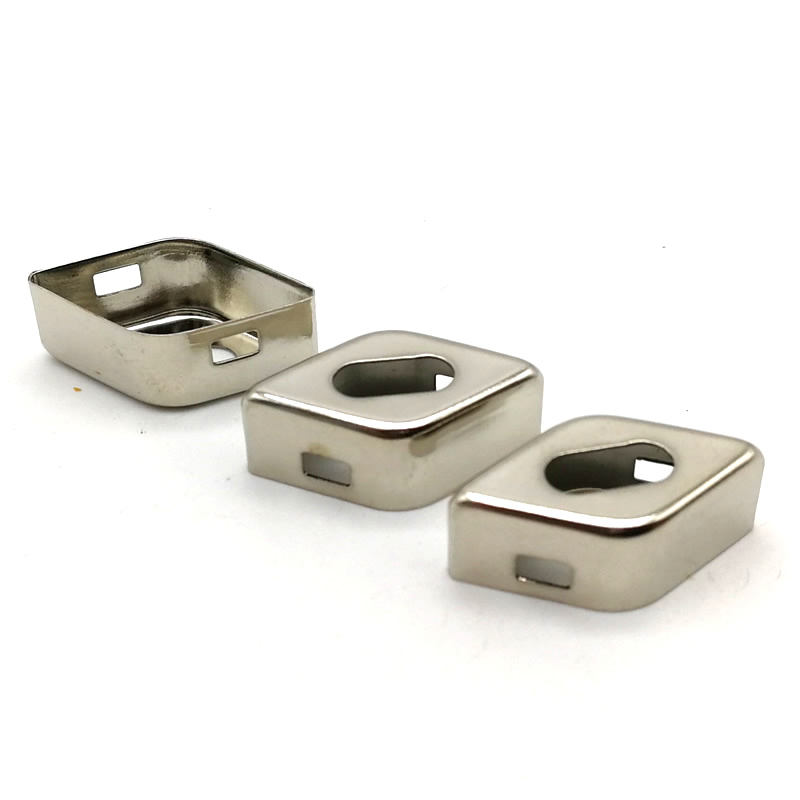
Two Real Orders – Both Rejected Elsewhere
Medical Device Battery Housing (304 Stainless, 0.5mm Thick)
A medical startup designed a wearable sensor. The battery housing required a deep drawn pocket, four pierced mounting holes within ±0.05mm position, and a 90° bent tab with a 0.3mm inside radius. Three stamping suppliers said no: the geometry was too complex for progressive tooling at a reasonable cost.
We accepted the challenge. Using a transfer die (not progressive), we produced stamped metal components in batches of 8,000 pieces. The transfer die allowed us to deep draw the pocket in one station, pierce holes in the next, and coin the bottom for flatness. We delivered first samples in 18 days. After 50,000 pieces, the die showed minimal wear. The customer received FDA clearance and has reordered twice.

Drone Motor Mount (5052 Aluminum, 1.2mm Thick)
An industrial drone manufacturer needed lightweight motor mounts with four precise countersinks and a complex folded arm. The annual volume was 15,000 pieces – too low for most stamping houses, which wanted a minimum of 50,000. The customer was about to switch to expensive CNC machining.
Nuote Metals quoted a compound die for flat features plus a simple bending fixture. This hybrid approach cost 40% less than CNC and delivered stamped metal components at 1.2 minutes per part – slower than progressive stamping but perfectly acceptable for 15,000 pieces. The customer saved $18,000 in year one. They now use our stamped metal components for three drone models.
What Makes a Stamped Component “Complex”?
Not all stamping is equal. We categorize complexity by these factors:
| Feature | Simple (most shops) | Complex (our specialty) |
|---|---|---|
| Inside bend radius | > 2x material thickness | 0.5x – 1x material thickness |
| Hole position tolerance | ±0.10mm | ±0.025mm |
| Number of bends | 1–2 | 4–8 |
| Deep draw depth | < 1x diameter | 2x – 3x diameter |
| Material thickness range | 1.0 – 3.0mm | 0.2 – 4.0mm |
If your stamped metal components fall into the right column, you have found the right supplier.
From Material to shipping
we are strictly following the below chart to work.
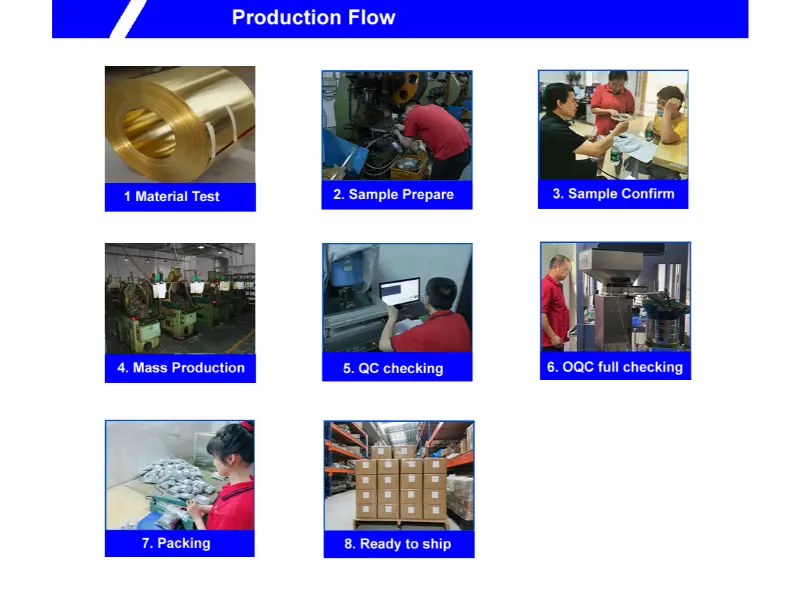
Our Process for Medium‑Volume, High‑Complexity Orders
We do not force every part into a progressive die. Instead, we match the tooling strategy to your volume and geometry.
Tooling Options We Offer
Progressive dies – For volumes above 100,000 pieces with moderate complexity.
Transfer dies – For complex deep draws or parts requiring independent station control. Our transfer presses run at 40–80 strokes per minute, ideal for stamped metal components with difficult form features.
Compound dies – For flat parts with tight hole tolerances. One stroke blanks and pierces simultaneously.
Hybrid (die + fixture) – For parts with simple stamping followed by manual or semi‑manual bending. Best for volumes under 20,000.
Lead Times You Can Expect
| Tooling Type | Design & Fabrication | First Samples | Production (after approval) |
|---|---|---|---|
| Compound die | 12–15 days | +3 days | 5–7 days |
| Transfer die | 20–25 days | +5 days | 10–12 days |
| Progressive die | 25–35 days | +5 days | 7–10 days |
| Hybrid (fixture) | 7–10 days | +3 days | 5–7 days |
For the medical battery housing, we used a transfer die (22 days to samples). For the drone mount, we used hybrid tooling (9 days to samples).
Materials We Commonly Process
| Material | Thickness Range | Typical Complexity | Common Use |
|---|---|---|---|
| 304/316 stainless | 0.2 – 1.5mm | High (deep draw, tight bends) | Medical, food equipment, marine |
| 5052/6061 aluminum | 0.5 – 3.0mm | Medium (bending, piercing) | Drone mounts, electronic chassis |
| Low carbon steel | 0.5 – 4.0mm | Low to medium | Brackets, enclosures, hardware |
| Brass C260 | 0.3 – 1.5mm | Medium (decorative bends) | Electrical contacts, decorative trim |
We maintain small coil stock for each of these materials, so we can run batches as low as 2,000 pieces without coil change delays.
Quality Without Million‑Part Statistics
We do not quote Cpk on every dimension. For medium volumes, we focus on practical quality:
First article inspection – 100% of dimensions measured on 5 sample parts.
In‑process checks – Every 200 pieces for critical features (hole positions, bend angles).
Final random sample – AQL 1.0 (II) per ANSI/ASQ Z1.4.
Each shipment of stamped metal components includes a dimensional report with actual measured values. No generic “certificate of compliance” without data.
Certifications we hold: ISO 9001:2015. RoHS and REACH declarations are provided for all materials.
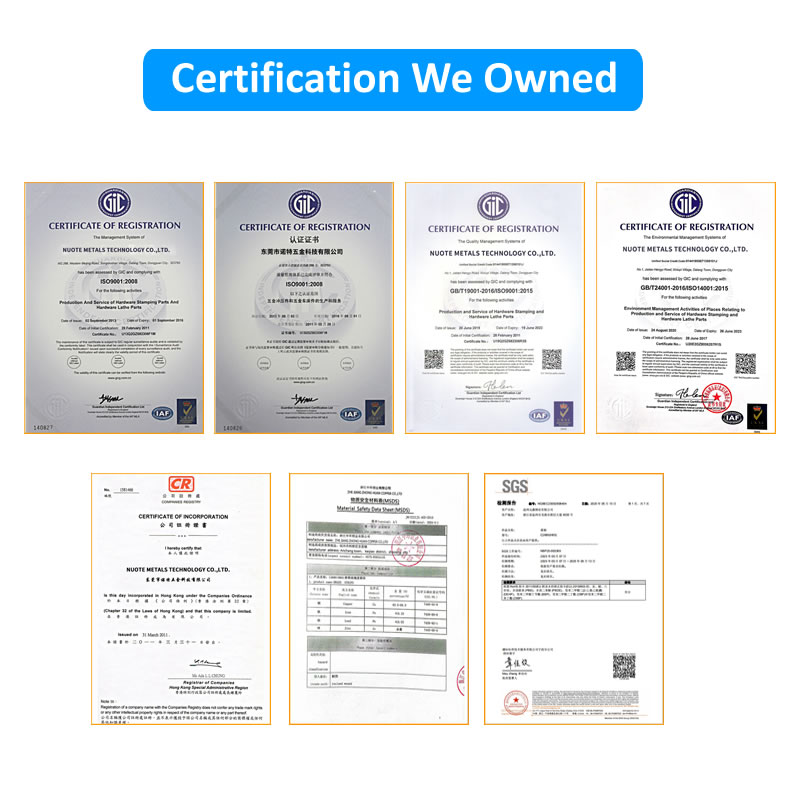
Transparent Policies for Stamped Components
Prototyping – We offer soft tooling (aluminum or mild steel dies) for volumes under 1,000 pieces. Lead time: 7–10 days.
Sample policy – 20 free pieces from production tooling (customer pays shipping).
Minimum order – 2,000 pieces for compound/hybrid tooling; 5,000 for transfer/progressive.
Tooling ownership – You own the tooling. We store it free for 5 years.
NRE charges – We quote tooling separately from piece price. No hidden setup fees.
Listen to Our Customers Voice

Questions We Answer Regularly
Q1: I need stamped metal components with a very tight inside bend radius (0.3mm) in 1mm stainless steel. Can you do it without cracking?
A: Yes, but we need to adjust the process. Standard air bending will crack the outer fibers. We use a coined bending method: the punch forces the material into a pre‑cut groove, compressing the inner radius. This allows an inside radius as low as 0.3mm in 304 stainless. The trade‑off is higher tonnage (adds 30–50% to press load) and slightly slower cycle time. For the medical housing case above, we used coined bends to achieve a 0.3mm radius. Send us your drawing for a feasibility check.
Q2: How do you handle stamped metal components with very small hole diameters (0.5mm) in 0.8mm thick brass?
A: Small holes require carbide punches and guided stripper plates. For 0.5mm holes, the punch diameter is smaller than the material thickness – that is a high‑risk piercing. We use a two‑step method: first a smaller pilot punch (0.3mm) creates a guide, then a reaming punch opens it to 0.5mm. We also slow the press speed to 120 SPM. Our success rate (no punch breakage) is 99.2% for holes down to 0.5mm. For holes below 0.5mm, we recommend chemical etching instead of stamping.
Request a Feasibility Review
Send us a 3D model or a detailed drawing of your stamped metal components. We will reply within 24 hours with:
- Tooling recommendation (die type)
- Estimated tooling cost and lead time
- Piece price for your annual volume
- Sample part lead time
Contact Nuote Metals today. No obligation, no pressure – just an honest engineering assessment.
Hot Tags: Stamped Metal Components,Stamped Components China,Stamped Metal Components Manufacturer
Send Inquiry
Please feel free to fill your inquiry in the form below. We will reply you in 24 hours.



X
We use cookies to offer you a better browsing experience, analyze site traffic and personalize content. By using this site, you agree to our use of cookies.
Privacy Policy