Stamping Parts
Products
- View as
Progressive Stamping Parts
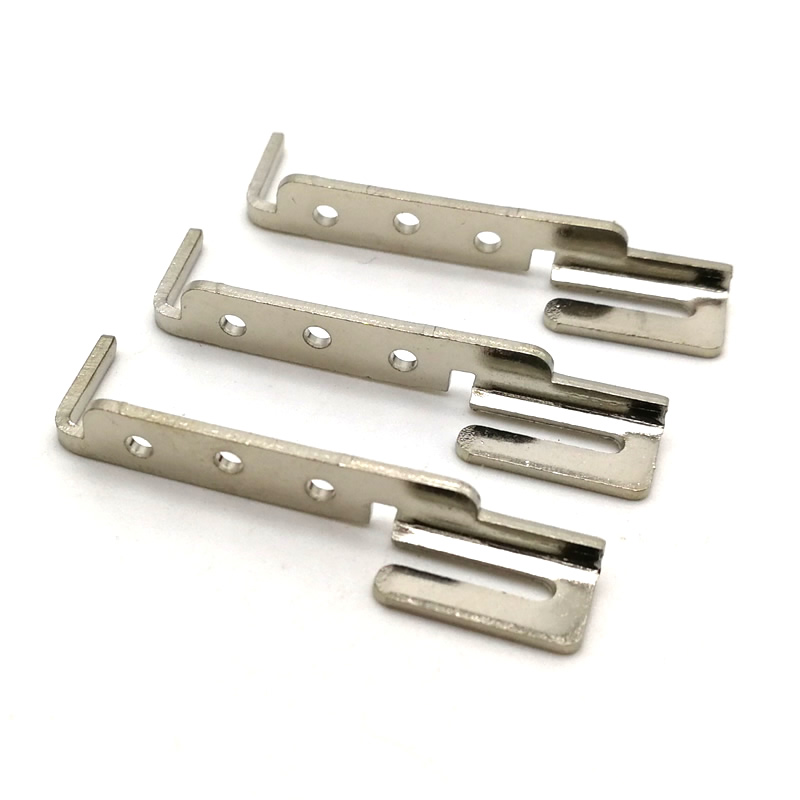
We make progressive stamping parts in Nuote Metals in Dongguan,China. These parts are made from a long metal strip that moves through a press. Each station in the press does something different,cutting, bending, or punching holes. Progressive stamping parts come out complete at the end of the line. This method is good for making many pieces fast. We check each batch of progressive stamping parts carefully. Our workers measure them to make sure they are all the same. Customers choose progressive stamping parts when they need lots of identical pieces. We can run samples first for testing.
View DetailsSend Inquiry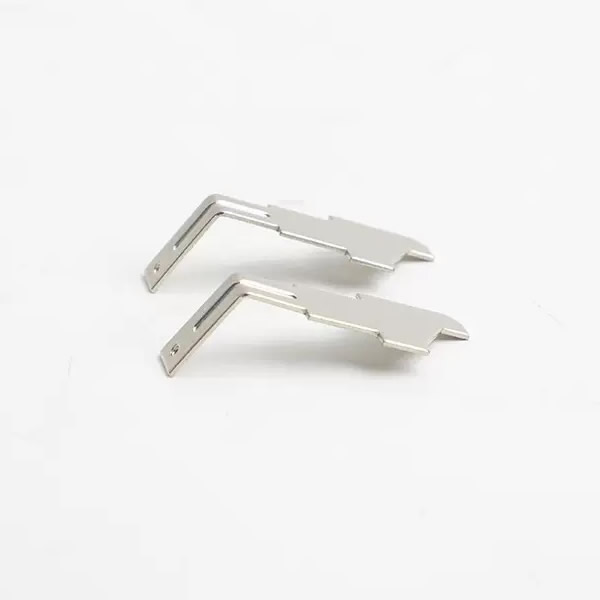
Sheet Metal Pressed Parts
Nuote Metals in Dongguan designs and produces sheet metal pressed parts. Sheet metal pressed parts are parts formed by pressing flat metal sheets. They can be simple like flat brackets or more complex with bends and curves. We use steel, aluminum, and stainless steel for this work. Each batch of sheet metal pressed parts is checked by our team. They look at the shape and measure the holes. Customers order our sheet metal pressed parts when they need metal pieces for their products. We make samples first so they can test the fit.
View DetailsSend Inquiry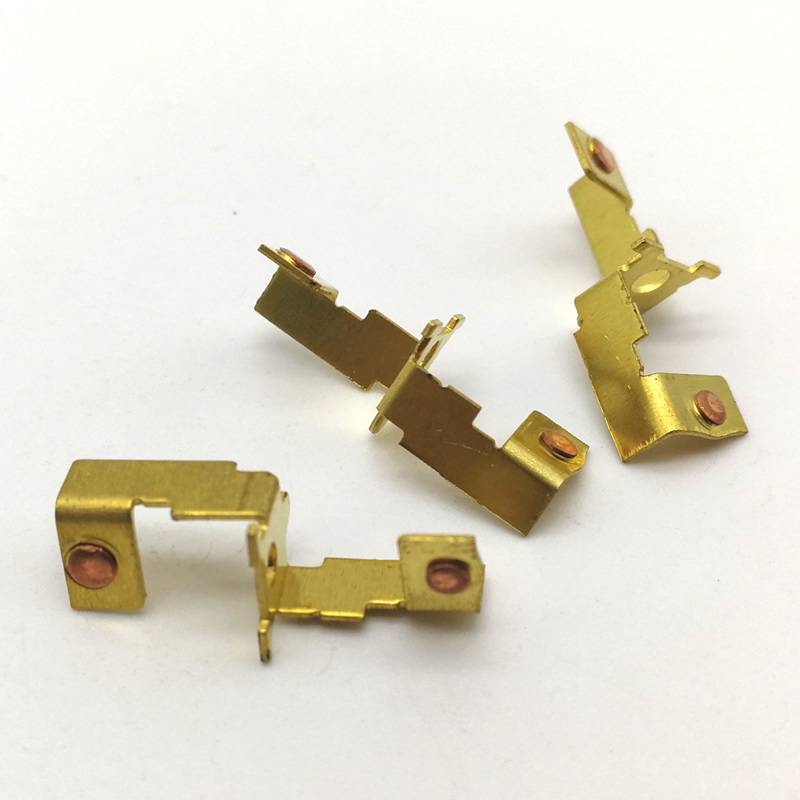
Electronic Stampings
From our workshop in Dongguan, Nuote Metals produces electronic stampings for a wide range of devices. These small metal parts are used in electronics — things like connectors, contacts, and shielding plates. They must be clean and accurate. We use materials like copper, brass, and stainless steel. Each batch of electronic stampings is checked under good light. Our workers measure them with tools. Electronics companies work with us for reliable parts. We send samples first for testing.
View DetailsSend Inquiry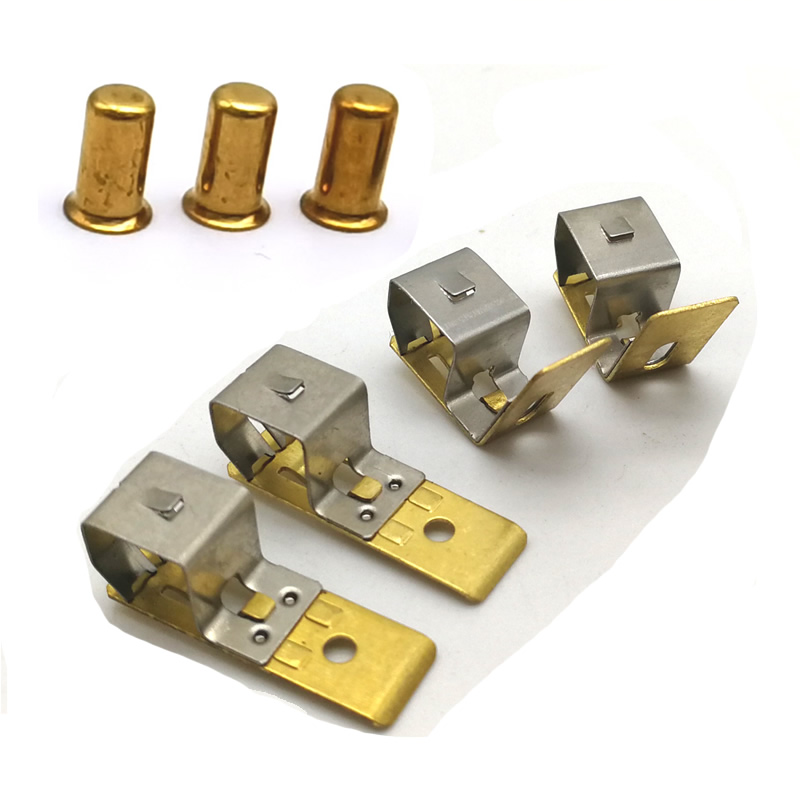
Lamp Holder Accessory
We’re Nuote Metals in Dongguan, and we make all kinds of lamp holder accessory parts. This includes brass caps and small metal contacts called positive and negative shrapnel. A lamp holder accessory needs to be reliable, electricity flows through it every time you turn on the light. We stamp these parts carefully, keeping edges smooth and surfaces clean. Each lamp holder accessory we make is checked for fit and finish. If you need brass caps or contact shrapnel, we can run samples first so you can test them.
View DetailsSend Inquiry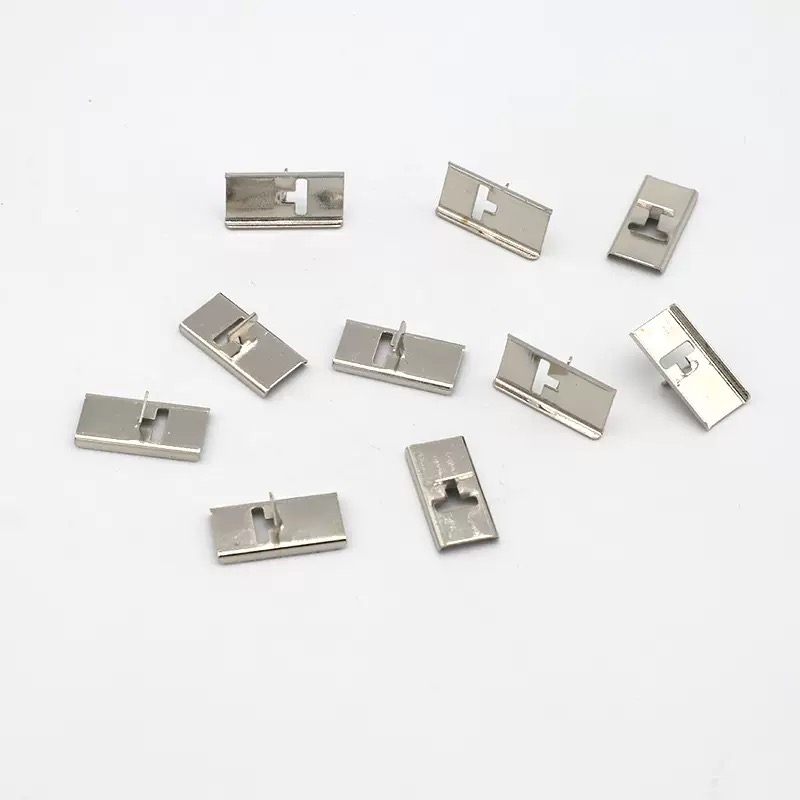
Metal Housings
Here at Nuote Metals in Dongguan, we stamp metal housings for different products. These are basically the outer shells or covers that keep things protected. We work with sheets of steel, aluminum, or stainless — whatever fits the job. Metal housings come in all shapes and sizes, from small electronic cases to bigger machine covers. We check each one to make sure bends are clean and holes line up. When companies need reliable metal housings, they often send us their designs. We'll run a few samples first so you can see how they fit.
View DetailsSend Inquiry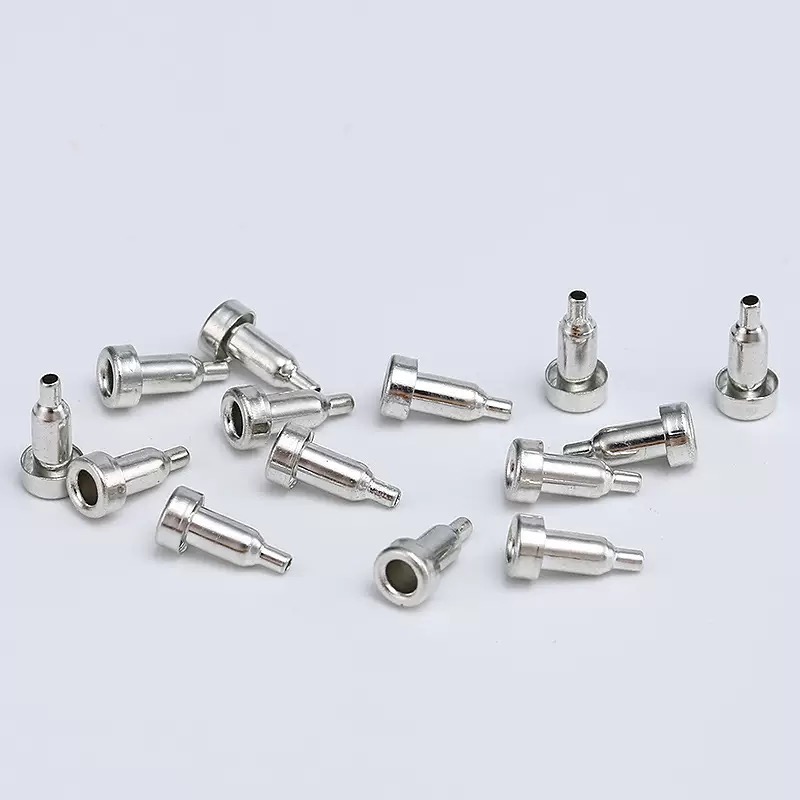
Deep Drawn Stamping
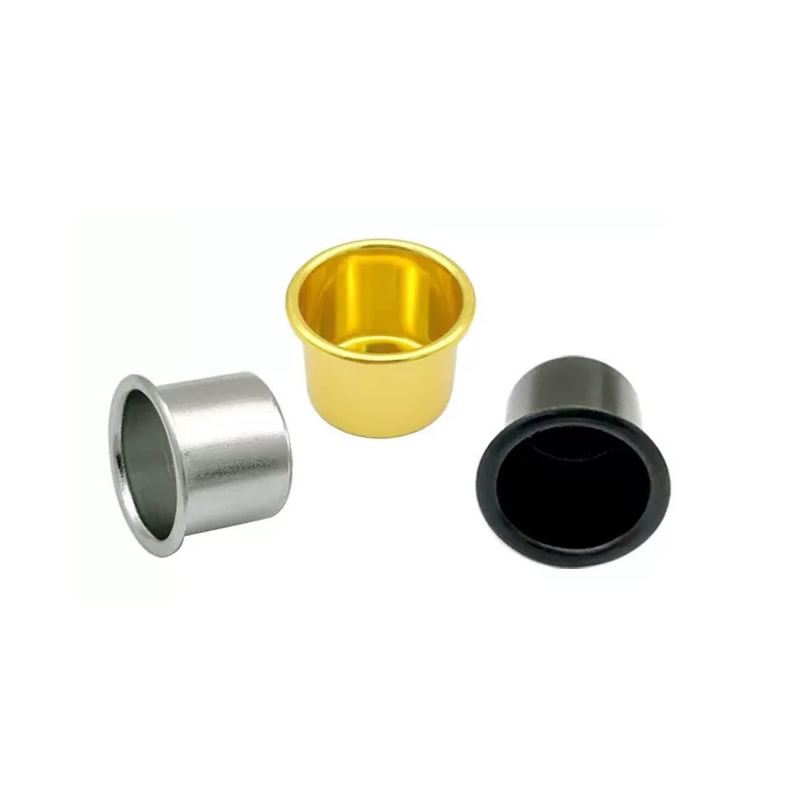
We run a workshop in Dongguan called Nuote Metals. We do deep drawn stamping here. This is how we make deep cups, tubes, and small cases from metal sheets. Deep drawn stamping pulls the metal down into shape slowly. We do it step by step so the metal doesn't tear. We use steel, aluminum, or brass for deep drawn stamping. Each part is checked for smooth walls and even thickness. People come to us when they need deep metal parts without seams. We make samples first so you can see if they fit.
View DetailsSend InquirySome important factors to keep in mind:
Plasticity and Grain Direction – Plasticity is a measure of the permanent deformation a material undergoes when subjected to stress. Metals with greater plasticity are more susceptible to forming. Grain direction is important in high-strength materials, such as tempered metals and stainless steel. If bending occurs along a high-strength grain, cracking is more likely.
Bending Deformation/Expansion: Bending deformation causes expansion of up to 1/3 of the material thickness. This deformation/expansion becomes more severe as the material thickness increases and the bend radius decreases. Web and "mismatch" cutting: This involves making very slight indentations or protrusions in the part, typically about 0.1mm deep. This feature is not required when using composite or transfer tools, but it is essential when using progressive dies.
Advantages and Limitations of Stamping
Advantages:
- Low cost: In mass production, the cost per part can be reduced to one-third of that of a cast part;
- High consistency: Dimensional tolerances can be controlled within ±0.1mm;
- High material utilization: Through nesting optimization, the utilization rate can reach over 85%.
Limitations:
- Long mold development cycle and high initial investment, making it unsuitable for large-scale production;
- Complex three-dimensional structures (such as hollow crankshafts) require integration with other processes.
Core Application Areas of Stamping Parts
1. Automotive Industry: Accounts for over 60% of total stamping part demand, including body panels and chassis components;
2. Electronics and Electrical: For example, metal mobile phone frames and heat sinks, thicknesses can be as thin as 0.2mm;
3. Home Appliance Industry: Refrigerator panels, air conditioner housings, etc., where surface aesthetics can be enhanced through electroplating or spraying.



X
We use cookies to offer you a better browsing experience, analyze site traffic and personalize content. By using this site, you agree to our use of cookies.
Privacy Policy