Stamping Parts
Products
- View as
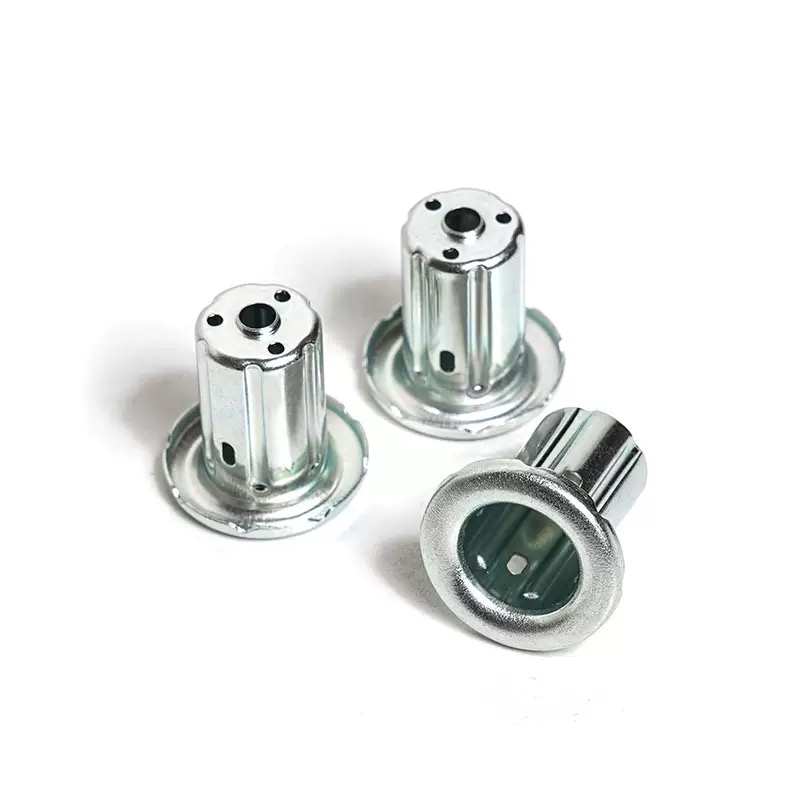
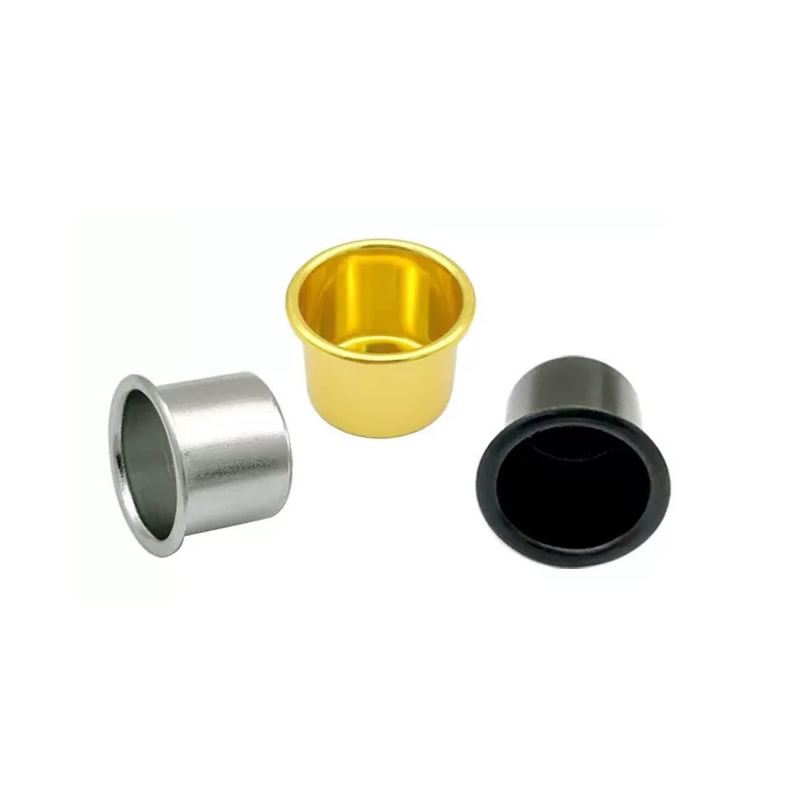
Deep Drawn Metal Stamping
Here at Nuote Metals in Dongguan, we do deep drawn metal stamping . This is how we make deep metal cups, tubes, and cases in one piece. Regular stamping can't make such deep shapes. Deep drawn metal stamping pulls the metal down into a die, like stretching dough. We do this step by step until we get the right depth. Each deep drawn metal stamping job needs good tools and careful handling. Our workers check the parts as they come out. They measure the walls and look for smooth surfaces. Customers come to us when they need seamless deep parts. We make samples first so you can see if they work.
View DetailsSend Inquiry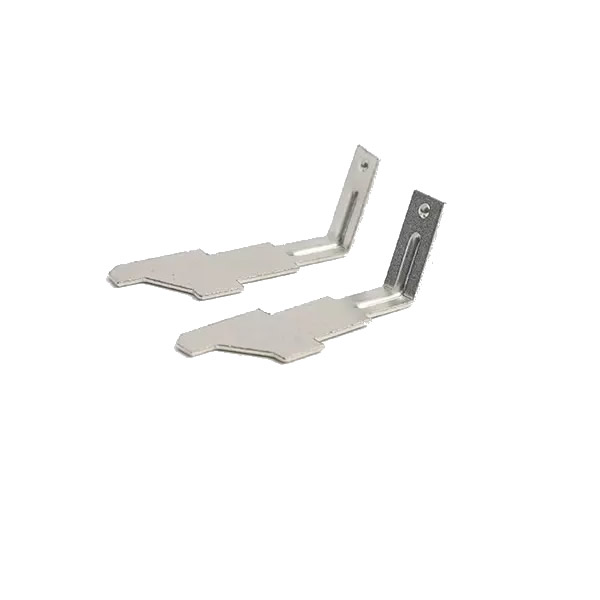
Stamping Components
We make stamping components at Nuote Metals in Dongguan. These are metal parts formed by stamping. Stamping components come in all sizes - some are small like clips, some are larger like brackets. We work with steel, aluminum, and brass to make these parts. Every order of stamping components gets checked before shipping. Our workers measure and look over each piece. Customers come to us for stamping components they need for their products. We can make samples first so you can see the quality.
View DetailsSend Inquiry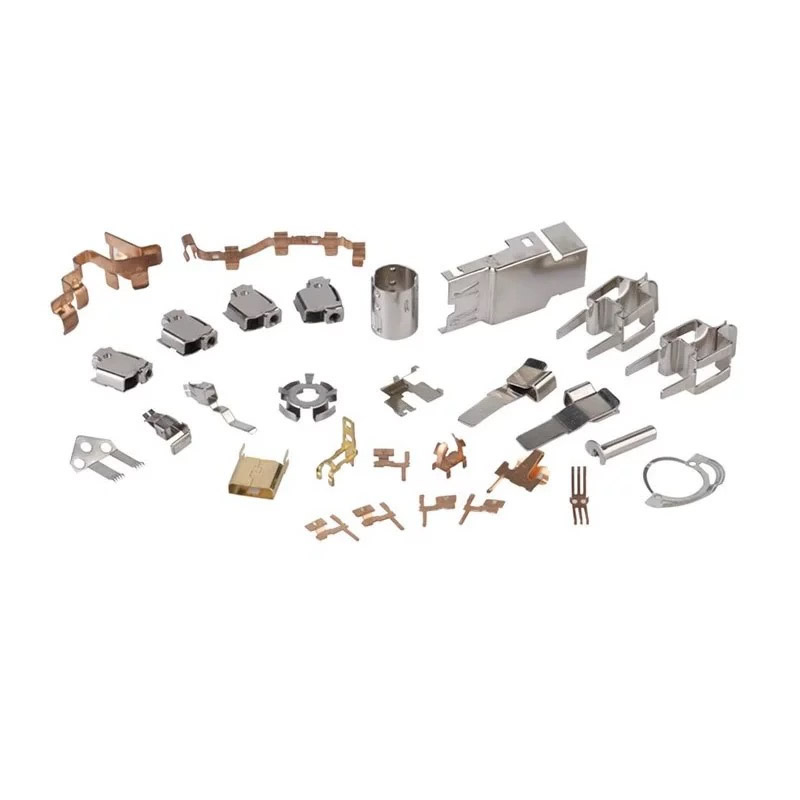
Stamping Parts For Electronics
We make stamping parts for electronics at Nuote Metals in Dongguan. These are small metal pieces for phones, computers, and other gadgets. Stamping parts for electronics must be clean and exact. They have little holes or bends. We use brass, copper, or stainless steel. Each batch of stamping parts for electronics gets checked closely. Our team measures every piece. Electronics companies work with us because we know what they need. We send samples first for testing.
View DetailsSend Inquiry
Stamped Aluminum Parts
In our shop in Dongguan, we make stamped aluminum parts. Aluminum is a light metal that's easy to work with. We take aluminum sheets and stamp them into shapes using our presses. These stamped aluminum parts come out clean and don't weigh much. We can make all kinds of stamped aluminum parts - flat panels, bent brackets, or pieces with cutouts. Each order of stamped aluminum parts gets checked by our workers. They make sure the edges are smooth and the size is right. Customers like our stamped aluminum parts because they're light and strong. We always make samples first for people to try.
View DetailsSend Inquiry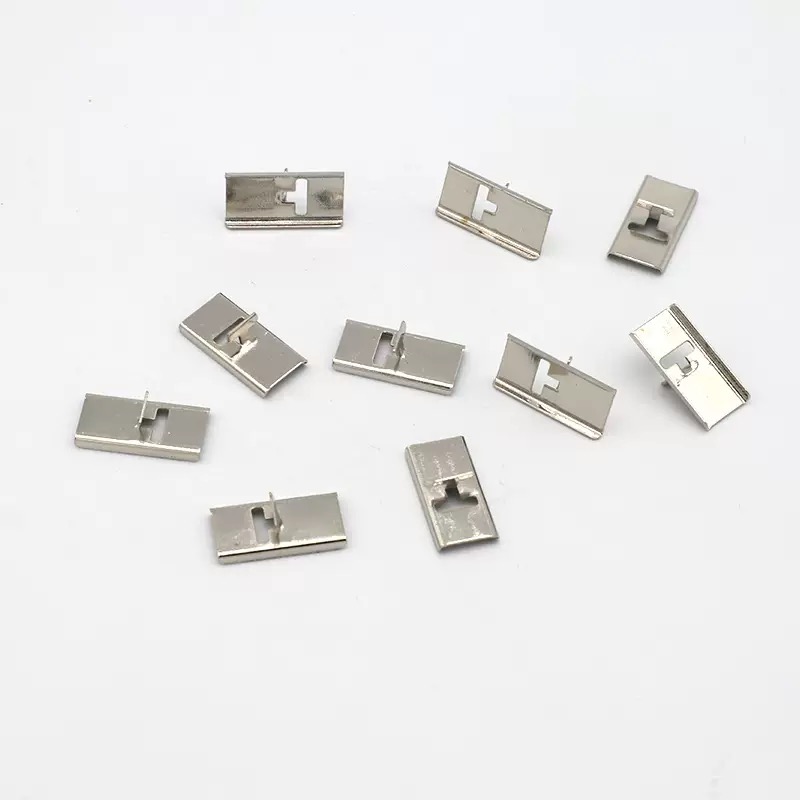
Progressive Die Metal Stamping
In our shop in Dongguan, we do progressive die metal stamping. This is how we make parts that need several steps,like cutting, bending, and punching holes, all in one go. Progressive die metal stamping lets us make complex parts quickly and consistently. Our workers set up the die carefully and watch the press run. Every part from progressive die metal stamping comes out the same.Customers choose this method when they need many identical parts with tight tolerances. We'll run samples first to show you how it works.
View DetailsSend Inquiry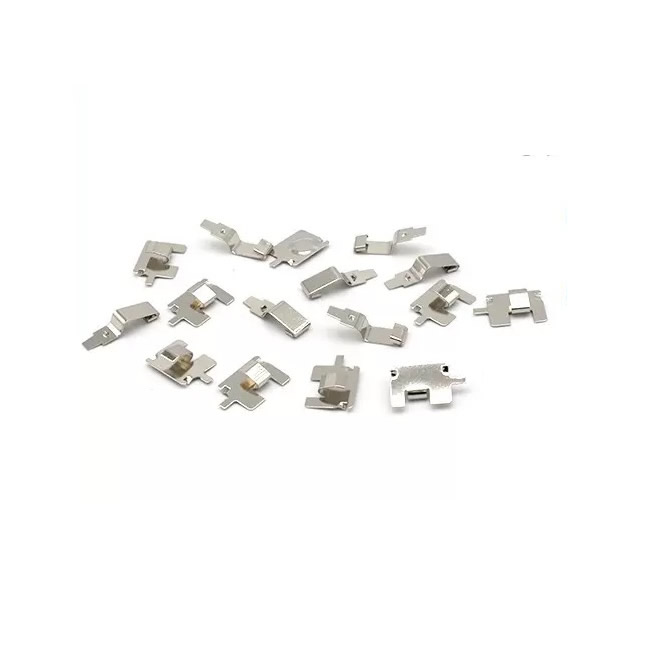
Metal Stamping Small Parts
We are Nuote Metals in Dongguan. Our workshop makes metal stamping small parts every day. These are the little pieces that big machines or products need - small clips, tiny brackets, little contacts, and such. Metal stamping small parts have to be made just right because even a small mistake can mean they won't fit. We use precise tools and watch the presses closely. Each batch of metal stamping small parts is checked under bright lights. Our workers sort and measure them to make sure they match the drawings. Customers come to us when they need lots of these small pieces, all the same. We can make samples first so you can test them in your products.
View DetailsSend InquirySome important factors to keep in mind:
Plasticity and Grain Direction – Plasticity is a measure of the permanent deformation a material undergoes when subjected to stress. Metals with greater plasticity are more susceptible to forming. Grain direction is important in high-strength materials, such as tempered metals and stainless steel. If bending occurs along a high-strength grain, cracking is more likely.
Bending Deformation/Expansion: Bending deformation causes expansion of up to 1/3 of the material thickness. This deformation/expansion becomes more severe as the material thickness increases and the bend radius decreases. Web and "mismatch" cutting: This involves making very slight indentations or protrusions in the part, typically about 0.1mm deep. This feature is not required when using composite or transfer tools, but it is essential when using progressive dies.
Advantages and Limitations of Stamping
Advantages:
- Low cost: In mass production, the cost per part can be reduced to one-third of that of a cast part;
- High consistency: Dimensional tolerances can be controlled within ±0.1mm;
- High material utilization: Through nesting optimization, the utilization rate can reach over 85%.
Limitations:
- Long mold development cycle and high initial investment, making it unsuitable for large-scale production;
- Complex three-dimensional structures (such as hollow crankshafts) require integration with other processes.
Core Application Areas of Stamping Parts
1. Automotive Industry: Accounts for over 60% of total stamping part demand, including body panels and chassis components;
2. Electronics and Electrical: For example, metal mobile phone frames and heat sinks, thicknesses can be as thin as 0.2mm;
3. Home Appliance Industry: Refrigerator panels, air conditioner housings, etc., where surface aesthetics can be enhanced through electroplating or spraying.



X
We use cookies to offer you a better browsing experience, analyze site traffic and personalize content. By using this site, you agree to our use of cookies.
Privacy Policy