Stamping Parts
Products
- View as
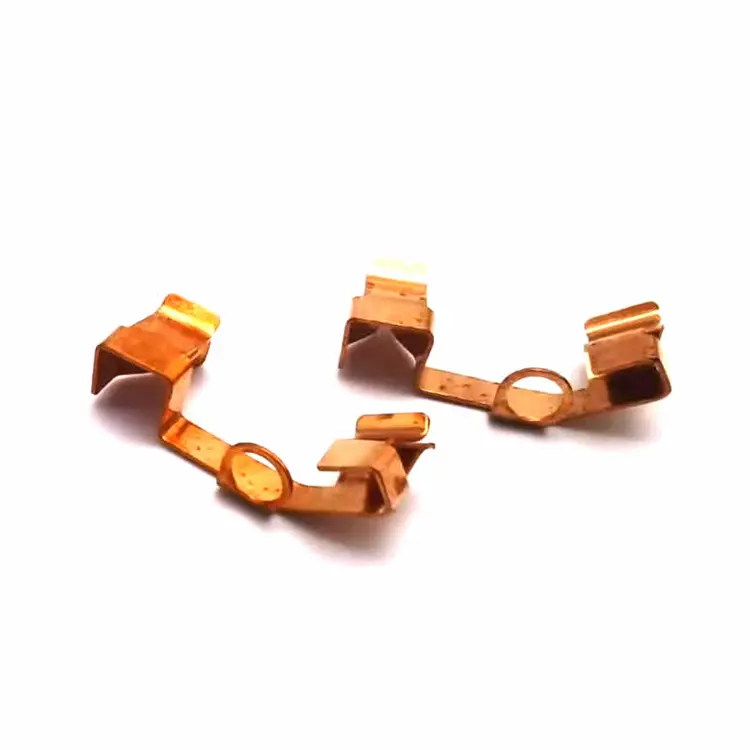
Stamping Parts For Socket
Stamping Parts For Socket is a leading manufacturer of progressive metal stamping parts, the stamping parts are widely used in switches, relays, thermostats, contactors, disconnector, controllers, timers and other low-voltage apparatus.
View DetailsSend Inquiry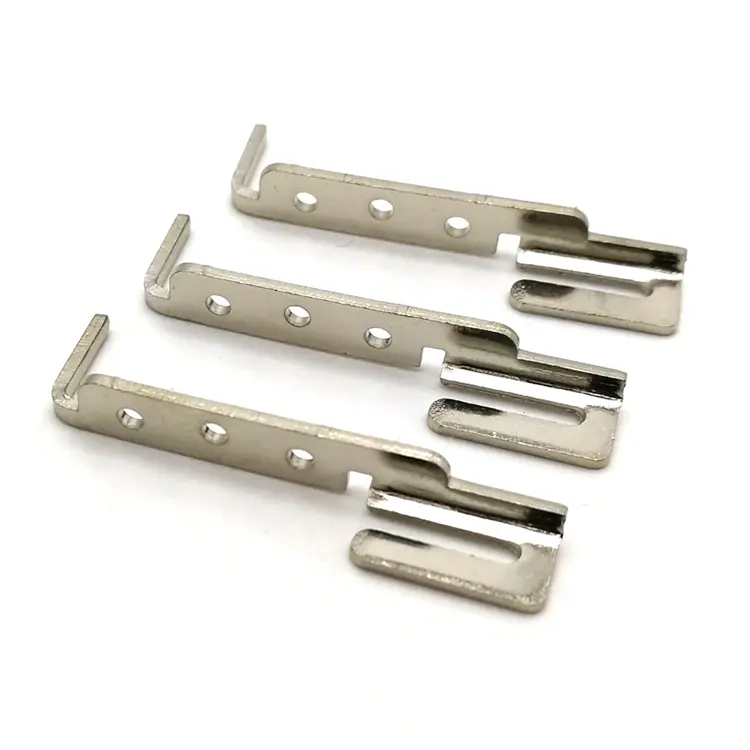
Metal Stamped Parts
Nuote Metals specializes in producing metal stamped parts in-house. We have an in-house team of experts for tool and die design, build, exemplar press operations, and assembly. We have more 10 years working exprience in metal stamping technics, send us your drawing for a fast quotation.
View DetailsSend Inquiry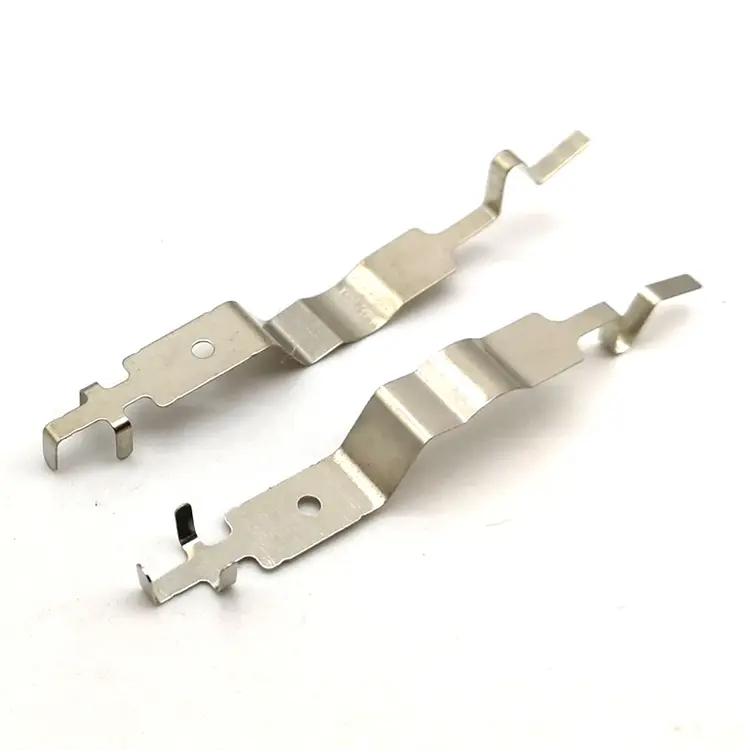
Metal Stamping Parts
Nuote Metals is a leading metal stamping parts manufacturer of custom component parts from a variety of base materials,such as Aluminum, Brass, Stainless Steel, Beryllium Copper, steel etc. We offer a wide range of precision metal stamping capabilities, including: Blanking, Bending, Coining, Forming, Piercing, etc.
View DetailsSend Inquiry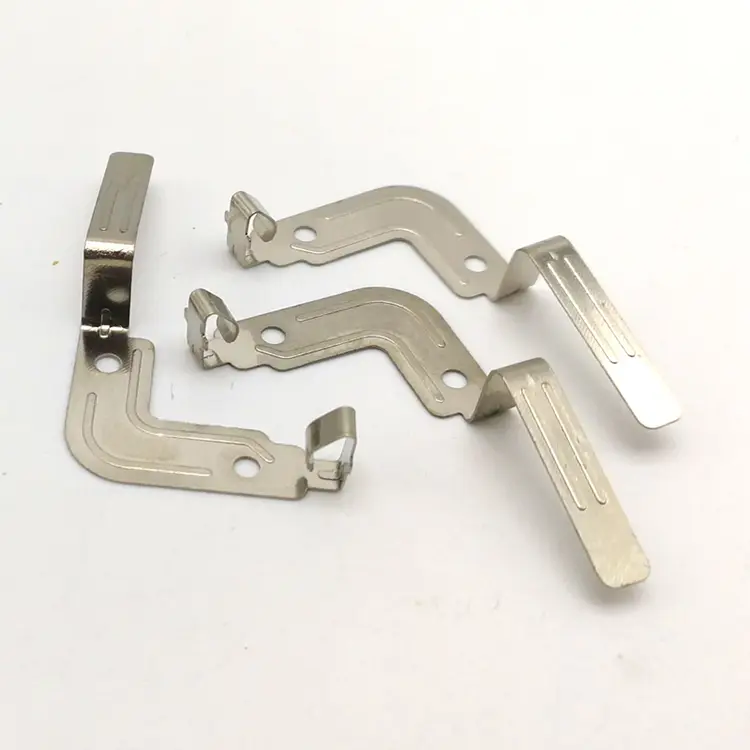
Precision Stamping Metal Parts
Nuote Metals can use a variety of metals to produce precision stamping metal parts. However, some processes and types of metals perform better in the precision metal stamping process or are a better fit for a particular use case.
View DetailsSend Inquiry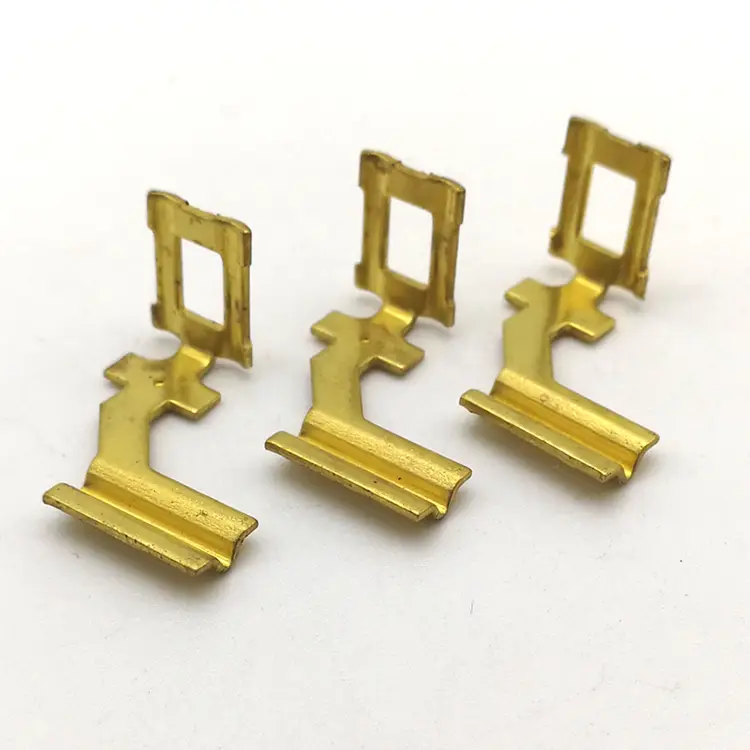
Precision Metal Stamping
Nuote Metals is a China-based manufacturer of precision metal stamping components – precision metal parts produced using progressive, compound, and transfer die stamping. With presses ranging from 25 to 200 tons, we handle materials including carbon steel, stainless steel, aluminum, brass, and copper. Capabilities include blanking, piercing, bending, drawing, coining, and embossing. ISO 9001:2015 certified. Free DFM review and samples available. Contact us today.
View DetailsSend InquirySome important factors to keep in mind:
Plasticity and Grain Direction – Plasticity is a measure of the permanent deformation a material undergoes when subjected to stress. Metals with greater plasticity are more susceptible to forming. Grain direction is important in high-strength materials, such as tempered metals and stainless steel. If bending occurs along a high-strength grain, cracking is more likely.
Bending Deformation/Expansion: Bending deformation causes expansion of up to 1/3 of the material thickness. This deformation/expansion becomes more severe as the material thickness increases and the bend radius decreases. Web and "mismatch" cutting: This involves making very slight indentations or protrusions in the part, typically about 0.1mm deep. This feature is not required when using composite or transfer tools, but it is essential when using progressive dies.
Advantages and Limitations of Stamping
Advantages:
- Low cost: In mass production, the cost per part can be reduced to one-third of that of a cast part;
- High consistency: Dimensional tolerances can be controlled within ±0.1mm;
- High material utilization: Through nesting optimization, the utilization rate can reach over 85%.
Limitations:
- Long mold development cycle and high initial investment, making it unsuitable for large-scale production;
- Complex three-dimensional structures (such as hollow crankshafts) require integration with other processes.
Core Application Areas of Stamping Parts
1. Automotive Industry: Accounts for over 60% of total stamping part demand, including body panels and chassis components;
2. Electronics and Electrical: For example, metal mobile phone frames and heat sinks, thicknesses can be as thin as 0.2mm;
3. Home Appliance Industry: Refrigerator panels, air conditioner housings, etc., where surface aesthetics can be enhanced through electroplating or spraying.



X
We use cookies to offer you a better browsing experience, analyze site traffic and personalize content. By using this site, you agree to our use of cookies.
Privacy Policy