
Products
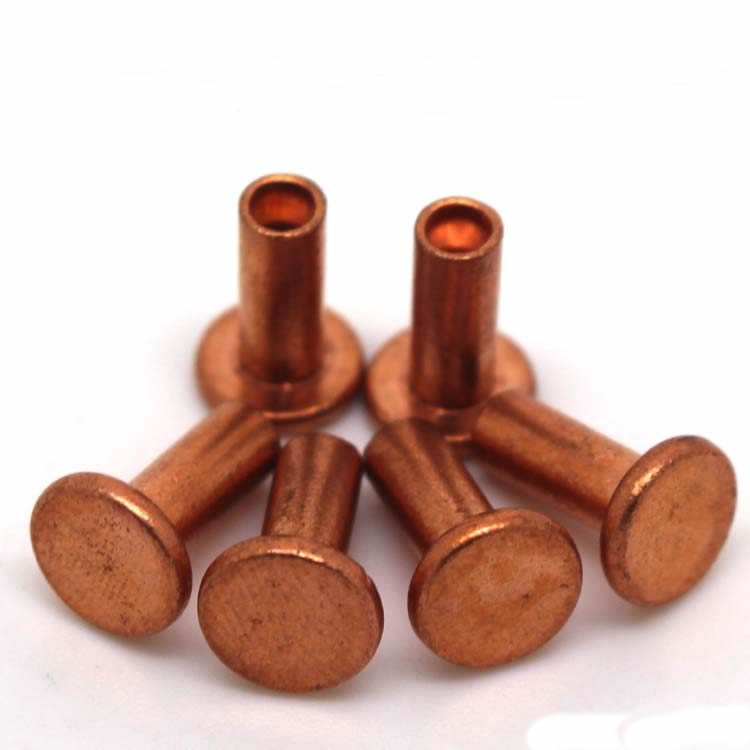
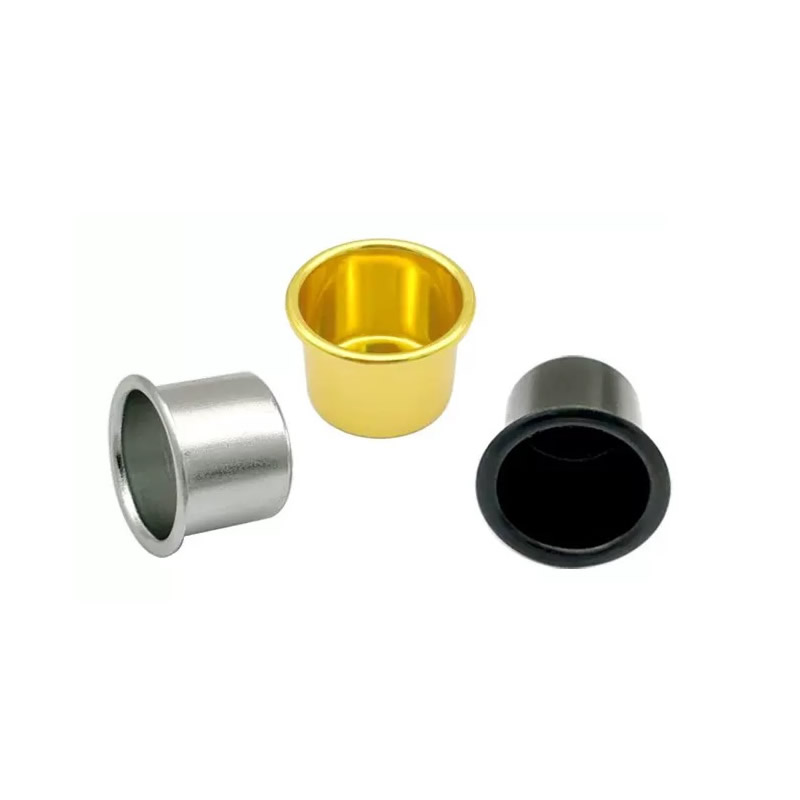
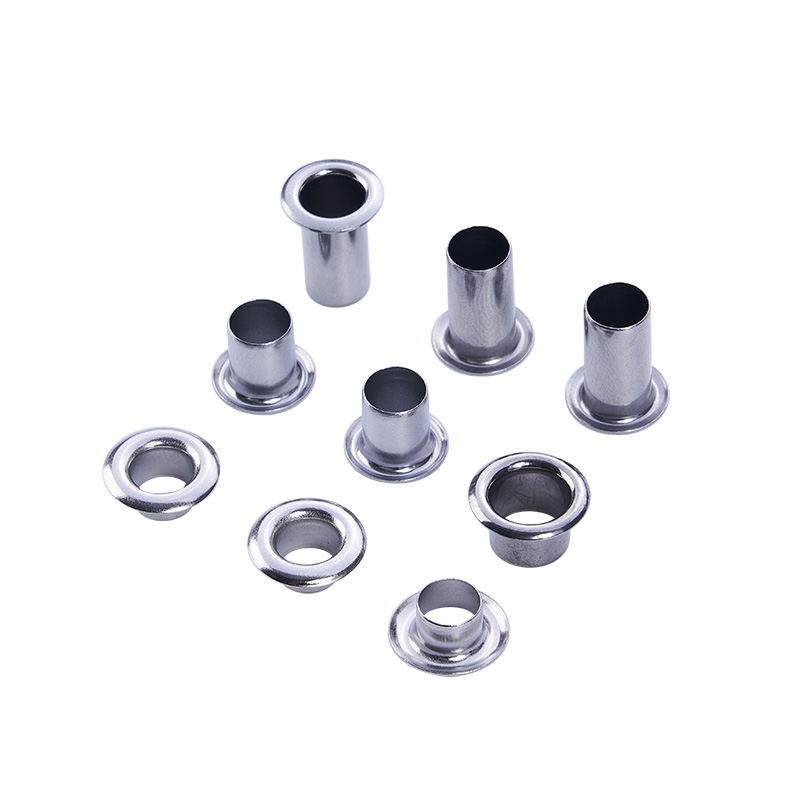
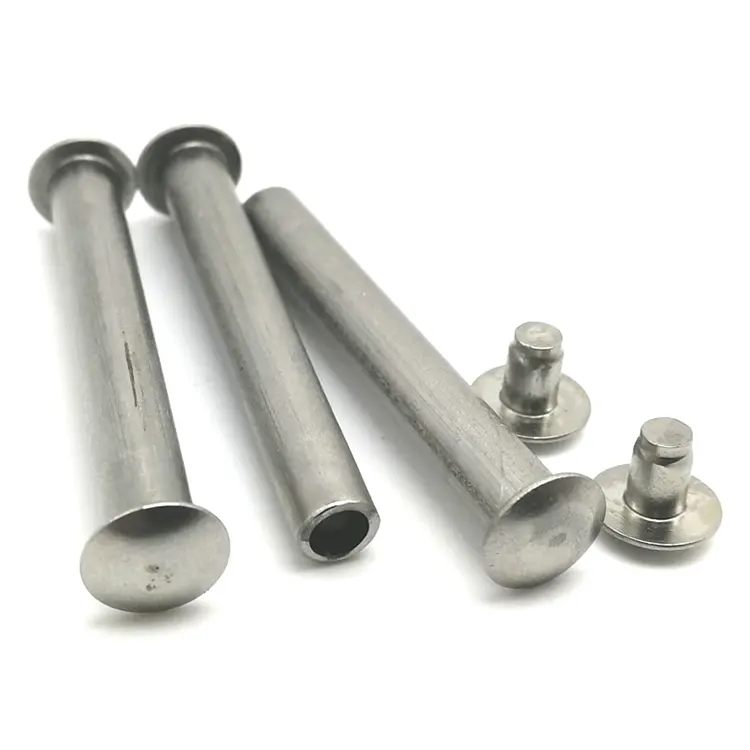
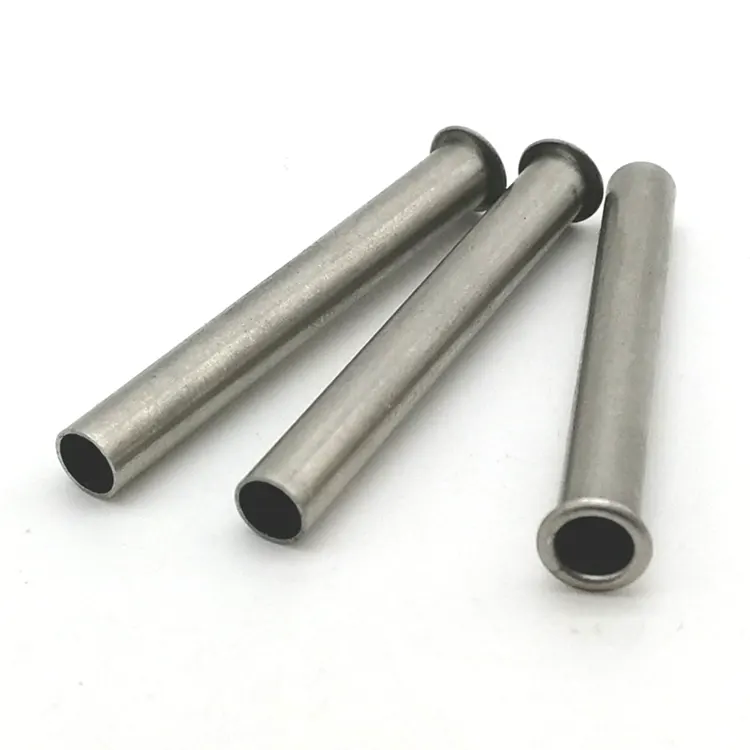
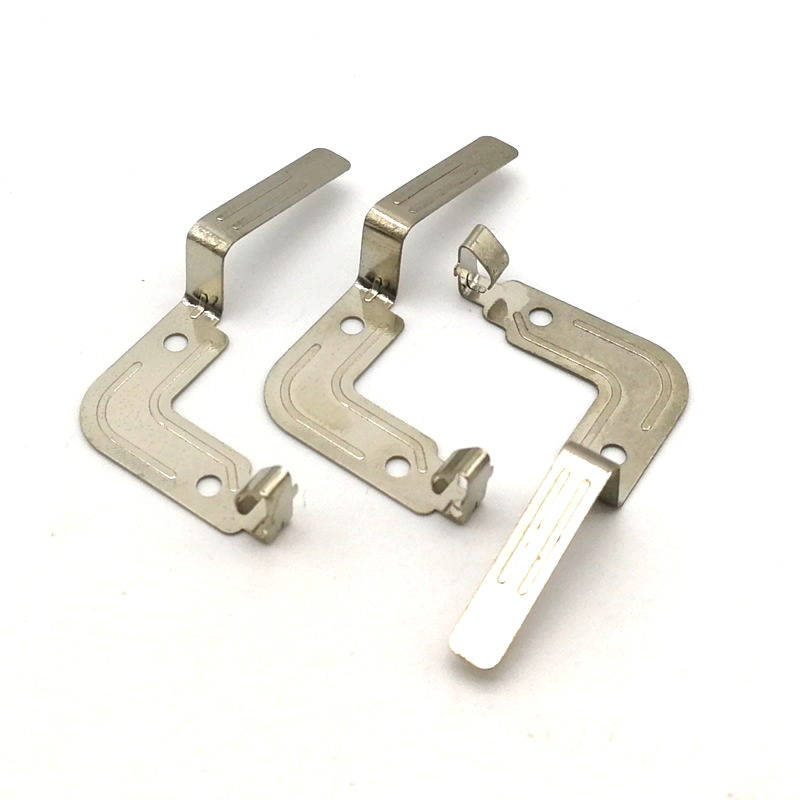
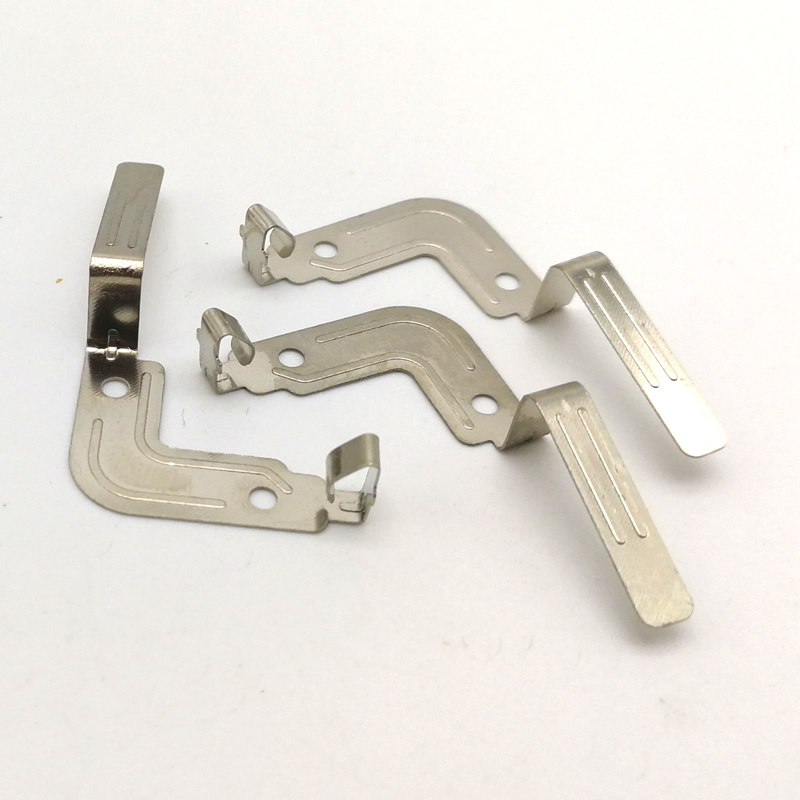
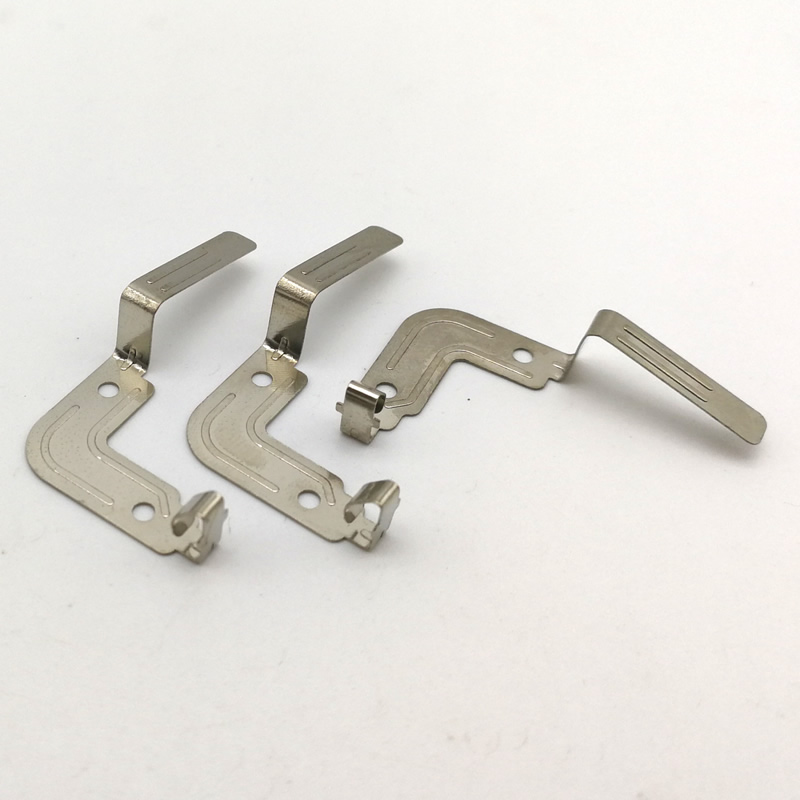
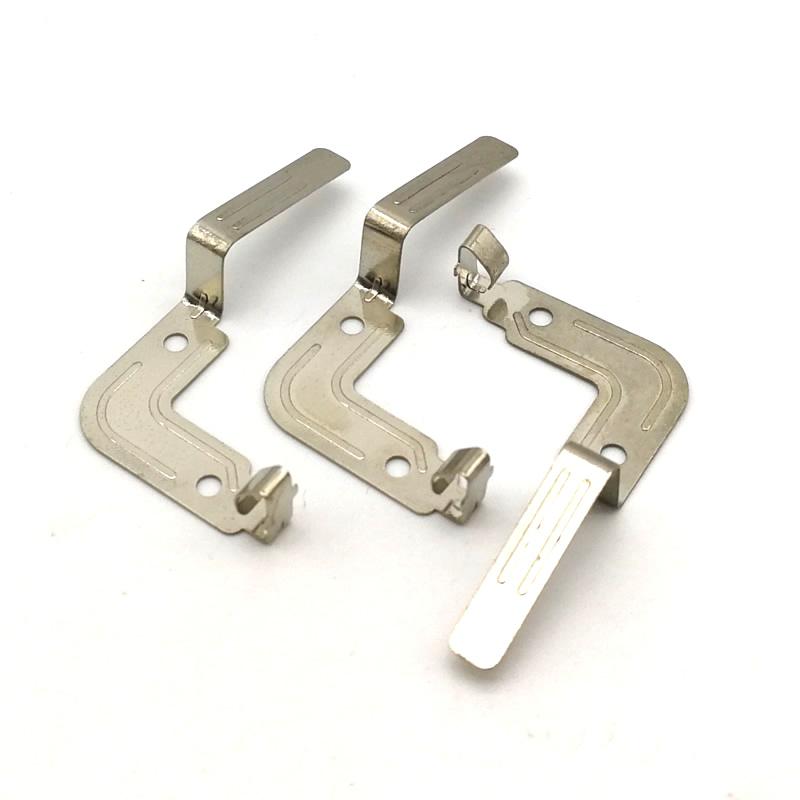
Stamping Sheet Metal Parts
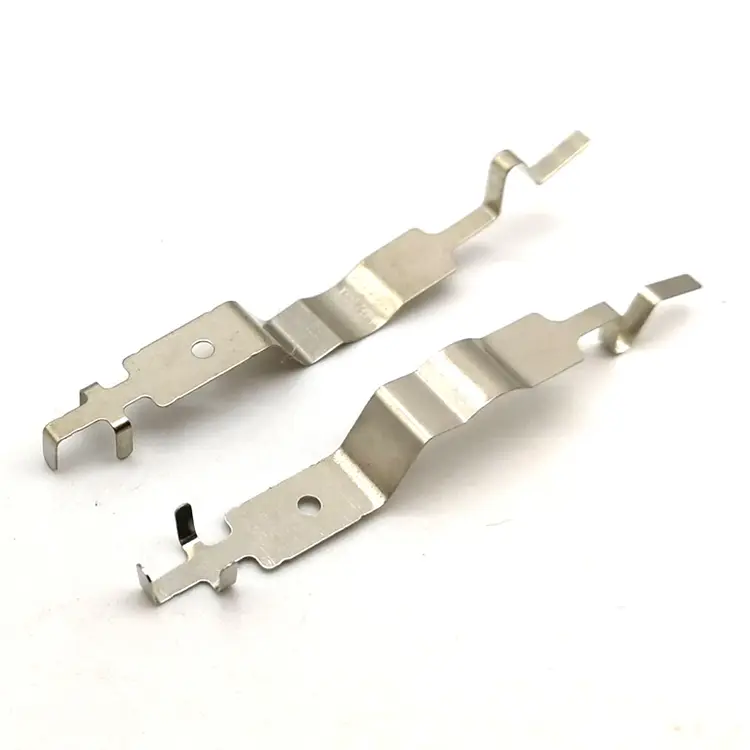
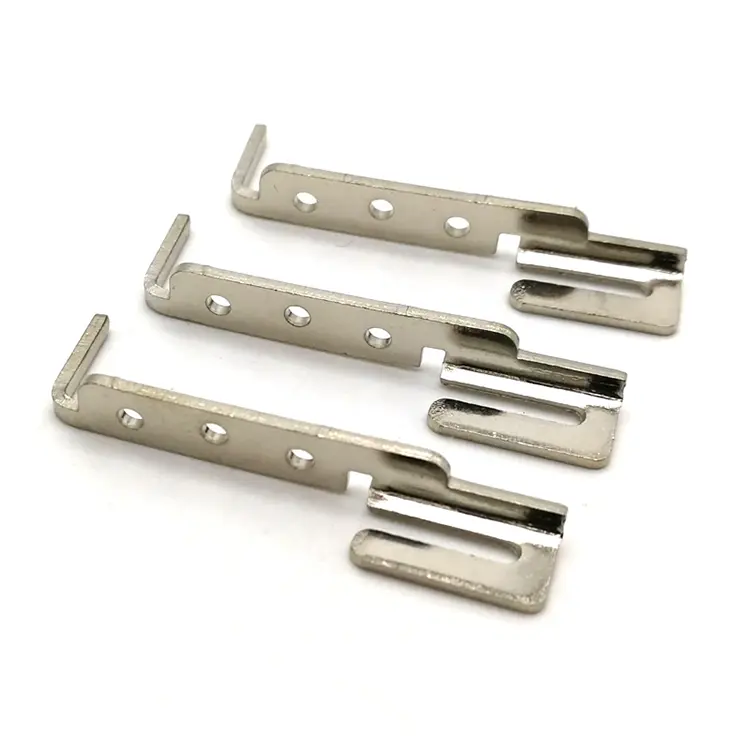
Nuote Metals is a China-based supplier of stamping sheet metal parts for automotive, appliance, and industrial customers. We stamp sheet metal from 0.15mm to 6.0mm thick – thin-gauge covers and brackets, medium-gauge structural parts, and thick-gauge chassis components. Steel, stainless, aluminum, brass, and copper. Tooling clearance and tonnage matched to thickness. PPAP documentation available.
Send Inquiry
Product Description
Sheet metal is not one material. It is a range—from 0.15mm foil to 6mm plate. And the thickness determines almost everything about how the part is stamped: the die clearance, the tonnage required, the springback, the burr height, and the tolerance that can be held. A die built for 1mm steel will fail on 3mm steel—not because the die is poorly made, but because the clearance is wrong and the press cannot deliver the tonnage.
Stamping sheet metal parts are produced across this thickness range—from thin-gauge covers and shields to thick-gauge chassis and structural components. Each thickness band has its own tooling rules, its own defect profile, and its own cost structure. A buyer who specifies a part without considering thickness is specifying a part that may not be stampable at a competitive cost.
At Nuote Metals, we stamp sheet metal parts from 0.15mm to 6.0mm—with tooling clearance and press tonnage matched to the thickness band. This article explains the three thickness bands, what changes between them, and how to specify a part that can be stamped economically.
The Three Thickness Bands – And What Changes Between Them
Sheet metal stamping is not a single process. The physics changes with thickness. We divide the range into three bands, each with its own tooling and process rules.
| Thickness Band | Range | Die Clearance | Tonnage Requirement | Typical Tolerance | Typical Parts |
|---|---|---|---|---|---|
| Thin gauge | 0.15–1.0 mm | 5–8% of thickness | Low | ±0.03 mm | Covers, shields, contacts, springs |
| Medium gauge | 1.0–3.0 mm | 8–12% of thickness | Moderate | ±0.05 mm | Brackets, housings, mounting plates |
| Thick gauge | 3.0–6.0 mm | 12–18% of thickness | High | ±0.1 mm | Chassis, structural, load-bearing |
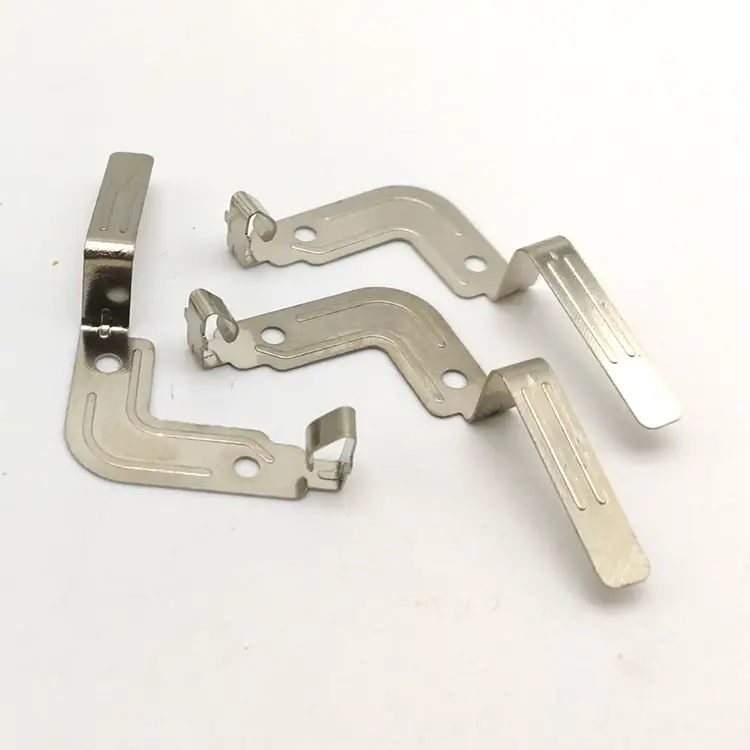
Thin gauge (0.15–1.0mm) is where electronics and precision parts live—connector shields, contact springs, covers. The die clearance is tight, the burr height is critical, and the part is easily distorted by handling. Springback is small but present—compensation is needed for bend angles.
Medium gauge (1.0–3.0mm) is the workhorse of sheet metal stamping—brackets, housings, mounting plates. The die clearance is wider, the tonnage is higher, and the tolerance is looser than thin gauge. Springback becomes significant—2–4° for steel, more for stainless.
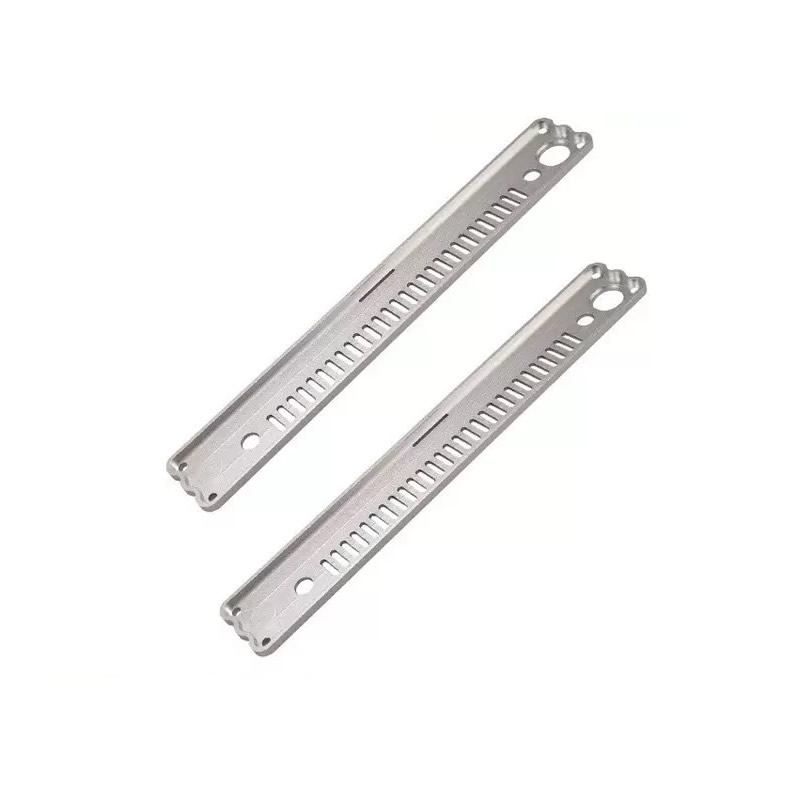
Thick gauge (3.0–6.0mm) is structural stamping—chassis components, load-bearing brackets, reinforcing plates. The die clearance is wide, the tonnage is high, and the burr height is larger. Springback is significant—4–6° for high-strength steel. Thick-gauge parts often require coining or a secondary operation to hold flatness.
How Thickness Changes Die Clearance and Burr
Die clearance is the gap between the punch and the die. It determines the cut edge quality—and it is set as a percentage of material thickness.
Too little clearance: The material is sheared with excessive force. The cut edge is clean but the tool wears rapidly, and the burr height increases as the tool dulls.
Too much clearance: The material is pulled and torn. The cut edge has a large rollover and a tall burr. The part may meet the drawing but fail in assembly.
The right clearance: The material fractures cleanly along the cut line. The burr is minimized, the tool life is maximized, and the part is consistent.
For stamping sheet metal parts, the clearance is not a single number. It changes with thickness and material. A 0.5mm brass part uses 5–6% clearance; a 3mm carbon steel part uses 10–12%; a 6mm structural part uses 14–18%. We set the clearance for each part based on the material and thickness—not a standard template.
Materials – What We Stamp Across the Thickness Range
| Material | Thin Gauge (0.15–1.0mm) | Medium Gauge (1.0–3.0mm) | Thick Gauge (3.0–6.0mm) |
|---|---|---|---|
| Carbon steel (SPCC, SPHC) | Covers, simple brackets | Brackets, housings | Chassis, structural |
| Stainless steel (301, 304, 316) | Shields, springs, clips | Housings, brackets | Marine, chemical |
| Aluminum (5052, 6061) | Covers, shields | Mounting plates | Lightweight structural |
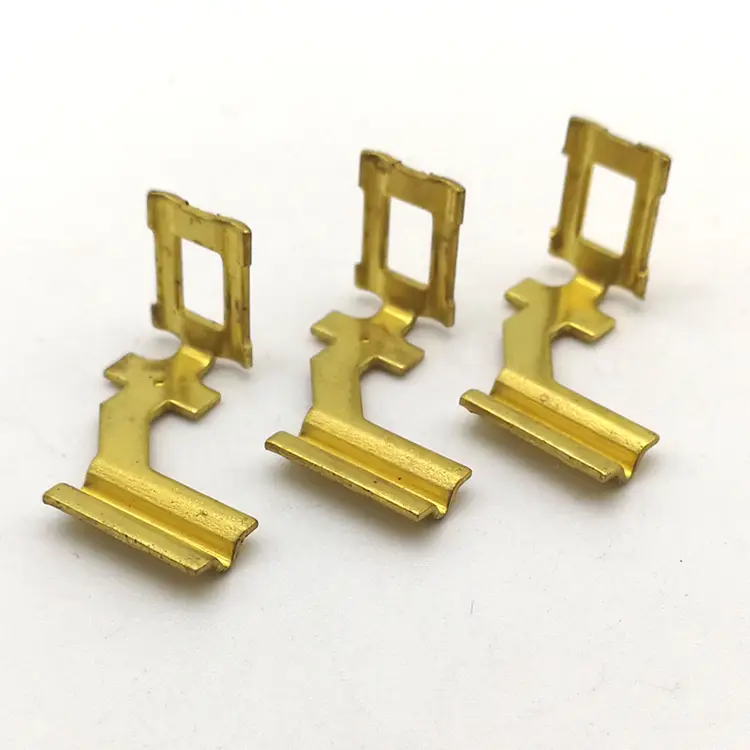
| Brass (C26000, C26800) | Terminals, contacts | Electrical brackets | — |
| Copper (C11000) | Busbars, contacts | — | — |
Carbon steel is the most common material across all three bands. SPCC is the cold-rolled grade for thin and medium gauge—good surface finish and consistent thickness. SPHC is hot-rolled for thick gauge—cheaper and available in heavier thicknesses.
Stainless steel is specified for corrosion resistance. 301 is the spring-temper grade for thin-gauge clips and springs. 304 and 316 are used in medium and thick gauge for housings and structural parts exposed to moisture or chemicals.
Aluminum is specified when weight matters. 5052 is the general-purpose grade; 6061 offers higher strength for medium-gauge structural parts.
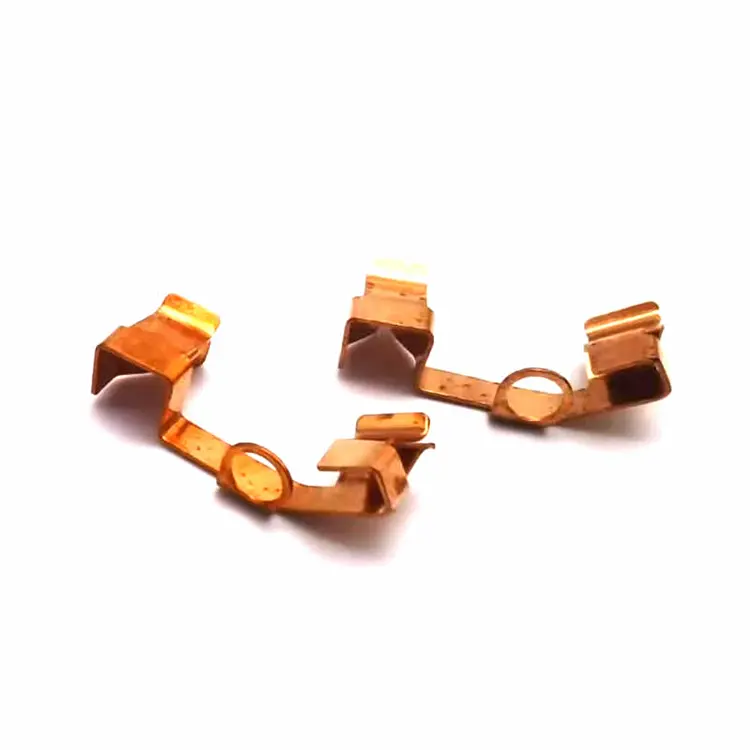
Brass and copper are used in thin gauge for electrical and electronic components—where conductivity is the primary requirement.
Tolerances by Thickness Band – What to Expect
| Characteristic | Thin Gauge | Medium Gauge | Thick Gauge |
|---|---|---|---|
| Hole position | ±0.03 mm | ±0.05 mm | ±0.1 mm |
| Bend location | ±0.03 mm | ±0.05 mm | ±0.1 mm |
| Bend angle | ±0.3° | ±0.5° | ±1.0° |
| Flatness | 0.05 mm | 0.1 mm | 0.2 mm |
| Burr height | 0.02 mm | 0.05 mm | 0.1 mm |
Thin gauge holds the tightest tolerances—because the material is thin and the forces are low. The die can be built to precise clearances, and the part is not distorted by heavy tonnage.
Medium gauge is the standard band for most sheet metal stamping. Tolerances of ±0.05mm are achievable with a well-built die and a stable press.
Thick gauge has the loosest tolerances—because the material is thick, the tonnage is high, and the springback is significant. Holding ±0.1mm on hole position in 6mm steel requires a rigid die and a press with minimal deflection.
A Real Example – 3mm Carbon Steel Chassis Bracket
A German automotive tier-1 supplier needed a 3mm carbon steel chassis bracket with a 0.08mm hole position tolerance, 0.15mm flatness, and a 90° bend ±0.8°. Their previous supplier used a die designed for 2mm steel—the clearance was too tight, the punch wore rapidly, and the burr height exceeded 0.12mm.
What we did differently:
- Rebuilt the die with 12% clearance for 3mm carbon steel—matched to the thickness, not the previous 2mm part.
- Increased press tonnage to handle the thicker material—no deflection under load.
- Compensated springback by over-bending to 93°—the part sprang back to 90° ±0.6°.
- Verified burr height with an optical comparator on every 200 pieces—0.08mm or better.
- Shipped 800,000 pieces with zero burr rejections. The customer eliminated secondary deburring and reduced die maintenance by 40%.
This is what stamping sheet metal parts should deliver: not just a die that runs, but a die that is matched to the thickness—so the burr, the flatness, and the tool life are all where they should be.
Frequently Asked Questions
Q1: What is the maximum thickness you can stamp?
A: We stamp sheet metal up to 6.0mm in carbon steel and stainless, and up to 4.0mm in aluminum. Above 6mm, the tonnage requirement becomes very high and the process is usually better served by laser cutting or machining. For stamping sheet metal parts in the 3–6mm range, we use high-tonnage presses and dies with reinforced punch and die plates to handle the load.
Q2: How does thickness affect the burr height on stamped sheet metal parts?
A: Burr height increases with thickness—because the fracture zone is larger and the die clearance is wider. For 0.5mm steel, burr height can be held to 0.02mm. For 3mm steel, the burr is 0.05mm or more; for 6mm steel, it can reach 0.1mm. For stamping sheet metal parts with strict burr requirements, we control burr by setting the correct clearance, keeping the tool sharp, and adding a coining station where necessary.
Q3: Can you stamp parts from different thicknesses in the same die?
A: No—a die is built for a specific thickness and material. The clearance, the tonnage, and the springback compensation are all based on the thickness. Running a different thickness in the same die will produce a burr that is too large, a bend angle that is wrong, or tool damage. For stamping sheet metal parts, each thickness requires its own die—or a die with interchangeable inserts for different thicknesses. We review the thickness before quoting—not after the die is built.
Hot Tags: Stamping Sheet Metal Parts,China Stamping Sheet Metal Parts,China Stamping Parts
Send Inquiry
Please feel free to fill your inquiry in the form below. We will reply you in 24 hours.



X
We use cookies to offer you a better browsing experience, analyze site traffic and personalize content. By using this site, you agree to our use of cookies.
Privacy Policy