
Eyelets
Products
- View as
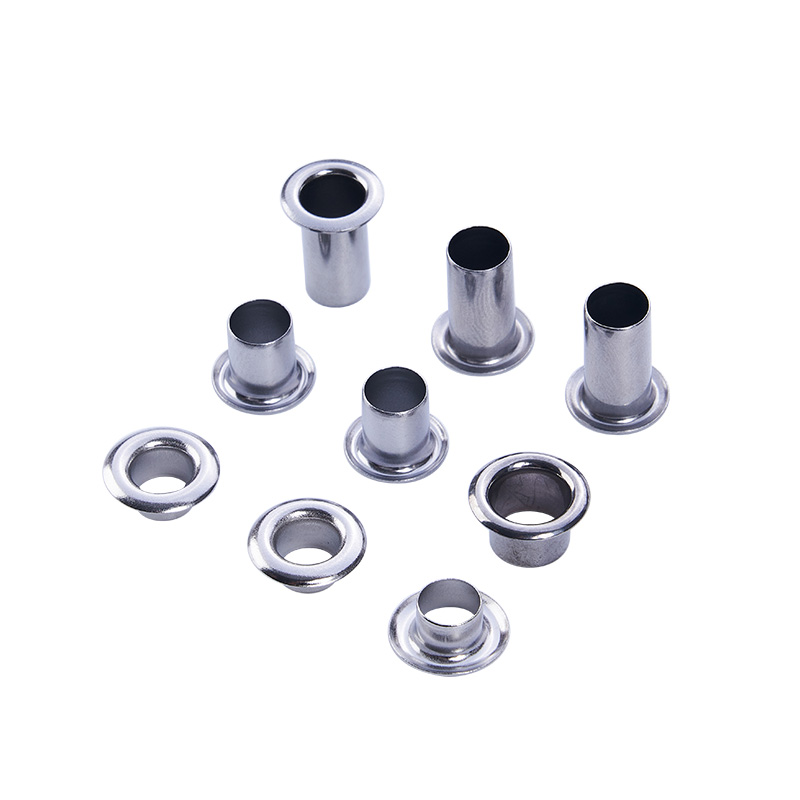
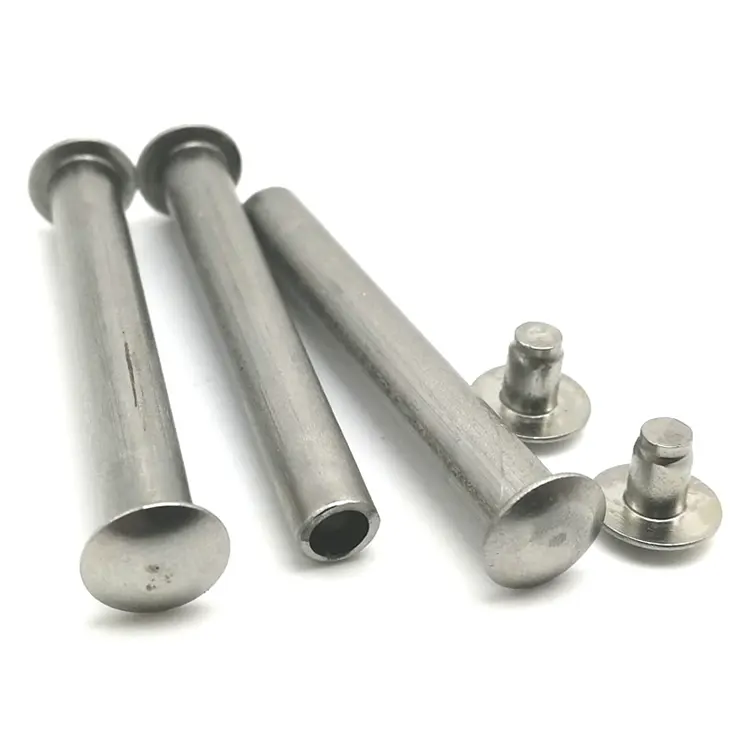
Hollow Rivets
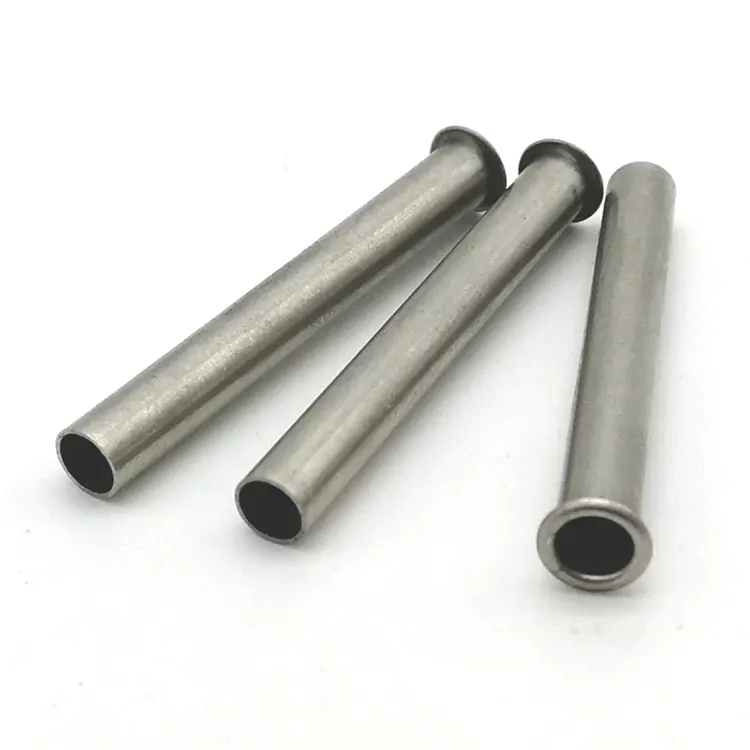
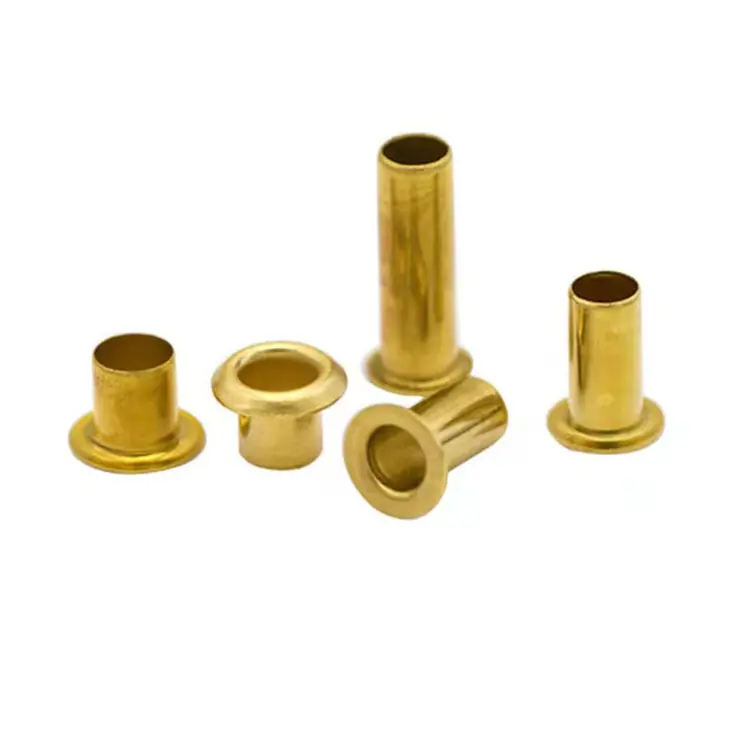
Hollow rivets also called as eyelet rivets, usually made from material of brass, steel, copper, stainless steel, aluminum etc, they could be plated with tin, nickel,zinc etc. Nuote Metals has produced hollow rivets for more than 10 years in China, we have many different sizes in stock, welcome to send us inquiry with a tailor making drawing.
View DetailsSend Inquiry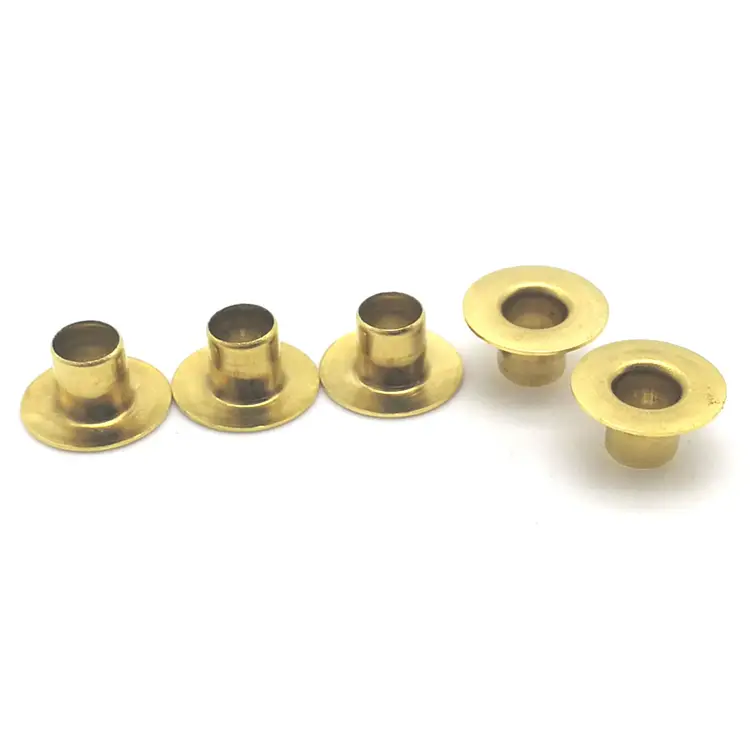
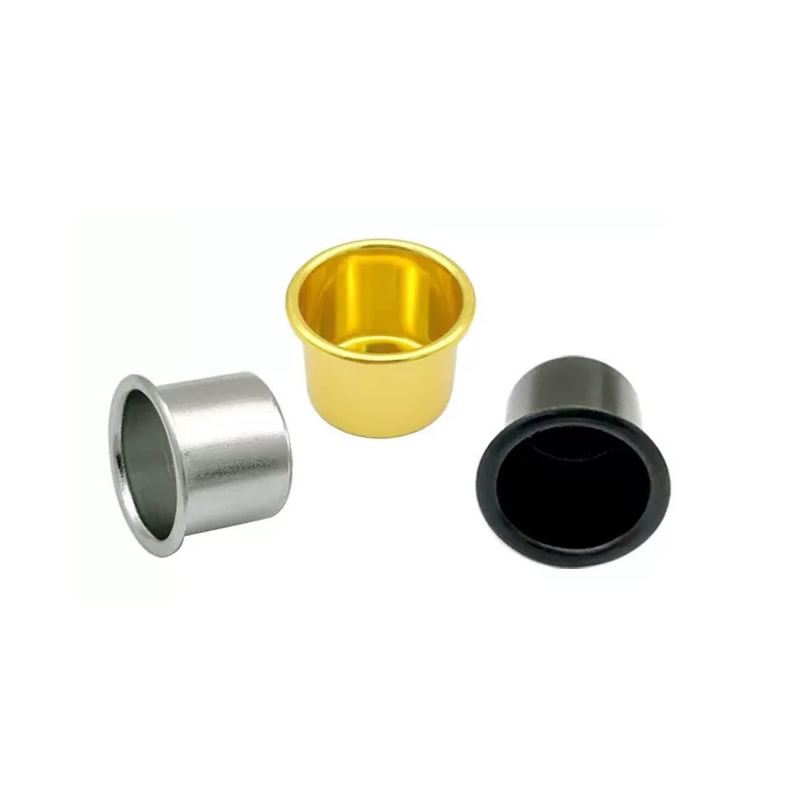
Eyelets for PCB
Eyelets for PCB feature a durable, cylindrical form that adds reinforcement to punched holes in a variety of materials, helping prevent fraying and offering clean, finished edges. Nuote Metals is a PCB eyelets manufacturer in China for more than 10 years, we have many sizes in stock.
View DetailsSend Inquiry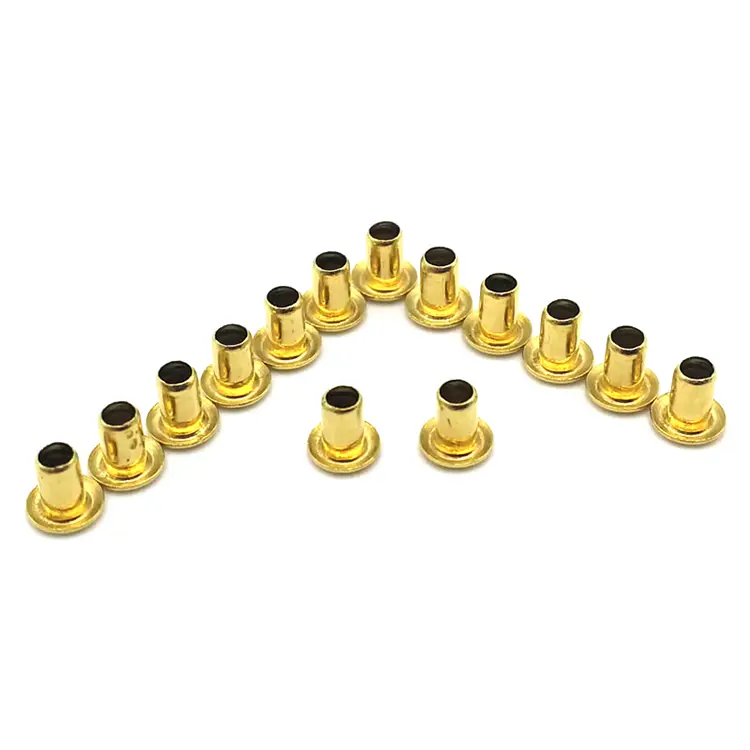
Small Eyelets
Nuote Metals is one of the leading manufacturer of small eyelets in China for more than 10 years, we have 3000+ different size in stock, from shank diameter 0.8mm to 10mm, most of our stock eyelets are made of brass material, but we also offer other metal eyelets, such as steel, copper and stainless steel.
View DetailsSend Inquiry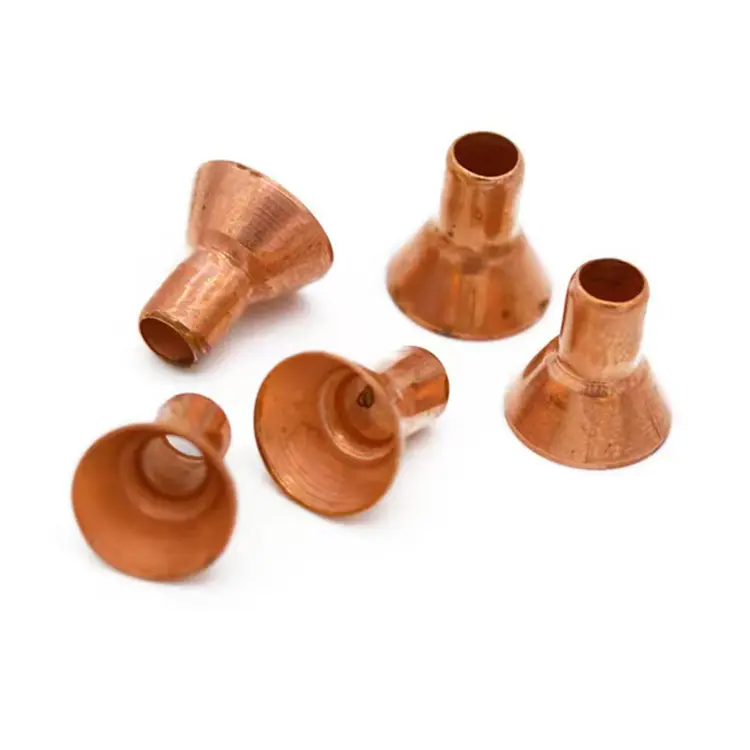
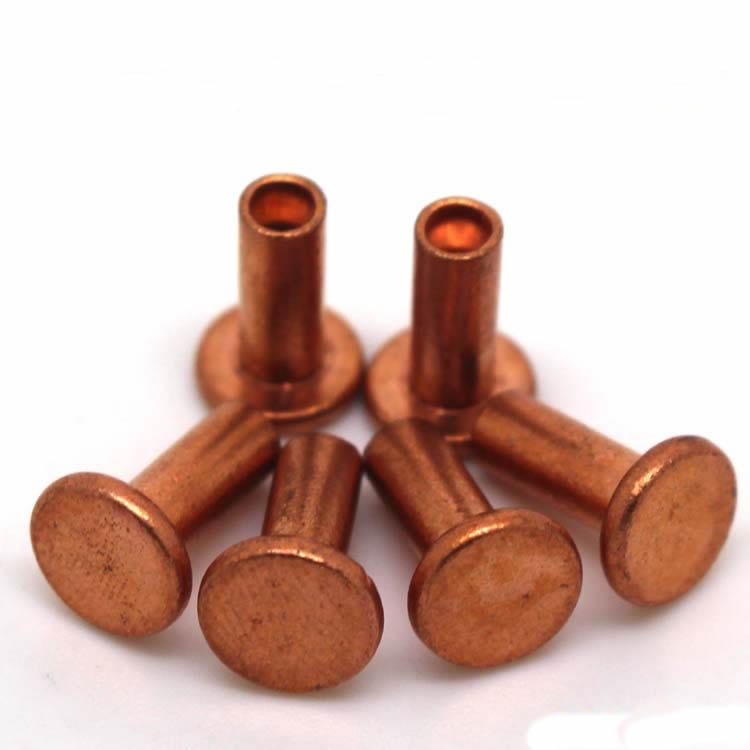
Copper Eyelets
Copper eyelets are made from 100% pure copper to guarantee strong conductivity,Nuote Metals makes copper eyelets in China for more than 10 years, the head type can be flat, curly or countersunk. All the sizes can be tailor made according to customer’s drawing.
View DetailsSend Inquiry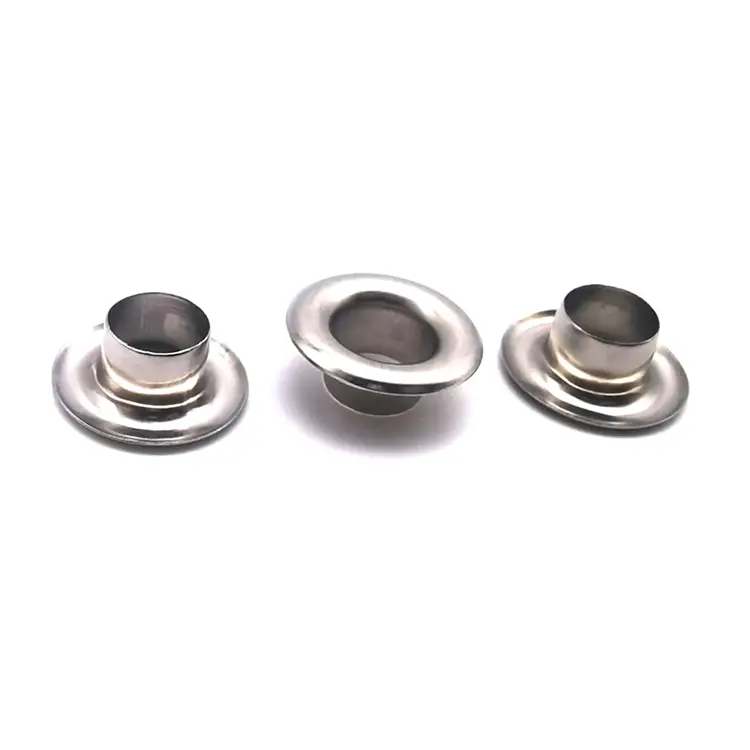
Stainless Steel Eyelets
Nuote Metals (Dongguan, China) manufactures stainless steel eyelets in 304 and 316 grades—permanent corrosion resistance and food-grade safety in one component. Our deep-drawn stainless eyelets eliminate plating failure, tarnishing, and contamination risks. Used by edible oil packaging companies and marine equipment manufacturers worldwide. Passivated as standard, FDA-compliant, with full ISO 9001:2015 certification. Custom shank diameters and total lengths available. Free samples for testing. Contact us for a quote.
View DetailsSend Inquiry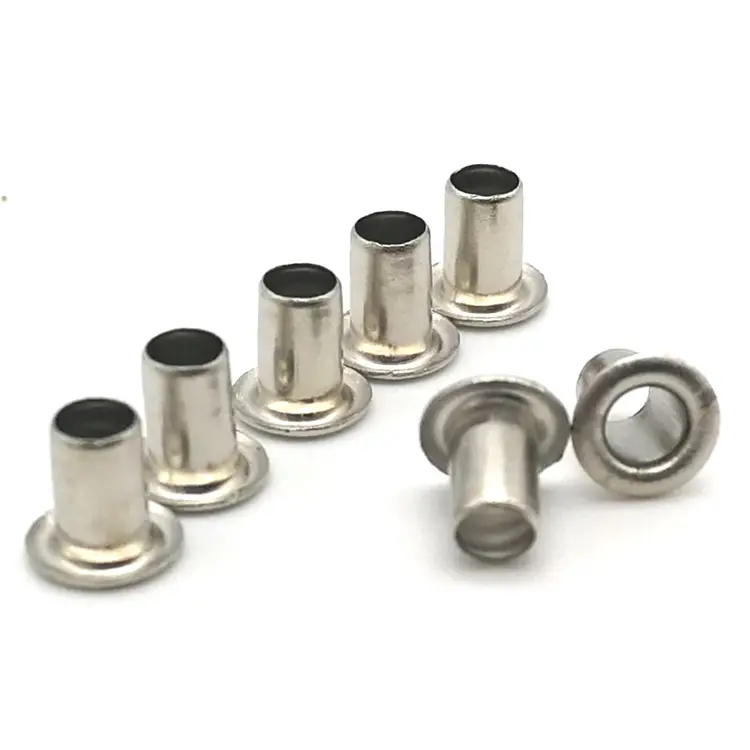
Steel Eyelets
Steel Eyelets from Nuote Metals (Dongguan, China) are engineered for demanding applications where strength, durability, and cost control take priority over aesthetics. Made from low-carbon steel (SPCC/Q195), our deep-drawn steel eyelets provide superior resistance to deformation under heavy load and are backed by zinc, nickel, tin, or black oxide plating for corrosion resistance. Custom shank diameters and total lengths are available for industrial footwear, heavy-duty tarpaulins, automotive upholstery, and conveyor belts. We offer 20–50 free samples for testing, ISO 9001:2015 certification, and full dimensional inspection reports with every order. Choose steel for heavy loads; choose us for reliability.
View DetailsSend InquiryWhat are the main applications for eyelets?
Eyelet rivets are widely used in the construction, automotive, marine, aviation, and electronics industries.
In the construction industry, eyelet rivets are used to connect various metal components, such as steel beams and columns.
In the automotive, marine, and aviation industries, eyelet rivets are used to connect various materials, such as aluminum alloys and titanium alloys.
In the electronics industry, eyelet rivets are used to connect various metal and non-metallic materials, such as metal plates and plastic sheets.
What tools are used to rivet eyelets?
Eyelet rivets can be riveted using either manual or electric riveting pliers. Manual riveting pliers are a common tool and are generally suitable for riveting small eyelets. Electric riveting pliers are suitable for riveting large eyelets and large quantities.
What preparations are required before riveting?
Preparation before riveting includes cleaning the surface of the material being riveted and selecting the appropriate rivet hole diameter. Cleaning the surface of the material being riveted removes surface dirt and grease, ensuring a secure joint. Selecting the appropriate rivet hole diameter can prevent cracking or loosening during riveting.
What precautions should be taken when riveting?
1. The installation position of the eyelet rivet must coincide with the centerline of the rivet hole.
2. The eyelets shank should be perpendicular to the surface of the material being riveted during riveting.
3. The eyelet head must remain horizontally stable.
4. The depth of the eyelet hole should be equal to the sum of the rivet shank length and the length of the eyelet pressure riveting portion.
5. The riveting force should be appropriate, neither too high nor too low, depending on the thickness and properties of the material.
6. After riveting, the eyelets quality should be inspected for signs of broken eyelets or foreign matter.
Conclusion
Eyelet rivets are a versatile rivet fastener that can be widely used to connect various metal sheets and dissimilar materials. Thorough preparation is required before riveting, including selecting the appropriate rivet hole diameter and cleaning the surface of the material being riveted. During riveting, factors such as the riveting force and hole depth should be carefully considered to ensure a high-quality connection.



X
We use cookies to offer you a better browsing experience, analyze site traffic and personalize content. By using this site, you agree to our use of cookies.
Privacy Policy