
Products
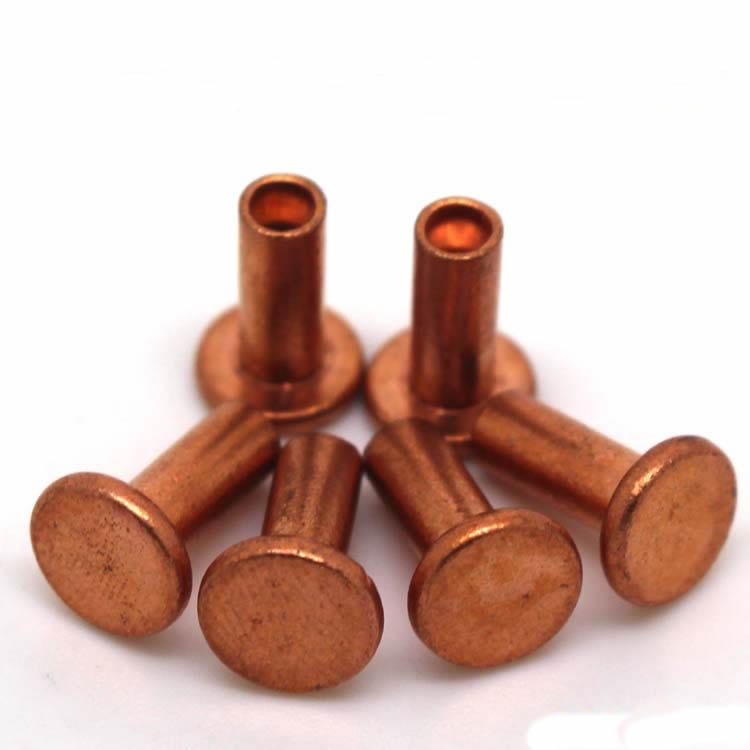
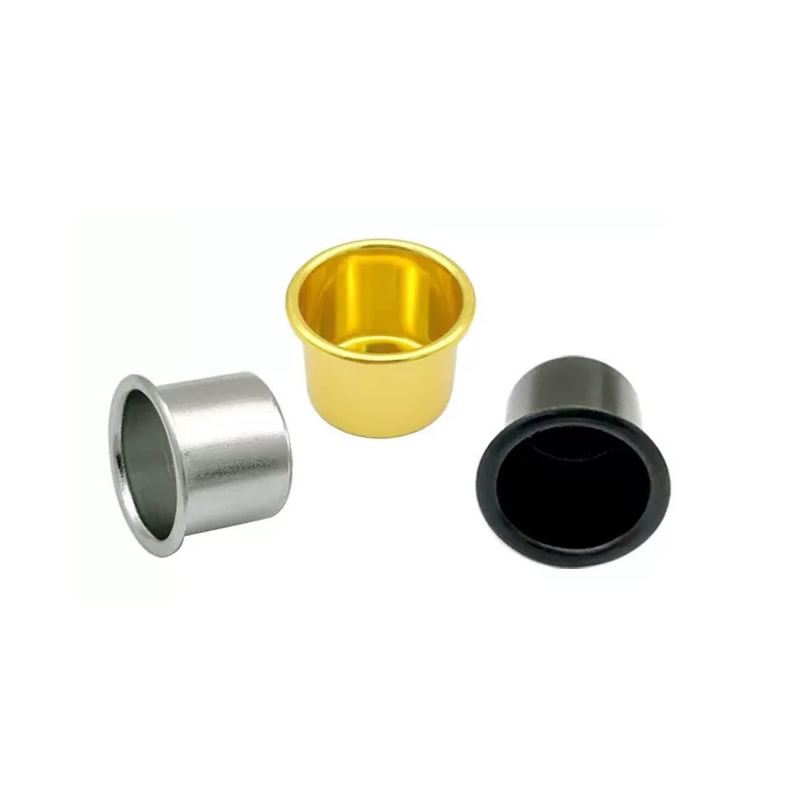
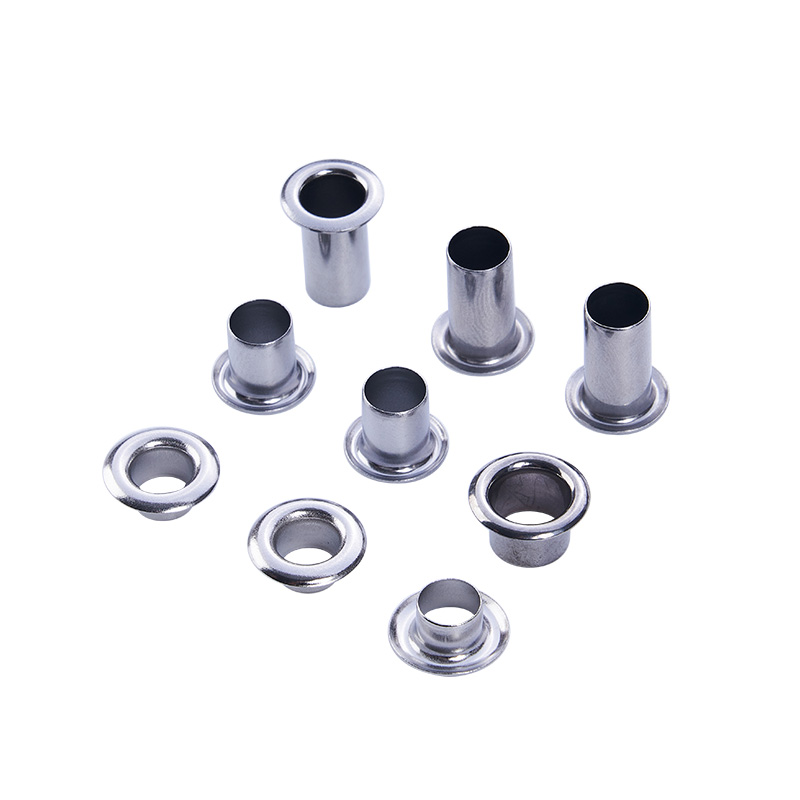
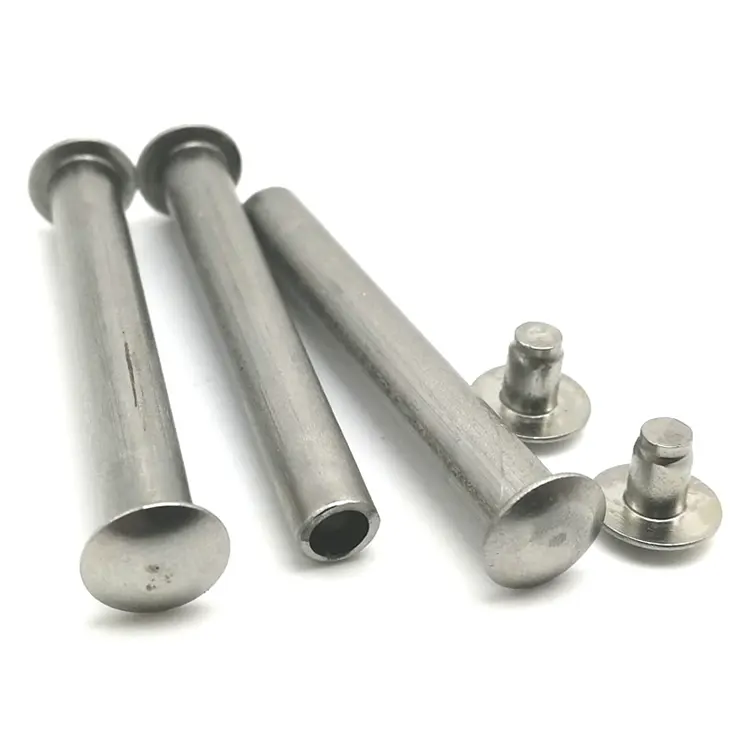
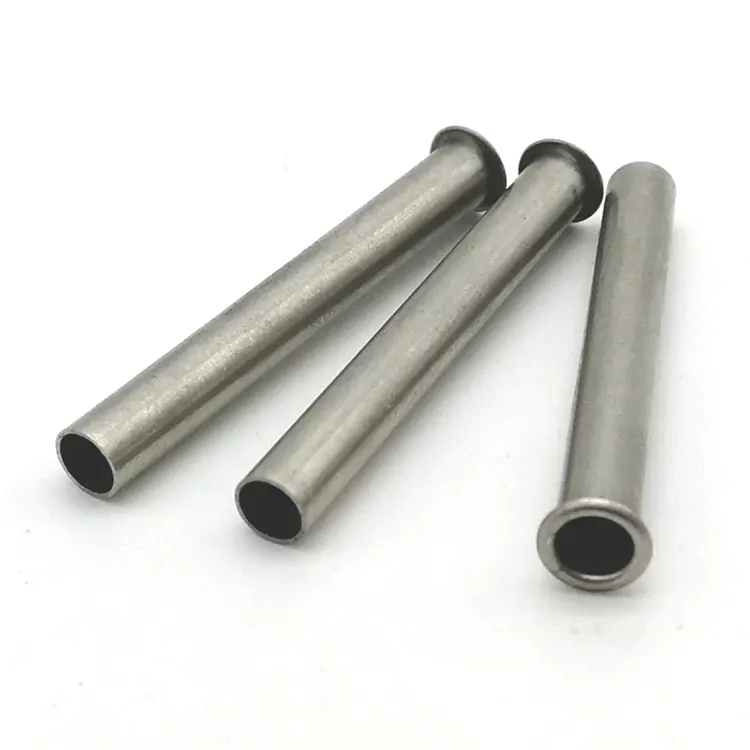


4mm Brass Eyelets
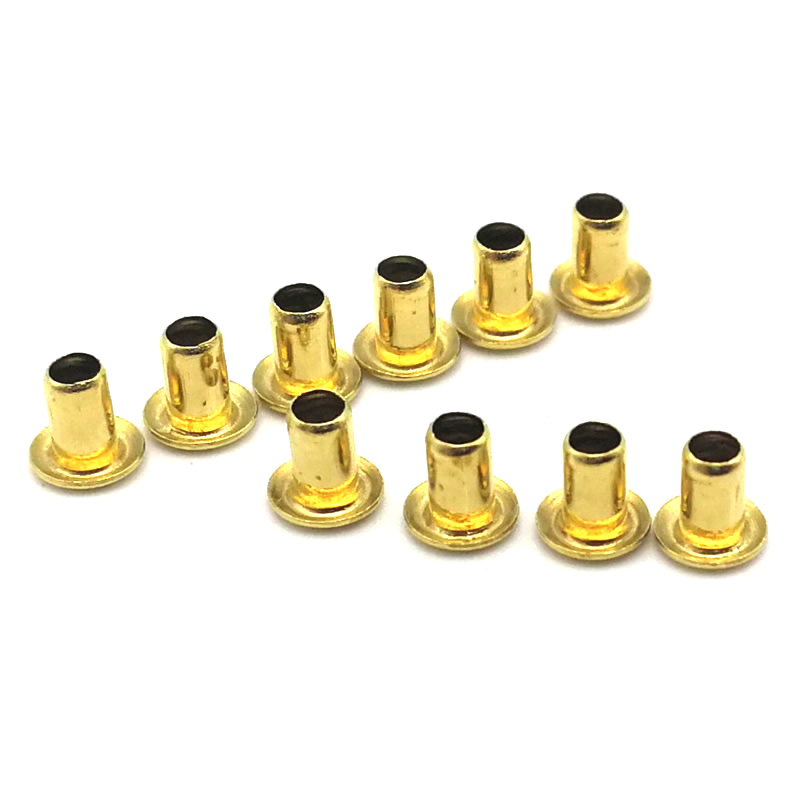
Nuote Metals from China offers Custom 4mm brass eyelets for heavier cords, laces, and rope. Perfect for hoodies, work boots, canvas tarps, and outdoor gear. The larger inner diameter allows thick laces to pass smoothly while the rolled rim protects fabric from tearing. Rustproof and smooth-edged, these eyelets install easily and stay secure. Upgrade your projects with reliable reinforcement. Trust us for factory-direct quality and fast shipping.
Send Inquiry
Product Description
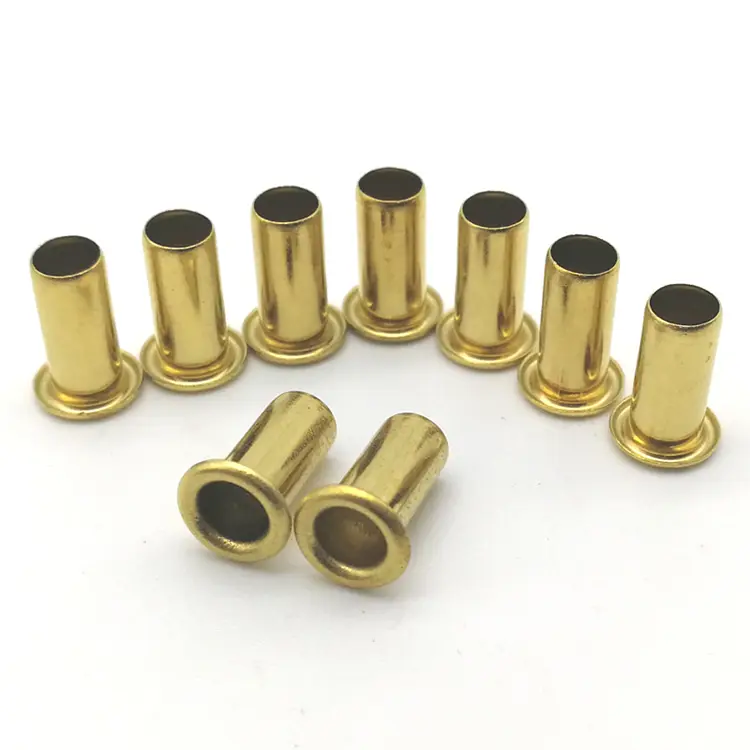
Not too big, not too small. A 4mm brass eyelet hits the practical center of the eyelet size range. Large enough to pass a standard lace or a 3.5mm cable. Small enough to fit into compact housings without dominating the design. And made from C26000 brass, it offers natural corrosion resistance, good conductivity, and a warm gold appearance that ages gracefully.
Nuote Metals produces brass eyelets using progressive deep drawing from brass sheet—not from tube stock. This gives you a seamless barrel with consistent wall thickness. Below, we lay out the technical specifications first, then show you two real ways our customers use these eyelets.

Technical Parameters – What You Actually Get
Material and Finish Options
| Property | Specification |
|---|---|
| Alloy | C26000 (70% Cu, 30% Zn) |
| Tensile strength | 315–390 MPa |
| Hardness (as‑formed) | HRB 60–75 |
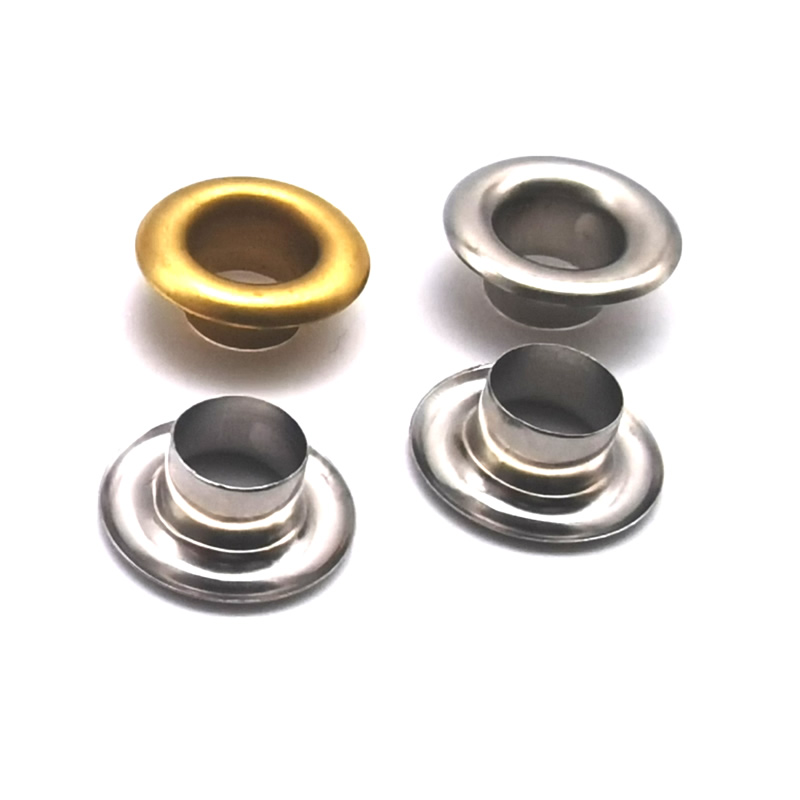
| Standard finishes | Natural lacquered, antique, nickel‑plated, polished brass |
Dimensional Range (Standard Tooling)
| Inner Dia | Outer Flange | Barrel Lengths (mm) | Grip Range |
|---|---|---|---|
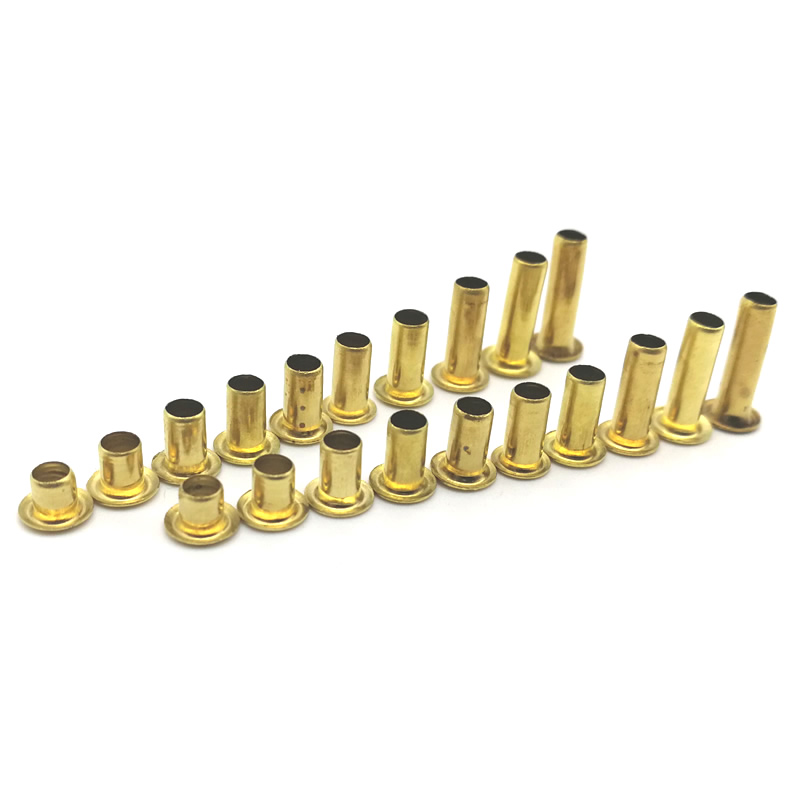
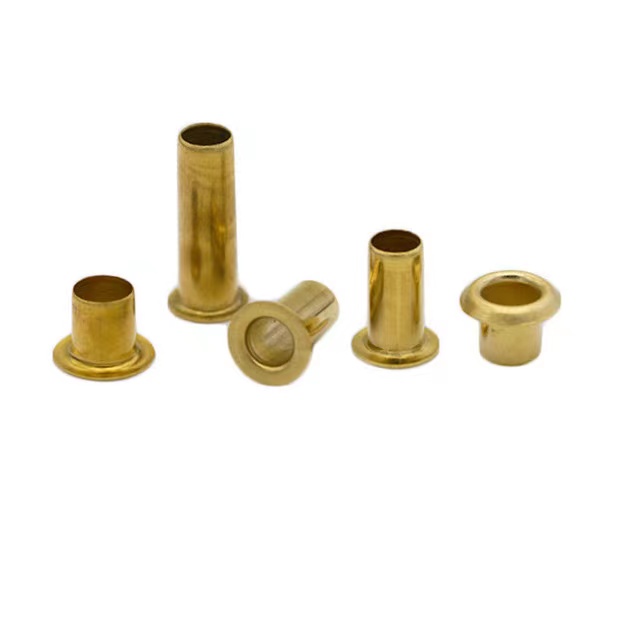
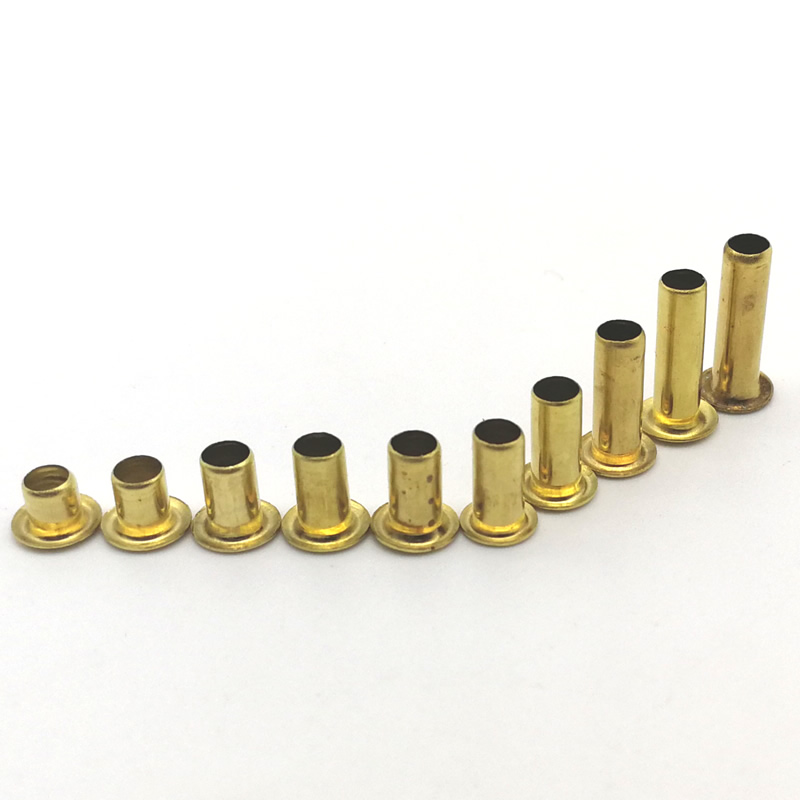
| 4.0 mm | 7.5 – 8.0 mm | 3.0, 4.0, 5.0, 6.0, 8.0 | 1.5 – 5.0 mm |
| Tolerance | ±0.05 mm | ±0.15 mm | — |
Custom barrel lengths up to 12mm available. No tooling charge for standard sizes.
Mechanical Data (Set into 2mm Leather)
- Pull‑out force: 45–55 kg (99–121 lbs)
- Recommended hole size: 4.15 – 4.25 mm
- Setting force (manual press): 0.8 – 1.2 tons

Two Typical Customers Use 4mm Brass Eyelets
1. Work Boot Lacing Holes (Leather, Brass, Antique Finish)
A manufacturer of premium safety footwear wanted to replace plastic lace eyelets with something more durable and visually classic. Plastic eyelets cracked in cold weather and looked cheap on $200 boots. They needed a 4mm brass eyelet that would survive –20°C winters, resist sweat corrosion, and develop a nice patina over time.
Nuote Metals supplied antique‑finished brass eyelets with a 5mm barrel length for 4mm thick leather. The wide 8mm flange prevented pull‑through under heavy lacing tension. We provided a matched setting die to roll the barrel without marking the leather. After two winter seasons and 10,000 pairs of boots, zero eyelet failures were reported. The boot maker now features our brass eyelets as a selling point.

2. Cable Management Box (ABS Plastic, Nickel‑Plated 4mm Brass Eyelet)
A manufacturer of desktop cable organizers designed a sleek box with four cable exit holes. The raw plastic holes had sharp edges that frayed charging cables over time. They tried rubber grommets, but the grommets pulled out when cables were yanked. They needed a permanent, smooth pass‑through.
We recommended nickel‑plated 4mm brass eyelets with a 4mm barrel length (for 2.5mm thick ABS). The eyelet pressed into the hole and rolled flush on the inside, creating a smooth, polished ring. The nickel plating matched the box’s silver trim. The customer eliminated grommet inventory and reduced assembly time by 8 seconds per unit. After 5,000 cable pull‑out cycles, none of the eyelets had loosened.

How We Make 4mm Brass Eyelets – Deep Drawing from Sheet
Our deep drawing process starts with brass sheet and forms the barrel in three progressive draws. This yields a seamless, work‑hardened barrel with no seam, no burr, and consistent wall thickness.
Step Operation
1 Blanking – a disc is cut from 0.5mm brass sheet
2 First draw – the disc is drawn into a shallow cup
3 Second draw – the cup is deepened to final barrel length
4 Piercing – the bottom of the cup is punched out (creating the 4mm hole)
5 Flange flattening – the rim is coined flat and parallel
6 Tumbling – removes any micro‑burrs
7 Plating or lacquering – applied in‑house or by certified partners
Every batch of 4mm brass eyelets is 100% optically sorted for inner diameter, outer diameter, and barrel length.
How We Control the Quality of Each Batch of Eyelets

What You Receive With Every Order
Mill test certificate (chemistry, hardness)
Dimensional inspection report (10 pieces measured)
Plating or lacquer thickness certificate (if applicable)
Certificate of Conformance (signed, batch‑traceable)
Nuote Metals is ISO 9001:2015 certified. RoHS and REACH declarations are standard.

Transparent Policies
Samples – 20 free pieces (you pay shipping)
MOQ – 2,000 pieces (natural or nickel‑plated); 5,000 for antique
Lead time (stock) – 5 business days
Lead time (custom barrel) – 12 business days
Tooling – No charge for 4mm standard tooling
Three Questions We Answer Often
Q1: The work boot case used a 5mm barrel length for 4mm leather. How do I choose the correct barrel length for my material?
A: As a rule, select a barrel length 1.0–1.5mm longer than your total material thickness. For 4mm thick leather, 5–5.5mm barrel length is correct. For 2.5mm plastic, use 3.5–4.0mm. The extra length gives the barrel enough material to roll outward without bottoming out. If the barrel is too short, the clinch will be weak. Too long, and the barrel may crumple. Nuote Metals offers a grip range calculator – send us your stack thickness.
Q2: Your 4mm brass eyelets come in nickel‑plate. Is that nickel safe for skin contact (boots, belts)?
A: Our nickel‑plated brass eyelets meet EU Nickel Directive (EN 1811) release limits of <0.5 µg/cm²/week. For prolonged skin contact (watch straps, belt holes), we recommend natural brass (lacquered) or antique brass – these have no nickel on the surface. For the boot case, the antique finish was nickel‑free. Specify “nickel‑free” on your order.
Q3: Can you supply 4mm brass eyelets with a closed end (no hole through the flange) for waterproof applications?
A: Yes. A closed‑end eyelet has a thin brass skin (0.2mm) at the flange center. Water and dust cannot pass. Setting force increases about 15% because air compresses inside the cavity. Minimum order for closed‑end: 5,000 pieces. No extra tooling charge.
Test a Sample on Your Line
We can mail you 20 pieces of 4mm brass eyelets in your choice of finish and barrel length. Set them into your material. See the difference.
Contact Nuote Metals with your required barrel length and finish. Samples ship within one business day.
Hot Tags: 4mm Brass Eyelets,Brass Eyelets Factory,Brass Eyelets Manufacturer
Related Categories
Send Inquiry
Please feel free to fill your inquiry in the form below. We will reply you in 24 hours.



X
We use cookies to offer you a better browsing experience, analyze site traffic and personalize content. By using this site, you agree to our use of cookies.
Privacy Policy