Products
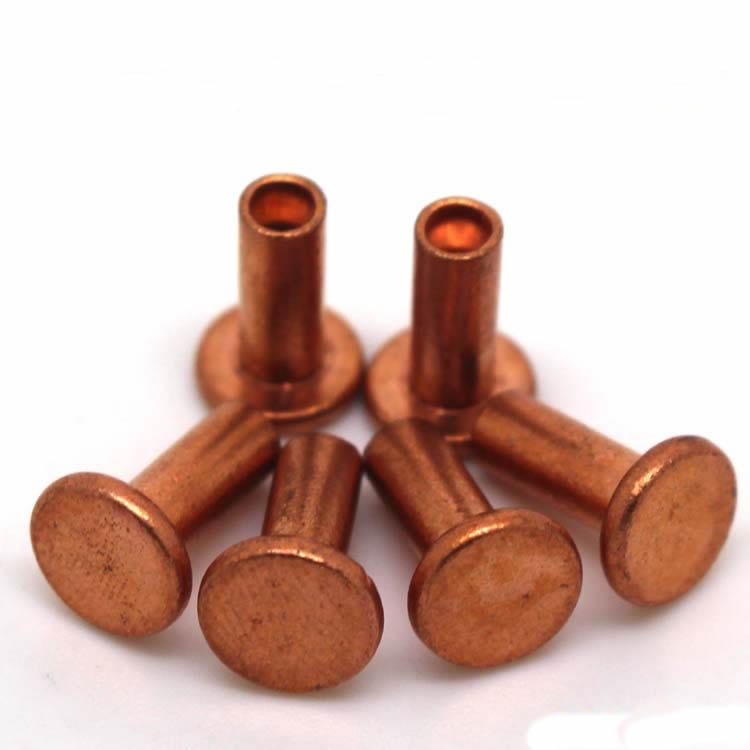
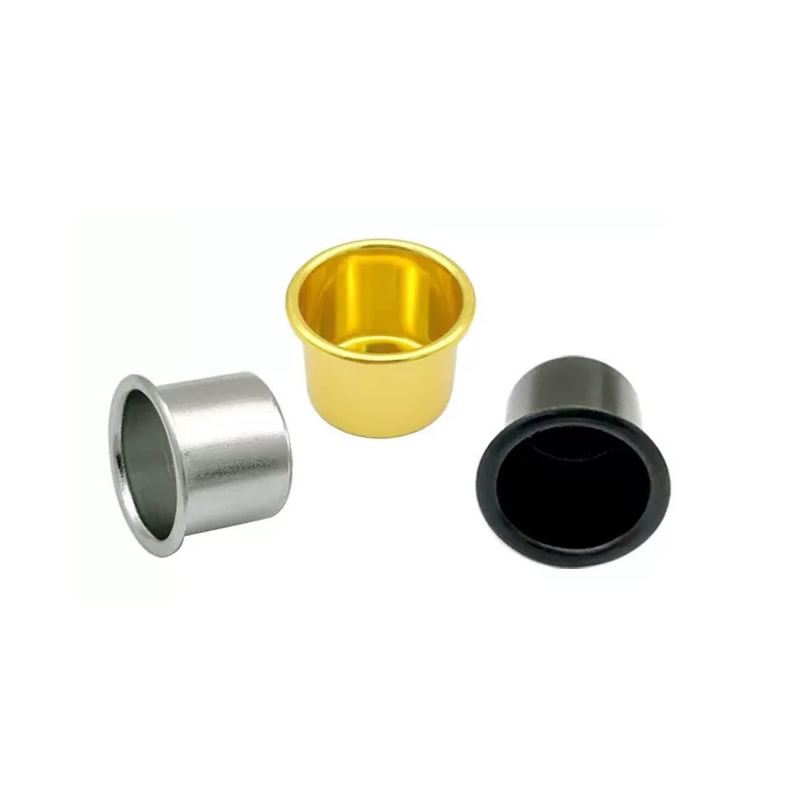
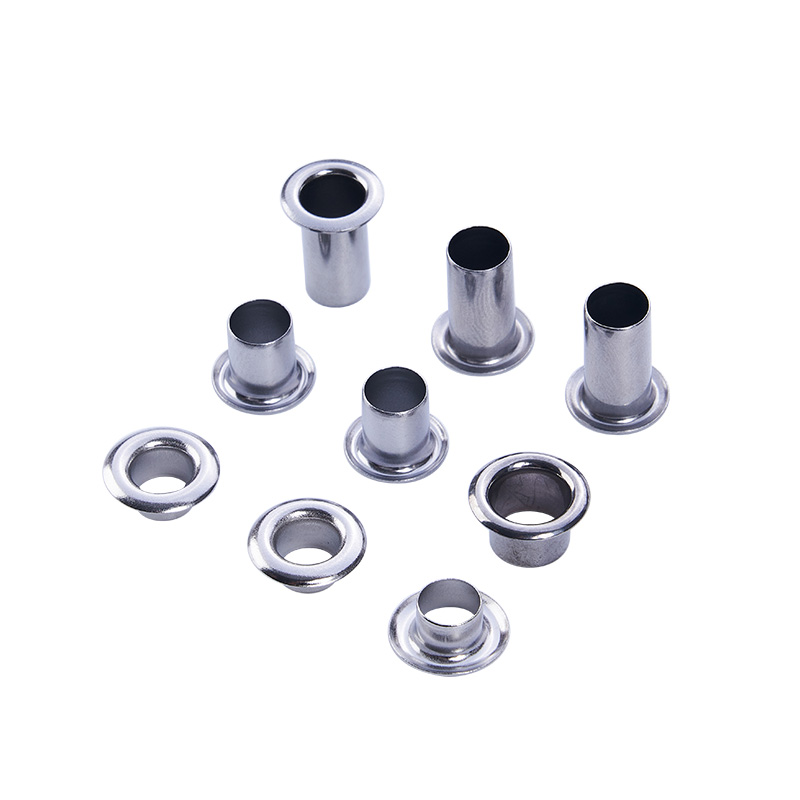
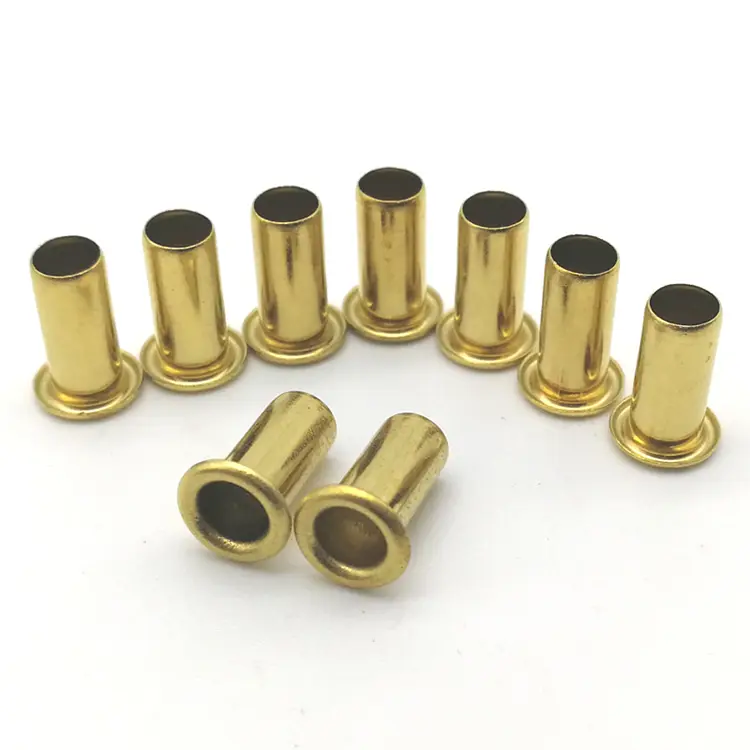
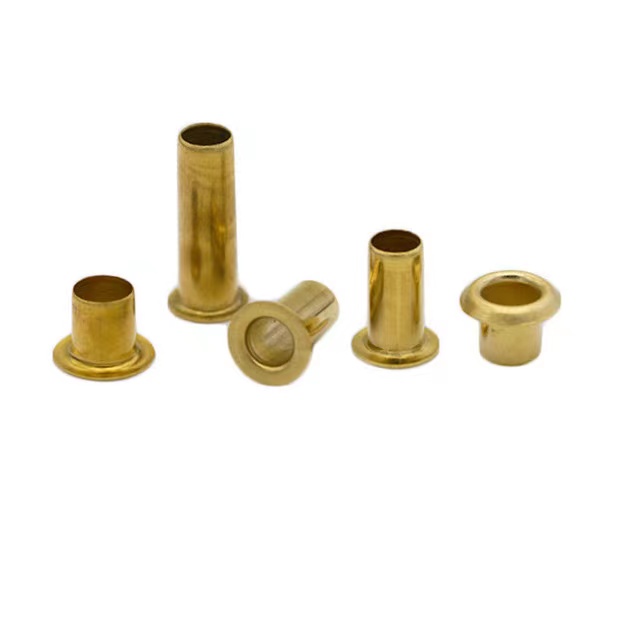
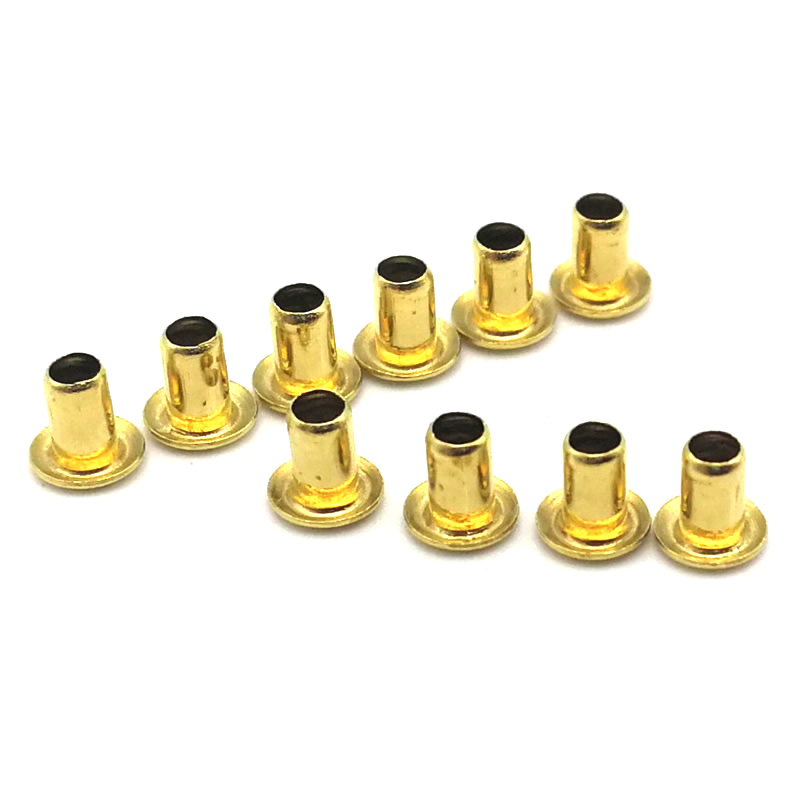
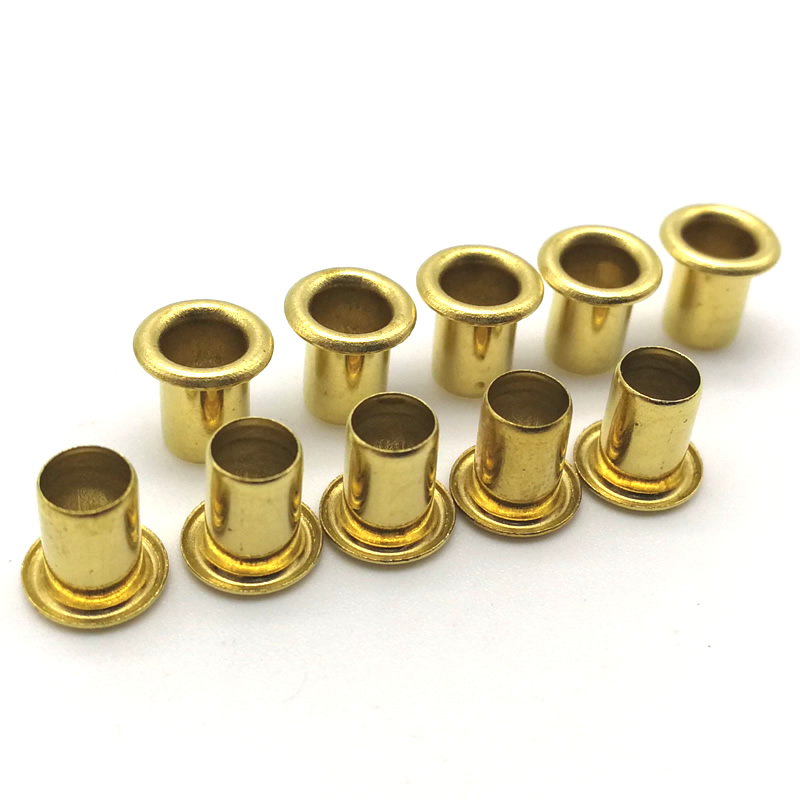
Small Brass Eyelets
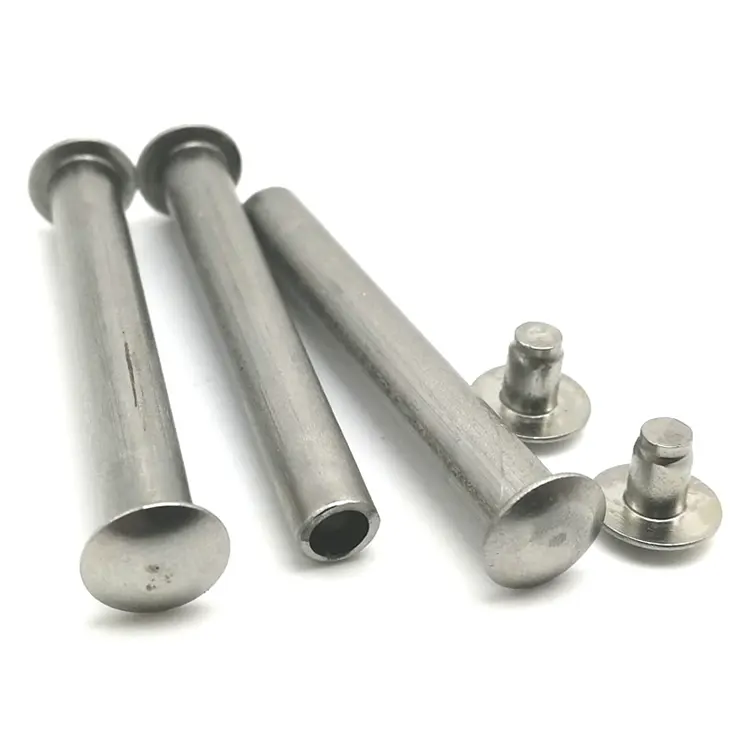
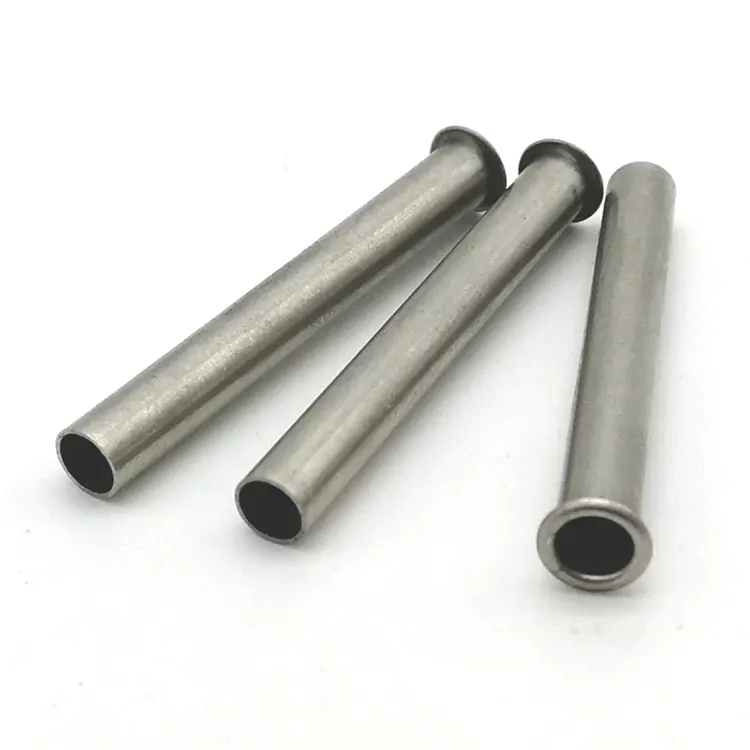
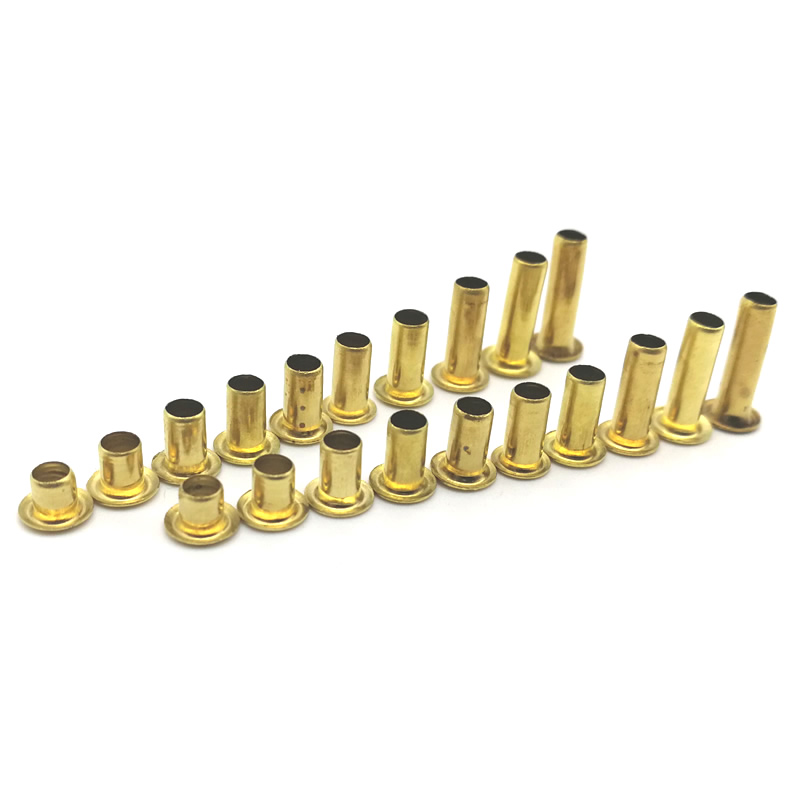
Nuote Metals in Dongguan makes small brass eyelets for customers who need them. These are tiny metal rings made from brass. Brass is a good material — it looks nice, doesn't rust, and holds up well. We make small brass eyelets in different sizes, some as small as a few millimeters across. Each batch of small brass eyelets gets checked for smooth edges and even shape. People come to us when they need small brass eyelets for their products. We can make samples first so you can see how they look and fit.
Send Inquiry
Product Description
Precision Small Brass Eyelets Manufacturer – C2680 & C2600 Brass | Nuote Metals
A hole in fabric, leather, or paper is only as strong as its reinforcement. Without protection, the edges fray, stretch, and eventually tear. Small brass eyelets solve this problem permanently—by clamping the material, protecting the cut edge, and distributing stress across a wide flange. Made from C2680 or C2600 brass, these miniature components offer the ideal combination of corrosion resistance, formability, and aesthetic appeal.
Nuote Metals manufactures small brass eyelets using progressive deep drawing from brass sheet—not from seamed tube stock. This process yields a seamless, burr‑free barrel with consistent wall thickness, ensuring reliable setting and long‑term performance. Our production capacity exceeds 10 million eyelets per day, with diameters ranging from 0.8mm to 10mm.
What Are Small Brass Eyelets?
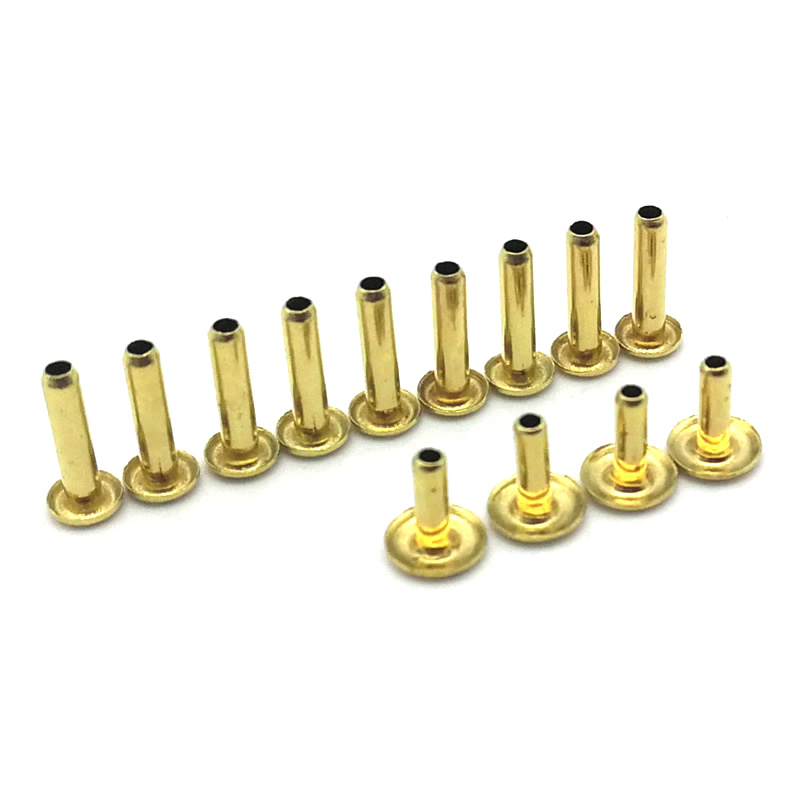
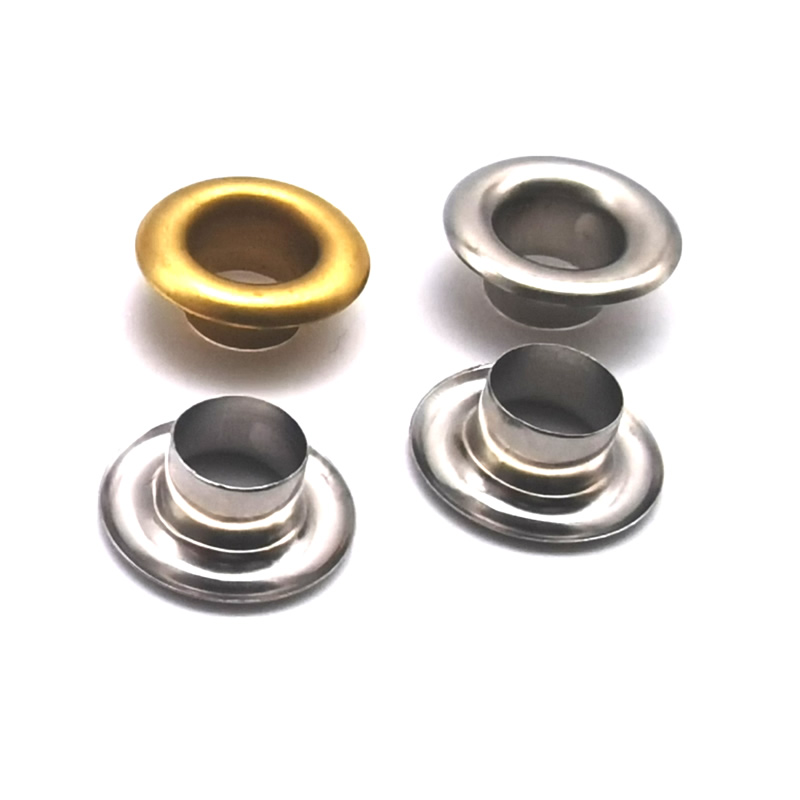
Small brass eyelets are miniature metal rings used to reinforce holes in lightweight materials. The barrel passes through a punched hole, while the flange sits against the surface. When set with appropriate tools, the barrel rolls outward, clamping the material securely between the flange and the expanded tail.
They serve two primary functions:
Reinforcement – Prevents tearing, fraying, and stretching around holes
Aesthetic finishing – Provides a clean, professional edge with a warm gold appearance
Because they are made from brass, small brass eyelets offer natural corrosion resistance, good electrical conductivity, and a finish that ages gracefully. They are easy to set with a hand press or small machine, and once installed, they stay put without loosening. The small size makes them perfect for delicate items where a larger eyelet would look out of place.
Different Materials of Eyelets We Make
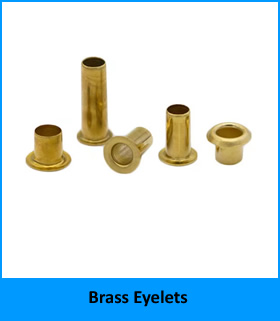
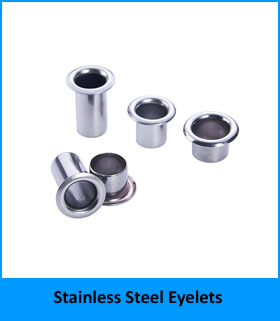
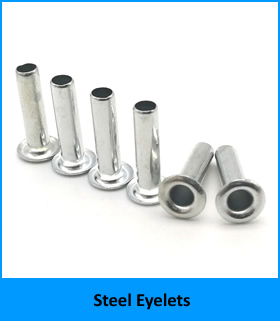
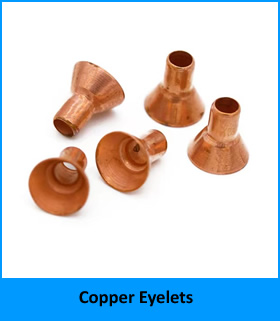
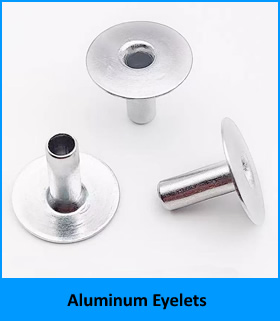
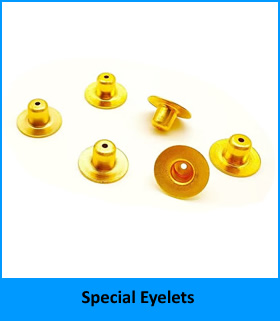
We make brass eyelets, stainless steel eyelets and steel eyelets, aluminum eyelets, copper eyelets and special eyelets with different sizes.
Why Choose Brass for Small Eyelets?
Brass is the material of choice for small eyelets across multiple industries. Here is why:
| Property | Benefit |
|---|---|
| Corrosion resistance | Does not rust; develops a protective patina over time |
| Ductility | Sets cleanly without cracking, even at miniature sizes |
| Electrical conductivity | Suitable for electronic and grounding applications |
| Aesthetic appeal | Warm gold colour; available in multiple finishes |
| Workability | Compatible with high‑speed deep drawing and cold heading |
We offer small brass eyelets in two primary alloys:
| Alloy | Composition | Key Characteristics |
|---|---|---|
| C26000 (Cartridge Brass) | 68.5–71.5% Cu, remainder Zn | Excellent ductility, standard choice for general eyelet production- |
| C2680 (Yellow Brass) | 63.5–68.0% Cu, remainder Zn | Higher zinc content, increased hardness and wear resistance |
Technical Specifications – Standard Sizes and Dimensions
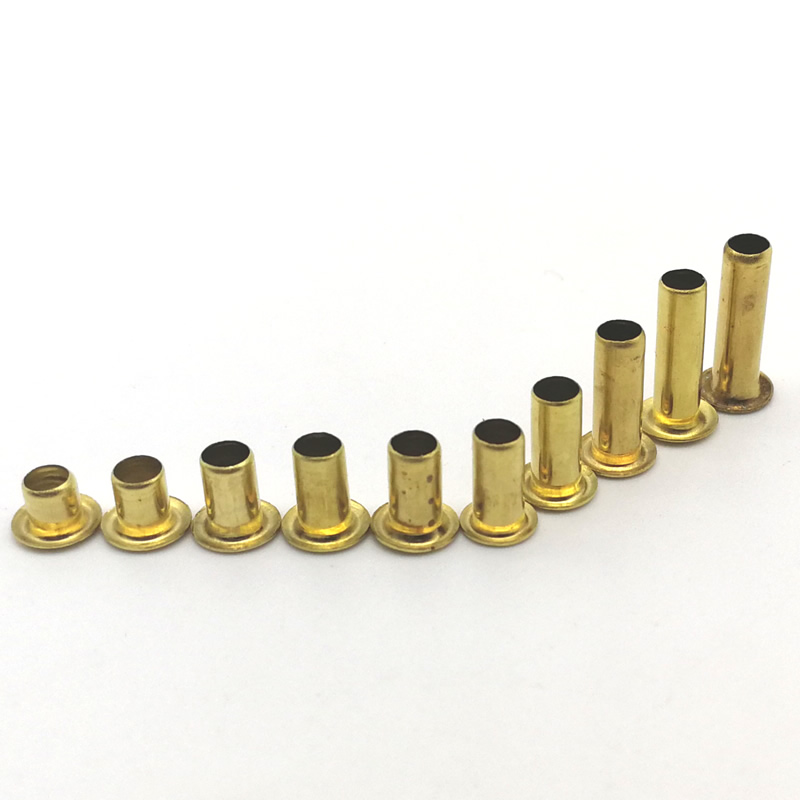
We produce small brass eyelets in a wide range of standard sizes. Below are our most commonly stocked configurations.
Standard Size Chart
| Inner Diameter (mm) | Outer Flange (mm) | Barrel Length (mm) | Flange Thickness (mm) | Recommended Material Thickness |
|---|---|---|---|---|
| 2.0 | 4.0 – 4.5 | 2.5, 3.0, 3.5, 4.0 | 0.3 – 0.4 | 0.5 – 2.0 mm |
| 2.5 | 4.5 – 5.0 | 3.0, 3.5, 4.0, 4.5 | 0.3 – 0.4 | 0.8 – 2.5 mm |
| 3.0 | 5.5 – 6.0 | 3.0, 3.5, 4.0, 5.0 | 0.4 – 0.5 | 1.0 – 3.0 mm |
| 3.5 | 6.0 – 6.5 | 3.5, 4.0, 5.0, 6.0 | 0.4 – 0.5 | 1.5 – 3.5 mm |
| 4.0 | 7.0 – 7.5 | 4.0, 5.0, 6.0, 8.0 | 0.4 – 0.5 | 2.0 – 4.5 mm |
| 5.0 | 8.5 – 9.0 | 5.0, 6.0, 8.0, 10.0 | 0.5 – 0.6 | 2.5 – 5.5 mm |
Tolerances: Inner diameter ±0.05mm, outer flange ±0.10mm, barrel length ±0.10mm. Custom dimensions available upon request.
Surface Finishes
Nuote Metals offers small brass eyelets in multiple finishes to suit different aesthetic and functional requirements:
| Finish | Appearance | Best For |
|---|---|---|
| Natural brass (lacquered) | Bright gold, shiny | General purpose, indoor applications |
| Nickel‑plated | Bright silver, modern | Matching silver hardware, sweat resistance (96 hrs salt spray) |
| Antique brass | Dark, aged bronze | Vintage‑style leather goods, rustic crafts |
| Polished brass | Mirror‑like, high gloss | Premium decorative applications |
| Gold‑plated | Bright yellow, luxury | High‑end packaging, invitations |
Mechanical Data (3mm Brass Eyelet, Set into 2mm Leather)
| Property | Value |
|---|---|
| Pull‑out force (axial) | 35 – 50 kg (77 – 110 lbs) |
| Recommended hole size | Inner diameter + 0.15 – 0.20 mm |
| Setting force (hand press) | 0.5 – 1.0 tons |
How We Manufacture Small Brass Eyelets – Deep Drawing from Sheet
Unlike punched eyelets (which can leave a rough edge) or tube‑style eyelets (which have a seam), our small brass eyelets are produced using progressive deep drawing from brass sheet. This process yields a seamless, work‑hardened barrel with no seam, no burr, and consistent wall thickness.
Step‑by‑Step Production Process
Material sourcing – Certified C2680 or C2600 brass sheet is purchased from approved mills. Each coil carries a heat number for full traceability.
Incoming material inspection – Every coil is tested with a spectrometer to verify copper and zinc content. Thickness is measured with a laser micrometer. Coils that do not meet our internal standards are rejected.
Progressive deep‑draw stamping – The coil feeds into a transfer press with a multi‑station progressive die. In one continuous, automated sequence, the die:
- Blanks a disc from the strip
- First draw (shallow cup)
- Second draw (deeper cup)
- Third draw (final barrel length)
- Pierces the bottom to create the inner diameter
- Coins the flange flat and parallel
- Separates the finished eyelet from the carrier strip
Tumbling and deburring – Micro‑burrs are removed and the surface is prepared for finishing.
Plating or lacquering – Applied in‑house or by certified partners.
100% optical sorting – Every eyelet is inspected for inner diameter, outer flange, and barrel length.
Our deep‑draw process is fully automated and operates at speeds of 80–150 strokes per minute. We can produce small brass eyelets in diameters from 0.8mm to 10mm, with daily output exceeding 10 million pieces.

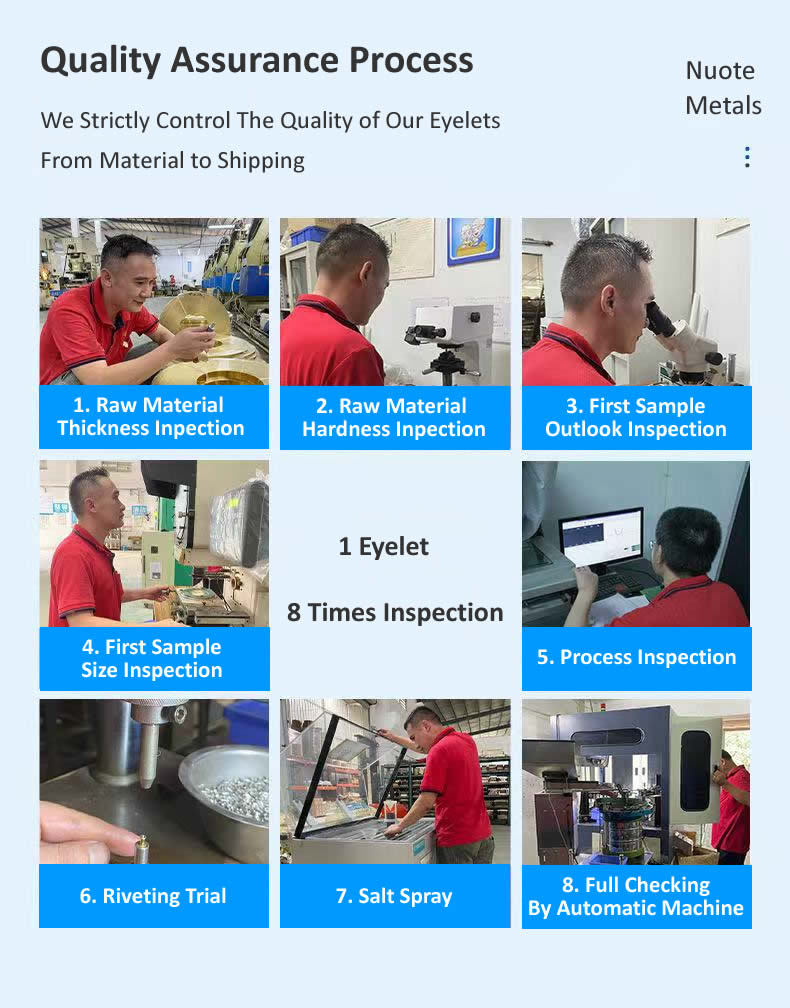
Our Quality Control Process – One Eyelet, Eight Checks
We do not rely on random sampling alone. Every batch of small brass eyelets follows a layered inspection system that catches issues before they become problems.
Incoming material stage
Each coil of brass sheet is checked for thickness (±0.02mm) and composition (spectrometer). We reject any coil that deviates from the specified alloy range.
Setup and first‑off stage
When tooling is installed, the first 10 eyelets are examined under 20× magnification for surface defects, then measured on an optical comparator. Inner diameter, outer flange, barrel length, and concentricity must match the drawing before production begins.
During production stage
Operators pull 5 eyelets every 500 pieces. They check critical dimensions with digital calipers and a go/no‑go gauge for inner diameter. Any drift beyond tolerance triggers an immediate press stop and tool adjustment.
Clinch verification stage
Every 2,000 pieces, we set 3 eyelets into a sample of your actual material (leather, fabric, or paper). The rolled clinch is inspected for symmetry, tightness, and crack‑free formation.
Corrosion testing (if applicable)
For plated eyelets, samples are placed in our salt spray chamber per ASTM B117. Nickel plating: 96 hours minimum. A certificate is issued with the batch.
Final sorting stage
Every single eyelet passes through an optical sorting machine with high‑speed cameras. It rejects parts with incorrect inner diameter, outer flange, or barrel length. After sorting, a random AQL sample (Level II, 1.0) is manually verified with profile projector and micrometers.
All inspection records—including measurement logs, test setting photos, and salt spray reports—are retained for five years and are included with every shipment.
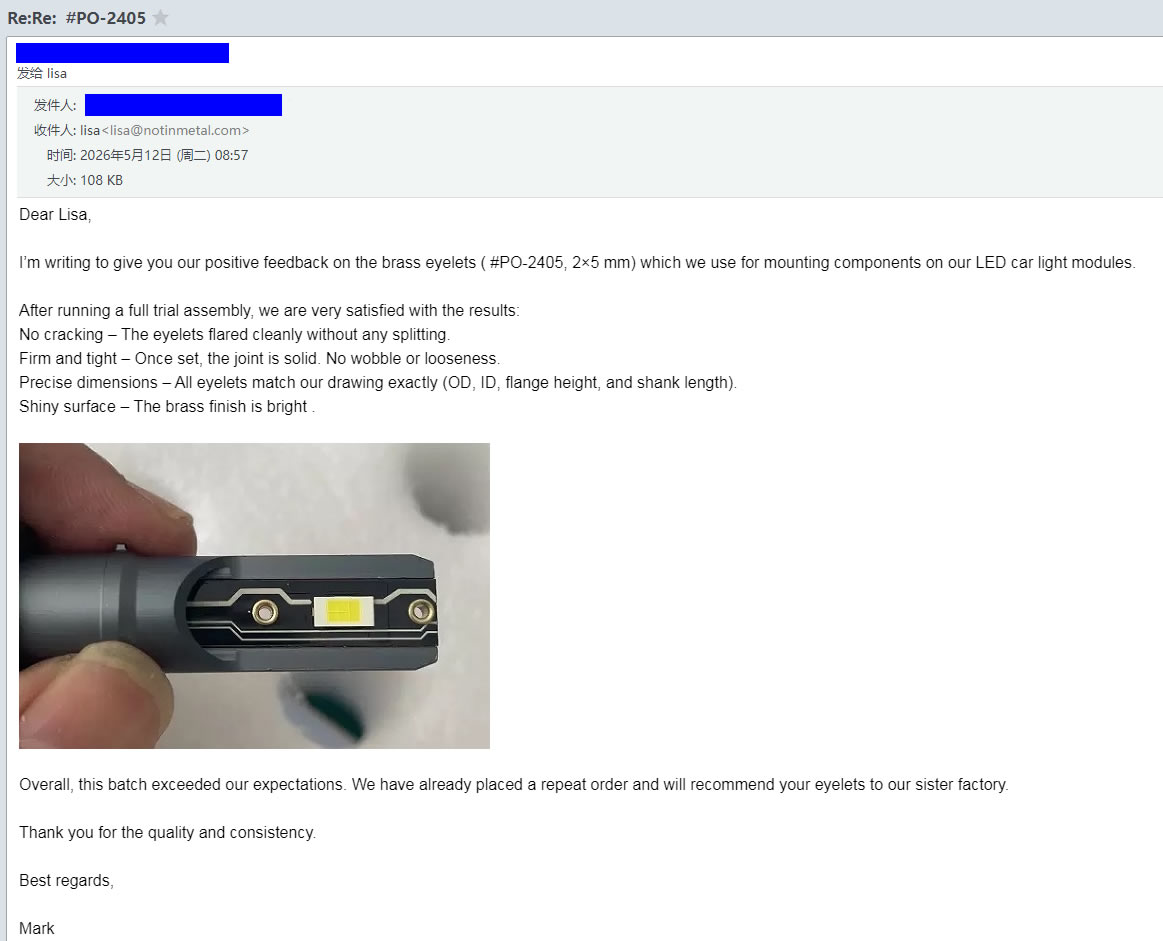
One Real Customer Example – LED Car Headlight Assembly
This is one of many applications for small brass eyelets. We include it to show real production use, not to suggest limitation.
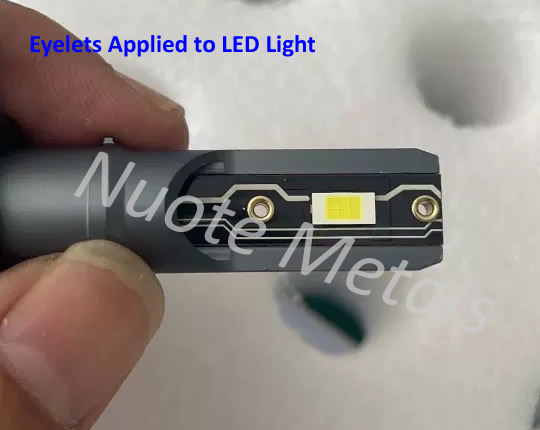
A manufacturer of aftermarket LED car headlights needed durable, corrosion‑resistant eyelets for two distinct lamp models. Each model had different assembly requirements, but both demanded consistent quality, resistance to under‑hood heat and vibration, and compatibility with automated production lines.
Nuote Metals supplied two sizes of small brass eyelets in C2680 brass – a higher‑zinc alloy chosen for its increased hardness and excellent formability. Both sizes share the same shank diameter (2mm) and cap diameter (2.5mm), but differ in total length. For the first headlight model, we provided eyelets with a total length of 5mm. For the second model, we supplied the longer version with a total length of 7mm. Both were finished with natural lacquer to prevent tarnishing and ensure surface non‑conductivity.
The LED manufacturer integrated both small brass eyelets into their automated assembly lines. After 3,000 hours of combined thermal cycling (‑30°C to 85°C) and vibration testing, no loosening, cracking, or corrosion was observed across either size. The customer now uses our C2680 brass eyelets as a standard component across multiple LED headlight families.
Applications – Where Small Brass Eyelets Are Used
Small brass eyelets are used across a wide range of industries and applications:
- Leather goods – Belts, bags, wallets, dog collars, horse tack, journals
- Apparel and footwear – Hoodies, shoes, corsets, work boots, lacing points
- Paper and stationery – Scrapbooking, booklet binding, hole reinforcement in tags and cards
- Bags and luggage – Strap attachments, decorative accents, handle reinforcements
- Electronics – Wire pass‑through, PCB mounting, grounding terminals
- Crafts and DIY – Ribbon holes, decorative trim, cardmaking
When you need a small, attractive metal ring that will not rust, small brass eyelets do the job. Our customers use them in all sorts of products.
What Our Customers Say – Real Feedback
What We Deliver in Every Shipment
Each order of small brass eyelets comes with a complete documentation package:
- Mill test certificate – Chemical composition and physical properties from the original coil supplier
- First‑off dimensional report – Actual measured values of 10 eyelets from the start of production
- In‑process log – Summary of all dimensional checks performed during the run
- Clinch test report – Photos and pull‑force results (if measured) from test settings on your material
- Salt spray certificate – If applicable, showing hours tested and pass/fail status
- Certificate of Conformance – Signed by our QA manager, batch‑traceable
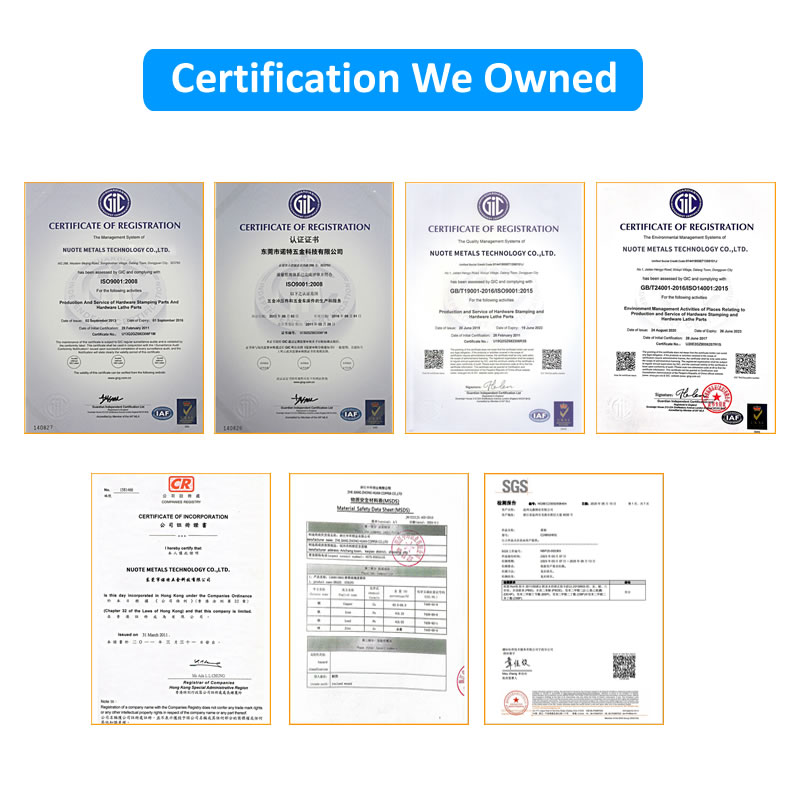
Nuote Metals is ISO 9001:2015 certified. RoHS and REACH declarations are provided on request.
Policies
- Samples – 20–50 free pieces for standard stocked sizes (customer pays shipping)
- Trial order – 10,000 pieces recommended for first‑time validation
- MOQ – 2,000 pieces (natural brass), 5,000 pieces (nickel‑plated or custom finishes)
- Lead time (stock) – 5–7 business days
- Lead time (custom barrel) – 10–12 days
- Tooling charges – None for standard sizes (2–5mm inner diameter)
Three Questions We Answer Often
Q1: What is the difference between C2680 and C2600 brass for small brass eyelets? Which one should I choose?
A: C2600 (Cartridge Brass) contains approximately 70% copper and 30% zinc. It offers excellent ductility and is the standard choice for most eyelet applications. C2680 (Yellow Brass) contains approximately 65% copper and 35% zinc – higher zinc content gives it increased hardness and wear resistance. For applications that experience repeated friction – such as belt holes, lacing points, or high‑wear leather goods – we recommend C2680. For general purpose use where maximum formability is required, C2600 is the better choice. We stock both alloys and can advise based on your specific application.
Q2: How do I select the correct barrel length for a small brass eyelet?
A: Select a barrel length 1.0–1.5mm longer than your total material stack thickness. For example, if you are reinforcing 2mm thick leather, choose a barrel length of 3.0–3.5mm. This extra length provides enough material for the barrel to roll outward and form a secure clinch without bottoming out. If the barrel is too short, the clinch will be weak. Too long, and the barrel may crumple. Send us your material thickness, and we will recommend the exact barrel length.
Q3: Can small brass eyelets be used outdoors without tarnishing?
A: Natural brass will develop a patina over time when exposed to air and moisture – this is cosmetic and does not affect mechanical strength. For applications where appearance must be maintained, we recommend our lacquered finish (seals the brass surface, prevents tarnishing for 2–3 years) or nickel‑plated finish (provides a silver appearance and 96 hours of salt spray resistance). For the LED headlight case above, the customer chose lacquered finish to maintain the gold appearance while preventing corrosion under‑hood.
Request a Quote – Tell Us What You Need
We understand that every application is different. Rather than asking you to fit a standard product into your design, we prefer to start with your requirements.
To receive a firm quotation for small brass eyelets, please provide the following information:
- Shank diameter (mm)
- Cap Diameter (mm) – or let us recommend based on your material
- Barrel length (mm) – or your total material thickness
- Material alloy (C2600 / C2680)
- Finish (natural lacquered / nickel‑plated / antique / polished)
- Estimated annual quantity
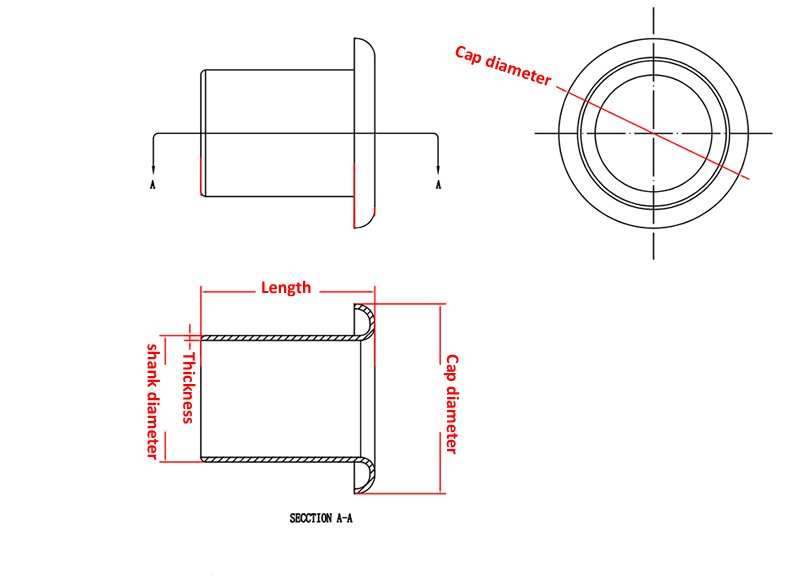
You can also attach a drawing, a photo of your current eyelet, or a sample part. We will reply within 24 hours with:
- Tooling cost (if any) – waived for standard sizes
- Piece price based on your annual volume
- Lead time for first samples and mass production
- Free sample policy – 20–50 pieces for standard stocked sizes
Send your RFQ to Nuote Metals today. No pressure, no obligation – just a clear, competitive quotation.
Hot Tags: Small Brass Eyelets,China Brass Eyelets,Brass Eyelets Manufacturer
Related Categories
Send Inquiry
Please feel free to fill your inquiry in the form below. We will reply you in 24 hours.



X
We use cookies to offer you a better browsing experience, analyze site traffic and personalize content. By using this site, you agree to our use of cookies.
Privacy Policy