
Products
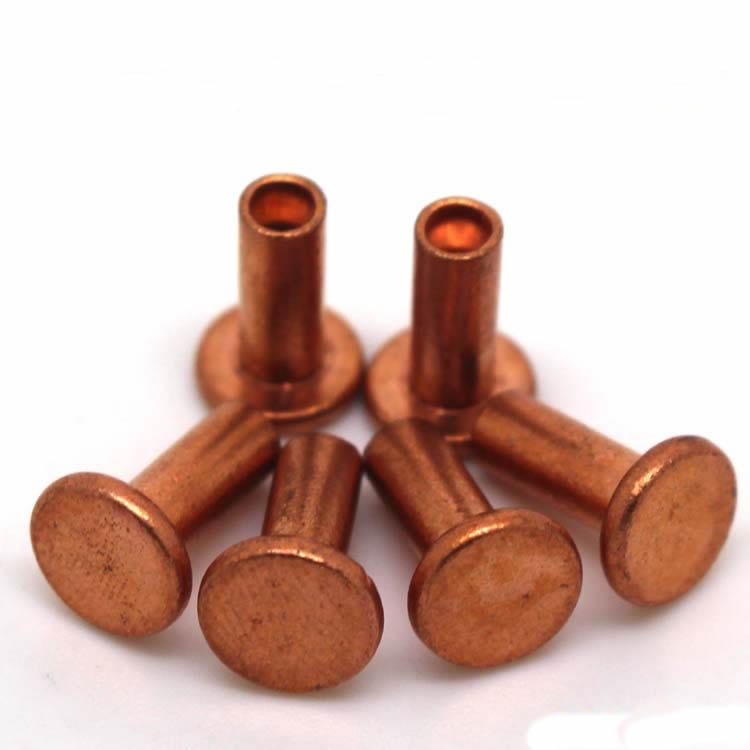
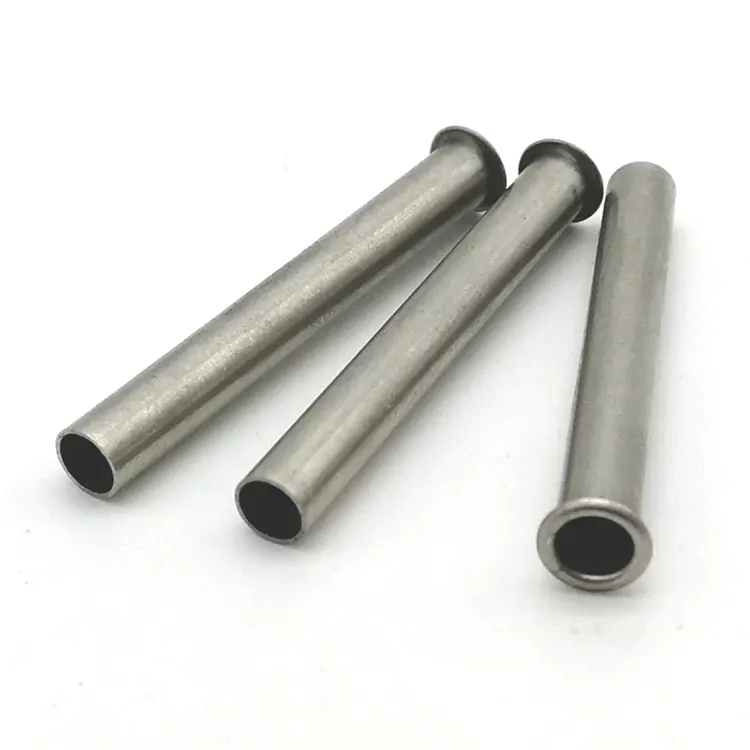
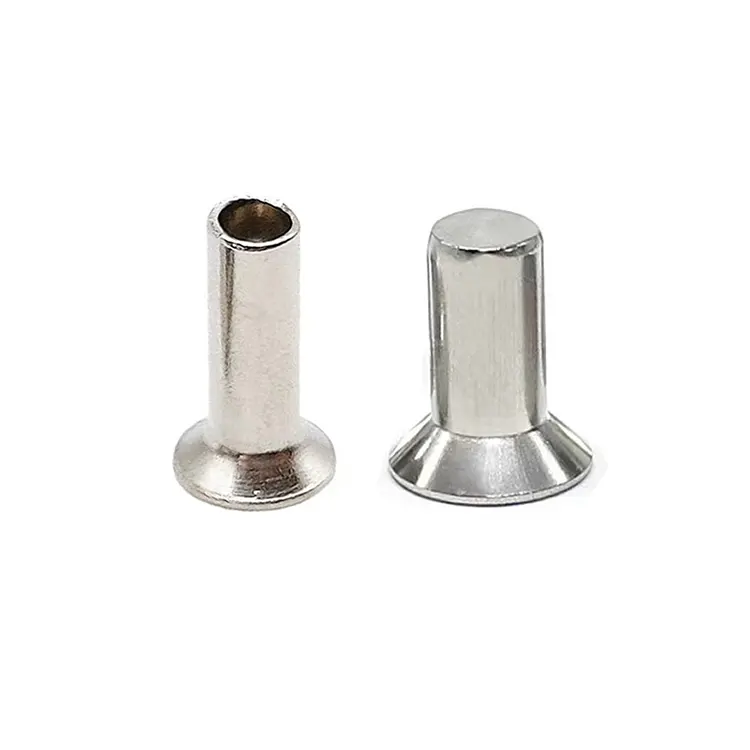
Brass Countersunk Head Rivets
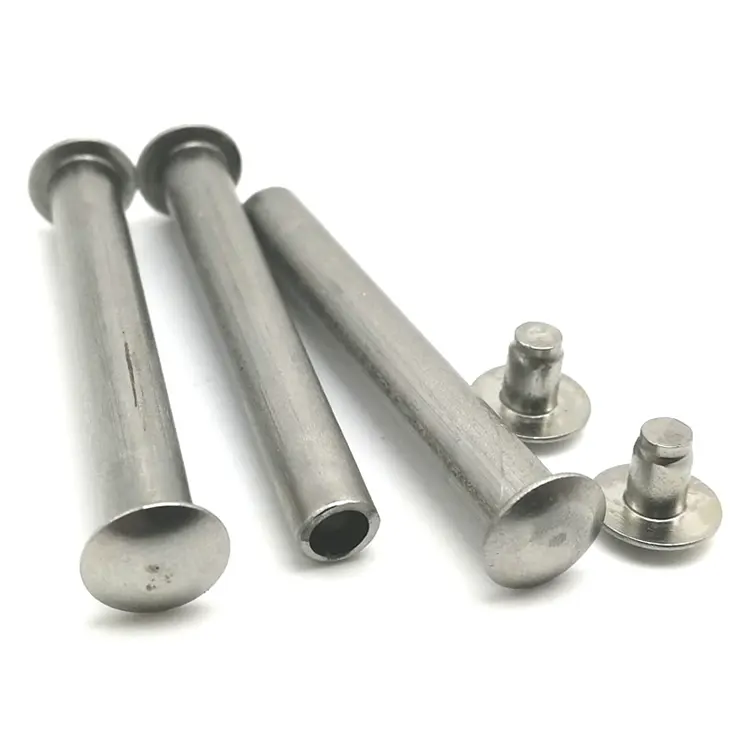
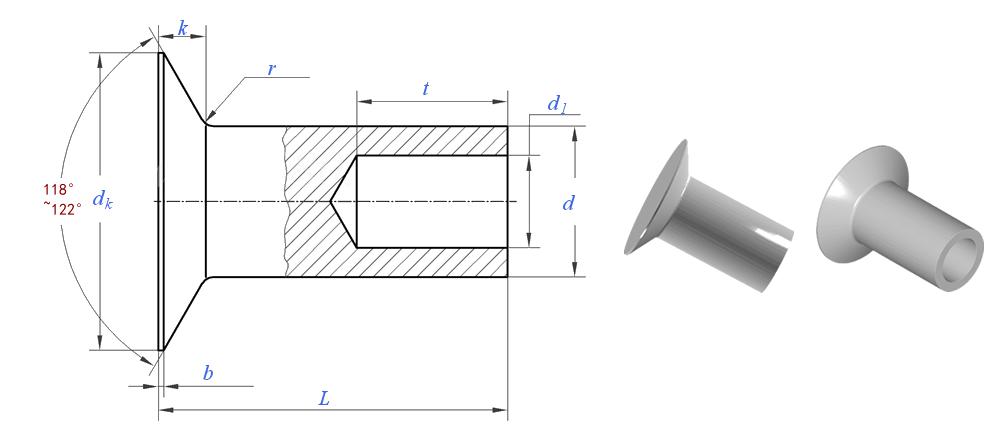
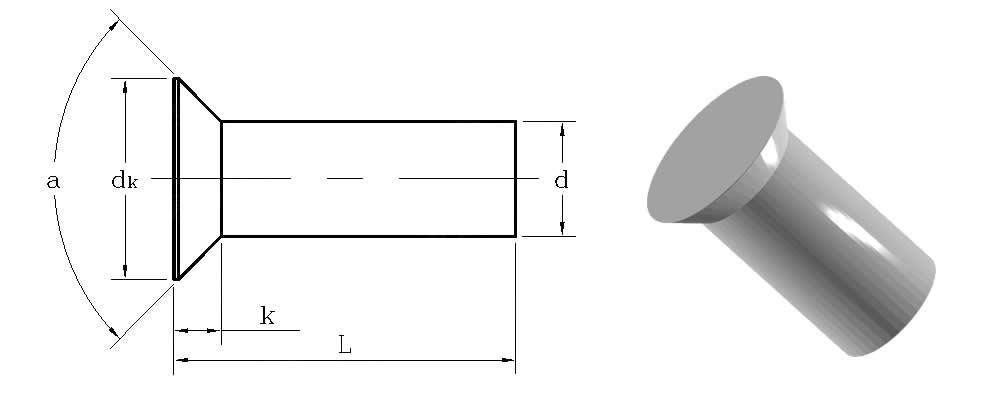
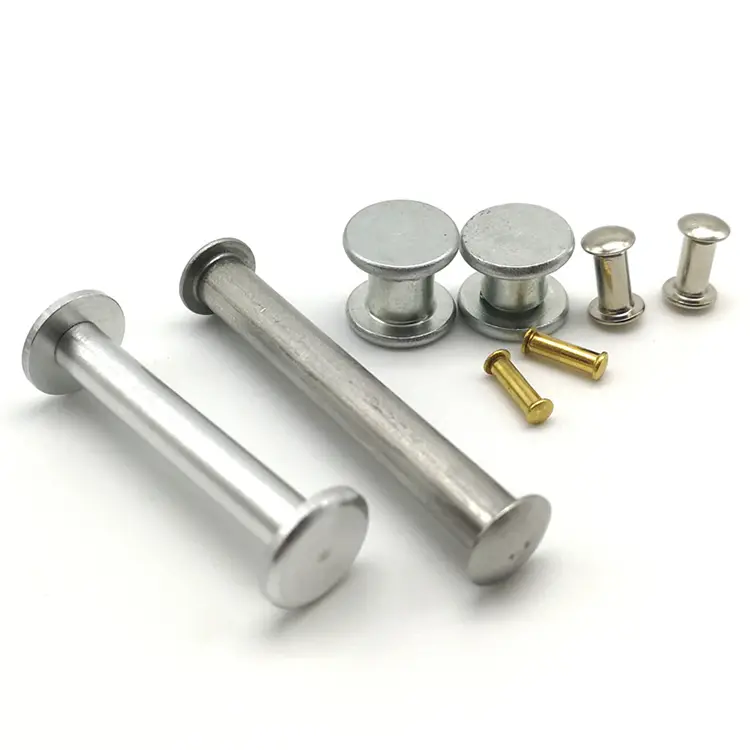
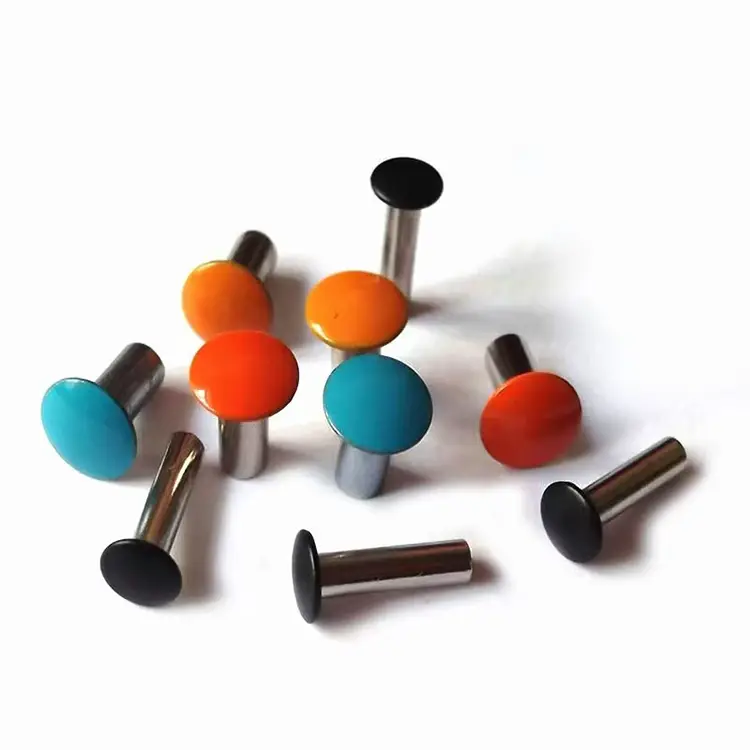
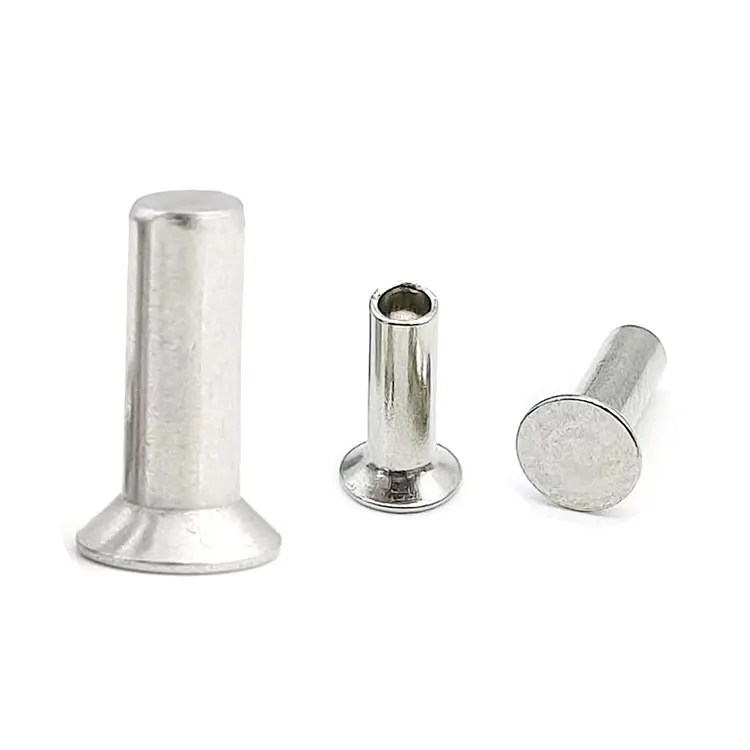
Brass countersunk head rivets primarily consist of a head and a shank. The countersunk head allows for flush installation with the workpiece surface, eliminating protrusions that could affect appearance or function. The semi-hollow shank deforms during the riveting process, achieving a connection. This design not only improves installation efficiency but also enhances connection reliability. Nuote Metals specializes in the manufacture of brass countersunk head rivets, boasting high precision and a smooth, scratch-free surface. We welcome friends from all over the world to visit our company and collaborate with us.
Send Inquiry
Product Description
Brass countersunk head rivets combine zero protrusion with the natural advantages of brass: corrosion resistance, a warm gold appearance, and good electrical conductivity. The tapered head sits flush with the surface. The brass material resists rust and looks professional. Fast setting. Flush finish. No snagging. No interference.
This is the rivet you specify when the surface must be smooth and the fastener must be invisible.
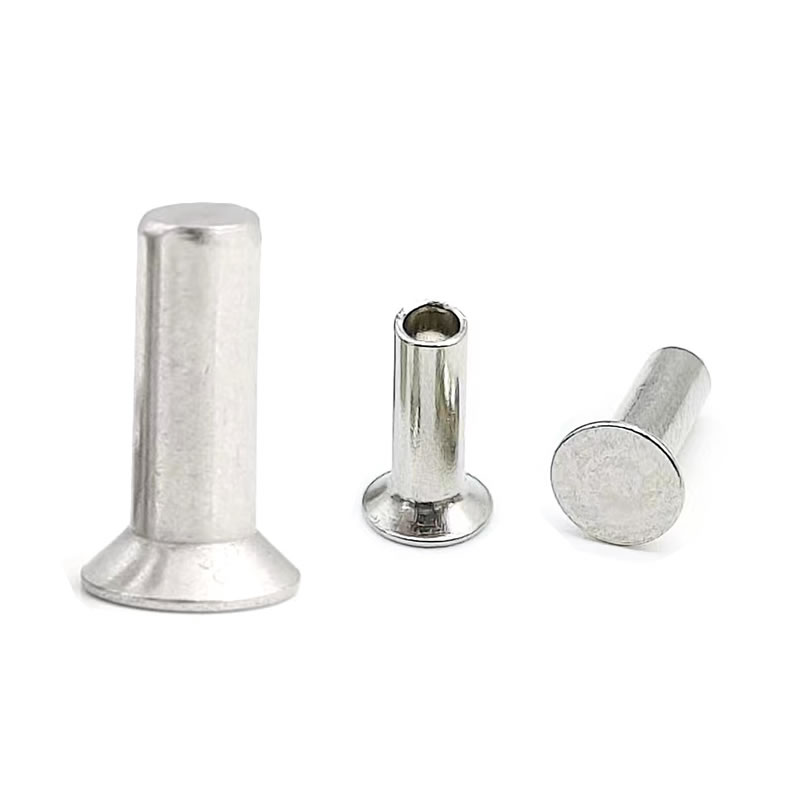
Solid vs. Semi‑Tubular – Which Design Do You Need?
| Feature | Brass Countersunk Head Solid Rivet | Brass Countersunk Head Semi‑Tubular Rivet |
|---|---|---|
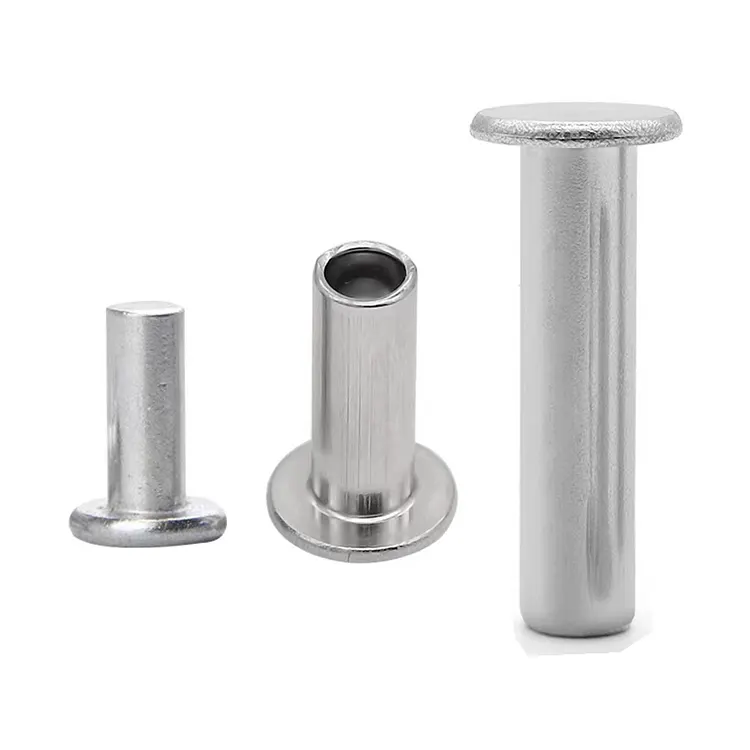
| Tail design | Fully solid | Partially hollow (45–55% of length) |
| Setting force | 100% | 25–30% of solid |
| Shear strength | Maximum (100%) | 80–90% of solid |
| Installation speed | Slower, heavy press | Fast, automated |
| Best for | Structural, maximum strength, high‑load | High‑volume, thin materials, fast assembly |
Choose solid for structural joints where maximum strength is required. Choose semi‑tubular for high‑volume production, thin materials, and faster assembly lines.
Brass vs. Steel vs. Stainless vs. Aluminum – How Countersunk Head Compares
When you need a flush‑finish rivet, the material choice matters as much as the head design:
| Feature | Brass (C2680) | Steel (Low‑Carbon) | Stainless Steel (304) | Aluminum (5052) |
|---|---|---|---|---|
| Corrosion resistance | Good – natural patina | Depends on plating | Excellent – self‑healing | Good – natural oxide |
| Appearance | Warm gold | Silver (plated) | Bright silver | Silver |
| Electrical conductivity | ~28% IACS | ~10% | <5% | ~61% |
| Strength | 315–390 MPa | 400–500 MPa | 620–750 MPa | 220–280 MPa |
| Cost | Medium | Lowest | Highest | Medium |
| Best for | Visible, decorative, marine, electrical | Industrial, cost‑sensitive | Outdoor, marine, food | Lightweight, non‑magnetic |
Why brass for countersunk heads? Brass gives you a flush finish that stays flush. Steel countersunk heads need plating – and when the plating wears off, the head can rust, marring the smooth surface. Stainless steel is corrosion‑resistant but expensive and harder to form into clean, flush heads. Brass is the sweet spot – corrosion‑resistant without plating, attractive, and easy to form into the precise taper that a countersunk head requires.
One Real Application – Marine Instrument Panel
A manufacturer of marine navigation instruments needed a fastener for mounting display screens to the control panel. The panel was visible and frequently touched by operators – any protruding head would snag on clothing or interfere with the smooth surface. The marine environment demanded corrosion resistance. Countersinking was already part of their process – they needed the right rivet.
We supplied C2680 brass countersunk head semi‑tubular rivets – 3.0mm shank, 6.0mm head, 90° angle, 6.0mm barrel length, natural lacquered finish. The head sat flush with the panel surface – no snagging, no interference. The brass resisted corrosion in the saltwater environment. The semi‑tubular cavity cut setting force from 3.5 tons to 1.0 ton – no damage to the thin panel material. The customer tested 500 rivets across 100 panels. After 12 months of marine use, zero corrosion, zero failures. They now order brass countersunk head rivets in batches of 120,000 pieces annually.
What We Do Best – Brass Countersunk Head Rivets from Our Factory
Countersunk heads are the most demanding head style to produce. The taper must be exact. The surface must be flawless. The finish must be consistent. Most fastener factories avoid them because the tooling is expensive and the quality control is tight.
We do them every day.
What we are good at:
Precision tapers – We grind our heading dies to exact angles – 90° or 120° – and hold ±1° tolerance. Every first article is checked on an optical comparator before production starts.
Smooth surfaces – Countersunk heads are visible. Any tool mark or scratch will show. Our heading dies are polished to mirror finish, and we tumble every batch to remove micro‑burrs.
Consistent finish – Lacquered, nickel‑plated, tin‑plated, or antique – we apply finishes evenly, without buildup on the taper or contamination on the seating surface.
Solid and semi‑tubular – Both designs available. We run them on the same machines, with the same tolerances, on the same schedule.
No proud heads, no recessed heads – We verify flush fit on every first article and during production. We set sample rivets into your actual material and check the seating before we ship.
We have been making brass countersunk head rivets for over a decade. We know what makes a good one – and we know how to make it every time.
What Our Customers Say – Real Feedback
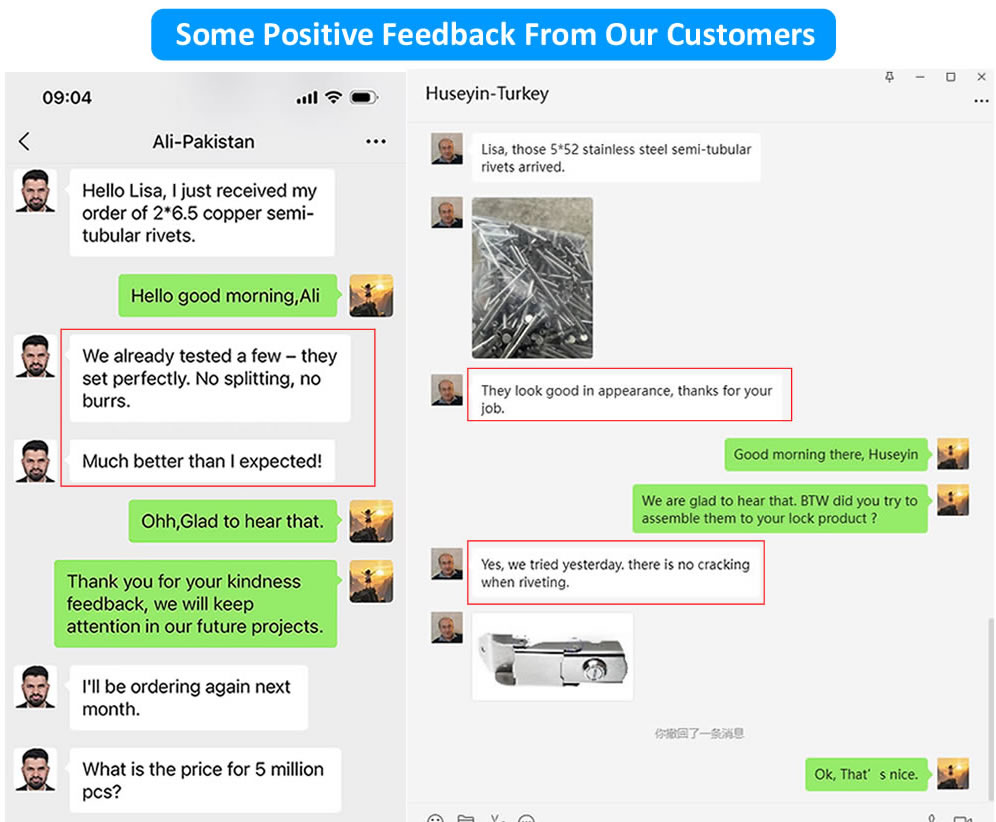
Manufacturers who use our brass countersunk head rivets come back to us for consistent quality and reliable delivery. Here is what they tell us:
"The heads sit flush every time – no proud heads, no recessed heads." – Marine electronics manufacturer
"The semi‑tubular design cut our assembly time by 40%." – Automotive interior supplier
"We have been ordering from Nuote Metals for three years. The quality has never varied." – Aerospace panel assembler
"The brass finish matches our hardware perfectly – no plating mismatch issues." – Architectural hardware brand
We work with manufacturers in marine electronics, automotive interiors, aerospace panels, sheet metal fabrication, electrical enclosures, and architectural hardware – across North America, Europe, and Asia.

Two Questions We Answer Often
Q: "Does a countersunk head weaken the material around the hole – and how do I prevent that?"
A: A properly designed countersunk joint does not weaken the material – it actually improves stress distribution by eliminating the stress concentration that occurs when a protruding head acts as a lever. However, there are two risks to watch for. First, the countersink itself removes material, so if the material is too thin (under 1.0mm), the remaining material may not be strong enough. For thin materials, we recommend flat head rivets instead. Second, the countersink must be the correct depth – too deep, and the head sits below the surface, creating a sharp edge that can weaken the hole; too shallow, and the head sits proud. We recommend a countersink depth that allows the head to sit 0.05–0.10mm below the surface for the best flush fit. The semi‑tubular design also helps because the lower setting force reduces stress on the material during installation.
Q: "What is the temperature range for brass countersunk head rivets – and will they hold up in marine environments?"
A: Brass C2680 performs well in marine environments and maintains its mechanical properties up to approximately 200°C. In saltwater exposure, brass develops a protective patina that actually protects the underlying metal from further corrosion – it does not rust like steel. For marine applications, brass is often preferred over steel because steel plating eventually fails in saltwater, while brass's corrosion resistance is inherent. For continuous service above 200°C, we recommend switching to stainless steel countersunk head rivets. For the marine instrument panel case above, the brass rivets performed without corrosion after 12 months of saltwater exposure.
Hot Tags: Brass Countersunk Head Rivets,China Countersunk Head Rivets,Countersunk Head Rivets Supplier
Related Categories
Send Inquiry
Please feel free to fill your inquiry in the form below. We will reply you in 24 hours.



X
We use cookies to offer you a better browsing experience, analyze site traffic and personalize content. By using this site, you agree to our use of cookies.
Privacy Policy