
Products
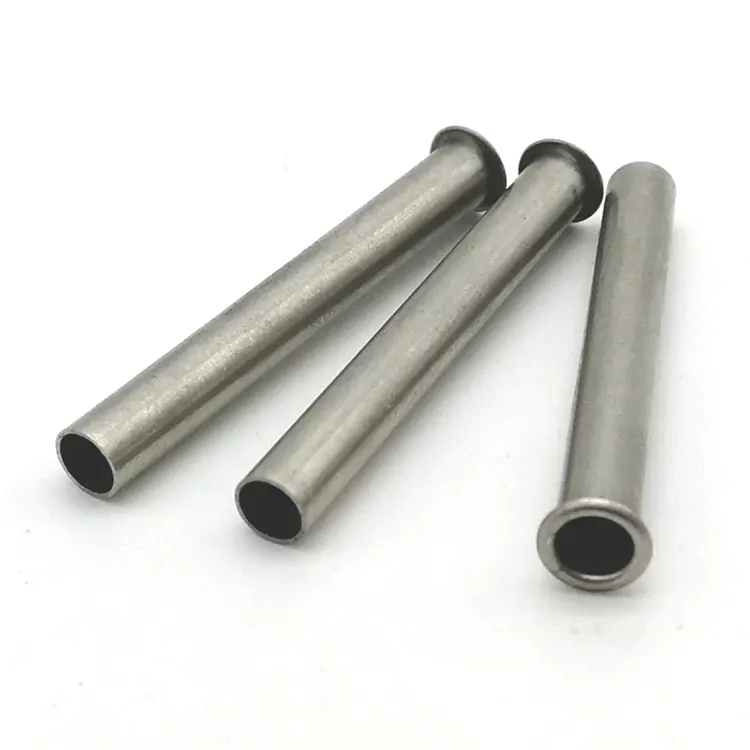
Brass Pan Head Rivets
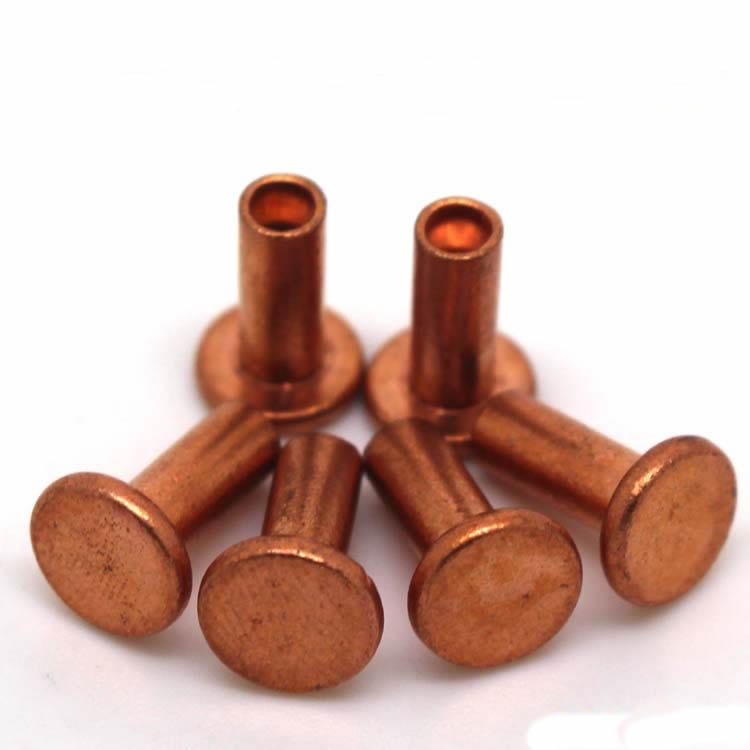
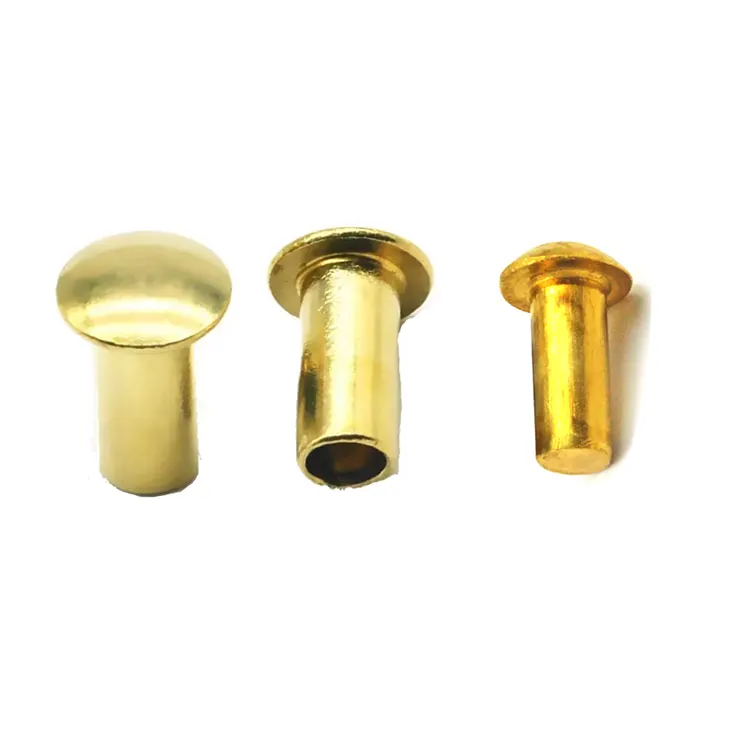
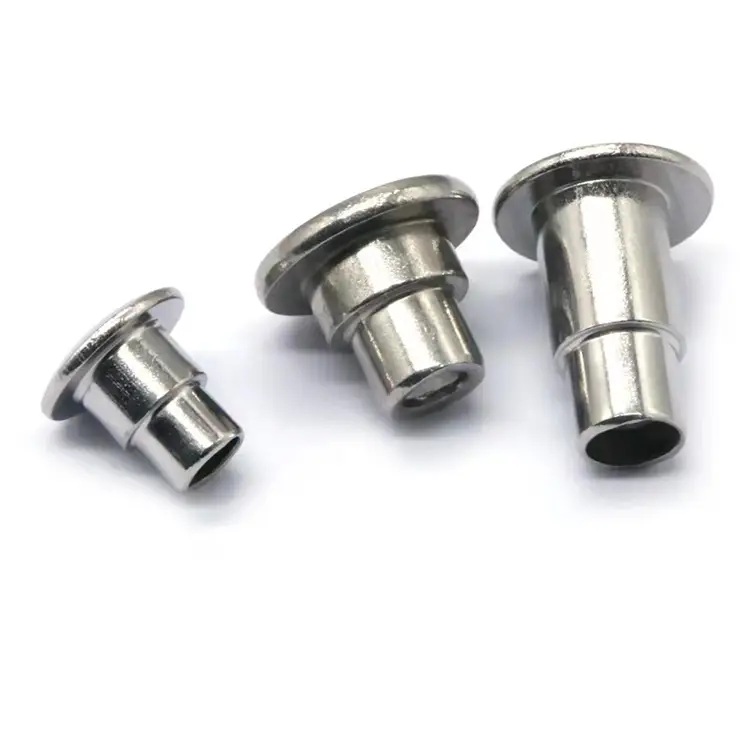
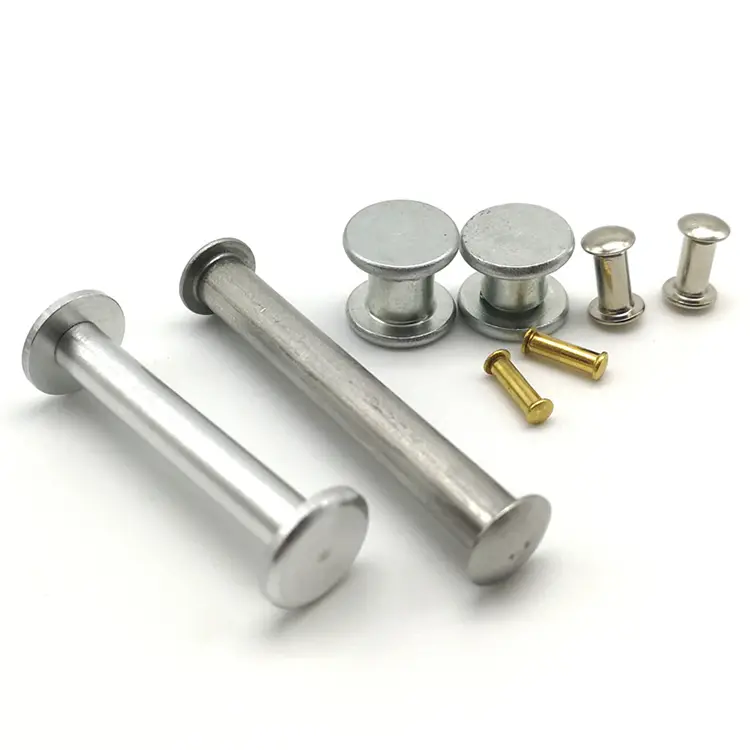
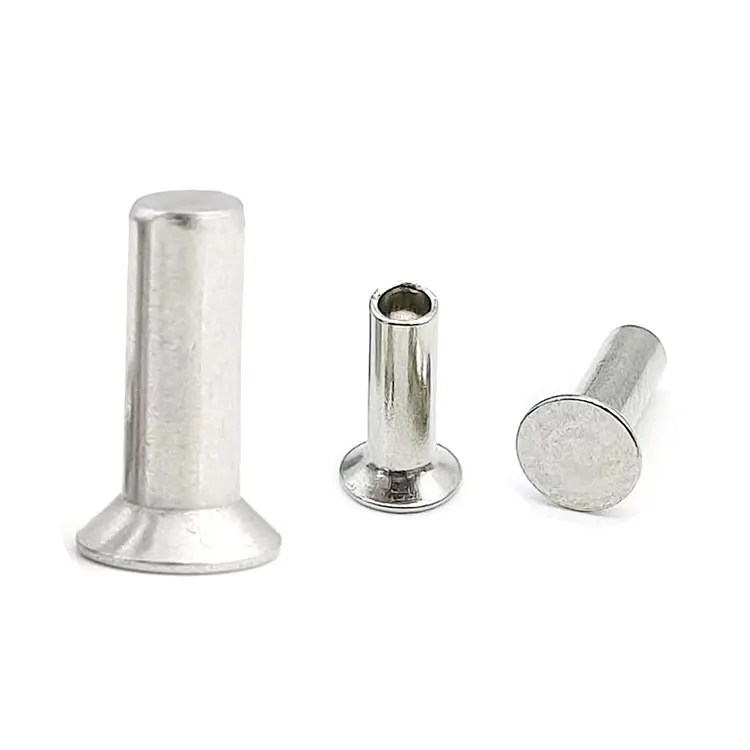
Nuote Metals specializes in the production of brass pan head rivets. Our rivets are made of H65 brass, which has a high brass content, is soft and easily formed, and is less likely to crack during the riveting process. Brass pan head rivets consist of a head and a shank, with the shank being hollow for approximately half its length. During installation, the rivet is inserted into a pre-drilled hole. Using a specialized riveting machine and punch, the end of the shank expands and forms the head on the other side, creating a clamping connection. This process relies on plastic deformation of the metal, eliminating the need for welding or adhesives, making it simple and efficient.
Send Inquiry
Product Description
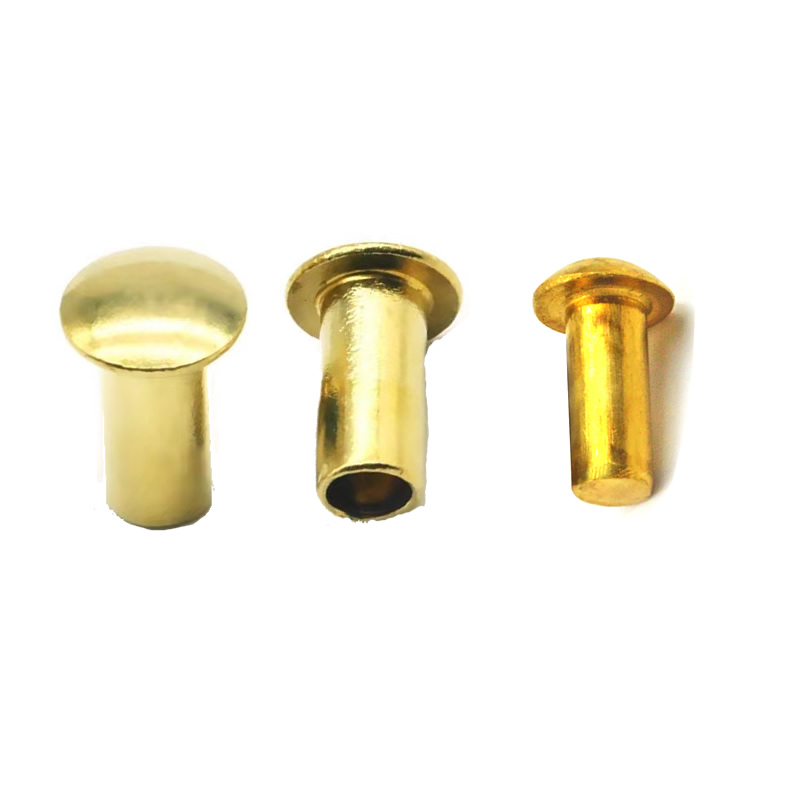
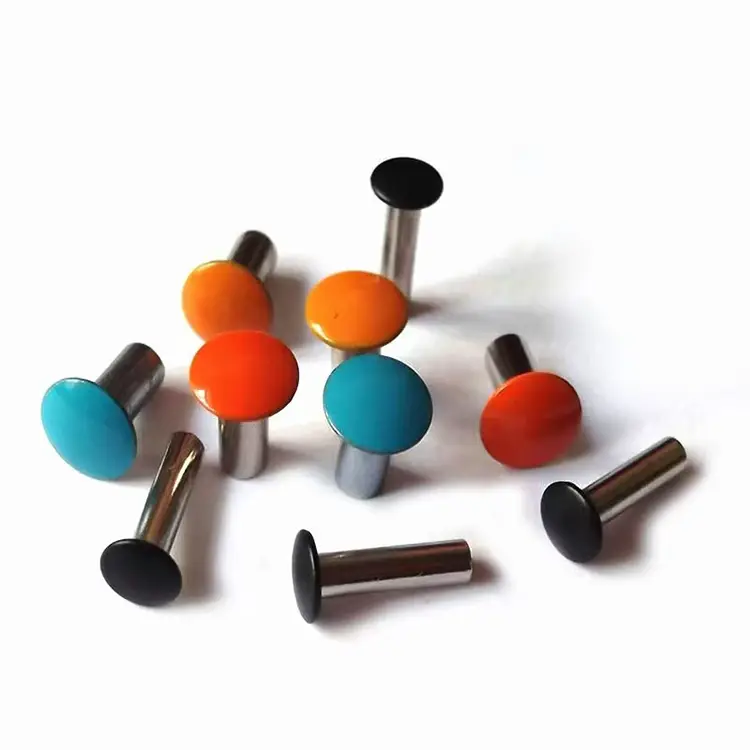
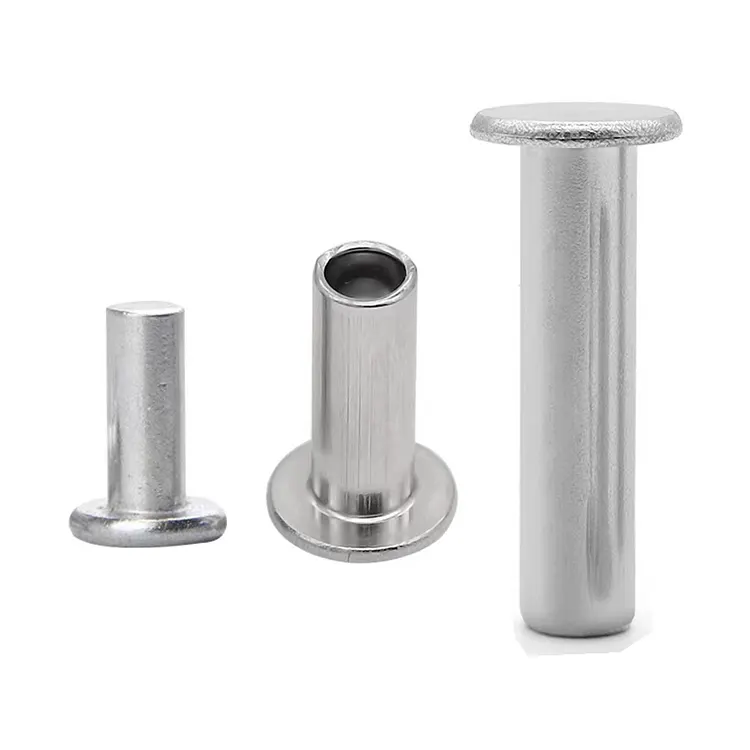
Brass pan head rivets are what you specify when a round head looks too industrial and a flat head looks too minimal. The straight sidewall gives them a clean, finished appearance that looks intentional on visible assemblies. They have a wider bearing surface than round heads – 1.8–2.2 times the shank diameter versus 1.6–1.8 – and a lower profile.
Made from C2680 brass, they offer corrosion resistance, a warm gold color, and good electrical conductivity. Available in both solid and semi‑tubular designs, you can choose the version that matches your strength requirements and production speed.
Brass vs. Steel vs. Stainless vs. Aluminum – How Pan Head Compares
When you are selecting a pan head rivet, the material choice is as important as the head style. Here is how brass compares to other common materials:
| Feature | Brass (C2680) | Steel (Low‑Carbon) | Stainless Steel (304) | Aluminum (5052) |
|---|---|---|---|---|
| Corrosion resistance | Good – natural patina | Depends on plating | Excellent – self‑healing | Good – natural oxide |
| Appearance | Warm gold | Silver (plated) | Bright silver | Silver |
| Electrical conductivity | ~28% IACS | ~10% | <5% | ~61% |
| Strength | 315–390 MPa | 400–500 MPa | 620–750 MPa | 220–280 MPa |
| Magnetic | Non‑magnetic | Magnetic | Slightly | Non‑magnetic |
| Cost | Medium | Lowest | Highest | Medium |
| Best for | Decorative, visible, electrical, marine | Industrial, high‑volume, cost‑sensitive | Outdoor, marine, food, medical | Lightweight, non‑magnetic |
Why choose brass? Brass offers a combination that steel, stainless, and aluminum cannot match: corrosion resistance without plating, a warm gold appearance that ages well, and good conductivity – all at a reasonable cost. Steel is stronger and cheaper but rusts. Stainless is stronger and corrosion‑resistant but expensive and less conductive. Aluminum is lighter but weaker. Brass is the middle ground – not the strongest, not the cheapest, but often the most suitable for visible and functional applications.
Solid vs. Semi‑Tubular – Which Design Do You Need?
| Feature | Brass Pan Head Solid Rivet | Brass Pan Head Semi‑Tubular Rivet |
|---|---|---|
| Tail design | Fully solid | Partially hollow (45–55% of length) |
| Setting force | 100% | 25–30% of solid |
| Shear strength | Maximum (100%) | 80–90% of solid |
| Installation speed | Slower, heavy press | Fast, automated |
| Best for | Structural, maximum strength, high‑load | High‑volume, thin materials, fast assembly |
Choose solid for structural joints where maximum strength is required. Choose semi‑tubular for high‑volume production, thin materials, and faster assembly lines.
Materials and Finishes – What We Offer
Material: C2680 brass (64.0–68.5% Cu, 31.5–36.0% Zn). Offers good formability, corrosion resistance, non‑magnetic properties, and ~28% IACS conductivity.
Available finishes: Natural lacquered, nickel‑plated, tin‑plated, antique, plain.
One Real Application – Commercial Coffee Machine Housing
A manufacturer of commercial coffee machines needed visible rivets on the outer housing that looked premium – not industrial. Round heads were too bulky. Flat heads lacked visual presence. The design team wanted a rivet that would look intentional and finished.
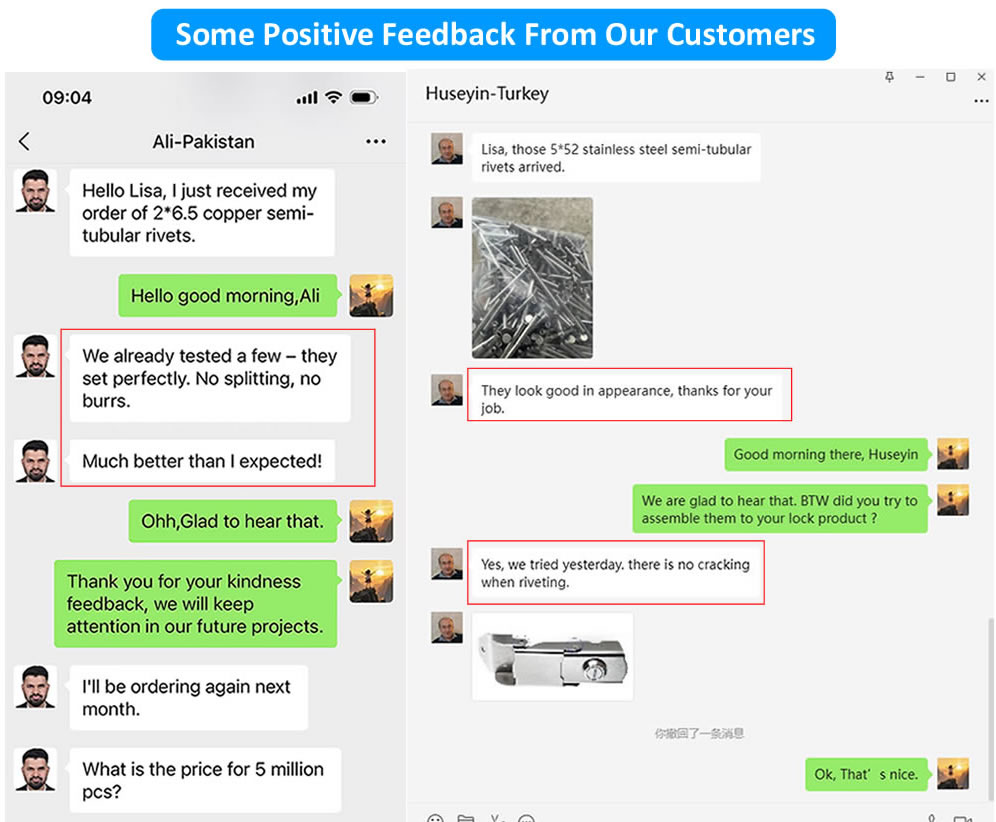
We supplied stainless steel pan head semi‑tubular rivets – 4.0mm shank, 8.0mm head, 8.0mm barrel length, passivated finish. The straight sidewall gave the housing a clean, finished look. The pan head sat lower than the round head, clearing the internal mechanism. The semi‑tubular cavity cut setting force from 3.5 tons to 1.0 ton – no deformation of the thin housing panels. The customer tested 500 rivets across 100 machines. After field testing, no loosening, no corrosion. They now order brass pan head rivets in batches of 100,000 pieces annually.
About Our Company – How We Produce Brass Pan Head Rivets
We are a Dongguan‑based fastener manufacturer with over a decade of experience in cold heading. Our facility runs 45 cold‑heading machines capable of producing rivets from 0.8mm to 10mm in diameter, in both solid and semi‑tubular designs.
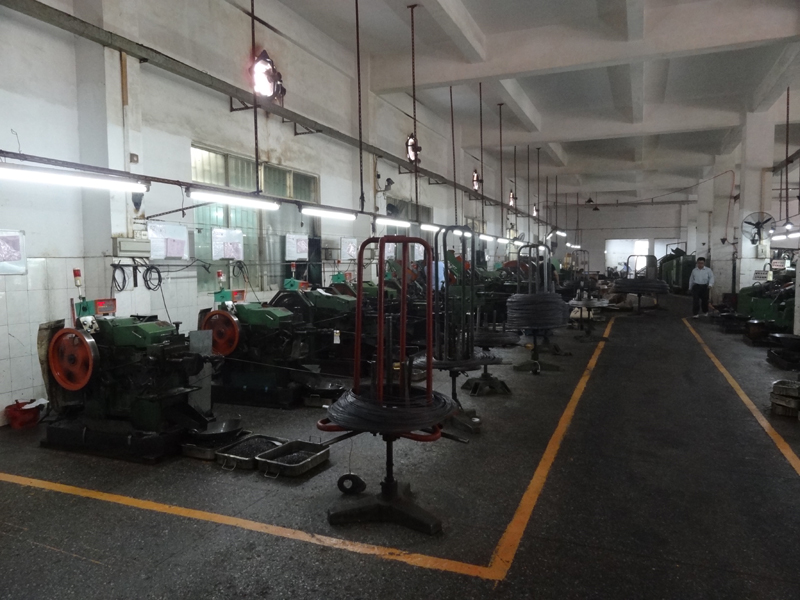
Our production process:
1. Material Procurement – We purchase certified C2680 brass wire from approved mills. Each coil comes with a mill test certificate and heat number for full traceability.
2. Incoming Inspection – Wire is checked for diameter (±0.02mm), hardness, and material composition. Spectrometer verifies C2680 grade. Out‑of‑spec material is rejected before production begins.
3. Cold Heading – The wire feeds into a multi‑station cold header. In a single continuous sequence: wire is drawn to exact shank diameter, cut to precise blank length, squared, and formed into the pan head with its straight sidewall. For semi‑tubular rivets, a third blow extrudes the cavity at 45–55% depth.
4. Trimming – Flash around the head edge is removed for a clean, burr‑free finish.
5. Tumbling & Deburring – Micro‑burrs are eliminated and surface is prepared for finishing.
6. Plating or Lacquering – Applied as specified – natural lacquered, nickel‑plated, tin‑plated, or antique.
7. Final Inspection – 100% optical sorting for critical dimensions. AQL sample manually verified. Dimensional report, material certificate, and Certificate of Conformance issued.
8. Packaging & Shipping – Packed to your requirements. Full documentation enclosed.
Sample lead time: 5–7 days standard; custom tooling: 15–20 days.
Why Customers Choose Us – Quality You Can Rely On
Manufacturers who use our brass pan head rivets come back to us for consistent quality and reliable delivery. Here is what we do to earn that trust:
Material traceability – Every coil of C2680 brass wire comes with a mill test certificate and heat number. We can trace every batch back to the original melt.
Cold heading expertise – Our senior technicians have an average of 10+ years of experience forming brass rivets, including the precise straight sidewall geometry of pan heads.
In‑process inspection – Operators pull samples every 500 pieces. Head geometry, shank diameter, and cavity depth (for semi‑tubular) are checked in real time.
100% optical sorting – Every rivet passes through a high‑speed optical sorting machine before packaging. Rejects are automatically ejected.
Full documentation – Every shipment includes a dimensional inspection report, material certificate, and Certificate of Conformance.
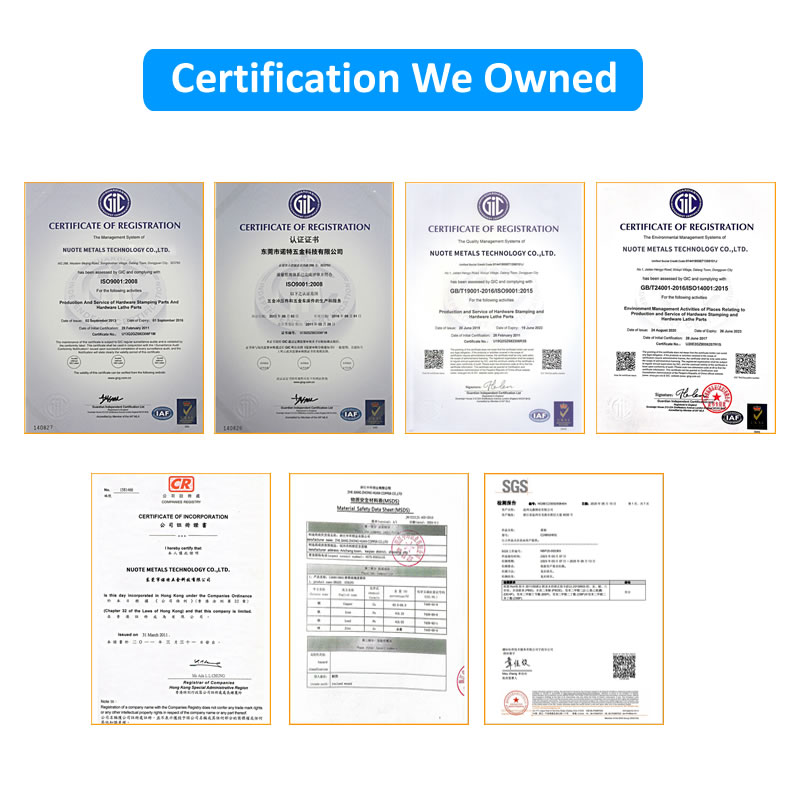
ISO 9001:2015 certified – Our quality management system is certified.
We work with manufacturers in commercial appliances, furniture, automotive interiors, electronics enclosures, medical equipment, and architectural hardware – across North America, Europe, and Asia.
Two Questions We Answer Often
Q: "What is the typical lead time for custom brass pan head rivets – and how does it compare to standard sizes?"
A: For standard sizes (0.8–8.0mm shank, common head diameters), sample lead time is 5–7 days and production lead time is 10–15 days after sample approval. For custom head diameters, non‑standard shank sizes, or special finishes requiring new tooling, tooling fabrication takes 15–20 days, followed by sample production. The total lead time from drawing submission to sample delivery is typically 20–25 days for custom tooling. We will always confirm the timeline when we quote – if your project is urgent, we can discuss expedited options.
Q: "Can brass pan head rivets be used in high‑temperature applications – what is the temperature limit?"
A: Brass C2680 maintains its mechanical properties up to approximately 200°C. At higher temperatures, the material begins to soften and lose strength. For continuous service above 200°C, we recommend switching to steel or stainless steel pan head rivets. For short‑term exposure (under 1 hour), brass can withstand up to 300°C, but we do not recommend this for load‑bearing applications. If your application involves soldering or brazing, please note that high‑temperature processes can affect the temper of the brass. For commercial appliances like coffee machines – which typically operate at 80–100°C – brass is well within its safe temperature range.
Hot Tags: Brass Pan Head Rivets
Related Categories
Send Inquiry
Please feel free to fill your inquiry in the form below. We will reply you in 24 hours.



X
We use cookies to offer you a better browsing experience, analyze site traffic and personalize content. By using this site, you agree to our use of cookies.
Privacy Policy