
Products
Iron Flat Head Rivets
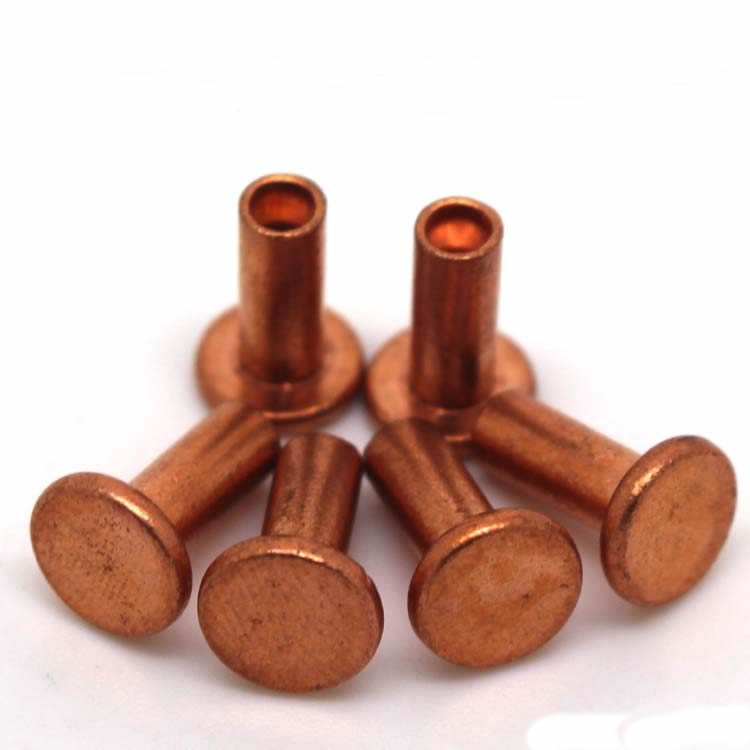
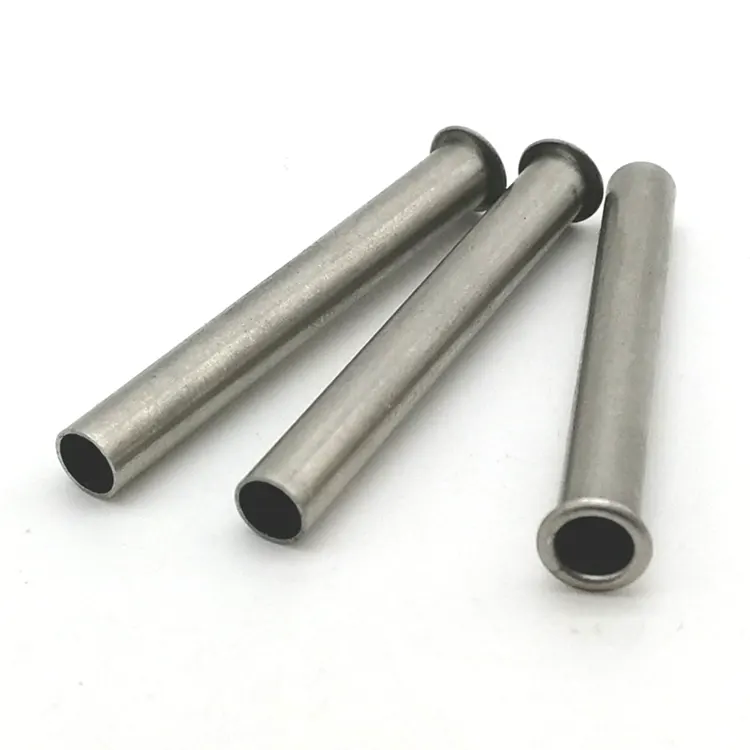
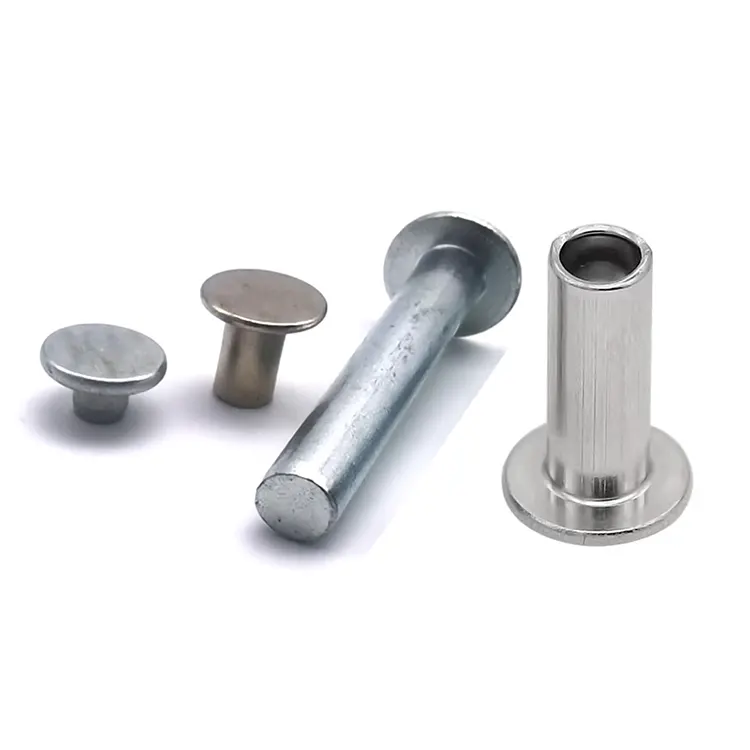
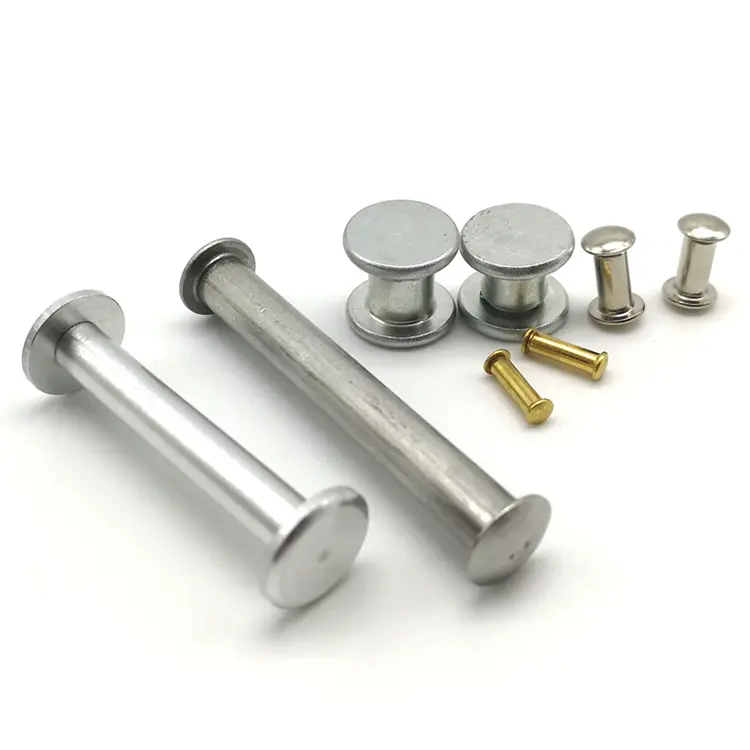
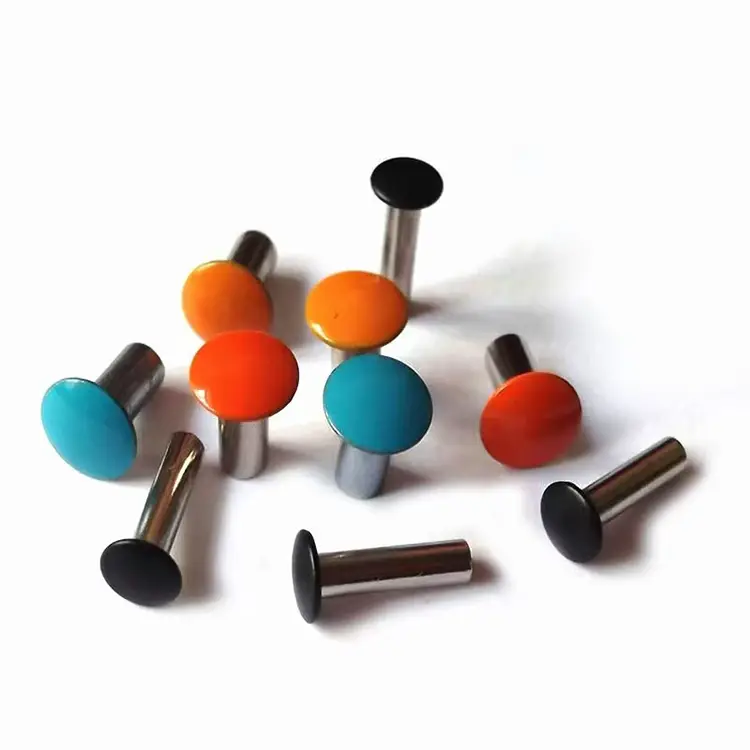
As a common mechanical connector, iron flat head rivets occupy an important position in multiple industrial fields due to their design features and wide range of applications. Structurally, the rivet head is flat, disc-shaped, and the body is cylindrical. The end is specially processed to form an upset structure. After installation, pressure or impact causes the body to expand, forming a mechanical engagement with the hole wall to achieve a tightening effect. Compared to round head rivets or countersunk head rivets, the flat head design has significant advantages in force distribution and contact area. For example, when subjected to shear force, its disc-shaped head can disperse the load to a larger area, effectively reducing the pressure per unit area.
Send Inquiry
Product Description
A flat head rivet does not demand a countersink. It sits about 0.8–1.2mm above the surface – low enough for clearance‑limited assemblies, but without the extra machining step of a countersunk head. It is the practical low‑profile fastener.
Iron flat head rivets take that practical design and add the most important feature for industrial production: cost‑effectiveness. Low‑carbon steel is the strongest material per dollar spent, making it the default choice for high‑volume manufacturing. Iron is strong, it is affordable, and with the right finish, it works in most environments.
If your budget is tight and your production volume is high, iron flat head rivets are the logical answer.

Iron vs. Steel – A Quick Clarification
In the fastener industry, “iron” and “steel” generally refer to the same product – a rivet made from low‑carbon steel (1008, Q195, SPCC grades). The term “iron” is historical; “steel” is more precise. At Nuote Metals, we use both. The material is the same. The difference is the search term – and the page you are reading exists because some customers search for “iron,” others for “steel.”
Why iron matters: It delivers 400–500 MPa tensile strength at the lowest cost of any common rivet material. That is the combination that keeps industrial production lines profitable.
Solid vs. Semi‑Tubular – Choose the Right Design
Iron flat head rivets are available in two designs.
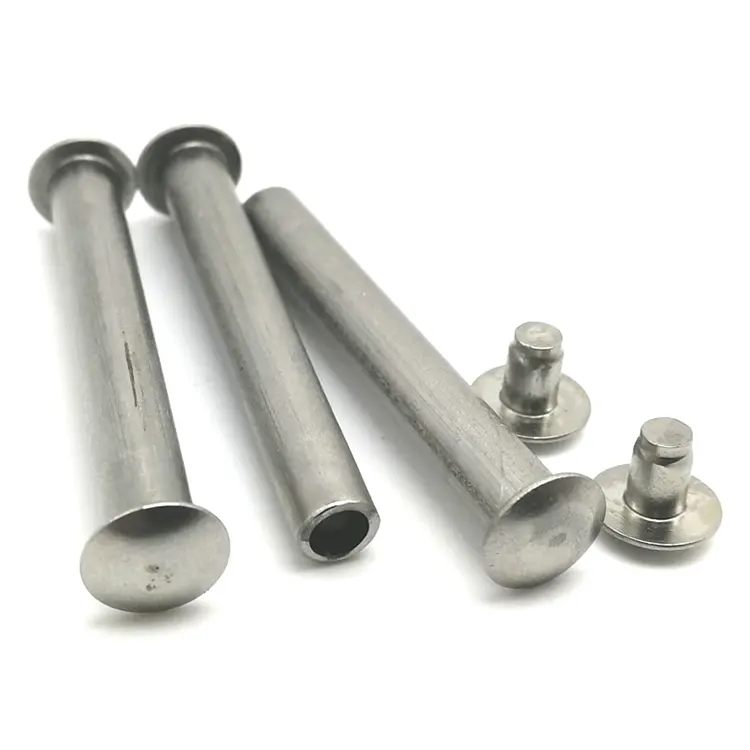
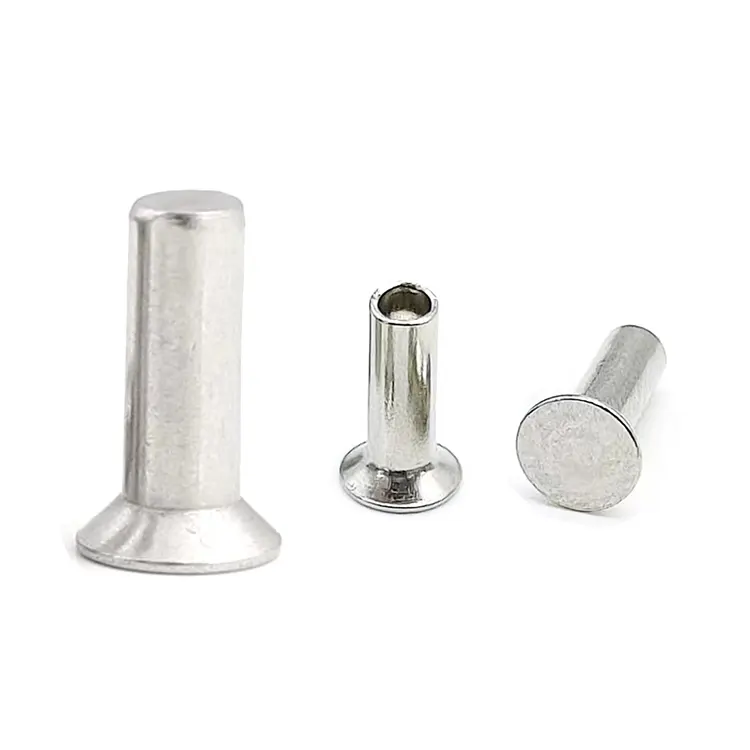
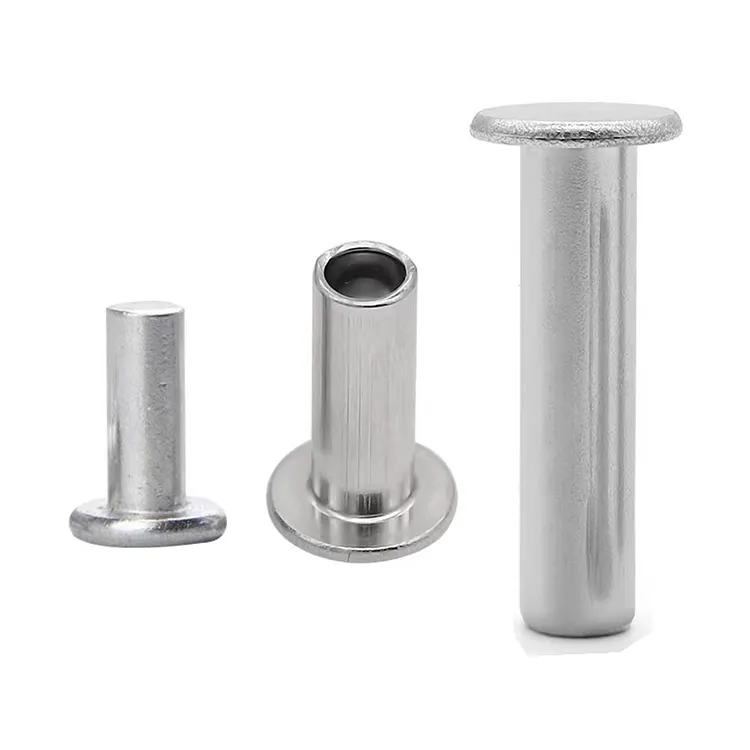
A solid rivet is fully solid – the entire shank deforms during installation, delivering maximum shear and tensile strength. This is the right choice for structural joints, load‑bearing assemblies, and applications where failure is not an option. Solid iron rivets in single shear offer approximately 38,000 psi.
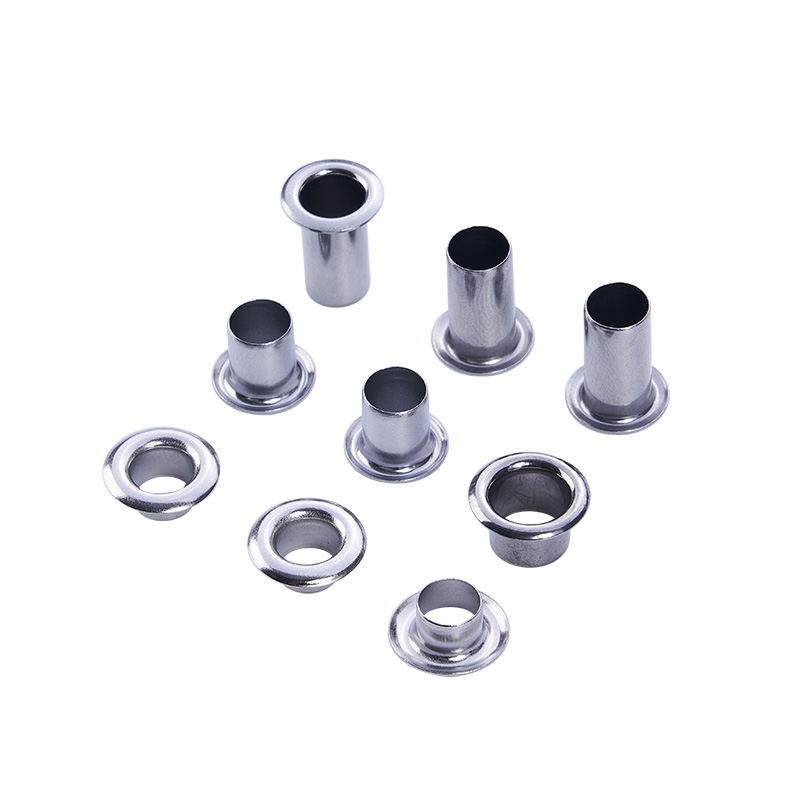
A semi‑tubular rivet has a shallow cavity at the tail (45–55% of barrel length). Only the thin wall of this hollow section rolls outward during installation, requiring about 70% less setting force. It retains 80–90% of solid rivet strength, but installs much faster and is gentler on thin or delicate materials.
Choose solid for structural joints where maximum strength is required. Choose semi‑tubular for high‑volume production, thin materials, and faster assembly lines.


One Real Application – Industrial Conveyor Frame Assembly
A manufacturer of heavy‑duty conveyor systems needed a low‑cost, high‑strength fastener for assembling steel frame sections. The frames were subject to continuous vibration and heavy loads – previous semi‑tubular rivets loosened over time. The customer needed a permanent fastener that would not loosen under vibration, at a price that made sense for high‑volume production.
We supplied zinc‑plated iron flat head solid rivets – 6.0mm shank, 11.0mm head, 20.0mm overall length. The solid construction delivered permanent clamping force that would not loosen under vibration. The flat head sat low on the frame surface, clearing adjacent components. The zinc plating provided corrosion protection for the industrial environment. The customer tested 500 rivets across 100 conveyor sections. After 12 months of continuous operation, zero loosening, zero failures. They now order iron flat head rivets in batches of 300,000 pieces annually.
Where Iron Flat Head Rivets Are Used
Iron flat head rivets are used across a wide range of heavy‑duty and industrial applications:
- Industrial equipment – Machinery frames, conveyor systems, structural connections
- Furniture manufacturing – Heavy‑duty frames, hinge assemblies, industrial shelving
- Automotive – Frame components, suspension parts, structural assemblies
- Construction – Steel structure connections, architectural hardware
- Rail components – Structural connections, panel assemblies
- Gates and fences – Metal gate assemblies, fence panel connections
- Agricultural equipment – Implement assemblies, frame connections
Materials and Finishes – What We Offer
Material: Low‑carbon steel (1008 / Q195 / SPCC). Tensile strength: 400–500 MPa.
Available finishes:
| Finish | Appearance | Corrosion Protection | Best For |
|---|---|---|---|
| Plain (uncoated) | Raw steel | None | Indoor, dry environments |
| Zinc‑plated (clear) | Silver | 48 hrs salt spray | Indoor general use |
| Zinc‑plated (yellow) | Gold tint | 96 hrs salt spray | Sheltered outdoor |
| Nickel‑plated | Bright silver | 96 hrs salt spray | Consumer products, visible hardware |
| Black oxide | Matte black | 24 hrs salt spray | Anti‑glare, industrial |
If your application is continuously wet or in a coastal environment, we recommend switching to stainless steel flat head rivets. For everything else, iron with the right finish works.
About Nuote Metals – Company and Rivet Production
We are a Dongguan‑based fastener manufacturer with over a decade of experience in cold heading. Our facility runs 45 cold‑heading machines capable of producing rivets from 0.8mm to 10mm in diameter, in both solid and semi‑tubular designs. We hold ±0.05mm tolerances on standard dimensions and stock over 3,000 sizes for rapid sampling and production.
We ship to manufacturers across North America, Europe, Asia, and beyond.

Our Inspection Equipment – How We Verify Quality
We do not rely on random sampling. Every batch of iron flat head rivets is verified using calibrated inspection equipment:
Laser micrometer – High‑speed, non‑contact shank diameter measurement to ±0.02mm
Optical comparator (profile projector) – Head geometry, diameter, height, and profile inspection
2.5D image measuring system – Full contour measurement and concentricity verification
Rockwell hardness tester – Raw material and finished product hardness verification
Spectrometer – Material composition verification
Salt spray test chamber – Corrosion resistance testing (ASTM B117) when required
XRF thickness gauge – Plating thickness verification
All equipment is calibrated annually by accredited third‑party laboratories. Inspection records are retained for five years and included with every shipment.

Three Questions We Answer Often
Q: "Can I get samples for testing – what is the lead time and cost?"
A: Yes. For standard stocked specifications, samples are free – you only pay shipping. Sample lead time is 5–7 days for standard sizes. For custom sizes or custom tooling, contact our sales team for sample cost and timeline.
Q: "What is your minimum order quantity (MOQ) for iron flat head rivets?"
A: Our standard MOQ for iron flat head rivets is 20,000 pieces. This applies to standard sizes and finishes. For custom sizes, special finishes, or non‑standard head dimensions, the MOQ may be higher – typically 50,000 pieces – due to tooling and setup costs. We recommend starting with a trial order of 20,000 pieces to validate the rivets in your production line before committing to larger volumes. For customers with annual volumes exceeding 500,000 pieces, we offer volume discounts and consignment stock arrangements. Contact our sales team with your specific requirements – we will provide a clear quote with MOQ, lead time, and pricing.
Q: "What is the recommended setting force for iron flat head rivets – and how do I adjust it for different thicknesses?"
A: For a 5mm solid iron flat head rivet, the recommended setting force is approximately 3.5 tons. For semi‑tubular, it drops to about 1.0–1.2 tons – 70% less. As a general rule, the setting force increases with the shank diameter. For thicker material stacks, use a barrel length 1.5–2.0mm longer than your total material thickness. If you are unsure, start with a test piece and adjust the press pressure until the clinch forms cleanly without cracking. We can recommend optimal setting forces for your specific rivet size and material thickness – send us your specifications.
Hot Tags: Iron Flat Head Rivets,Iron Rivets Supplier,Iron Rivets Manufacturer
Related Categories
Send Inquiry
Please feel free to fill your inquiry in the form below. We will reply you in 24 hours.



X
We use cookies to offer you a better browsing experience, analyze site traffic and personalize content. By using this site, you agree to our use of cookies.
Privacy Policy