
Products
Iron Mushroom Head Rivets
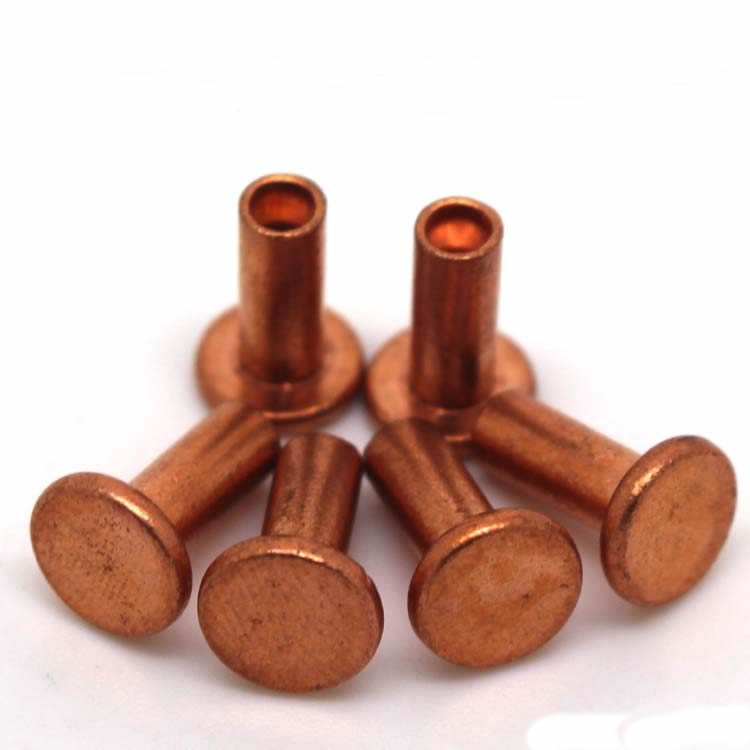
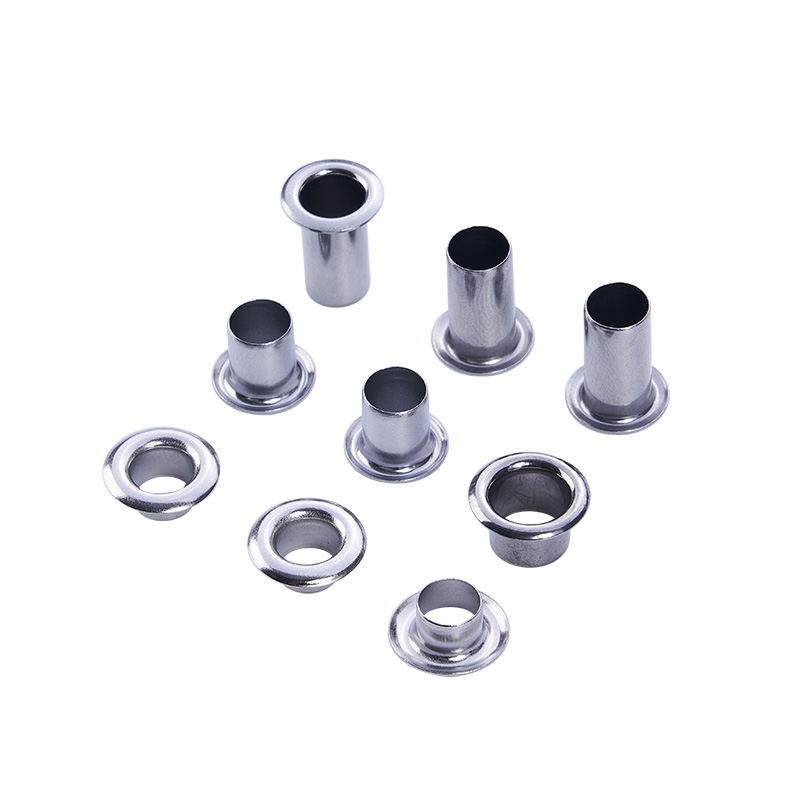
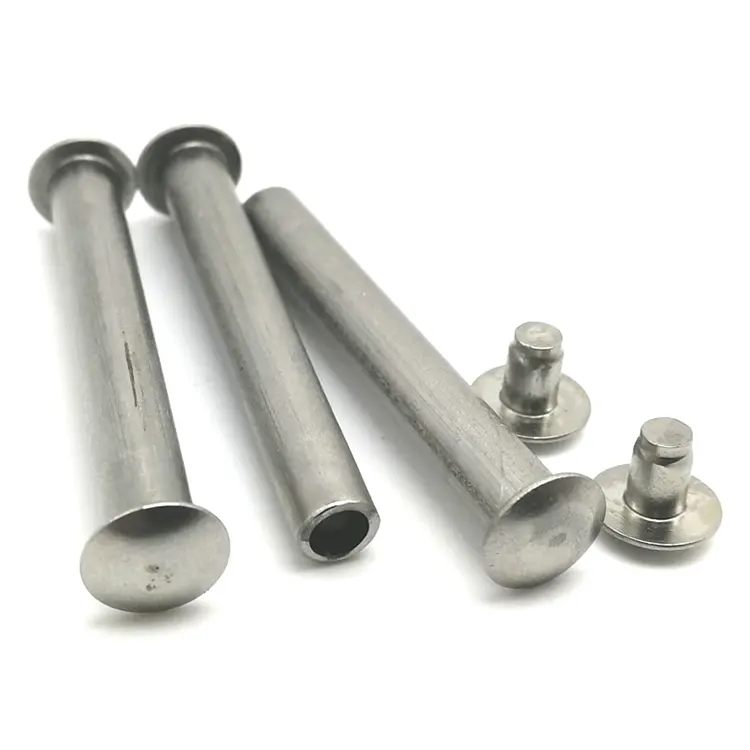
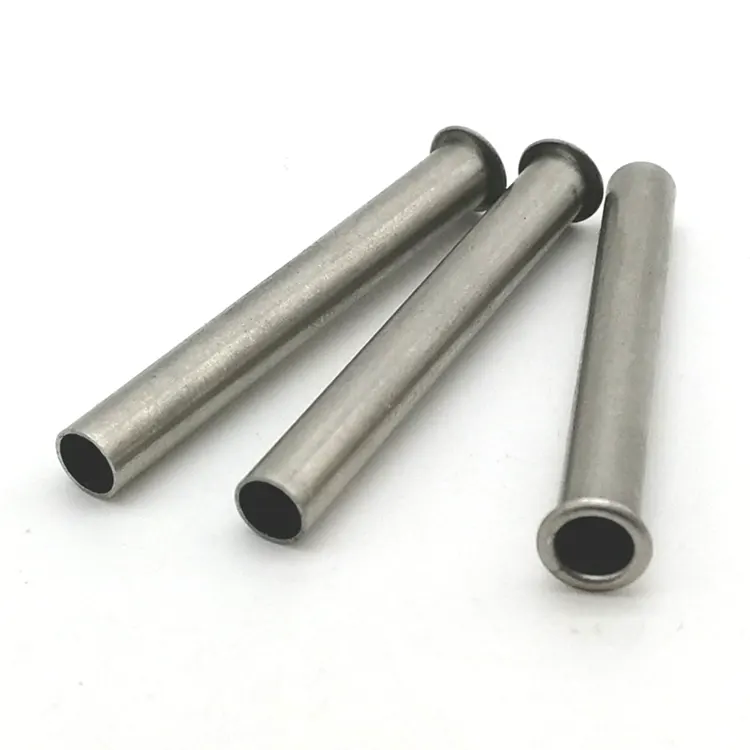
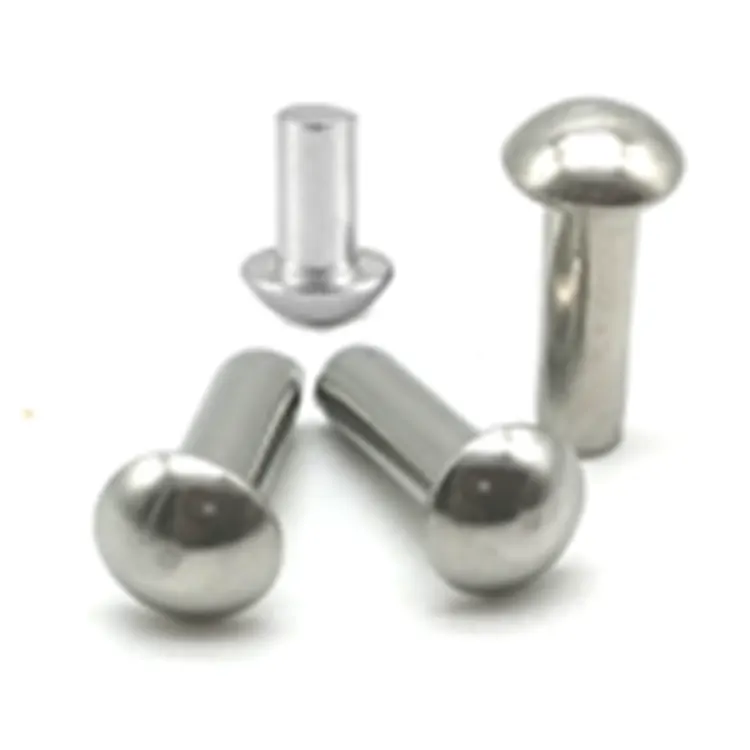
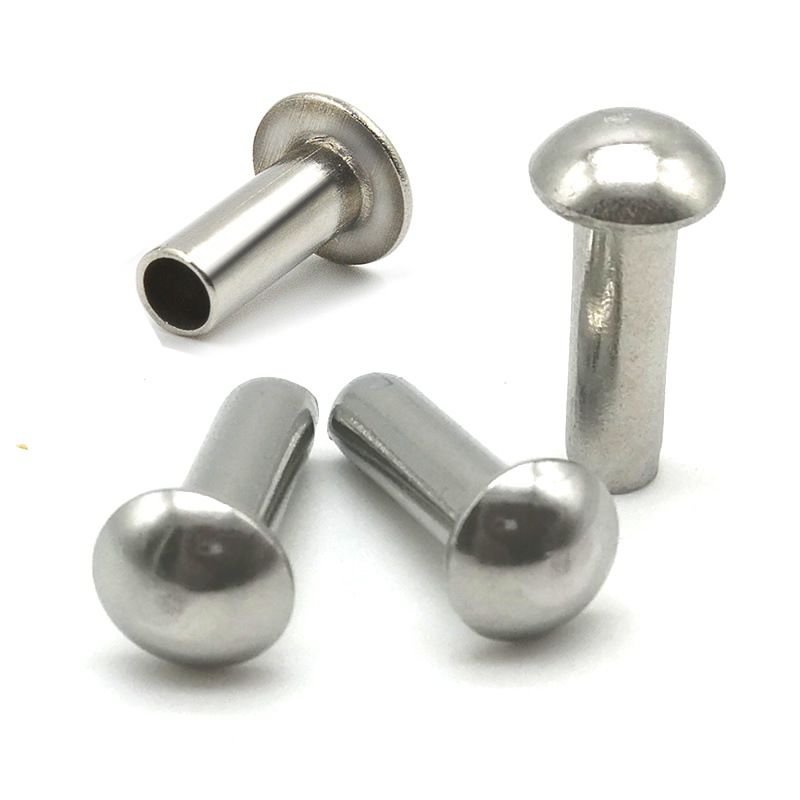
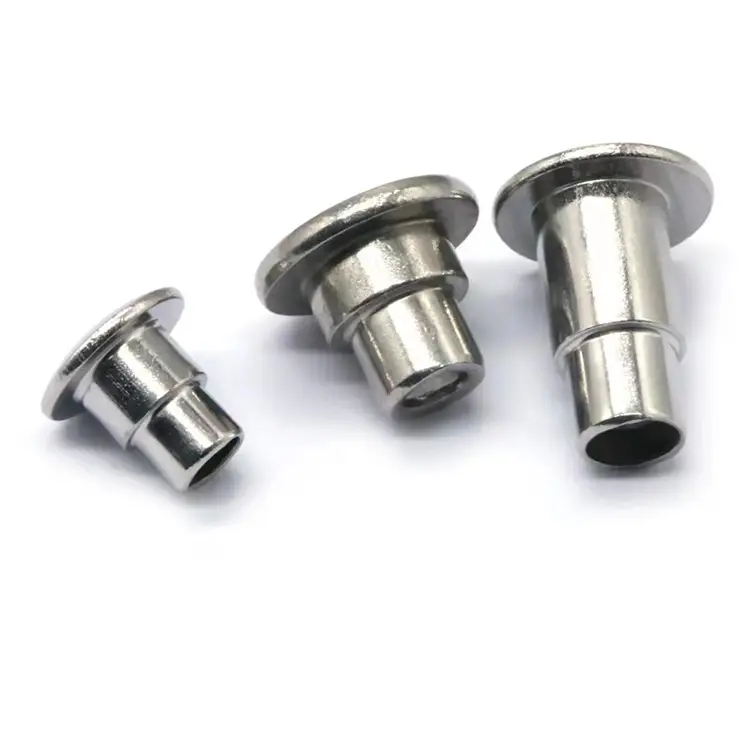
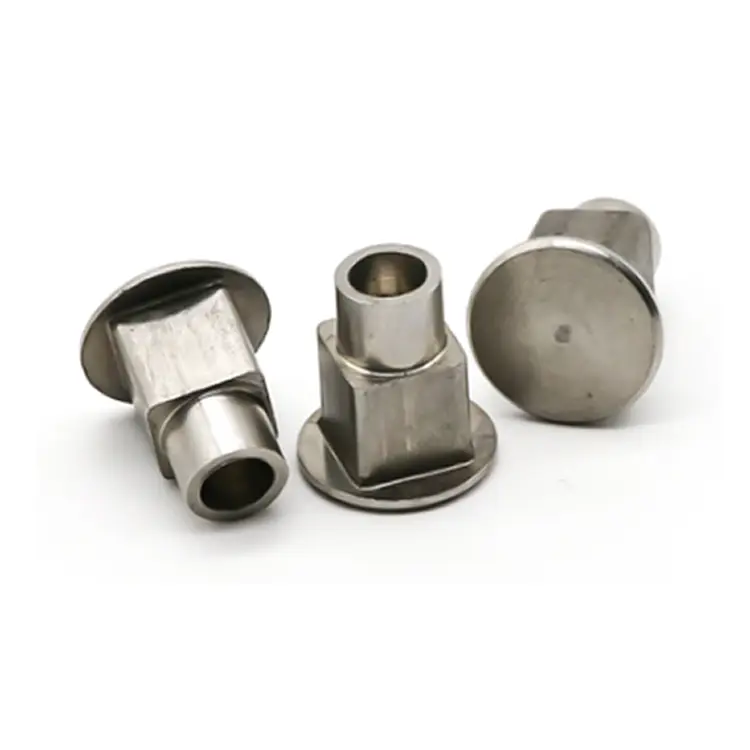
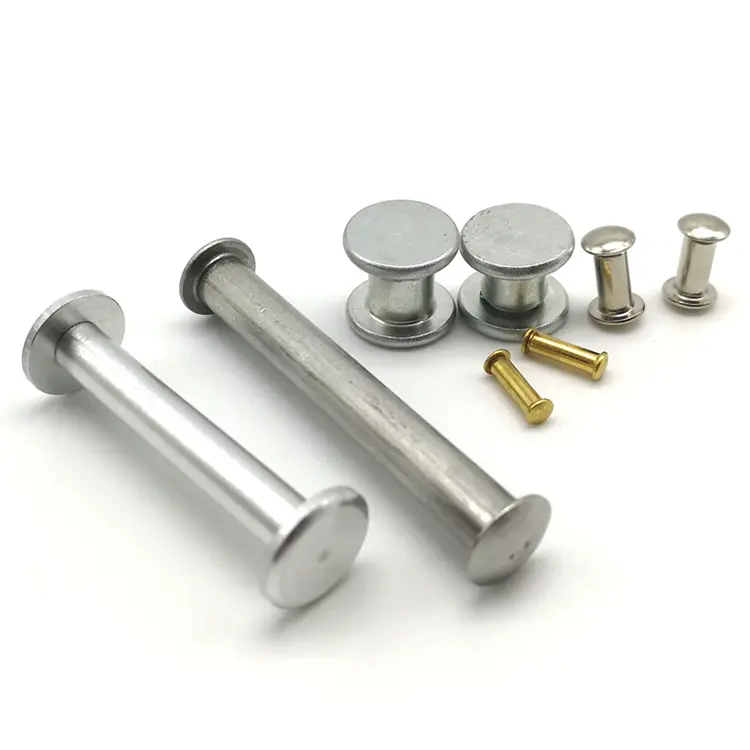
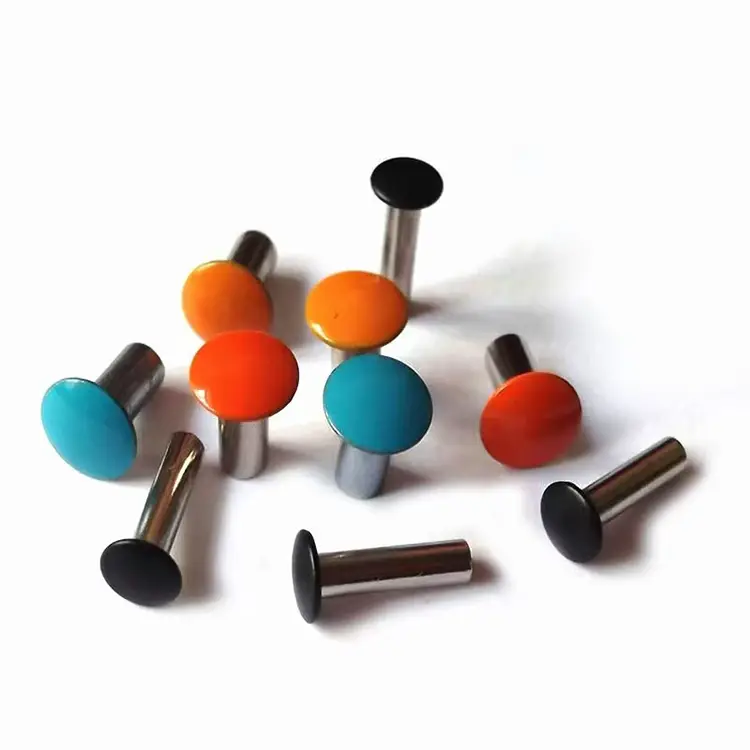
Nuote Metals is a professional rivet manufacturer located in Dongguan, China. Our iron mushroom head rivets, as the name suggests, feature a mushroom-shaped head with either a semi-hollow or solid core. The head is typically larger, providing a good bearing surface. This structure allows for deformation during installation, either through extrusion or specialized tooling, to securely connect two or more materials. Made of iron, they are typically galvanized or treated with other finishes for corrosion resistance.
Send Inquiry
Product Description
When you need to secure large panels, roof sheets, or floor plates without crushing them, standard rivet heads often fall short—they either pull through thin materials or protrude too high and become trip hazards. The Iron Mushroom Head Rivet solves both problems.
At Nuote Metals, we design these fasteners with an exceptionally wide, gently domed head that spreads load like a built-in washer—covering up to 2.5× the shank diameter—while keeping the profile low enough to avoid snagging. This makes them the go-to choice for construction, transportation, and heavy equipment where both load distribution and surface safety matter.
The Mushroom Head Advantage – Wide, Low, and Strong
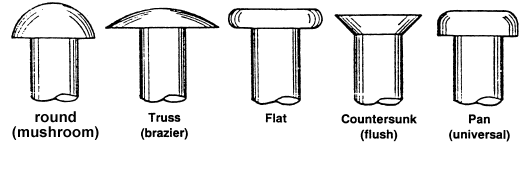
What defines a mushroom head rivet? The name comes from its distinctive shape: a broad, flat-topped dome with a gently radiused edge that resembles a mushroom cap.
Key geometry features:
- Head diameter: 2.0× to 2.5× the shank diameter (widest among common head styles)
- Head height: 0.4× to 0.5× the shank diameter (lower than round head, slightly higher than pan)
- Underside: Flat with a smooth fillet radius at the junction—reduces stress concentration
- Top profile: Broad and slightly domed, not fully flat like a countersunk
Why this matters:
Compared to a round head (1.6×d), the mushroom head offers roughly 50% more bearing area. This extra surface area prevents pull-through in thin sheets and distributes clamping pressure evenly, reducing the risk of material deformation around the hole.
Practical benefit: In many applications, the mushroom head's wide bearing surface eliminates the need for separate flat washers—saving both material cost and assembly time. Nuote Metals offers this design as a direct replacement for round head + washer assemblies in roofing and flooring lines.
Technical Specifications – Iron Mushroom Head Rivets
We manufacture to DIN 674 (mushroom head rivets, solid) and DIN 675 (mushroom head rivets, semi-tubular), with full custom capability.
Combined Dimensional & Mechanical Data
| Parameter | Value / Range | Test Standard / Tolerance |
|---|---|---|
| Shank Diameter (d) | 3 – 20 mm | ±0.1mm (≤10mm) |
| Head Diameter (dk) | 2.0×d to 2.5×d | ±0.3mm |
| Head Height (k) | 0.4×d to 0.5×d | ±0.15mm |
| Radius at head‑shank junction | 0.5×d to 1.0×d | ±0.2mm |
| Length (L) | 5 – 70 mm (custom available) | ±0.5mm |
| Tensile Strength | 330 – 450 MPa | ASTM A31 |
| Yield Strength (Grade A) | ≥160 MPa | ASTM A31 |
| Shear Strength | 250 – 350 MPa | ASTM F606 |
| Hardness | 80 – 95 HRB | Rockwell B |
Note: Larger head diameters require higher forming pressures—Nuote Metals uses multi-stage cold heading to maintain dimensional consistency without stress cracking.
Mushroom vs. Round vs. Pan – A Clear Decision Guide
Rather than a table, here's how the mushroom head fits into your selection process:
Choose Mushroom Head when you need the widest possible bearing surface—particularly for soft materials, thin roof sheets, or floor panels—but also need a lower profile than a round head. The extra width often means no separate washer is required.
Choose Round Head when the joint faces intense vibration and impact—the taller dome offers superior shock absorption and maximum pull-out resistance.
Choose Pan Head when you need wide load distribution on thin sheet metal but the head diameter doesn't need to exceed 2.0×d.
Choose Countersunk when the surface must be perfectly flush with no protrusion at all.
For most construction, roofing, and platform applications, the Iron Mushroom Head Rivet offers the best combination of grip width and low visibility. Nuote Metals can help you decide based on your panel thickness and material hardness.
Solid vs. Semi-Tubular – Which Serves Your Assembly Best?
Both configurations are available, but the choice significantly impacts installation speed and joint strength—especially given the mushroom's wide head.
| Feature | Solid Mushroom Head | Semi-Tubular Mushroom Head |
|---|---|---|
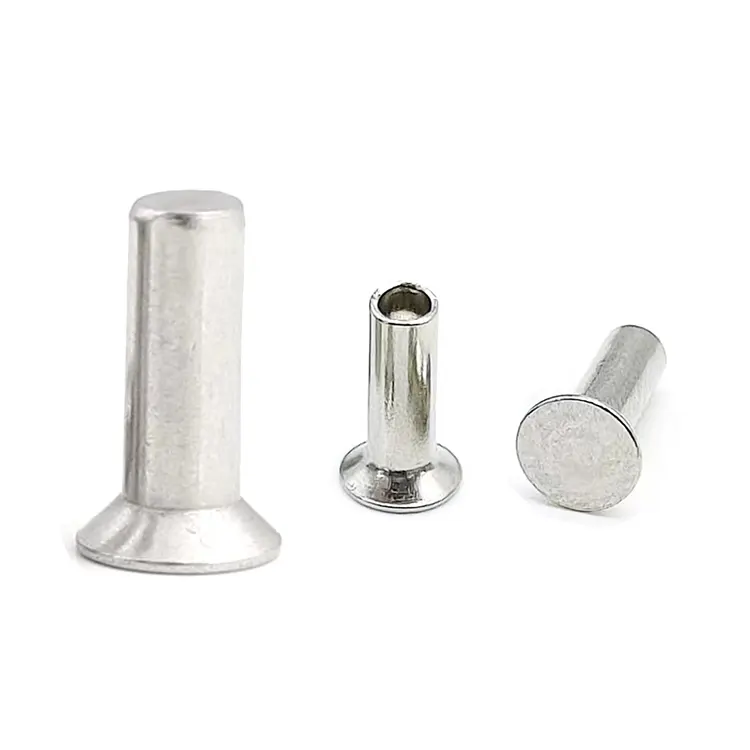
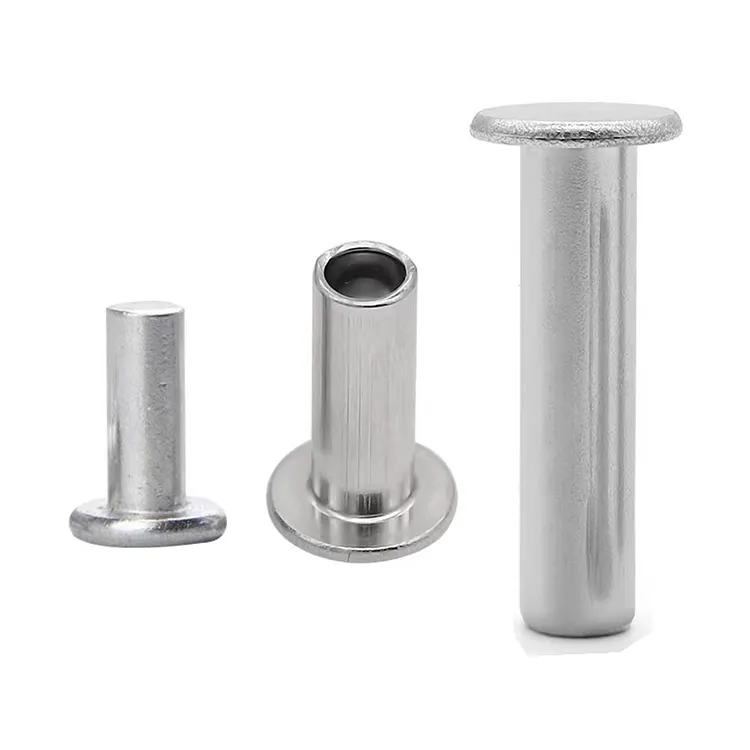
| Shank form | Fully solid through the head | Hollow tip (20–35% depth) |
| Required setting force | 100% (baseline) | 60–65% |
| Shear strength | 100% (maximum) | 80–85% |
| Best application | Heavy structures, safety-critical | Roofing, flooring, high-volume lines |
| Effect on wide head | No risk of deformation | Lower force reduces head distortion |
| Typical setting | Hydraulic press, hot forging | Pneumatic riveting, roll clinching |
Practical note: When using mushroom heads on thin roofing sheets, we recommend semi-tubular—the lower setting force reduces the risk of the wide head "tenting" or lifting the surrounding material during clinching.
Surface Finish Options – Protecting Your Mushroom Head Rivets
Because mushroom head rivets are frequently used in exposed applications like roofs and outdoor platforms, finish selection is critical for long-term service life.
| Finish | Coating Thickness | Salt Spray (hours) | Visual Appearance | Best Use Case |
|---|---|---|---|---|
| Hot-Dip Galvanized | 45–85 μm | 500+ | Matte grey | Roofing, outdoor structures |
| Geomet® / Dacromet | 8–15 μm | 720 | Silver-grey | Marine, high-humidity, zero hydrogen embrittlement |
| Zinc Plated (clear/blue) | 5–8 μm | 72 | Bright metallic | Indoor platforms, general use |
| Black Zinc / Black Oxide | 3–5 μm | 48 | Matte black | Architectural, anti-glare surfaces |
| Plain (uncoated) | – | Low | Raw steel | Temporary or dry indoor applications |
Critical Installation Considerations for Mushroom Heads
The wide head of a mushroom rivet brings unique installation requirements. Follow these guidelines to ensure a perfect set:
- Hole clearance: Maintain d + 0.1–0.3mm—slightly looser than other head styles. The wider head compensates for minor misalignment, but a too-tight hole increases setting force and may cause the head to deform.
- Material stack tolerance: Mushroom heads handle thicker stacks well due to their large underside, but ensure the total thickness is within 70% of the rivet length to allow proper shop head formation.
- Anvil selection: Use a flat anvil with a diameter equal to or larger than the head. A smaller anvil may dent the wide dome surface—a cosmetic defect visible on finished roofs.
- Edge distance: Because the head is so wide, maintain at least 2.0×d from the hole center to the material edge—this prevents edge breakout during setting.
Pro tip from Nuote Metals: We can provide custom anvil specifications and setting parameters to match your rivet line, ensuring consistent head appearance across every batch.
Application-Specific Engineering Experience – Beyond Standard Testing
At Nuote Metals, our expertise with mushroom head rivets comes from solving real roofing, flooring, and panel-fastening challenges for over two decades. We've seen the common pitfalls—head deformation, pull-through in thin sheets, and galvanized coating damage during setting—and we've engineered solutions into every product.
Our unique value:
Real-world simulation: We test our mushroom head rivets on actual panel materials (corrugated steel, fiber-cement sheets, aluminum tread plate)—not just standard test coupons—to validate grip and pull-through performance under field conditions.
Head geometry optimization: For customers with exceptionally thin materials (≤1.5mm), we can increase the head diameter to 2.5×d–2.8×d or reduce the head height to 0.35×d to minimise protrusion while maintaining clamping force.
Coating integrity: Mushroom heads are often hot-dip galvanized. Our HDG process includes a spin-off step that prevents excess zinc buildup at the head-shank junction—a common source of off-center seating and cracking.
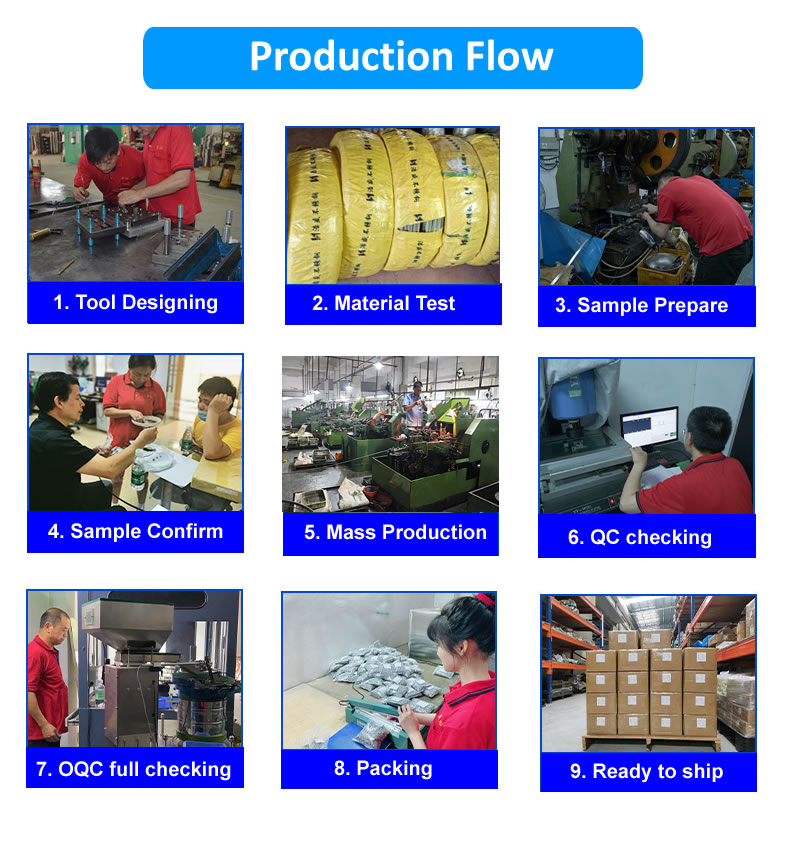
Batch-to-batch consistency: We monitor head diameter, height, and fillet radius at every production stage using optical gauging. Each batch includes a dimensional certificate and, upon request, a setting report showing force curves and shop head dimensions for your specific material stack.
Transparency builds trust: We share setting data, test reports, and even installation videos with our customers—because we believe that real expertise is proven by results, not just certificates. This is the Nuote Metals commitment.
Frequently Asked Questions About Iron Mushroom Head Rivets
Q1: Can a mushroom head rivet replace a round head plus a washer?
A: In many cases, yes—and that's one of the main reasons customers choose mushroom heads. The extra-wide bearing surface (2.0×–2.5×d) covers roughly the same area as a round head with a separate flat washer, but without the added part, handling step, or potential for washer misalignment. This saves assembly time and reduces inventory complexity. However, if your application requires the washer to act as a seal (e.g., neoprene washer for waterproofing), the standalone rivet cannot replace that function. At Nuote Metals, we can advise whether a mushroom head alone is sufficient for your specific panel material and load requirements.
Q2: Are mushroom head rivets suitable for corrugated roofing sheets?
A: Absolutely—and they are widely used in this exact application. The wide head bridges the high points of corrugated profiles without denting or cutting into the sheet. The low-profile dome also reduces the risk of foot damage during roof maintenance compared to protruding round heads. For best results, we recommend hot-dip galvanized semi-tubular mushroom heads—they provide excellent corrosion resistance and the lower setting force minimises sheet distortion. Nuote Metals has supplied millions of mushroom head rivets to commercial roofing projects across North America, Europe, and Southeast Asia.
Q3: Why do some mushroom head rivets crack at the head-shank junction during setting?
A: Cracking at the junction is almost always caused by insufficient fillet radius or excessive setting force. The mushroom head's wide diameter creates a stress concentration where the head meets the shank—if the radius is too sharp (under 0.3×d), the material cannot flow properly during upsetting. At Nuote Metals, we maintain a minimum fillet radius of 0.5×d and control it with optical gauging on every forming station. If you are experiencing cracking with your current supplier, please contact us with your rivet dimensions and setting pressure—we can recommend a geometry adjustment that eliminates the problem.
Hot Tags: Iron Mushroom Head Rivets,China Mushroom Head Rivets,Mushroom Head Rivets Supplier
Related Categories
Send Inquiry
Please feel free to fill your inquiry in the form below. We will reply you in 24 hours.



X
We use cookies to offer you a better browsing experience, analyze site traffic and personalize content. By using this site, you agree to our use of cookies.
Privacy Policy