Products
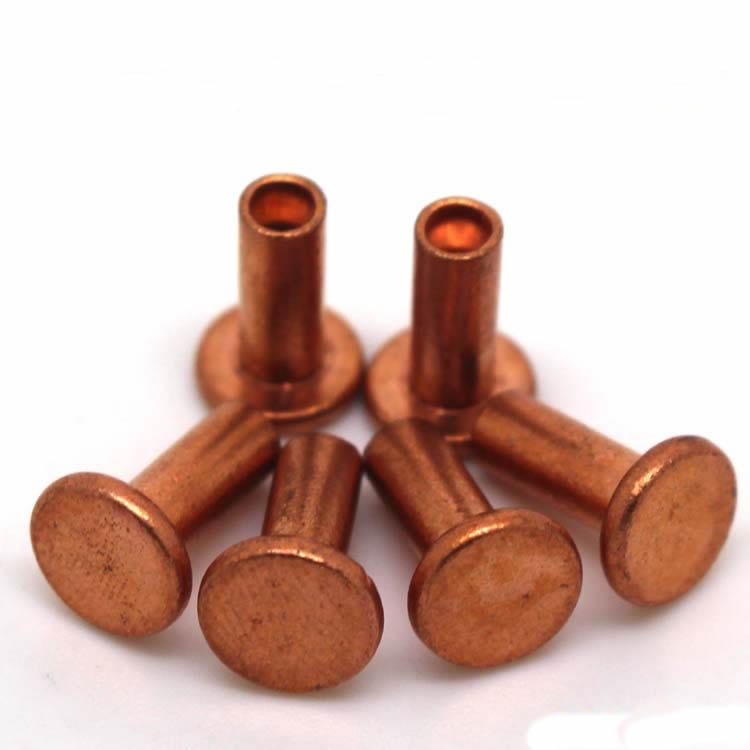
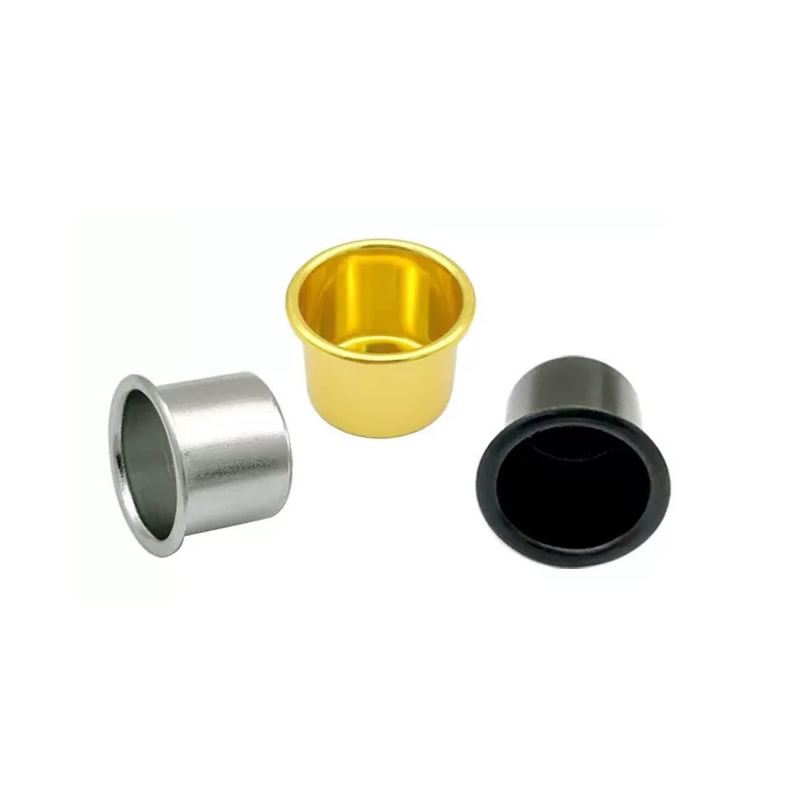
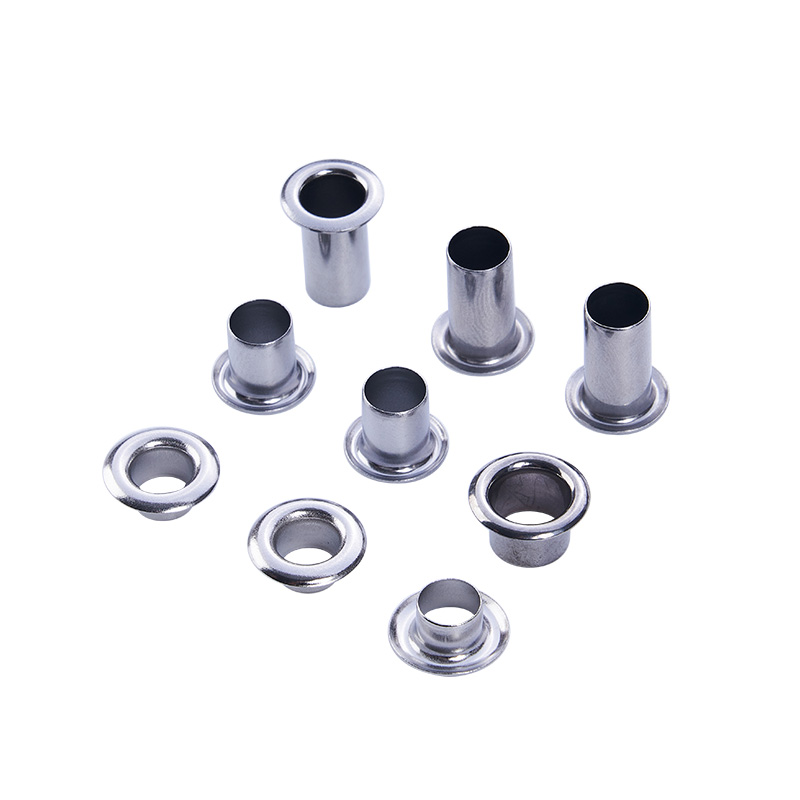
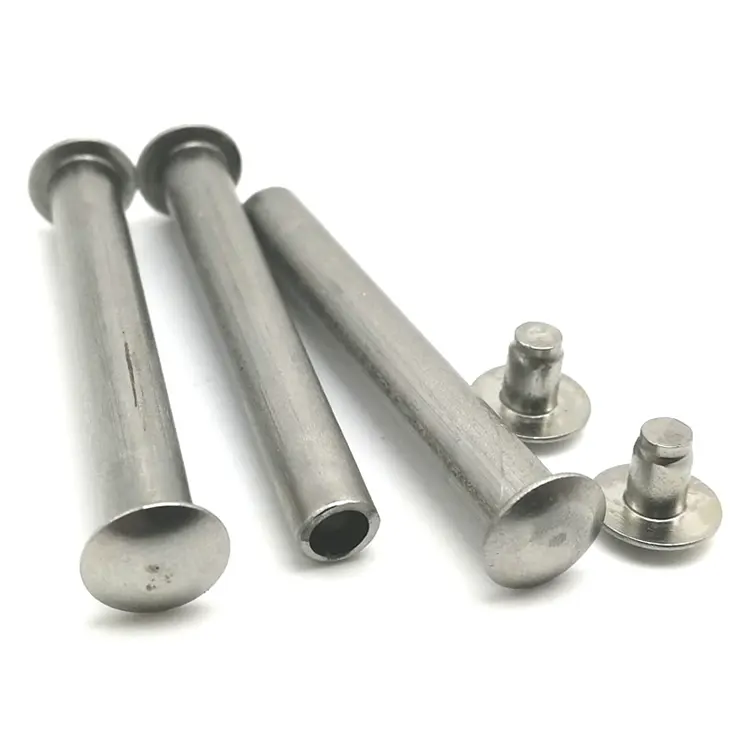
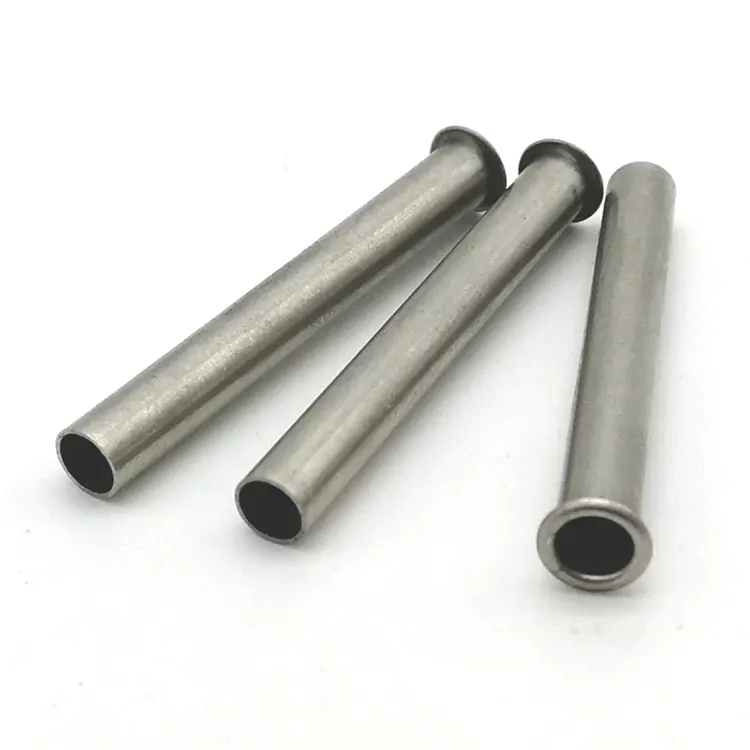
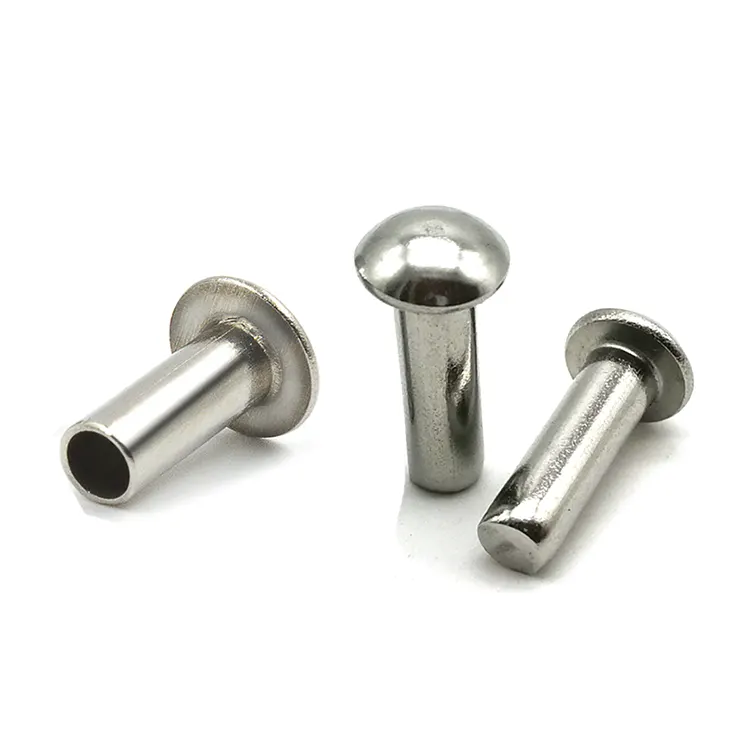
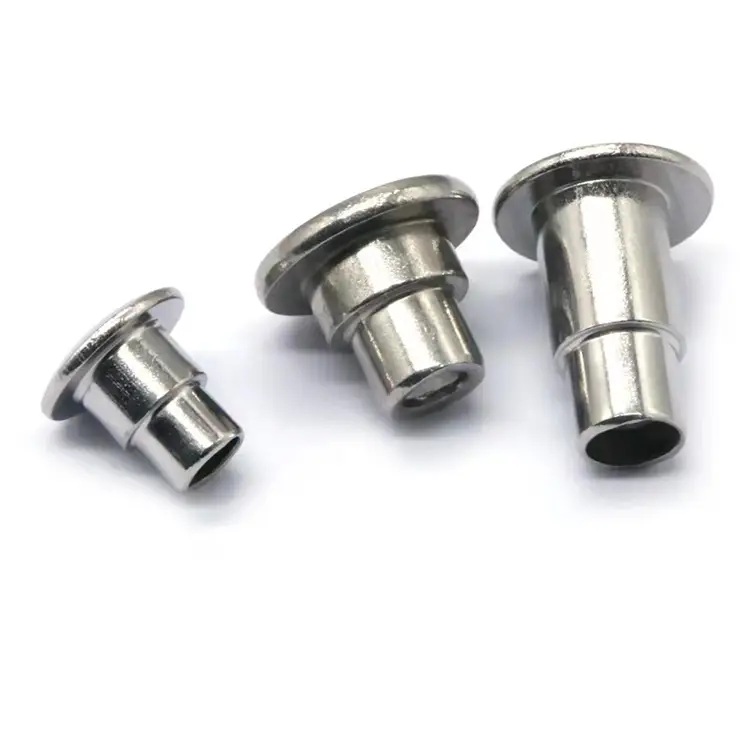
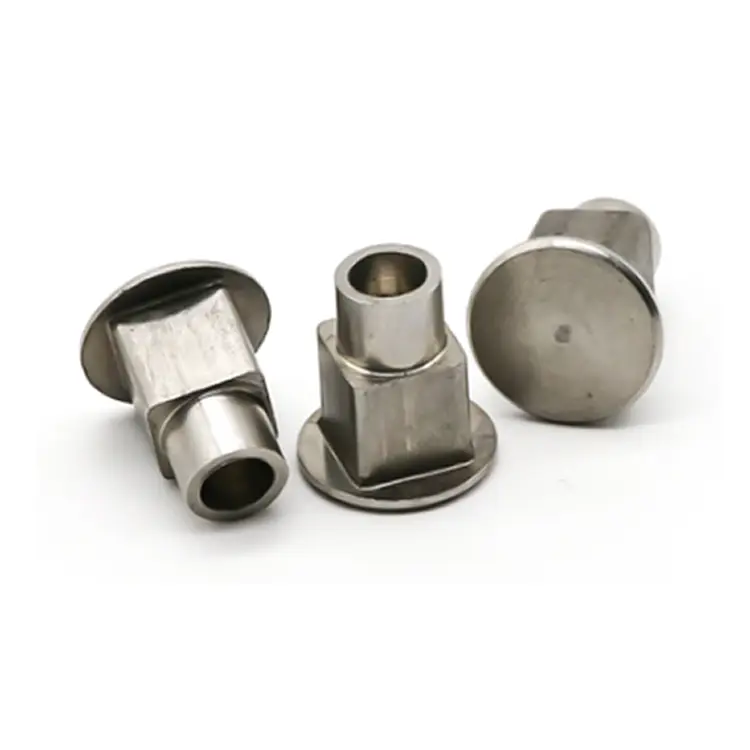
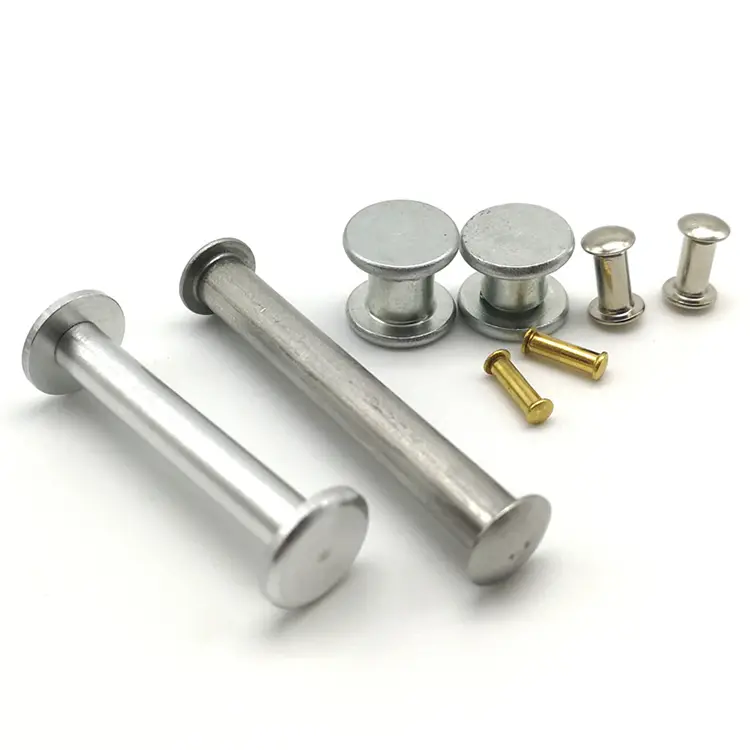
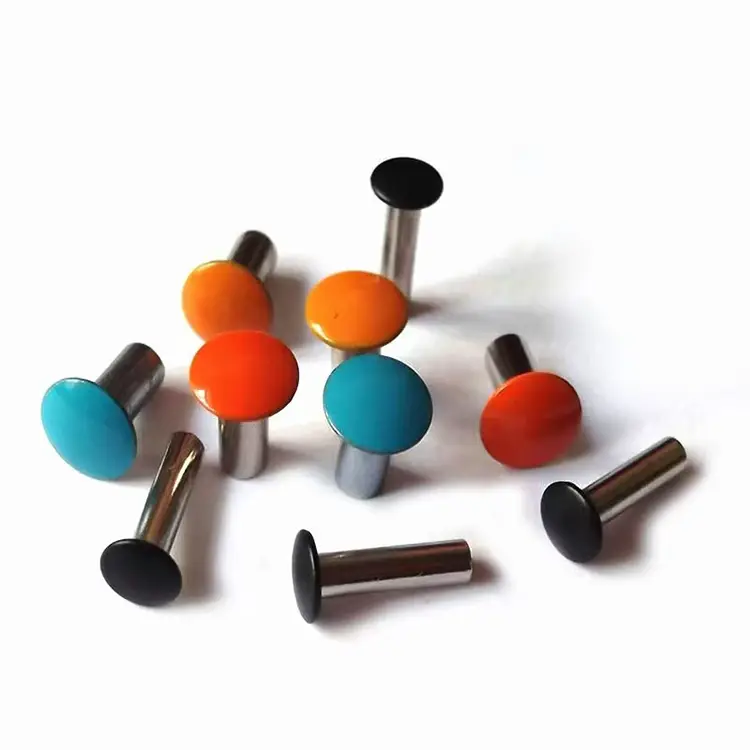
Stainless Steel Mushroom Head Rivets
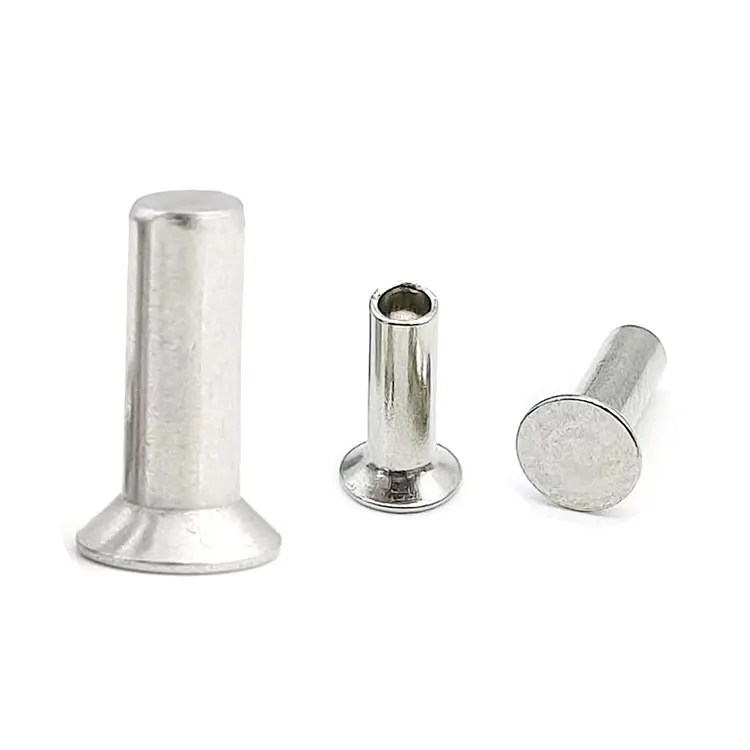
Nuote Metals specializes in the production of stainless steel mushroom head rivets. Our stainless steel rivets boast a gleaming finish. From raw material storage to production and shipment, we rigorously control every detail to ensure each rivet is delivered to our customers with flawless appearance and dimensions. Made of stainless steel, these mushroom-shaped rivets are corrosion-resistant and possess strong mechanical properties. They are widely used in riveting applications such as luggage, apparel, and industrial equipment.
Send Inquiry
Product Description
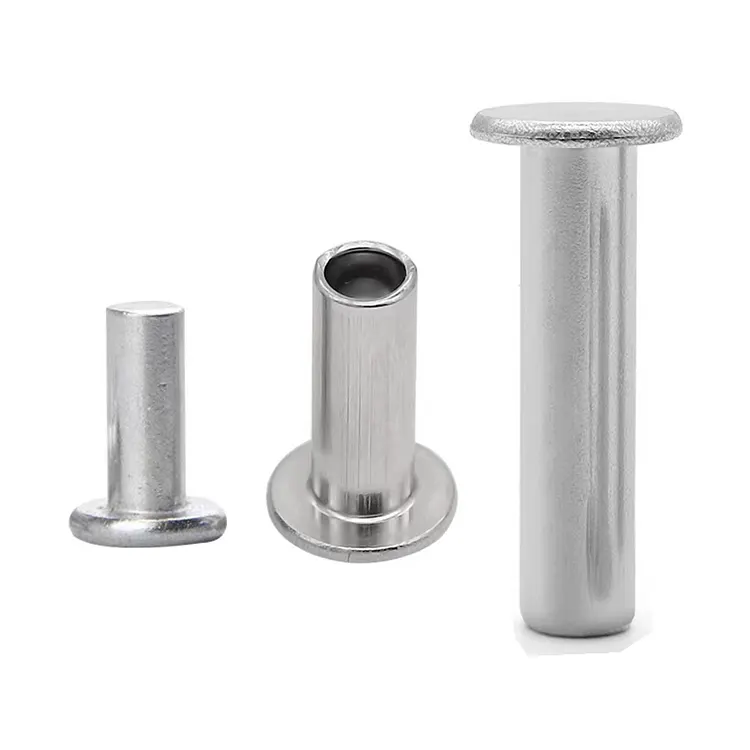
Stainless steel mushroom head rivets feature a wide, low dome with a smooth radius at the edge – the bearing surface spreads clamping force over a large area, while the rounded profile eliminates sharp transitions that can damage materials or snag on workers' clothing.
Made from 304 or 316 stainless steel, they offer permanent corrosion resistance without plating. No rust. No staining. No sharp edges. When your assembly needs a fastener that is gentle on materials, safe for workers, and built to last in harsh environments – stainless steel mushroom head rivets are the engineered answer.
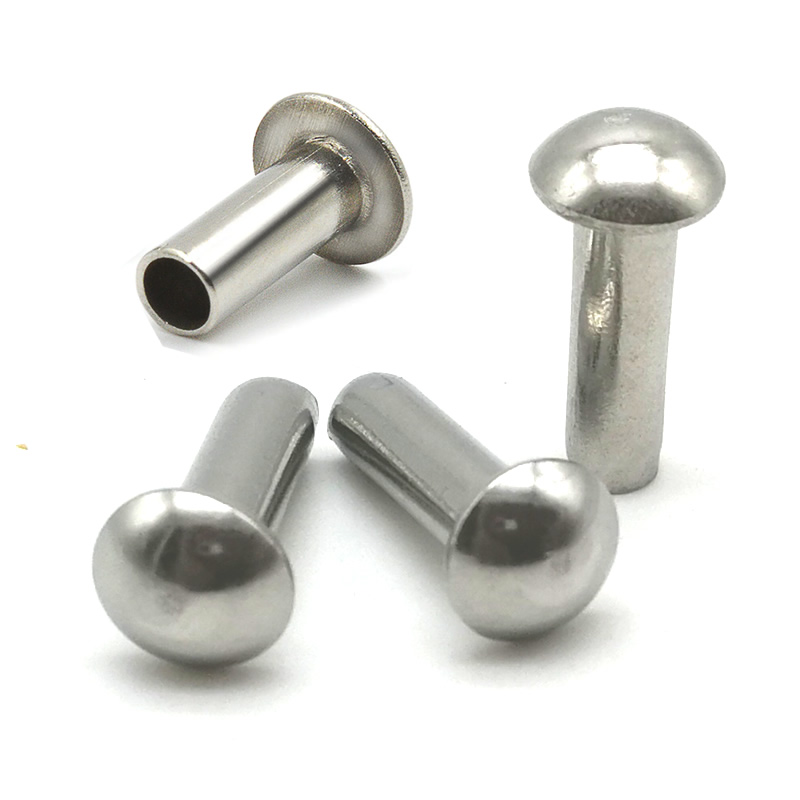
Mushroom Head vs. Round Head – Why the Radius Matters
| Feature | Stainless Steel Mushroom Head Rivet | Stainless Steel Round Head Rivet |
|---|---|---|
| Head diameter / shank ratio | 2.2 – 2.5 : 1 | 1.6 – 1.8 : 1 |
| Head height | Low (30–35%) | Tall (45–50%) |
| Edge profile | Large, smooth radius | Small, distinct edge |
| Load distribution | Excellent | Moderate |
| Surface marking | Minimal | Moderate |
| Snag risk | Lowest of any head | Moderate |
| Best for | Soft materials, safety‑critical, surface‑sensitive | Metal‑to‑metal, traditional appearance |
The mushroom head is the safest head style for worker‑accessible assemblies. The generous radius eliminates sharp corners that can catch on gloves or scratch surfaces, while the wide bearing surface prevents pull‑through in soft or brittle materials.
Solid or Semi‑Tubular?
Solid – The full shank deforms during installation, delivering maximum shear and tensile strength. Choose this for structural joints and load‑bearing assemblies.
Semi‑tubular – A shallow cavity at the tail (45–55% of barrel length) reduces setting force by approximately 70% while retaining 80–90% of the strength. Faster to set, gentler on thin materials, and ideal for automated assembly lines.
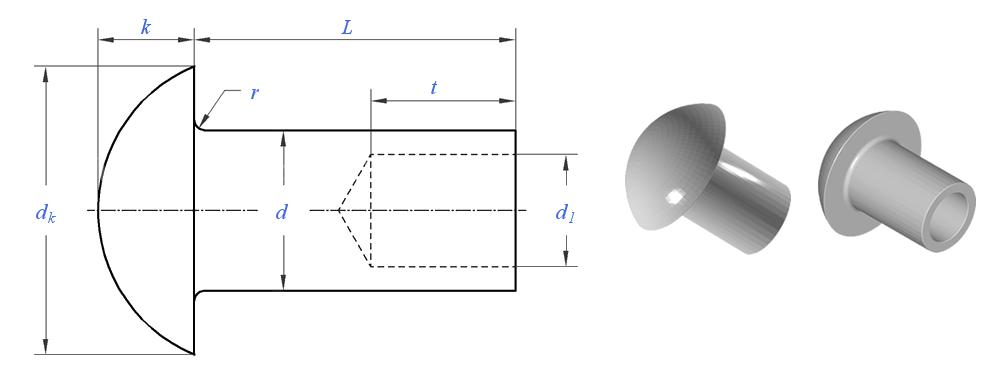
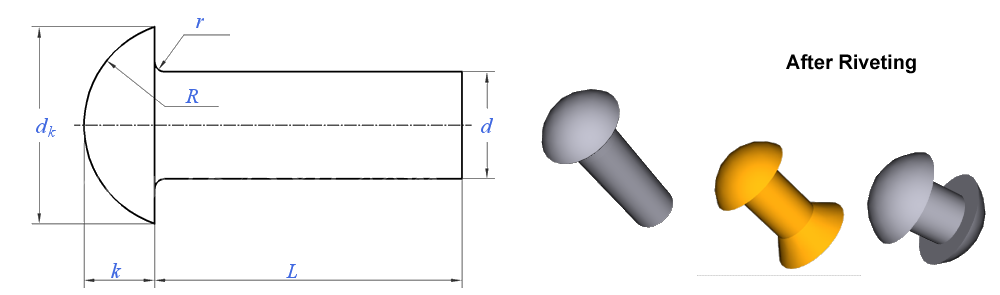
One Real Application – Chemical Plant Equipment Guard
A chemical plant needed to attach protective guards to equipment frames in a highly corrosive environment. The previous zinc‑plated steel mushroom head rivets showed rust after six months of exposure to chemical vapors and washdowns. Round head rivets pulled through the soft rubber gaskets used as vibration dampeners.
We supplied 316 stainless steel mushroom head semi‑tubular rivets – 5.0mm shank, 11.0mm head, 12.0mm barrel length, passivated finish. The 316 grade delivered 1,000+ hours of salt spray resistance. The wide mushroom head distributed clamping force evenly across the rubber gaskets – no pull‑through, no deformation. The smooth radiused edge eliminated sharp corners that could catch on workers' gloves. After 24 months of continuous exposure, zero rust, zero failures. The customer now orders 200,000 pieces annually.
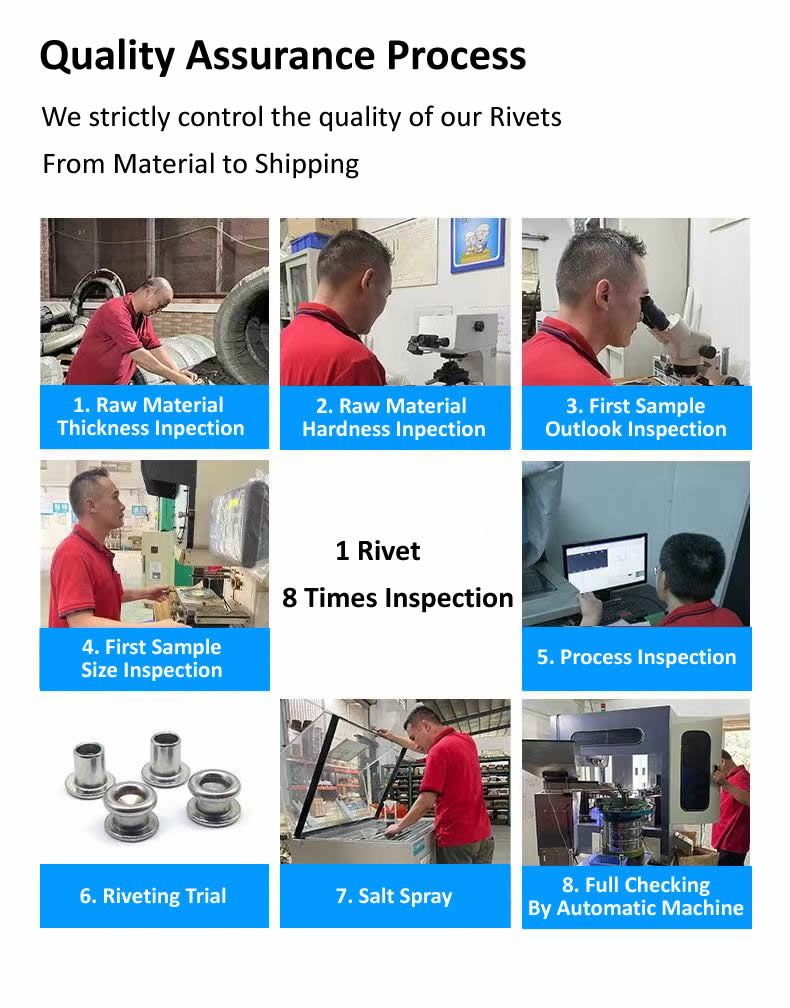
One Rivet, Eight Checks – How We Ensure Quality
Every batch passes eight gates before shipment:
Wire diameter – Laser micrometer, ±0.02mm
Wire hardness – Rockwell tester, HRB 80–95
First article appearance – 10× magnification for cracks, flash, surface defects
First article dimensions – Optical comparator: head diameter, head height, shank, length, cavity, edge radius
In‑process – 5 rivets every 500 pieces
Test setting – Every 2,000 pieces, set into your material, verify clinch symmetry
Salt spray – ASTM B117 (304: 200–500 hrs; 316: 1,000+ hrs) if required
Final sorting – 100% optical inspection + AQL manual verification
Records kept for five years. Full documentation with every shipment.
About Nuote Metals – Company and Rivet Production
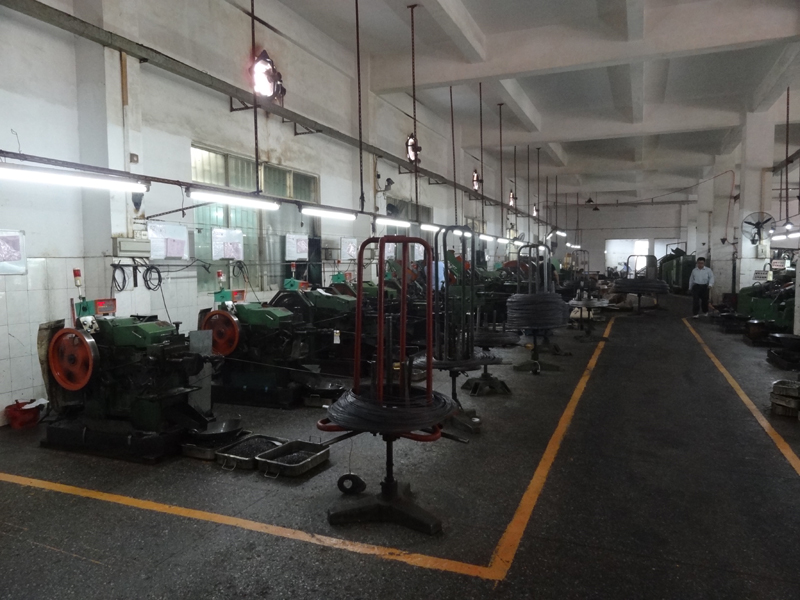
We are a Dongguan‑based fastener manufacturer with over a decade of experience in cold heading stainless steel. Our facility runs 45 cold‑heading machines capable of producing rivets from 0.8mm to 10mm in diameter, in both solid and semi‑tubular designs. We hold ±0.05mm tolerances on standard dimensions and stock over 3,000 sizes for rapid sampling and production.
We ship to manufacturers across North America, Europe, Asia, and beyond.
Three Questions We Answer Often
Q: "Can I get samples for testing – what is the lead time and cost?"
A: Yes. For standard stocked specifications, samples are free – you only pay shipping. Sample lead time is 5–7 days. For custom sizes, contact us for sample cost and timeline.
Q: "My project needs high tensile strength rivets – which type should I choose?"
A: For maximum tensile strength, choose solid stainless steel mushroom head rivets. The solid shank delivers 100% of the material's tensile strength – a 5mm 304 stainless solid rivet offers approximately 11,000–13,000 N. Semi‑tubular rivets retain 80–90% of that value while offering 70% lower setting force. If your application is load‑bearing or structural, solid is the right choice. If you need high strength but also high‑volume production with lighter tooling, semi‑tubular is the practical alternative. Send us your load requirements – we will recommend the optimal design and diameter.
Q: "Can your rivets be used on plastic parts – will they cause cracking?"
A: Yes – and the mushroom head is actually the best head style for plastic. The wide bearing surface distributes clamping force over a larger area, reducing stress concentration that can cause cracking. For plastic assemblies, we recommend:
Semi‑tubular design – Lower setting force reduces impact on the plastic
Barrel length – 1.5–2.0mm longer than your material stack thickness
Controlled setting – Use a press rather than a hammer for consistent, even pressure
In the chemical plant case above, the rivets were set into rubber gaskets – a similarly soft material – without cracking or deformation. If you are working with brittle plastics like acrylic or polycarbonate, we recommend testing a sample first. We can supply 20–50 samples for testing on your actual material.
Hot Tags: Stainless Steel Mushroom Head Rivets,China Stainless Steel Mushroom Head Rivets,Mushroom Head Rivets Stainless Steel
Product Tag
Related Categories
Send Inquiry
Please feel free to fill your inquiry in the form below. We will reply you in 24 hours.



X
We use cookies to offer you a better browsing experience, analyze site traffic and personalize content. By using this site, you agree to our use of cookies.
Privacy Policy