
Products
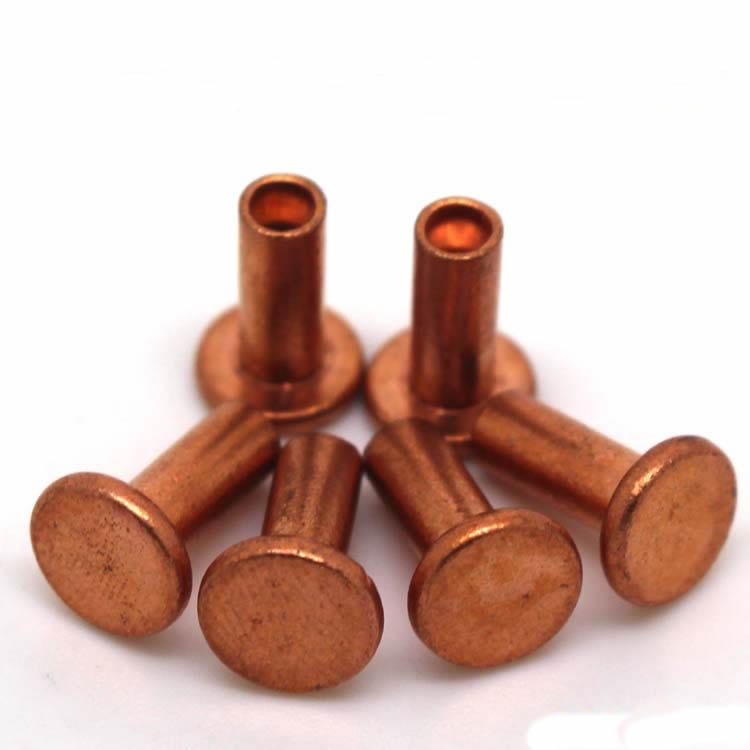
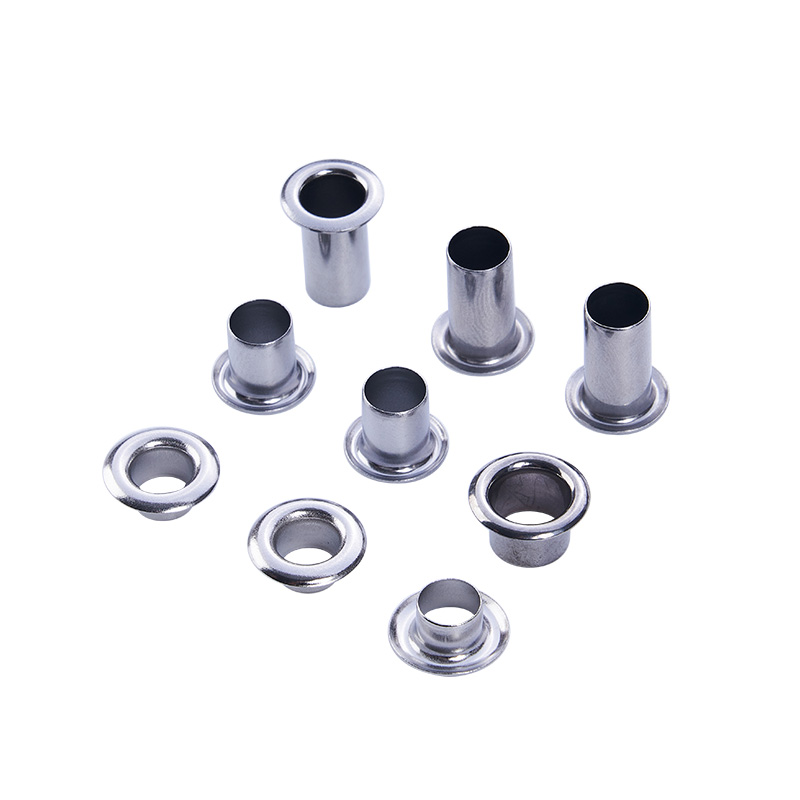
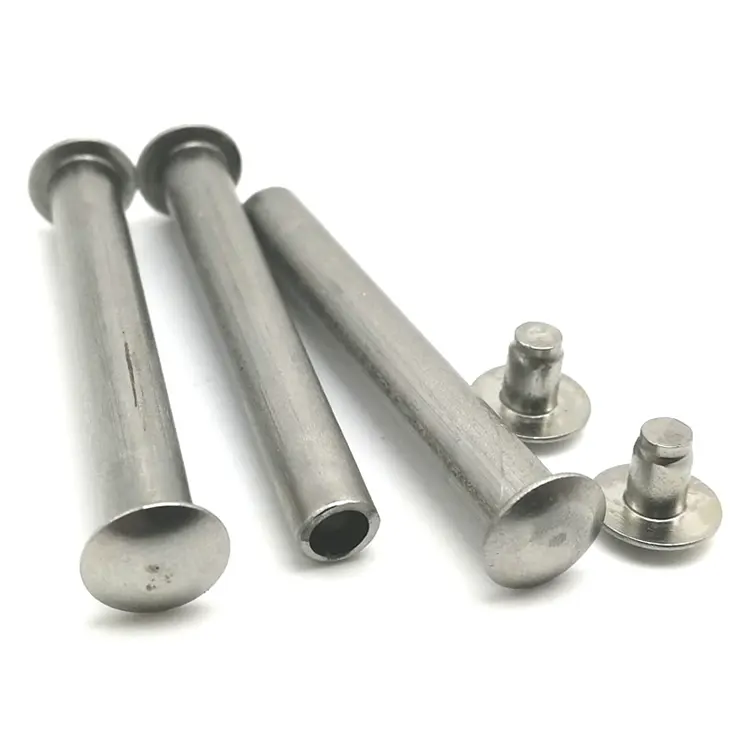
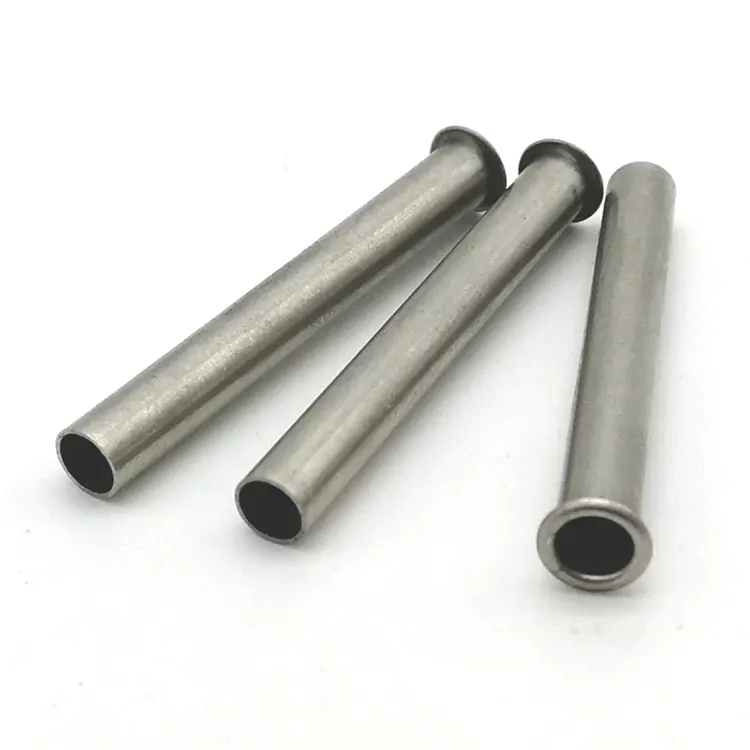
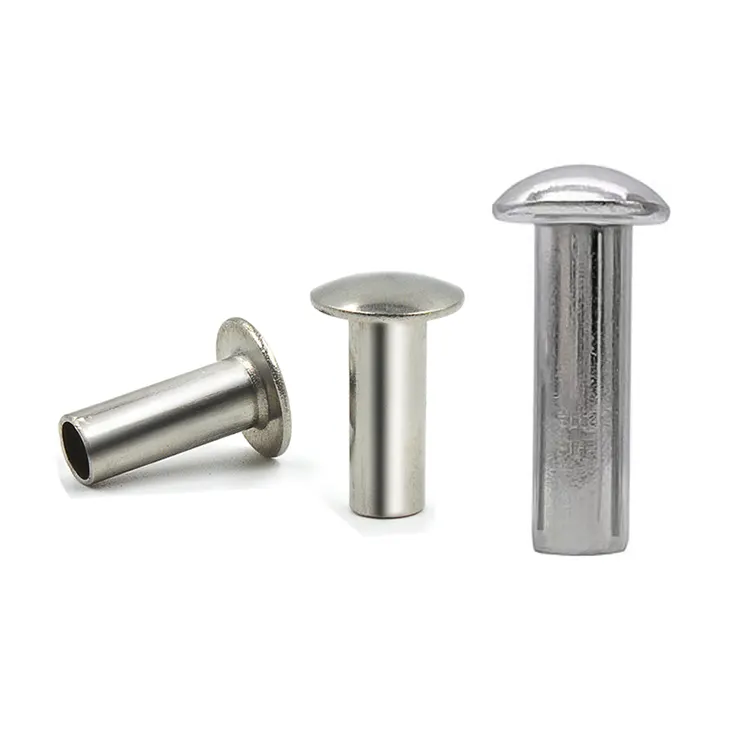
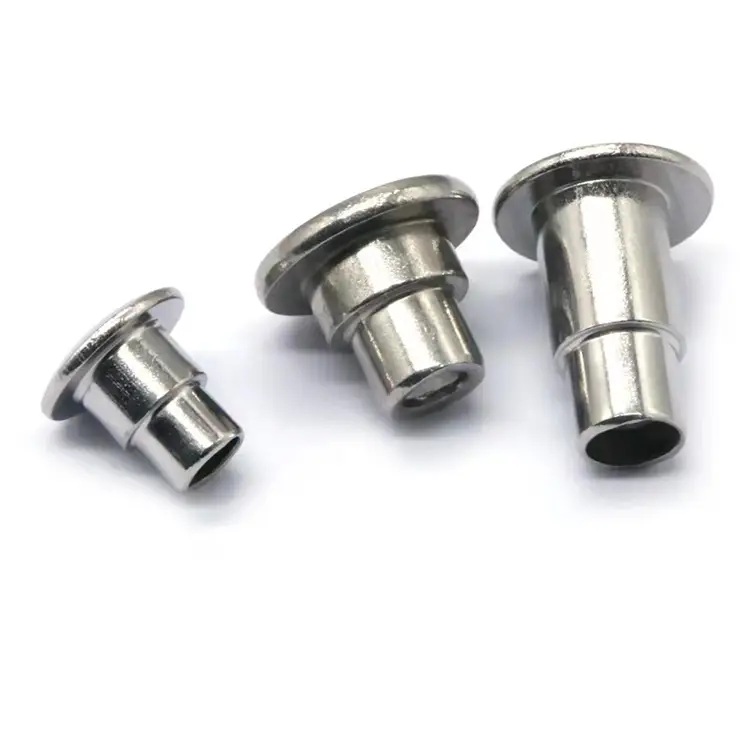
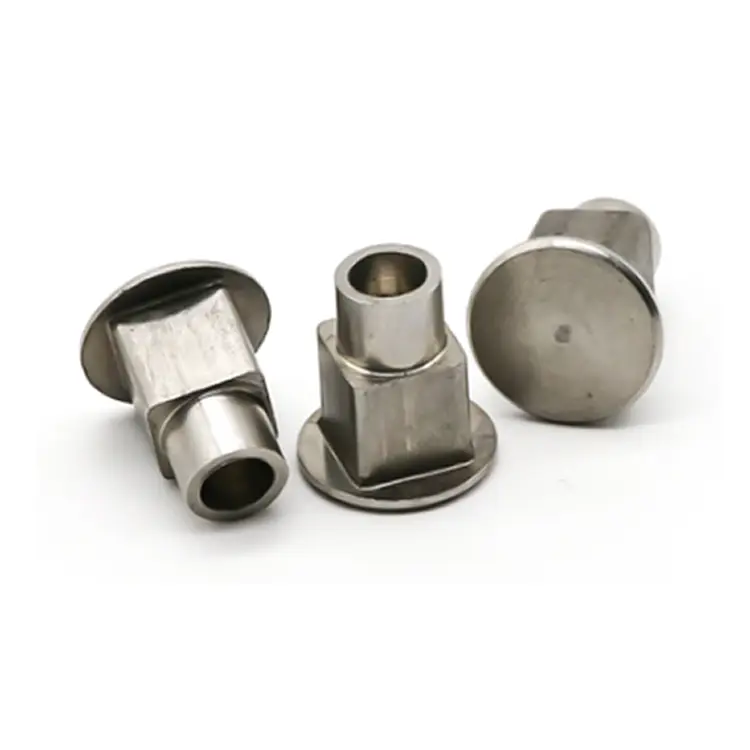
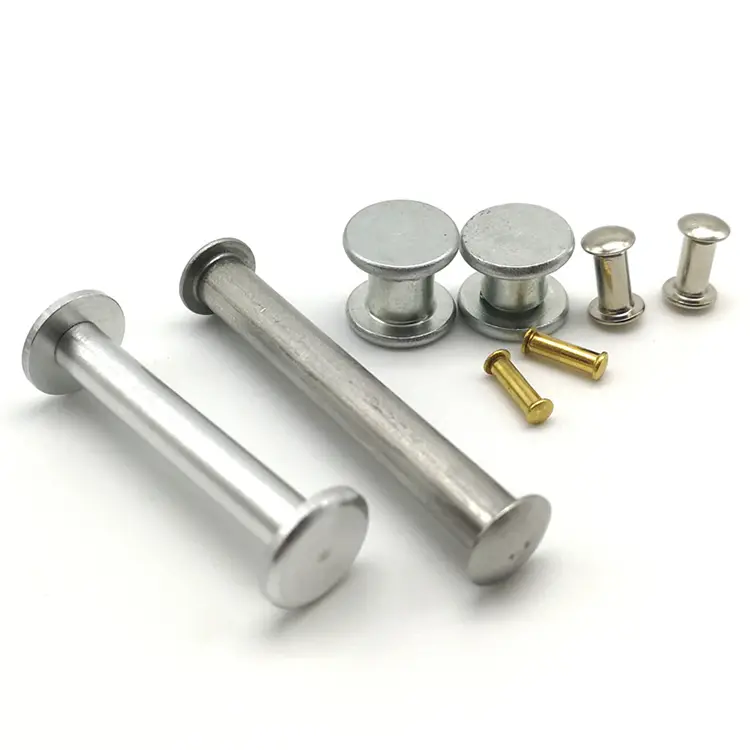
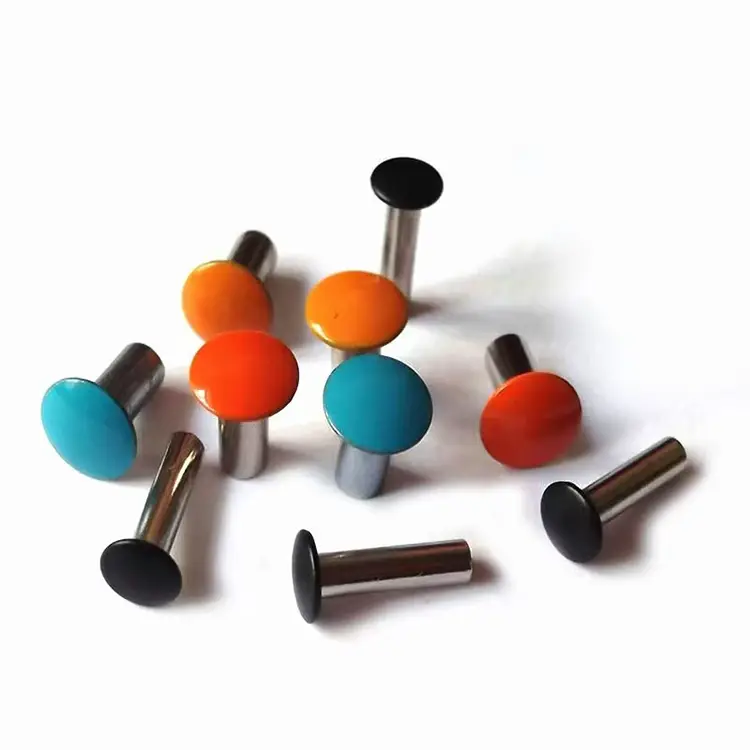
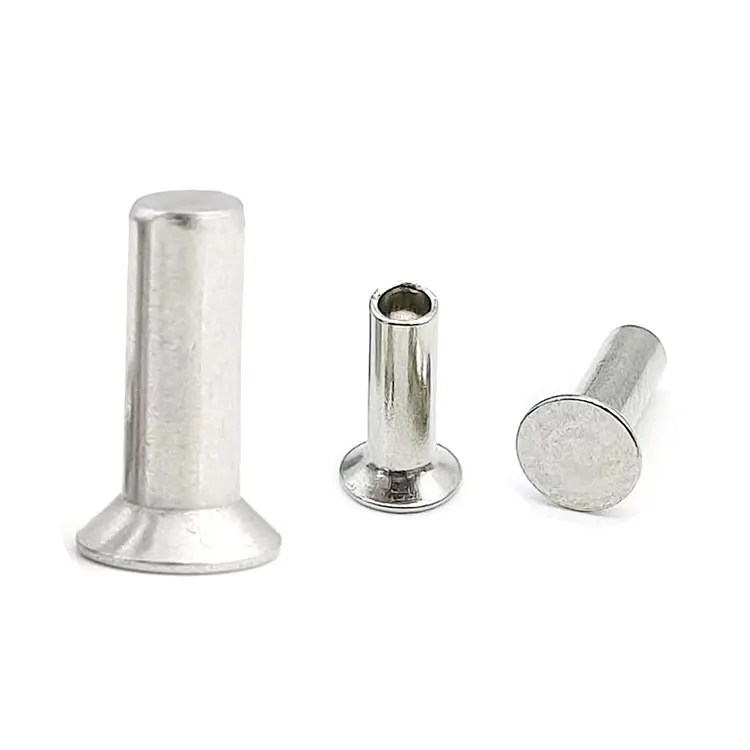
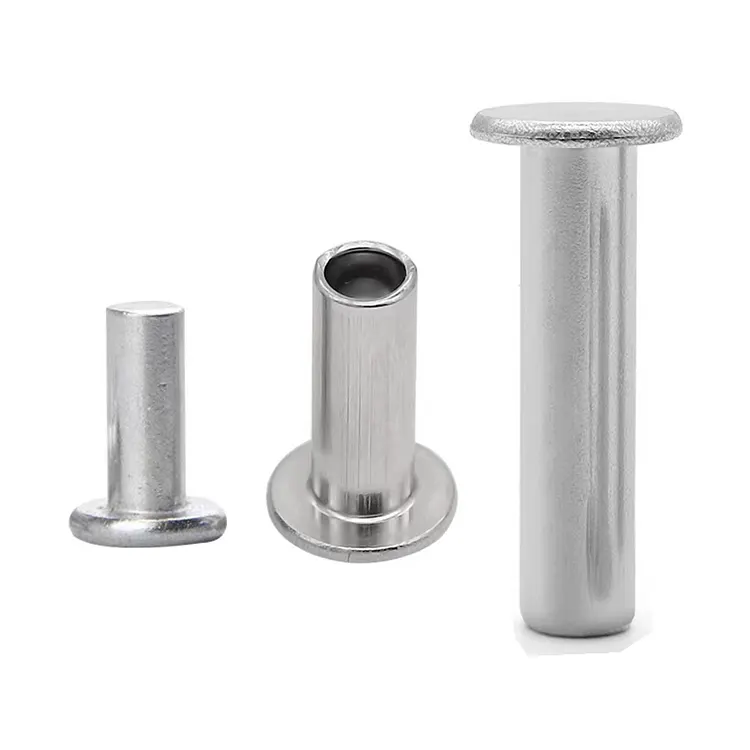
Stainless Steel Pan Head Rivets
Nuote Metals is a trusted rivet manufacturer in China, producing rivets in a variety of materials, including brass, iron, aluminum, stainless steel, and copper. Stainless steel pan head rivets are an ideal choice for numerous industries due to their excellent fastening properties, superior corrosion resistance, diverse specifications, and wide range of applications. Whether in industrial manufacturing, architectural decoration, automotive manufacturing, or home DIY, stainless steel pan head rivets provide a reliable connection solution, adding a layer of security to any project.
Send Inquiry
Product Description
When a designer chooses a pan head rivet, they are not just selecting a fastener. They are making a statement: this joint is intentional, this component is finished, and the person who assembled it cared about how it looks.
Stainless steel pan head rivets take that design statement and make it permanent. The straight sidewall – the signature feature of the pan head – creates a clean visual line that round heads lack. The stainless steel body ensures that the rivet will look the same in ten years as it does today. No rust. No tarnish. No plating to wear off.
If you are specifying visible fasteners on equipment that will be seen by customers, inspected by regulators, or exposed to harsh environments, stainless steel pan head rivets are the fastener that matches the quality of everything around it.
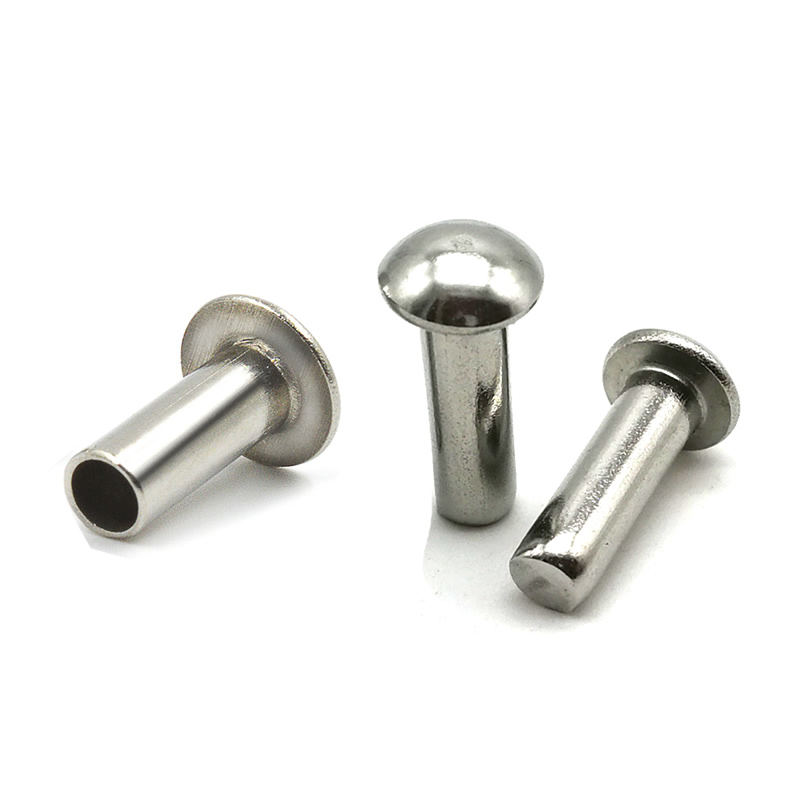
The Pan Head Distinction – Why the Straight Wall Matters
At a glance, a pan head looks similar to a round head. But the straight sidewall changes everything.
| Feature | Pan Head | Round Head |
|---|---|---|
| Side profile | Dome + straight wall | Continuous dome |
| Visual effect | Clean, intentional, "designed" | Classic, industrial |
| Head diameter / shank | 1.8 – 2.2 : 1 | 1.6 – 1.8 : 1 |
| Head height | Medium (35–40%) | Tall (45–50%) |
| Best for | Visible assemblies, premium equipment, finished products | Structural, traditional, impact‑resistant |
The straight wall is a visual signal. It tells the observer that the fastener was chosen deliberately. This is why premium equipment manufacturers – in food processing, medical devices, marine hardware, and architectural metalwork – specify pan head rivets for visible assemblies.
Why Stainless Steel for Pan Head Rivets
Pan head rivets are often used where appearance matters. Appearance and corrosion are natural enemies. A pan head rivet that rusts or stains defeats the purpose of choosing it in the first place.
| Grade | Key Alloy | Corrosion Resistance | Best For |
|---|---|---|---|
| 304 | 18% Cr, 8% Ni | 200–500 hrs salt spray | General outdoor, food equipment, rain, humidity |
| 316 | 16% Cr, 10% Ni, 2% Mo | 1,000+ hrs salt spray | Marine, coastal, saltwater, chemical, acidic environments |
Choose 304 for food processing equipment, commercial kitchens, and general outdoor use. Choose 316 for marine environments, coastal installations, and applications with salt spray or chemicals.
One Real Application – Commercial Kitchen Equipment Housing
A manufacturer of commercial dishwashers and food prep tables needed visible fasteners on the outer housing. The equipment is installed in high‑end restaurants and inspected regularly – the fasteners had to look clean, professional, and intentional. The environment is wet, hot, and chemically aggressive. The previous round head rivets looked too industrial. Zinc‑plated steel rusted.
We supplied 304 stainless steel pan head semi‑tubular rivets – 4.0mm shank, 8.0mm head, 8.0mm barrel length, passivated finish. The pan head straight sidewall gave the housing a clean, finished appearance. The 304 stainless resisted moisture and cleaning chemicals. The semi‑tubular cavity cut setting force from 3.5 tons to 1.0 ton – no deformation of the thin panels. The customer tested 500 rivets across 100 units. After 18 months of commercial kitchen use, zero rust, zero loosening. They now order stainless steel pan head rivets in batches of 200,000 pieces annually.
About Nuote Metals – Company and Rivet Production
We are a Dongguan‑based fastener manufacturer with over a decade of experience in cold heading stainless steel. Our facility runs 45 cold‑heading machines capable of producing rivets from 0.8mm to 10mm in diameter, in both solid and semi‑tubular designs. We hold ±0.05mm tolerances on standard dimensions and stock over 3,000 sizes for rapid sampling and production.
We ship to manufacturers across North America, Europe, Asia, and beyond.
One Rivet, Eight Checks – How We Ensure Quality
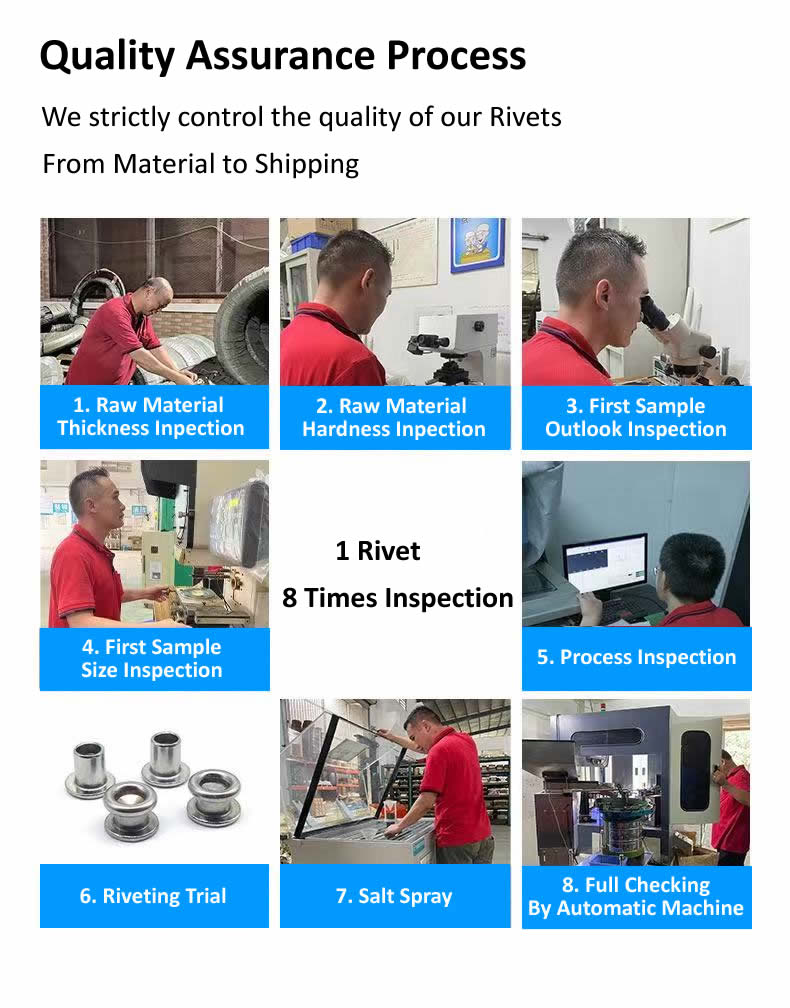
We do not rely on random sampling. Every batch of stainless steel pan head rivets passes through eight separate quality gates before leaving our factory. The principle is simple: measure early, measure often, and never assume.
Raw material diameter check – Incoming stainless wire is measured with a laser micrometer. Diameter tolerance: ±0.02mm. Any coil outside this range is rejected before it touches our headers.
Raw material hardness check – A sample from each coil is tested on a Rockwell hardness tester. For stainless steel, we require HRB 80–95. Too soft, and the rivet will deform during heading. Too hard, and the cavity may crack.
First article appearance check – After tooling setup, the first 10 rivets are visually inspected under magnification. We look for cracks, flash, uneven heads, or surface marks. Any visible defect stops the press.
First article dimensional check – The same 10 rivets are measured on an optical comparator. Head diameter, head height, shank diameter, total length, and cavity depth. All must be within drawing tolerances before production starts.
In‑process checks – During mass production, the operator pulls 5 rivets every 500 pieces. Dimensions are verified with digital calipers and a go/no‑go gauge for cavity depth. Any drift triggers tooling adjustment.
Test setting (trial riveting) – Every 2,000 pieces, we set 3 rivets into a representative material sample (same thickness and type as your assembly). The clinch is inspected for symmetry and tightness. No loose or cracked rivets are accepted.
Salt spray test (if required) – For outdoor or marine applications, we send samples to our lab for ASTM B117 salt spray testing. 304 grade: 200–500 hours. 316 grade: 1,000+ hours. A certificate is issued with the batch.
Final outgoing inspection – Before packaging, every rivet passes through an optical sorting machine. Cameras check head diameter, head height, shank diameter, total length, and cavity depth. Rejects are automatically ejected. A random AQL sample (Level II, 1.0) is then pulled for manual verification.
A stainless steel pan head rivet that survives all eight steps is ready to leave our factory. We keep records of every check for five years.
Three Questions We Answer Often
Q: "Can I get samples for testing – what is the lead time and cost?"
A: Yes – we offer samples for all our products. For standard stocked specifications, samples are provided free of charge – you only pay the shipping cost. Sample lead time is 5–7 days for standard sizes. For custom sizes or custom tooling, sample availability and lead time depend on the specific requirements. We will provide a sample cost estimate and timeline when we quote.
Q: "What is the maximum shear strength of a stainless steel pan head rivet?"
A: For a 5mm solid 304 stainless pan head rivet, the single shear strength is approximately 11,000–13,000 N. A semi‑tubular rivet of the same diameter retains 80–90% of that value – about 9,000–11,500 N. For comparison, a 5mm carbon steel rivet has similar shear strength, but without the corrosion resistance of stainless. If your application requires specific shear or tensile values, send us your requirements – we will confirm the right size and design for your load conditions.
Q: "How does the semi‑tubular design affect the installation force – and how do I know if my press can handle it?"
A: The semi‑tubular design reduces setting force by approximately 70% compared to a solid rivet of the same diameter. For example, a 5mm solid stainless steel rivet requires about 3.5 tons of setting force. The same diameter semi‑tubular rivet requires about 1.0–1.2 tons. That means you can use lighter presses, reduce operator fatigue, and avoid damaging thin or delicate materials. If your existing press is set up for solid rivets, you will need to reduce the pressure significantly – we recommend starting at 30% of your usual setting and adjusting up until the clinch forms cleanly. If you are unsure, send us your press specifications and rivet size – we will recommend the optimal setting force for your equipment.
Hot Tags: Stainless Steel Pan Head Rivets
Product Tag
Related Categories
Send Inquiry
Please feel free to fill your inquiry in the form below. We will reply you in 24 hours.



X
We use cookies to offer you a better browsing experience, analyze site traffic and personalize content. By using this site, you agree to our use of cookies.
Privacy Policy